

Free written scope consultation - allowances, timeline, and change-order rules on paper before a single trade is scheduled
Styles & brands we work with
- Kitchen remodeling
- Bathroom remodeling
- Home additions & ADU
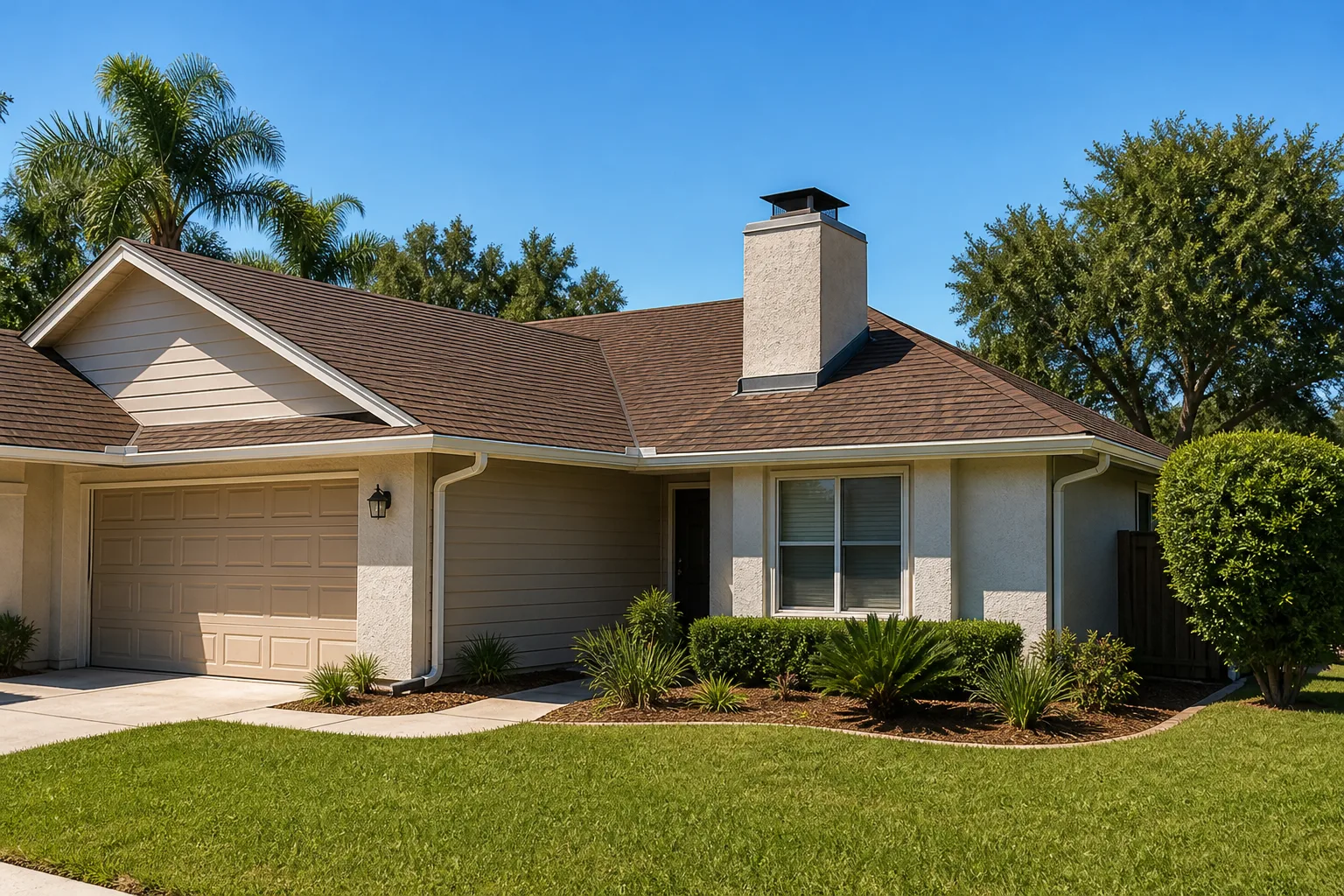
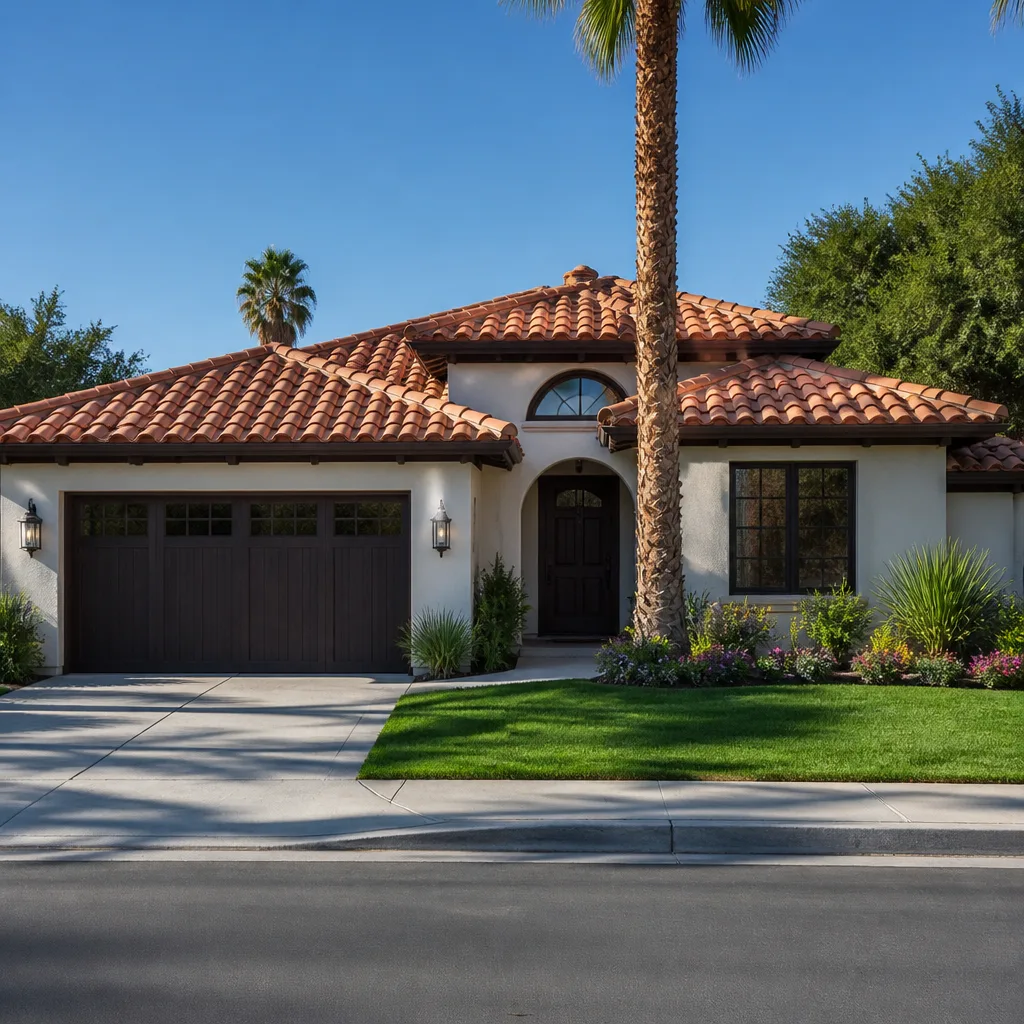
- Roofing
- Windows & doors
- Driveway & pavers
- Fence
See the difference
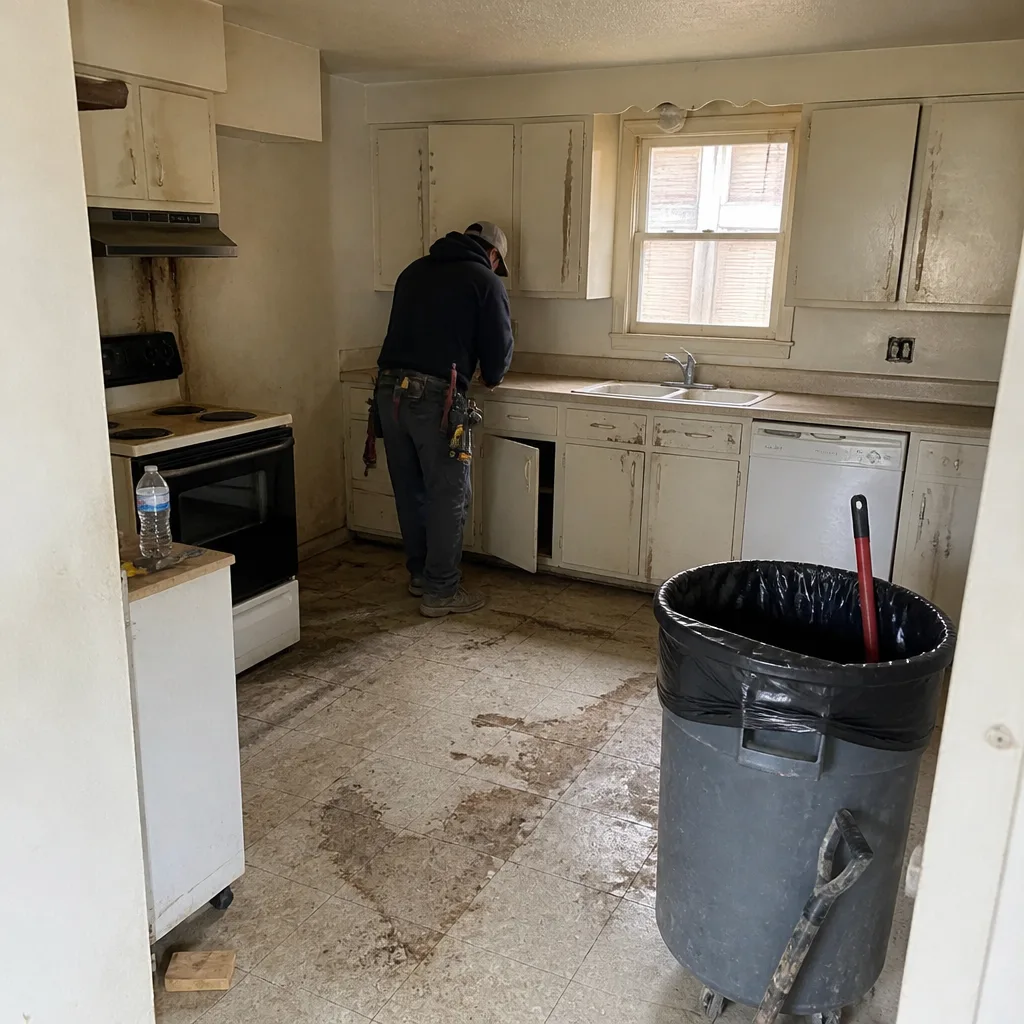 Before
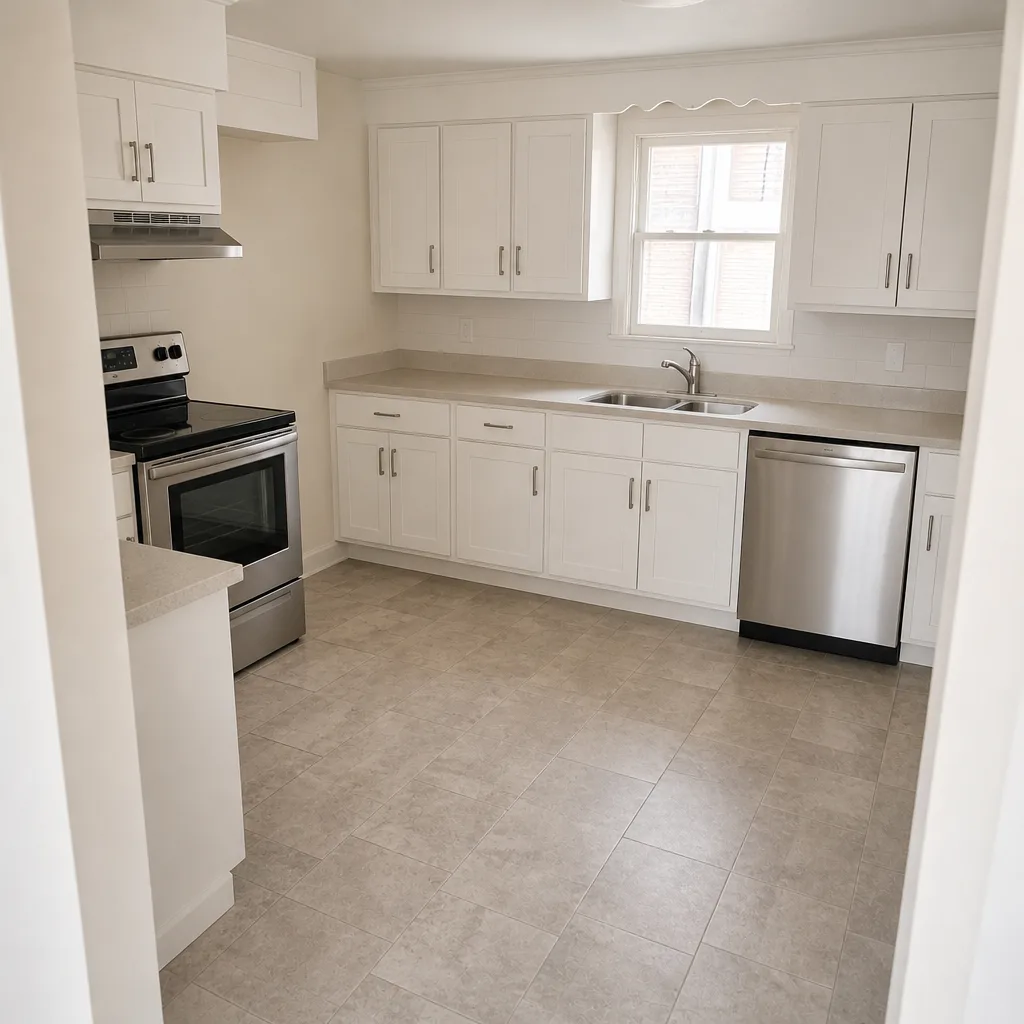 After
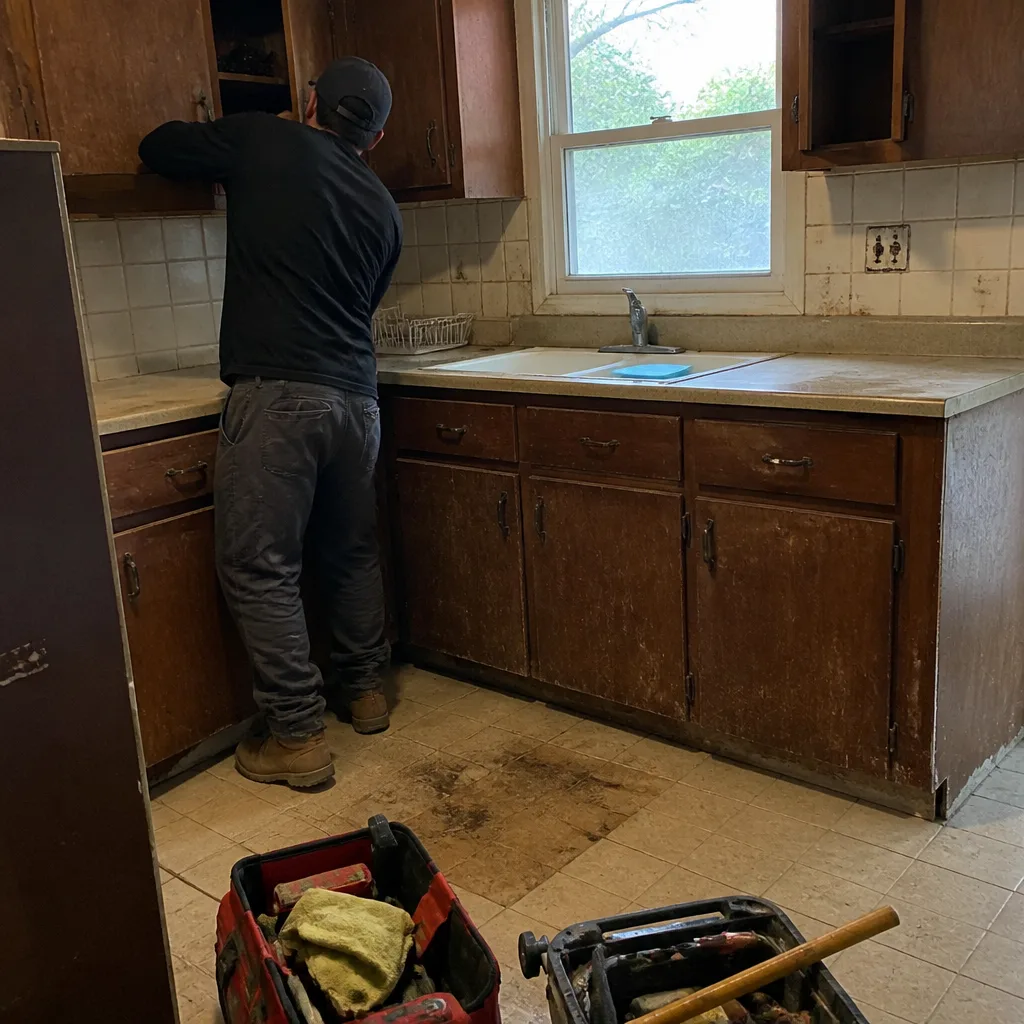 Before
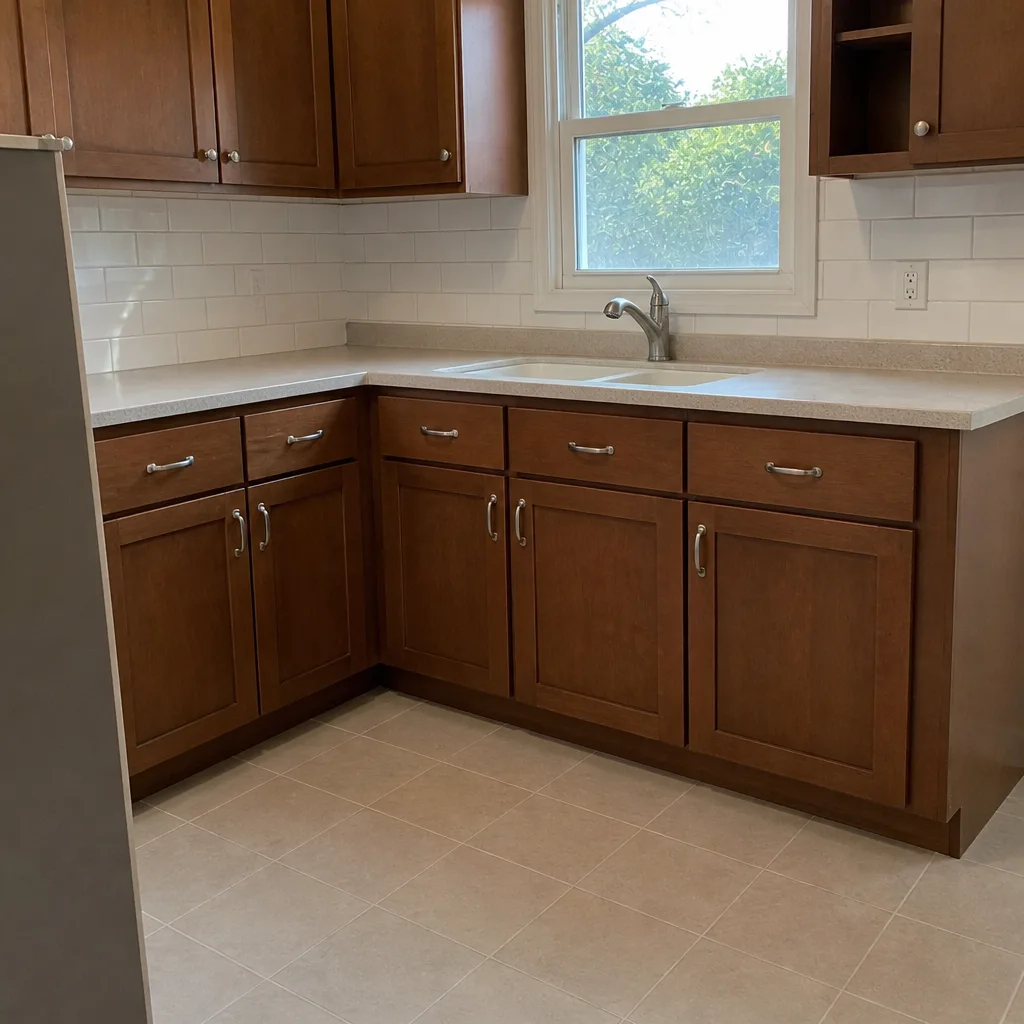 After
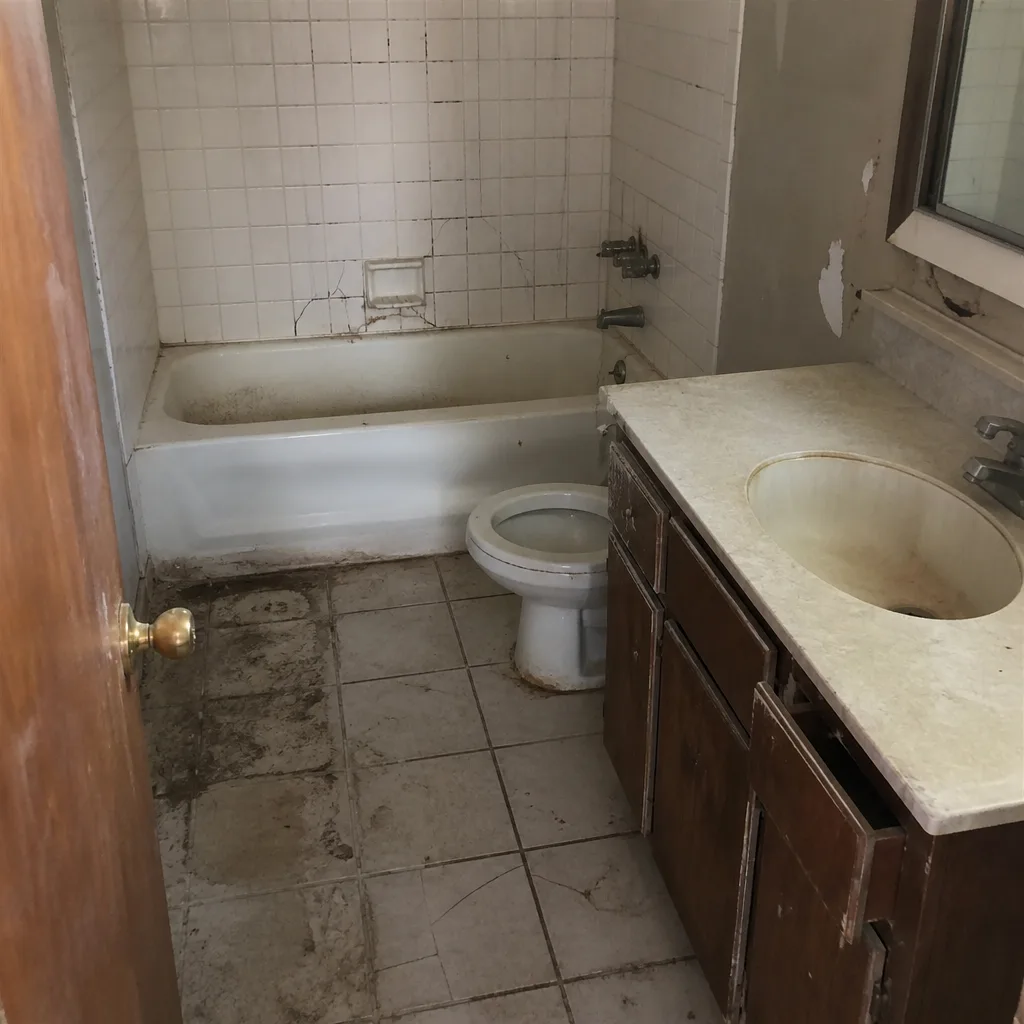 Before
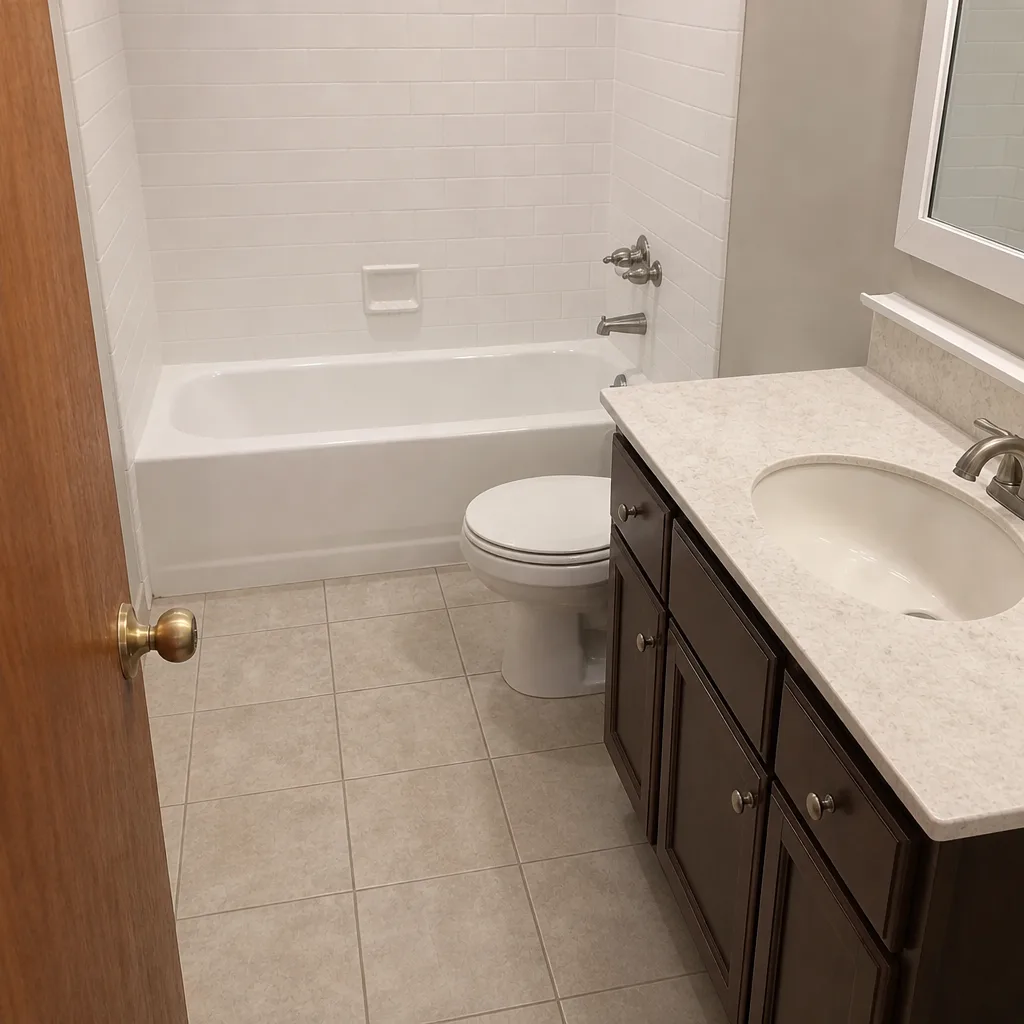 After
What Causes Roof Leaks in Lewisville, TX? The Short Answer
Most roof leaks in Lewisville trace back to failed flashing at penetrations and wall junctions, not missing shingles. That is the single most common cause we find, and it is usually the least visible one. Your roof probably doesn’t have a hole punched through it. It has a flashing joint that’s been opening and closing with the temperature every year for a decade, and this spring it didn’t close back up. If you’re watching a stain spread on the ceiling right now, call Groundwork Construction Co. of Lewisville at (844) 560-4467 for a free assessment. Most leak inspections and repairs fall in the $400-$1,800 range, and you’ll get an upfront number before any work starts.
Lewisville is a two-speed housing market, and that shapes the leaks we see. Old Town and the neighborhoods near the lake are full of 1960s-80s brick ranches and pier-and-beam homes, while the northern growth zones are packed with newer tract subdivisions. The old homes leak for one set of reasons. The newer ones leak for another. The climate ties them together: a 105°F August afternoon can swing to a hard spring cold front with a temperature differential north of 100°F inside a single season. Metal doesn’t like that. Neither does the sealant holding it in place.
The Real Ranking: What Causes Roof Leaks, Most to Least Common in North Texas
Generic pages put storm damage first. In our experience across Lewisville, that’s backwards. Here’s the order we actually find problems, based on what our technicians have seen on thousands of North Texas roofs. Our technicians have up to 12 years of experience reading exactly these failure patterns.
- 1. Flashing failure at penetrations and wall junctions. Vents, chimneys, skylights, and where the roof meets a wall. This is the highest-failure-rate component on any roof.
- 2. Valley debris accumulation. Live oak and cedar elm shed continuously here, and valleys trap the mess.
- 3. Shingle granule loss leading to mat exposure. The sun bakes the granules off and the asphalt mat underneath starts to fail.
- 4. Storm damage. Spring hail and high-wind events matter, but they cause fewer leaks than people assume.
- 5. Decking failure on aging homes. Soft or rotted sheathing under the shingles, mostly on older properties.
The Thermal Expansion Problem Behind Most Lewisville Leaks
Here’s the mechanism a lot of homeowners never hear explained. Metal flashing expands in the heat and contracts in the cold. Every cycle works the sealant that holds it. Standard silicone caulk, which many contractors reach for because it’s fast and cheap, has a working lifespan of roughly 5-8 years under North Texas conditions. After that it starts to crack, the joint opens, and water finds a path it didn’t have before. The leak usually shows up around year 7-10 of a roof’s life, which is exactly why so many people assume their “newish” roof can’t be the problem.
Butyl-based flashings that mechanically interlock, rather than just sitting in a bead of caulk, hold up far better to that cycle. The difference isn’t cosmetic. One is a sealant hoping to survive. The other is a joint built to move without opening.
A Lewisville-specific leak: the debris-filled valley
Drive through the older streets off Old Town and you’ll see mature live oaks and cedar elms overhanging the roofs. Those trees don’t shed once a year. They drop organic material continuously, and roof valleys catch all of it. Once a valley packs with wet leaves, the material holds moisture against the underlayment long after a rain event ends. That’s a slow soak, not a sudden leak, and it’s easy to miss until the decking underneath is already soft.
Why 1960s-80s Old Town homes leak at the wall junction
Original roof-to-wall step flashings on those homes were often set in tar rather than mechanically fastened and counter-flashed. It was standard practice at the time. In North Texas heat, that tar dries, cracks, and shrinks, which creates a guaranteed failure point at every wall junction on the roof. If you own an older brick ranch in Old Town, this is where I’d look first.
When to Call a Pro vs. What You Can Check Yourself
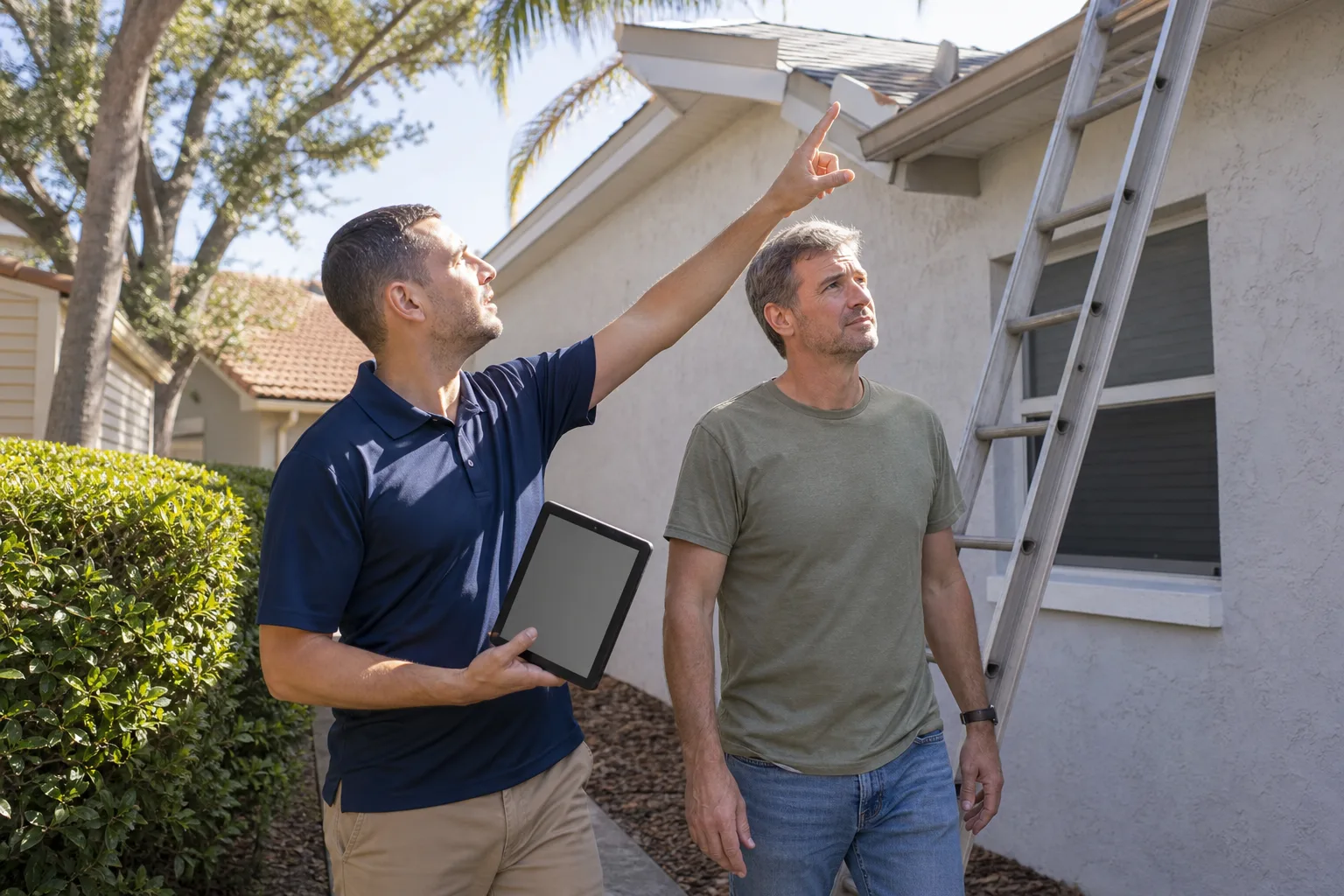
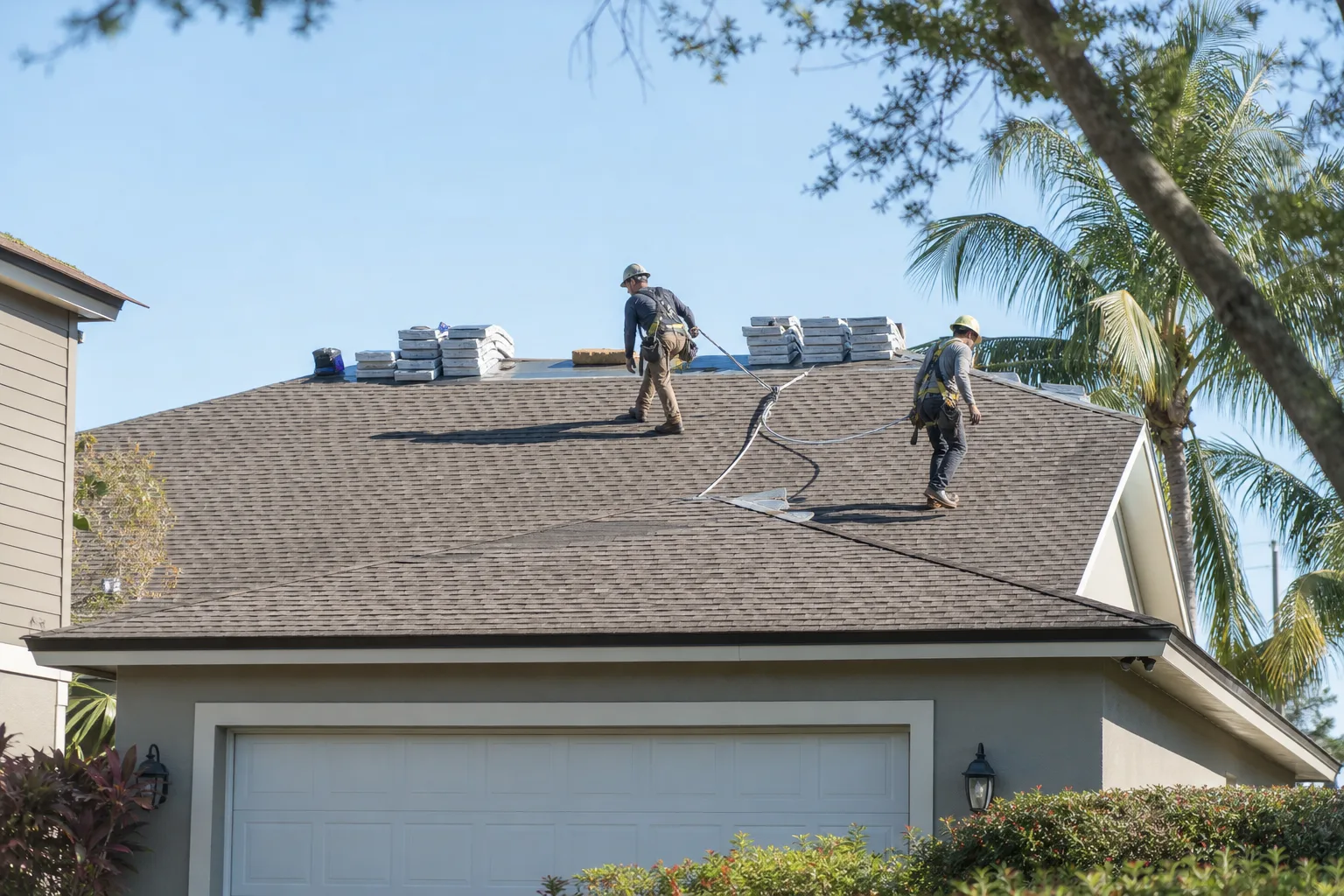
You can safely look for a few things from the ground with binoculars: missing or lifted shingles, granules collecting in the gutters, dark staining on the ceiling, and daylight showing through the roof deck from inside the attic. What you should not do is climb up to probe flashing, pry at shingles, or walk a pitched roof. Roof work is one of the most dangerous trades in residential construction, and a fall is not worth a saved service call. Flashing and decking repairs need someone trained to do them safely; leave the ladder work to a professional.
One more local note most pages skip: the black gumbo clay under much of Lewisville heaves in drought-then-flood cycles, and slab foundations on older homes are constantly being leveled. Roof-to-wall junctions move along with that foundation, which can open flashing joints and crack caulk lines even when the roof itself is fine. If your leak shows up right after a dry spell breaks, that movement is worth ruling out.
What Roof Leak Repair Costs in Lewisville
Upfront pricing means the number you see is the number you pay. Here’s what roof work typically runs in the Lewisville market so you can plan.
| Service | Typical Range in Lewisville |
|---|---|
| Roof leak inspection and repair (flashing, patching) | $400-$1,800 |
| Tile roof repair | $600-$2,500 |
| Full roof replacement (asphalt shingle) | $8,000-$20,000 |
| Metal roof installation | $15,000-$40,000 |
If a repair turns into a replacement, we build with GAF and Owens Corning systems so the materials are rated for the same conditions that caused the failure. And because flashing is the component that fails most often, our 730-Day Done Right Promise covers flashing installation specifically. If a joint we sealed opens in year one or year two, we’re on record to come back and correct it, no service call charge. That’s part of why we treat the flashing detail so seriously on every Roofing project we run. For a broader look at how we handle the trade across the area, see our Lewisville service area page, or start at the home page.
Frequently Asked Questions About Roof Leaks
Failed flashing at penetrations and wall junctions is the most common cause of roof leaks in Lewisville, ahead of storm damage and missing shingles. The thermal swing here works that flashing loose faster than in milder climates, so the joint opens before the shingles show any wear. If you can’t find the source from the ground, call (844) 560-4467 and we’ll take a look.
Intermittent leaks almost always point to an opening joint rather than a true hole. When a cold front rolls through, the flashing contracts and pulls away from the sealant, so water gets in only under those conditions. A leak that shows up after certain storms but not others is the classic expansion-contraction signature. Call (844) 560-4467 for a free estimate and we’ll trace it.
Standard silicone caulk used at flashing joints typically lasts 5-8 years under North Texas conditions, which is why so many leaks appear around year 7-10 of a roof’s life. Mechanical interlocking butyl flashings hold far longer because they move with the metal instead of fighting it. Upfront pricing on a proper fix is cheaper than chasing the same leak twice.
For a single failed flashing joint, repair is almost always cheaper, often well under $1,800. Replacement makes sense when the shingles show widespread granule loss or the decking is soft in multiple spots, because then you’re paying for repairs that keep coming back. Call (844) 560-4467 for a free estimate and a straight answer on which you actually need.
Get a Straight Answer on Your Leak
If you’d rather have it looked at than guess, Groundwork Construction Co. of Lewisville offers a no-pressure roof assessment in Lewisville. We’ll find the actual cause, put the fix in writing with upfront pricing, and back the work with our 730-Day Done Right Promise. Call (844) 560-4467 for a free estimate. Live people answer, 24/7.
Written by the team at Groundwork Construction Co. of Lewisville, serving Lewisville, TX.