
Free written scope consultation - allowances, timeline, and change-order rules on paper before a single trade is scheduled
Styles & brands we work with
- Kitchen remodeling
- Bathroom remodeling
- Home additions & ADU
- Roofing
- Windows & doors
- Driveway & pavers
- Fence
See the difference
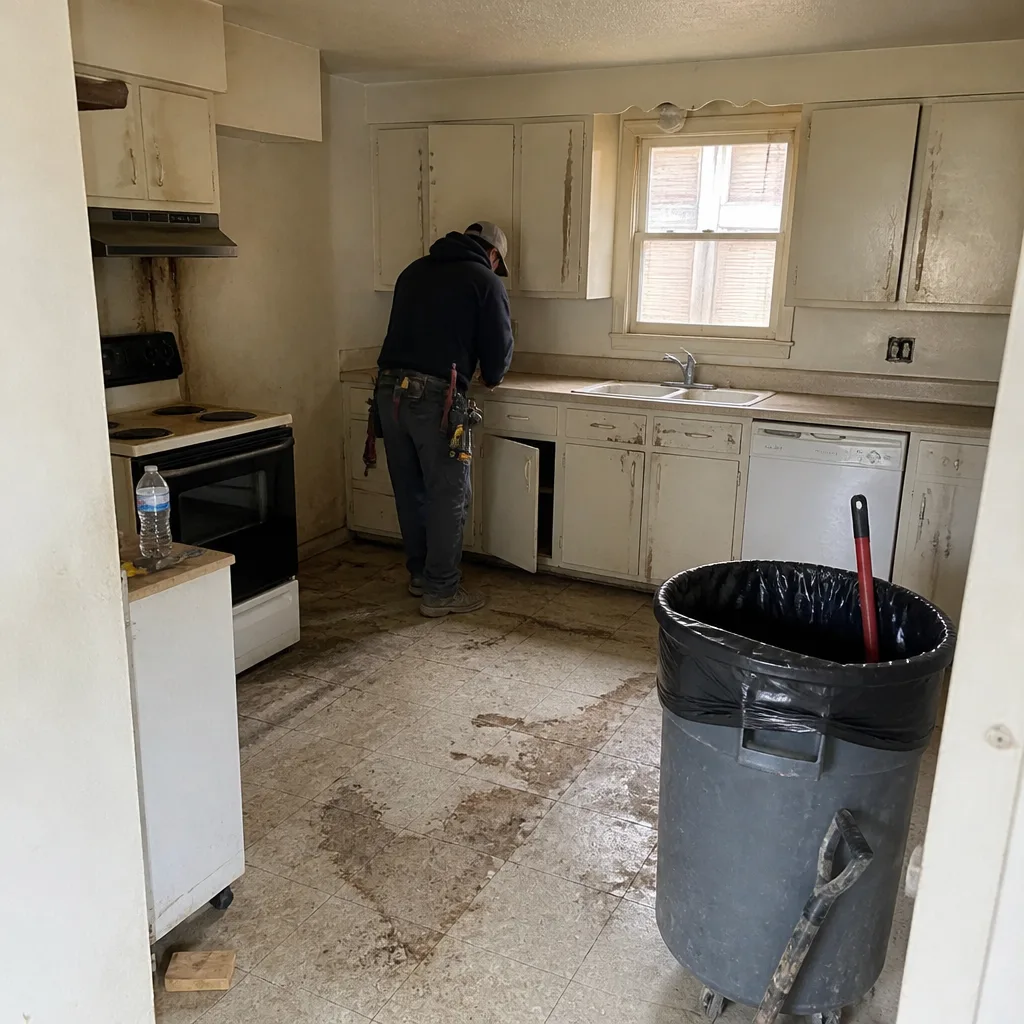 Before
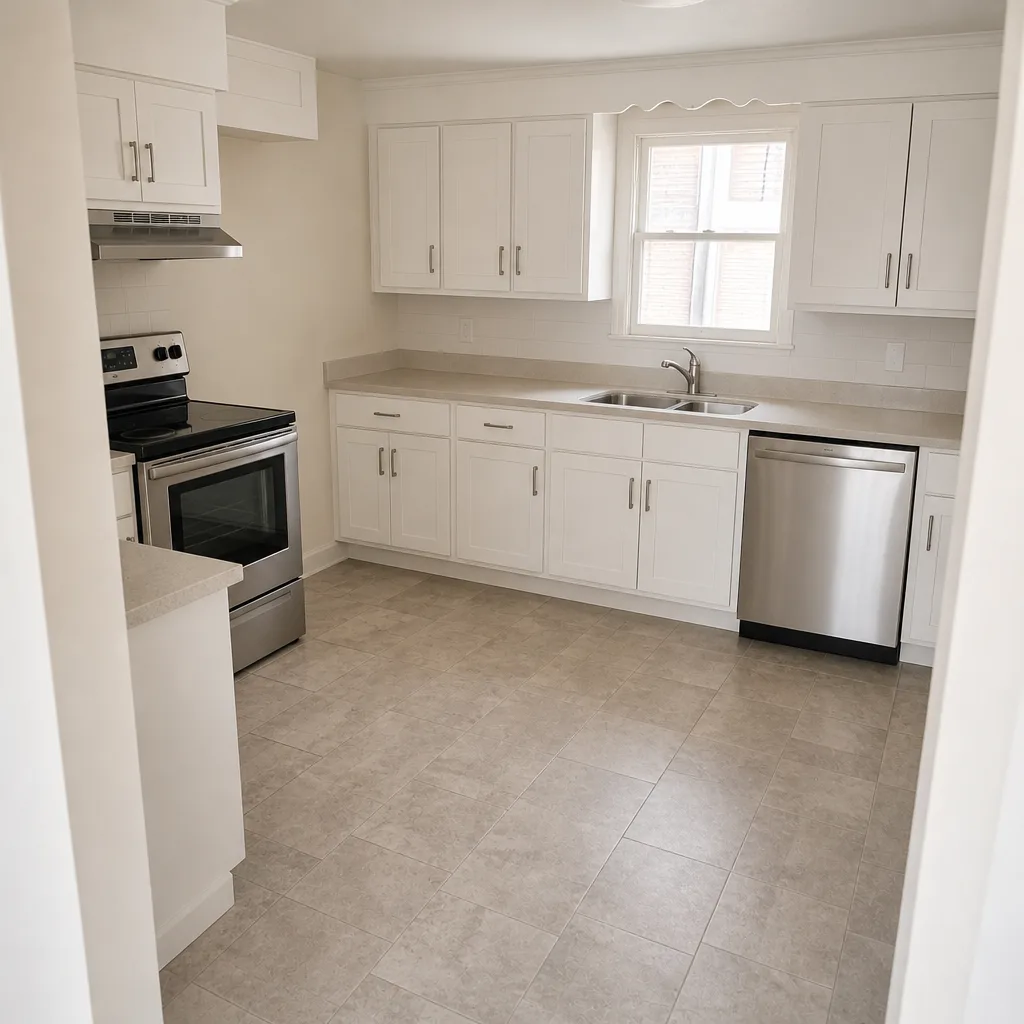 After
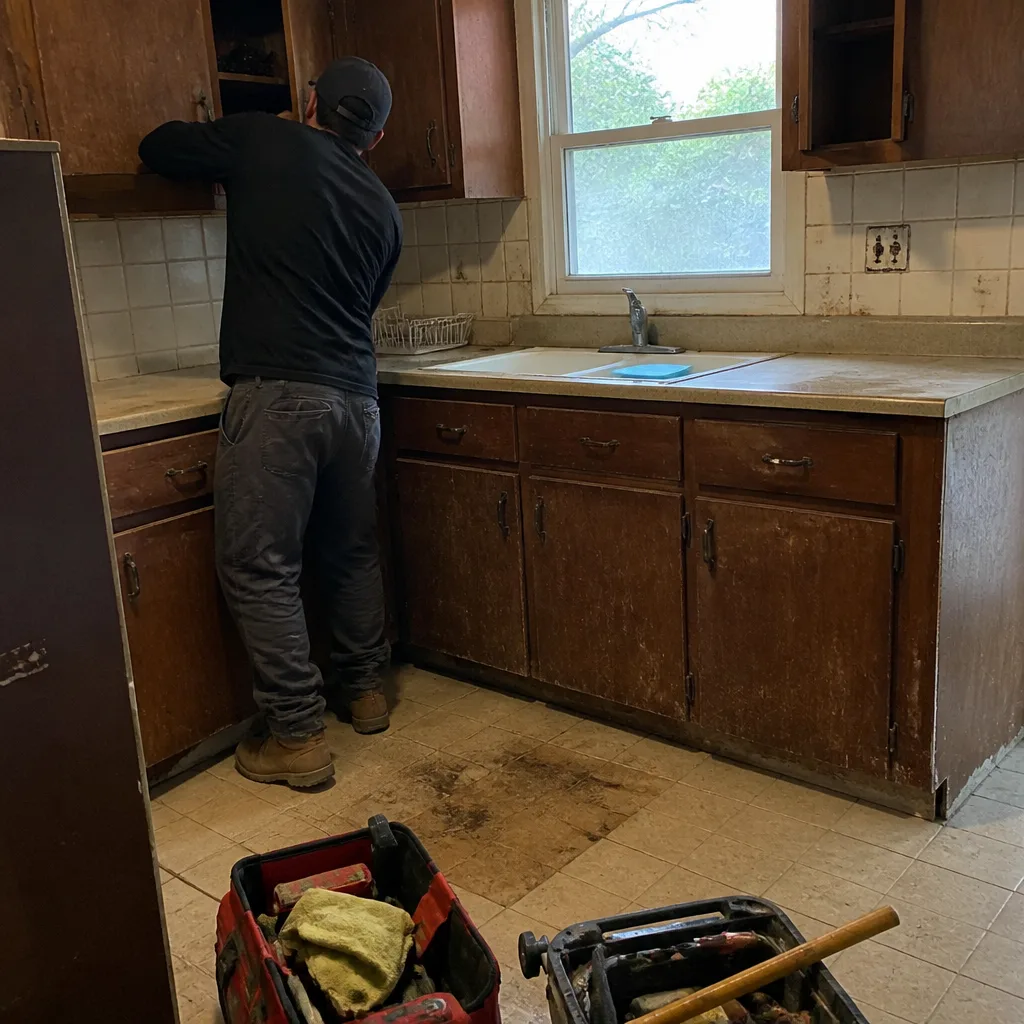 Before
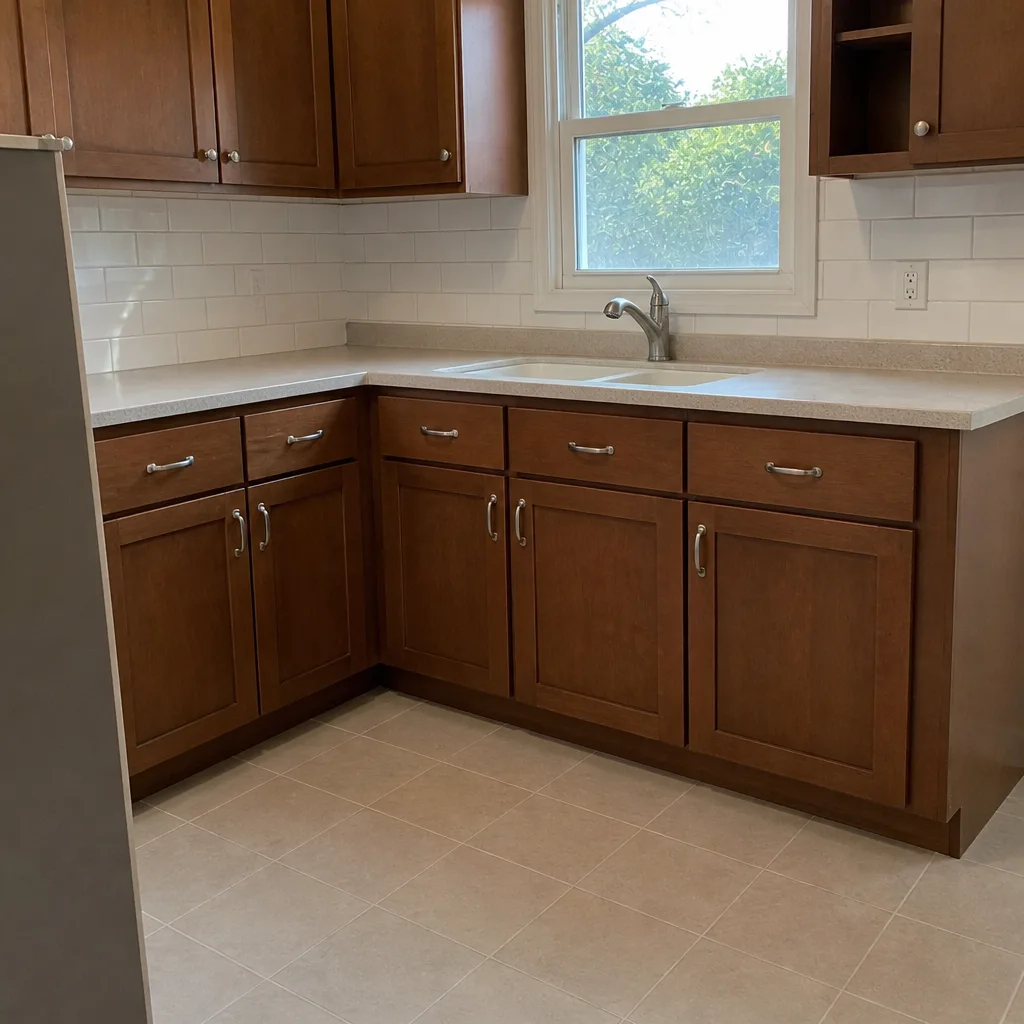 After
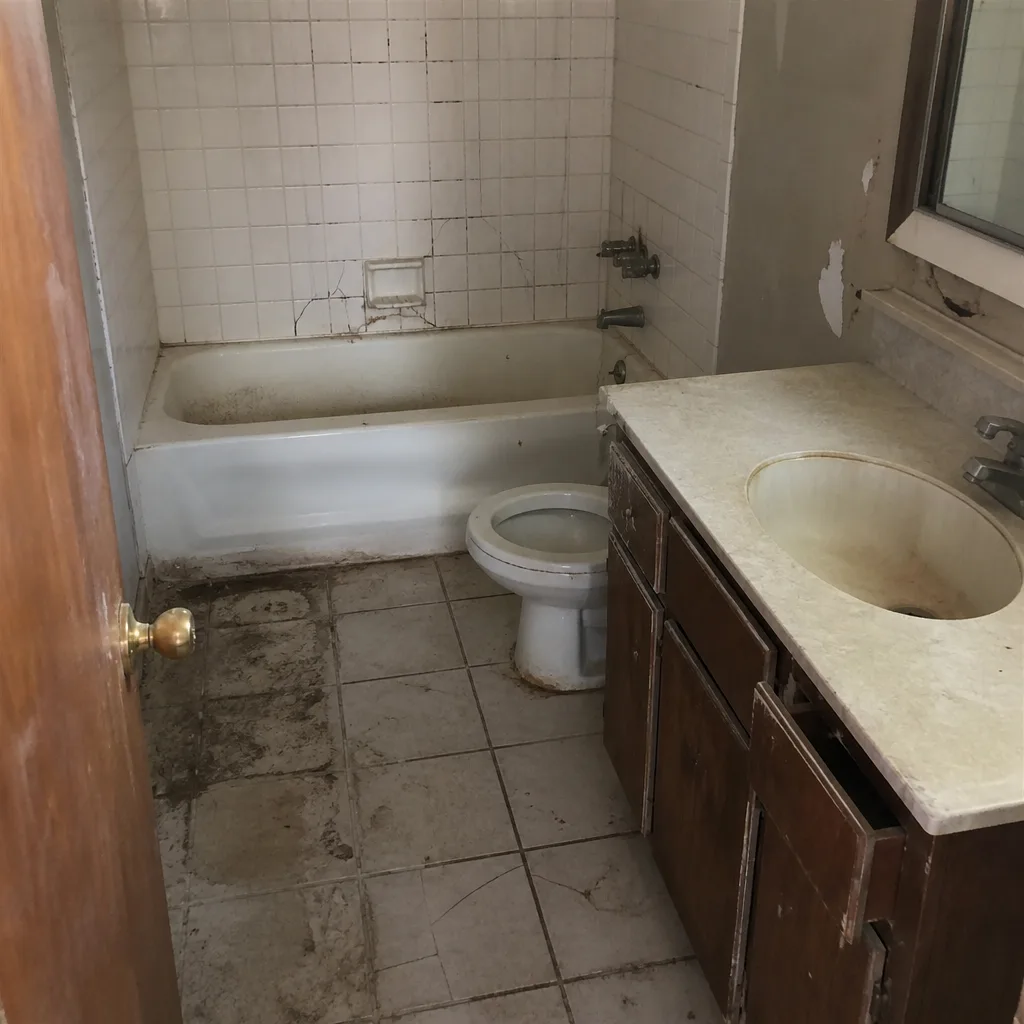 Before
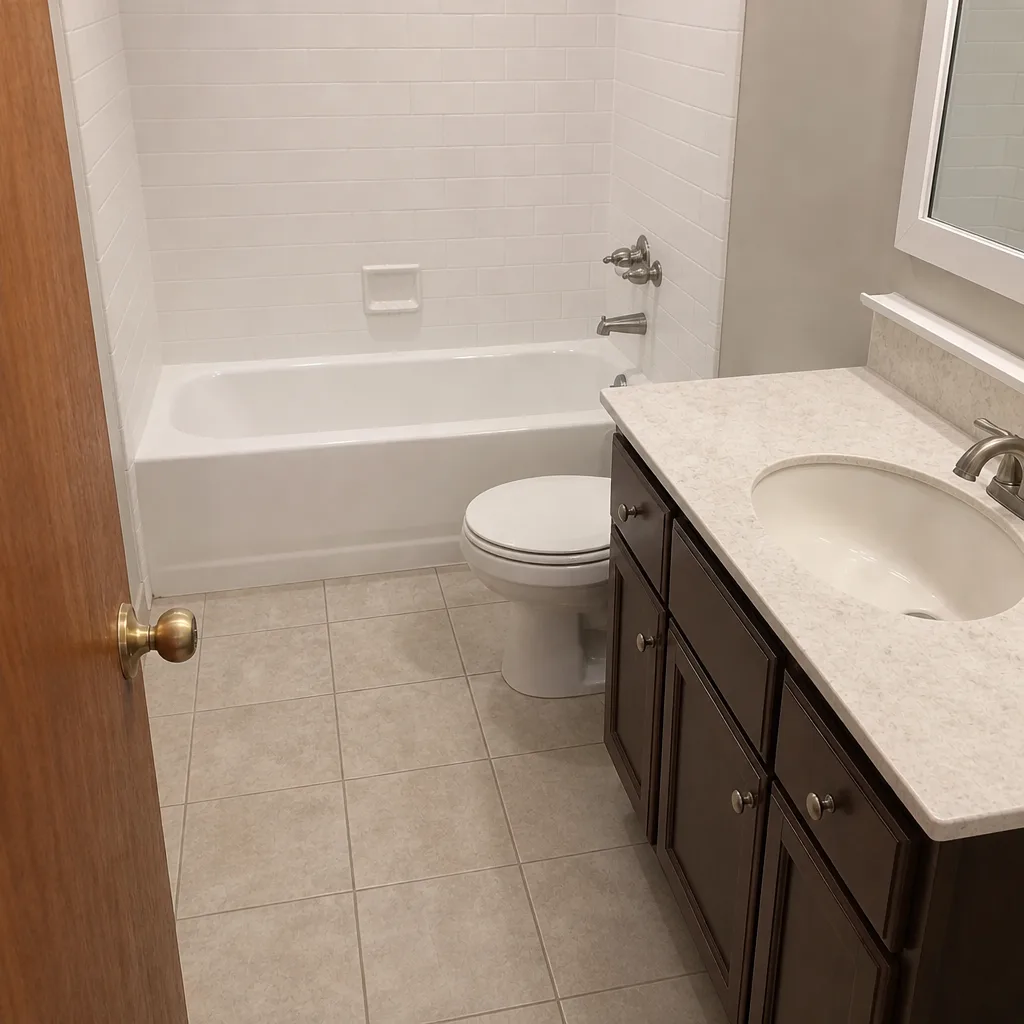 After
Clay vs Concrete Roof Tiles in Lewisville, TX: Choose Concrete Unless Hail History or Weight Ratings Say Otherwise
For most Lewisville homeowners weighing clay vs concrete roof tiles, concrete is the safer pick: it costs less, flexes slightly under hail instead of shattering, and clears the load limits of more North Texas decks. Choose clay only if your framing has been assessed for the extra weight and you’re willing to pay more for better thermal mass and color that never fades. The real decision isn’t the tile at all. It’s what’s holding it up. Call (844) 560-4467 and we’ll start there, not with a catalog.
One more thing nobody puts in the comparison chart: a tile roof runs 850 to 1,100 lbs per square. Plenty of the 1970s ranch homes around Old Town and the older core near Lewisville Lake were framed for roughly 2.5 to 3 lbs per square foot of roofing. Run that math before you fall in love with a tile sample.
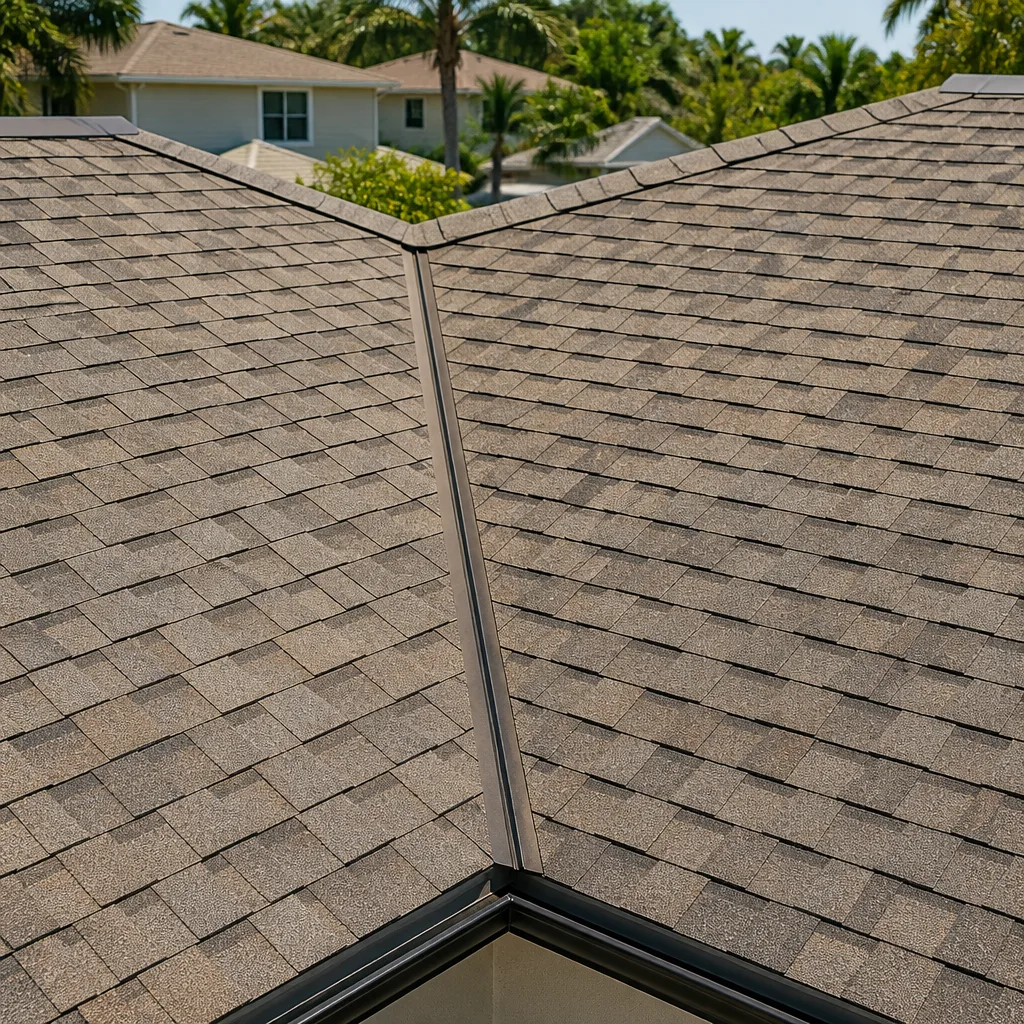
Why the Deck and Underlayment Decide This, Not the Tile
In our experience across Lewisville, tile roofs rarely fail because the tile gave out. They fail because the system underneath it was never built for the load or the heat. That’s the conversation we open with on every tile job, whether the home is a 1970s brick ranch off Main Street or a newer build in the northern growth zones.
Three things have to be true before tile goes on any roof here:
- The framing and rafters can carry it. On homes built before 1990, that’s a structural assessment, not a guess. Clay and concrete get compared only after the deck is confirmed to handle either one.
- The underlayment is high-temp synthetic. North Texas attic temperatures can push past 160°F. Standard felt won’t survive that over a tile roof’s lifespan. Most installation articles skip this spec entirely. We don’t.
- Flashing and valleys are detailed for the specific tile profile. Tile is thick, and shortcuts at penetrations show up as leaks within a few seasons.
Get those three right and either tile works. Get them wrong and the most expensive tile on the market still leaks. You can see how this fits into our broader Roofing work, where the assessment comes before the estimate.
Concrete vs Clay Tile: The Honest Side-by-Side for Lewisville Weather
Once the deck is cleared, here’s how the two products actually behave in a city with wet springs, baking summers, and hail in between. Lewisville’s black gumbo clay soils already keep slabs busy; the roof above deserves the same clear-eyed attention.
| Factor | Clay Tile | Concrete Tile |
|---|---|---|
| Weight per square | 850-950 lbs | 900-1,100 lbs |
| Moisture behavior | Low absorption; resists freeze/thaw | Absorbs more; cycles with wet-then-dry springs |
| Hail response | Brittle; cracks and shatters on impact | Slight flex; more likely to survive impact |
| Thermal mass for summer heat | Better fired density; stronger heat buffer | Good, slightly behind clay |
| Color stability | Through-body color, holds for decades | Can fade or chalk over time |
| Typical cost installed (Lewisville) | $18,000-$34,000 | $14,000-$26,000 |
The moisture detail is the one generic articles skip. Concrete tile absorbs more water than clay. In Lewisville’s pattern of soaked springs followed by 100-degree summers, that repeated expansion and contraction accelerates micro-cracking at the interlocking edges. It’s not a defect. It’s just physics, and it’s why we spec concrete with an eye on edge detail and underlayment rather than treating the tile as a forever product.
The hail detail is the other one. Clay’s fired density gives it a real edge as thermal mass through a Texas summer, but its brittleness means hail claims on clay roofs are more frequent and more often total losses across the DFW corridor. Concrete flexes just enough to survive a lot of what takes clay out. If you’ve filed two roof claims in five years, that matters more than the thermal argument.
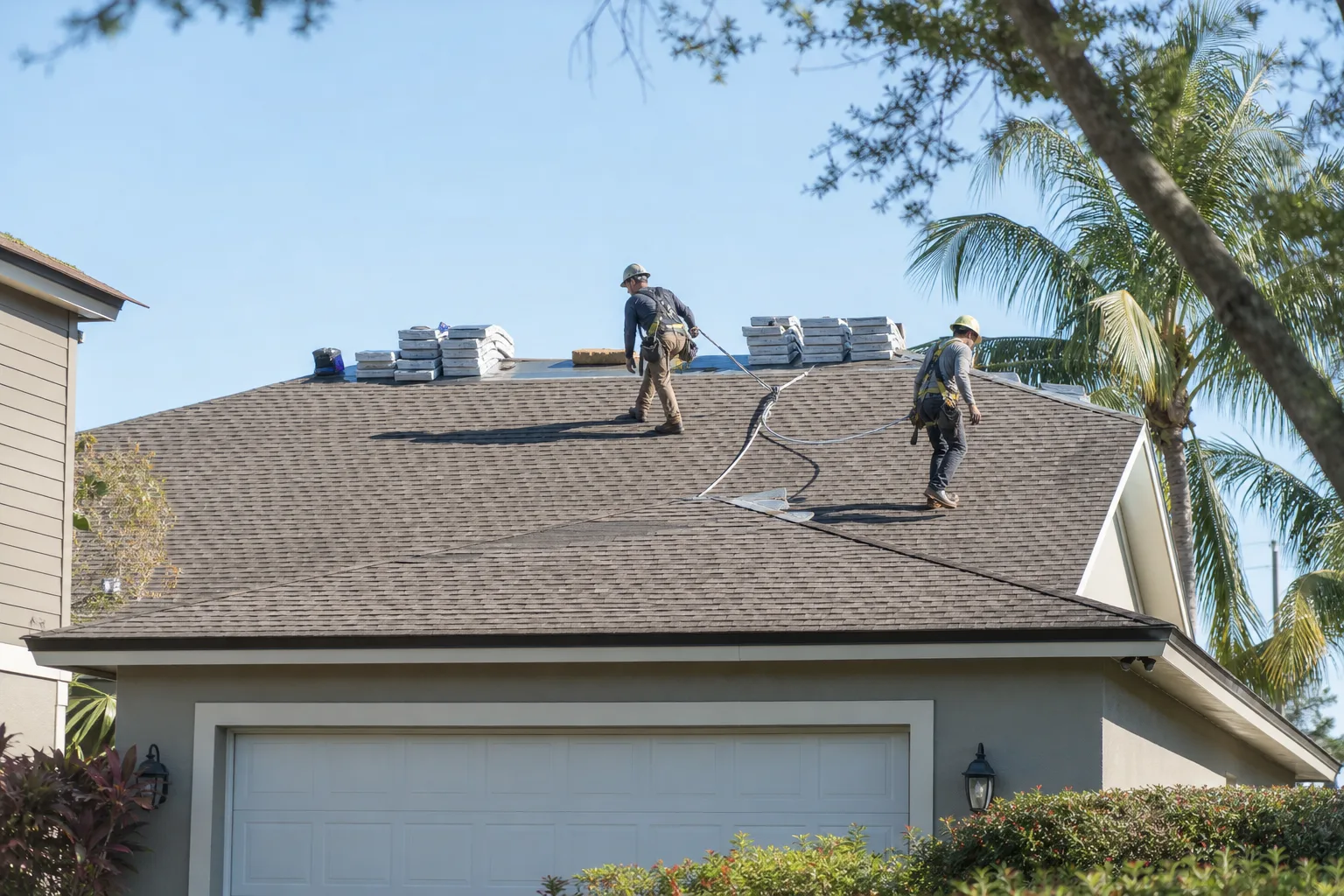
How Groundwork Picks the Tile (and the Brand Behind It)
Catalog availability pressure is real. A supplier has a pallet of one color in stock and suddenly that’s “the best option.” We sidestep that by sourcing tile from vetted suppliers only, matched to your deck’s load rating and your exposure to Lewisville’s climate cycle. Homeowners pick from brands we trust, including Boral, Atlas, and Tamko, so the choice is driven by the product, not the warehouse.
The same principle runs across every trade we handle. It’s why we partner with GAF and CertainTeed on shingle systems, KraftMaid and Cambria in kitchens, and Andersen and Pella on windows. Premium materials only matter when they’re installed correctly, which is where the 730-Day Done Right Promise comes in. If it’s not done right, we make it right, and that promise is in writing. Tile failure that traces back to bad underlayment or skipped flashing is on us for two full years.
Every project runs on upfront pricing, no surprises, so the number on the estimate is the number you pay. Calls are answered by a live person 24/7. That holds during hail season too, when half of Lewisville is suddenly looking at a tarp.
What Tile Work Costs in Lewisville
Tile isn’t a small line item, and it’s worth seeing the numbers before you commit either way:
- Full tile roof replacement: $8,000-$20,000 (varies widely by square footage and tile type)
- Tile roof repair (cracked, slipped, or broken tiles): $600-$2,500
- Standard roof replacement for comparison: $8,000-$20,000
- Metal roof if you want a lighter alternative: $15,000-$40,000
Concrete tends to come in toward the lower end of the tile range, clay toward the higher end, once you account for the same number of squares. A framing assessment could change what’s realistic for your home. It could also rule tile out entirely, and we’d rather tell you that early than after a purchase order.
FAQs
Concrete is the better pick for most Lewisville homes because it costs less, handles hail with more flexibility, and still clears the load limits on more older decks. Clay wins on thermal mass and color longevity, so it’s worth the premium if your framing confirms the extra weight and you accept more hail risk.
Most homes built before 1990 in Lewisville need a framing and rafter assessment before anyone promises tile will work. Many were framed for roughly 2.5 to 3 lbs per square foot, while tile roofs run 850 to 1,100 lbs per square. A structural check answers it. Guessing doesn’t.
A full tile roof replacement in Lewisville typically runs $8,000 to $20,000, with clay landing toward the high end and concrete toward the middle. Smaller tile repairs run $600 to $2,500. Call (844) 560-4467 for an exact quote, because estimates are free and we’ll price it against your actual deck.
Concrete absorbs more moisture than clay, and Lewisville’s wet springs followed by baking summers make it expand and contract repeatedly. That cycle accelerates micro-cracking at the interlocking edges over the years. Proper high-temp synthetic underlayment and careful edge detailing are how we manage it.
Get the Deck Checked Before You Choose a Tile
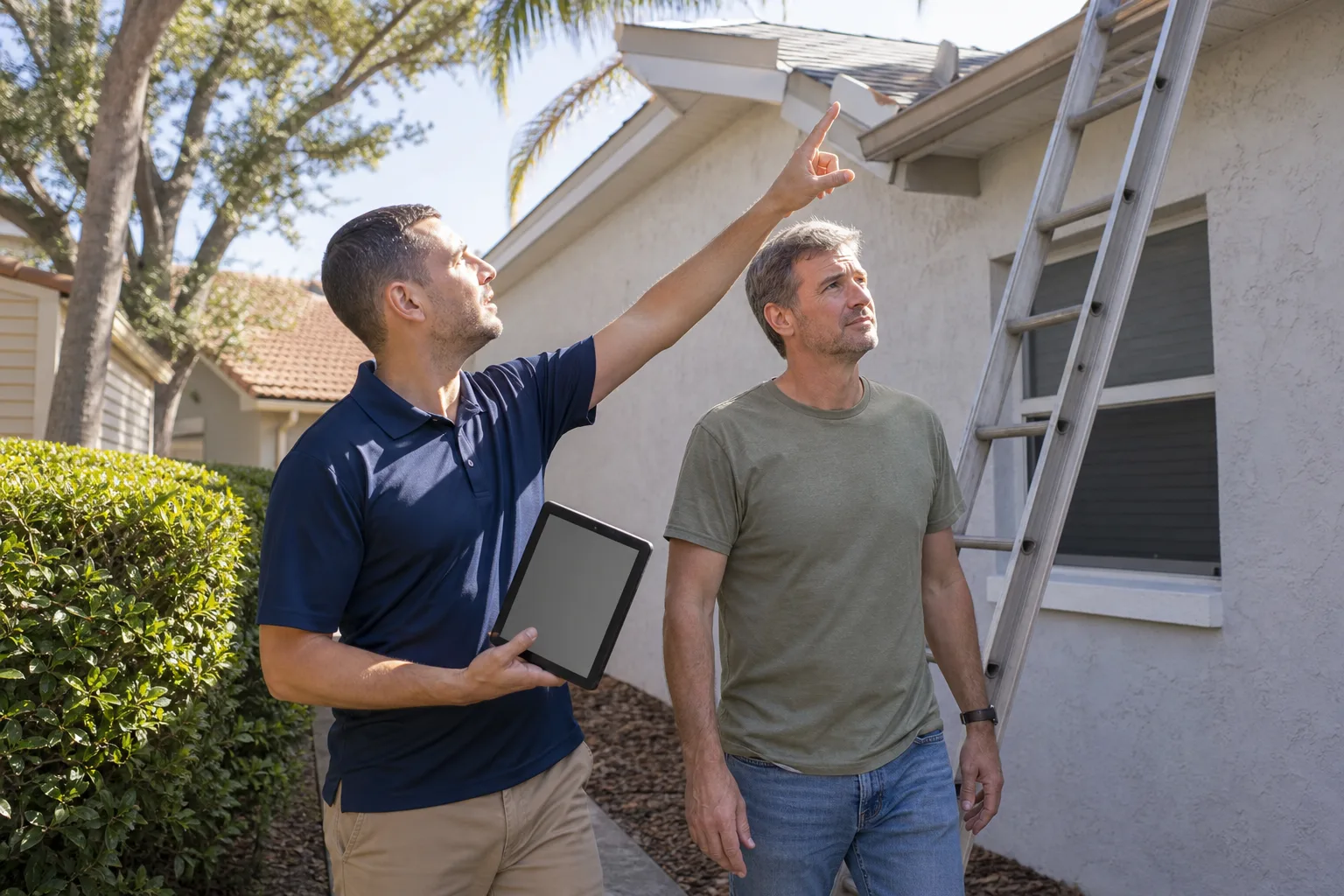
If you’d rather have your roof looked at by people who start with the structure instead of the sample board, Groundwork Construction Co. of Lewisville offers a no-pressure assessment in Lewisville. We serve the whole Lewisville service area and answer live, day or night. Call (844) 560-4467 to set up your free estimate.
Written by the team at Groundwork Construction Co. of Lewisville, serving Lewisville, TX.