

Free written scope consultation - allowances, timeline, and change-order rules on paper before a single trade is scheduled
Styles & brands we work with
- Kitchen remodeling
- Bathroom remodeling
- Home additions & ADU
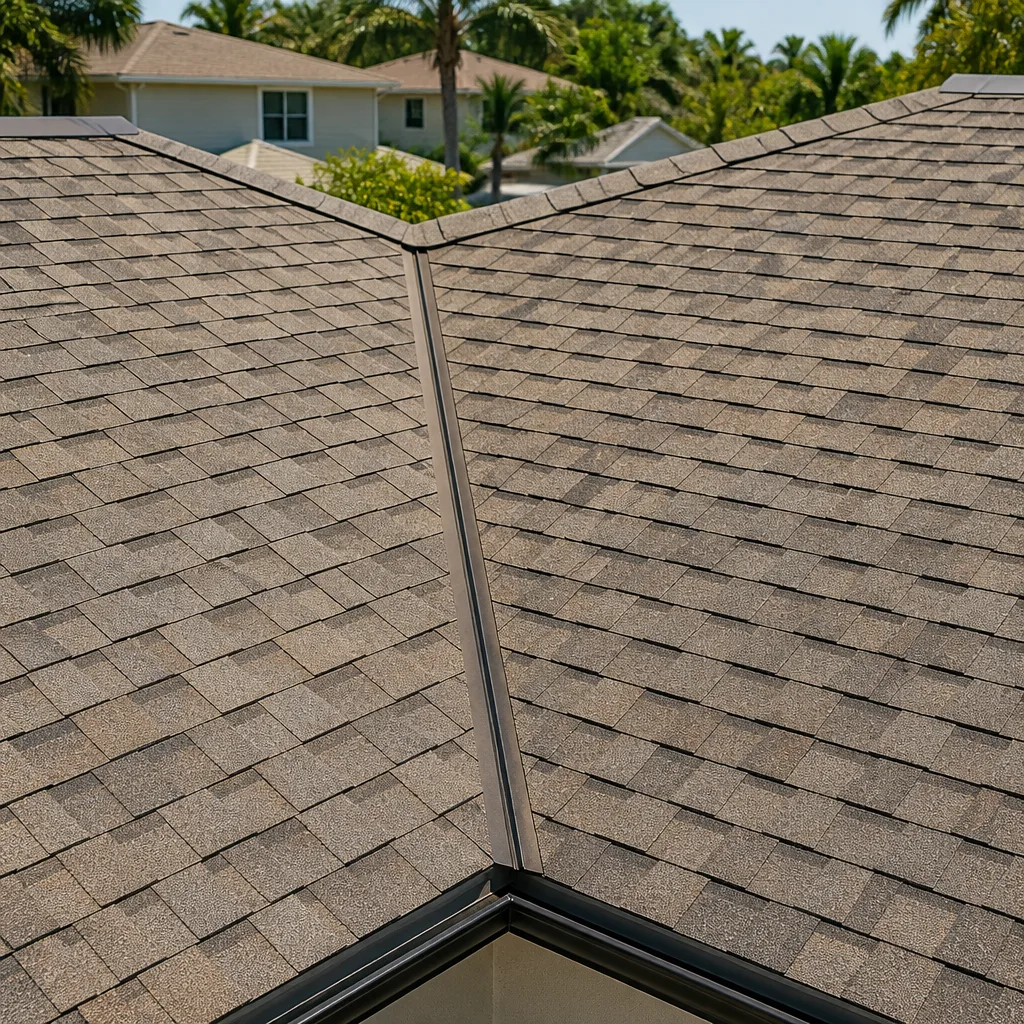
- Roofing
- Windows & doors
- Driveway & pavers
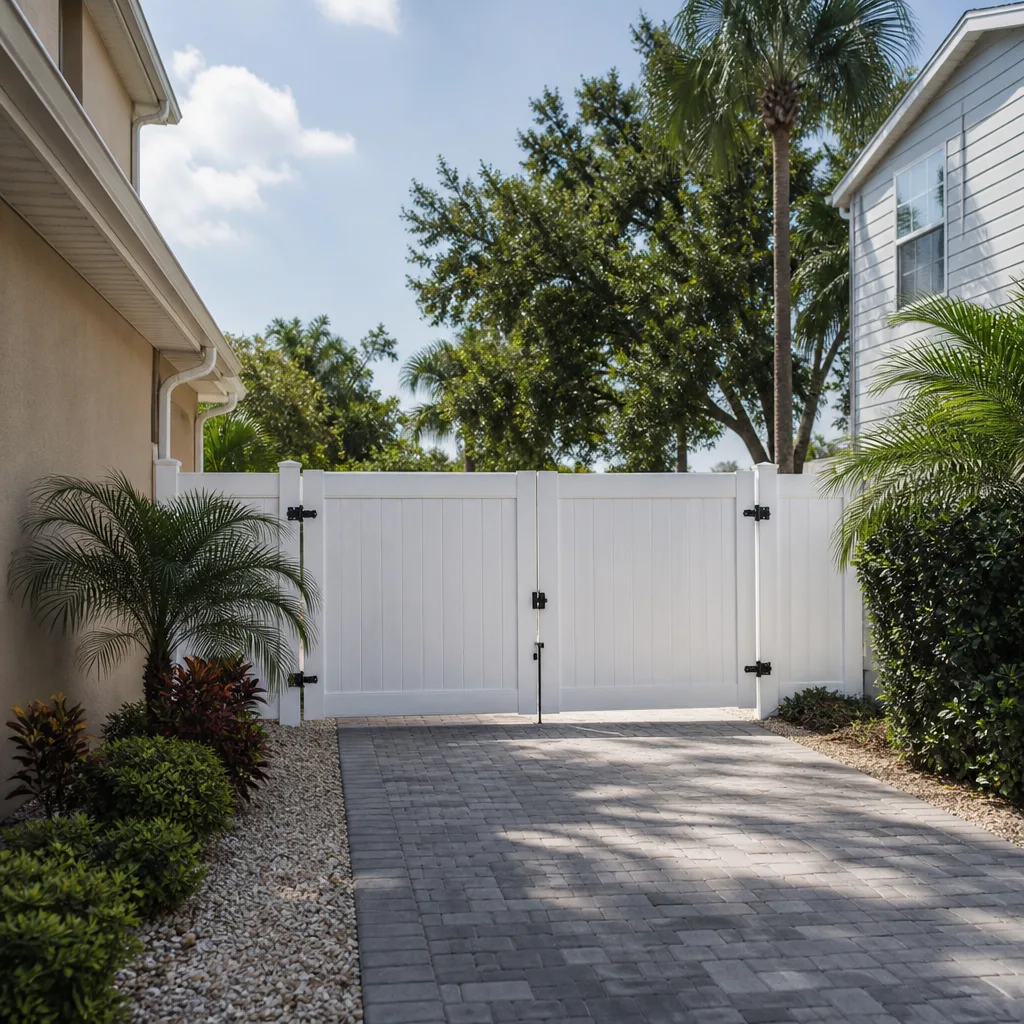
- Fence
See the difference
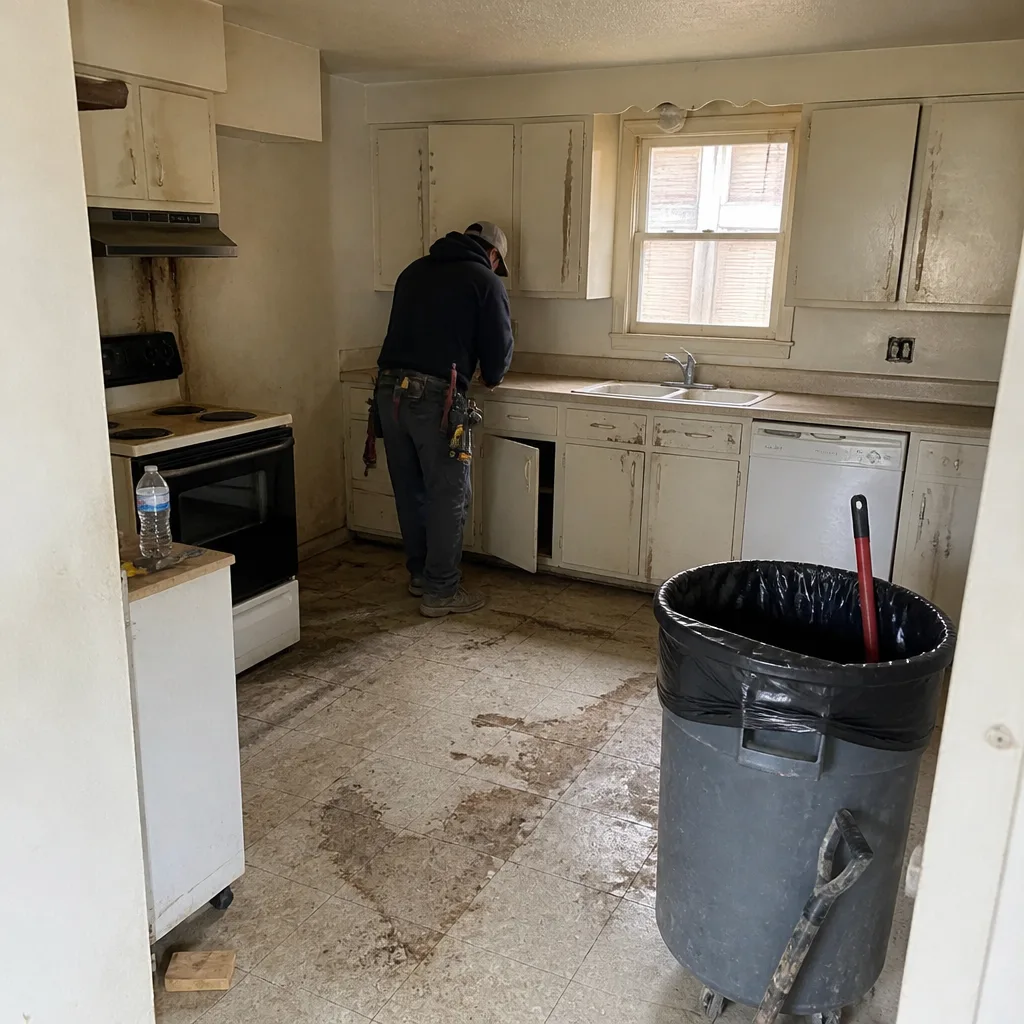 Before
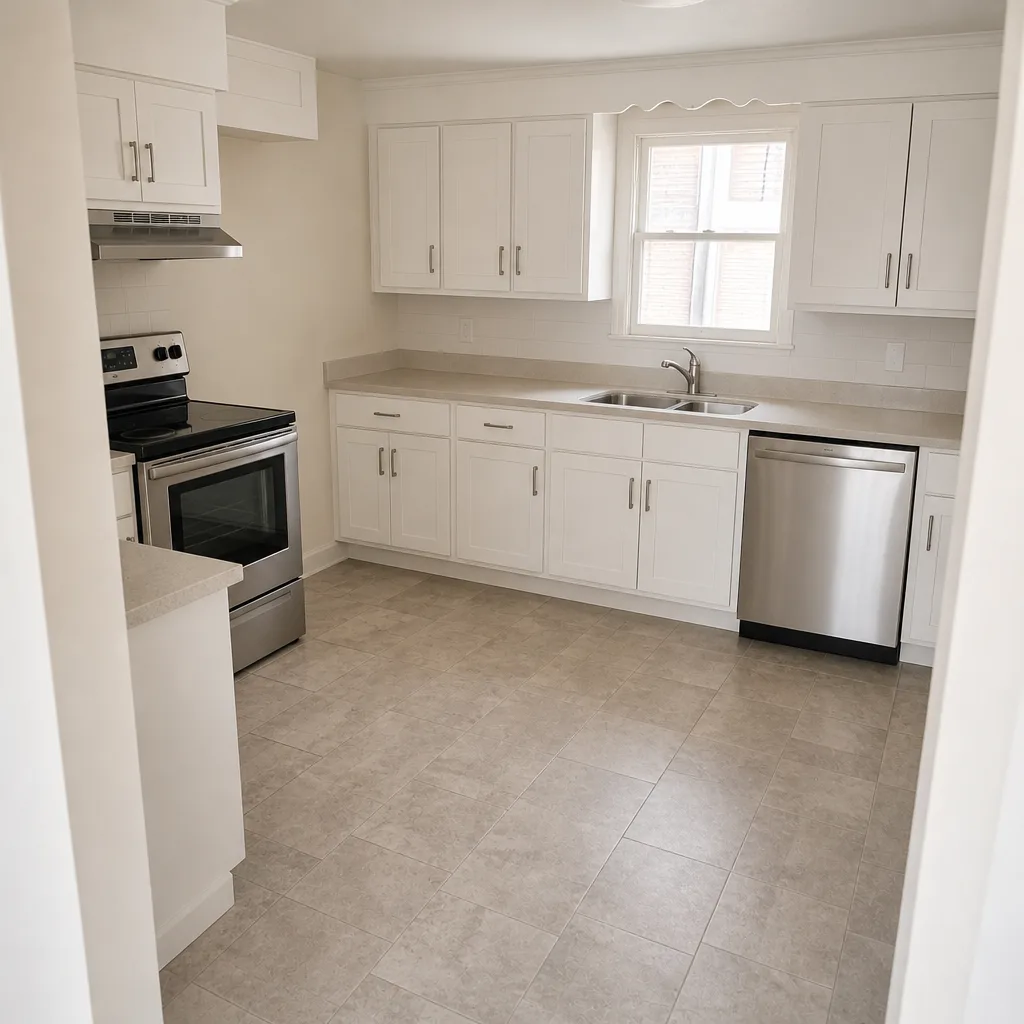 After
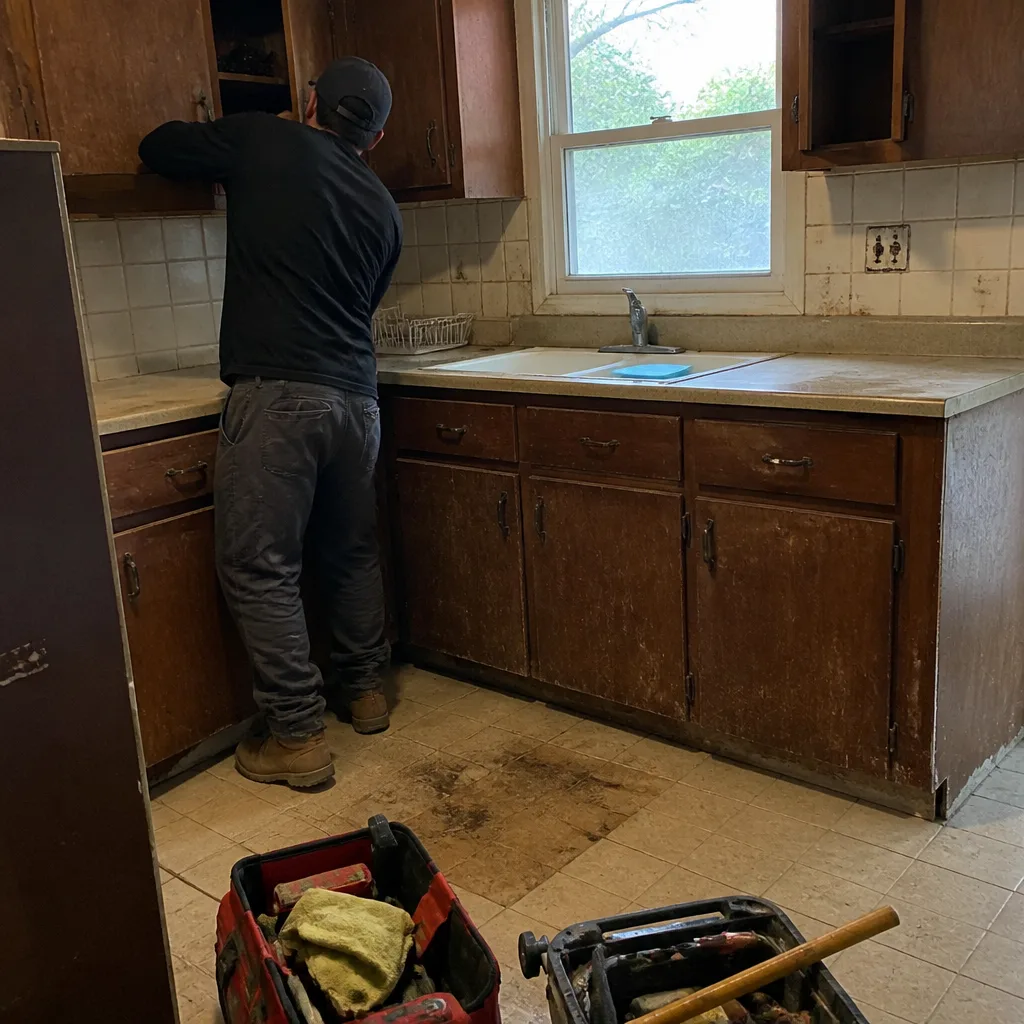 Before
 After
 Before
 After
How to Stain a Wood Fence in Lewisville, TX (And Why Most DIY Jobs Peel By Next May)
Stain a wood fence in Lewisville between late September and mid-November or in early March, use a penetrating oil-based stain with UV blockers rated for Zone 8a, apply two coats on wood that’s been cleaned and sanded at the flex points, and treat the bottom six inches of every post with a separate wood preservative before you stain. Miss any one of those, and the same North Texas sun and spring hail that punish roofs and driveways will peel your work inside twelve months. Call (844) 560-4467 if you want a pro to look at it before you buy a single gallon.
Most staining tutorials you’ll find online were written for someone in Oregon or upstate New York. The climate they assume doesn’t exist here. Lewisville sits on black gumbo clay that heaves through drought-then-flood cycles, summer surface temps that push past 90°F on a fence face by 11 a.m., and spring storms that drive moisture sideways into anything you just coated. That combination means the staining window, the product, and the prep all have to be tuned to Lewisville specifically, or the stain simply won’t last.
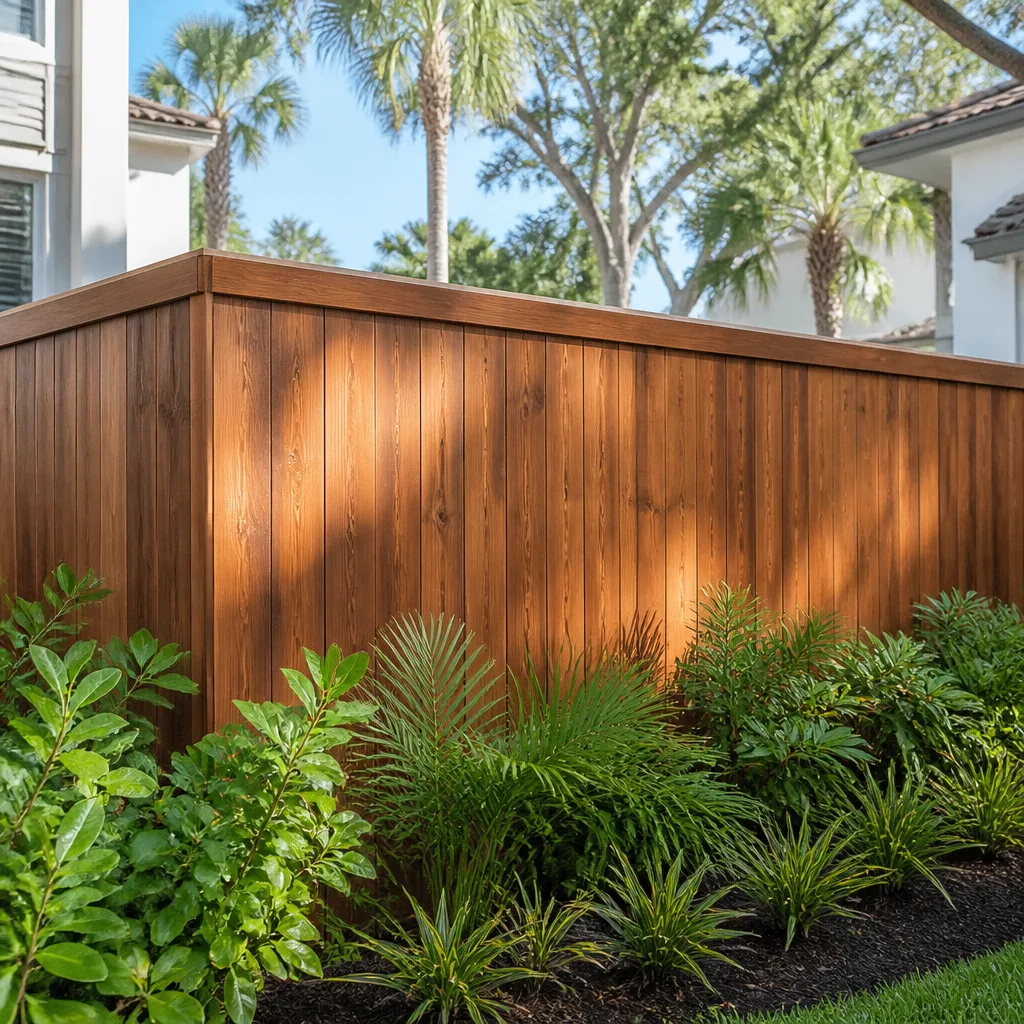
When should you stain a wood fence in Lewisville?
Late September through mid-November is the best window, with early March as the second choice. Both slots give you moderate air temps, lower humidity than summer, and enough dry days after application for the stain to cure before the next weather event rolls through.
Here’s why timing matters more in Lewisville than in most places:
- Summer heat skins the stain before it penetrates. Once a fence board’s surface temperature passes 90°F, an oil-based stain starts forming a film on top instead of soaking in. It looks fine the day you finish and starts flaking by the following spring. In a Lewisville July, the south and west faces of a fence hit that number before lunch.
- Spring hail season pushes moisture into fresh stain. North Texas hail events from March through May can drive water into stain that hasn’t fully cured, which is why early March is the cutoff for spring work. If you’re staining in March, pick a stretch with five to seven dry days forecast.
- Winter is too cold for most oil-based products. Below about 50°F, cure times stretch out and you risk a tacky finish that never hardens properly.
If your fence was installed by Groundwork Construction Co. of Lewisville under the 730-Day Done Right Promise, staining that was part of the original scope is covered. If you’re planning to DIY on a fence we built, call the 24/7 live line and we’ll walk you through the maintenance schedule for your specific install. No upsell, no pitch.
Why does prep matter more on a Lewisville fence than the stain itself?
The single biggest cause of early stain failure in Lewisville is skipping prep on clay-stressed wood. Fence boards on a fence line that’s been through a few years of clay movement develop micro-cracks at the flex points, mostly near post connections and along the mid-span of rails. If you stain over those cracks without sanding, the stain bridges the crack surface without penetrating the wood underneath, and the first good wet-dry cycle opens it up into a flake.
Cedar and pressure-treated pine both do this, though cedar cracks faster in our experience. Here’s the prep sequence that actually works in Lewisville:
- Wash, don’t just rinse. A pump sprayer with a wood cleaner, then a stiff brush along the grain. Skip the pressure washer or keep it under 800 PSI, because high pressure furs up cedar and opens the very cracks you’re trying to seal.
- Let it dry 48 to 72 hours. Wood needs to read under 15% moisture before stain goes on. A $30 pin meter earns its cost on the first fence.
- Sand every crack you can feel with a fingernail. 80-grit, along the grain, then knock down the edges. This is the step that separates a five-year stain from a one-year stain.
- Spot-prime any bare or greyed areas. Weathered cedar will drink stain unevenly and look blotchy, especially on the sun-facing runs.
If the fence is leaning, has posts that move when you push on them, or shows rot at the base, staining is the wrong first move. That’s a structural question, and it’s worth a look at our Fence Installation in Lewisville page before you spend money on product.
What stain should you use in Lewisville’s climate?
Use a penetrating oil-based stain with UV blockers rated for USDA Zone 8a or higher, and plan on two coats. Semi-transparent beats solid stain in North Texas over the long run because it lets the wood breathe through the wet-dry cycle. Solid stains look great for two seasons and then start cracking in sheets, which is a much bigger strip-and-redo job.
What to look for on the label:
- Penetrating, not film-forming. “Penetrating oil” or “oil-modified” is the language you want. If it says “solid color” or “acrylic latex,” pass for a fence in this climate.
- UV blocker listed. Zinc oxide or a transparent iron oxide pigment. Good brands like Sherwin-Williams, Cabot, and TWP all publish UV ratings; look on the technical data sheet, not the front of the can.
- Two coats, always. One coat in Lewisville is wasted money. Two coats of a quality penetrating stain will get you three to five years before a recoat, versus twelve to eighteen months on a single pass.
- Application method. A pump sprayer to get coverage, then back-brush immediately with a stain pad or brush to work it into the grain. Spray-only leaves lap marks on cedar.
The same logic applies to exterior surfaces across the whole property. If you’re already thinking about the fence, our Roofing team can walk the same UV exposure math on your shingles, and our Windows & Doors group installs PGT and CGI products rated for this climate zone if the fence project has you looking at the rest of the exterior.
Why do the bottoms of fence posts need a separate treatment?
The bottom six inches of every post, where it meets soil or concrete, should get a dedicated wood preservative before it gets stain. Not just extra stain. A real preservative. That’s the one detail almost every DIY guide skips, and it’s the one that matters most in Lewisville.
Here’s the mechanism. The black gumbo clay under most of Lewisville holds moisture against the post base long after the surrounding yard has dried out. That’s an end-grain rot environment, and no stain on the market is formulated to stop it. A copper-based or borate wood preservative applied to the base, allowed to soak, and then stained over will buy you years on the post. Without it, you’re looking at post replacement in five to eight years instead of fifteen.
When we build a fence under Groundwork Construction Co. of Lewisville’s standard, posts get set below the frost line and the base treatment goes on at build time. That’s part of why our installs carry the 730-Day Done Right Promise. For DIY, buy the preservative before you buy the stain and do the base first so it has time to dry before the top coats go on.
Lewisville stain project cost ranges
| Scope | Typical Range |
|---|---|
| DIY materials (stain, preservative, applicators) for an average yard fence | $300-$800 |
| Professional prep + two-coat stain on an existing fence | $3,500-$9,000 |
| Post-base rot repair (per post) | $150-$450 |
| Full fence replacement if staining isn’t viable | $3,500-$9,000 (vinyl), $4,000-$10,000 (aluminum) |
Our technicians have up to 12 years of experience with exterior work in Lewisville, and the upfront pricing means the number you see is the number you pay. If you’re weighing stain versus replace, the math usually favors staining unless more than a third of the posts are moving or rotten.
FAQs
Professional staining in Lewisville typically runs $3,500-$9,000 depending on fence length, condition, and prep required. DIY materials for a typical suburban yard fence come in at $300-$800. The prep and post-base work are where most of the professional cost sits, and they’re also where most of the longevity comes from. Call (844) 560-4467 for an exact quote on your fence; estimates are free.
You can, but you shouldn’t count on it lasting. Once fence board surface temps pass 90°F, oil-based stain skins before it penetrates, and in Lewisville that happens by mid-morning from June through August. If summer is your only window, work early morning only, mist the wood lightly first, and accept a shorter recoat cycle. Late September through mid-November is the better plan.
Staining is almost always cheaper if the fence is structurally sound. A $3,500-$9,000 stain job buys you three to five years; a full fence replacement at similar cost resets the clock but doesn’t avoid future staining anyway. Replacement only wins when more than about a third of the posts are rotten or moving. A quick walkthrough can settle which side you’re on.
Two coats of a quality penetrating oil-based stain with UV blockers will get you three to five years in Lewisville before a recoat is needed. Single-coat jobs, skipped prep, or solid-color stains typically fail in twelve to eighteen months here. The climate punishes shortcuts harder than the product itself.
Rather have a pro handle it?
If you’d rather have it looked at than spend a Saturday sanding, Groundwork Construction Co. of Lewisville offers a no-pressure assessment in Lewisville. We’ll tell you honestly whether your fence needs stain, a preservative treatment, or a full replacement. From foundation to finish line, our crews handle the full scope. Call (844) 560-4467 for a free estimate. Live person, 24/7.
Written by the team at Groundwork Construction Co. of Lewisville, serving Lewisville, TX.