

Free written scope consultation - allowances, timeline, and change-order rules on paper before a single trade is scheduled
Styles & brands we work with
- Kitchen remodeling
- Bathroom remodeling
- Home additions & ADU
- Roofing
- Windows & doors
- Driveway & pavers
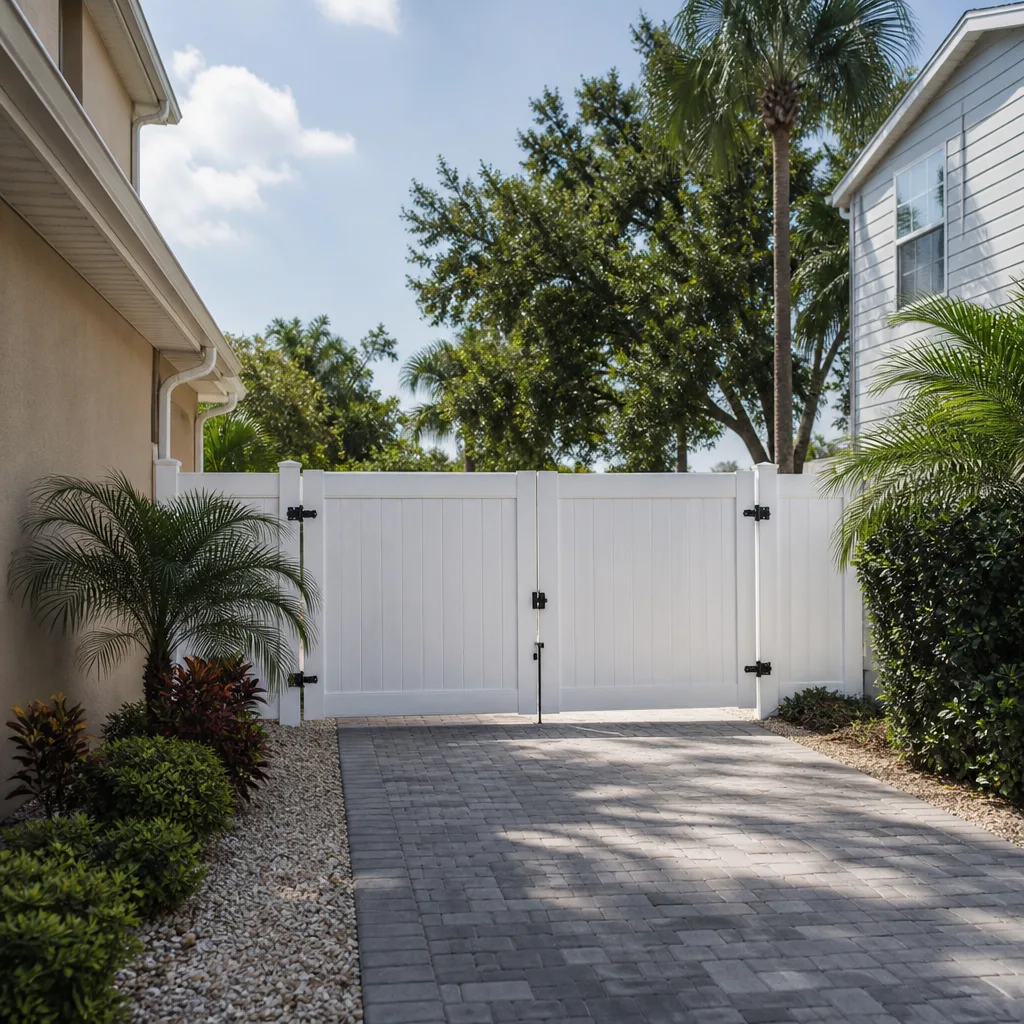
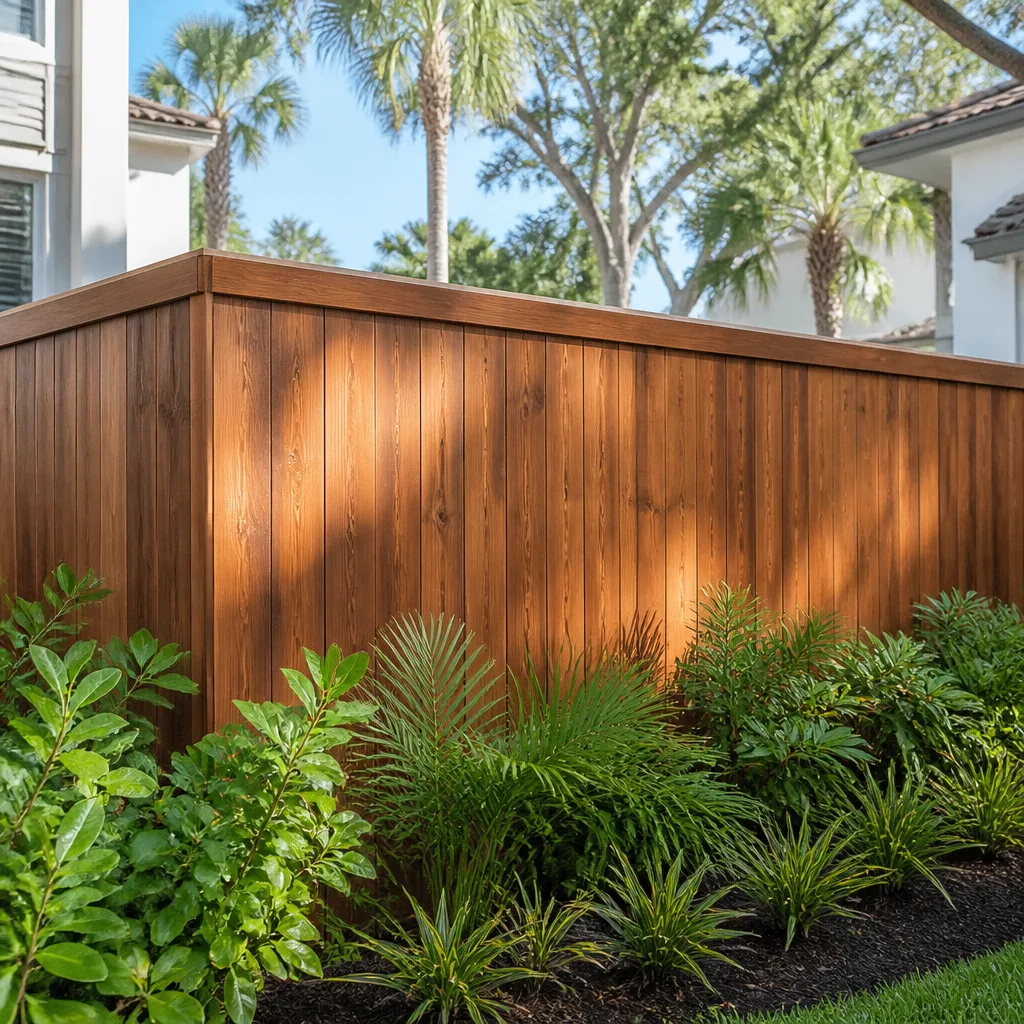
- Fence
See the difference
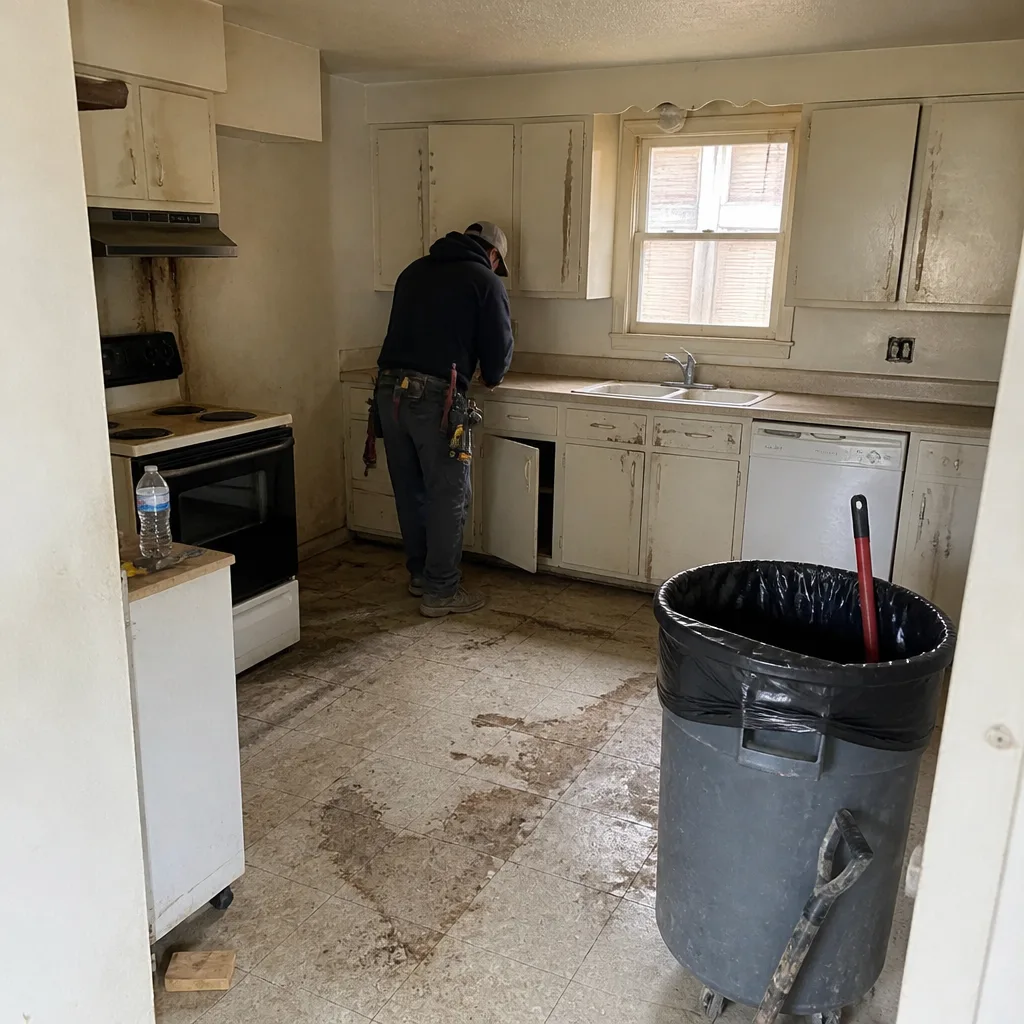 Before
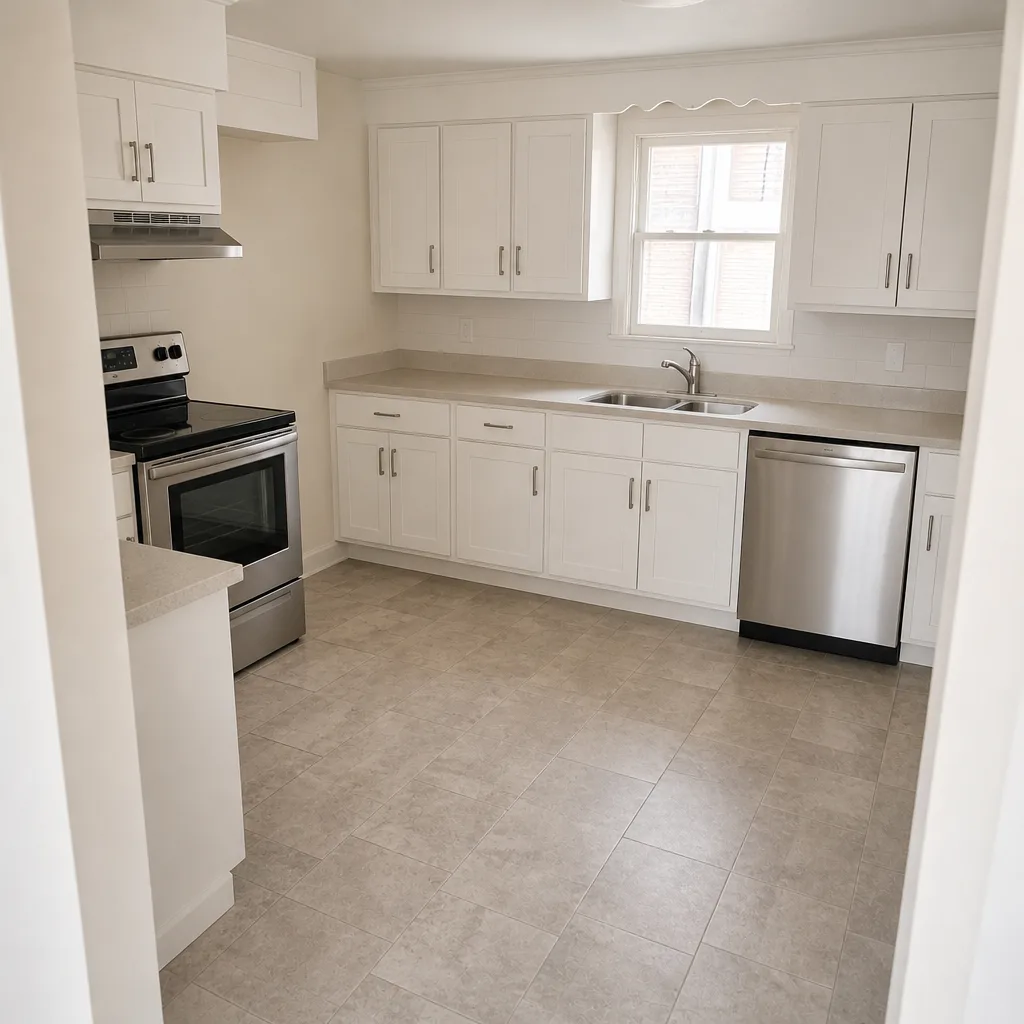 After
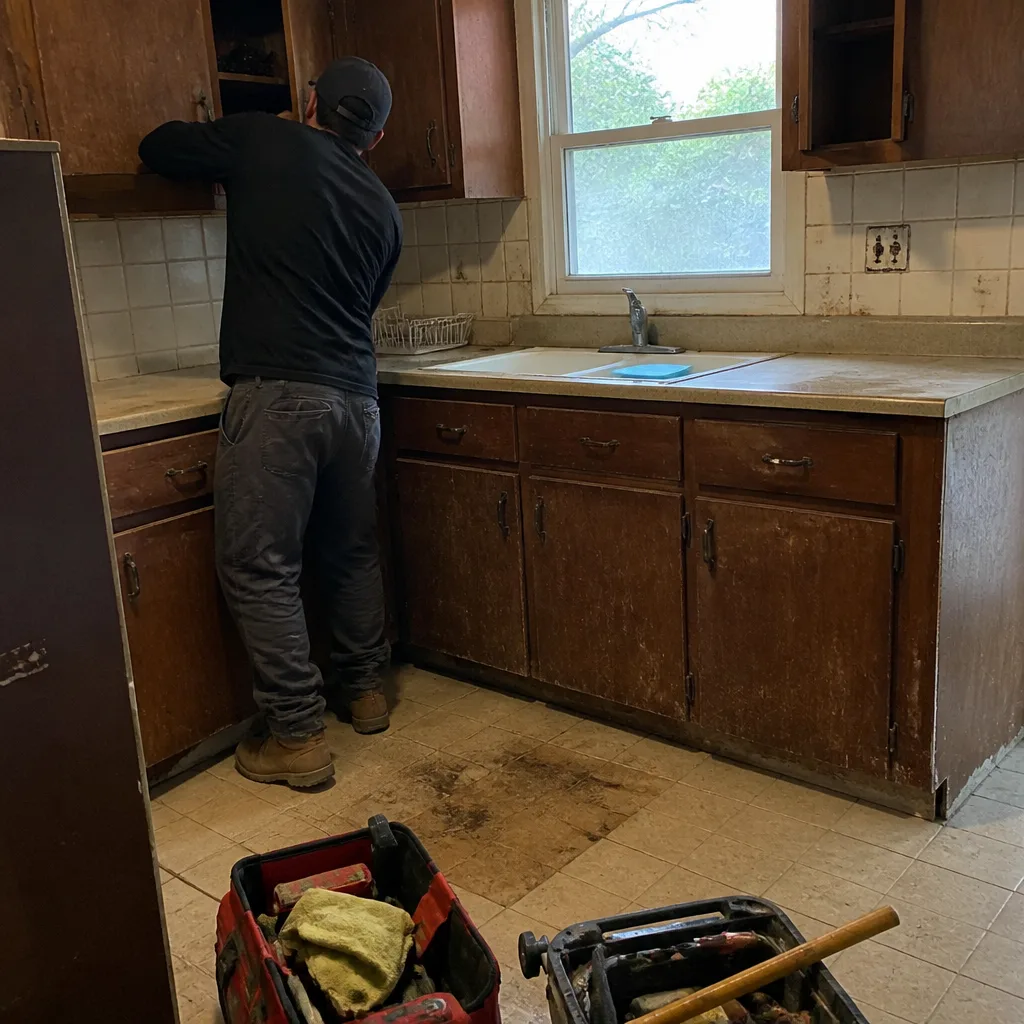 Before
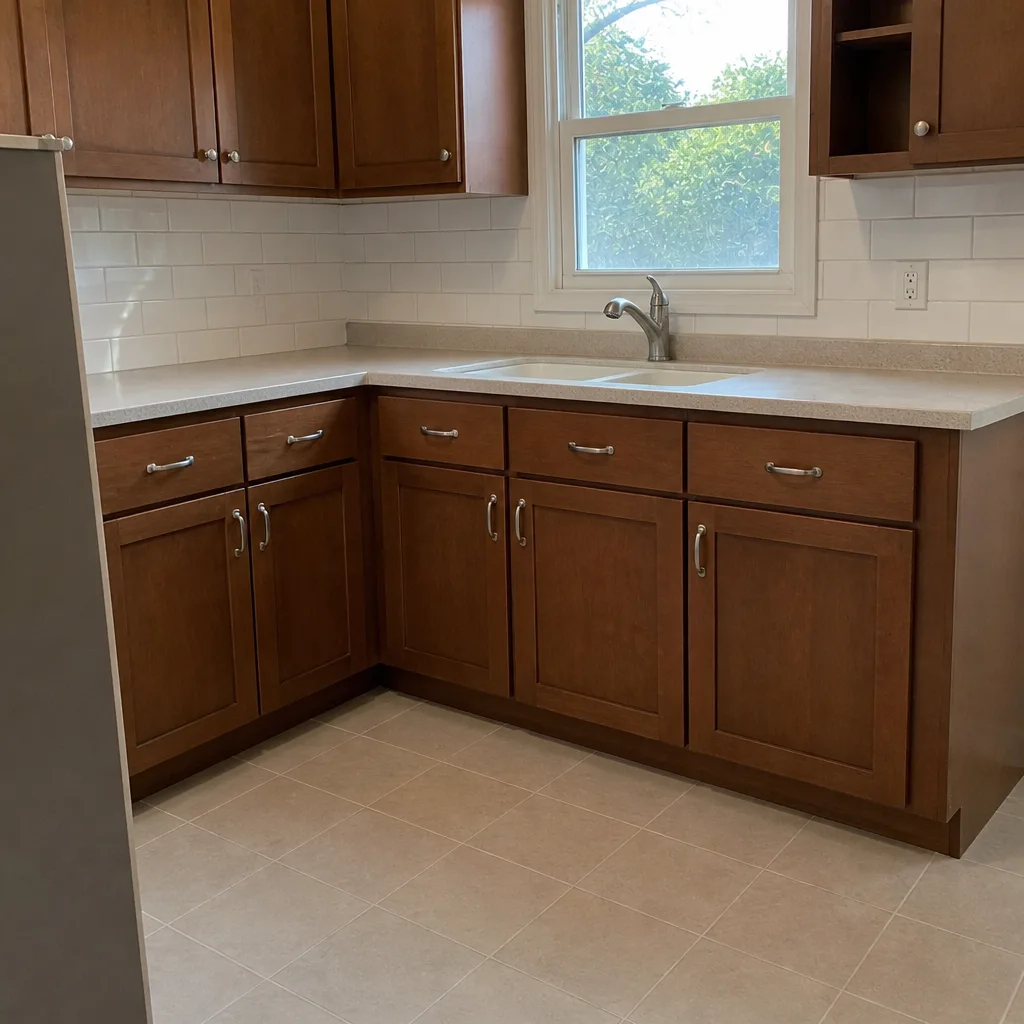 After
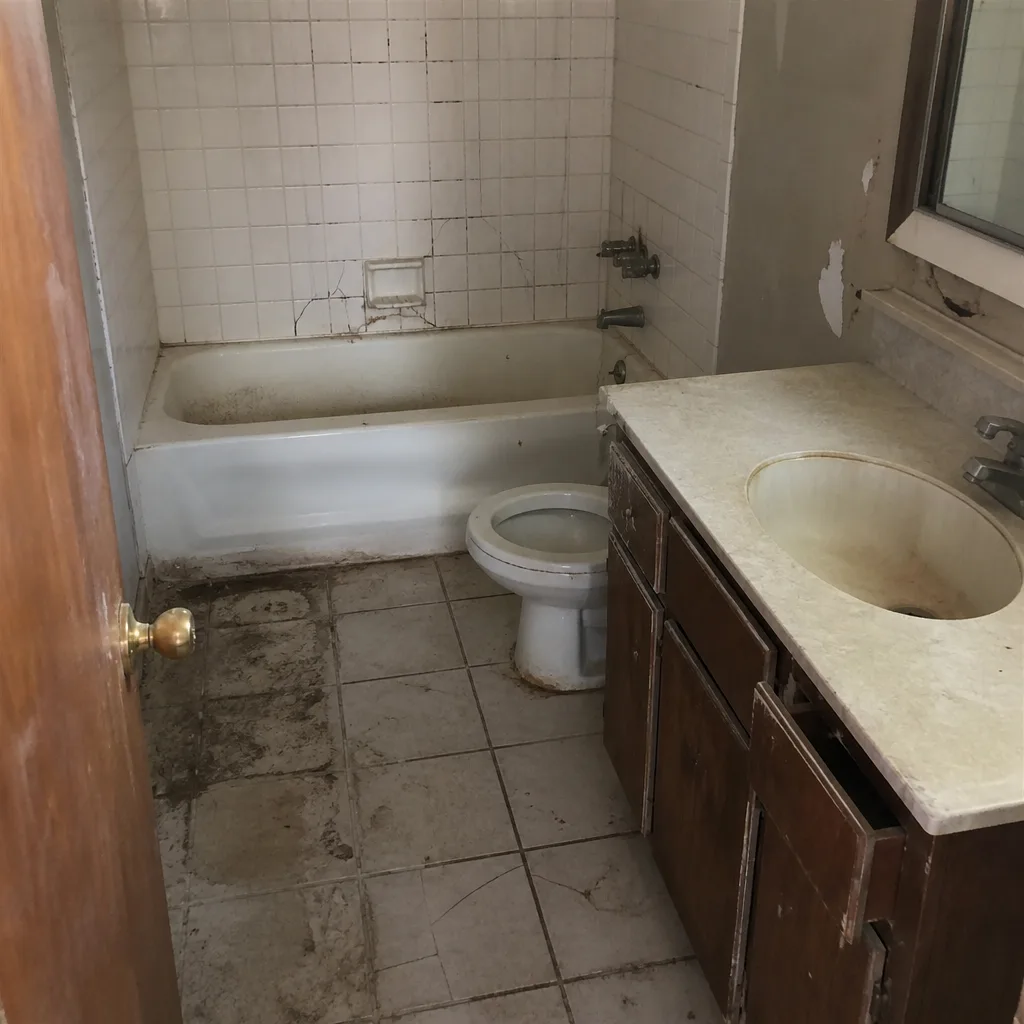 Before
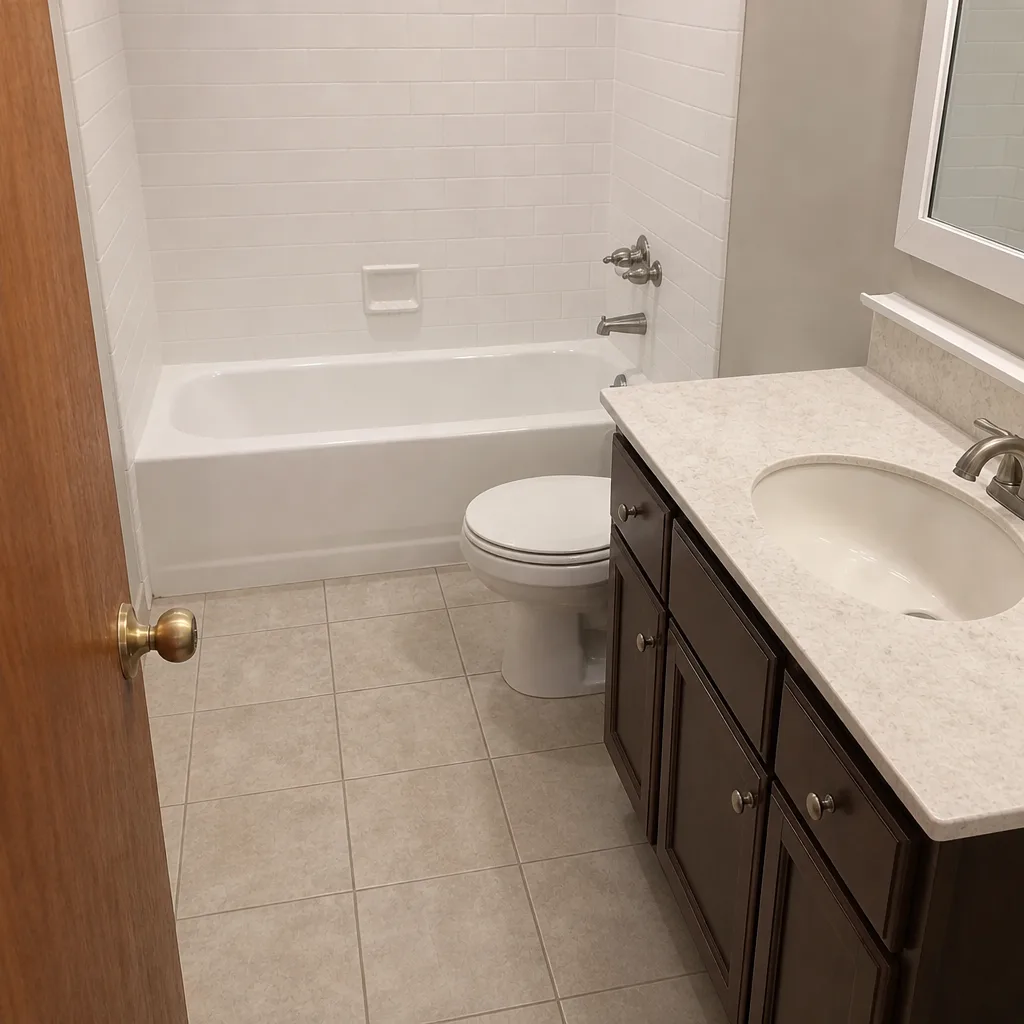 After
Do You Need a Permit to Build a Fence in Lewisville, TX?
Yes, in many cases: residential fences over 6 feet tall require a building permit from the City of Lewisville Development Services, while fences under 6 feet in standard residential zones usually do not. But that yes-or-no answer is only the first layer. If your lot backs to Lewisville Lake, sits in a FEMA AE floodplain along the Elm Fork Trinity River, or falls inside a Corps of Engineers easement, a city permit alone won’t clear you to build. Three separate jurisdictions can each say no, and we’ve watched homeowners learn that the hard way after the posts were already in the ground.
Groundwork Construction Co. of Lewisville pulls permits as part of every fence project and walks all three layers before we dig a single hole. If you want a straight read on your lot, call (844) 560-4467.
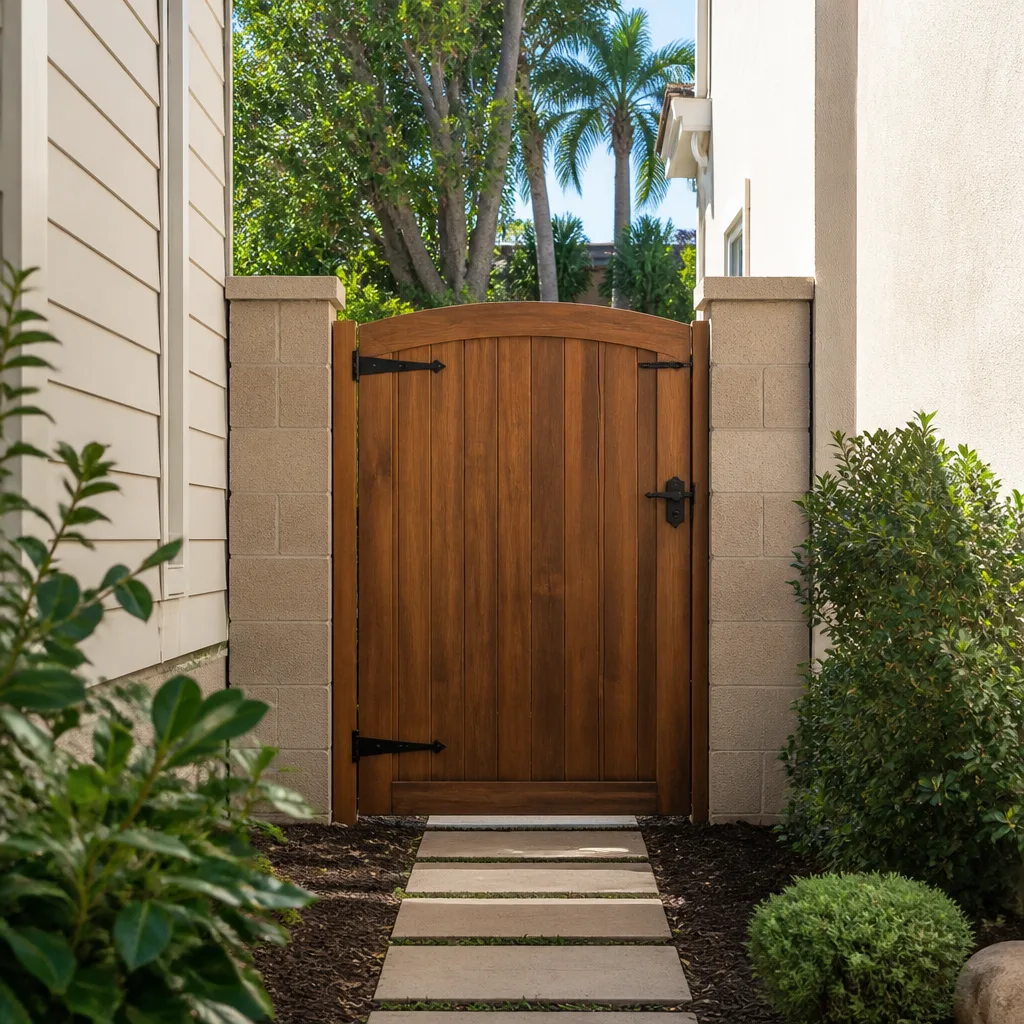
What Actually Triggers a Fence Permit in Lewisville
Most homeowners assume a fence is too small a project to need anyone’s permission. In the older core, near Old Town and the lakeside streets, that’s often true. The rules get more specific once you cross the 6-foot line or start building toward the front of the lot.
- Over 6 feet: A building permit through City of Lewisville Development Services is required. Height is measured from the finished grade, and grade changes along a sloped lot can push a “6-foot” fence over the threshold without anyone realizing it.
- 6 feet and under: In most standard residential zones, no building permit. You still have to meet setback requirements and stay inside your property line.
- Front yard vs. rear yard: These aren’t the same set of rules. Front and corner-side yards typically carry tighter height limits and visibility requirements, especially near a driveway or intersection. A rear-yard fence that sails through review can still fail in front.
- Corner lots: A corner lot has two street-facing yards, which trips up a lot of folks who only planned for one.
Here’s the part most guides skip: the height of the fence isn’t the only thing that matters. Where the fence sits on your property matters just as much, and that’s where the floodplain and federal layers come in.
The Floodplain Layer: When a City Permit Isn’t Enough
Lewisville sits at the confluence of Lewisville Lake and the Elm Fork Trinity River, and a good chunk of the lake-adjacent property along the Elm Fork corridor falls inside FEMA AE floodplain zones. If your lot is in one of those zones, fence construction needs a floodplain development permit on top of the standard building permit, and that’s a City floodplain administrator approval, not the same desk.
Why does a fence matter to a floodplain administrator? Because a solid panel fence acts like a debris catcher. During a high-water event, water pushes against the panels, debris stacks up, and the fence changes how floodwater moves across the property. That can redirect flow onto a neighbor’s lot or back up against a structure. So the review isn’t a formality. The administrator is looking at where the fence line sits relative to the flood flow path, what material it’s built from, and in some cases whether an open-style or elevated design makes more sense.
You’ll see a single line-item range for vinyl fence installation in Lewisville at $3,500-$9,000. Properties inside the floodplain can run toward the top of that or above it, because open designs, added permitting time, and engineering review add cost the standard project doesn’t carry.
The Corps of Engineers Easement: The Layer Nobody Mentions
Lewisville Lake is managed by the U.S. Army Corps of Engineers, and properties with shoreline or near-shoreline boundaries frequently carry a 50-foot to 100-foot easement. Inside that easement, no permanent structures go up without written Corps approval, and a fence counts as a permanent structure. A homeowner can hold an approved city permit, a signed-off floodplain review, and still be blocked at the federal level.
This is the scenario we see most often near the water: a beautiful, permit-compliant fence that has to come back out because nobody checked the easement before the first post went in. The fix is simple if you do it first. Confirm the easement boundary, get the Corps review moving early, and design the fence line to stay clear. That’s the kind of front-end work that saves a homeowner thousands on the back end.
HOA Rules in Lewisville’s Master-Planned North
Lewisville’s growth has been two-speed for a while. Older brick ranch homes in Old Town and the near-lake core get remodeled and re-fenced, while brand-new subdivisions keep rising in the northern zones. In master-planned communities up there, including Castle Hills and Orchard Flower, recorded deed restrictions typically specify allowed fence materials, heights, board orientations, and finish colors. A fence that passes the city permit review can still earn an HOA violation letter if it doesn’t match the recorded standards exactly.
The mistake is treating HOA review as an afterthought. It’s faster and cheaper to pull the recorded deed restrictions before you buy a single panel than to rebuild a fence to match a spec you didn’t read. When we scope a fence project in Lewisville, we confirm all three layers up front: city, floodplain administrator where it applies, and HOA review where the subdivision carries recorded restrictions.
What We Check Before the First Post
Permit compliance is part of the project scope, not something we hand off to you. Groundwork Construction Co. runs every fence through the same sequence on the way to a built, inspected fence:
- Confirm lot lines, zoning, and setback requirements.
- Check FEMA flood zone status and whether floodplain development approval applies.
- Verify Corps of Engineers easement boundaries on lake-adjacent lots.
- Pull recorded HOA deed restrictions for master-planned subdivisions.
- File the building permit where height or location requires one.
- Build and schedule the inspection.
All of that sits under the 730-Day Done Right Promise. If something in the permit or compliance chain isn’t right, we make it right, and you’re never left holding a stop-work order on your own. The technicians we work with have up to 12 years of experience, and materials run through brand partners like GAF and CertainTeed on the projects that call for shingled structures alongside the fencing.
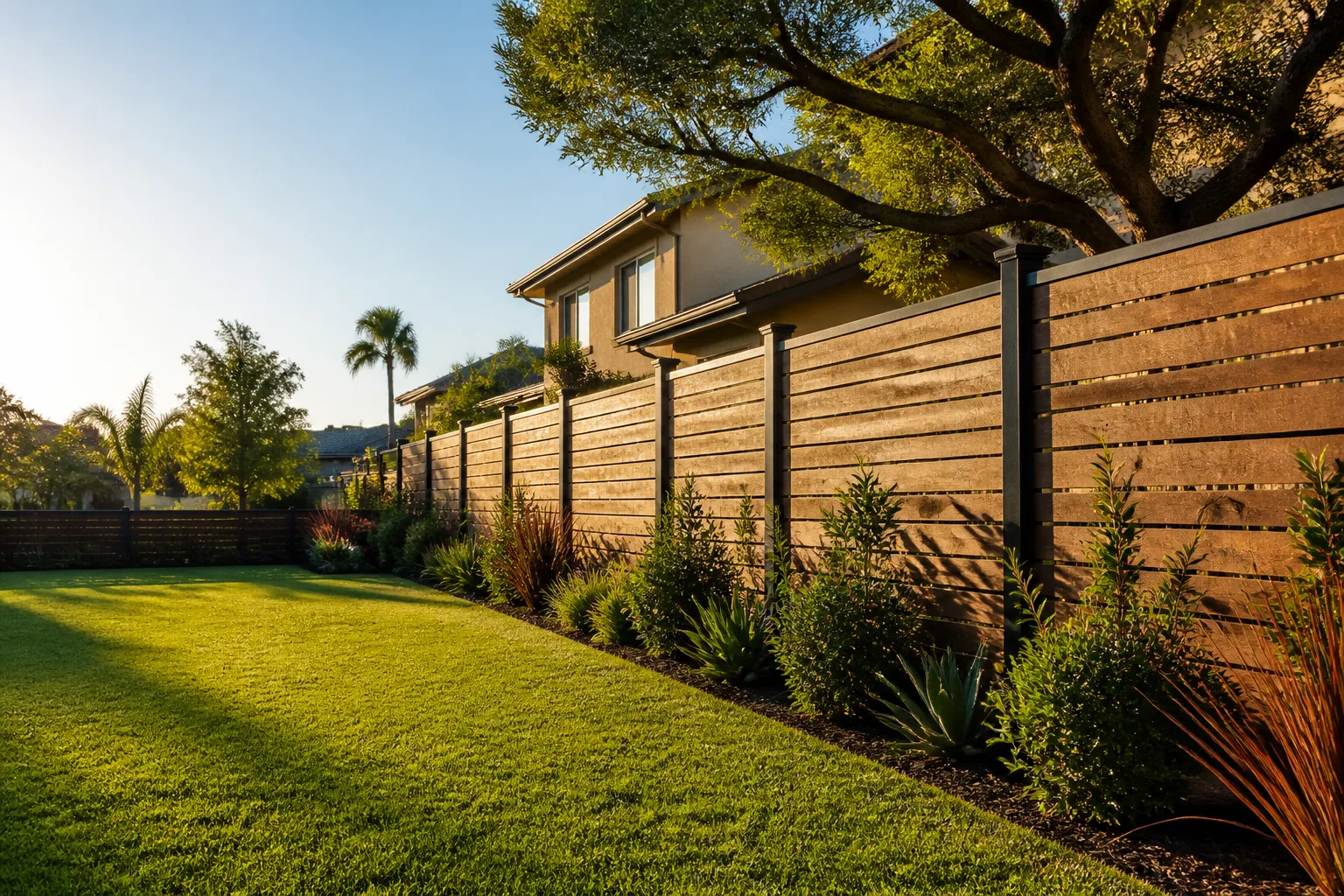
For the full picture of what we build, from materials to layout options, see our Fence Installation in Lewisville service. For the wider set of construction work we handle across Lewisville, start at our home page.
Rough Budget Ranges for Lewisville Fence Projects
| Project type | Typical range |
|---|---|
| Vinyl fence installation | $3,500-$9,000 |
| Aluminum fence installation | $4,000-$10,000 |
| Floodplain or Corps-easement review | added to project cost |
Those numbers assume a standard build. Permitting depth, engineering review, and easement compliance shift them. We give you a real number up front so there’s no surprise when the invoice lands.
FAQs
No, a 6-foot residential fence in most standard Lewisville residential zones does not need a building permit, though you still have to meet setback requirements and stay inside your property line. Once the fence goes over 6 feet, a permit through City of Lewisville Development Services is required. Call (844) 560-4467 if you’re unsure which side of the line your design falls on.
No, HOA approval and city approval are separate processes and you need both before building. In master-planned communities like Castle Hills or Orchard Flower, the HOA is checking recorded deed restrictions for material, height, and board orientation, while the city is checking zoning and building code. Passing one doesn’t clear the other, and a lake-adjacent lot in a floodplain zone may need a third approval. Call (844) 560-4467 for a free assessment of where your lot stands.
Not without checking the Corps of Engineers easement first, and often not without floodplain approval too. Lake-adjacent properties commonly carry a 50-foot to 100-foot federal easement where permanent structures, fences included, need written Corps approval. A city permit doesn’t override that. Call (844) 560-4467 and we’ll help you determine which approvals your lot needs.
Vinyl fence installation in Lewisville runs $3,500-$9,000 for a standard project, and aluminum runs $4,000-$10,000. Floodplain review, Corps easement compliance, and HOA-spec materials push the number up, so the only honest estimate comes after we’ve checked all three layers on your specific lot. Call (844) 560-4467 for a free, no-pressure estimate.
Get a Straight Answer About Your Lot
If you’d rather have it looked at, Groundwork Construction Co. of Lewisville offers a no-pressure assessment in Lewisville. We’ll check zoning, floodplain status, easements, and HOA restrictions before anyone picks up a shovel, and we’ll tell you exactly what the project needs. Call (844) 560-4467 for a free estimate. Calls are answered by a live person, 24/7.
Written by the team at Groundwork Construction Co. of Lewisville, serving Lewisville, TX.