Free written scope consultation - allowances, timeline, and change-order rules on paper before a single trade is scheduled
Styles & brands we work with
- Kitchen remodeling
- Bathroom remodeling
- Home additions & ADU
- Roofing
- Windows & doors
- Driveway & pavers
- Fence
See the difference
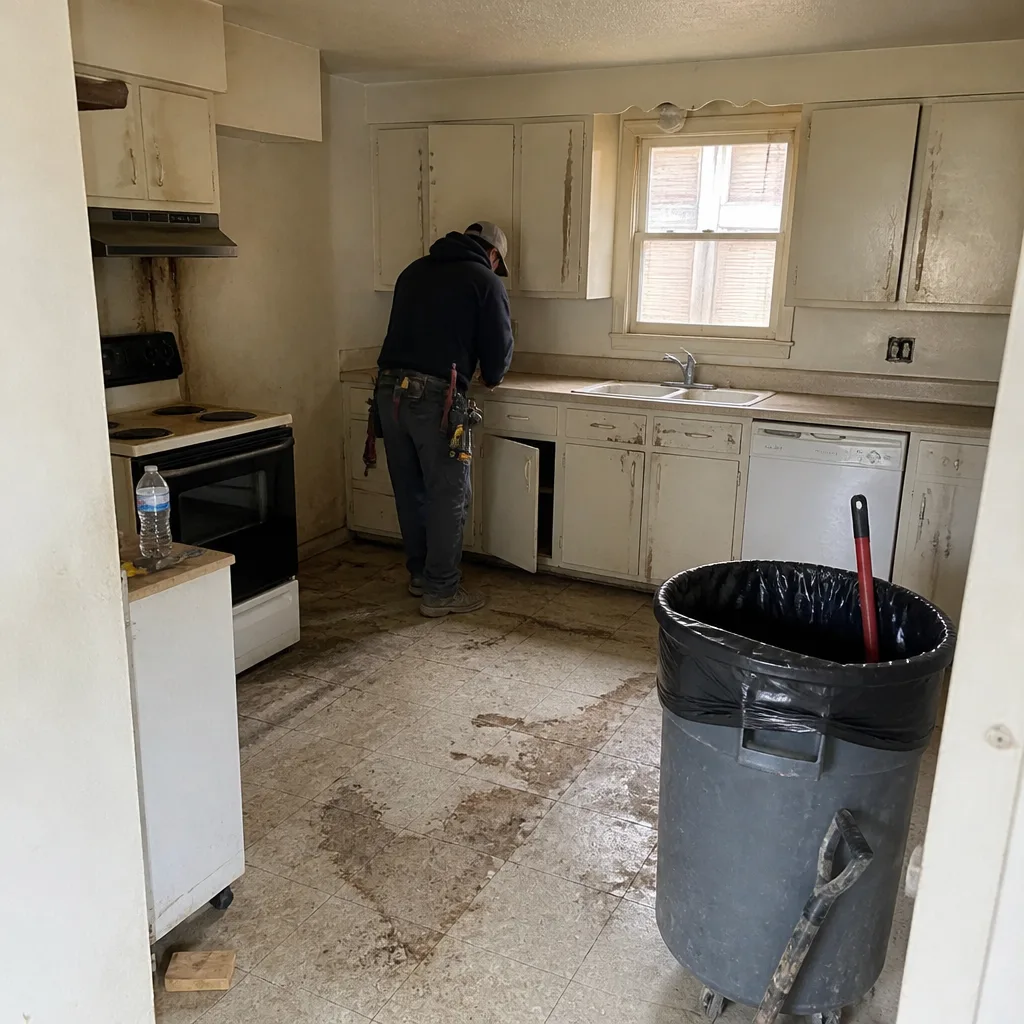 Before
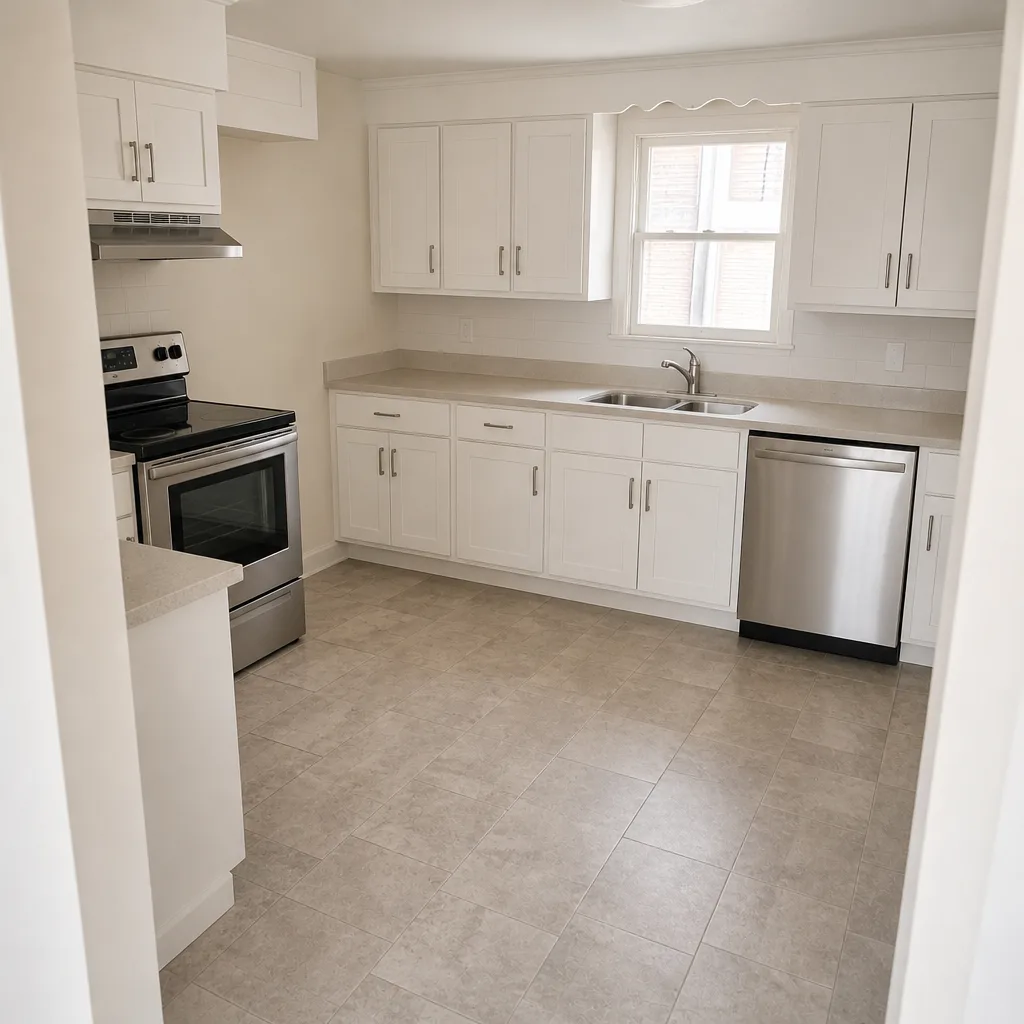 After
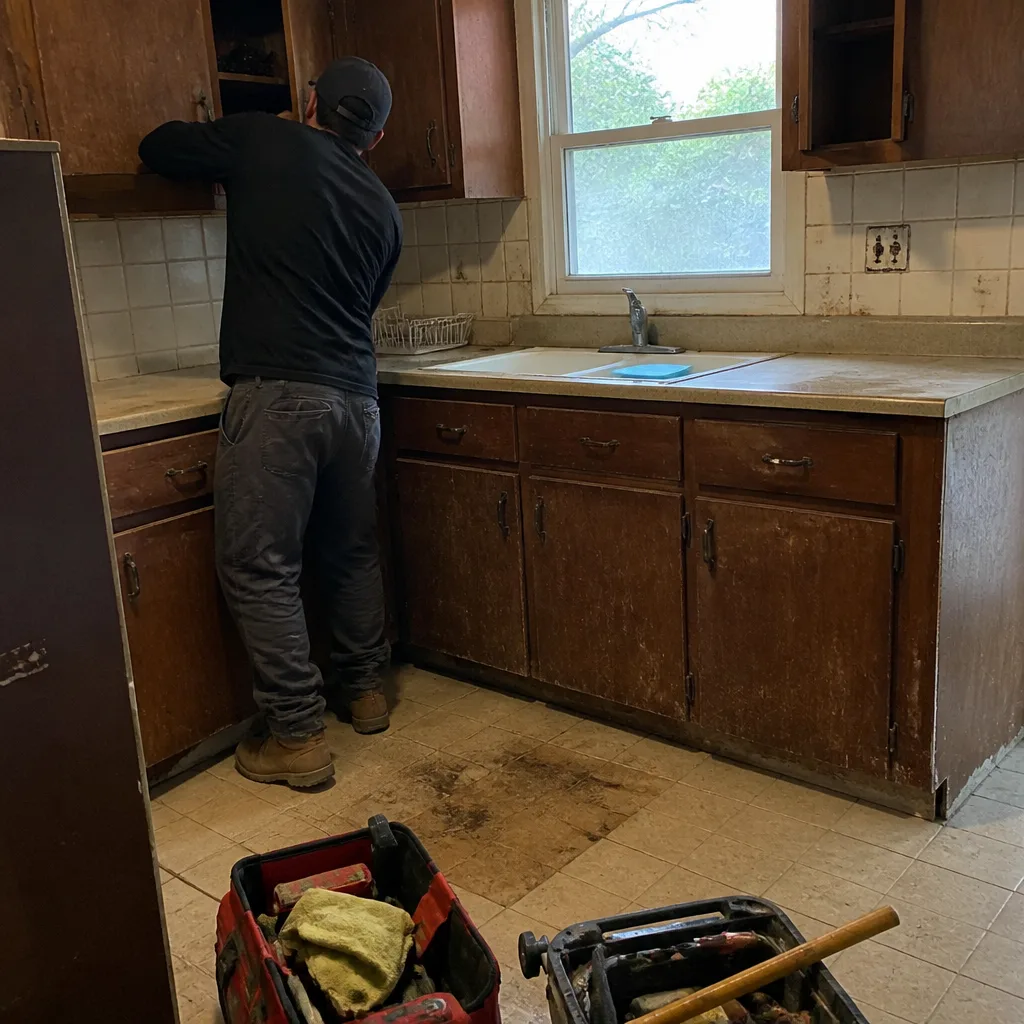 Before
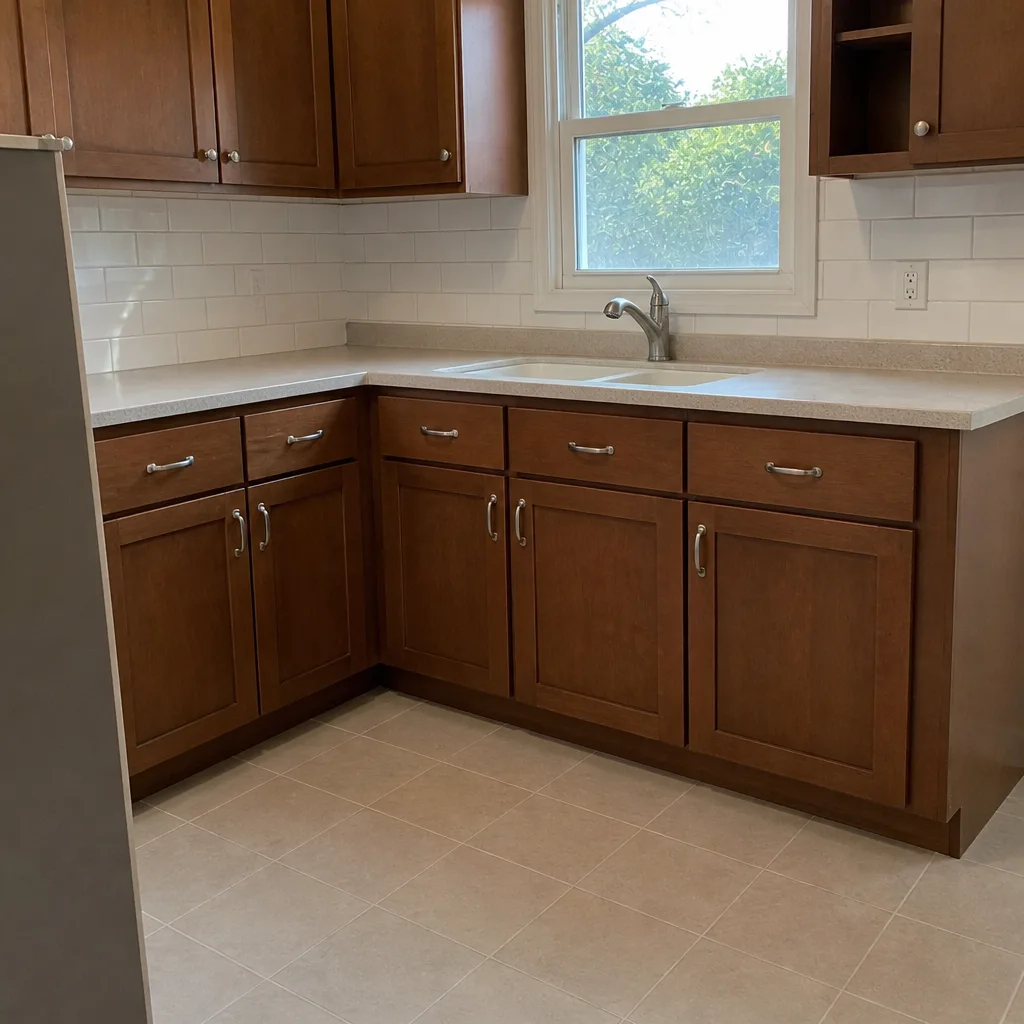 After
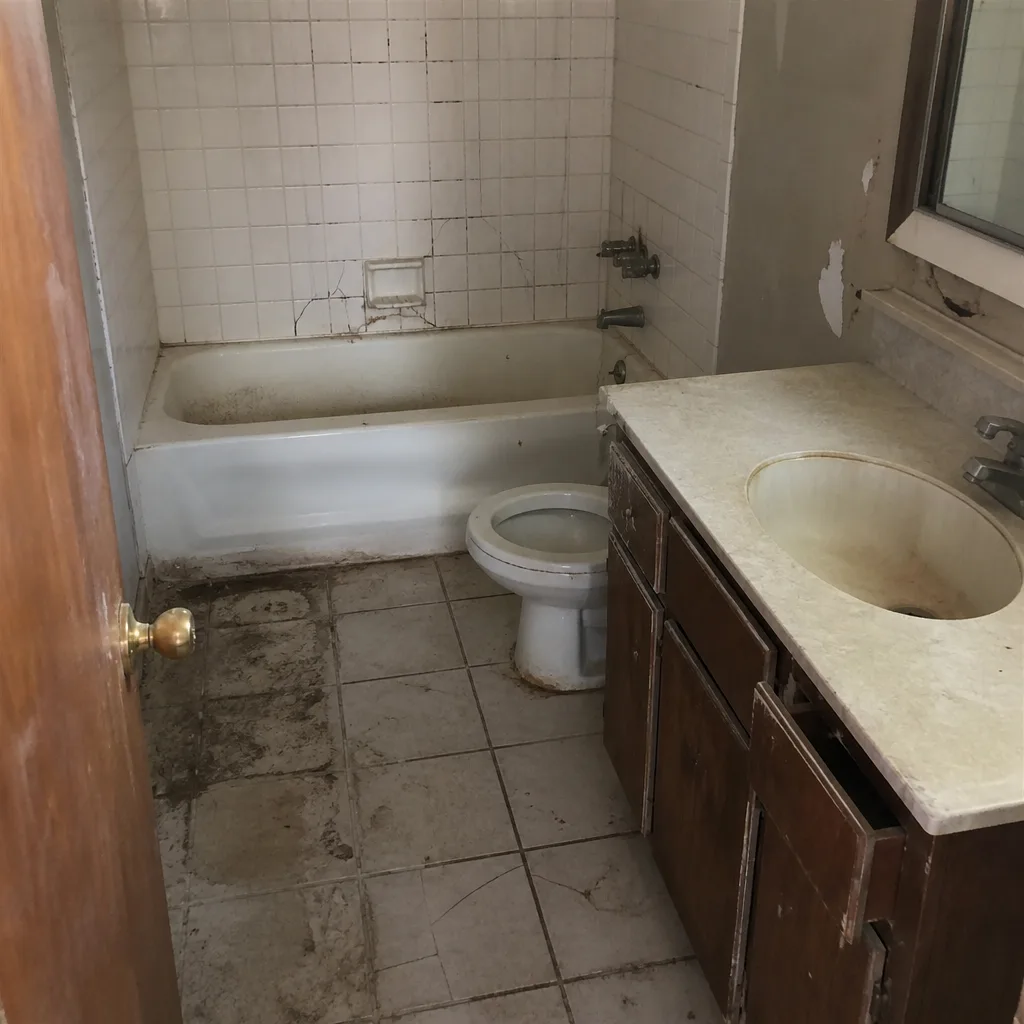 Before
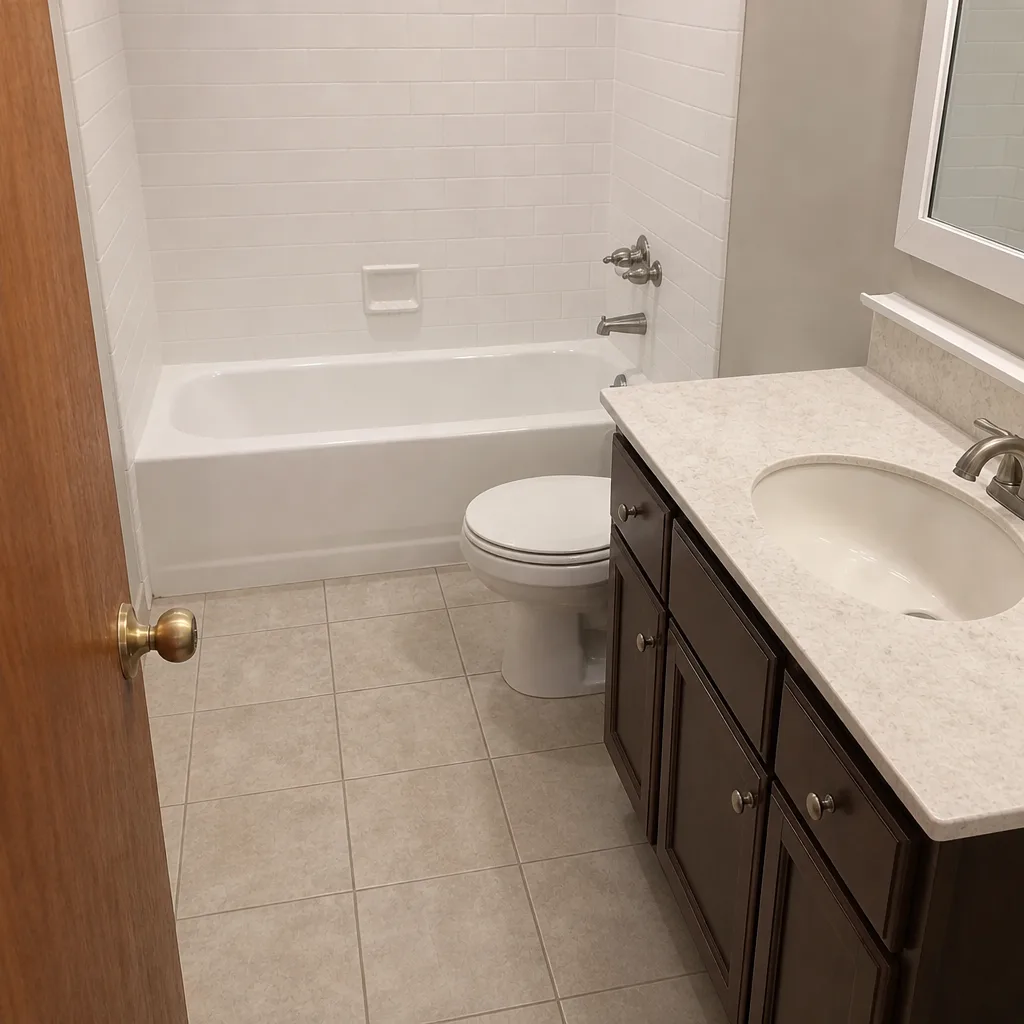 After
Driveway Resurfacing vs Replacement in Lewisville, TX: Which One Actually Saves You Money?
Choose replacement if your Lewisville driveway has pattern cracking across the middle of the slab, flexes underfoot, or was poured before 1990 - resurfacing on that slab just delays a full replacement two or three years and you pay twice. Choose resurfacing only if the slab is rigid, the base underneath is intact, and the damage is surface-level. Lewisville sits on black gumbo clay that swells and shrinks through Texas drought-then-flood cycles, and that clay - not the concrete on top of it - drives most of what we see. Call (844) 560-4467 for a straight recommendation with the diagnostic findings in writing.
Key Takeaways
- The crack pattern tells you more than the crack count: edge cracks are cosmetic, cracks across the middle of the slab usually mean the sub-base has voided.
- Do the foot test before you call anyone - if the slab rocks or flexes, resurfacing is a waste of money.
- 1960s-1980s driveways in Old Town and the lake-adjacent neighborhoods were often poured about 3 inches thick on native clay with no base layer. They’re too thin to bond an overlay to reliably.
- A failed resurfacing plus the replacement you do anyway can run $12,000 total. Doing it right the first time is the cheaper path.
- Resurfacing makes genuine sense on newer northern-subdivision driveways where the slab is thicker and the damage is surface scaling.
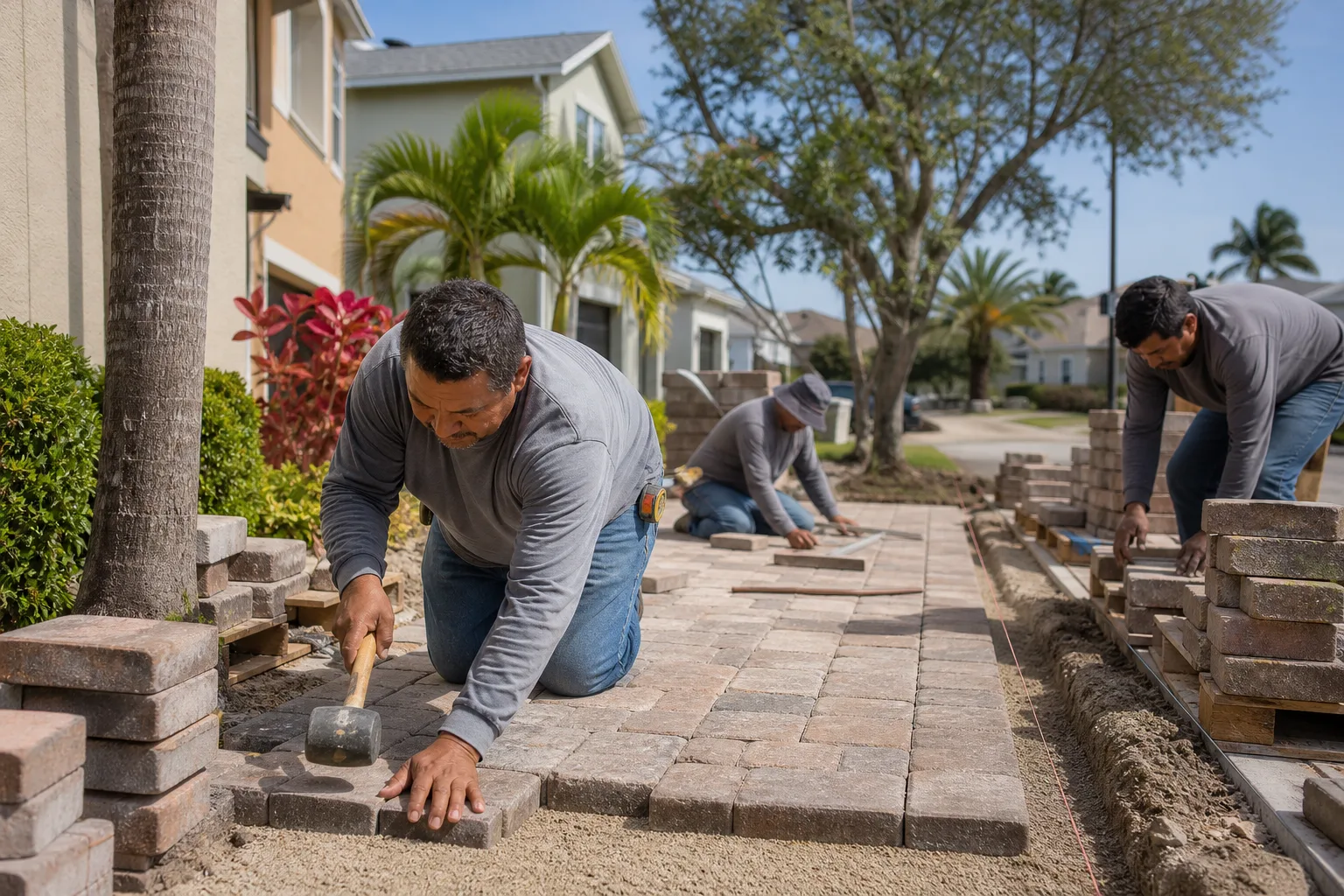
Why the Crack Pattern Matters More Than the Price Tag
Resurfacing costs a fraction of replacement, and sometimes it’s the right call. But if you’re in an older Lewisville neighborhood and your driveway has started cracking in a pattern - not just at the edges - that pattern is the clay underneath talking, and no surface fix changes that conversation.
Here’s the distinction we use on every walk-through. Edge cracks, hairline spiderwebbing near the joints, and surface scaling from freeze-thaw are cosmetic. Cracks that run across the middle of the slab, step up on one side, or recur in the same line after a patch are structural. They’re telling you the soil under the slab has moved, and the concrete is spanning a void it was never designed to span.
North Texas clay expands and contracts hard with the area’s wet-dry cycles, and that’s the defining construction issue for slabs across Lewisville. When the clay shrinks in a dry stretch, the slab loses support and flexes. When the rains return, the clay heaves. Do that for a few decades and you get stair-step cracking through the middle of a driveway that looked fine two summers ago.
The Test You Can Do Before You Call Anyone
You don’t need a contractor to start diagnosing this. Press down firmly on the cracked section with your foot, or stand on one corner and shift your weight. If the slab flexes, or the edges rock up and down, the sub-base has voided. Resurfacing that slab is throwing money at a surface over a moving foundation, and the overlay will crack in the same pattern within a few years.
If the slab is rigid - no flex, no rock, cracks confined to the surface and the joints - resurfacing is legitimate. That’s a driveway you can protect and extend.
Two more things to look at while you’re out there:
- Measure the slab thickness at a visible edge or a crack face. Under about 4 inches and you’re into overlay territory that won’t hold.
- Check whether the driveway drains away from the slab or ponds against it. A slab sitting in water is a slab that’s already compromised underneath.
Want a second opinion on what you’re seeing? Our technicians have up to 12 years of experience reading exactly this kind of damage, and we put our findings in writing. Our Driveway & Pavers team walks the slab with you and tells you what the base is doing, not just what the top looks like.
How Lewisville’s Housing Stock Changes the Answer
This is where the generic advice breaks down. Lewisville’s 1960s-1980s driveways in Old Town and the lake-adjacent neighborhoods were often poured around 3 inches thick on native clay with no engineered base layer. Those slabs are physically too thin to bond a resurfacing overlay to reliably, because the existing concrete flexes more than the overlay can tolerate. An overlay wants a stable, rigid surface to grab. A 3-inch slab on gumbo clay isn’t that surface.
The newer subdivisions in the northern growth zones tell a different story. Post-2000 driveways were typically poured thicker, over a code-compliant compacted base. When those fail, it’s more often surface scaling from freeze-thaw and sun exposure than structural movement. On those driveways, resurfacing is often the smart, cost-effective move - and it’s a driveway we’ll happily recommend an overlay for.
Lewisville is a two-speed market in that sense. We’re dealing with aging slabs in the older core near Lewisville Lake and the Elm Fork, and freshly built slabs up north, sometimes on the same day. The recommendation has to match the slab in front of us, not a one-size template.
So What Does Each Option Actually Cost in Lewisville?
Here’s the honest math, with our current Lewisville ranges. Surface work is cheap; structural work isn’t. But a cheap fix that fails costs more than the repair you only do once.
| Option | What it involves | Typical Lewisville cost |
|---|---|---|
| Driveway sealing | Surface protection on a sound slab | $250-$700 |
| Resurfacing (overlay) | New top layer bonded to an intact, rigid slab | Often a fraction of replacement - depends on square footage and slab condition |
| Driveway replacement | Remove old slab, re-prep base, pour new | $5,000-$14,000 |
| Concrete driveway installation | New concrete drive, base prep and pour | $4,500-$12,000 |
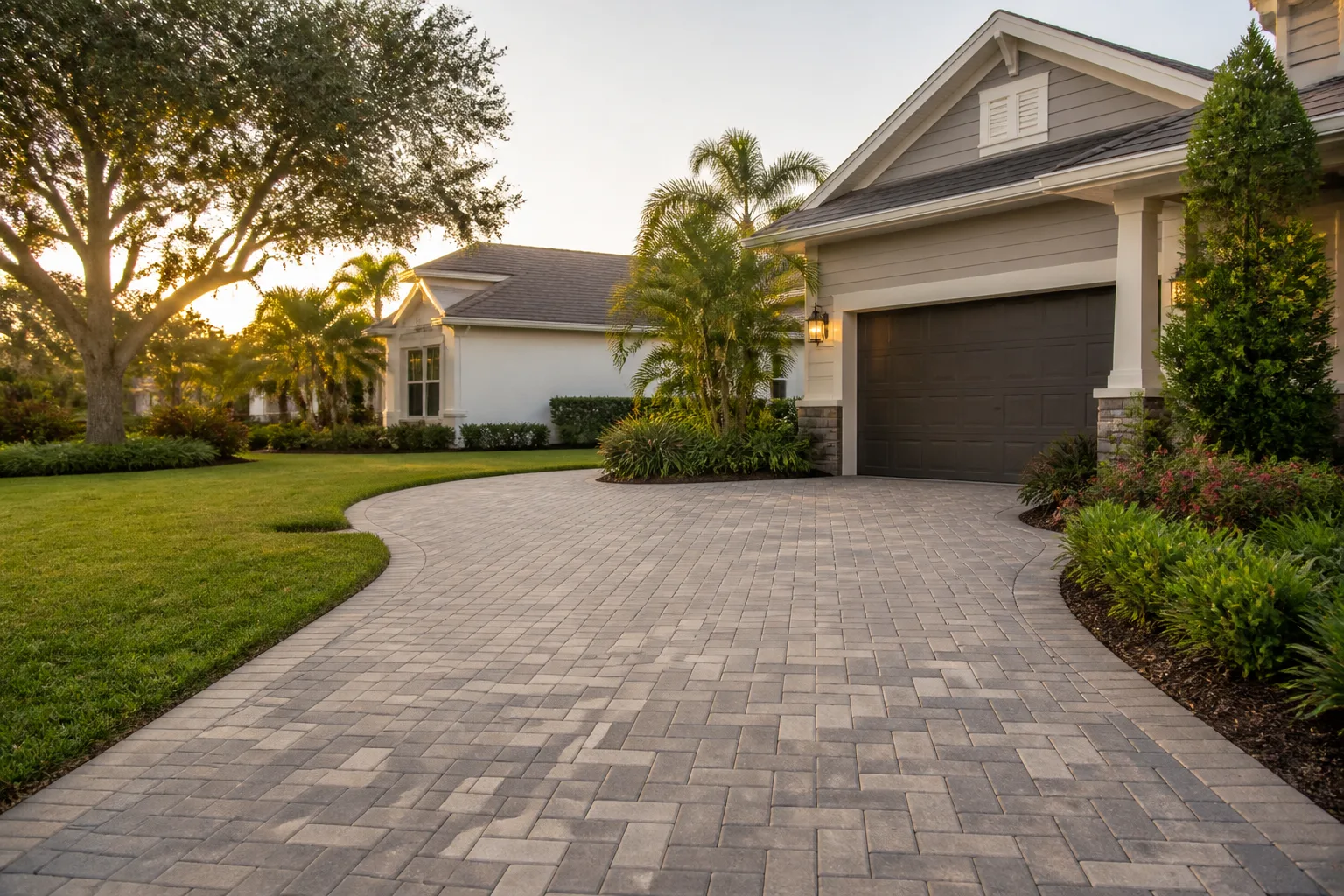
| Paver driveway installation | Pavers over a properly compacted base | $7,000-$18,000 |
Now run the failure scenario. A $3,000 resurfacing job that fails in three years on bad sub-base, plus the $9,000 replacement you then have to do anyway, costs $12,000 total. The same $9,000 replacement done correctly the first time - with proper base prep and a 730-Day Done Right Promise behind it - is the better financial decision every time. You pay once, and you don’t pay again in three years.
That upfront pricing is part of how we work. The number you see is the number you pay, and it comes with a written recommendation - resurfacing or replacement - and the specific diagnostic findings behind it, so you’re not relying on a contractor’s upsell instinct. Our Driveway & Pavers in Lewisville page covers the full material and installation scope if you’re leaning toward pavers.
Where Resurfacing Genuinely Wins
We’re not anti-resurfacing. On a newer-construction driveway in the northern subdivisions - thicker slab, code-compliant base, damage limited to surface scaling - an overlay is often the right, cost-effective call, and we’ll say so. The 730-Day Done Right Promise only applies to work we recommend doing, not band-aid fixes. If we tell you resurfacing, it’s because the slab can carry it, and we stand behind it in writing. If we tell you replacement, it’s because a surface fix would be money down a hole, and we’d rather lose the easy job than watch your driveway fail on our name.
Frequently Asked Questions
Driveway sealing in Lewisville runs $250-$700, resurfacing is priced per square footage and sits well below a full replacement, and full driveway replacement runs $5,000-$14,000, with concrete installation at $4,500-$12,000 and paver installation at $7,000-$18,000. The right comparison isn’t the sticker price but the cost over ten years - a failed overlay plus a later replacement often totals more than the replacement done once. Call (844) 560-4467 for an exact quote, and estimates are free.
Generally no - a 3-inch slab is too thin to bond a resurfacing overlay to reliably, because the existing concrete flexes more than the overlay can tolerate and the overlay cracks in the same pattern. Many 1960s-1980s driveways in Old Town and near the lake were poured around 3 inches on native clay, so those are usually replacement candidates, not overlay candidates. Call (844) 560-4467 and we’ll measure the slab and tell you straight.
Resurfacing is cheaper upfront, but replacement is often cheaper over ten years if your sub-base is compromised - because a failed resurfacing plus the replacement you do anyway can cost more than the replacement done once. The deciding factor is the sub-base and slab thickness, not the surface appearance. Call (844) 560-4467 for a no-pressure assessment before you commit either way.
Press on the cracked section with your foot - if the slab flexes or the edges rock, the sub-base has voided and resurfacing won’t hold; if the slab is rigid and the cracks are surface-level, resurfacing is legitimate. Check slab thickness at an exposed edge, too; under about 4 inches points toward replacement. Call (844) 560-4467 for a documented, in-person read on what your slab is doing.
If you’d rather have it looked at, Groundwork Construction Co. of Lewisville offers a no-pressure assessment in Lewisville - call (844) 560-4467. We’ll tell you resurfacing or replacement, put the findings in writing, and back the work with our 730-Day Done Right Promise.
Written by the team at Groundwork Construction Co. of Lewisville, serving Lewisville, TX.