Last updated November 18, 2026
Free written scope consultation - allowances, timeline, and change-order rules on paper before a single trade is scheduled
Choosing the Right Construction Brand: A Buyer’s Guide for Lewisville
Two contractors can bid the “same” roof at the same price. One installs a shingle rated and warranted for 25 years, backed by a manufacturer that will actually honor a claim. The other sources a lookalike product through a secondary distributor with no manufacturer warranty trail at all. On paper, identical. On your house, worlds apart. The brand of material specified in your bid is a warranty decision, not a vanity decision, and it’s the single most overlooked line in most construction contracts. This guide shows you which brand questions to ask before you sign, how to catch the substitution problem most homeowners never see, and which of the materials that perform best in North Texas heat, UV, and freeze-thaw cycles actually belong on a Lewisville home.
Quick Answer
The right construction brand for a Lewisville project is the one that combines a manufacturer with a written warranty, an installer authorized to keep that warranty valid, and a product engineered for sustained heat and freeze-thaw cycling – not the one your contractor happens to stock. Ask for brand, model number, and warranty terms in writing before signing, then verify the delivered materials match. Name-brand specification protects your warranty, your resale appraisal, and your ability to hold someone accountable years later.
Styles & brands we work with
- Kitchen remodeling
- Bathroom remodeling
- Home additions & ADU
- Roofing
- Windows & doors
- Driveway & pavers
- Fence
Table of Contents
- Why brand specification is a warranty decision, not a shopping preference
- Where brand quality varies most in North Texas: roofing, concrete sealants, and masonry
- How Lewisville’s climate breaks down the wrong materials
- The substitution problem: how to verify what’s bid is what’s delivered
- Manufacturer-authorized installers and why Texas warranties depend on them
- How name-brand materials show up in Lewisville appraisals and inspection reports
- The exact brand questions to ask before you sign a contract
- Common mistakes to avoid
Why Brand Specification Is a Warranty Decision, Not a Shopping Preference
When a homeowner hears “we’ll use a 30-year shingle,” they usually think about how long the roof lasts. The more important question is who stands behind that number and whether the warranty survives install. A manufacturer warranty is a contract between you and a company that has a reputation to protect. A contractor-sourced generic product often has no manufacturer behind it at all – the only recourse is the contractor, and if that contractor is gone in three years, so is your coverage.
This is where the difference between a real brand and a lookalike gets expensive. A GAF or Owens Corning roof carries a written system warranty when installed to manufacturer standards by a qualified installer. A shingle from a secondary distributor may look the same from the street but comes with a limited or nonexistent paper trail. The Materials brand, in other words, determines who you call when something fails.
The same logic runs through every trade. KraftMaid and Cambria in a kitchen give you manufacturer-backed cabinet and countertop warranties alongside the installation workmanship coverage. Andersen and Marvin windows carry frame and glass warranties that depend on proper installation. Barrette and Master Halco fencing systems come with manufacturer terms that generic fence panels don’t.
What we’ve seen on Lewisville jobs is that homeowners who ask about brand before signing end up with a documented paper trail they can use at resale or in an insurance claim. Those who don’t often discover the gap only when something fails and they can’t find a warranty to call. Upfront pricing makes this visible: a real bid names the product, model, and warranty. A vague bid hides behind “industry standard materials.”
Where Brand Quality Varies Most in North Texas
Not every category has the same gap between premium and generic. Some products are commodities where brand matters little. Others swing wildly, and those are exactly where the specification question matters most.
Roofing
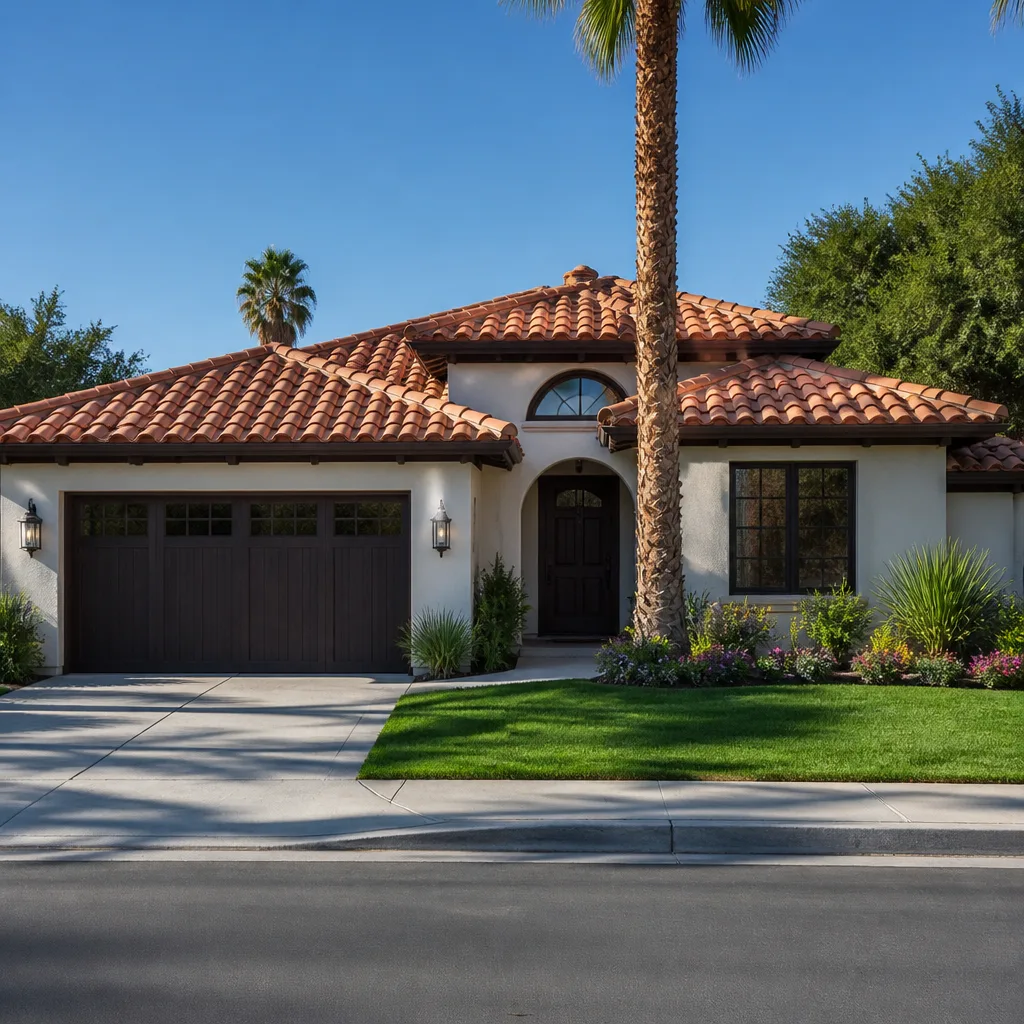
Roofing has one of the widest quality ranges of any residential product. The shingle itself, the underlayment, the ventilation, and the flashing all interact, and a system warranty only holds when all four are manufacturer-approved. We’ve torn off roofs in Lewisville where a builder-tier shingle was paired with cheap underlayment, and the deck was already soft after twelve years. On a proper system, that same house should get two decades more. The brand of underlayment, not just the shingle, is a major line item most bids skip.
Concrete sealants and coatings
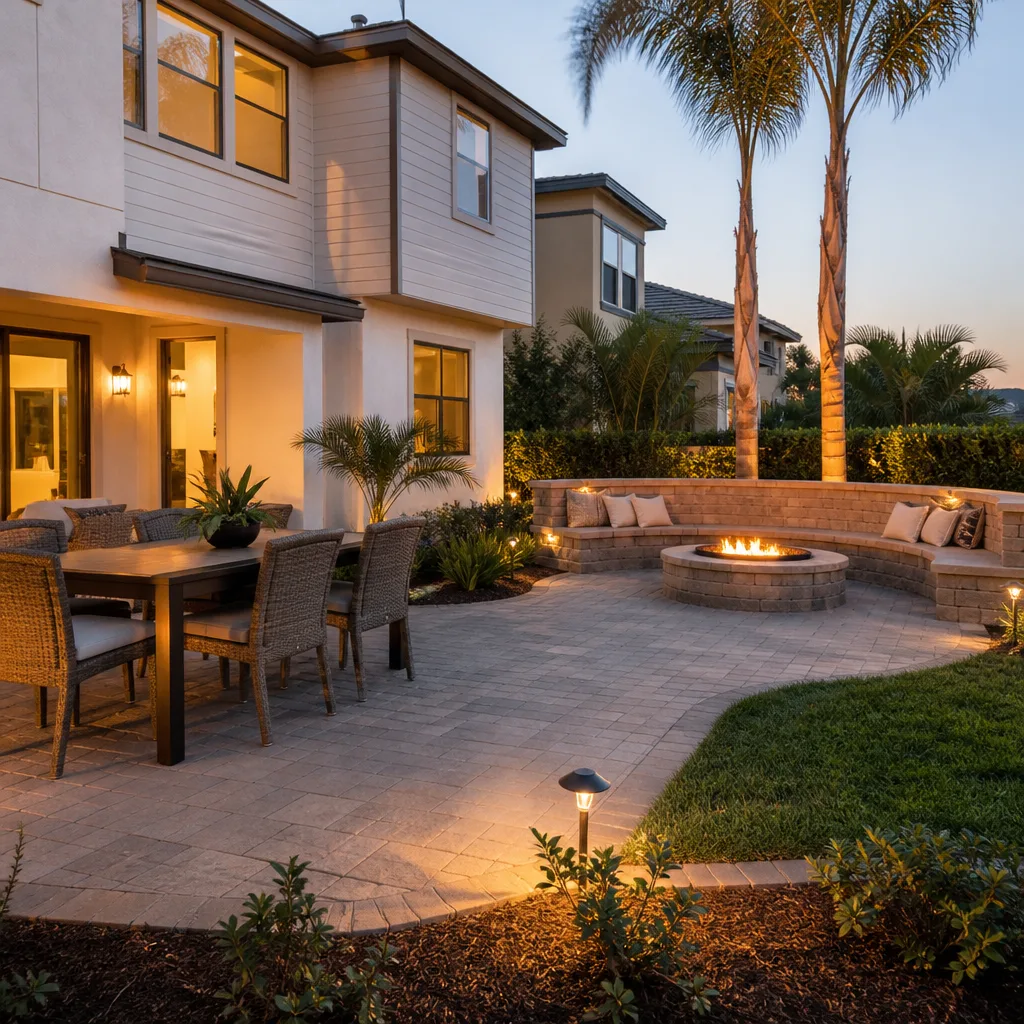
Concrete for a driveway or patio is a commodity – the mix design matters more than the brand. What varies enormously is the sealant and coating applied over it. A premium penetrating sealer from an established manufacturer holds up to UV and Texas sun for years. A bargain topical sealer chalks, peels, and traps moisture, and in a Lewisville freeze-thaw winter, trapped moisture is what cracks concrete. When you’re looking at Driveway & Pavers in Lewisville, the paver brand and the sealer brand both deserve a line in the contract – Belgard, for example, publishes performance data its imitators don’t.
Masonry materials
Brick, stone veneer, and mortar components look identical at a glance and perform nothing alike. A lower-grade manufactured stone with high absorption will spall after a few hard freezes. A premium brand keeps absorption low enough to survive decades of cycling. Repair and repointing work also depends on the mortar brand and mix matching the original wall – wrong mortar can damage good brick. These are the details that show up in an inspection report ten years later.
How Lewisville’s Climate Breaks Down the Wrong Materials
Lewisville sits in a part of North Texas that tests materials in ways national “best of” lists often miss. Those lists are frequently written around milder, wetter climates where UV exposure is lower and freeze-thaw cycling is rare or absent. Products tested in Portland or Atlanta don’t automatically rank the same in Denton County.
Here’s what a Lewisville material has to survive in a typical year:
- Sustained heat and UV. Summer afternoons regularly push past 100°F. Sealants chalk, vinyl fades, and asphalt shingles off-gas faster. A product rated for cooler climates ages prematurely here.
- Freeze-thaw cycling. North Texas winters swing above and below freezing repeatedly in a single week. Water trapped in porous materials expands and contracts, and masonry, concrete, and sealants that weren’t engineered for it crack and spall.
- Hail. Lewisville and the surrounding corridor see hail that separates a Class 4 impact-rated roof system from a standard one. The brand and rating genuinely matter for both performance and insurance.
- Wind and storms. Spring storm systems and occasional derechos test fastener specs and wind ratings on roofing, fencing, and windows.
For fencing, this climate profile is why so many homeowners here move away from wood toward aluminum and composite systems. Brands like Ameristar and Jerith engineer aluminum ornamental fencing with powder-coat finishes built for UV and low maintenance. On the fence side, Fence Installation in Lewisville walks through which systems survive a North Texas summer without annual staining. Wood fence in Lewisville isn’t wrong – it just needs a species, a grade, and a fastener spec that hold up, and the bid should say which.
Windows get the same treatment. A low-end window with a poor solar heat gain coefficient will sit in Lewisville sun and let heat through every summer afternoon for twenty years. Andersen and Pella units are specified for exactly this climate load, and Marvin publishes performance data per configuration, so you can compare actual numbers rather than marketing language.
The Substitution Problem: How to Verify What’s Bid Is What’s Delivered
Here’s the failure most homeowners never catch. A contractor bids a name-brand product to win the job, then installs a substitute from a secondary or gray-market supply chain because the margin is higher. By the time anyone notices, the roof is on or the fence is set in concrete. This happens more often than most people realize, and it’s the single biggest reason a “name-brand bid” ends up with no warranty.
Ask for the specification trail in writing. Here’s a step-by-step approach that catches it before it’s too late:
- Demand a written specification. The contract should list brand, product line, and model number for every major material – not “30-year shingle” but the actual SKU.
- Get the warranty documents up front. The manufacturer warranty terms, coverage length, and registration requirements should be in your hands before signing, not promised after the final invoice.
- Insist on a substitution clause. Any change to the specified brand or model requires your written approval, with the warranty implications spelled out – plus an equivalent-or-better credit if the substitute is cheaper.
- Verify delivery on site. When materials arrive, check the packaging labels against the spec sheet. Take a photo of the labels before install. It takes two minutes and it’s your documentation if anything goes wrong.
- Check the final invoice against the bid. The materials billed should match the materials specified. If the numbers don’t line up, ask before you make the final payment.
- Register the warranty in your name. Manufacturer warranties often require homeowner registration within a window after install. If nobody registers, the coverage may not exist when you need it.
This is exactly where upfront pricing with a written line-item quote earns its keep. When a bid names the brand and the warranty, there’s nothing to hide. When it doesn’t, the door is open for substitution. A free estimate and design consult is the moment to lock the spec, not the final walkthrough.
Manufacturer-Authorized Installers and Why Texas Warranties Depend on Them
Here’s a rule that catches almost every homeowner: some manufacturer warranties are only valid if a certified or authorized installer does the work. Install a GAF system with a contractor who isn’t in the manufacturer’s authorized program and you may be limited to a shorter, basic warranty instead of the full system warranty. The product is real, the installation may even be good, but the top-tier coverage isn’t there.
Texas adds its own layer. Roofing, electrical, HVAC, and plumbing work are regulated here, so the contractor’s licensing status matters alongside any manufacturer program. When you’re checking an installer, ask for two things separately: the state license status, and the manufacturer’s authorized-installer confirmation. They’re not the same, and one doesn’t guarantee the other.
How to check:
- Ask the contractor for their manufacturer program status in writing, and ask which warranty tier that unlocks.
- Verify authorized-installer status directly through the manufacturer’s own contractor lookup, not the contractor’s website.
- Confirm the warranty is registered in your name and that the registration covers the full system, not just one component.
Workmanship coverage is the other half of the story, and it’s where the coverage you keep is the one your contractor offers in writing. The 730-Day Done Right Promise exists precisely because manufacturer warranties and workmanship warranties answer different questions. The manufacturer covers the product. The installer covers the labor and the installation. If it’s not done right, we make it right – and on a Lewisville job, both warranties should follow the house, not the contractor.
How Name-Brand Materials Show Up in Lewisville Appraisals and Inspection Reports
Here’s where the brand decision pays you back a second time, years later. Lewisville’s housing market includes a lot of established neighborhoods – Old Town, downtown Lewisville, Castle Hills, Valley Ridge – where a meaningful share of the housing stock was built in the 1980s, 1990s, and early 2000s and is now hitting the age where major systems get replaced. When you sell or refinance, what a buyer’s inspector sees and what the appraiser reads can move the number.
A roof with a documented system warranty and an identifiable brand records differently than a replacement with no paper trail. An inspector writes what’s visible and verified. A roof with named underlayment, specified ventilation, and a manufacturer warranty registration is a lower-risk line item than a “recently replaced” roof with no documentation. Appraisers compare condition and effective age, and a name-brand, well-documented roof reads as newer and better maintained.
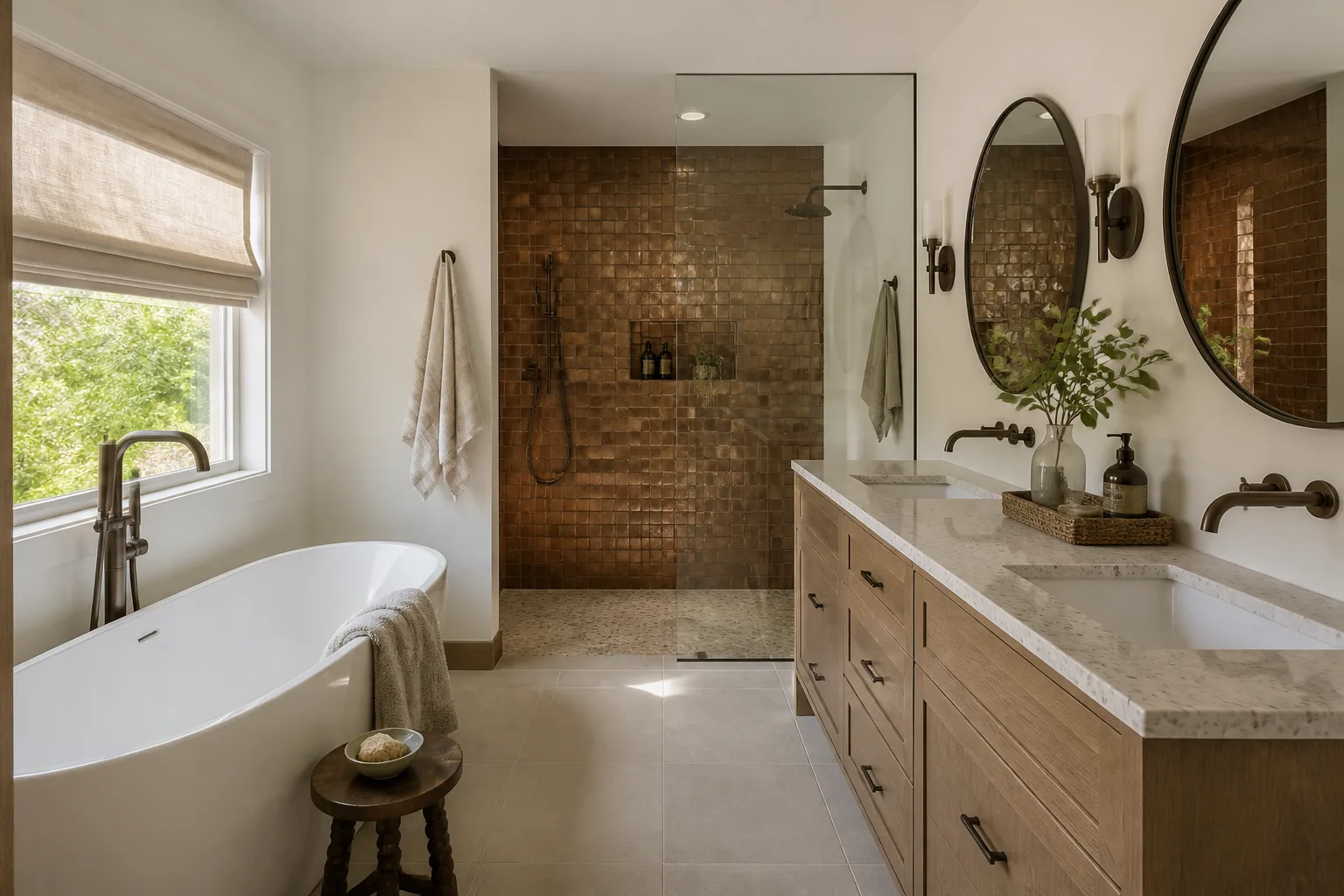
The same pattern applies to kitchens and baths. KraftMaid and Kohler come with recognizable brand names a buyer’s agent can research. A generic cabinet with no manufacturer documentation is a question mark. In a Lewisville refinance or sale, documented product spec is a small line that can quietly change an inspection report from “deferred maintenance concern” to “professional upgrade with warranty.”
The reverse is equally true. Gray-market materials can’t be verified, and an inspector who can’t verify a material often downgrades the condition rating. That’s the quiet cost of a shortcut bid – it shows up two owners down the road.
The Exact Brand Questions to Ask Before You Sign a Contract
Most homeowners don’t know what to ask, so contractors never have to answer. These questions flip that. Ask all seven in writing, and don’t accept verbal answers.
- What exact brand and model number is specified? “Industry standard” is not an answer. If the bid can’t name the product, it can’t defend the warranty.
- What is the manufacturer warranty term, and who honors it? Get the coverage document and the claims process in writing.
- Are you a manufacturer-authorized installer for this product? Ask which warranty tier that status unlocks.
- What happens if the specified brand is back-ordered? Ask for the substitution process, who approves it, and how the warranty is protected if it changes.
- What’s the workmanship warranty, and how long does it last? This is separate from the product warranty, and it’s what covers the labor if something’s not done right.
- How do I register the manufacturer warranty in my name? Ask for the registration confirmation after final install.
- Will the delivered materials match the spec sheet, and can I verify on delivery? A straight answer here tells you where the contractor sits on accountability.
A bid that answers even half of these is already better than most you’ll see. A bid that answers all seven in writing means the contractor has the spec, the warranty, and the accountability lined up before the first truck rolls. That’s what “upfront pricing, no surprises” means in practice – it applies to products, not just the dollar figure.
Common Mistakes to Avoid
- Judging the product by the shingle from the street. Two roofs can look identical and carry wildly different warranties. Always ask the brand behind the visible product and the underlayment below it, because that’s the layer that fails first in Lewisville rain.
- Accepting “industry standard materials” in a bid. Vague language is the door to substitution and the exit from a manufacturer warranty. If the contract can’t name a brand and model, you’ve bought a lottery ticket instead of a specification.
- Choosing a product because a national “best of” list ranked it first. Those lists often weigh samples tested in milder, wetter climates. What holds up in Seattle does not always perform in a Denton County summer followed by freeze-thaw cycling, and a top-ranked product tested elsewhere can still be the wrong spec here.
- Assuming name-brand materials mean a name-brand install. Product and installation are separate warranties. A real GAF or Owens Corning system installed by someone outside the manufacturer’s authorized program may only qualify for the shorter basic warranty.
- Skipping the delivery verification. Label checks and photos take two minutes on materials day and save you weeks of dispute later if the wrong grade of product shows up on the curb.
- Treating the sealant and coating as an afterthought. On a Lewisville driveway, patio, or concrete walkway, the sealant brand determines how fast the surface weathers and cracks. It deserves the same brand line as the concrete itself.
- Not registering the manufacturer warranty. A lot of coverage goes unclaimed simply because nobody filed the registration in the homeowner’s name within the window the manufacturer requires.
See the difference
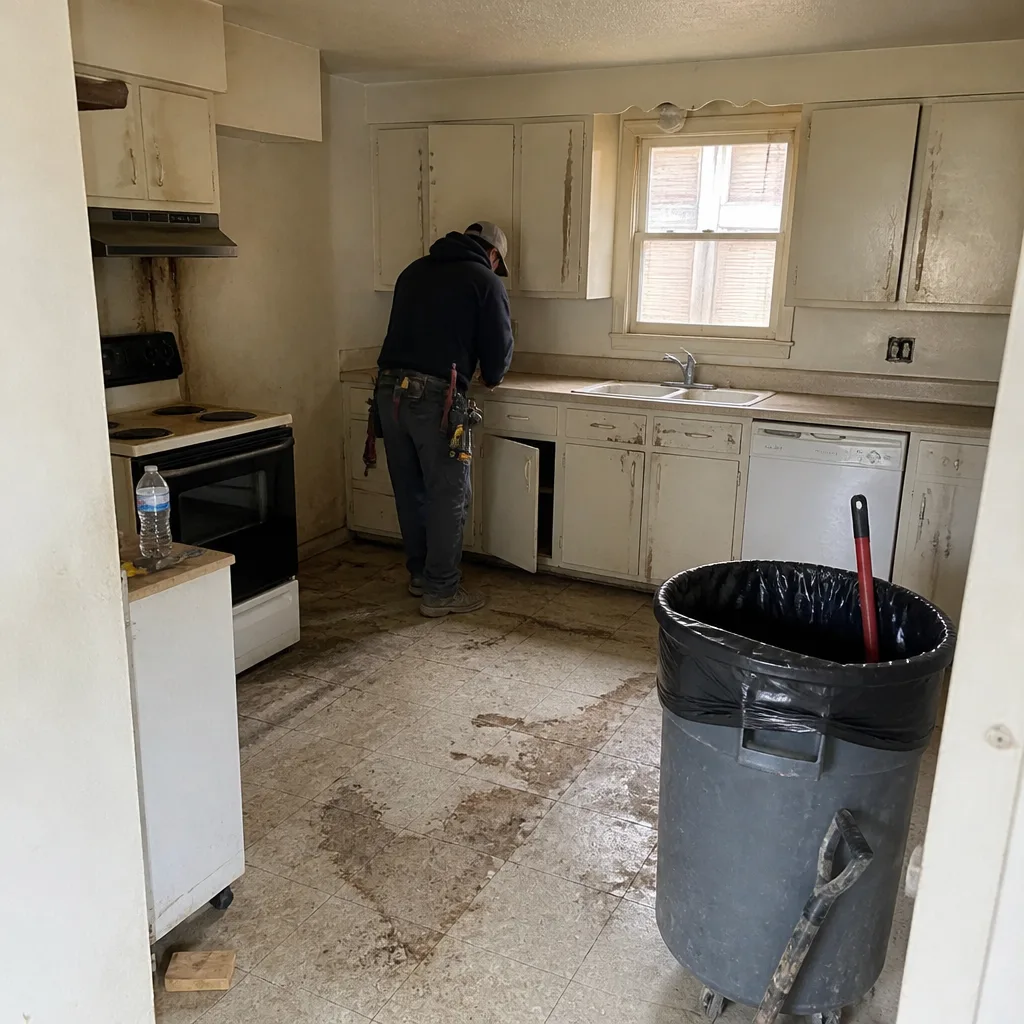 Before
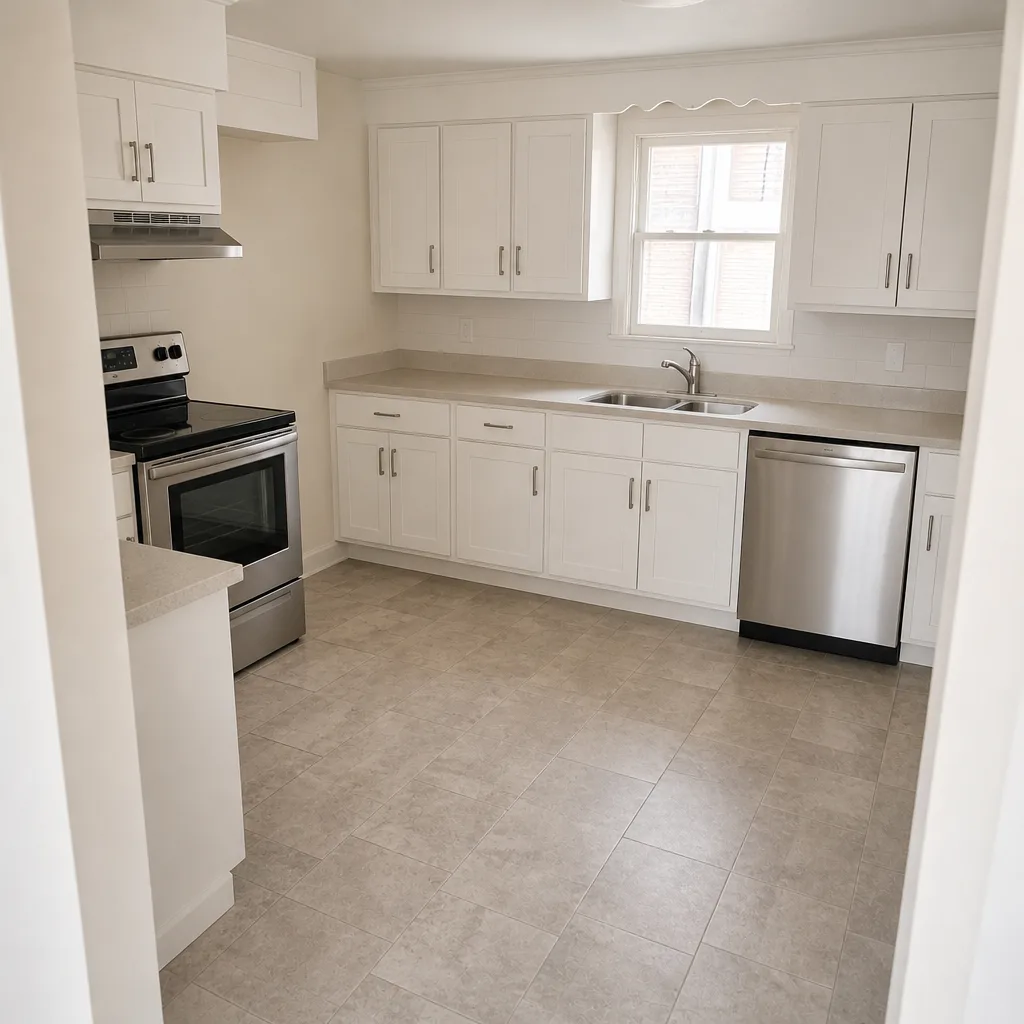 After
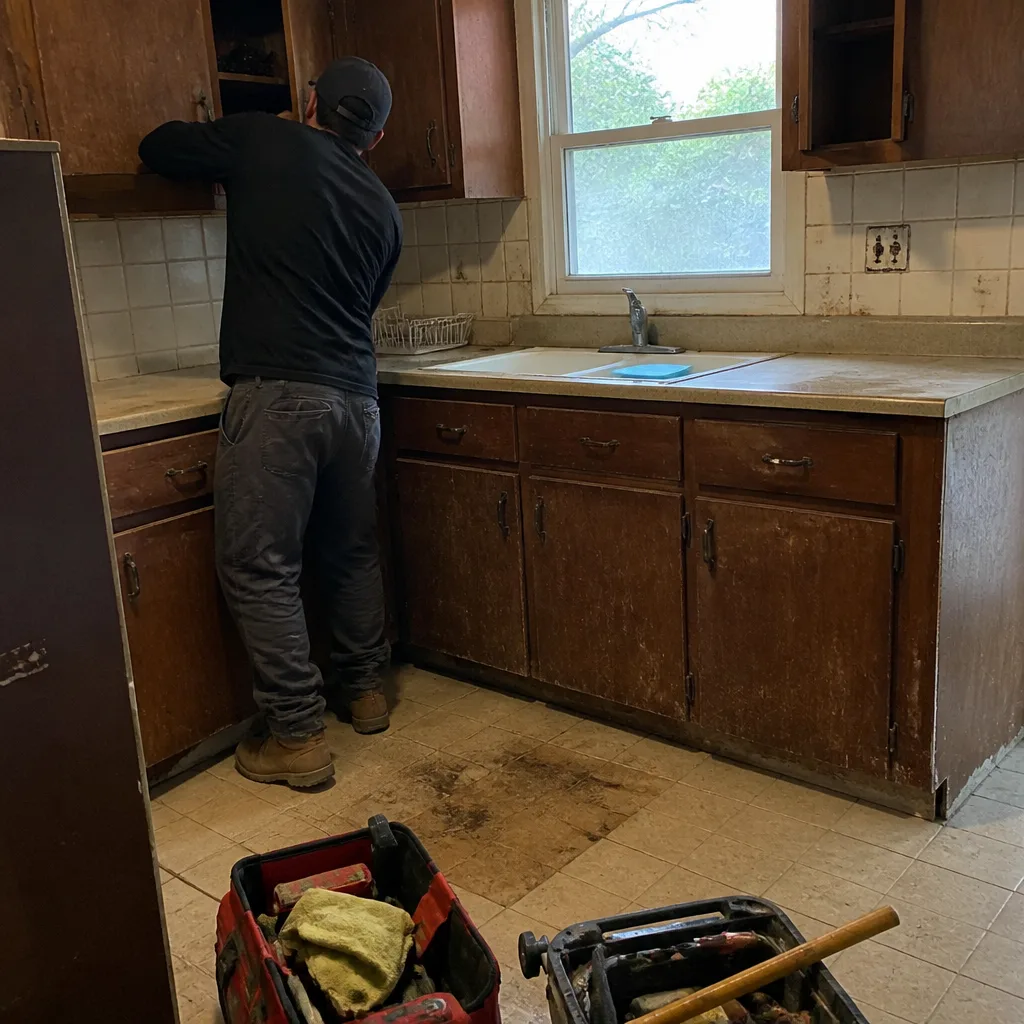 Before
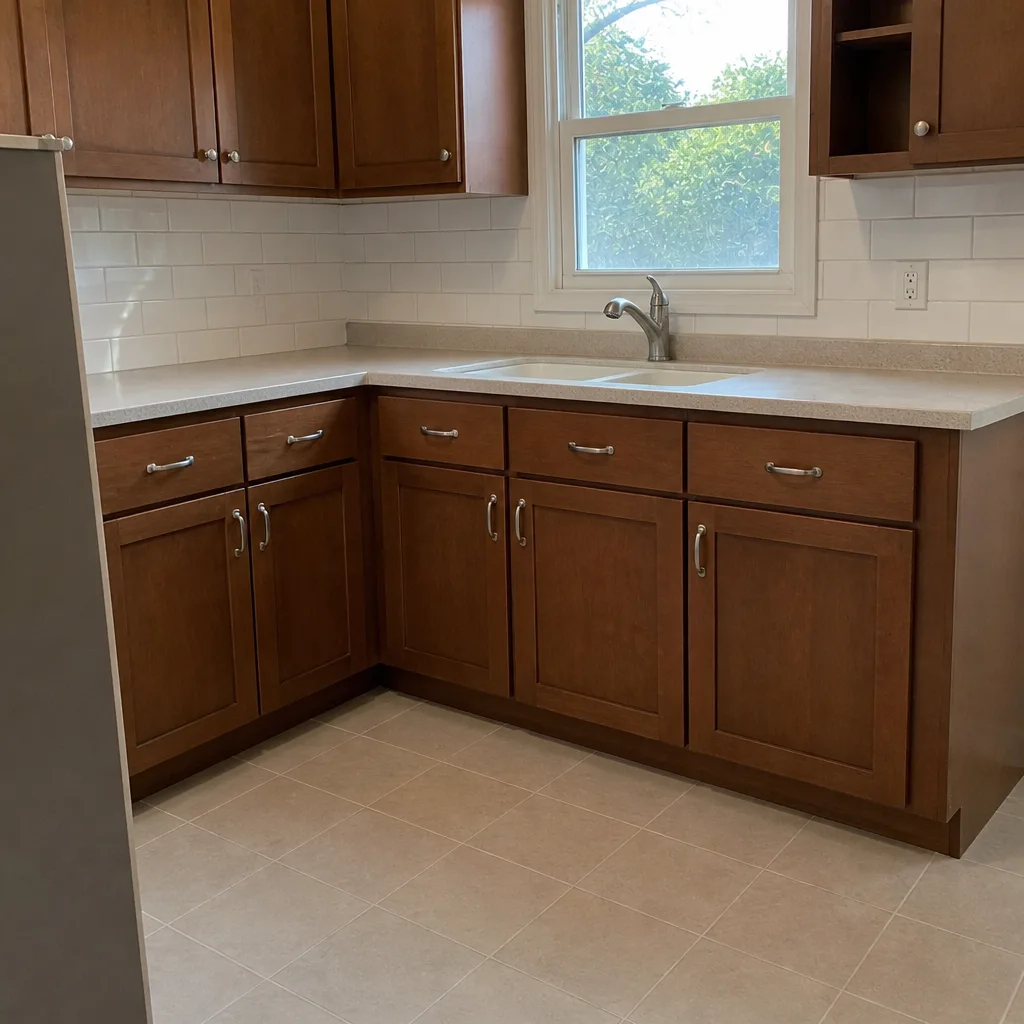 After
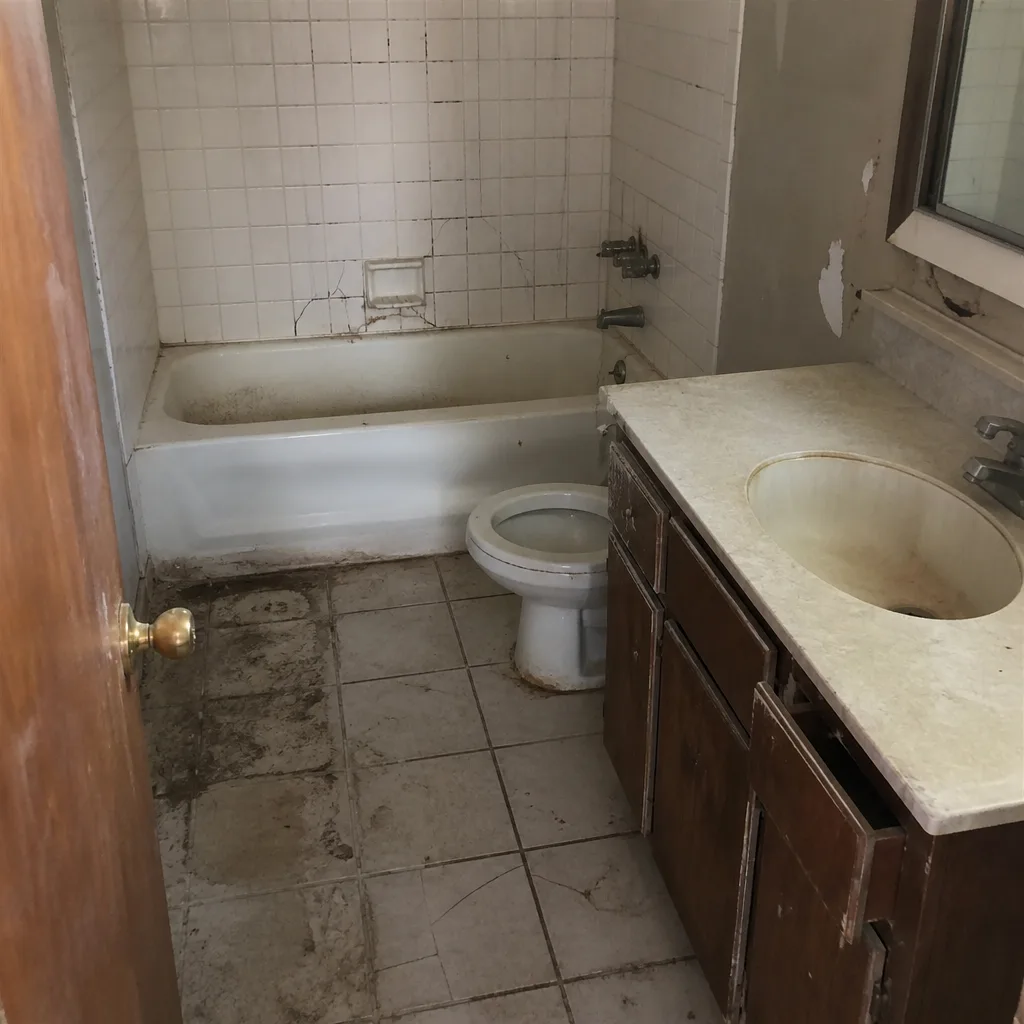 Before
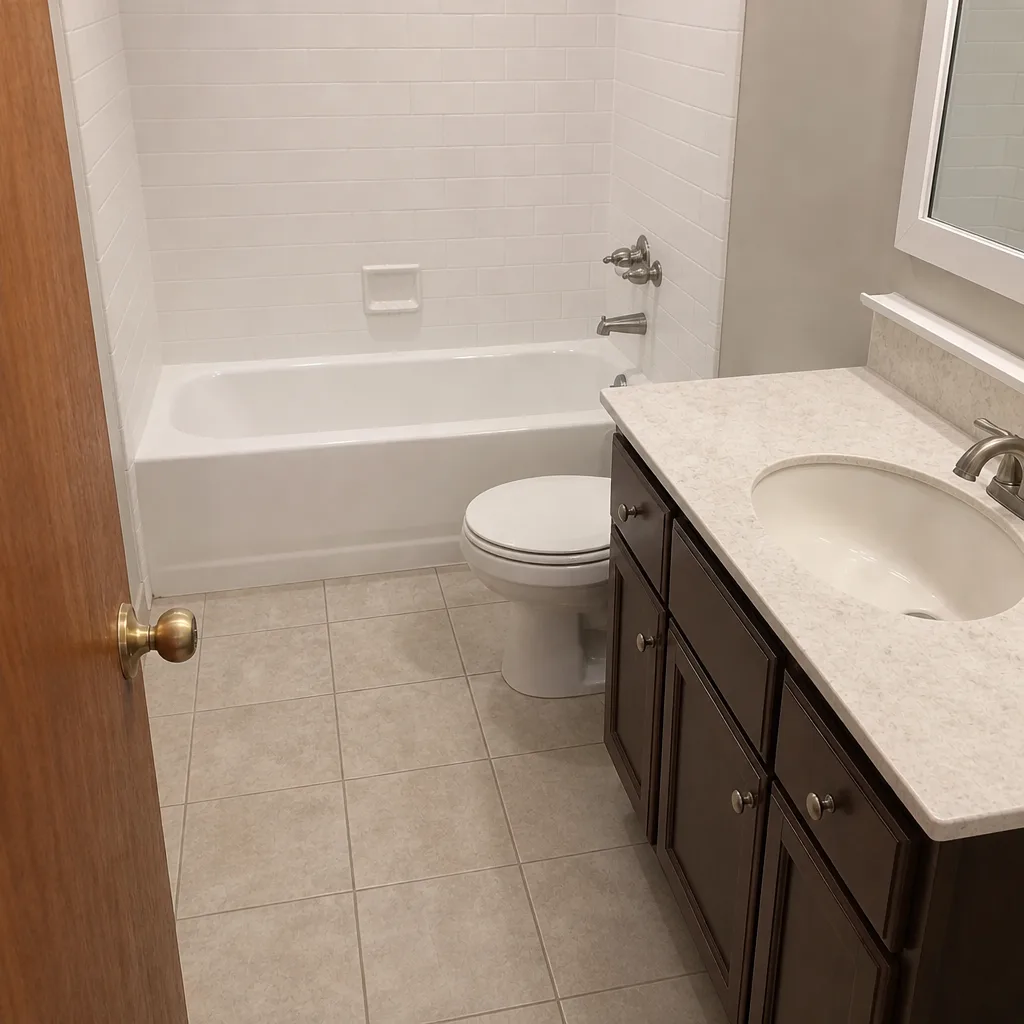 After
When to Call a Professional
Some brand questions you can answer on your own – checking a contractor’s manufacturer status online, comparing published performance data, reading a warranty document. But once you’re comparing bids, verifying delivery, or deciding whether a specified product actually fits your Lewisville home, the conversation gets technical fast. Call a professional when your bids disagree on brand, when you can’t verify authorized-installer status, when a warranty document doesn’t match what was promised, or when a planned addition or major remodel crosses into structural, electrical, or roofing territory that carries real safety and permit consequences. Reading and interpreting a permit and a system warranty is not a homeowner task, and a wrong call on a gas line, an electrical panel, or a high roof is not recoverable in hindsight – those decisions belong to a trained, licensed professional.
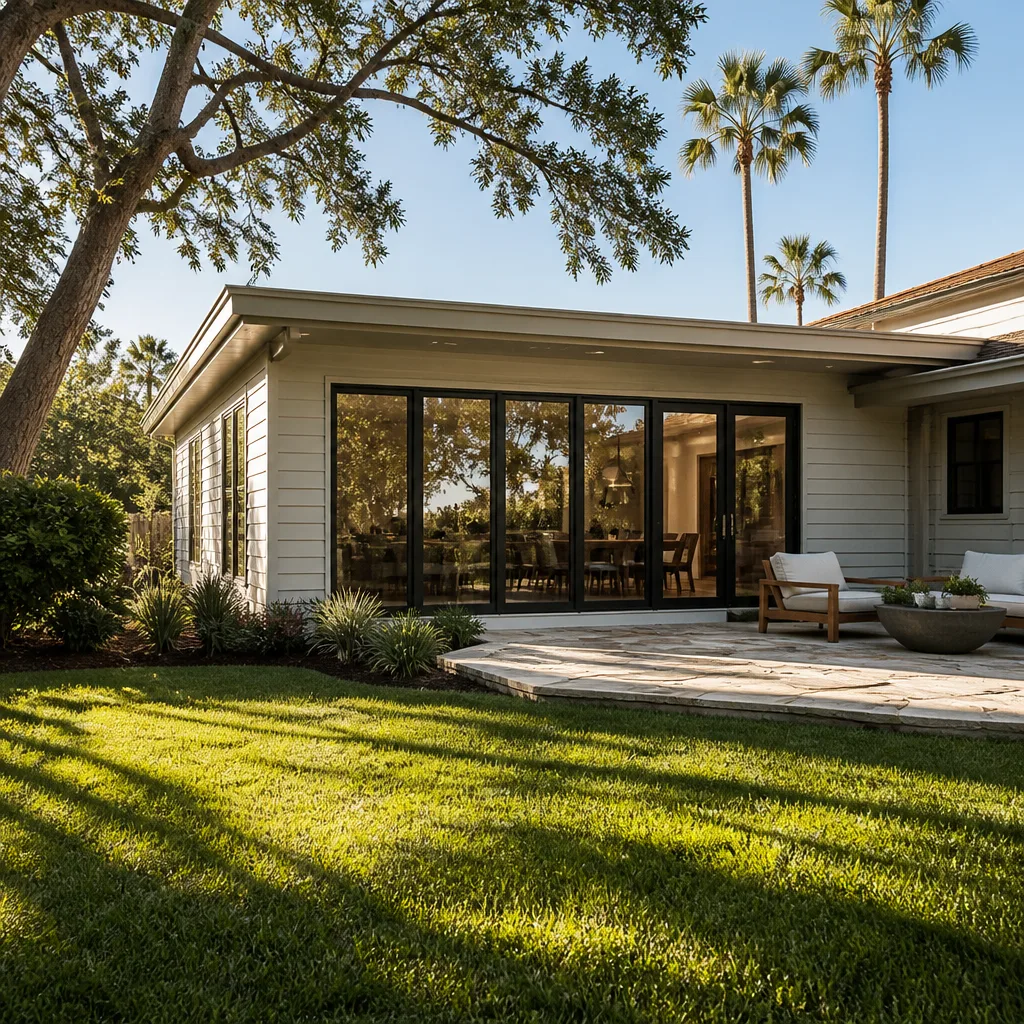
For a whole-home project – a kitchen overhaul, a bathroom renovation, a roof, or an Home Additions & ADU in Lewisville – brand specification should be a single conversation with one accountable contractor rather than three bids you’re forced to translate yourself. A free project estimate and design consult is the right time to lock the spec, name the brands, secure the warranty documents, and get a written line-item quote with fixed pricing and no change orders. Groundwork Construction Co. of Lewisville offers free estimates in Lewisville – call (844) 560-4467.
Frequently Asked Questions
The best brands are the ones that carry a written manufacturer warranty, are engineered for sustained heat and freeze-thaw cycling, and are installed by a manufacturer-authorized installer. In this market that includes GAF, Owens Corning, and CertainTeed for roofing; KraftMaid, Kohler, and Cambria for kitchens and baths; Andersen, Pella, and Marvin for windows and doors; Belgard for hardscapes and pavers; James Hardie for siding; and Barrette, Master Halco, Ameristar, and Jerith for fencing systems. The right pick depends on your project and how Lewisville’s climate loads that specific product. Call (844) 560-4467 for a free quote – estimates are free and we’ll walk through brand options for your project.
You verify by demanding brand, product line, and model number in the written contract, requiring your written approval for any substitution, and checking packaging labels against the spec sheet when materials arrive. Photograph the labels before install. Manufacturer-authorized installer status is separate, so verify it through the manufacturer’s own contractor lookup, not the contractor’s marketing. Call (844) 560-4467 to schedule a free estimate and see a fully itemized brand specification.
They can, because documented, name-brand materials read as lower risk on an inspection report and compare better in an appraisal – a roof with a system warranty and registered product identity records differently than an undocumented replacement. Lewisville’s established neighborhoods, where a lot of housing stock from the 1980s through the early 2000s is due for system replacements, are exactly where documented brand spec matters most. Call (844) 560-4467 for an exact quote on your project – estimates are free.
National best-of lists often rank products tested in milder, wetter climates with low UV and rare freeze-thaw cycling, so their rankings don’t always translate to a Denton County summer followed by repeated winter freeze-thaw. A product that earns a top national spot can still be a poor choice for sustained 100°F heat and hail. Call (844) 560-4467 for a free estimate and we’ll spec products for this climate specifically – estimates are free.
With a properly written bid, no – upfront pricing fixes the number and the brand before work starts, and a substitution clause protects you if a specified product is back-ordered. The most common cause of a change order is an undefined material spec, which is exactly what a written line-item quote eliminates. Call (844) 560-4467 for an exact quote – estimates are free, and the number you see is the number you pay.
Yes – on permitted work, the licensed local professional pulls the permit and the inspection passes before the project closes out. A contractor who won’t pull a permit is also likely to skip the manufacturer-authorized installer step that keeps your product warranty valid. Call (844) 560-4467 to schedule your free estimate – the local pros are licensed and insured as the state requires.
The Bottom Line
The brand specified in your Lewisville project is a warranty decision, a resale decision, and an accountability decision, all at once. Ask for brand and model in writing. Demand the manufacturer warranty documents up front. Verify authorized-installer status. Check the delivered materials against the spec. Register the warranty in your name. It’s a short list of questions that separates a real bid from a list price, and it’s the difference between a product that fails with no recourse and one that’s built to last, backed in writing. Do it before you sign, not after install. Call (844) 560-4467 for a free project estimate and design consult.
Written by the team at Groundwork Construction Co. of Lewisville.