





Free written scope consultation - allowances, timeline, and change-order rules on paper before a single trade is scheduled
Styles & brands we work with
- Kitchen remodeling
- Bathroom remodeling
- Home additions & ADU
- Roofing
- Windows & doors
- Driveway & pavers
- Fence
See the difference
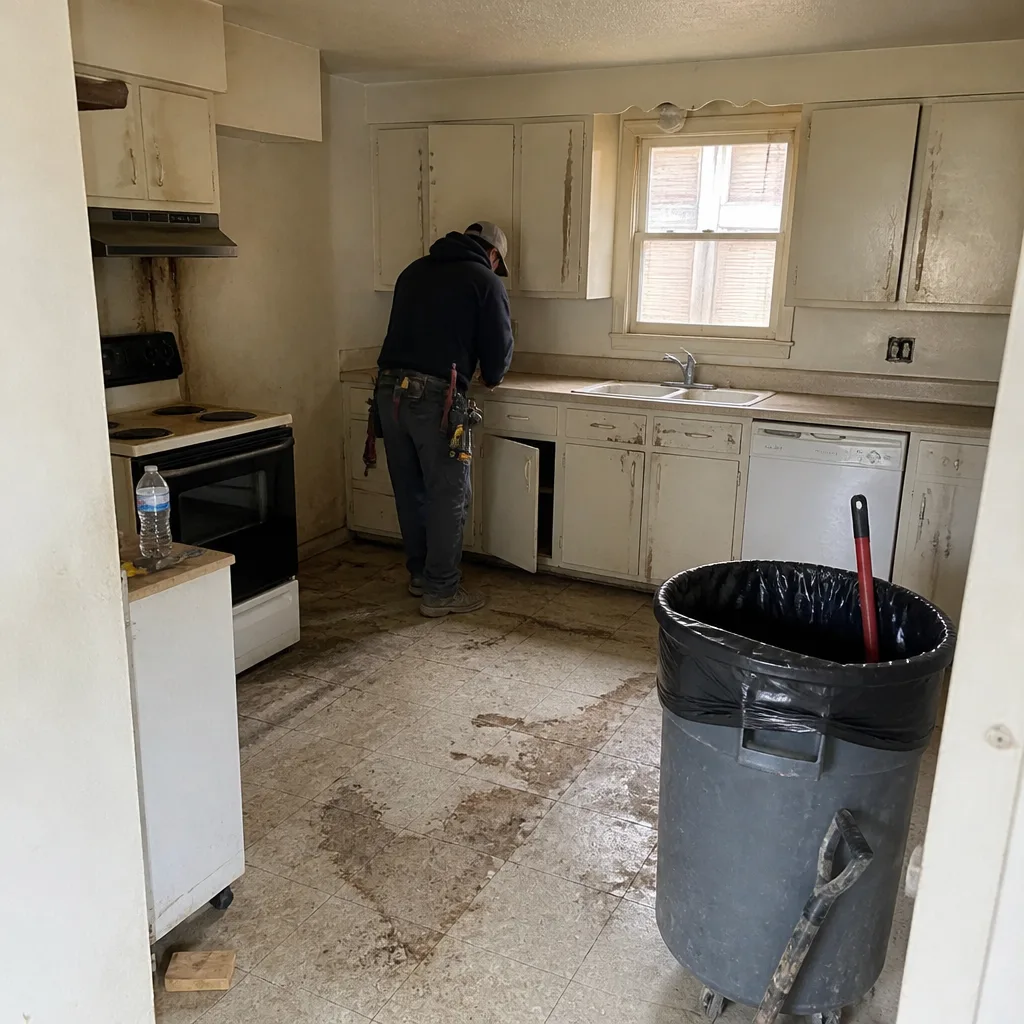 Before
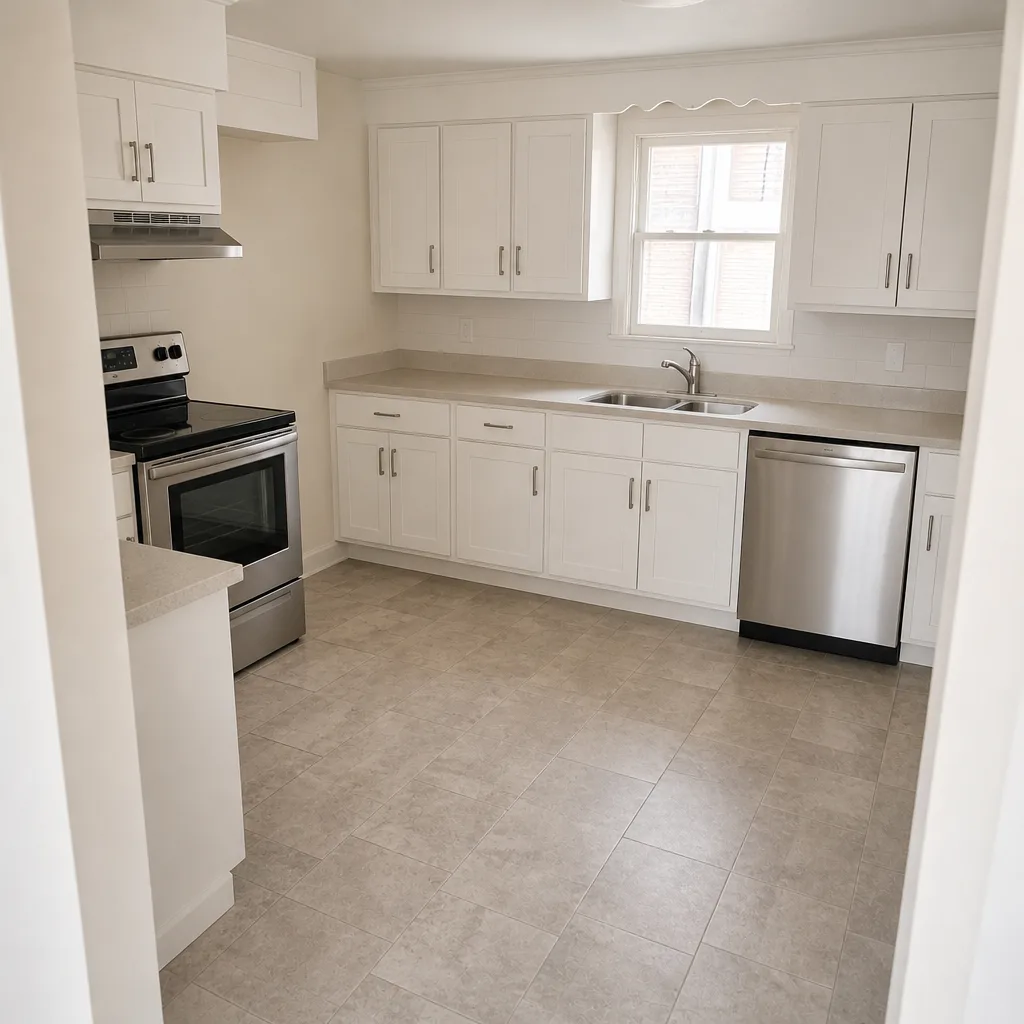 After
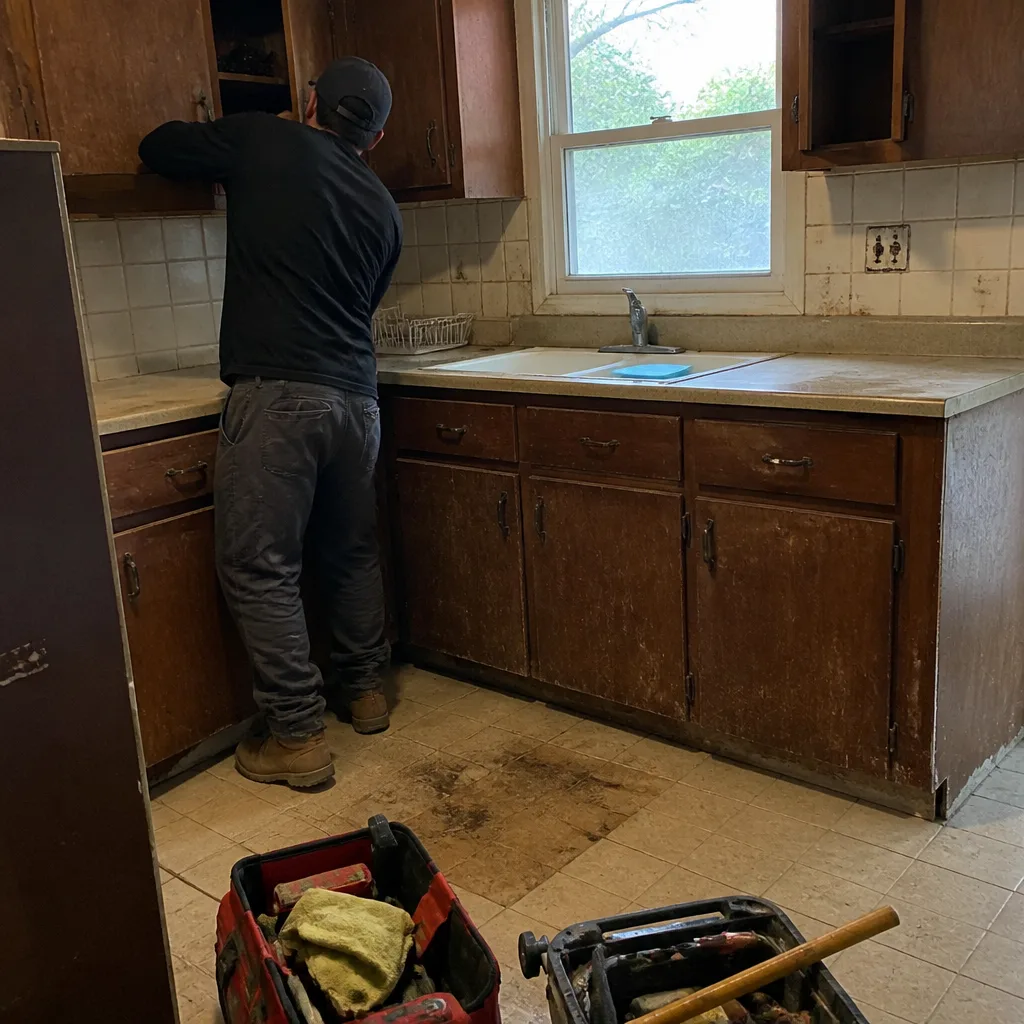 Before
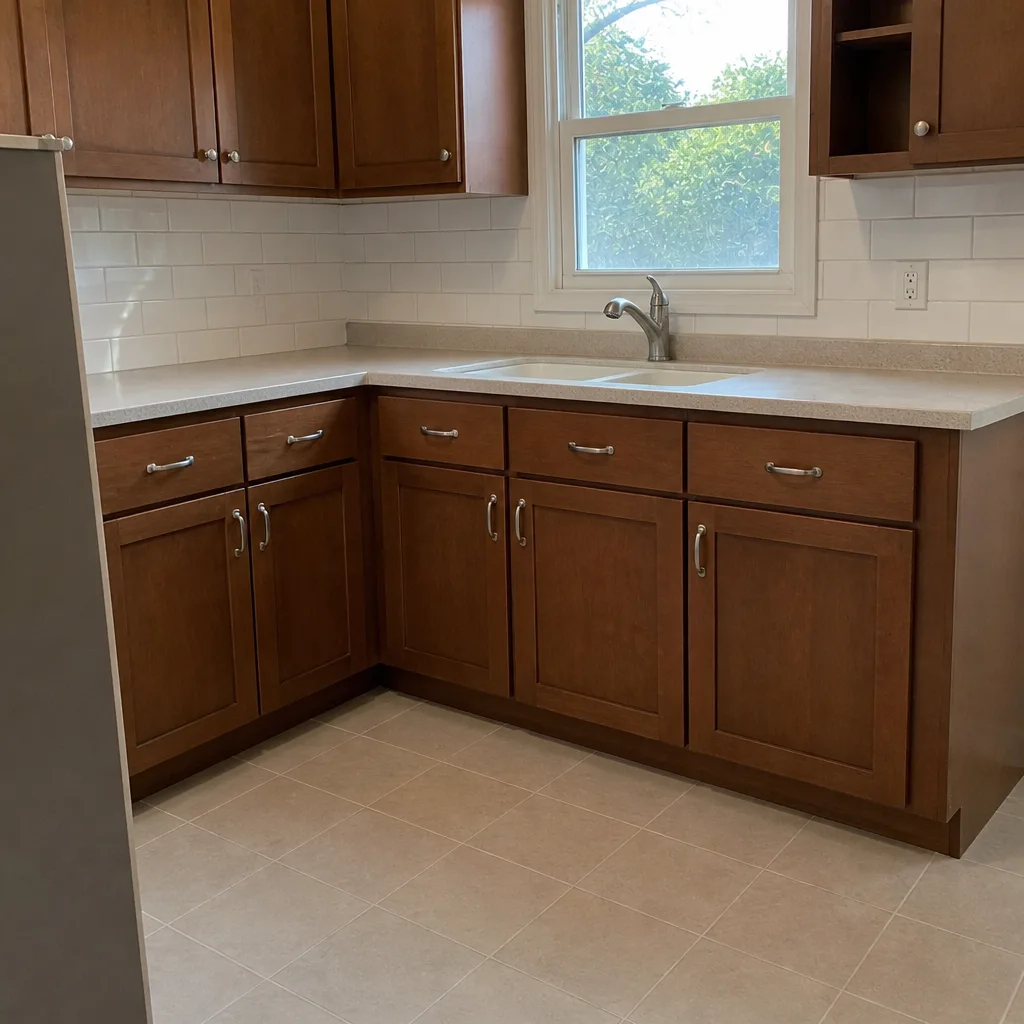 After
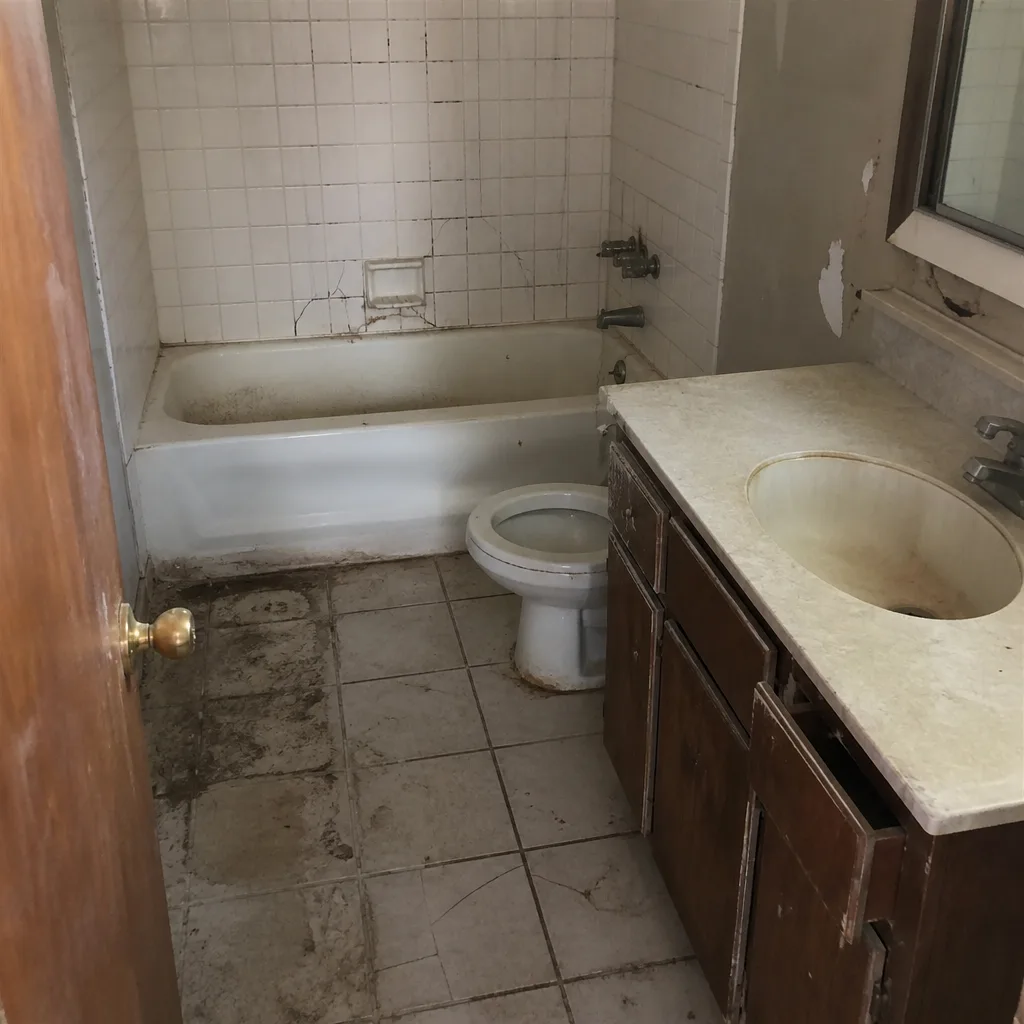 Before
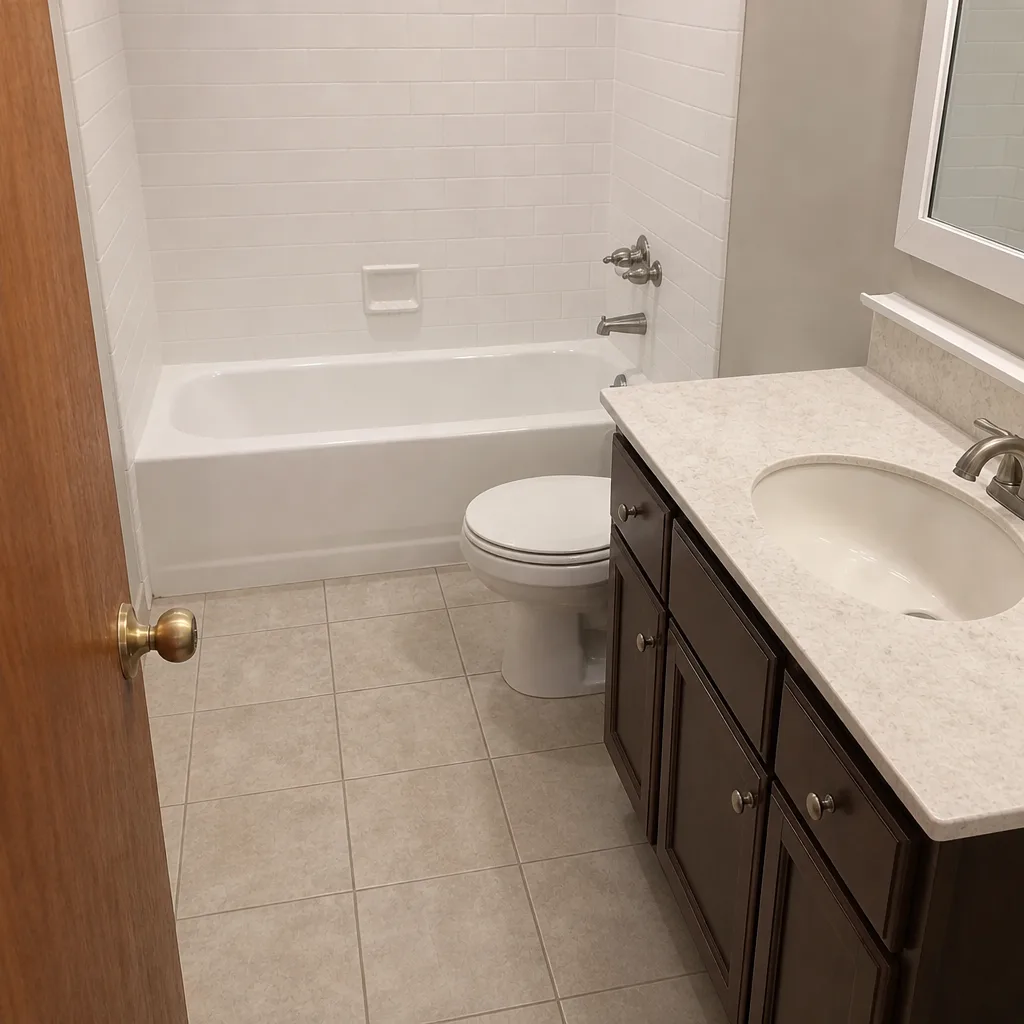 After
How to Clean Gutters in Lewisville, TX (And What to Check While You’re Up There)
Clean your gutters by scooping the dry debris out first, then flushing the channel with a hose toward the downspout, and finally testing that downspout’s flow to confirm water actually leaves the roofline. In Lewisville, that last step matters most: a gutter that looks clean but drains slowly is dumping water against your foundation perimeter, and on this city’s expansive clay, that’s where real damage starts. If you’d rather have a trained set of eyes on it, Groundwork Construction Co. of Lewisville handles roof and gutter assessments, and you can reach a live person at (844) 560-4467 any hour of the day.
Here’s the honest version of gutter cleaning most guides skip: the cleaning itself is the easy part. Reading what the debris and water flow tell you about your roof, fascia, and foundation is the skill.

Why Lewisville Gutters Fill Faster Than the National Advice Suggests
Most national guides tell you to clean twice a year. In Lewisville, that advice undersells the job. The tree mix here sheds on three different schedules, and the clay soil means a slow drain is never harmless.
- Spring: live oaks drop last year’s leaves and catkins right as the wet season arrives.
- Summer: Bradford pear and crape myrtle debris falls steadily, and cottonwood seed drifting off the Lewisville Lake corridor trees can pack a downspout solid in a single week.
- Fall and winter: wind events push the last of the leaf load into valleys and behind hangers, where it stays wet and starts to rot the fascia.
Quarterly cleaning is a realistic schedule for most Lewisville homes, not an upsell. Homes under mature oaks near Old Town or within a few blocks of the lake often need it more. That timing is one of the practical first-hand details a general guide won’t give you, because it depends on what’s actually growing over your roof.
The black gumbo clay under much of Lewisville heaves hard in the drought-then-flood cycles this area gets. A clogged gutter releases concentrated water at the foundation edge in exactly the pattern that drives slab edge movement. That’s the most expensive repair a Lewisville homeowner can face, and it usually starts with an overflowing gutter nobody noticed.
What to Look For While You’re Cleaning
Frame the whole job around what each step reveals. You’re not just moving leaves; you’re inspecting the front line of your home’s water management.
1. Dry debris first, and read what you find
Use a scoop or gloved hand to pull out the dry material before you introduce water. The volume and condition tell you something: packed, composted debris means you’re overdue. Loose leaves mean you’re on schedule. Granules from shingles in the gutter are a separate signal that the roof above may need a look, and a gutter assessment is a natural time to check it.
2. Flush toward the downspout
Run a hose from the far end of the run and push debris toward the outlet. Watch the water’s path. If it pools anywhere mid-run instead of flowing, you’ve found a slope problem, and no amount of cleaning fixes a gutter that pitches the wrong way.
3. Test the downspout flow
Feed the hose into the top of the downspout and watch the bottom. Full, fast flow is good. Trickling, backing up, or water surfacing at the base means a blockage or a failed underground drain line. That’s the check most homeowners skip, and it’s often where the real failure hides.
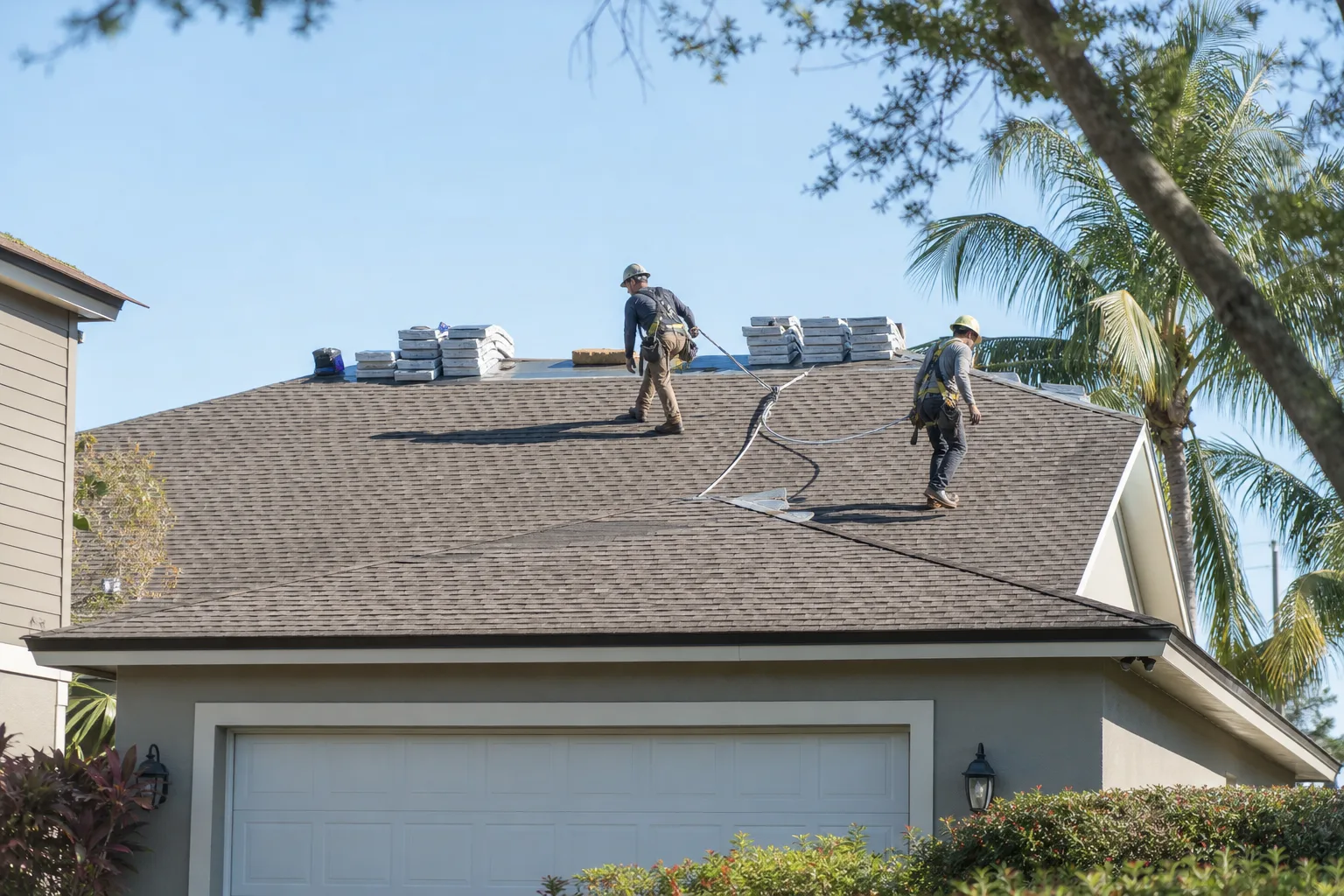
The Five Gutter Checks Homeowners Miss
While you’re up there, run these five checks. Each one is quick, and each one catches a problem that cleaning alone won’t solve.
- Fascia rot at hanger points. Poke the wood where the hangers attach. Soft, crumbling wood means long-term overflow has been soaking the fascia, and the gutter is holding on by less than you think.
- Gutter pitch. Lay a short level in the channel. It should slope gently toward the downspout. Flat or back-pitched runs hold water year-round.
- Joint separation. Look at every seam. A gap that’s opened up lets water run behind the gutter and straight down the fascia.
- Downspout extension position. The bottom of the downspout should discharge well away from the foundation perimeter, not dump at the slab edge.
- Splash block erosion path. Check for a worn channel in the soil or mulch where water lands. That groove shows you exactly where water is concentrating against the house.
For the roof side of this work, including anything a shingle-granule clue points to, our Roofing team handles inspections and repairs across the area.
Repair or Replace? How to Decide After Your Self-Inspection
If you find soft fascia, separated joints, or a gutter that’s clearly pitched wrong, the decision is usually repair versus full replacement, and it comes down to how much of the system is failing. One isolated seam and one soft fascia board is a repair. Multiple separated joints, sagging runs, and rot along several hanger points usually means the whole run is near the end of its life.
This is where calling the same day matters. Water doesn’t wait for business hours, and neither should your questions. Groundwork’s line is answered by a live person 24/7, so you can talk through what you found and get a straight read on whether a repair or a replacement makes more sense. Every job we take on is covered by our 730-Day Done Right Promise, and material choices stay in the brands worth trusting, from GAF and CertainTeed roofing to James Hardie siding on the fascia and exterior.
| Service | Typical range |
|---|---|
| Roof repair (gutter-adjacent, fascia-adjacent) | $400-$1,800 |
| Full roof replacement | $8,000-$20,000 |
| Window replacement (if rot spreads to trim) | $4,500-$15,000 |
These ranges are for the work a failing gutter usually touches once water has been running behind it for a season. Our technicians have up to 12 years of experience reading exactly this kind of water damage, and pricing is upfront, so the number you see is the number you pay. No-hassle upfront pricing, no surprises.
When to Call a Pro Instead of Doing It Yourself
Gutter cleaning is reachable for many single-story homes. But any roofline over a story up carries fall risk, and ladder work on a steep or wet roof is a genuine hazard. If your gutters sit high, if the roofline is complex, or if your inspection turns up rot or separation, hand it to a trained professional. Background-checked, uniformed technicians on every job means you know exactly who’s on your ladder. To schedule a look at your home anywhere in the Lewisville service area, call (844) 560-4467 for a free estimate.
FAQs
Quarterly is the realistic answer in Lewisville, not the once-a-year schedule most national guides suggest. Live oaks shed in spring, crape myrtle and Bradford pear debris falls through summer, and cottonwood seed near the Lewisville Lake corridor can clog a downspout within a week. Homes under mature trees need it most often.
Yes, and it’s the biggest cost homeowners underestimate. A clogged gutter overflows right at the fascia and releases concentrated water against the foundation perimeter. On Lewisville’s expansive clay, that wet-dry cycle drives slab edge movement, which is the most expensive repair a homeowner here can face.
Soft fascia wood at the hanger points is the clearest one. Also watch for joints that have separated, a run that holds water instead of draining toward the downspout, or a downspout that discharges right at the slab edge. If you find any of those, call (844) 560-4467 and we’ll talk through repair versus replacement.
Repair is cheaper when the failure is isolated to one seam or one fascia board. Replacement is the better value when several joints have separated, the run sags, or rot has spread along multiple hanger points. A quick assessment tells you which you’re facing, and the estimate is free.
Ready to Get It Handled?
If you’d rather have it looked at, Groundwork Construction Co. of Lewisville offers a no-pressure assessment in Lewisville, with upfront pricing and financing at 0% for 18 months, call (844) 560-4467. We’ll tell you what you’re actually facing and what it costs before any work begins.
Written by the team at Groundwork Construction Co. of Lewisville, serving Lewisville, TX.