Free written scope consultation - allowances, timeline, and change-order rules on paper before a single trade is scheduled
Styles & brands we work with
- Kitchen remodeling
- Bathroom remodeling
- Home additions & ADU
- Roofing
- Windows & doors
- Driveway & pavers
- Fence
See the difference
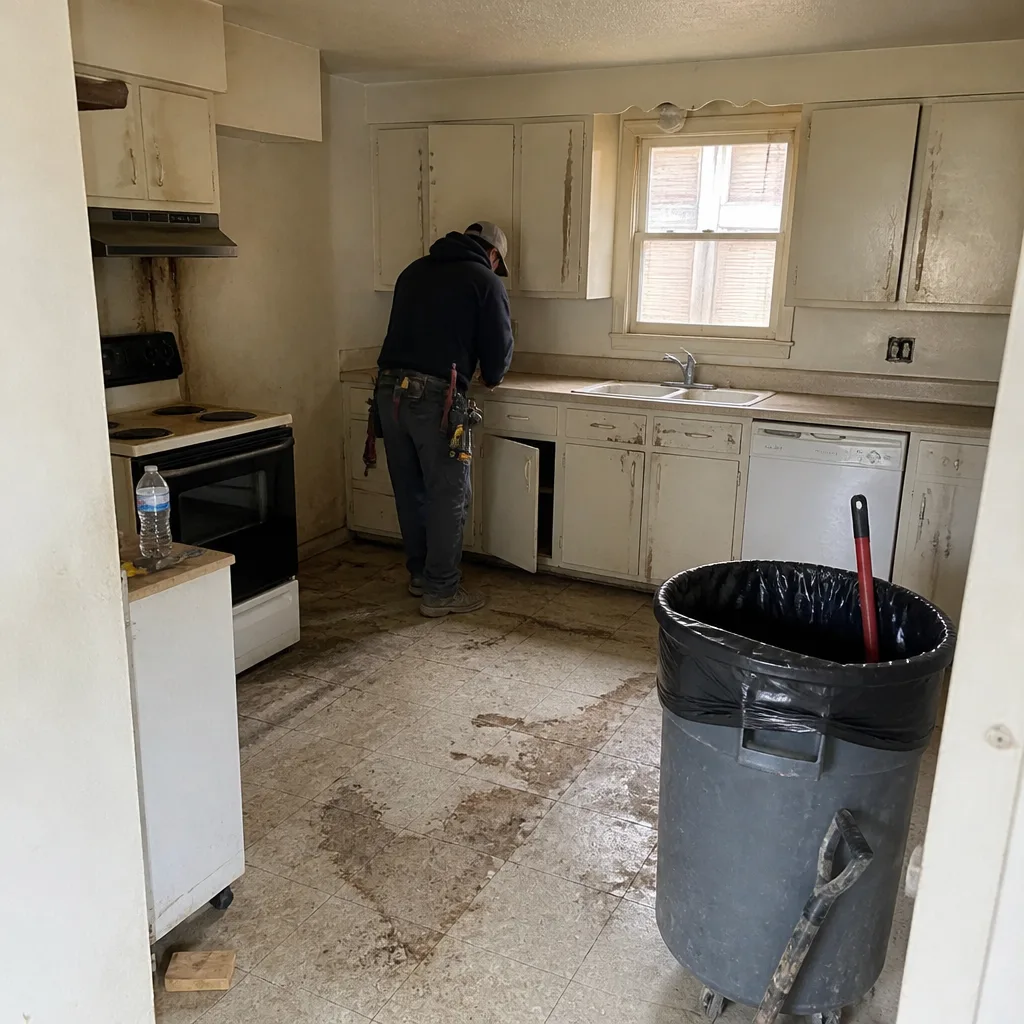 Before
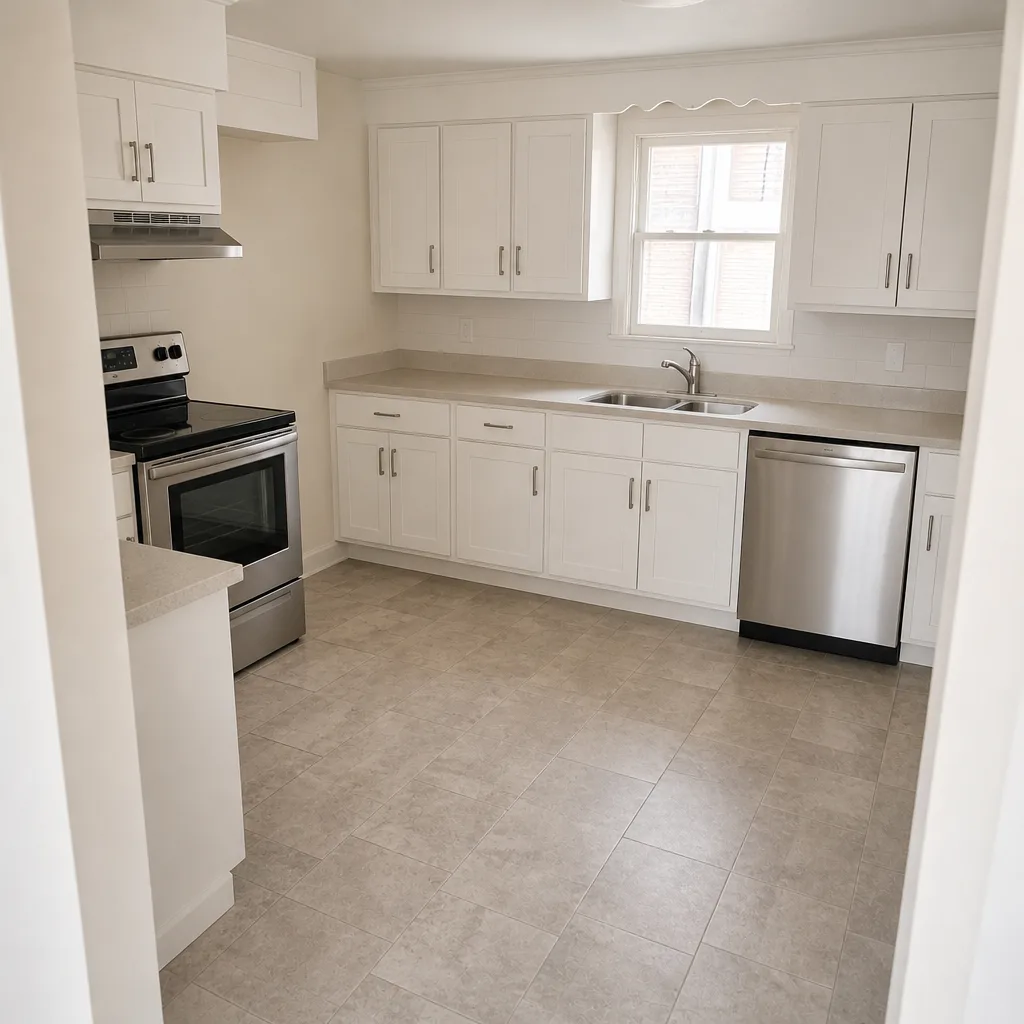 After
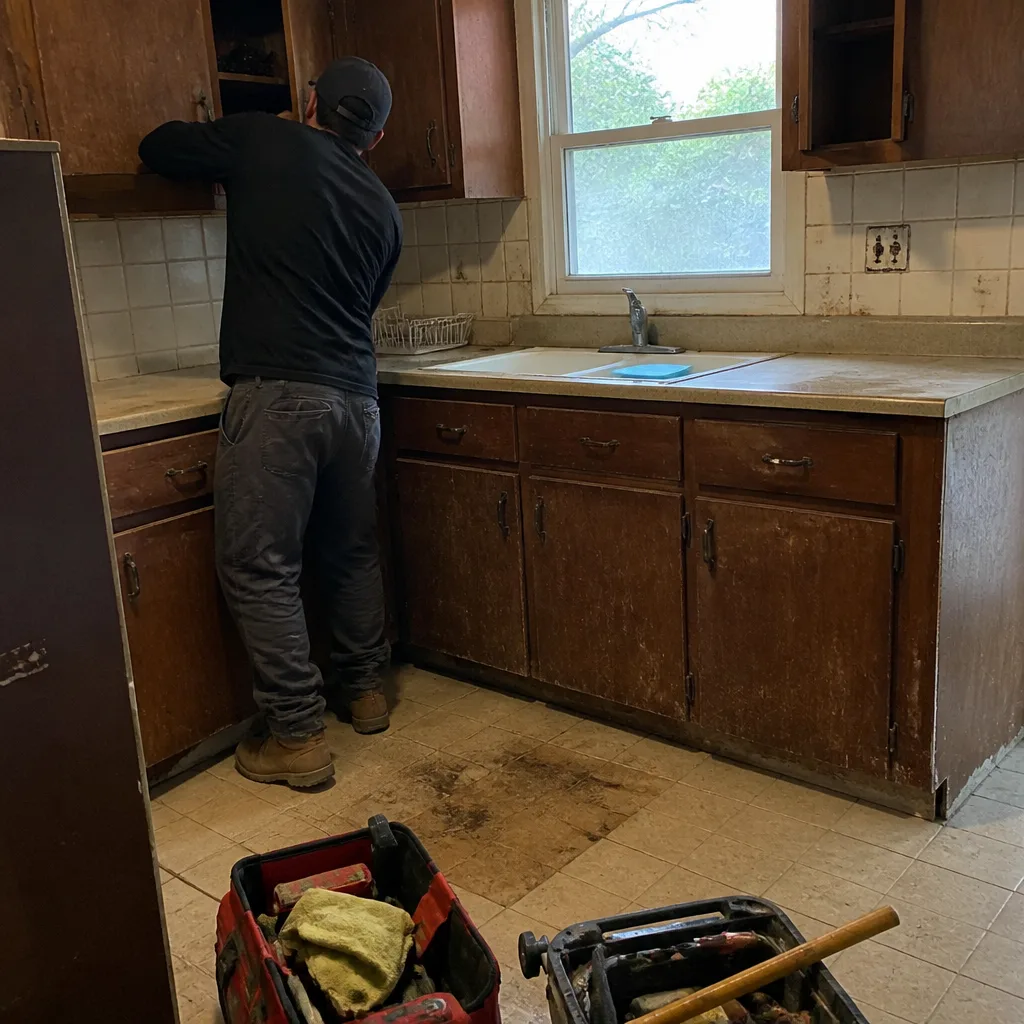 Before
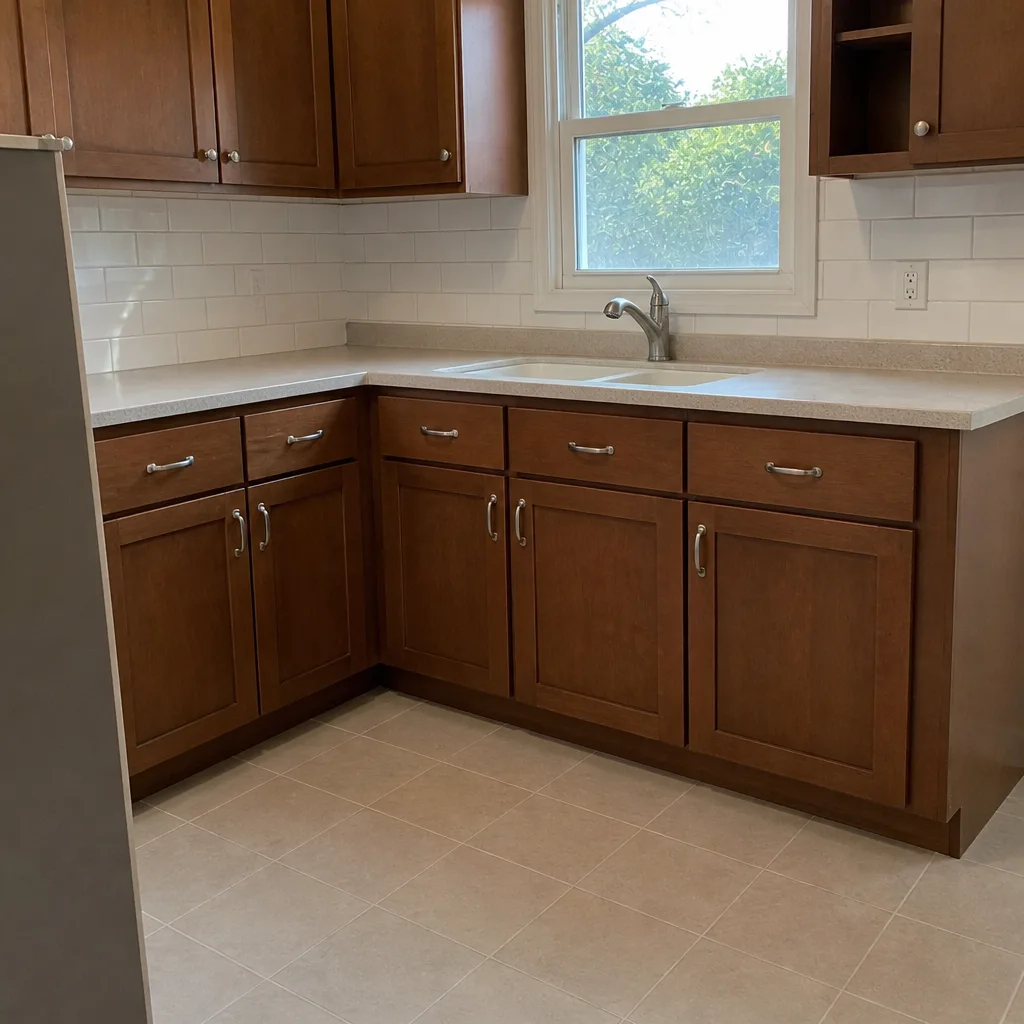 After
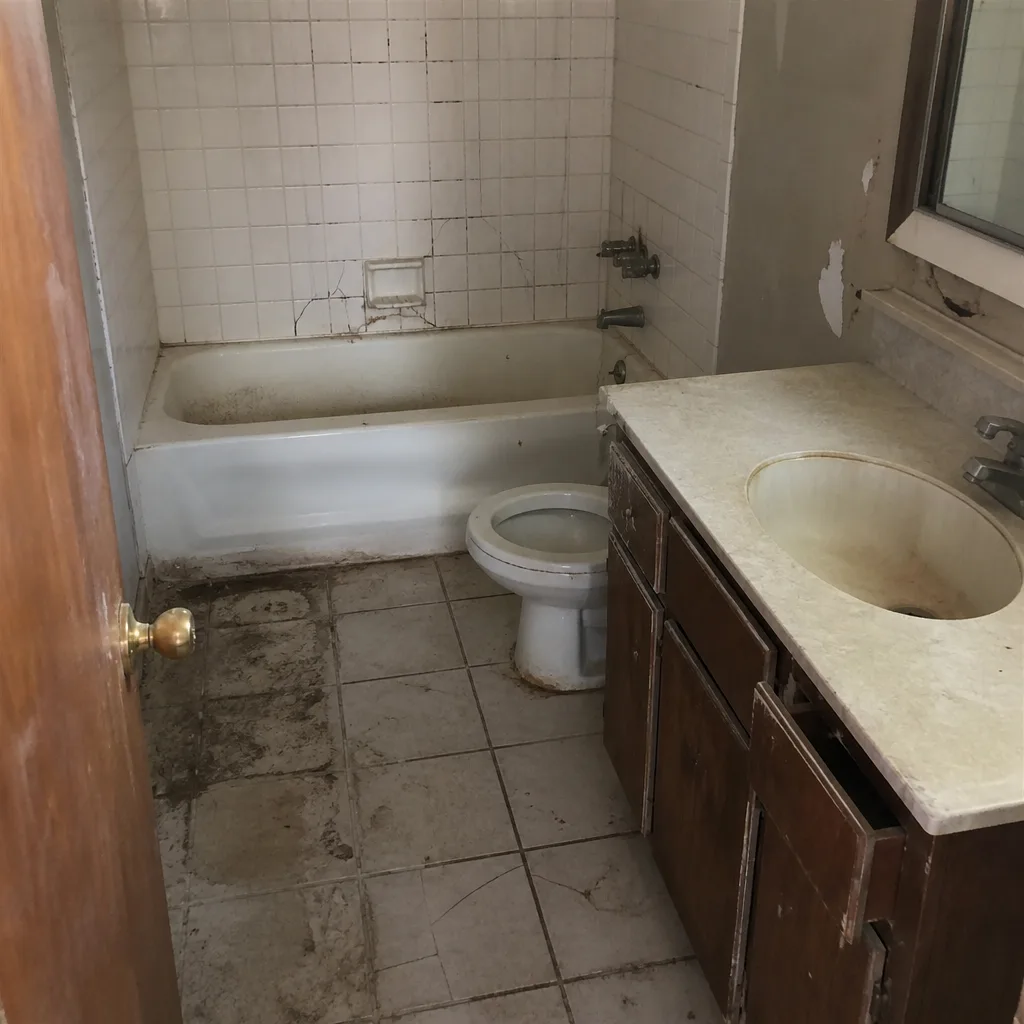 Before
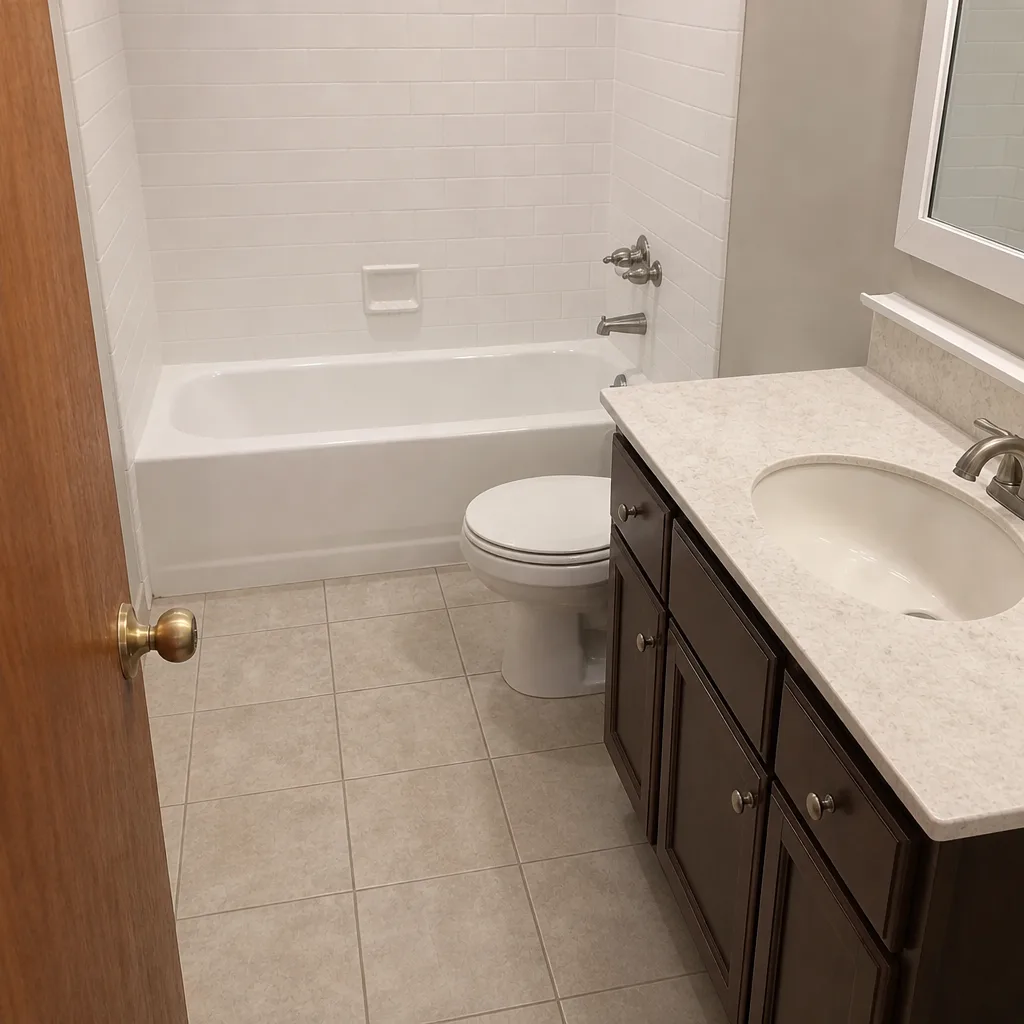 After
New Construction Windows vs Replacement Windows in Lewisville, TX: Which One Fits Your House?
Choose full-frame, new-construction windows if your Lewisville home has any history of slab or foundation movement, and choose pocket replacement windows only when the existing frames are still square and plumb. On a 1970s brick ranch in Old Town, that distinction matters more than the sticker price. In Lewisville’s black gumbo clay, rough openings rack and shift, and an insert window sized to a distorted frame bakes that distortion in for the life of the glass. Call (844) 560-4467 and we’ll help you sort out which openings can take an insert and which ones need the full frame.
Key Takeaways
- New-construction windows carry a nail fin that attaches to the rough framing and gets flashed into the weather barrier; replacement inserts pocket into the existing frame.
- The right choice depends on the condition of your rough openings, not your budget or how much demo you want to avoid.
- After foundation leveling or pier work, full-frame replacement is the correct call, not an insert.
- Groundwork Construction Co. of Lewisville inspects the rough opening condition before we quote, backed by the 730-Day Done Right Promise.
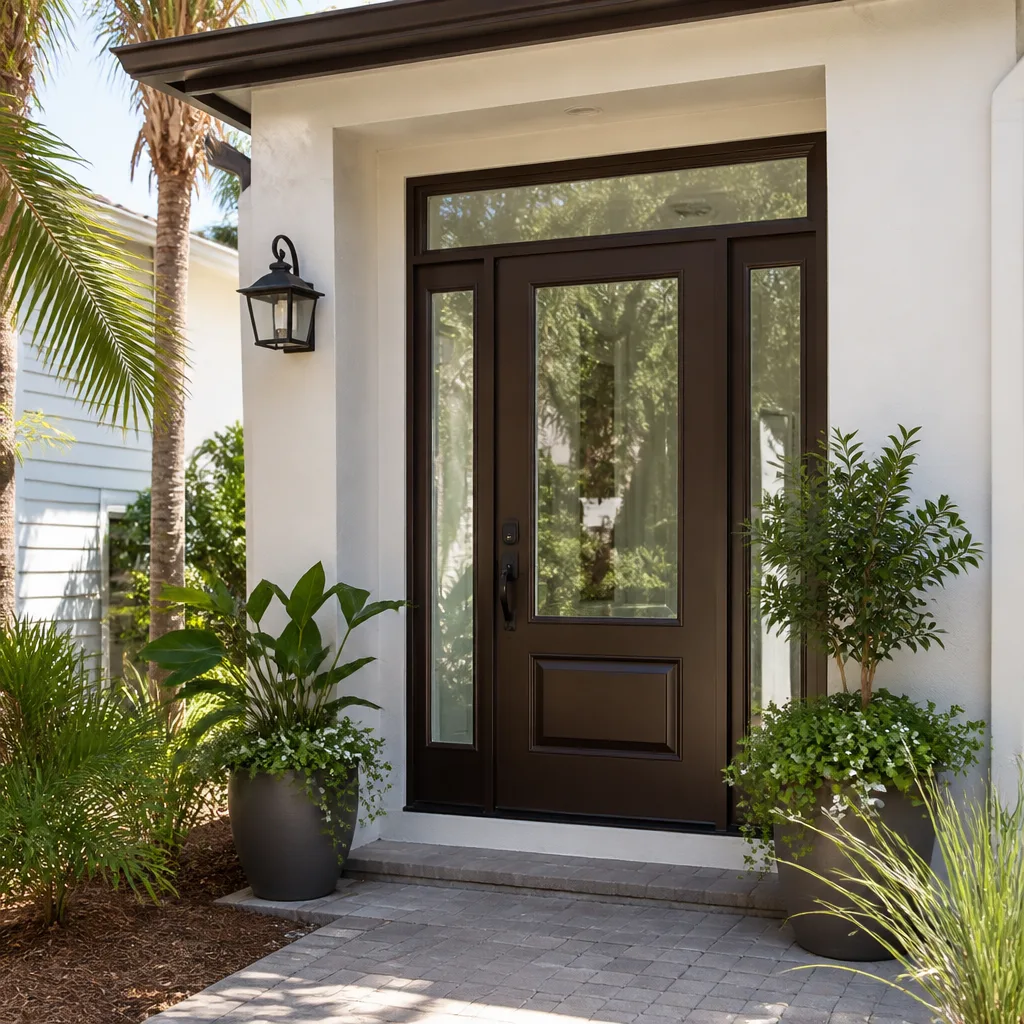
What’s the actual mechanical difference between the two?
A new-construction window installs from the exterior with a nail fin that laps over the rough framing, then gets integrated into the housewrap or weather barrier so water sheds the way it’s supposed to. The rough opening has to be built to the window’s exact spec, which is why builders order these during framing.
A replacement or insert window keeps the old frame in place. The sash and glass come out, the new unit pockets into the existing jambs, and a trim kit covers the gap. There’s little to no siding or drywall work, which means a faster job and a smaller bill. But the insert inherits every flaw in the frame it sits in. If the opening has gone out of square, the insert goes in out of square. And in a home sitting on expansive North Texas clay, that’s a real risk.
Andersen and Marvin both make window lines in either style, so the brand isn’t the variable here. What matters is what’s happening under and behind the window you’re replacing.
Why Clay Soil Makes This a Lewisville Question, Not a Generic One
Lewisville straddles two very different housing realities. Older homes in Old Town and along the lake corridor, many built between the 1960s and 1980s, sit on slabs that have been reacting to the black gumbo clay for decades. The soil heaves hard when it’s wet and shrinks in drought, and that wet-dry cycle puts steady stress on slab foundations. Meanwhile the northern subdivisions from the 1990s and 2000s often sit on post-tensioned slabs or drilled piers that hold up better under the same conditions.
That difference changes the window decision. On an older brick ranch showing stair-step cracks in the mortar or doors that stick in summer, the rough openings have usually racked along with the foundation. Installing pocket replacements there locks in whatever shape that opening took. Which is why tracking down the Lewisville service area details for your specific block is often step one.
What we look for before recommending anything:
- Stair-step cracking in the brick veneer near window head and sill.
- Doors or window sashes that bind in summer and free up in winter.
- Gaps between siding and window trim wide enough to see daylight.
- Visible tilt or dip in the floor near exterior walls.
One or two of those signs on a 1970s ranch, and we’re usually steering you toward a full-frame approach. Those signs on a home that’s already been leveled? Same answer, and the order of operations matters.
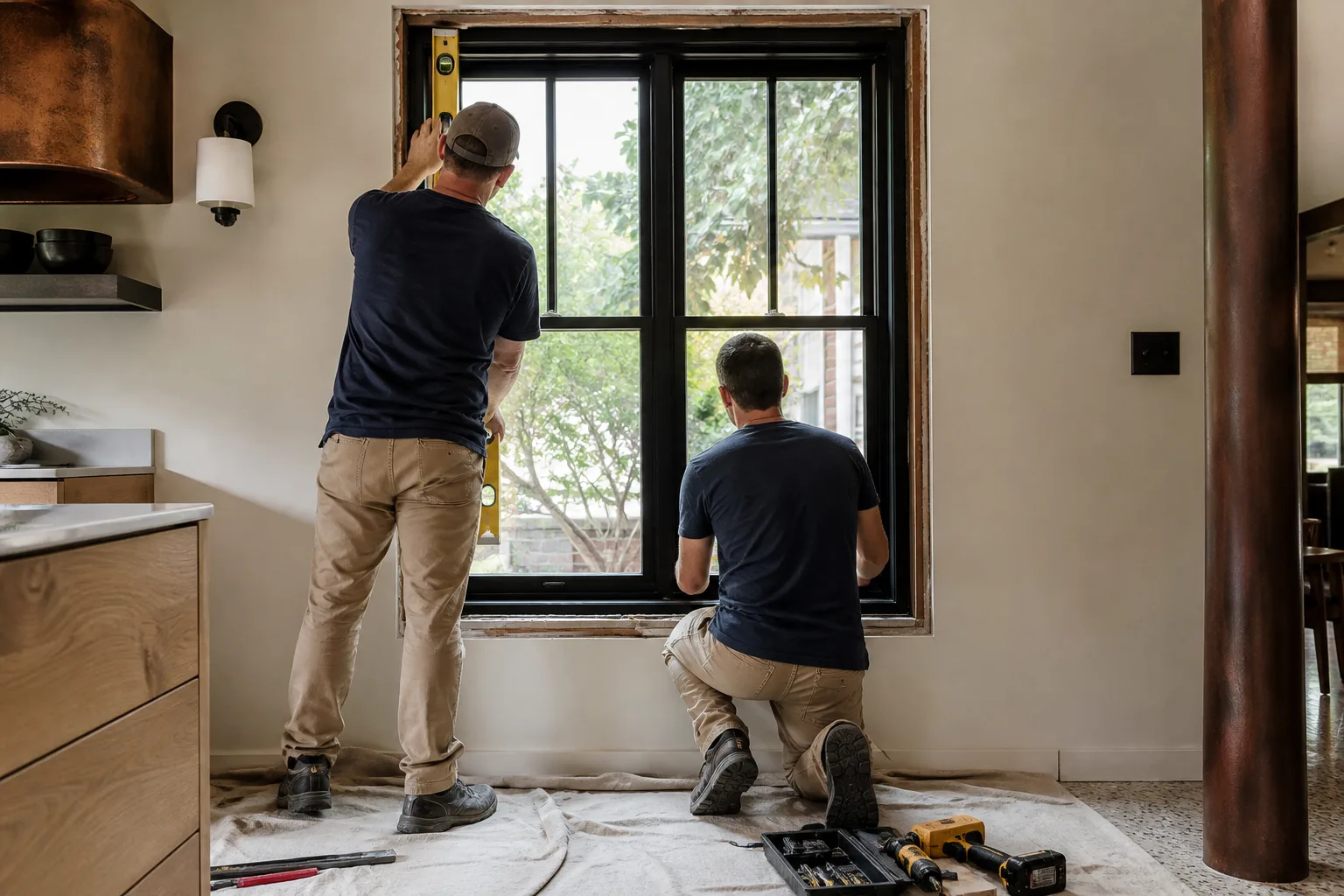
If Your Foundation Has Been Leveled, Don’t Sequence It Backwards
This is the part most window comparisons leave out. When a Lewisville home has had pier work or slab leveling, the rough openings shift slightly as the structure moves back into position. If you install replacement inserts first and grade or level the foundation second, the inserts go in square and then get pushed out of square as the house settles back. The right sequence is foundation work first, then measure, then install full-frame windows sized to the corrected openings.
Groundwork coordinates that sequence rather than chasing it. We’d rather quote the window job after the leveling is done and verified than quote it on the assumption the frames are still where they were. When a job involves multiple trades, sequencing correctly is cheaper for you than fixing it later. That’s what “from foundation to finish line” means in practice.
Cost of New Construction Windows vs Replacement Windows in Lewisville
Replacement inserts are the lower-cost option, not because the product is cheaper but because the scope is smaller. Full-frame replacement costs more because it pulls in drywall patching, siding work, flashing and trim.
| Scope | Typical Lewisville Range | Includes |
|---|---|---|
| Window Replacement (pocket inserts, most openings) | $4,500-$15,000 | Unit, insert install, interior and exterior trim touch-up |
| Impact Window Installation (full-frame, storm-rated) | $8,000-$25,000 | Full-frame units, nailing fin, flashing, siding integration |
Our technicians have up to 12 years of experience installing both types, and they’ll walk the openings with you before we quote so you know which approach each one needs. Upfront pricing, no surprises. If the project runs over $10,000, our standing $1,000 off offer and 0% financing for 18 months apply, so you’re not forced into the cheaper install to make the budget work.
The full range of options is on our Windows & Doors page, but the cost question is secondary to the scope question. A cut-rate insert in a racked opening costs more over time because you replace it twice.
How Groundwork Helps You Assess Each Opening
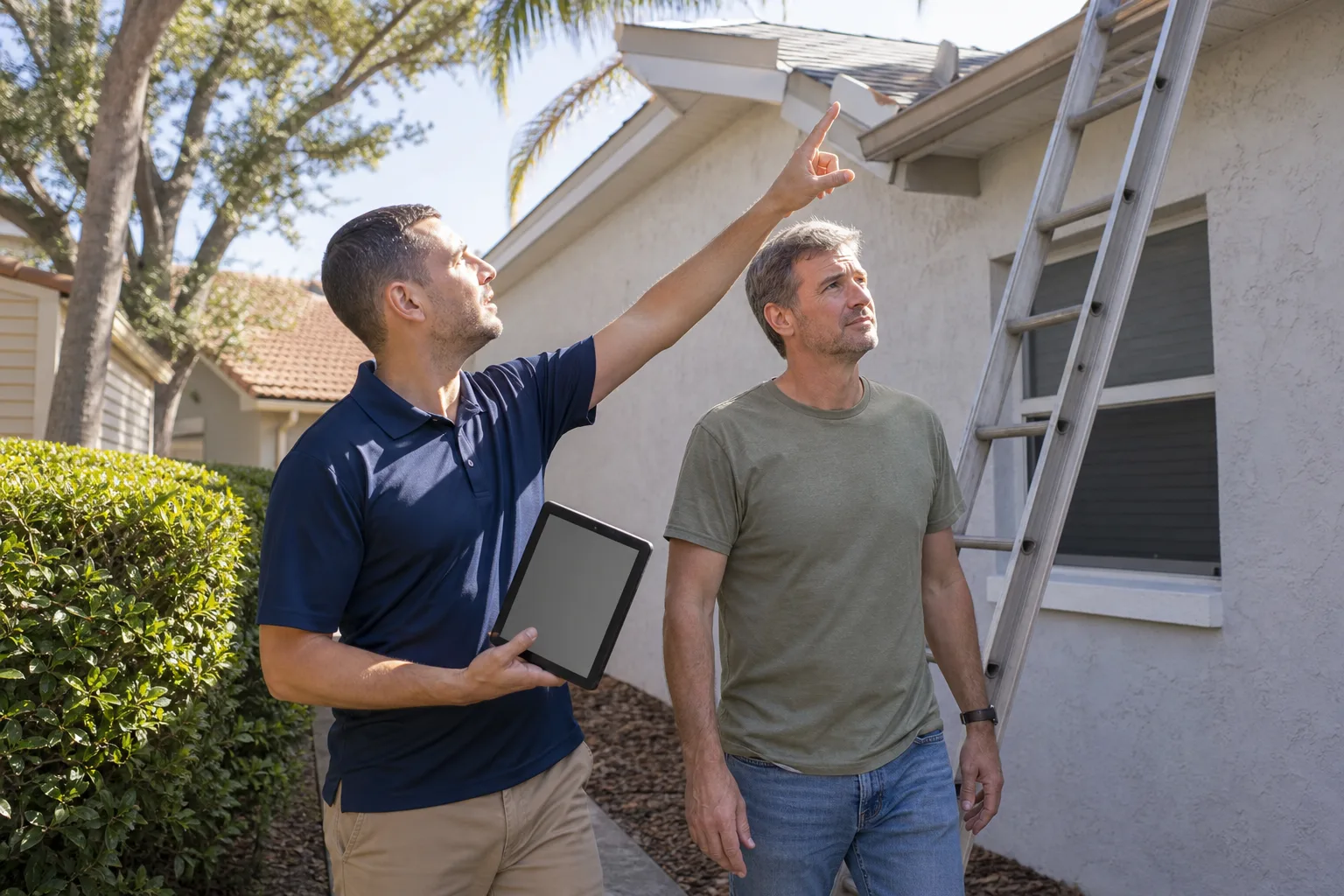
Most contractors default to the faster, cheaper option because it’s less disruptive. We don’t, and here’s why: the 730-Day Done Right Promise is only as good as the scope assessment that preceded it. If we install an insert in an opening we should have flagged as racked, we own that problem for two years. So we inspect the rough opening condition before we quote, not after demo, and not after you’ve already signed.
Calls are answered by a live person, 24/7, so if you’re mid-remodel and hit a window question on a Saturday, someone picks up. Every technician is background-checked and arrives in uniform. That’s how a quoted scope actually gets executed the way it was planned.
The honest recommendation depends on your home:
- 1990s tract home in the northern growth zones with intact framing: replacement inserts are usually the right call.
- Older brick ranch with foundation movement history: full-frame replacement sized to corrected openings.
- Post-leveling: always full-frame, always after the foundation is verified.
- Storm-rated requirement: impact-rated full-frame units, which come with the flashing detail built in.
FAQs
New-construction windows aren’t universally better, but they’re the safer option on any Lewisville home with a foundation movement history because they install into a verified rough opening instead of inheriting the old frame. On newer tract homes with intact framing, replacement inserts perform just as well for less money and disruption.
You can, but you shouldn’t, and most experienced installers will tell you so. Leveling shifts the rough openings slightly, and pocket inserts designed for the pre-leveled dimensions will fit wrong after the structure settles back into position. Full-frame replacement sized after the leveling is the correct sequence.
Look for stair-step cracks in the mortar at window corners, doors and sashes that bind in summer heat and ease in cooler months, and daylight showing at the siding-to-trim joint. Those signs together usually point to a racked opening. Call (844) 560-4467 for a no-pressure assessment – we’ll look at the openings and tell you which approach fits.
Replacement inserts typically run $4,500-$15,000, and full-frame impact-rated installations run $8,000-$25,000 depending on count and scope. Call (844) 560-4467 for an exact quote on your openings – estimates are free.
Get Your Openings Looked At Before You Commit
If you’d rather have it looked at than guess, Groundwork Construction Co. of Lewisville offers a no-pressure assessment in Lewisville. We’ll walk the openings, check for movement signs, and tell you honestly whether your home needs the full-frame approach or can take inserts. Call (844) 560-4467 for a free estimate. Back to home for the full list of services.
Written by the team at Groundwork Construction Co. of Lewisville, serving Lewisville, TX.