Free written scope consultation - allowances, timeline, and change-order rules on paper before a single trade is scheduled
Styles & brands we work with
- Kitchen remodeling
- Bathroom remodeling
- Home additions & ADU
- Roofing
- Windows & doors
- Driveway & pavers
- Fence
See the difference
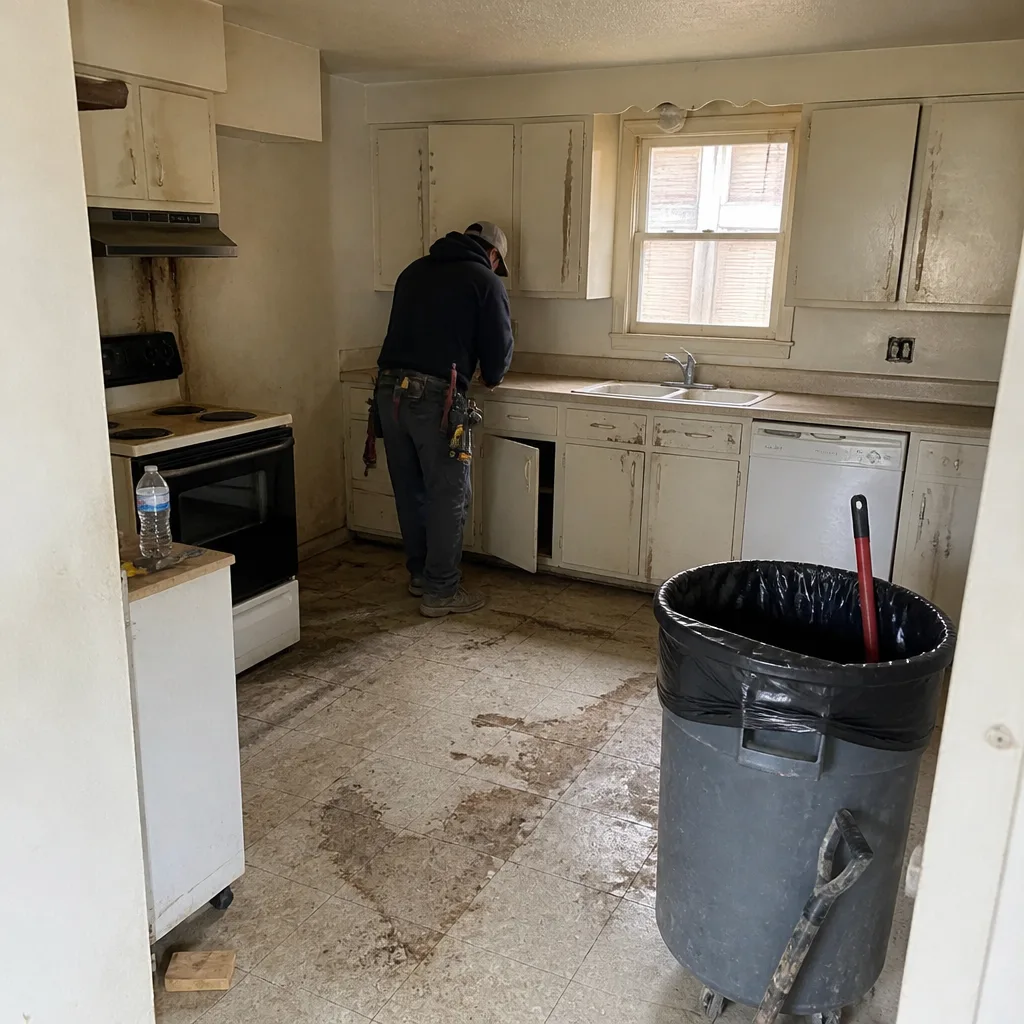 Before
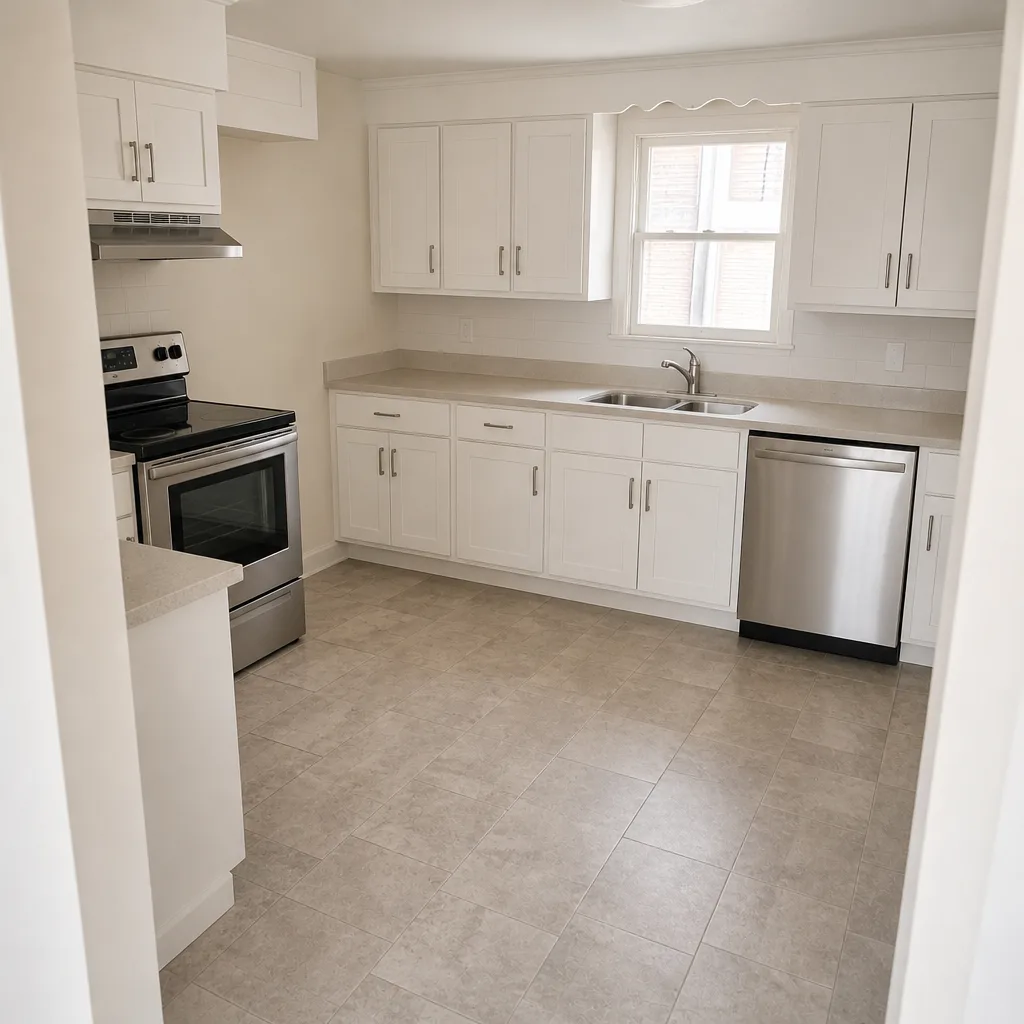 After
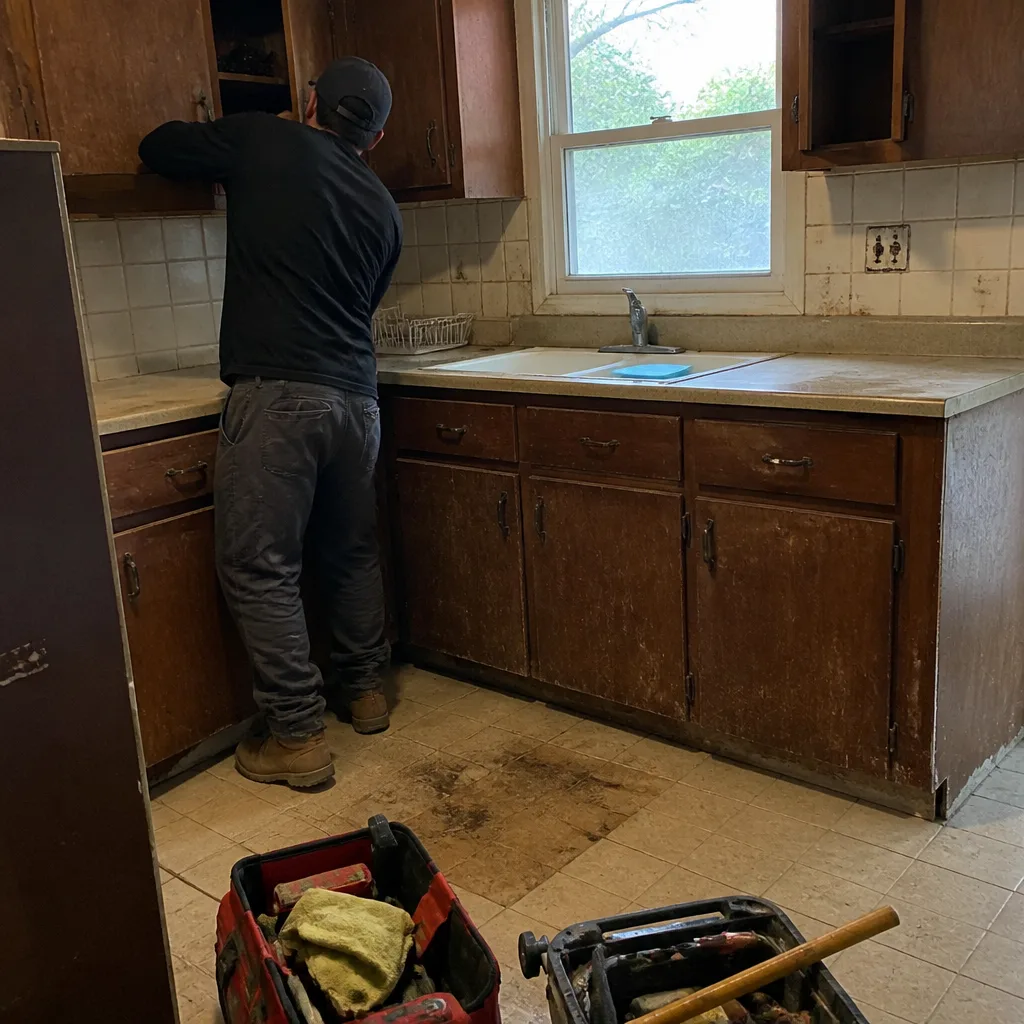 Before
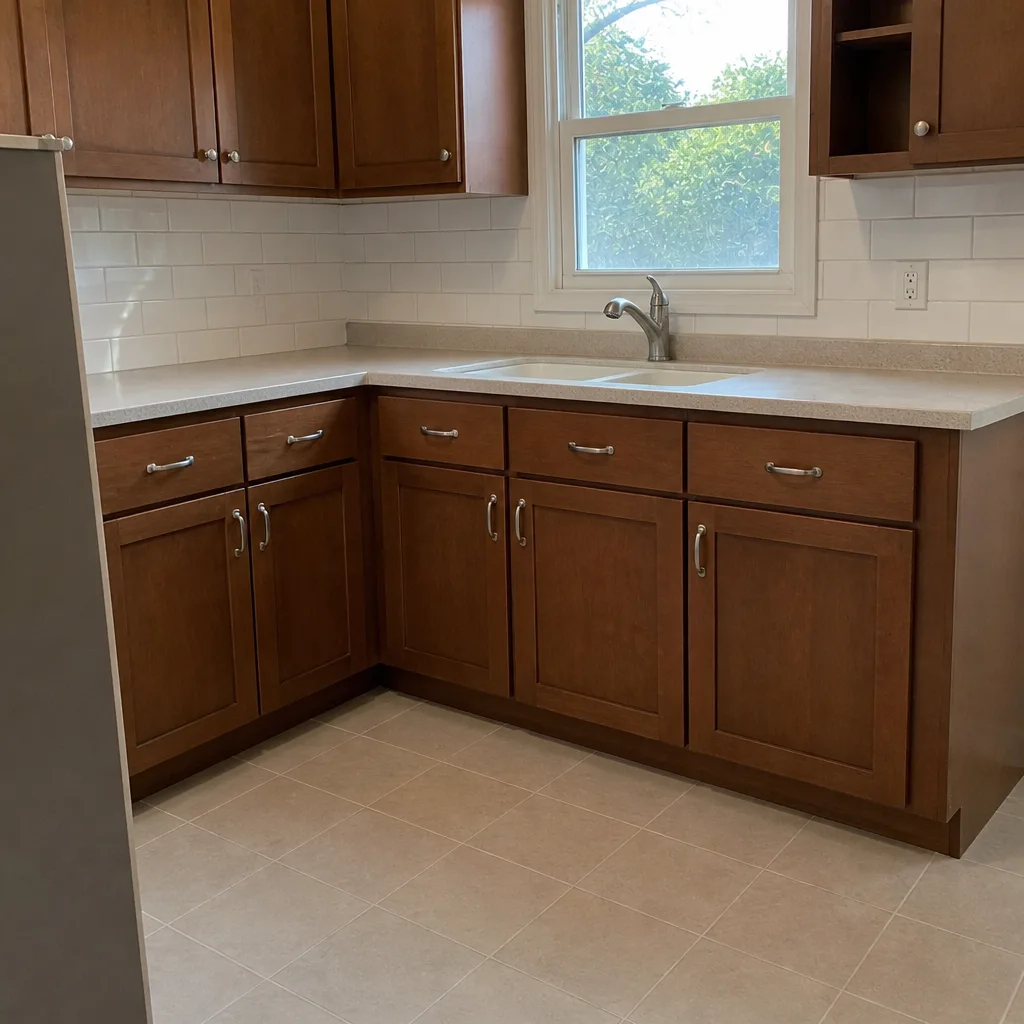 After
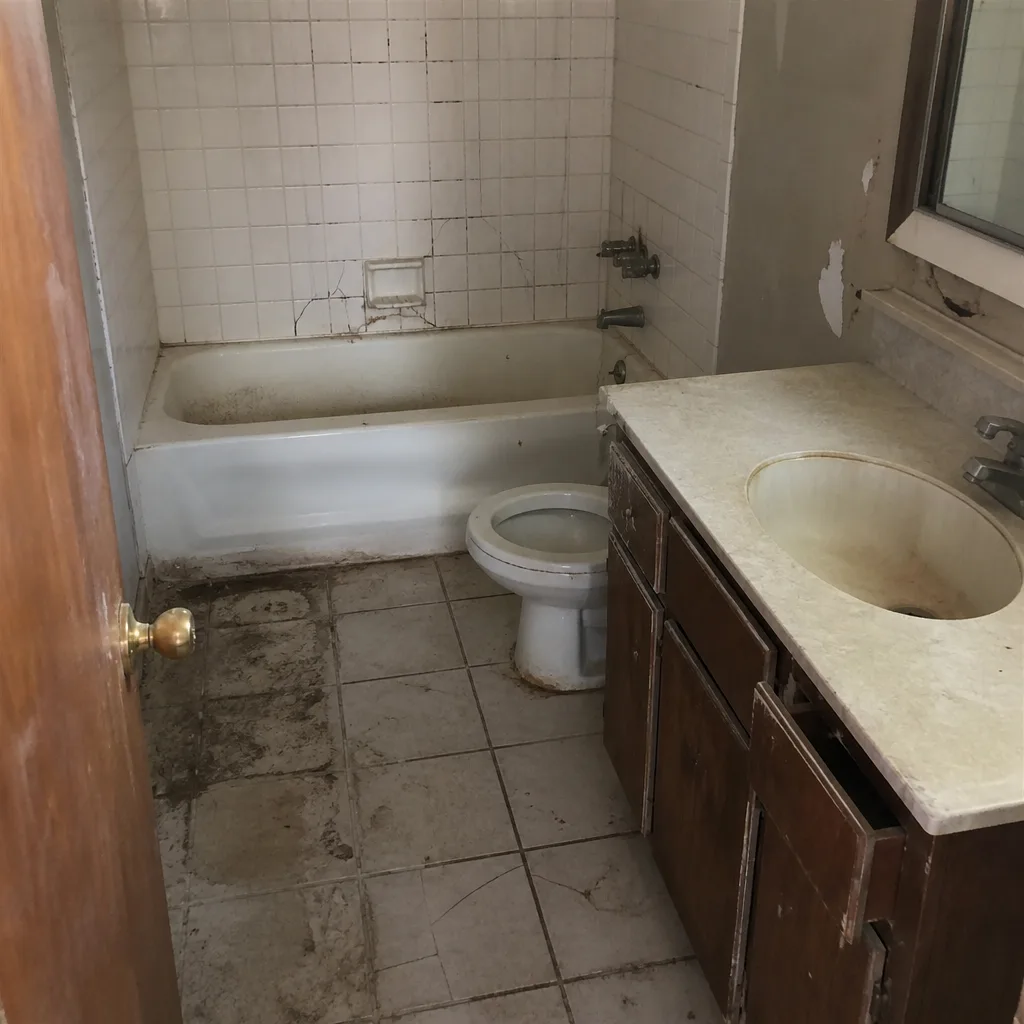 Before
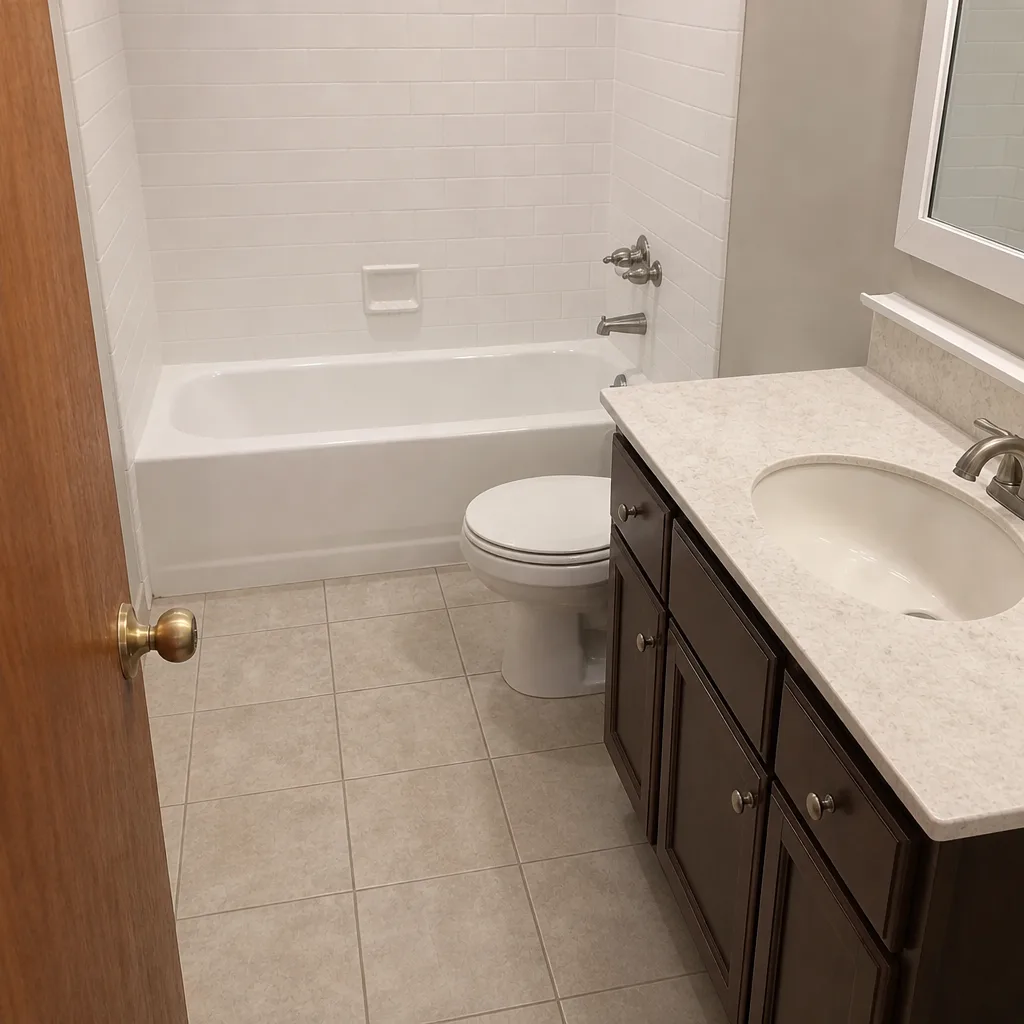 After
Paver Installers Near Me in Lewisville, TX: What to Ask Before Anyone Breaks Ground
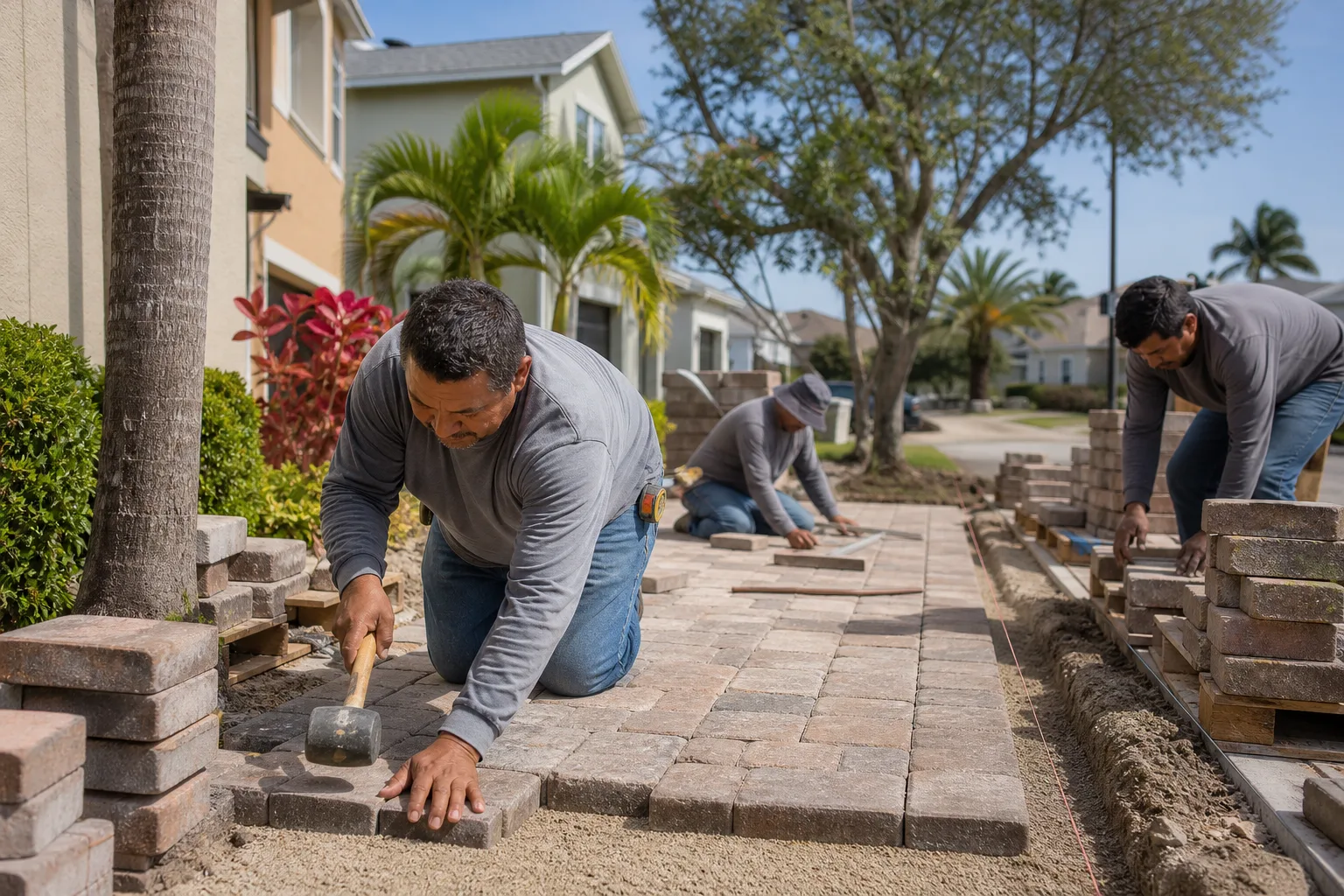
If you’re searching for paver installers near me in Lewisville, the honest answer is that most crews in this market can lay pavers. Very few build the base correctly for black gumbo clay. Paver installation in Lewisville runs $7,000-$18,000 for a driveway and $3,500-$11,000 for a patio, and the number that matters isn’t the surface price. It’s whether your installer specs a 6-inch compacted crushed granite or limestone base, a geotextile barrier, and a concrete-haunched or steel-pinned edge restraint. Call (844) 560-4467 for a free estimate - our phones are answered by a live person, 24/7.
Why the Base Under Your Pavers Matters More in Lewisville Than Anywhere Else
Any installer can lay pavers on a flat surface. The real question in Lewisville is whether they know how to build the base beneath those pavers so that when August drought pulls three inches of moisture out of the clay, the whole field doesn’t rotate and heave.
Lewisville sits on expansive clay that swells hard after spring rains and shrinks just as fast in a dry July. That movement is the same force that keeps older slab foundations in this city getting leveled. New builds here often use post-tensioned slabs or drilled piers instead of conventional footings for the same reason. A paver field sitting on unsupported soil behaves no differently from a slab without reinforcement: it moves, and once it moves, it doesn’t stop on its own.
The fix isn’t exotic. It’s a base spec that accounts for movement instead of fighting it.
- Minimum 6-inch compacted crushed granite or limestone base. Stone, not decomposed granite. Decomposed granite loses its integrity when wet and never recovers the compaction you started with.
- Geotextile fabric between the native clay and the base layer. This is the one most crews skip. Without it, clay fines migrate upward into the bedding sand, the sand loses its drainage, and pavers start rocking within a couple of seasons.
- Correct bedding sand depth, typically 1 inch. Too thick and the pavers float; too thin and they point-load on the base stone.
- Polymeric joint sand, not regular sand, especially in a region with 220+ days of direct sun and abrupt spring downpours.
None of this is hidden knowledge. It’s in every competent paver manufacturer’s installation guide. The problem is that “paver installers near me” pulls up a lot of crews who install fast and skip the parts of the spec nobody can see after the job is done.
The Most Common Paver Failure in North Texas: Edge Restraint
Plastic snap-in edge restraints are the number one paver installation defect in this region, and they fail predictably on clay. The perimeter is where a paver field does its most moving, and a plastic edge buried against soil that swells in spring gives way first. Once the edge spreads, the pavers behind it loosen, the sand migrates out, and the whole installation starts to unravel from the border inward.
On Lewisville clay, the correct perimeter spec is either a concrete-haunched edge or a steel spike-pinned restraint system. Both hold their position when the soil moves against them. Ask any installer you interview one direct question before you sign anything: what edge restraint system are you using, and how is it anchored? A confident answer comes with a material name. A vague one usually means it’s a plastic edge from a box store.
We’ve watched this play out in the older ranch homes in Old Town and near the lake more often than in newer construction up north, simply because older driveways and patios got installed when spec tolerances were looser. It’s a fixable problem, but the fix runs more than the original installation, which is why it’s the first thing we spec on every job.

What a Paver Proposal Should List as Line Items
A quote that bundles everything into one number hides the spec, and the spec is exactly what you’re paying for. A legitimate paver proposal in Lewisville should itemize each of the following. If any of these are missing from the quote, ask for them in writing before you commit.
| Line Item | What to Look For |
|---|---|
| Excavation depth | Typically 8-10 inches total depth on clay, not 6 |
| Base material and thickness | Crushed granite or limestone, minimum 6-inch compacted |
| Geotextile fabric | Specified as a line item, not “included” |
| Bedding sand depth | 1 inch, screeded level |
| Paver unit spec | Brand and model, compressive strength, UV stability |
| Edge restraint type | Concrete-haunched or steel spike-pinned |
| Joint sand type | Polymeric, not regular |
This matters in Lewisville specifically because the sun load here is punishing. Cheap commodity pavers from a big-box supply house fade and spall faster under 220+ sun days a year than a premium unit selected for UV stability and compressive strength. Our curated material portfolio includes top-tier paver brands chosen for exactly those properties, alongside manufacturing partners like IKO and Boral across the exterior trades. We’re not going to install a paver that won’t look like itself five years from now.
For a broader look at how driveways and patios fit into the full exterior scope, our Driveway & Pavers page covers the whole category. And if you’re sizing a bigger project with the driveway included, start at the home page.
Common Local Scenarios We Get Called About in Lewisville
The calls that come in for paver work in this city tend to fall into a few repeat patterns. Here’s how we approach each of them.
Aging concrete driveway in the older core
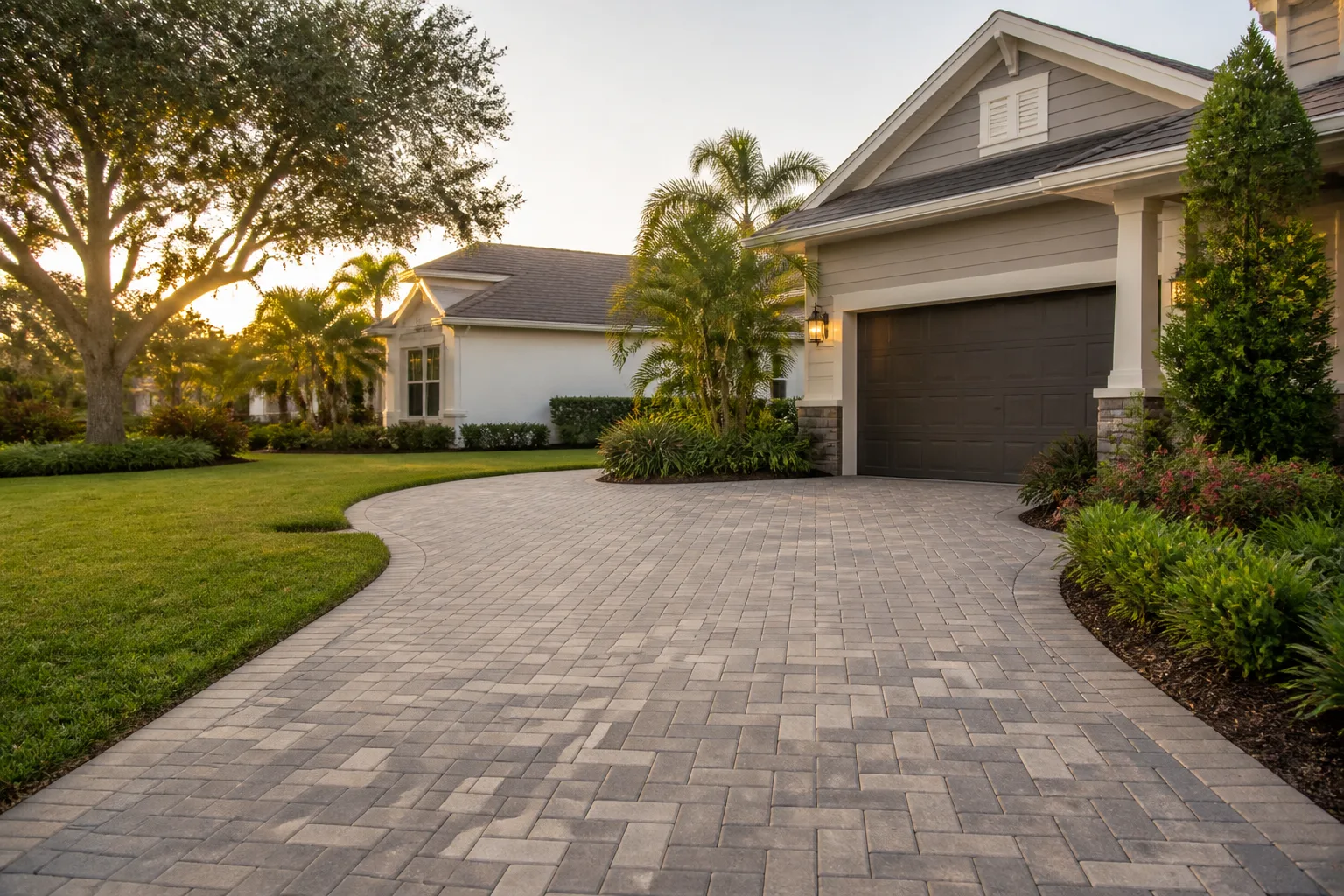
Homes built between the 1960s and 1980s around Old Town often have a concrete drive that’s cracked and settled from decades of clay movement. Replacing it with pavers solves both problems at once, and a properly built base handles movement better than a rigid concrete pour ever could.
New-build backyard that needs a hardscape
Northern subdivisions are often finished with bare sod and no patio. Homeowners want something that won’t have to be ripped out when the clay settles. Base spec is everything here.
Patio failure from a prior installation
This is the most common repair call. Pavers lifting, spreading at the perimeter, or settling unevenly, usually within a few years of installation. The original base was likely insufficient or the edge restraint was plastic. We rebuild the base rather than resetting surface pavers over a failing sublayer.
Because we answer the phone 24/7 with a live person - not a voicemail box that opens Monday morning - you can call us during the planning phase, before you’ve signed anything, to walk through paver specs, maintenance, and what the soil under your lot is actually doing. Most homeowners we talk to have already been burned once. We’d rather answer those questions up front than have you call back in three years when the perimeter has spread.
How Much Does Paver Installation Cost in Lewisville?
Paver installation in Lewisville typically runs $7,000-$18,000 for a driveway and $3,500-$11,000 for a patio, with the final price driven by square footage, base depth, paver selection, and perimeter restraint. Concrete and asphalt alternatives come in lower, but they’re not the same product and don’t handle clay movement the same way. Every project from Groundwork Construction Co. of Lewisville is covered by our 730-Day Done Right Promise, and pricing is upfront and fixed: the number you see is the number you pay. Call (844) 560-4467 for an exact quote - estimates are free.
FAQs
Ask them to put the base material, thickness, geotextile fabric, and edge restraint system in the written proposal as line items, and refuse a bundled price that omits them. If the installer is using crushed granite or limestone at 6 inches or more, has a fabric barrier, and uses concrete-haunched or steel-pinned edges, the base spec is correct. If any of those are missing, it isn’t. Call (844) 560-4467 and we’ll tell you what a correct spec looks like on your specific lot before you sign with anyone.
No. Concrete driveway installation in Lewisville runs $4,500-$12,000 while paver driveways run $7,000-$18,000, so concrete is typically less upfront. Pavers generally outlast concrete on active clay and can be individually replaced without tearing out the whole surface, which changes the long-term math. Call (844) 560-4467 for a line-by-line comparison on your property.
Yes, that’s exactly what the 6-inch crushed stone base, geotextile barrier, and pinned edge restraint are designed for. Heaving clay doesn’t disqualify a site; it just means the base and perimeter have to be spec’d for movement instead of assuming a stable surface. If a prior installation has already failed on your property, we rebuild the base rather than resetting the surface pavers. Call (844) 560-4467 to schedule a free on-site evaluation.
We do. Our phones are answered by a live person 24 hours a day, 7 days a week, so you can call during the planning phase with questions about base spec, edge restraint, paver selection, or maintenance without waiting for normal business hours. That’s not a shared call center; it’s a real person on the line who can talk through your site. Call (844) 560-4467 any time for a free project estimate and design consult.
Ready to Get It Done Right the First Time?
The base under your pavers is the part you’ll never see and the part that decides whether they last. Get a written proposal with every spec line itemized, from the excavation depth to the edge restraint, before a single paver comes off the pallet. Call Groundwork Construction Co. of Lewisville at (844) 560-4467 for a free estimate and design consult, with 0% financing for 18 months and $1,000 off projects over $10,000 available.
Written by the team at Groundwork Construction Co. of Lewisville, serving Lewisville, TX.
What Our Customers Say
"The schedule he gave me at the start was accurate to within four days on a three month job. Anyone who has done a renovation knows how unusual that is."
- Laura Bennett"We lived in the house through the whole thing. He kept the dust wall up, cleaned every Friday, and made sure we always had a working bathroom."
- Craig Whitaker"Change orders were written down and priced before the work happened, every single time. No surprise at the end."
- Keisha Robinson