


Free written scope consultation - allowances, timeline, and change-order rules on paper before a single trade is scheduled
Styles & brands we work with
- Kitchen remodeling
- Bathroom remodeling
- Home additions & ADU
- Roofing
- Windows & doors
- Driveway & pavers
- Fence
See the difference
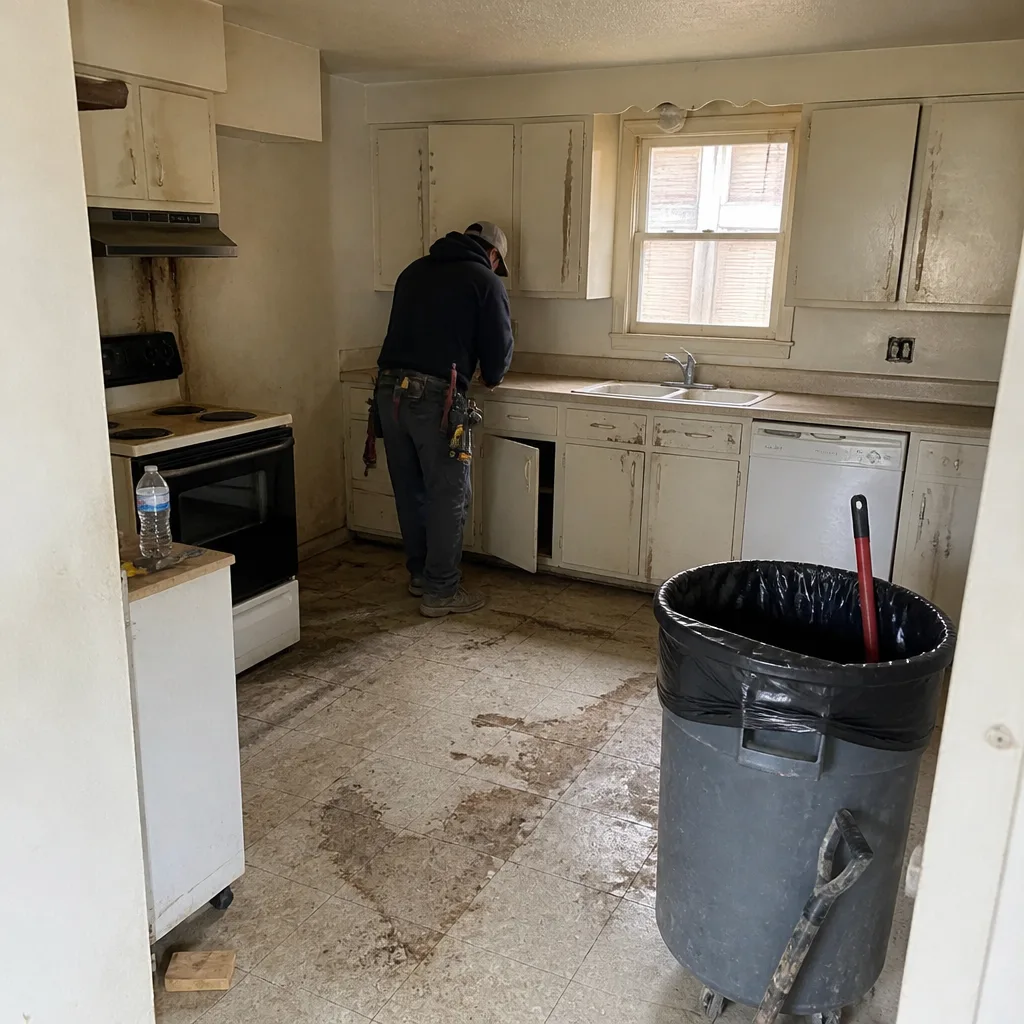 Before
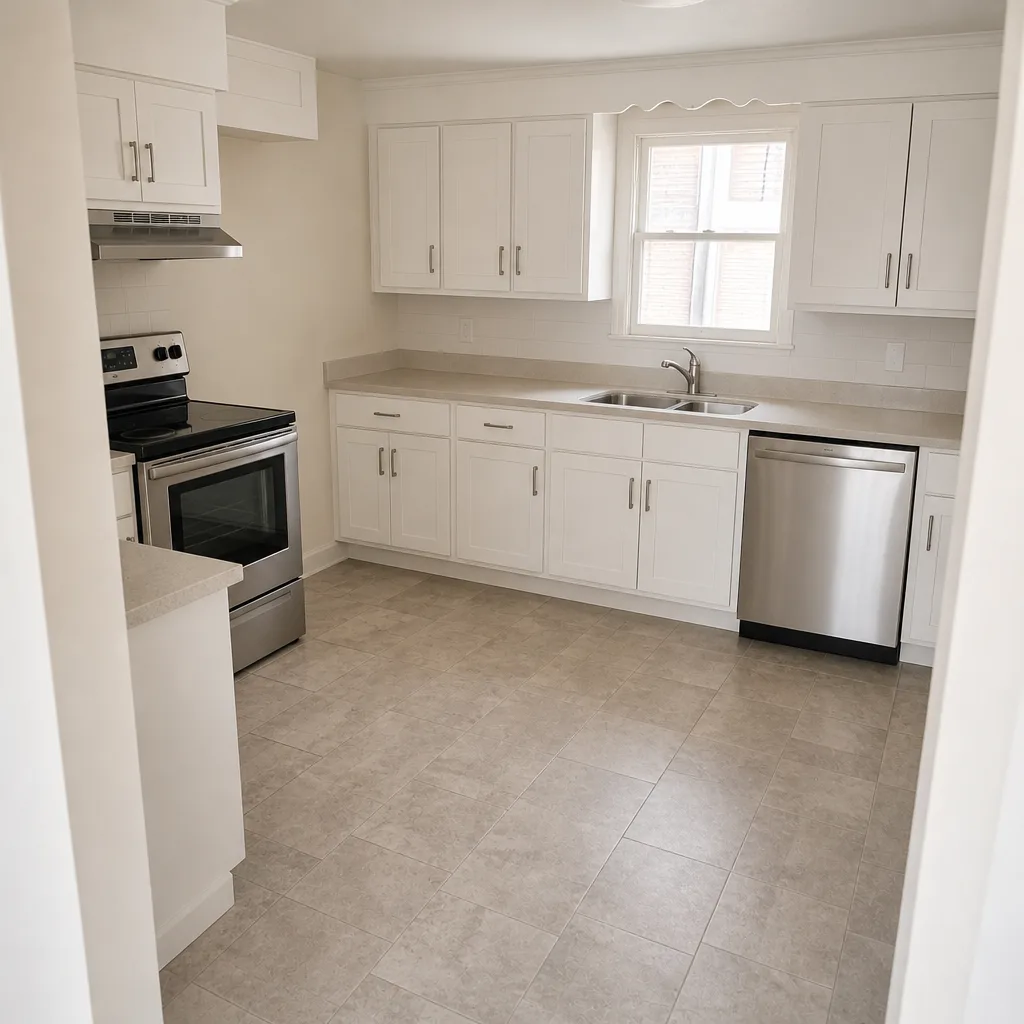 After
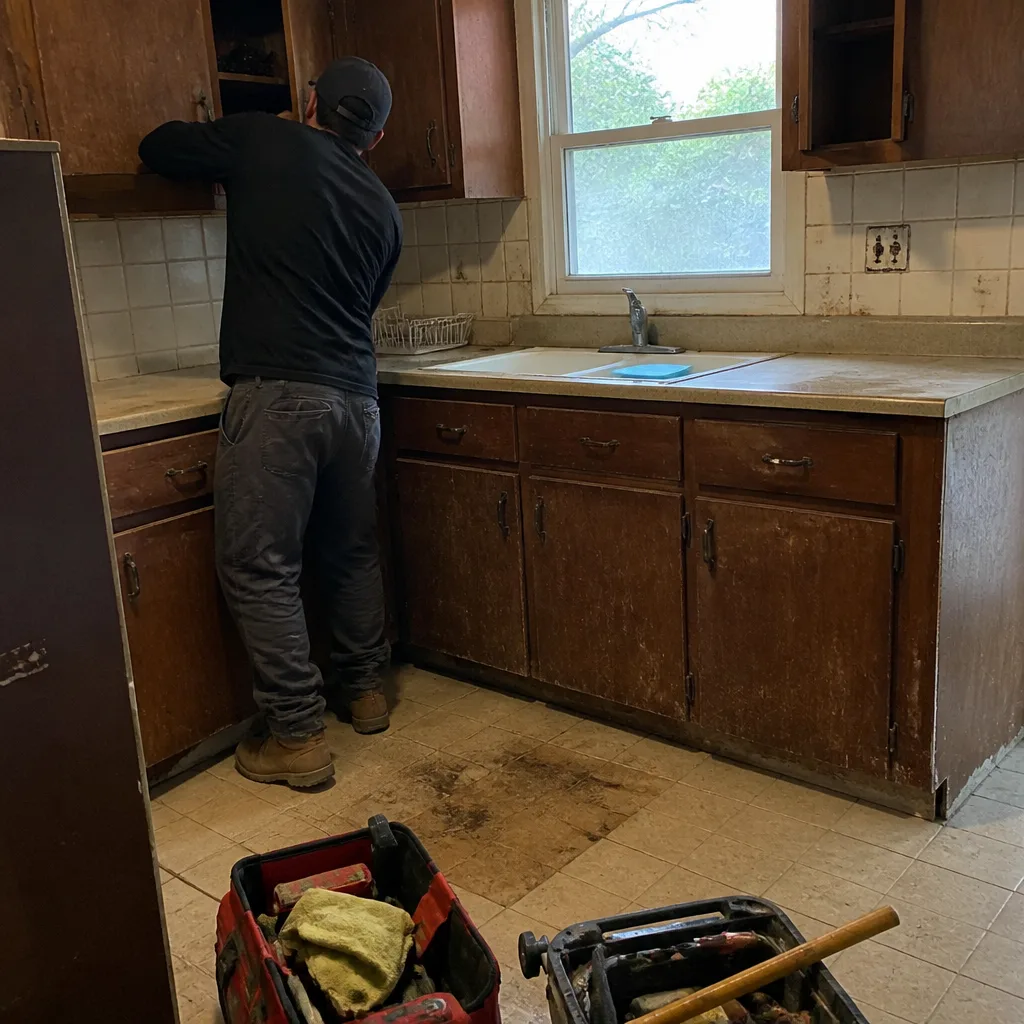 Before
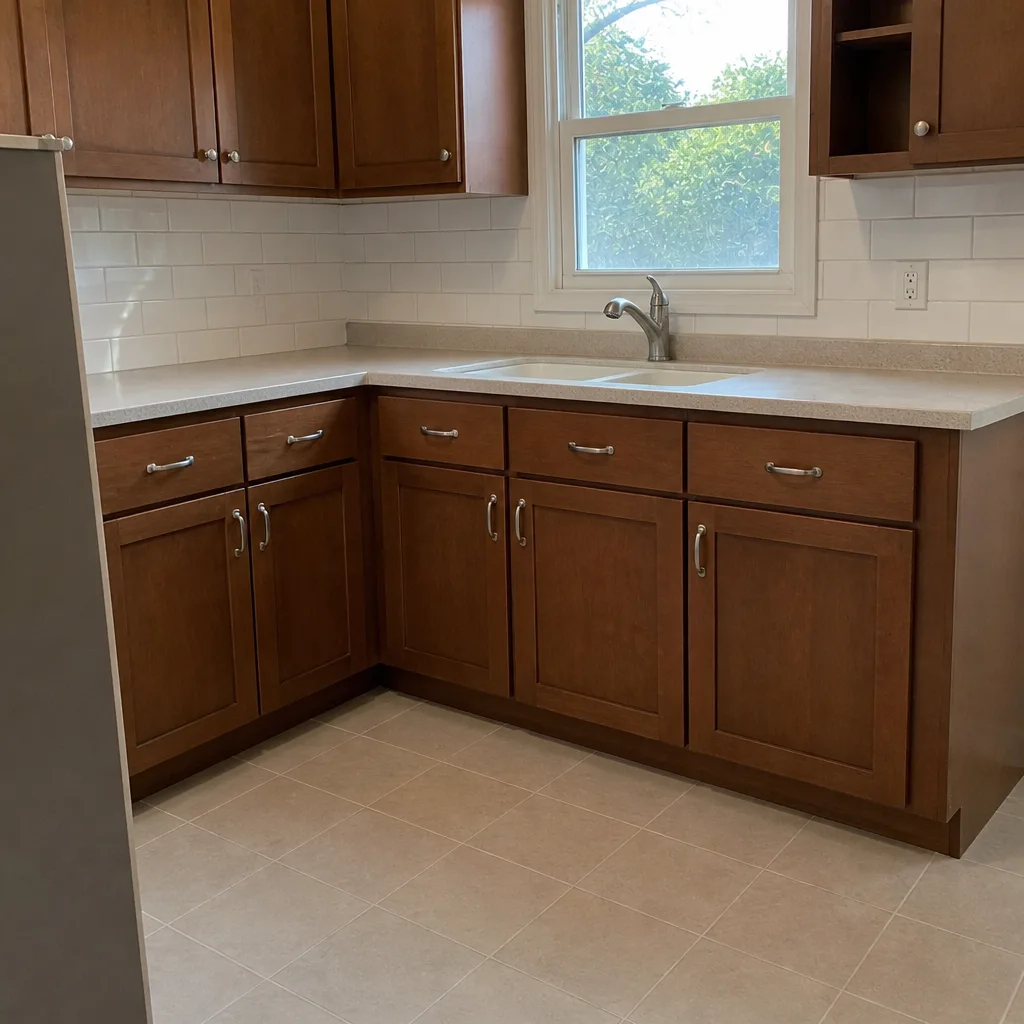 After
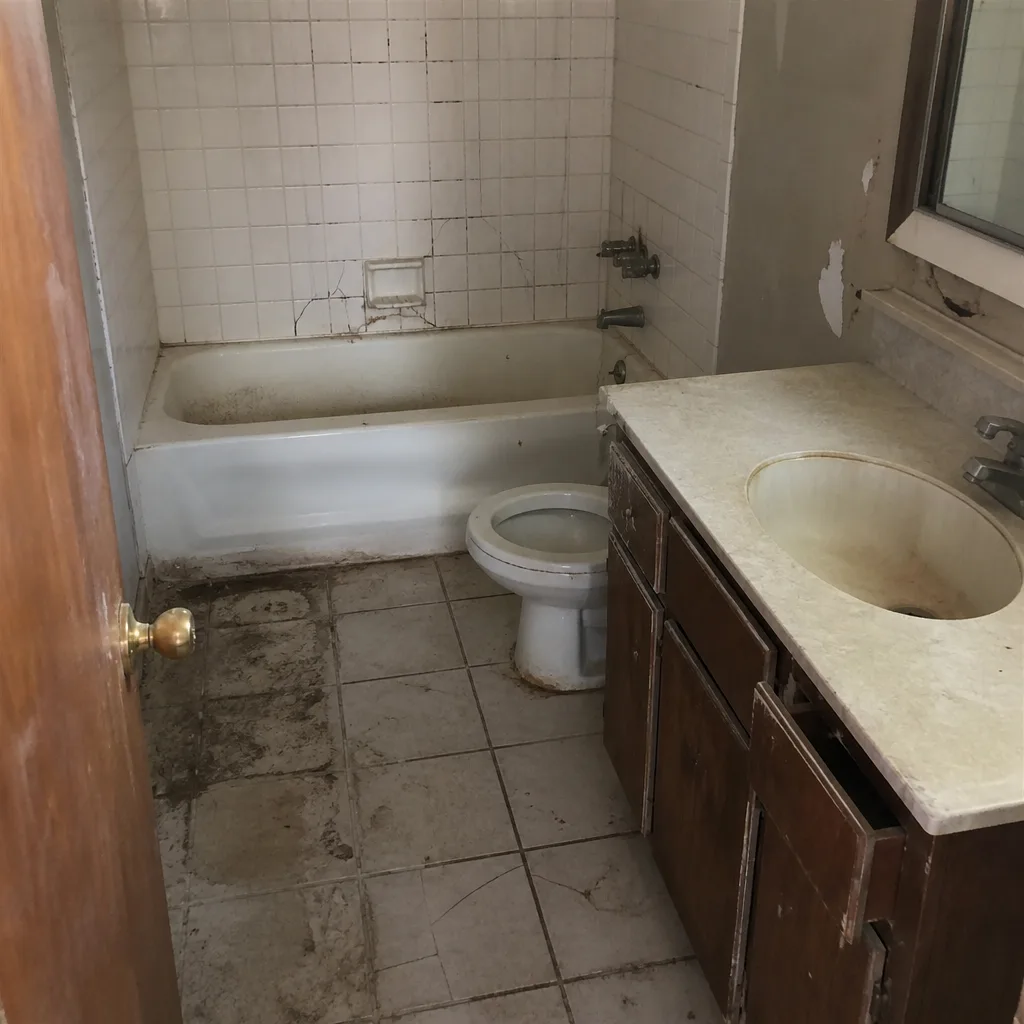 Before
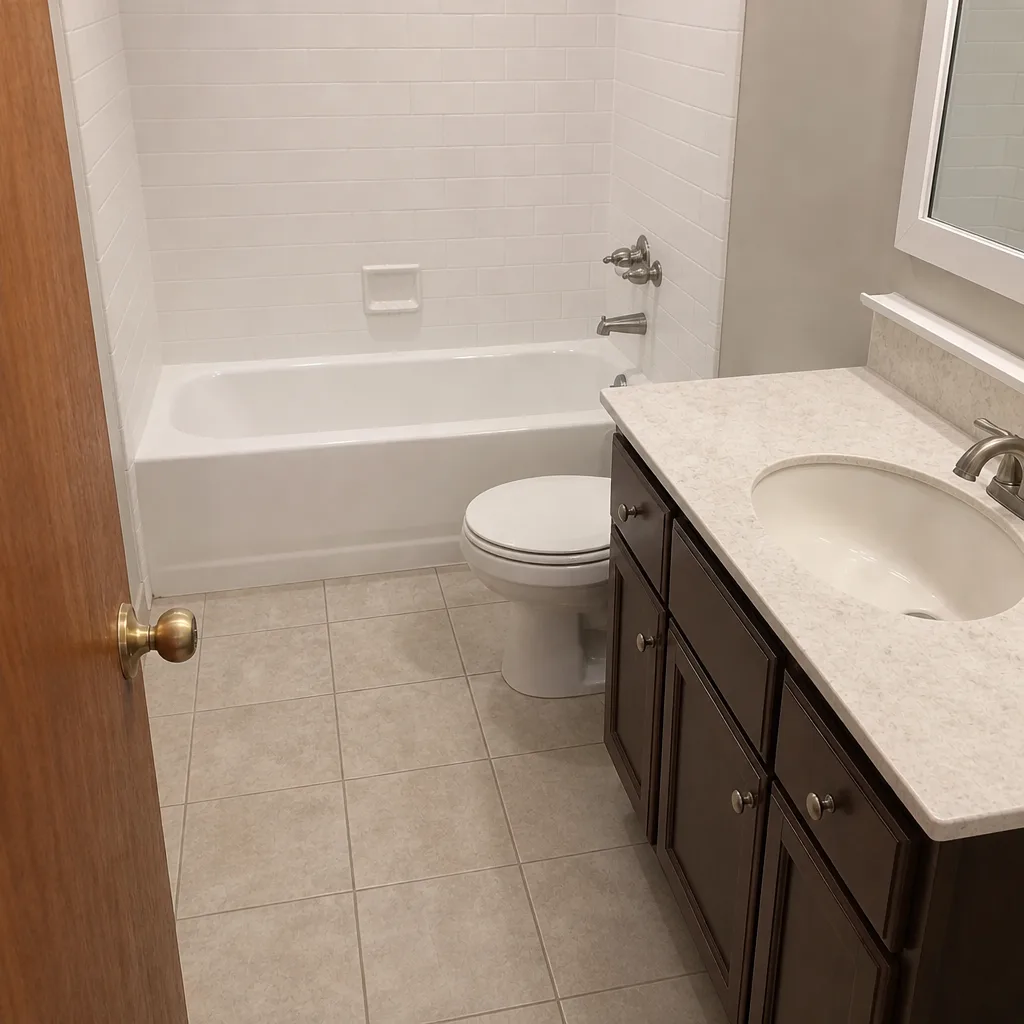 After
Vinyl vs Aluminum Fence in Lewisville, TX: Choose Vinyl Unless Your HOA or Your View Decides It
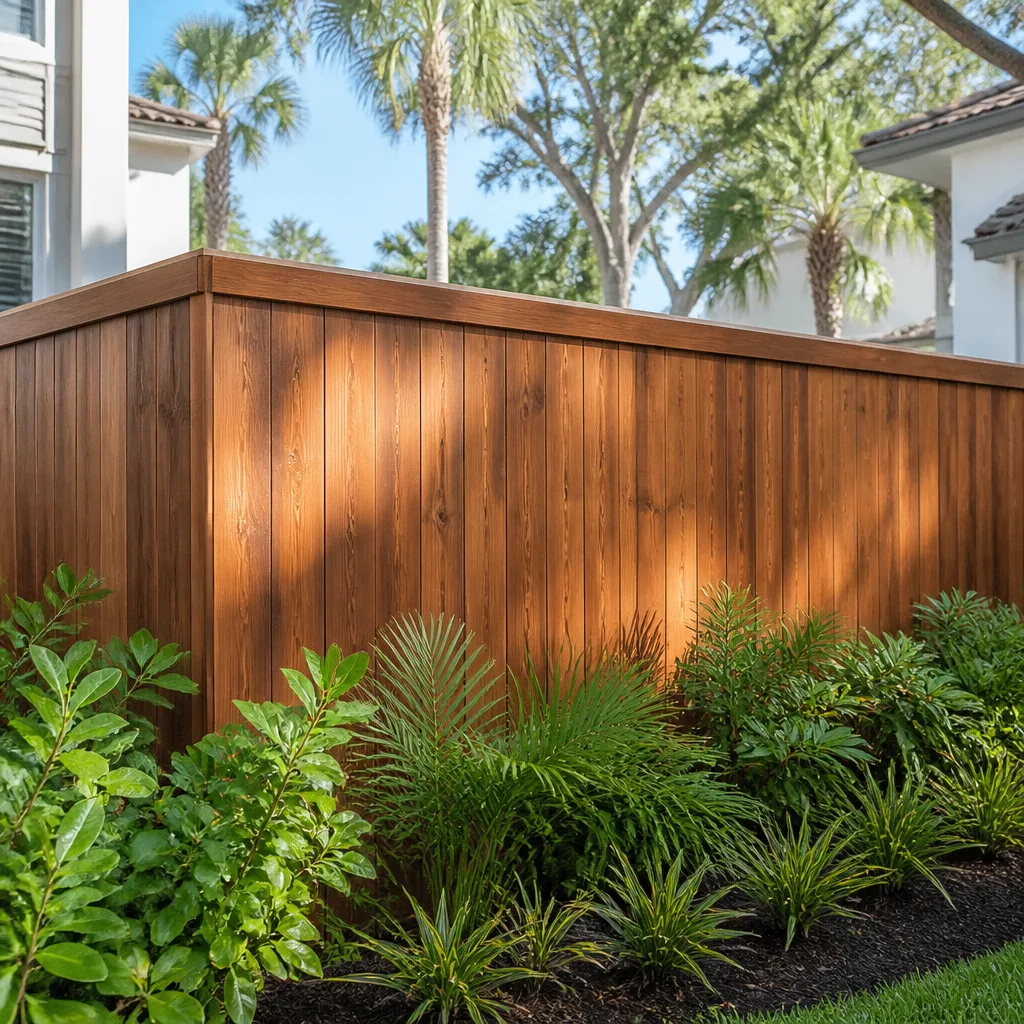
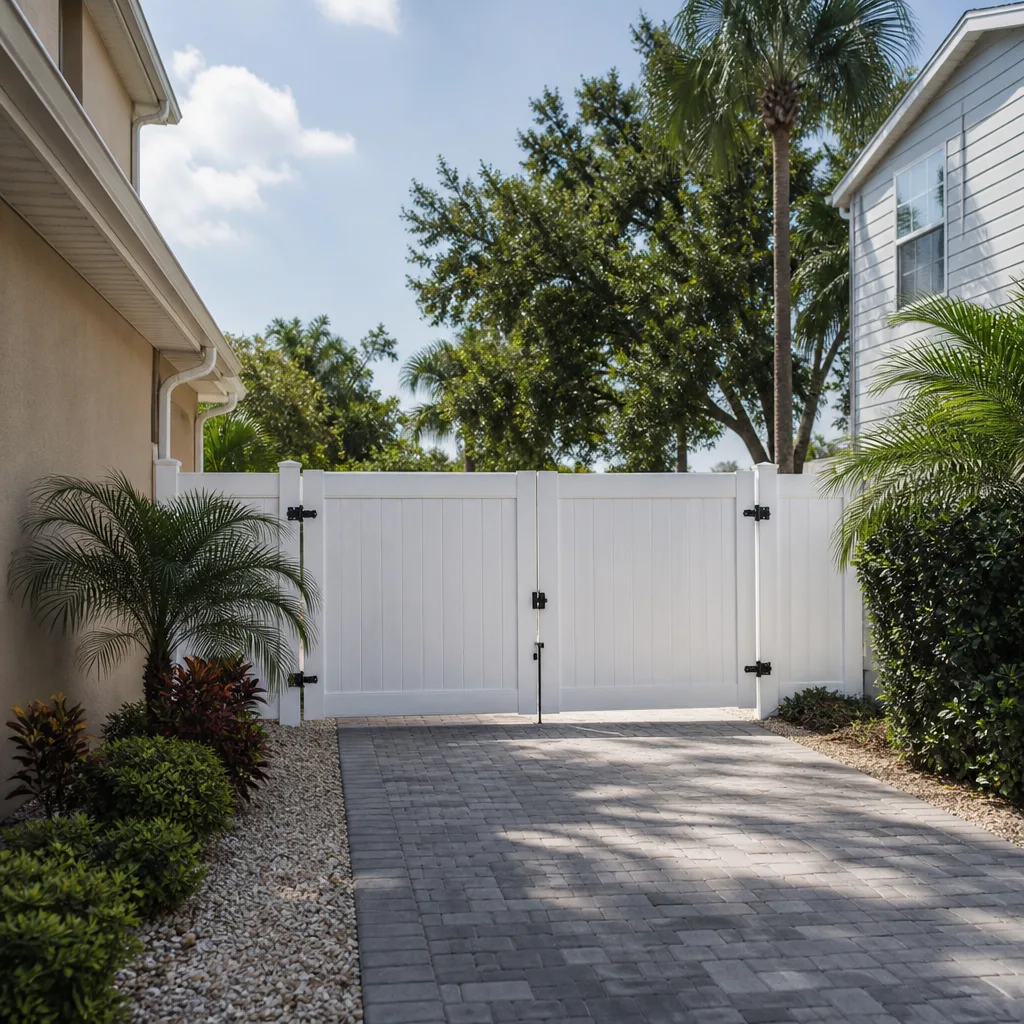
Go with vinyl if you live in a newer northern Lewisville subdivision and want privacy, and go with aluminum if you’re in the older lakeside core or an HOA that specifies ornamental metal. That’s the honest bottom line, and it comes from watching this decision get made in two very different versions of Lewisville. In the master-planned communities up north, your recorded deed restrictions often pick the fence for you before you ever get a bid. In Old Town and along the lake, the question is whether a fence should stand up open and let the landscaping breathe or close the yard off. Same city, opposite answers. If you want a straight read on your own lot, call Groundwork Construction Co. of Lewisville at (844) 560-4467 and we’ll tell you what the soil, the sun, and your HOA paperwork actually support.
Lewisville Is a Two-Speed Fence Market, and That Changes the Comparison
Lewisville isn’t one housing market. It’s an aging lakeside core sitting next to a fast northern growth zone, and the fence decision splits right along that line.
Drive the newer northern subdivisions (the Castle Hills-era master-planned developments and everything built after) and you’ll see recorded deed restrictions that frequently specify white vinyl privacy or picket fencing. The reason is aesthetic consistency: builders want a uniform streetscape, and vinyl delivers cheap, repeatable uniformity. If your HOA covenant names vinyl, aluminum isn’t really on the table unless you want to fight the architectural review committee.
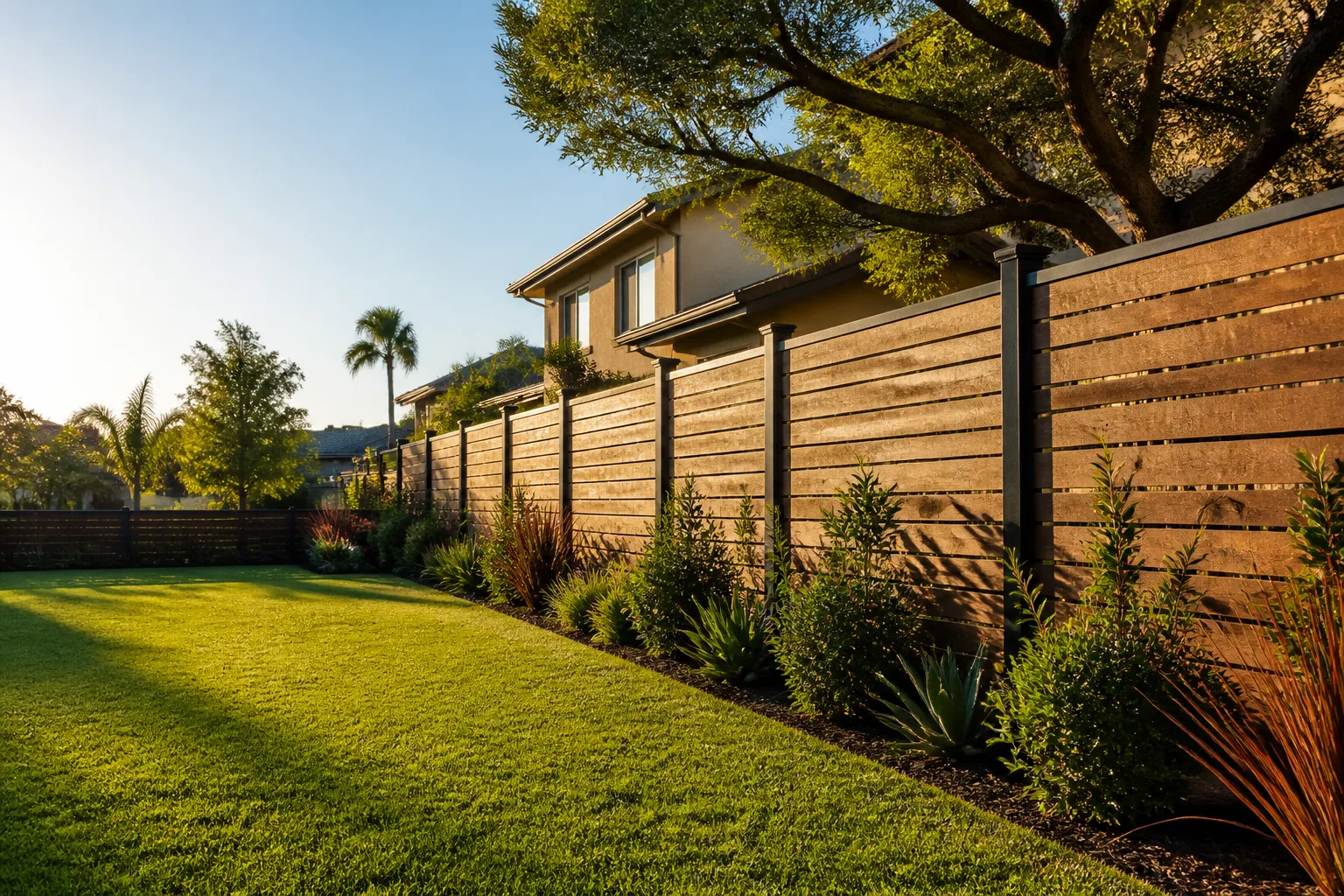
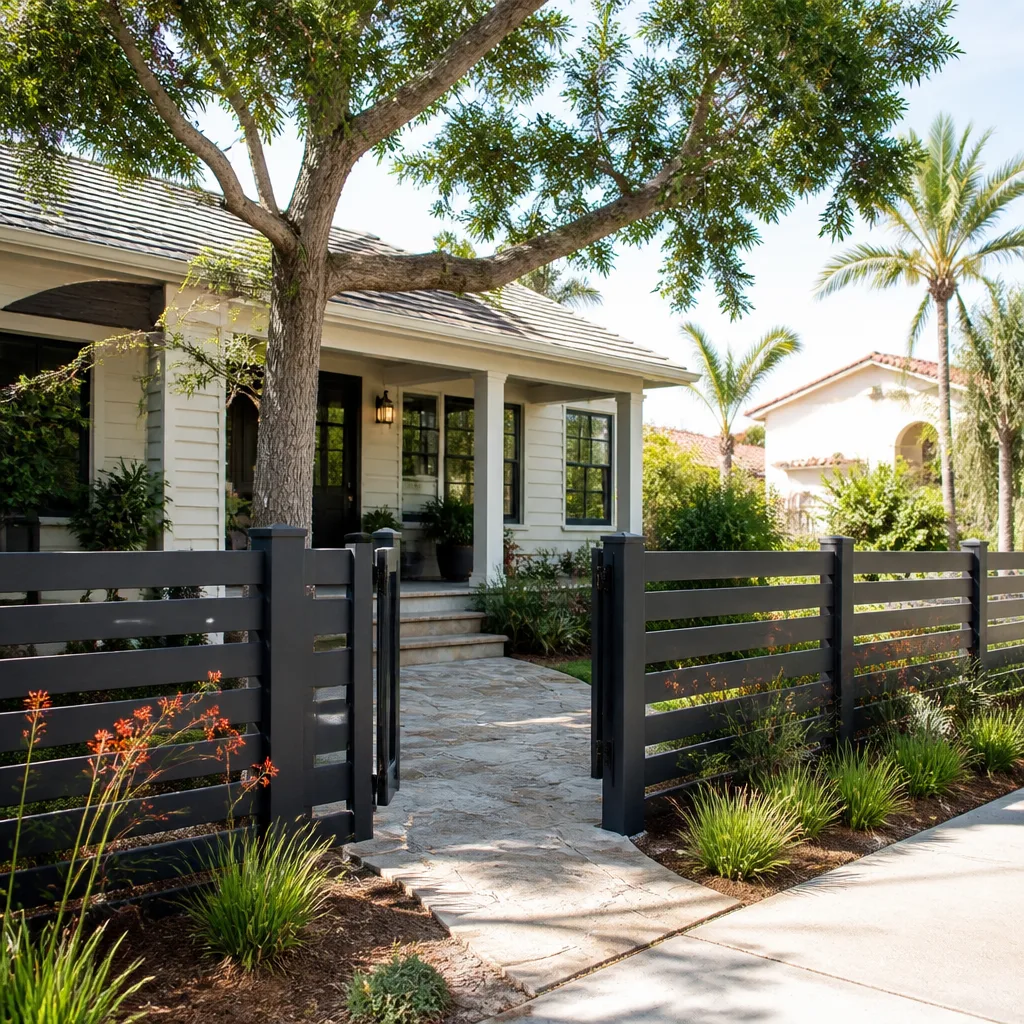
Head toward Old Town and the lake-adjacent blocks and the priorities flip. Mature trees, older ranches, and lake views that people paid a premium to see. Here, ornamental aluminum does something vinyl can’t: it delineates the property line without walling off the view or hiding the landscaping you’ve spent years growing. Full-height privacy vinyl in a lakeside backyard can feel like building a stockade around your best asset.
One more local truth that affects both: much of the newer construction sits in the lake- and floodplain-adjacent corridors near the Elm Fork Trinity River, so fences there deal with wet-dry ground that a lot on higher interior ground simply doesn’t. Which brings us to the soil.
How Lewisville’s Black Gumbo Clay Treats Vinyl and Aluminum Posts Differently
North Texas clay that heaves in drought-then-flood cycles is the single biggest reason fences fail here, and vinyl and aluminum fail in different ways.
Vinyl posts are hollow and larger in diameter. That bigger footprint spreads clay pressure over more surface area, so the post moves less aggressively per inch of soil movement, but when the ground does heave, a hollow post can shift and the panel can rack or pull loose at the rail. Aluminum posts are solid or thicker-walled but smaller in diameter; set properly, with a deep enough footing, they resist lateral heave better because there’s less face for the clay to grab and push. Both beat wood in this soil type. Wood rots from the wet cycles from the inside out and simply doesn’t last the way it used to.
The operator detail you won’t find on a spec sheet: footing depth and the local soil are what actually decide how long either fence stays straight. Ask what’s going in the ground, not just what the panel looks like.
UV, Heat, and the Texas Sun: Why Cheap Vinyl Gaps and Quality Vinyl Doesn’t
On a south- or west-facing run in a DFW summer, the surface of white vinyl can exceed 140°F. Vinyl expands and contracts measurably across the region’s temperature range, and quality manufacturers engineer their profiles for that swing with expansion channels at the posts and joints. The cheap vinyl sold at big-box stores is not built for it, and that’s the fence that gaps at panel joints within two to three summers. The material cost difference between budget and properly engineered vinyl is smaller than the cost of replacing a fence that started failing almost immediately.
Aluminum sidesteps the thermal-expansion problem almost entirely. Metal doesn’t gap the way vinyl does. It still wants the right finish (evaluated against Texas sun and hail) and the right footings, but heat isn’t its weak point. When we bring brand partners in, the standards we work to (finish and component quality from names like CertainTeed and GAF on the exterior side of the house) carry over to how we think about fence materials: buy for the climate you have, not the catalog photo.
Vinyl vs Aluminum Fence: Side-by-Side for Lewisville Yards
| Factor | Vinyl | Aluminum |
| Best fit | Newer northern subdivisions; HOA-specified privacy yards | Lakeside and Old Town lots; view and landscaping yards; pools |
| Typical installed cost | $25-$40 per linear foot | $30-$50 per linear foot |
| 150-ft backyard in Lewisville | $3,500-$9,000 | $4,000-$10,000 |
| Clay soil behavior | Larger hollow posts; spreads pressure, can rack at joints | Smaller, thicker posts; resists lateral movement when set deep |
| Texas heat and UV | Quality vinyl engineered for it; budget vinyl gaps within a few summers | Unaffected by thermal expansion |
| Privacy | Full-height privacy or picket | Open delineation; ornamental, not a visual wall |
| Resale read | Functional value; viewed as a commodity | Visible perceived value on perimeter and pool fencing |
Both install ranges sit inside our lead range of $3,500-$9,000 for a standard job, with aluminum running higher on larger runs. So the real question isn’t whether you can afford aluminum. It’s how much the small premium buys you in your specific yard.
What Each Type Does to Resale in Lewisville’s Competitive North-Suburb Market
Aluminum ornamental fencing around a pool or along a perimeter adds perceived value that buyers and appraisers notice, and in a crowded northern suburb resale market, that visible upgrade helps a listing stand out. Vinyl privacy fencing adds real functional value (the buyer can’t see into the yard, the dog stays in), but the market tends to read it as a commodity: expected, not impressive. Pride of ownership lives elsewhere. For a homeowner thinking about ROI, the split is simple: aluminum sells the property, vinyl sells the yard.
The Cost Gap Is Smaller Than You Think, and Financing Closes It
On the standard 150-linear-foot backyard, the gap between aluminum and vinyl is roughly $1,500-$3,000. That’s the number that stops a lot of Lewisville homeowners, and it shouldn’t. With 0% financing for 18 months and up to $1,000 off projects over $10,000, the premium on aluminum spreads across the payment period at zero interest, which pulls the monthly difference close to nothing. Pair that with no-hassle upfront pricing (the number we quote is the number you pay) and the decision gets made on what the yard needs, not a lump-sum sticker shock.
For materials, we work with a curated set of partners rather than whatever’s in stock, and the choice of vinyl or aluminum grade is part of the bid. Whether you’re outfitting the yard around a kitchen remodel (Sterling and Grohe fixtures indoors, new framing out back) or just replacing a failing fence, our technicians bring up to 12 years of experience to the job, and every project is covered by the 730-Day Done Right Promise. If it’s not done right, we make it right. When you’re ready to see what your specific lot needs, our home base of services is the place to start, and the full Fence Installation overview walks through everything from tear-out to gate hardware.
FAQs
Vinyl is cheaper up front, typically $25-$40 per linear foot installed versus aluminum at $30-$50, and on a 150-foot run that’s roughly $3,500-$9,000 for vinyl versus $4,000-$10,000 for aluminum. The gap of $1,500-$3,000 is what our 0% financing for 18 months is designed to absorb. Call (844) 560-4467 for an exact quote on your lot, free estimate.
Many newer northern Lewisville master-planned subdivisions specify white vinyl privacy or picket fencing in their recorded deed restrictions, so aluminum may not be allowed without an exception from the architectural review committee. Read your covenant first. If it’s silent, we can help you prepare a clear request to the committee. Call (844) 560-4467 for a no-pressure assessment.
Neither, if set correctly, but they handle the heaving clay differently: vinyl’s larger hollow posts spread the pressure while aluminum’s smaller thicker posts resist lateral movement with deep enough footings. Both last far longer than wood in this soil. Call (844) 560-4467 and we’ll talk through footing depth for your yard.
For a pool enclosure or perimeter fence, aluminum reads as a visible upgrade that buyers and appraisers notice, so it holds perceived value better than vinyl, which the resale market tends to treat as a commodity. If resale is your priority, aluminum usually pays back more of its cost. Call (844) 560-4467 for a free estimate.
If you’d rather have it looked at, Groundwork Construction Co. of Lewisville offers a no-pressure assessment in Lewisville. Bring your HOA paperwork and we’ll pair it against the soil and the sun. Call (844) 560-4467 for a free estimate and a straight answer on vinyl versus aluminum for your specific yard.
Written by the team at Groundwork Construction Co. of Lewisville, serving Lewisville, TX.