




Free written scope consultation - allowances, timeline, and change-order rules on paper before a single trade is scheduled
Styles & brands we work with
- Kitchen remodeling
- Bathroom remodeling
- Home additions & ADU
- Roofing
- Windows & doors
- Driveway & pavers
- Fence
See the difference
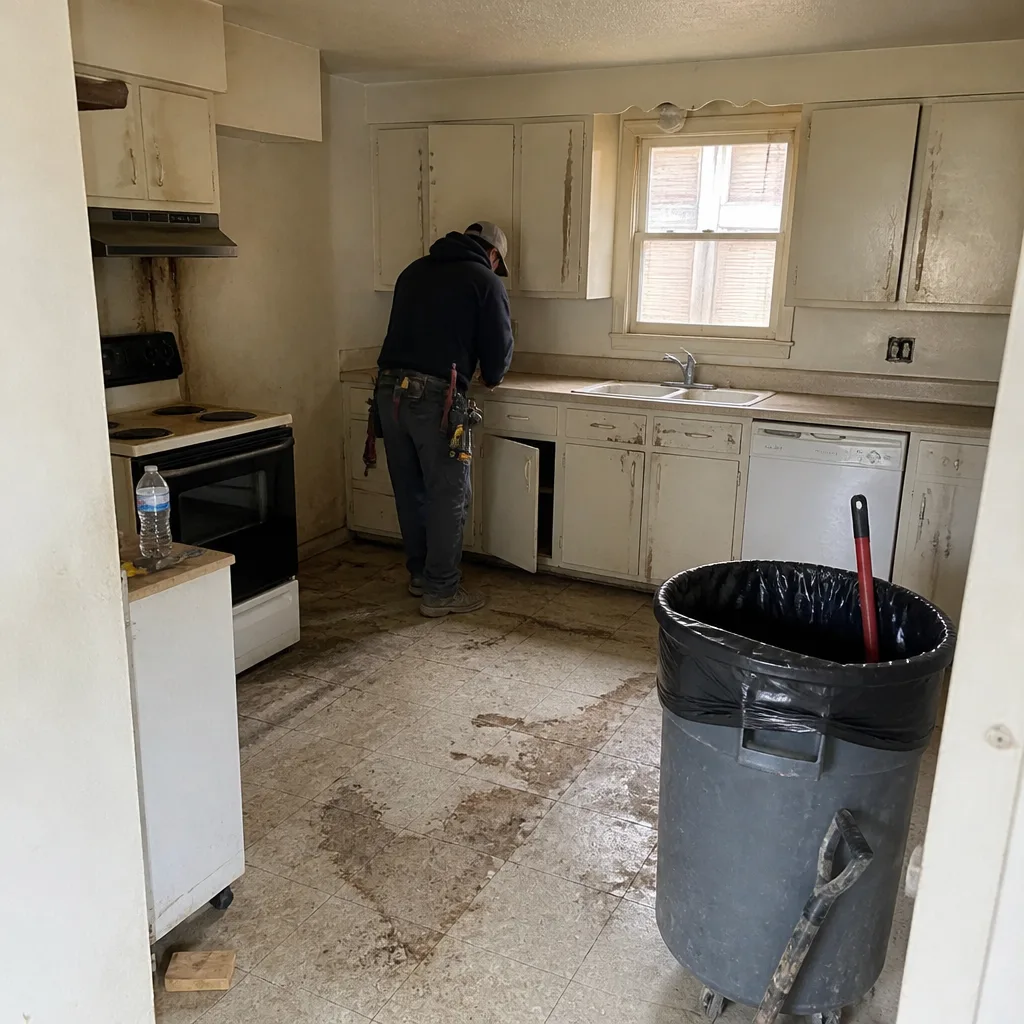 Before
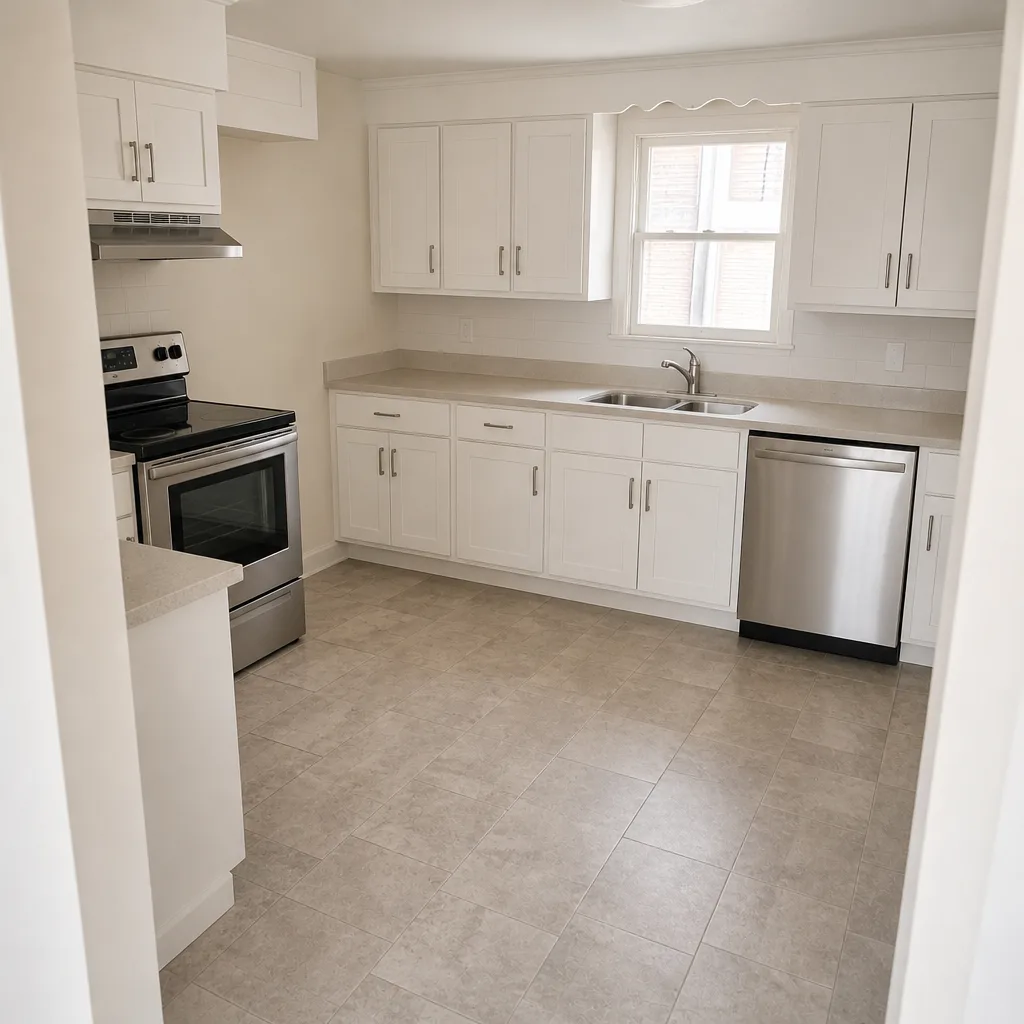 After
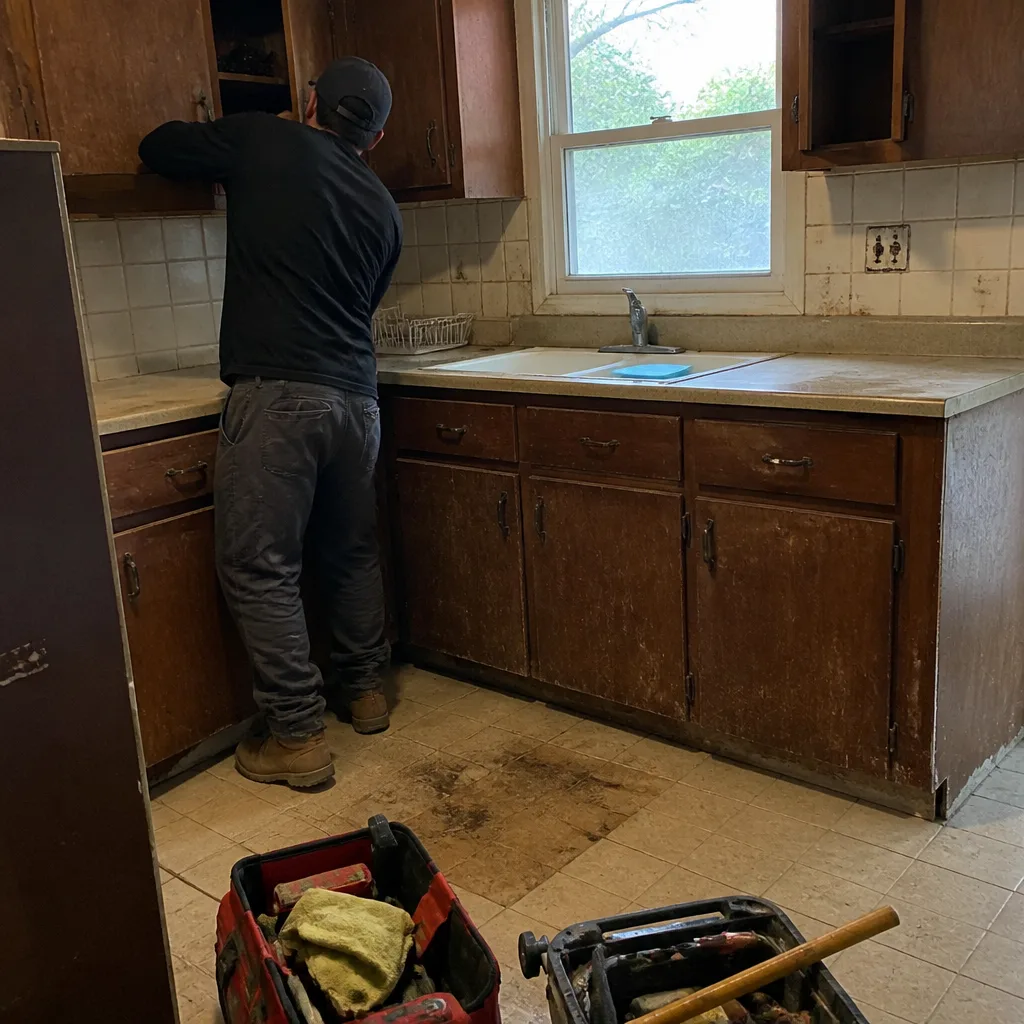 Before
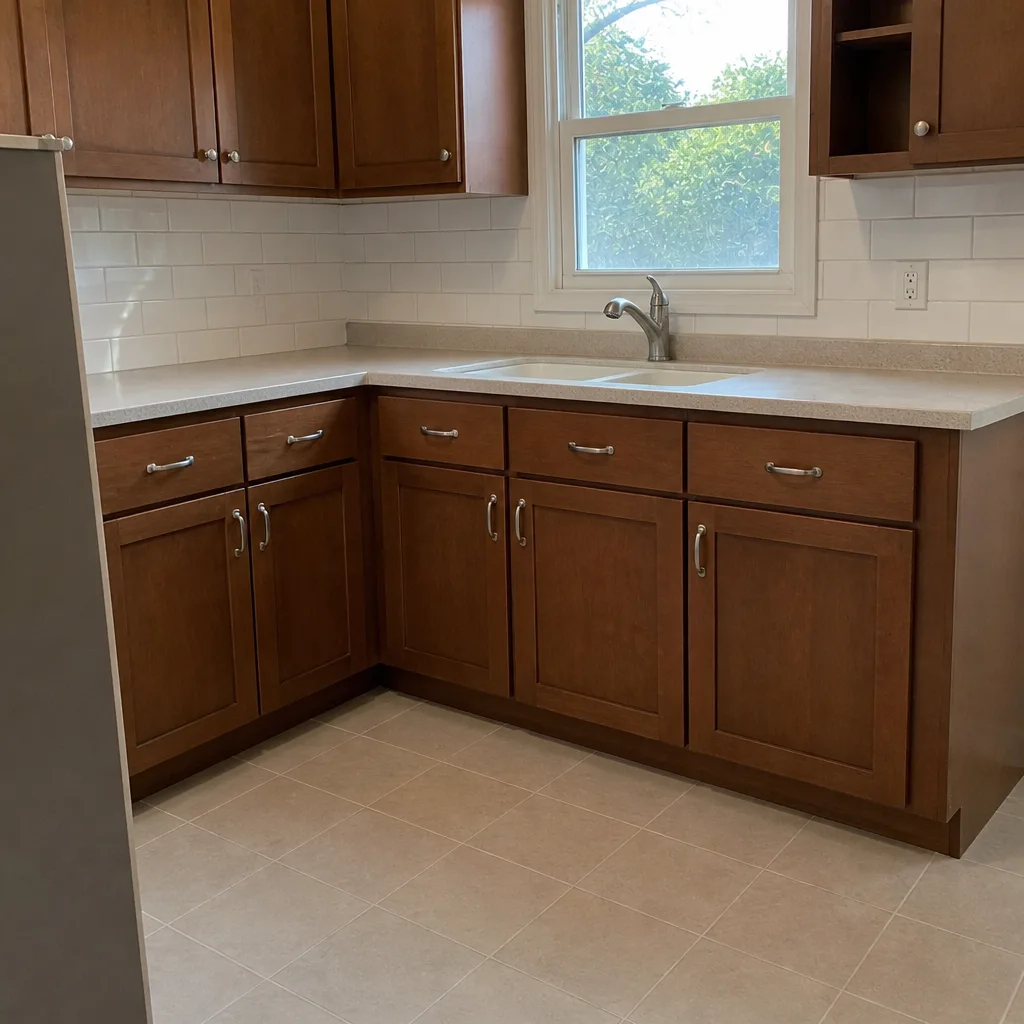 After
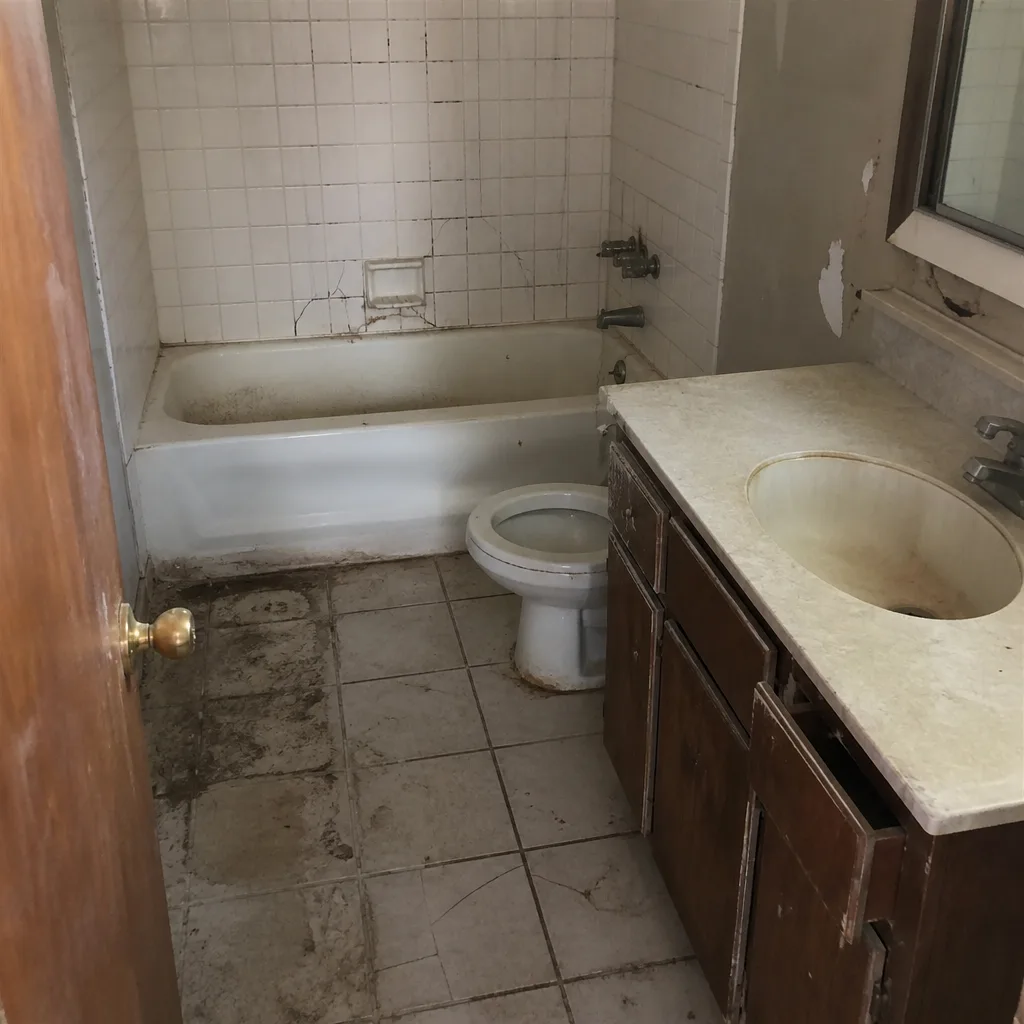 Before
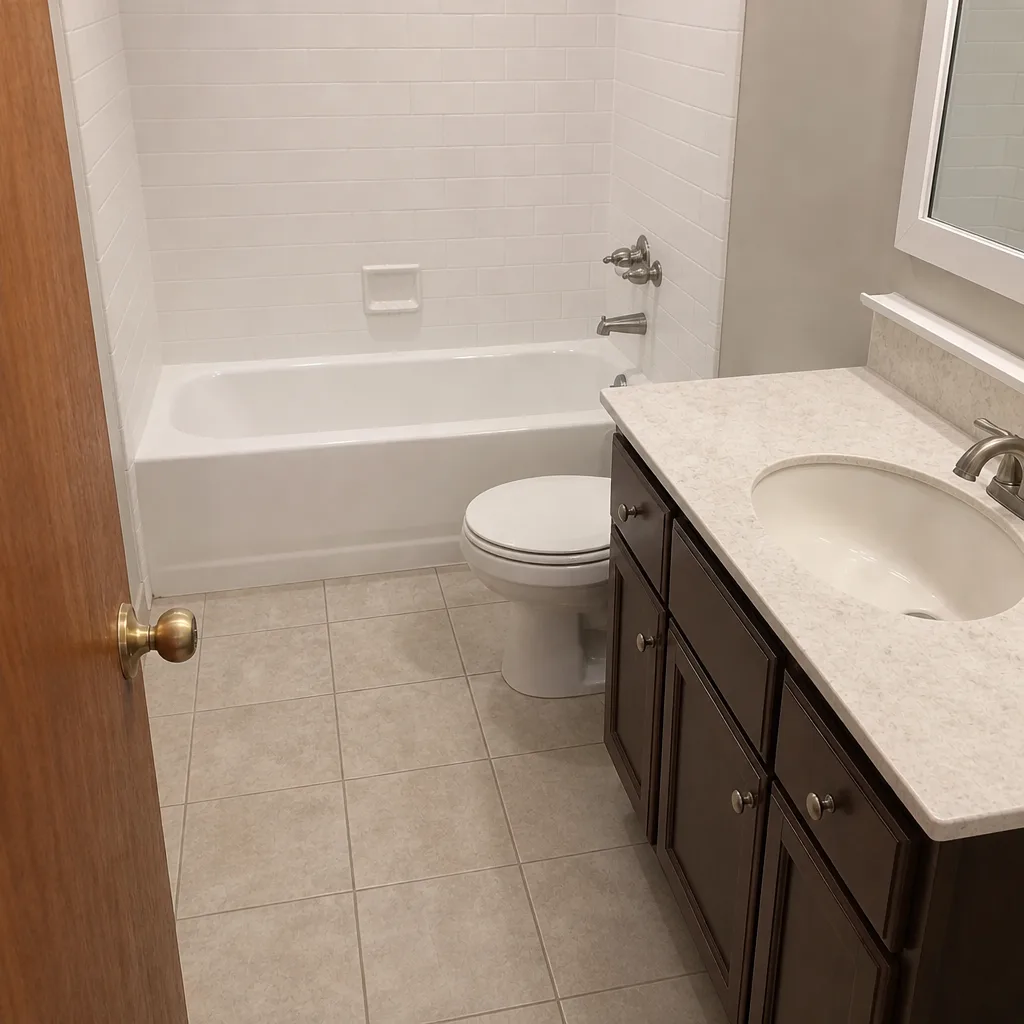 After
What Does a General Contractor Do in Lewisville, TX?
A general contractor is the single party who takes responsibility for your entire project: pulling permits, hiring and managing every trade, coordinating engineers and inspectors, controlling the schedule and budget, and standing behind the finished work when it’s done. In Lewisville, that role goes further than most homeowners expect. A GC here also has to understand the Corps of Engineers lake permit process, the FEMA AE floodplain boundaries along the Elm Fork, the black gumbo clay that shifts under older slabs, and a city permit desk that knows exactly where the flood hazard line runs. That’s a different job description than the one most “what does a GC do” explanations describe. Questions about your project? Call (844) 560-4467 and a live person picks up, any hour.
Why a Lewisville GC Manages Risk, Not Just Schedules
On a flat suburban lot in a subdivision with no special overlays, the GC mostly manages people: which trade comes when, which delivery arrives on which day, what order the finish work goes in. Add water, clay, or an aging foundation to the equation and the job changes shape.
Lewisville is a two-speed market. Old Town and the lake-adjacent streets are full of 1960s-80s brick ranches, some on pier-and-beam, most on slab that’s spent 50 years heaving through drought-then-flood cycles. Six miles north, new subdivisions go up on fresh ground and still need post-tensioned slabs or drilled piers because the expansive clay doesn’t care how new the house is. A remodel in the older core might require a structural engineer’s report, a foundation evaluation, and a soils assessment before a single wall comes down. A lake-side project may need a Corps of Engineers permit review alongside the city permit, because Lewisville Lake isn’t just scenery – it’s a federal project with real jurisdiction over what gets built near it.
That regulatory layer is the part homeowners consistently underestimate. It’s also where the wrong GC costs you the most, because a broker who discovers a floodplain issue in week three has already burned your deposit, your timeline, and your patience. In Lewisville, the GC who does the pre-construction research up front is worth more than the one who quotes lowest. Get a free project estimate and design consult before you commit to anything and you’ll see what that difference looks like in writing.
The Broker vs. the Accountable Builder
Here’s the distinction that matters more than any line item in a bid: some general contractors are brokers, and some are accountable builders.
A broker assembles a team of subcontractors, hands off the work, collects a fee, and manages the margin. When something goes wrong in month eight – the shower pan leaks, the fascia pulls away, the deck ledger isn’t flashed right – the broker’s answer is “call the sub.” The sub’s answer is that their warranty covered labor only, and their labor warranty expired. You, the homeowner, are left holding the bag between two parties who both consider the matter closed.
An accountable builder owns the outcome. That’s the model Groundwork Construction Co. of Lewisville operates on, and the mechanism that makes it real is the 730-Day Done Right Promise: if the work isn’t done right, we make it right, for two full years after completion. That’s one of the longest workmanship guarantees in residential construction. It exists precisely because a company can only offer it if it’s willing to carry the liability itself instead of passing it down the chain. Built to last, backed in writing – that’s what separates the two operating models, not marketing language.

What a Lewisville GC Actually Does, Day to Day
The work looks different at each phase. Here’s the sequence on a lake-adjacent or floodplain-adjacent project, in the order it happens:
- Pre-construction regulatory research: Checking the FEMA flood map for AE zone status, confirming whether a Corps permit applies, identifying which city permits and inspections the project triggers, and flagging anything that needs an elevation certificate before design is final.
- Engineering coordination: Bringing in the structural or foundation engineer when the clay or the age of the slab warrants it, reading the soils report, and translating that into a foundation spec the trades can actually build to.
- Permit application and agency coordination: Filing with the city, responding to review comments, scheduling inspections, and keeping the project legal at every step – including the ones nobody tells you about until a stop-work order shows up.
- Subcontractor vetting: Verifying insurance, confirming licenses where Texas requires them, running background checks, and confirming the crew that shows up is the crew that was vetted. Every technician on a Groundwork project is background-checked and arrives in uniform.
- Sequencing and climate management: Concrete cure schedules are a real constraint in a Lewisville summer – a 100°F day changes when you can place and finish a slab, and rush it and you’ll pay for it in cracks. Roofing and exterior work get sequenced around spring hail season and high-wind events.
- Daily supervision, inspection scheduling, and progress reporting: Someone is on site overseeing quality, someone is scheduling the inspections, and you’re getting updates rather than guessing.
On the labor side, Lewisville’s growth makes subcontractor quality uneven. Good crews are booked, and the ones with capacity aren’t always the ones you’d want. A GC’s established relationships and the leverage to enforce standards are things a homeowner running their own subs simply can’t replicate – you don’t have a repeat-book of work to withhold, and the sub knows it.
What 24/7 Live-Answer Access Actually Means on a Job
Construction problems don’t wait for business hours. A foundation form shifts overnight after a rain. A material delivery arrives cracked. A sub no-shows on inspection day and the whole sequence slides. Those aren’t homeowner problems – they’re GC problems, and a GC who’s unreachable when they happen isn’t doing the job. That’s why calls to Groundwork are answered by a live person 24 hours a day, 7 days a week. No voicemail black hole, no waiting until Monday morning to report that the driveway forms are full of water.
What a GC Coordinates, and What It Costs in Lewisville
The GC’s fee and the project cost are two different things, and it helps to see the ranges for the actual work being managed. These are typical Lewisville numbers:
| Project | Typical Lewisville Range |
|---|---|
| Kitchen remodel | $14,000-$45,000 |
| Bathroom remodel | $9,000-$28,000 |
| Roof replacement | $8,000-$20,000 |
| Window replacement | $4,500-$15,000 |
| Home addition | $45,000-$130,000 |
| ADU construction | $90,000-$220,000 |
| Garage conversion | $30,000-$80,000 |
| Paver driveway | $7,000-$18,000 |
Upfront pricing means the number you see is the number you pay – the GC’s coordination, permits, engineering, and trade management get baked into a written scope, not discovered later as a change order. On projects over $10,000 there’s $1,000 off, and 0% financing for 18 months makes a larger scope manageable. Materials matter too: a kitchen dressed in KraftMaid cabinetry with Cambria counters, or a bath finished in Kohler and Moen fixtures, holds up and holds value in a way builder-grade substitutions don’t. From foundation to finish line, one contractor carries it.
FAQs
A general contractor manages the whole project – permits, engineering coordination, scheduling, budget, quality control, and warranty – while a subcontractor performs one trade. The sub frames the walls; the GC is responsible for whether the walls are framed to the engineer’s spec, inspected on time, and backed by a workmanship guarantee. If a problem crosses trades, the GC is the one who owns resolving it.
Yes, if the project involves structural work, an addition, or anything that touches floodplain or Corps jurisdiction. The permit and engineering coordination alone – elevation certificates, AE zone compliance, foundation specs for expansive clay – is more than a homeowner should try to manage alone. Call (844) 560-4467 for a free estimate and we’ll tell you what your specific property triggers.
GC fees are typically built into the project price rather than billed separately, so the useful numbers are the project ranges: a kitchen remodel runs $14,000-$45,000, a bathroom $9,000-$28,000, and an addition $45,000-$130,000 in the Lewisville market. Upfront pricing means the scope is written before work starts. Call (844) 560-4467 for an exact quote – estimates are free.
An accountable builder can, because they carry the liability instead of passing it to subs who vanish after punch list. The 730-Day Done Right Promise covers workmanship for two full years: if it’s not done right, we make it right. That’s the structural difference between hiring a builder and hiring a broker.
Ready to Talk to a GC Who Owns the Outcome?
If you’d rather have your project scoped by someone who understands Lewisville’s permits, clay, and floodplain rules before you sign anything, Groundwork Construction Co. of Lewisville offers a no-pressure assessment – call (844) 560-4467 for a free estimate. Live person, any hour. Upfront pricing, no surprises. Back to our home page for the full picture.
Written by the team at Groundwork Construction Co. of Lewisville, serving Lewisville, TX.