Last updated November 18, 2026




Free written scope consultation - allowances, timeline, and change-order rules on paper before a single trade is scheduled
The Complete Fence Installation Guide for Lewisville Homeowners
Most fence companies in Lewisville start with a materials catalog. We start somewhere less exciting and far more important: the property line. Here’s the reality that catches homeowners off guard – Lewisville enforces residential fence permits more actively than most DFW suburbs, and “my neighbor has the same fence” is not a valid defense when code enforcement shows up. Their permit was approved under different rules than yours. A fence built on the wrong line, the wrong height, or the wrong material can get flagged, fined, or torn out after it’s paid for. This guide covers the planning steps most contractors skip: the city ordinance, the property survey, the 811 utility call, climate-specific material choices, and HOA approval timing. Read it before you spend a dollar on lumber.
Quick Answer
A legal, long-lasting fence in Lewisville comes down to four steps done in the right order: confirm your property line with a survey plat, check Lewisville’s fence ordinance and your HOA covenants for height and material limits, call 811 to mark underground utilities before any post goes in the ground, then choose a material rated for North Texas heat, clay soil, and freeze-thaw cycles. Skipping any of those steps is how a $6,000 fence becomes a $9,000 fence after tearout and rebuild.
Styles & brands we work with
- Kitchen remodeling
- Bathroom remodeling
- Home additions & ADU
- Roofing
- Windows & doors
- Driveway & pavers
- Fence
Table of Contents
- What Does Lewisville’s Fence Ordinance Require?
- Why the Property Survey Comes Before the First Post
- The 811 Call: Why Hitting a Utility Line Is Your Problem
- Which Fence Material Holds Up Best in Lewisville’s Climate?
- How HOA Approval Timelines Work in Lewisville Communities
- What Does Fence Installation Cost in Lewisville?
- What the Installation Process Looks Like, Step by Step
- How to Keep a North Texas Fence Standing for Decades
What Does Lewisville’s Fence Ordinance Require?
Lewisville’s residential fence rules set different height limits depending on where the fence sits on your lot, and that distinction trips up more homeowners than any other detail. A rear or side-yard fence behind the front building line generally tops out at 8 feet. A front-yard fence, or any fence in the street-facing side yard on a corner lot, is held to a lower limit – typically 4 feet for solid fencing in the front yard, with taller decorative or wrought-iron-style fencing sometimes allowed but often requiring sight-line provisions so drivers can see around the corner. Corner lots are the specific headache here: a 6-foot privacy fence running straight to the corner property line can block visibility for traffic and is one of the most common code violations we see corrected after the fact.
The permit itself matters as much as the height. Lewisville’s development services department handles residential fence permits, and the application wants specifics: fence height, material, location on the lot, and often a plot plan showing the proposed line. Material restrictions vary by zone – some areas restrict solid fence materials near the front setback, and any fence within a drainage or utility easement is a separate issue entirely. A fence built inside an easement can be removed by the city or a utility provider at your cost, regardless of how good it looks.
Three things we always confirm before a Lewisville project starts:
- Height limit for your specific yard zone – rear, side, front, and corner lots are not treated the same
- Easement and setback restrictions – check your plat and any recorded easements before you dig
- Permit and inspection requirements – the permit exists; budget time for it and don’t let anyone tell you it doesn’t
Call the city’s development services office with your address before ordering materials. Rules change, and what applied to your neighbor’s fence two years ago may not apply to yours. If you want the work handled by a pro who’s familiar with the Lewisville permit process, that’s the kind of project Fence Installation in Lewisville covers from survey check to final inspection.
Why the Property Survey Comes Before the First Post
Eyeballing the property line is the single most expensive mistake in fence work, and it happens constantly. A homeowner looks at where the old fence sat, or where the neighbor’s fence ends, or where the grass changes color, and assumes that’s the line. It usually isn’t. Encroaching six inches onto a neighbor’s lot sounds trivial until they sell their house and the new owner’s title company orders a survey. Then you’re looking at relocating an entire run of fence at your own cost, and in some cases a neighbor can force removal outright.
Texas doesn’t maintain a statewide public parcel map precise enough to stake a fence line from. The reliable path is the property survey – either the survey plat you received at closing, or a new boundary survey ordered from a licensed Texas surveyor for a few hundred dollars. That plat shows your lot dimensions, the building setback lines, any easements, and the corners the fence must respect. If you don’t have your closing survey, it’s often filed with the county clerk’s office, and the title company that closed your purchase may have a copy on file. Request it before any contractor stakes a line.
The process looks like this:
- Find your survey plat – closing documents, county clerk records, or your title company
- If no plat exists or corners are missing, hire a licensed Texas surveyor for a boundary survey
- Walk the line with your contractor and physically mark the proposed fence path, including gates and posts
- Confirm setback compliance before excavation, not after the concrete sets
A survey fee is a fraction of what a fence rebuild costs. Skipping it is a gamble that some homeowners lose outright and others settle with a lawyer’s letter and a partial rebuild. In Lewisville, where lot lines in older neighborhoods off Mill and Main can be irregular and fences have sometimes been patched together across decades, that survey is not optional.
The 811 Call: Why Hitting a Utility Line Is Your Problem
Texas law requires anyone digging call 811 – the free utility locate service – at least two full business days before excavation, and a fence job digs a lot of holes. The ticket exposes buried electric, gas, water, sewer, and telecom lines across every proposed post location. That’s the legal requirement, and it exists because a post hole through a buried gas line or electrical service is genuinely dangerous.
Here’s the part most homeowners don’t realize: the contractor putting in the posts may not be the party on the hook if a line gets hit. The property owner is typically responsible for the ground being properly located, and the financial liability for a severed utility line – repair costs, service outage, and in the worst case a gas leak or injury – can land on whoever’s name is on the deed. That’s why the 811 call belongs on your checklist before the contractor arrives, not in the contractor’s truck an hour after you’ve signed.
The locate process is straightforward:
- Call 811 or file online at least two business days before the scheduled dig date – the service is free
- Wait for line marking – utility companies flag or paint the utilities on your property
- Share the marked ticket with your contractor and don’t let anyone remove or damage the flags before digging
- Hand-dig near marked lines – a post hole adjacent to a marked utility is dug by hand, never with an auger
The 811 ticket is also valid for a limited window, so if your project gets pushed back a week, you’ll need a refresh. That timing coordination is a contractor’s job, and it’s a question worth asking any bidder: “Who calls 811, and when?” If the answer isn’t clear, that’s a red flag.
Which Fence Material Holds Up Best in Lewisville’s Climate?
Lewisville sits on the part of North Texas that punishes fencing in three distinct ways: summer heat that bakes UV-sensitive materials, expansive clay soil that shifts as moisture changes and wrings the posts, and the occasional hard freeze that heaves anything set too shallow. Material choice here isn’t aesthetic first, it’s survival first. Here’s how the four main contenders actually perform in Lewisville conditions.
Cedar
Western red cedar is the standard for a reason – it’s naturally rot-resistant, handles the summer sun without melting or warping badly, and looks right on almost any Lewisville home. Expect 15 to 20 years of life with stain and seal maintenance every 2 to 3 years, and posts set in concrete with proper drainage. Cedar is not the cheapest option, but it’s the best value for most single-family lots here. Installers should be using cedar grades rated for ground contact on the posts, not just the pickets, because our clay soil moves.
Vinyl
Vinyl delivers on maintenance – a rinse with a hose and no staining, ever. In Lewisville’s heat, the caveat is quality: cheaper vinyl turns brittle and can sag or crack under years of 100-plus-degree summer temperatures. A premium vinyl rated for high UV and installed with the manufacturer’s specified post spacing holds up for 20 to 30 years. Skimp on grade and you’ll be replacing panels in the first decade.
Wrought Iron and Metal
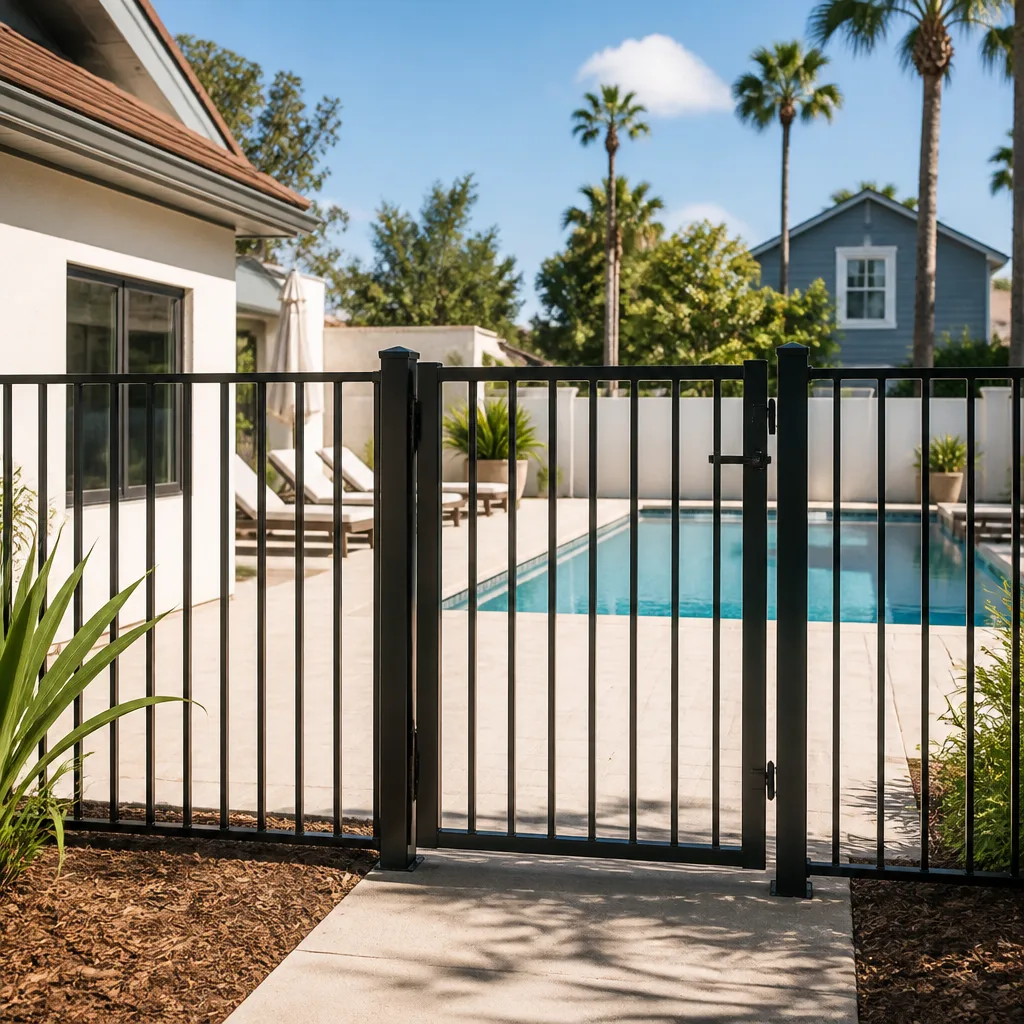
Wrought iron and tubular steel last 25 to 40 years with occasional re-paint, and they’re the material of choice for front-yard and corner-lot fencing in Lewisville because they preserve sight lines and meet the openness requirements that solid wood doesn’t. Powder-coated finishes resist our climate better than older painted styles. The trade-off is privacy, of course – metal fencing keeps in a dog without hiding the yard.
Composite
Composite fencing has improved significantly, and in North Texas heat it resists fading and rot better than it did a decade ago. Lifespan runs 20 to 30 years with minimal care beyond an annual cleaning. It costs more upfront than cedar, and the lower grades can become chalky in extreme heat, so specifying a brand rated for high solar exposure matters. For a homeowner who wants to install once and forget it, composite works well in Lewisville, provided the installer treats post depth as seriously as with any other material.
The takeaway isn’t which material is “best” – it’s that all four work in Lewisville if the grade and post installation are correct. Cheap materials with bad foundations fail here faster than average materials done right.
How HOA Approval Timelines Work in Lewisville Communities
If your home sits inside an HOA – and a substantial share of Lewisville’s residential neighborhoods, especially the newer subdivisions along the southern and eastern edges of the city, do – a fence project is a two-approval job. The city permit is one. The HOA architectural review is the other, and it often runs longer. HOA fence approval covers height, material, color, and sometimes the specific style, down to whether the finished side faces the street or the neighbor.
The timeline varies significantly by association. A well-organized board reviewing an application at a monthly meeting might take 3 to 6 weeks. Boards that meet quarterly, or that require a full architectural committee review, can stretch a project to 2 or 3 months. Starting the contractor conversation before HOA approval is signed and in hand is how homeowners waste money – ordering materials, scheduling crew time, and paying deposits on a project the HOA then modifies or rejects.
The sequence that saves you money in Lewisville:
- Read your HOA’s architectural guidelines for fence specifics before shopping any contractor
- Submit the HOA application with the material, height, color, and style you intend to install
- Get written approval in hand – verbal approval from a board member means nothing at the next meeting
- Then pull the city permit and order materials
Hand that written HOA approval to your contractor. A good installer will use it to lock the material spec before a single board is cut, and the whole project moves faster when both approvals are already settled. If you need a pro who’s coordinated HOA and city approvals before, that’s the conversation to have early.
What Does Fence Installation Cost in Lewisville?
Fence installation in Lewisville typically runs $22 to $55 per linear foot installed, depending on material, height, and site conditions – so a 150-foot backyard fence lands somewhere between $3,300 and $8,250. The range is wide because a straight, level, open run costs far less than one that climbs a grade, wraps a tree, or needs gate hardware. Here’s how the line items break down.
- Cedar privacy fence (6 ft): $28 – $45 per linear foot installed
- Vinyl privacy fence (6 ft): $32 – $55 per linear foot installed
- Wrought iron (4 ft): $35 – $60 per linear foot installed
- Composite fence (6 ft): $38 – $65 per linear foot installed
- Removal and disposal of old fence: $3 – $8 per linear foot
- Custom gate (single, walk-through): $200 – $500 installed
- Double drive gate (per opening): $500 – $1,200 installed
- Stain and seal (cedar): $1 – $2 per linear foot
Two Lewisville-specific factors push cost: post setting in our expansive clay can require deeper footings and more concrete, and any project needing a boundary survey adds a few hundred dollars up front. Both are worth it. A fence built on deep, properly concreted footings will outlast a cheaper one by a decade.
The right way to price any fence project is with a written, line-item quote that shows post spacing, footing depth, material grade, gate hardware, and disposal. That’s the only way to compare two bids on the same job. Groundwork Construction Co. of Lewisville works from upfront pricing where the number on the quote is the number you pay, and our 730-Day Done Right Promise backs the workmanship for two years – if it’s not done right, we make it right. Call (844) 560-4467 for a free estimate and design consultation.
What the Installation Process Looks Like, Step by Step
A proper fence install in Lewisville follows a fixed sequence, and every step in the order matters. Here’s the process we run, start to finish.
- Survey and line confirmation. The plat is reviewed, the fence line is marked, and setback compliance is confirmed.
- 811 utility locate. Filed two business days ahead, flags confirmed before any digging.
- Old fence removal and disposal. Posts are pulled, concrete is removed, and the site is cleared – not just knocked down and left.
- Post layout and hole digging. Post spacing is set to the material’s spec – typically 8 feet for wood, 6 to 8 feet for vinyl and composite – and holes go down below the frost-depth line.
- Post setting in concrete. Posts are plumbed, braced, and set in concrete with enough depth for our clay soil. Cure time matters before any weight is hung.
- Rails, pickets, and panels. Installed plumb and level, with the finished side oriented per HOA requirement.
- Gates and hardware. Hinges, latches, and self-closing hardware are installed and adjusted for smooth operation.
- Final inspection and cleanup. The site is walked with the homeowner, and city inspection closes out the permit.
Most residential fence projects run 2 to 4 days depending on length and site conditions. A crew that shows up with a clear plan, uniformed technicians, and a marked schedule is a sign the job is being run properly. One that’s improvising post spacing and footing depth on your lot is the crew that will call you back in three years. Groundwork’s technicians are background-checked and arrive in uniform, and our calls are answered by a live person, 24/7 – no voicemail black holes, no waiting until Monday morning.
How to Keep a North Texas Fence Standing for Decades
Fence longevity in Lewisville is mostly about two things: moisture management and post integrity. A fence that stays dry and has well-drained footings lasts decades. One that sits in standing water or has posts set too shallow starts leaning within a couple of seasons. Here’s the maintenance routine that keeps a fence functional through our heat and clay.
- Stain or seal cedar every 2 to 3 years – UV exposure is brutal here, and the seal is what keeps the wood from graying and checking
- Wash vinyl and composite once a year with a garden hose and mild soap – not a pressure washer on high, which can force water behind panels
- Check post footing drainage each spring – if water pools at the base of a post, the footing is compromised or the grade needs correcting
- Inspect after every freeze – expansion and heave can loosen hardware and open gate alignment; a quick walk catches issues early
- Re-tighten gate hardware and hinges annually – gates are the first failure point on any fence
Post failure is the most common long-term issue we see in Lewisville, and it’s almost always a footing problem, not a wood-quality problem. If a post is rocking or the fence is leaning, get it addressed before the leaning run drags down neighbors. Repairing one failed post beats replacing six panels.
Common Mistakes to Avoid
- Building to a neighbor’s fence line instead of a survey. A few inches over the property line can mean a full rebuild after a title survey, and it happens most in older Lewisville neighborhoods where lot lines are irregular.
- Skipping the 811 call. Hitting a buried utility line during post digging is a financial and safety liability that often lands on the property owner, not the installer. The locate is free – always call.
- Ordering materials before HOA approval. A rejected color or style after materials are delivered means storage costs, return fees, or a modified build.
- Ignoring corner-lot sight-line requirements. A tall solid fence running to the corner property line in Lewisville is one of the most commonly cited violations, and it has to come down.
- Setting posts too shallow for clay soil. Our expansive clay shifts with moisture, and a post set short of the required depth heaves or leans within two seasons.
- Buying cheap vinyl for a high-sun exposure. Lower-grade vinyl becomes brittle and can crack under Lewisville’s summer heat – the material savings vanish in the first decade.
- Accepting a one-line bid with no breakdown. A quote without post spacing, footing depth, material grade, and disposal line items isn’t a quote – it’s an estimate that will move upward mid-job.
See the difference
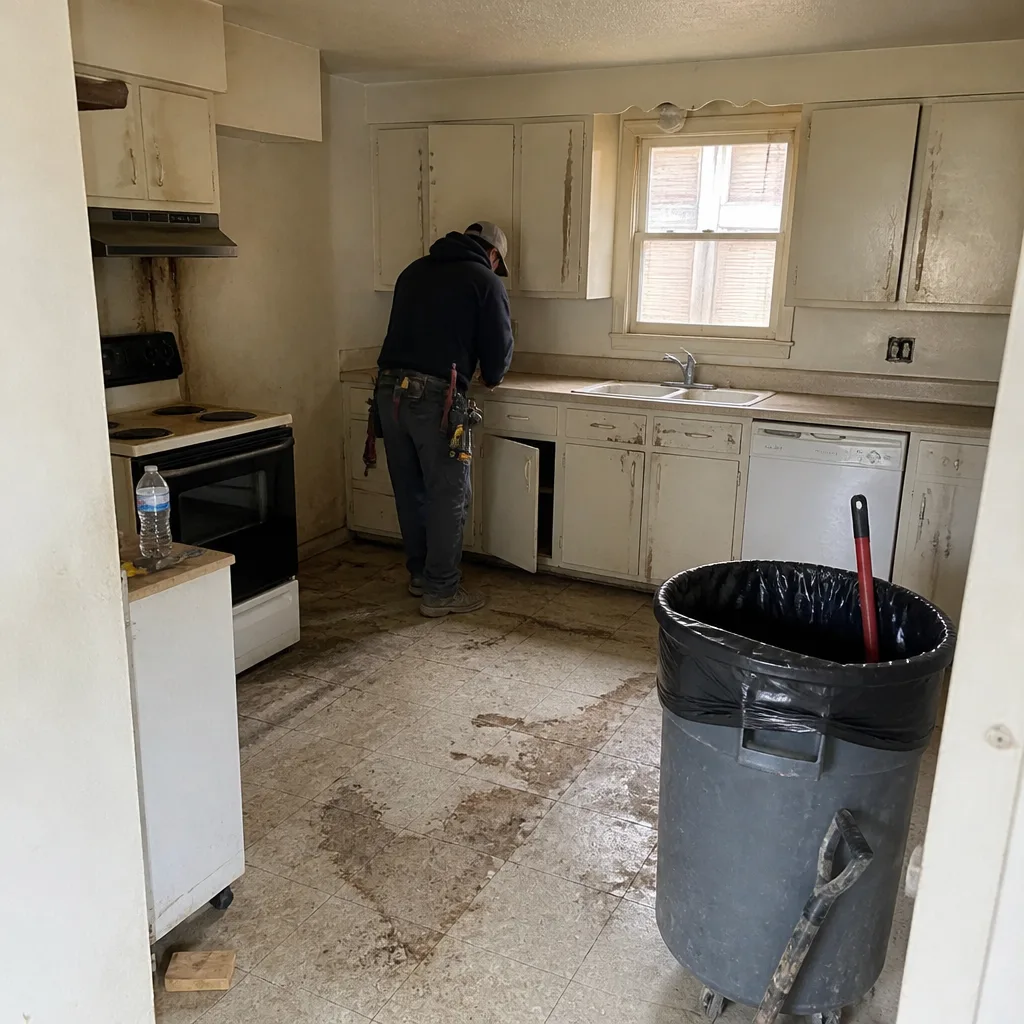 Before
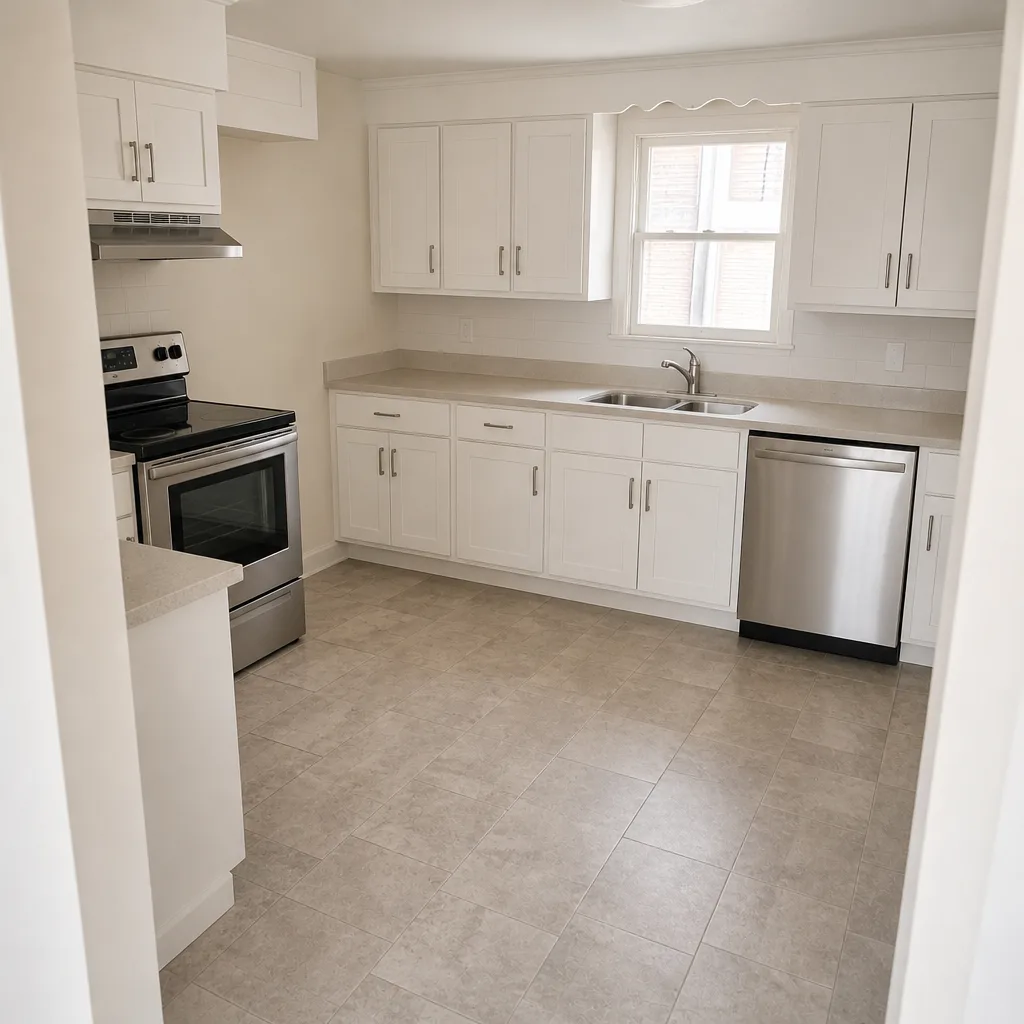 After
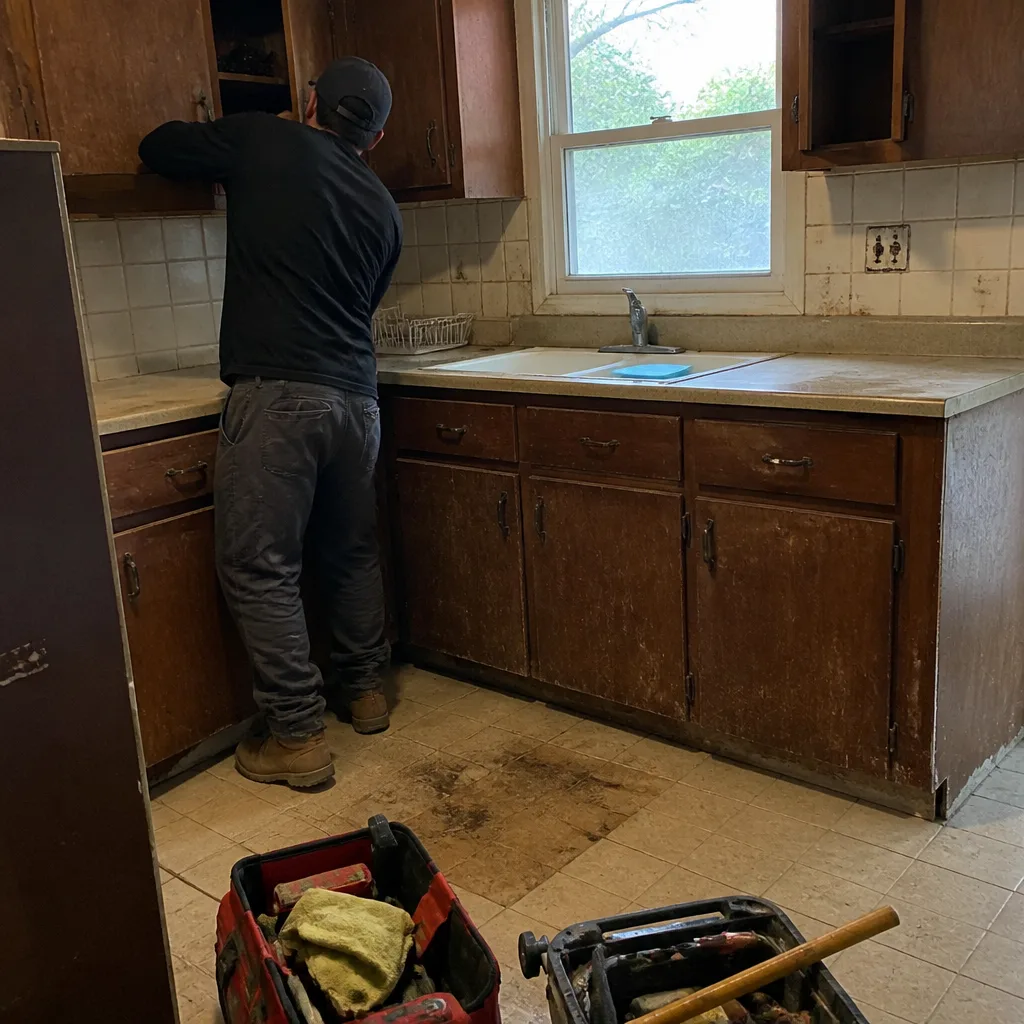 Before
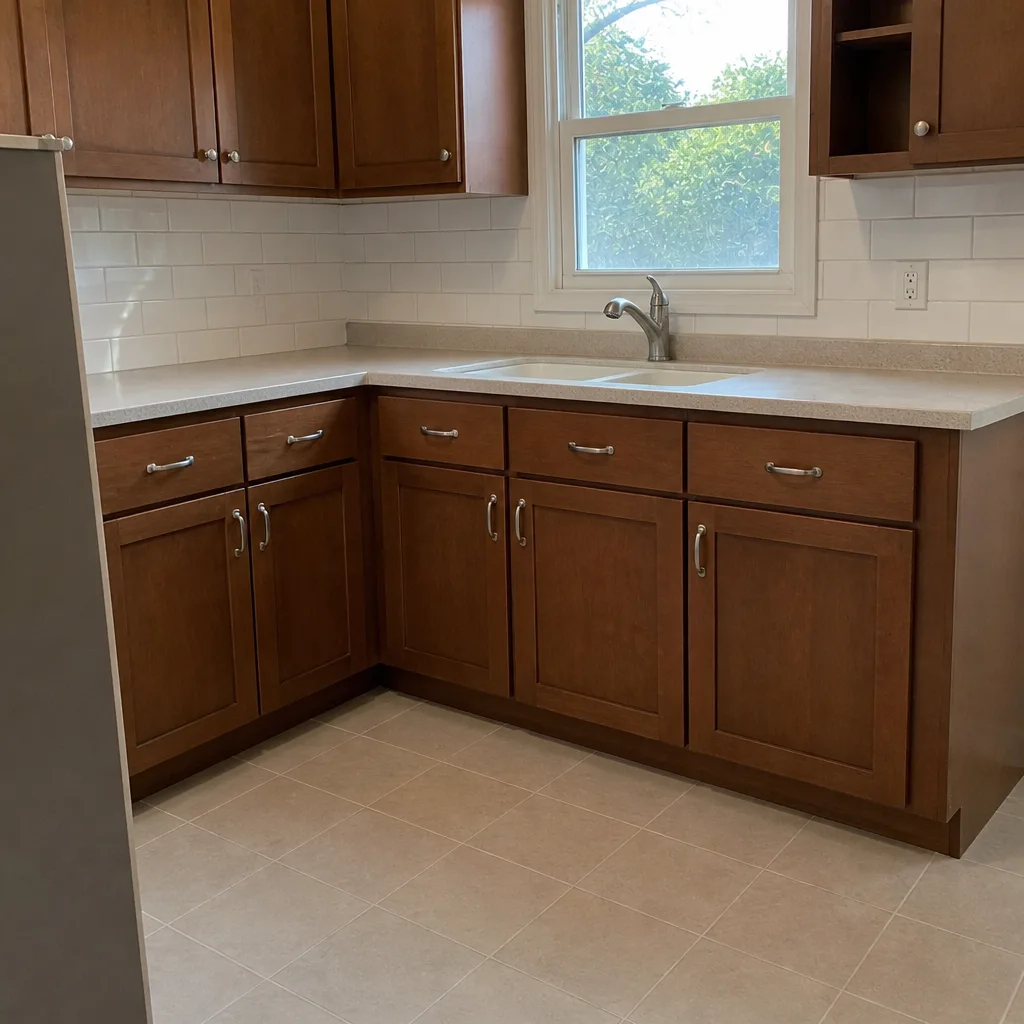 After
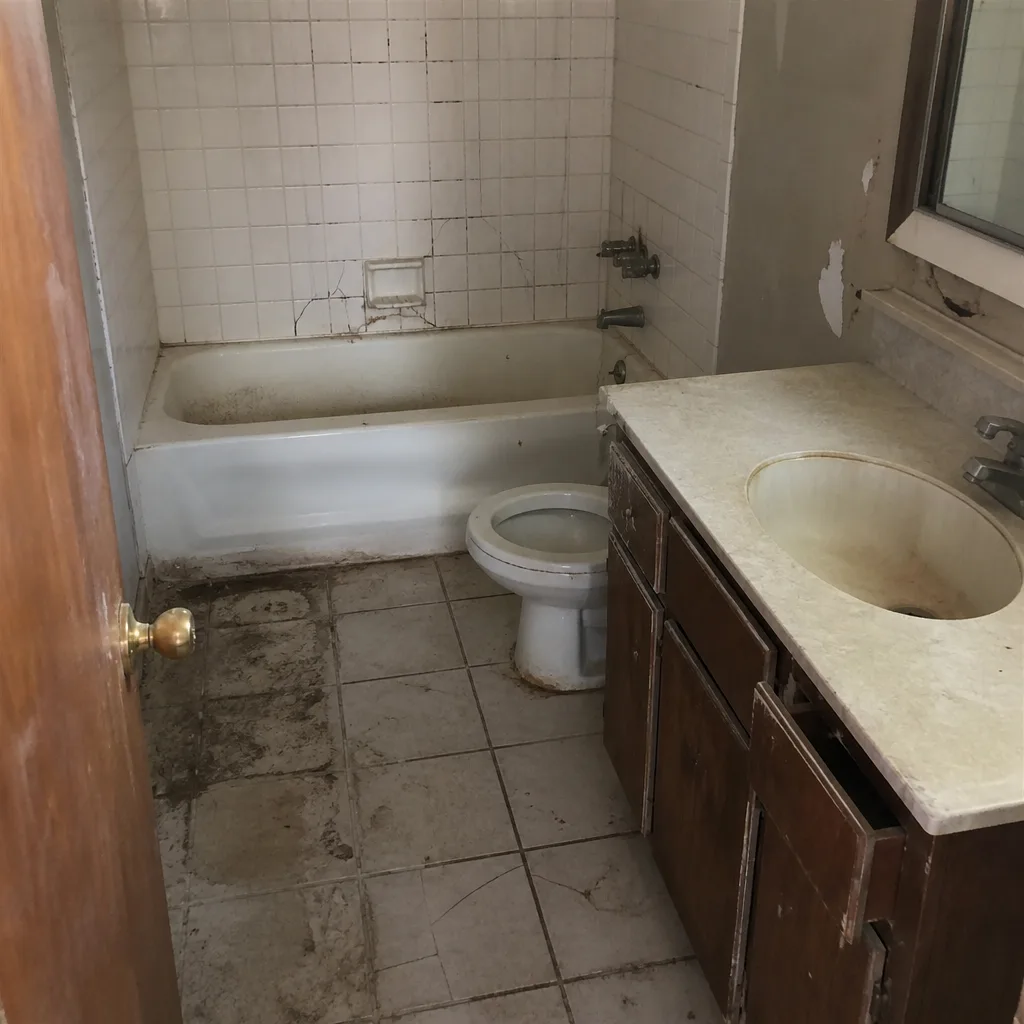 Before
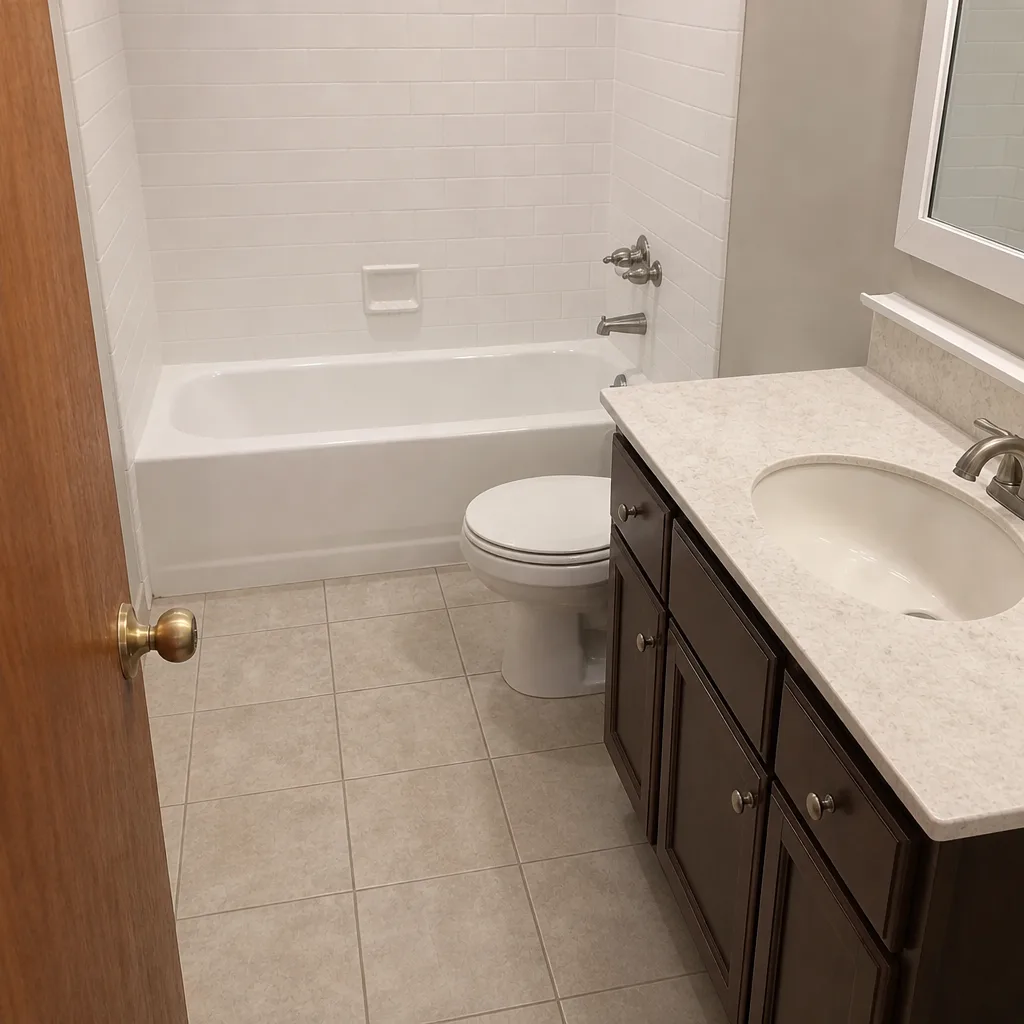 After
When to Call a Professional
Some fence work is straightforward enough for a capable homeowner – touching up stain, re-tightening a gate hinge, replacing a single picket. But the moment a project involves new posts in the ground, a property line in question, a corner lot, an HOA review, or a permit requirement, calling a professional pays for itself. A pro will confirm the property line, file the 811 ticket, pull the Lewisville permit, set footings to the correct depth for our clay soil, and coordinate HOA paperwork before materials are ordered. The liability exposure alone – a severed utility line or a fence built across a property line – is more than a homeowner should carry on a weekend project. Groundwork Construction Co. of Lewisville offers free estimates in Lewisville – call (844) 560-4467 to schedule yours.
Frequently Asked Questions
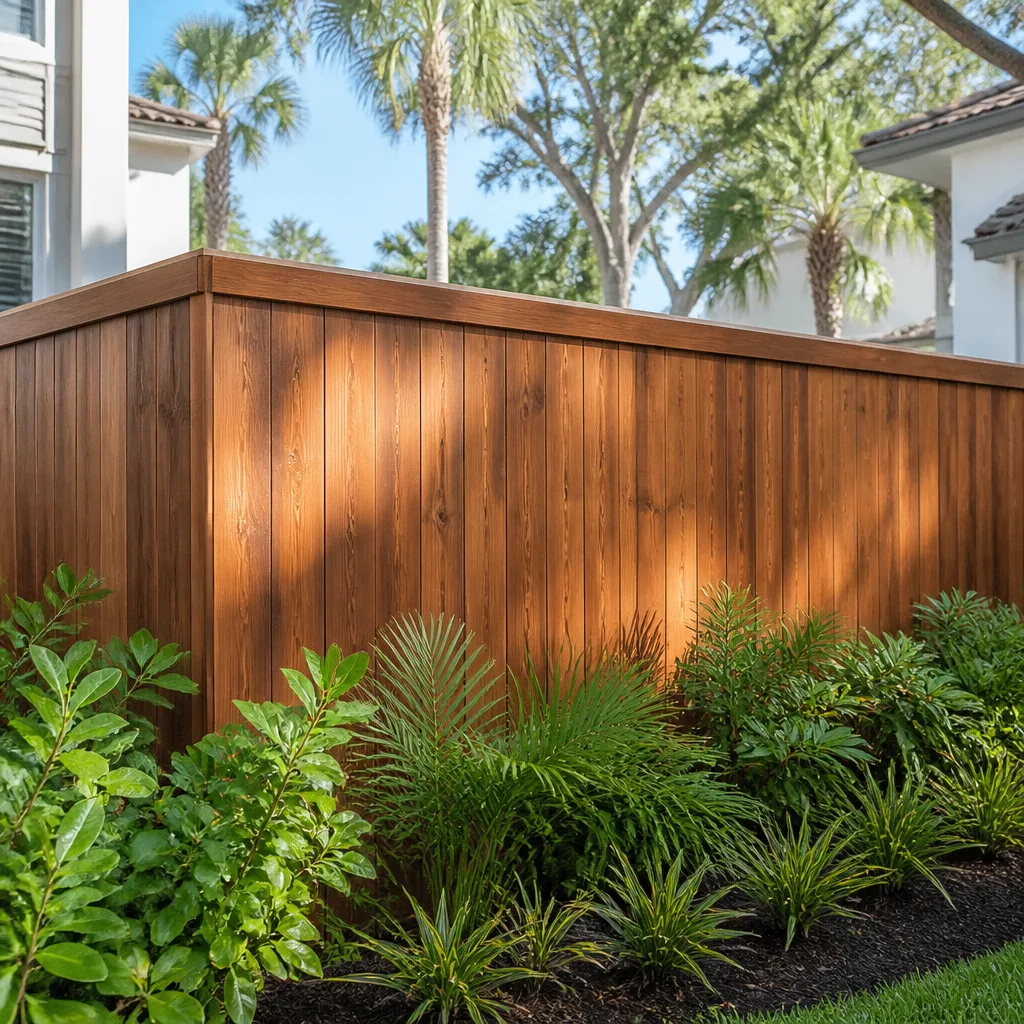
Fence installation in Lewisville typically runs $22 to $55 per linear foot installed, with cedar at the lower end of that range and composite or wrought iron at the upper end. A standard 150-foot cedar privacy fence usually lands between $4,200 and $6,750, plus any survey or removal costs. Call (844) 560-4467 for an exact quote on your property – estimates are free.
Yes – Lewisville requires a residential fence permit for new fence construction, and Lewisville enforces it more actively than most DFW suburbs. The application typically needs height, material, and a plot plan showing the proposed line, and inspection closes out the job. Always confirm current requirements with the city’s development services department before ordering materials.
Lewisville’s height limits depend on where the fence sits. Rear and side-yard fences behind the front building line generally allow up to 8 feet, while front-yard fencing and corner-lot side-yard fencing near the corner are held to a lower limit – often 4 feet for solid material. Confirm the specific rule for your lot’s zone before building.
The property owner is typically held responsible for underground utilities being properly located before excavation, which is why the 811 call belongs on the homeowner’s checklist. Texas law requires a locate call at least two business days before digging, and the service is free. Call 811, wait for the flags, and share the locate ticket with your contractor before any post goes in.
Most residential fence projects in Lewisville take 2 to 4 days from start to finish, depending on length, terrain, and whether an old fence needs removal. The 811 wait time and any HOA approval period sit ahead of that. Weather and grade changes can extend the schedule – a straight, level run goes faster than one that climbs our clay slopes.
Yes, if your neighborhood has an HOA with architectural review authority, you’ll need written approval before installation begins. HOA timelines in Lewisville communities typically run 3 to 6 weeks, but can stretch to 2 or 3 months for quarterly-meeting boards. Get written approval in hand before paying a deposit or ordering materials.
The Bottom Line
The success of a fence project in Lewisville is decided in planning, not during installation. Confirm the property line with a survey plat. Read the city ordinance and your HOA covenants, and get written HOA approval before you spend anything. Call 811 and let the flags go in before the posts do. Choose a material rated for North Texas heat and clay, and insist on footings deep enough for our soil. Then hire a contractor who puts all that in writing with a line-item quote and a workmanship guarantee. Groundwork Construction Co. of Lewisville builds with that discipline on every job – 730-Day Done Right Promise, upfront pricing with no surprises, and a free estimate to start. Call (844) 560-4467 and let’s get your fence line right the first time.
Written by the team at Groundwork Construction Co. of Lewisville.