Last updated November 18, 2026






Free written scope consultation - allowances, timeline, and change-order rules on paper before a single trade is scheduled
Fence Installation Maintenance Schedule: What to Do and When
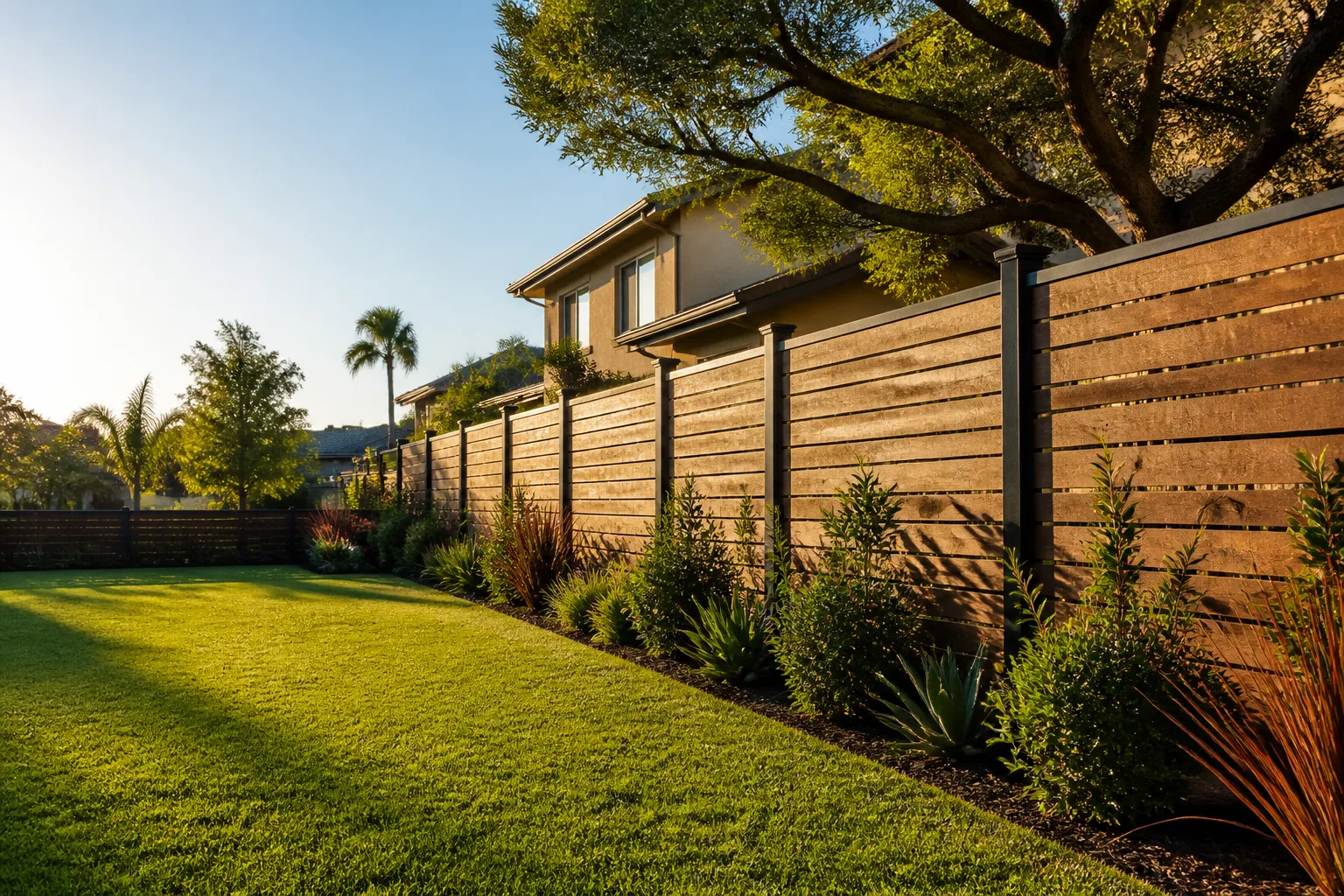
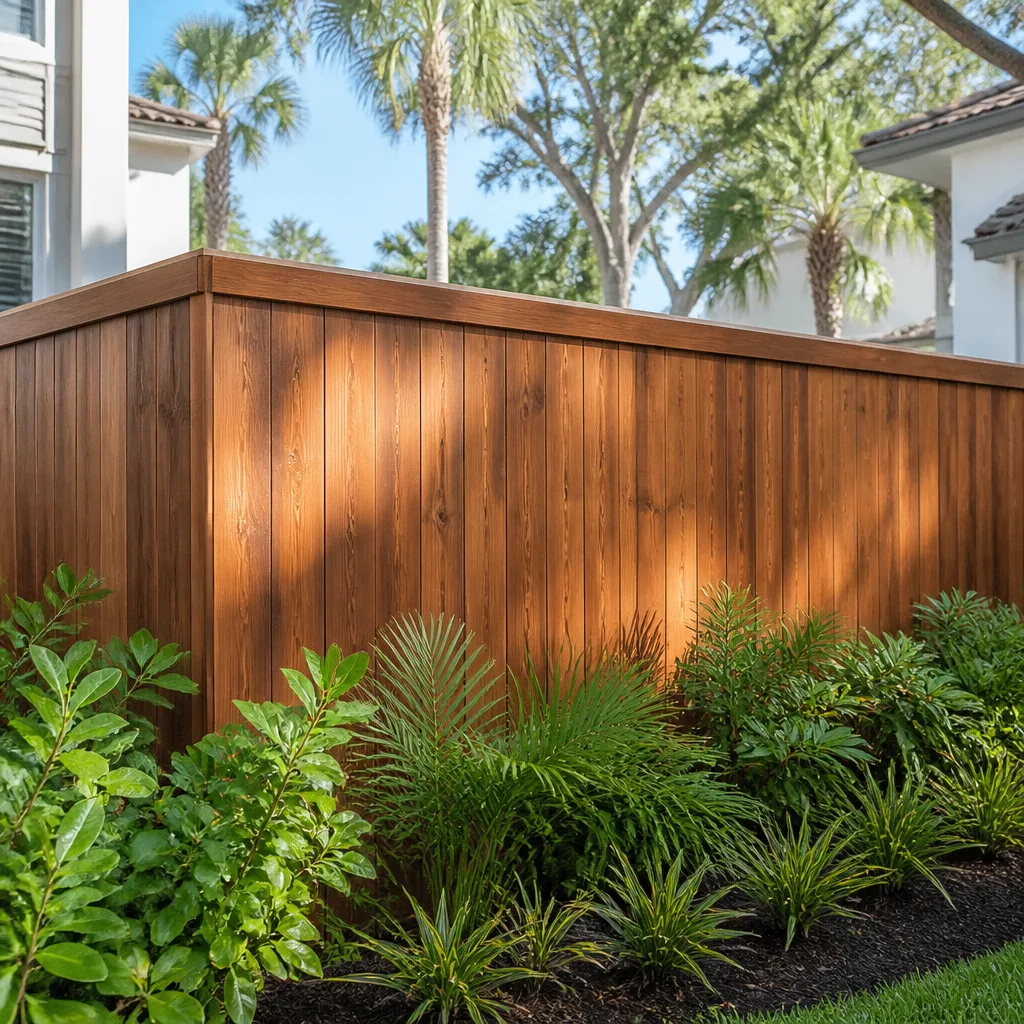
The number one killer of cedar fences in Texas isn’t rot. It’s the combination of intense UV degradation and unprotected end grain at the soil line, both of which are completely preventable if you treat the right spots at the right time of year. A cedar board that bakes in full summer sun and soaks up ground moisture at its base will check, gray, and soften years before its time, while the same board on a simple annual routine can last two decades. What follows is the exact schedule we use on fences across Lewisville: month by month, product by product, with the two-hour fall maintenance window that does more for a wood fence than anything else you’ll do all year.
Quick Answer
Stain or seal a wood fence in North Texas in October, not spring. Clean it first (a light wash and 48 hours to dry), seal every cut end and the exposed end grain at the soil line, and refinish on a two-to-three year cycle for stain or a yearly touch-up for clear sealer. Vinyl needs a wash once or twice a year, wrought iron needs a rust check and repaint roughly every five years, and wood is the material that rewards attention the most.
Styles & brands we work with
- Kitchen remodeling
- Bathroom remodeling
- Home additions & ADU
- Roofing
- Windows & doors
- Driveway & pavers
- Fence
Table of Contents
- Why Wood Fences Fail in North Texas
- Why October Is the Right Month to Stain or Seal
- The End-Grain Step Nobody Tells You About
- The Full Seasonal Maintenance Calendar
- Post-Storm Inspection Checklist for North Texas
- Treating the Soil Line Without Damaging the Post
- Five-Year Refinishing Timelines by Material
- Budgeting Fence Maintenance in Lewisville
Why Wood Fences Fail in North Texas
Cedar is a tough, naturally rot-resistant wood, and it still loses to North Texas. The problem is that our climate attacks it from two directions at once. Above ground, the summer UV index around Lewisville runs high for months, and ultraviolet light breaks down lignin in the wood fiber. That’s the graying and the fuzzy surface you see on an untreated fence. Below ground and right at grade, the story flips: humidity, irrigation overspray, and heavy clay soil hold moisture against the base of each post for long stretches.
Then there’s the clay. Lewisville sits on expansive clay soils that swell when wet and shrink when dry. Every wet winter and dry summer works the ground around your posts, opening tiny gaps at the soil line where water pools and decay organisms get a foothold. A fence that looks fine at eye level can be soft an inch below the surface after a few cycles of that.
What actually shortens a fence’s life, in rough order of impact:
- UV degradation of the sun-facing boards, which dries and checks the surface and lets water into the grain.
- Unprotected end grain, especially where posts meet soil and where rails are cut, which wicks water deep into the wood.
- Clay soil movement that rocks posts loose and opens gaps at grade.
- Deferred maintenance, where a small loose picket or a failing sealer goes unnoticed for a season or two.
None of that is exotic. All of it is manageable. If you’re evaluating a fence that’s already showing its age, our guide to Fence Installation in Lewisville covers what a replacement involves, because at some point repair stops penciling out. For most fences still standing solid, though, the routine below is the cheaper path by a wide margin.
Why October Is the Right Month to Stain or Seal
Most homeowners seal their fence in spring, and in North Texas that’s working against the product. October gives you the combination that sealer and stain manufacturers actually want: moderate temperatures, lower humidity, and a break in the brutal UV curve before the wood goes into winter dormancy.
Here’s the reasoning, in plain terms:
- Temperature range. Most exterior wood finishes want to go on between roughly 50°F and 80°F. October in Lewisville delivers that window reliably. July and August push past 95°F, which shortens working time, causes the product to skin over before it penetrates, and can leave lap marks.
- UV exposure is falling, not peaking. You want protection in place before the wood’s most stressed months, not applied in the middle of them. Sealing in October means the film cures and sets through mild weather so it’s fully bonded when next summer’s sun hits.
- Lower humidity after the late-summer sweat. The wood dries more consistently in fall, and moisture trapped under fresh sealer is one of the top causes of peeling.
- You beat the winter wet. Fall sealing means the fence is protected before the rains and the January-February freeze-thaw cycles arrive.
Spring sealing isn’t useless, but you’re fighting rising heat and you’re often applying to wood that’s still holding winter moisture. If you miss October, a mild late-March window works as a fallback. In our experience across Lewisville, the fall application simply holds up better, and we plan fence work with that in mind. If you’re building new, timing the build so the wood has time to dry before October gives you the cleanest sealing window of the year.
The End-Grain Step Nobody Tells You About
This is the one that separates a fence that lasts from a fence that doesn’t, and it’s the step most homeowners never hear about. End grain is the exposed cross-section of a board, like the top of a cut post or the cut end of a rail. Think of it as a bundle of drinking straws. Water doesn’t just sit on end grain, it wicks straight down into the wood through those open tubes. A board sealed perfectly on its face but left bare on the end will absorb water from the end anyway and rot from the inside out.
Skipping end-grain protection at the soil line routinely cuts post lifespan by three to five years. The post is the whole fence’s foundation, so when the posts go, the panels follow, even if the boards still look decent.
What we do, and what we’d tell a neighbor to do:
- Identify every exposed cut end: the tops of posts, the cut ends of horizontal rails where they meet posts, and any picket ends that were trimmed on site.
- Check the base of each post where it meets the soil. If there’s a visible gap or the wood feels soft, address that before sealing anything.
- Apply a penetrating end-grain sealer or a wax-based end sealer to those cut surfaces, ideally at the time of the cut when the wood is fresh, and again at every refinishing cycle. For the soil-line end grain, a liberal coat of the same penetrating sealer you use on the fence body works, applied so it soaks in rather than puddles.
- Give the sealer a full 24 hours to cure before any rain is expected.
When a fence is being installed, this is the moment to get it right, because end grain is most receptive to sealer right after it’s cut. A crew that skips it is saving ten minutes and costing you years. Our Groundwork Construction Co. of Lewisville home page lays out the full scope of what we do, and end-grain sealing is part of how we finish a fence right, not an add-on.
The Full Seasonal Maintenance Calendar
Here’s the year in a form you can put on the fridge or a phone reminder. Total time in a typical year: under two hours. Total cost in materials for a standard residential fence in Lewisville: usually under $100.
Spring (March through May)
- Walk the fence line and look for winter damage: popped pickets, loose rails, gapped posts, and any hardware that backed out through freeze-thaw.
- Wash the fence with a garden hose and a mild cleaner to strip pollen, dirt, and mildew. Skip the pressure washer on cedar; it fuzzes the grain.
- Check gates. Hinges and latches take the most abuse; a little lubricant on hinges goes a long way.
Summer (June through August)
- Light inspection only. This is when the wood is driest and most stressed; don’t apply finishes in high heat.
- Watch for sun-facing boards that are graying unevenly or checking hard, which tells you the prior sealer is wearing thin.
- Keep irrigation from spraying the fence. Overspray keeps the base wet and accelerates rot at grade.
Fall (September through November): the main event
- Clean the fence and let it dry 48 hours. Wood should be dry to the touch and to a moisture meter if you have one.
- Seal or stain in October, as above, when temperatures settle into the 50°F to 80°F range.
- Seal every cut end and the soil-line end grain (see the section above).
- Re-tighten hardware and re-check posts for movement before winter.
Winter (December through February)
- After any ice or snow melt, walk the line and check for split rails and heaved posts. North Texas freeze-thaw in January and February is the quiet destroyer of fence bases.
- Clear any leaf or debris buildup at the base of posts so water can drain.
- Confirm gates still swing freely; frozen or sagging hinges are a common winter complaint.
Post-Storm Inspection Checklist for North Texas
North Texas storms come in a few distinct flavors, and each one leaves its own fingerprints on a fence. A hail event looks different from a straight-line wind event, which looks different from an ice cycle. Here’s what to check after each.
After hail
- Look for fresh dings and dents in vinyl panels and posts. Vinyl cracks over time where it’s been struck, so photograph any damage right away.
- Check wood for chipped or splintered surfaces and re-seal any exposed wood where the finish was knocked off.
- Inspect metal gates and hardware for bent latches.
After high wind
- Check for leaning panels and popped pickets, especially on the windward face.
- Look at post bases for movement or new gaps at grade. A post that’s been rocked loose needs attention fast.
- Confirm rails are still seated in their brackets and hardware is tight.
After a freeze-thaw cycle
- Walk the base line looking for heaving: posts that lifted, gaps at grade, or soil that pulled away from the post face.
- Check for split boards caused by water freezing inside wood.
- Re-check gates, since frost heave often throws a gate latch out of alignment.
Our free estimate process includes a storm-damage walk-through, so if something looks questionable, call (844) 560-4467. We’d rather tell you it’s fine than have you guess.
Treating the Soil Line Without Damaging the Post
The soil line is where a wood fence lives or dies. It’s constantly wet then dry, which is the perfect petri dish for decay. The trick is slowing that down without trapping moisture or damaging the wood or the concrete footer.
What’s safe and effective:
- Penetrating sealer applied to the exposed end grain and the wood just above grade. It soaks in and repels water without forming a film that could trap moisture.
- Gravel or a clean, well-draining layer at the base so water doesn’t pool against the post. Keep it simple: a shallow, well-drained trench or a bit of gravel keeps the foot of the post out of standing water.
- A slight slope away from the post base so runoff moves away from the fence line.
What to avoid, because it accelerates degradation:
- Heavy concrete poured up around the post. Concrete traps water against the wood and can’t drain. The post rots right at the concrete line.
- Sealing the soil-line wood with a film-forming coating. Anything that traps moisture under a skin lets water in but not out, and the wood softens faster.
- Mulch piled high against the post. Piled mulch is a moisture sponge held right where you don’t want it.
- Fertilizer or chemicals applied directly around the post base. These can stress the wood and speed up degradation.
If a post already feels soft a couple of inches below grade, it’s past treating and needs replacing. When we quote a fence repair, we look hard at the soil line first, because that’s where the real condition of a fence shows. If you’re planning a larger outdoor project beside the fence, our team on Driveway & Pavers in Lewisville can coordinate the grading so water sheds away from both the driveway and the fence line.
Five-Year Refinishing Timelines by Material
Your maintenance budget depends heavily on the material you choose, so this is worth planning before you decide rather than after. Here’s how each common fence material behaves over a five-year span.
Wood (cedar or pine)
- Year 1: Build and seal, with end-grain protection at install. Coat with penetrating sealer or stain.
- Year 2: Light touch-up; assess whether a full recoat is needed.
- Year 3: Full clean and re-stain or re-seal.
- Year 4: Touch-up and hardware check.
- Year 5: Full recoat cycle again. Expect two to three full recoatings in five years.
Vinyl
- Years 1-5: Wash once or twice a year with mild soap and water. No sealing, no staining. Vinyl’s whole appeal is the low maintenance load, though it can get brittle or crack in extreme cold and hail, so annual visual checks still matter.
- Cost note: Higher upfront, lower ongoing.
Wrought iron and steel
- Years 1-2: Visual check for rust spots and touch them up promptly.
- Years 3-4: Spot rust treatment and touch-up paint.
- Year 5: Full repaint or rust-preventive coating cycle. Wrought iron lasts a long time but needs a periodic recoat to keep rust at bay.
Composite
- Years 1-5: Wash once or twice a year, check for fasteners coming loose, and keep organic debris off the surface. Composite avoids rot and bugs but still wants a quick clean and a fastener check annually.
The practical takeaway: wood needs the most attention but costs the least upfront, while vinyl and composite save labor over time but cost more to buy. If you’re weighing which way to go, the team at Fence Installation in Lewisville walks through the tradeoffs with real material options, and our project partners include the same top-tier brands we rely on across every trade, from James Hardie on siding to Belgard on hardscape.
Budgeting Fence Maintenance in Lewisville
Here’s the honest cost picture. A homeowner’s do-it-yourself annual routine usually runs under $100 in materials: a bottle of cleaner, a couple of gallons of stain or sealer depending on fence length, a few fasteners, and a tube of end sealer. A full professional clean and seal on a typical residential fence is a different number, and it depends on linear footage, condition, and whether repairs are needed first.
For planning purposes, a five-year wood fence maintenance budget usually lands in the low hundreds for a careful DIY routine, and more if you hire out the annual clean-and-seal. Compare that to a fence replacement and the math is not close: consistent maintenance that costs under two hours and under $100 a year is what doubles the fence’s service life. Skipping it shortens the life by half. That’s the entire argument for the calendar above.
When we quote fence work in Lewisville, we use no-hassle upfront pricing, so the number you see is the number you pay, with no surprise line items once the work starts. For larger projects, 0% financing for 18 months and $1,000 off projects over $10,000 make a bigger rebuild easier to absorb. And every project is covered by our 730-Day Done Right Promise: if it’s not done right, we make it right. That’s built to last, backed in writing.
Common Mistakes to Avoid
- Sealing in spring instead of fall. Spring heat and leftover winter moisture are working against the finish. October in North Texas is the right window, and most people miss it.
- Skipping end-grain sealing. It’s the single most expensive omission on a wood fence, and it routinely costs three to five years of post life.
- Pressure-washing cedar. It raises the grain and drives water into the wood, and the fuzzy surface that’s left takes stain unevenly.
- Trapping moisture at the base. Concrete hauled up around the post, or mulch piled against it, holds water exactly where decay starts.
- Sealing wood that’s still wet. Applying finish to damp wood traps moisture under the film and sets up peeling and rot instead of preventing it.
- Ignoring small storm damage. A popped picket or a loose rail left alone through a freeze-thaw winter turns into a leaning panel by spring.
- Assuming vinyl needs zero attention. It needs far less than wood, but a cracked panel in the Texas sun or a post shifted by clay movement still needs a look once a year.
See the difference
 Before
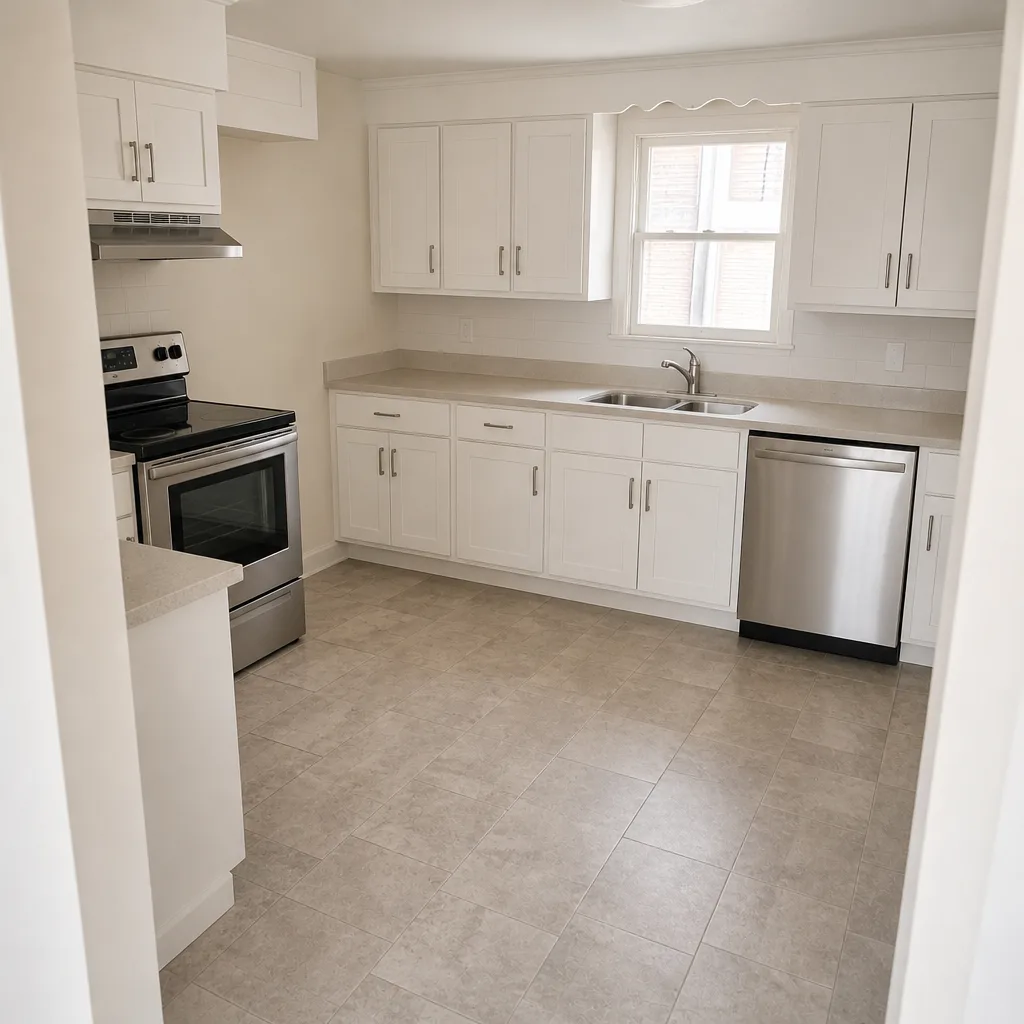 After
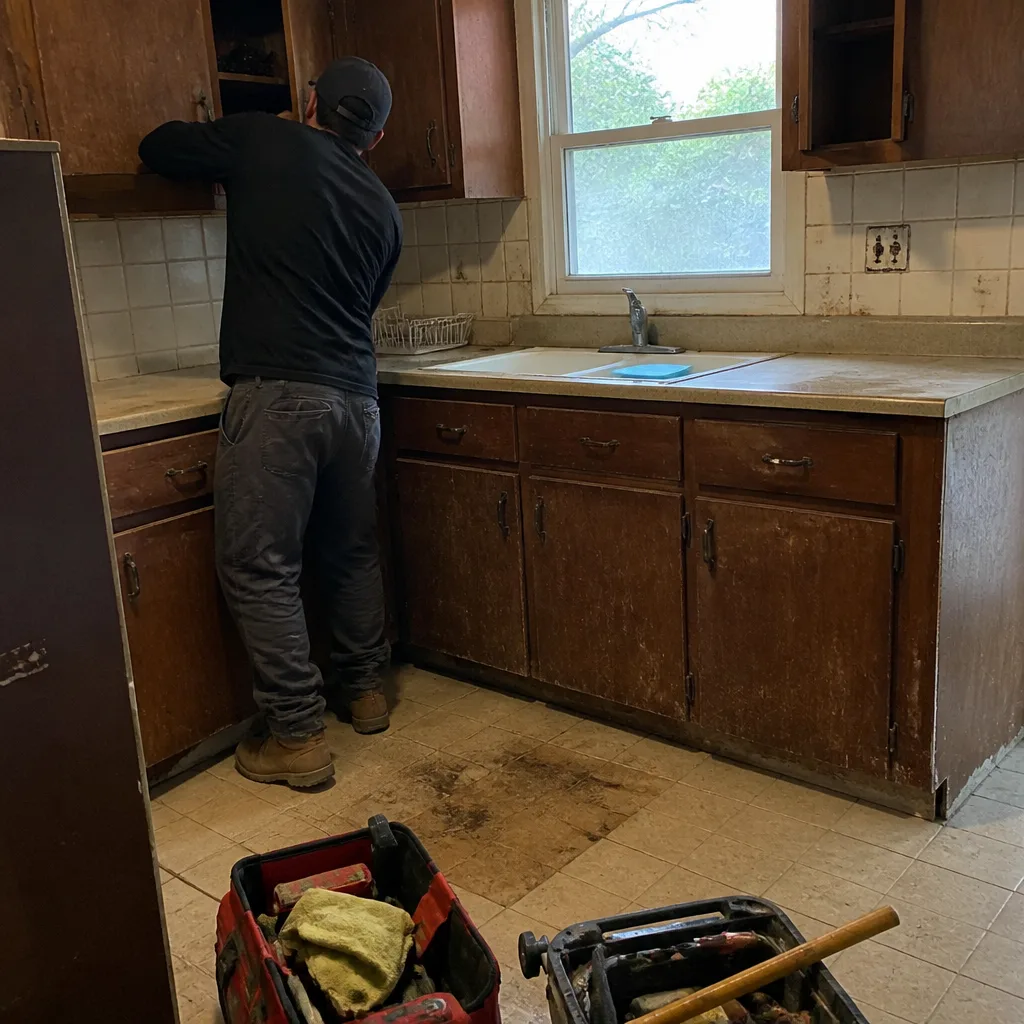 Before
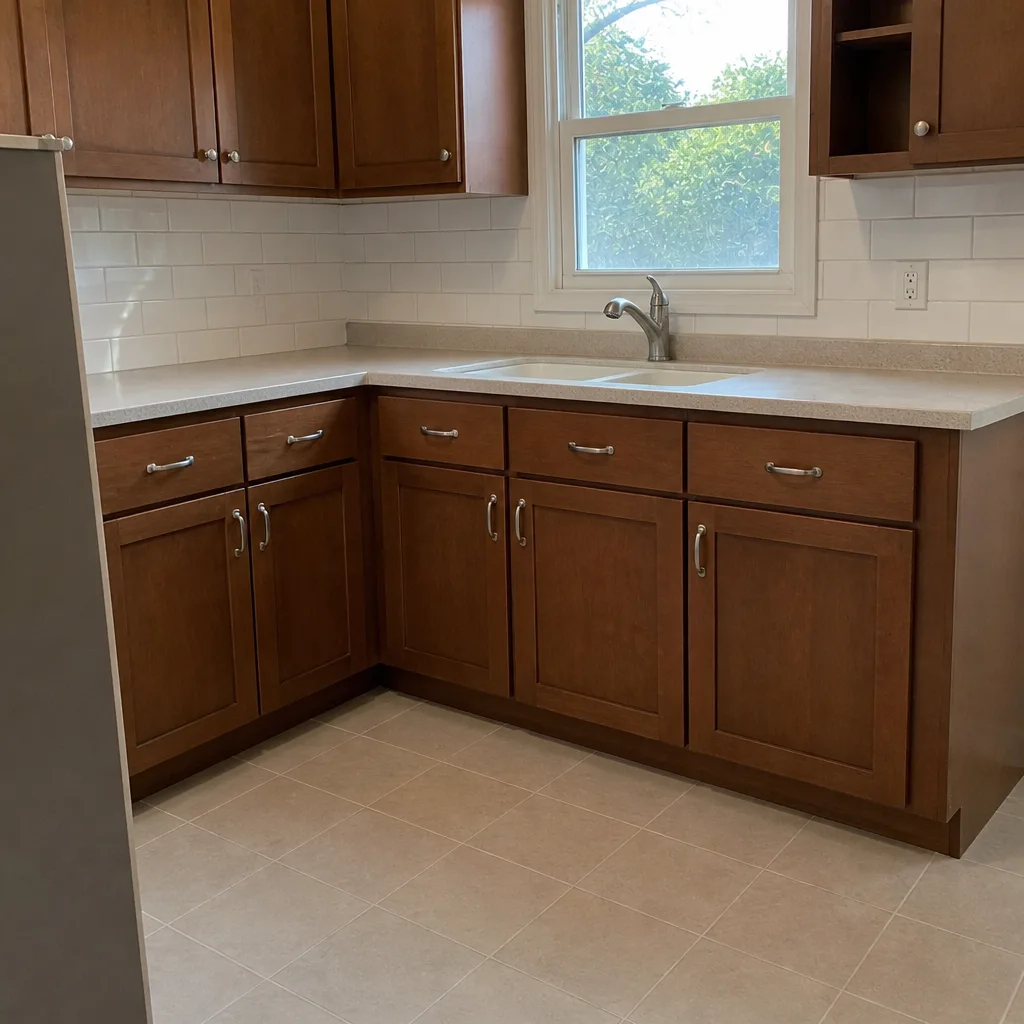 After
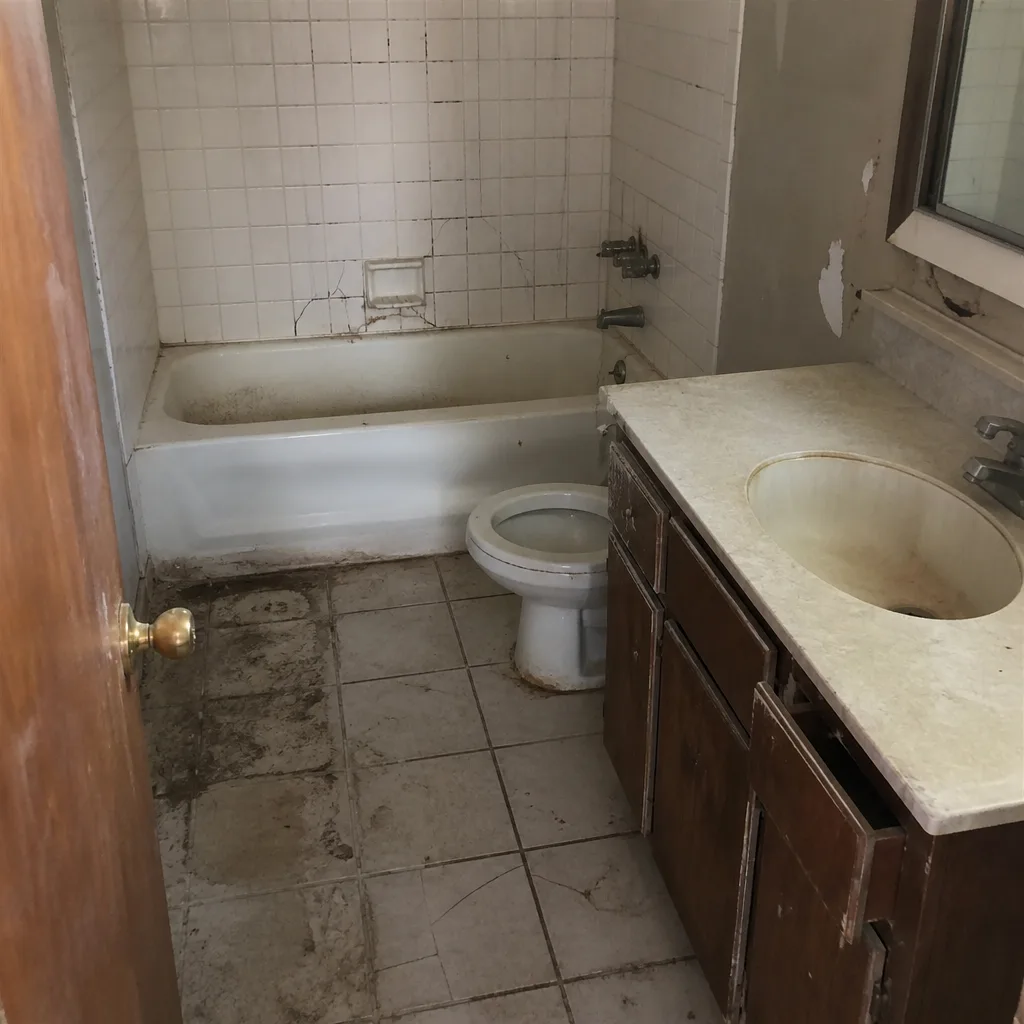 Before
 After
When to Call a Professional
Some fence work is routine and some is genuinely structural, and the line between them matters. Call a professional when posts are soft below the soil line, when the base line has heaved or shifted after winter, when a fence is leaning and the posts themselves are moving, or when storm damage goes beyond a single picket and a loose rail. Call us too if a project is bigger than a maintenance touch-up: a full rebuild, a new fence, or a fence that has to be coordinated with a grading or hardscape job. Groundwork Construction Co. of Lewisville offers free estimates in Lewisville, so there’s no reason to guess at the scope or the cost on your own. Our technicians have up to 12 years of experience with Texas fence conditions, and every job is background-checked and stands behind our 730-Day Done Right Promise. We pull the right permits where required and stand behind the work, and homeowners in Lewisville can count on a straight, written quote before anything starts.
Frequently Asked Questions
You should stain or seal a wood fence in Lewisville in October, when temperatures settle into the 50°F to 80°F range, humidity drops, and the sun’s UV is easing off. Spring works as a fallback if you miss the fall window, but you’ll be applying a finish into rising heat and often to wood still holding winter moisture. Call (844) 560-4467 for an exact quote on a professional clean-and-seal, with free estimates and upfront pricing.
A wood fence should be cleaned and re-sealed every two to three years for stain or seal, with a light touch-up in between, and end grain treated every cycle. Annual attention in the form of a quick walk-and-check keeps small issues from becoming expensive ones. Skip it and the fence’s life drops by roughly half; a routine under two hours a year and under $100 in materials typically doubles the lifespan.
Vinyl and composite are the lowest-effort to maintain, with a wash once or twice a year and no sealing. Wrought iron needs roughly one rust check and recoat every few years. Wood has the most attention but the lowest upfront cost, and consistent maintenance makes it the best value over a long horizon. In our experience, most Lewisville homeowners find the wood-plus-annual-routine math works out best.
Yes: walk the fence line and look for wind damage, hail dents, and freeze-thaw movement at the posts. Check leaning panels, popped pickets, and new gaps at grade, then check the gates, because frost heave and wind both throw gates out of alignment. If damage looks structural, call a professional. Call (844) 560-4467 and we’ll do a free walk-through.
Yes, we pull the required permits for the work we perform, and we build to the local requirements for the property. Fence rules vary by setback and height in the Lewisville area, so we confirm the specifics for your lot before the work starts. Call (844) 560-4467 and we’ll give you a written, itemized quote with the permit considerations spelled out, with no change orders mid-job.
Most residential fence installations are completed within a day or a few days, depending on linear footage, material, and site prep. Every job is covered by the 730-Day Done Right Promise, and we walk you through the finished work before we call it done. For a free estimate and design consult on a new fence in Lewisville, call (844) 560-4467. If the fence is part of a bigger project, such as a home addition or ADU that needs the fence line coordinated, our team on Home Additions & ADU in Lewisville can scope it together so nothing gets built twice.
The Bottom Line
A wood fence in North Texas survives on a simple routine, not on luck. Seal it in October, clean it first and let it dry, treat the end grain at the cut and at the soil line, and check it after every storm and freeze. Keep mulch and concrete from trapping moisture at the base, and don’t pressure-wash cedar. Do those things and you’ll spend under two hours and under $100 a year, and you’ll roughly double the fence’s service life. Vinyl and wrought iron ask for less, wood gives you the most value if you stay on it. It’s a two-hour job once a year, and it’s the whole game.
Call (844) 560-4467 for a free estimate on fence installation, repair, or a maintenance walk-through in Lewisville. We answer with a live person, 24/7, and every project comes with upfront pricing and our 730-Day Done Right Promise, so what you schedule is what you get.
Written by the team at Groundwork Construction Co. of Lewisville.