Last updated November 18, 2026


Free written scope consultation - allowances, timeline, and change-order rules on paper before a single trade is scheduled
Fence Installation Warning Signs Every Homeowner Should Know
A fence that looks perfect on day one can be leaning by spring. We’ve walked up on plenty of jobs in Lewisville where the finished product looked clean from the street, and then the first north Texas windstorm came through and three sections were on the ground. The failure wasn’t a mystery. The post holes were too shallow, the concrete was poured like soup, and the gate was hung crooked from the start. We’re writing this to help you build in the Lewisville area without getting burned, and if you’re comparing contractors, we want you to know exactly what to watch for while the work is happening, not after. This guide covers the warning signs, the specs that matter, and how to tell normal settling from a fence that’s heading for trouble.
Quick Answer
The biggest fence installation red flags are shallow post holes (under one-third of the post height, with no adjustment for Lewisville’s expansive clay soil), concrete poured too wet or too fast, gates hung out of plumb, skipped 811 utility locates, and contractors who pressure you to skip permits. Any one of these during installation is a sign the fence will move, lean, or fail within a season or two, and the 730-Day Done Right Promise exists precisely because those shortcuts shouldn’t be the homeowner’s problem.
Styles & brands we work with
- Kitchen remodeling
- Bathroom remodeling
- Home additions & ADU
- Roofing
- Windows & doors
- Driveway & pavers
- Fence
Table of Contents
- Post Depth: The Most Abused Spec in Residential Fencing
- How to Spot a Rushed Concrete Pour
- Gates Hung Out of Plumb Get Worse, Not Better
- Skipped 811 Calls and Permits: The Insurance Problem
- Why Lewisville Soil Changes the Rules
- Normal Settling vs. Structural Movement in the First 90 Days
- Material Warning Signs: Gauge, Coating, and Finish
- Common Mistakes to Avoid
- When to Call a Professional
- Frequently Asked Questions
Post Depth: The Most Abused Spec in Residential Fencing
Here’s the number that matters most: a fence post should be buried at least one-third of its total above-ground height. A 6-foot privacy fence in Lewisville calls for a hole at least 2 feet deep, ideally 24 to 30 inches once you account for the frost line and soil swing we get here. That’s the minimum. In sandy or clay-heavy soil, deeper is better, and any contractor who tells you 18 inches is “plenty for a residential fence” is telling you something about the rest of their work.
The reason is load. A 6-foot post has a lot of leverage above grade. When a north Texas gust hits a solid privacy panel, the entire force transfers down through that post. A properly set post in a deep hole with good concrete resists that. A shallow post fights back with nothing but the top few inches of soil, which in Lewisville means expansive clay that swells with rain and shrinks in summer heat. That cycle alone can pop a shallow post loose within two years.
What to check during install:
- Ask for the number. Before any hole is dug, ask what post depth they’re setting and confirm it’s at least one-third of post height.
- Check one hole. If you can look at a dug hole before the post goes in, measure. It’s not being paranoid. It’s the single spec that determines whether the fence lasts three years or fifteen.
- Confirm the base. Gravel at the bottom of the hole for drainage keeps water from pooling around the post foot, which is the other failure mode besides shallow depth.
- Look at consistency. If they started deep on the corner posts and got shallower as they moved down the line (near the end of the day, near lunch), that’s a hurry signal.
In Lewisville, we’ve watched fences fail on properties near the Elm Fork drainage areas faster than on higher ground because the soil holds more water and the movement cycle is more aggressive. If your property sits on lower ground or has any drainage swale, the post depth conversation matters even more. It’s the kind of detail that belongs in a written estimate, not a verbal “don’t worry, we’ll set them deep enough.” We’re proud of the Fence Installation in Lewisville work we do, and we’ll always put the spec in writing before the first shovel hits dirt.
How to Spot a Rushed Concrete Pour
Concrete is not a thing that “sets” on its own. It cures through a chemical reaction that needs the right ratio of water to cement mix. When a crew adds extra water to make it flow faster or easier to pour, that’s a compromised batch. It’ll be weak, it’ll crack, and it’ll allow the post to rock over time. If you see a truck mixing bags in the bed by hand and shovel on a large job, or if the pour looks like wet soup rather than a thick consistency, you’ve got a problem.
The proper way is straightforward: pre-mixed concrete, correct water ratio per the bag instructions, poured around the post and tamped (not just dumped) to remove air pockets. It should be dense and packable. Ask the crew what they’re using. A professional will tell you without hesitation. A rushed crew will get vague.
Warning signs to note during the pour:
- Water pooling on top of the pour. If you can see a puddle sitting on the concrete, they added too much water or didn’t tamp it properly.
- Fast-fill without tamping. The crew should be working the concrete around the post with a tool, not just dumping bags.
- Pouring in the rain or into standing water in the hole. Both weaken the cure. If it’s raining and they’re still pouring, that’s a red flag.
- No crown. Good concrete work slopes slightly away from the post at the top so water runs off instead of pooling against the wood or metal. If the top is flat or concave, water will find its way down the post.
- Curing time ignored. Proper concrete needs time to cure before the fence panels go up. If they’re backfilling and building panels the same day that concrete was poured, some of that work is premature.
We use a proper mix with correct water ratios and tamping, and we crown every post top to shed water away. That’s not a marketing statement. It’s a construction spec. When you’re getting a free estimate, ask about the pour process. If you get a blank stare, call someone else. And if you’re also weighing other exterior upgrades, our team handles Driveway & Pavers in Lewisville with the same obsession over base prep, because the same principle applies: what’s underneath determines what’s above.
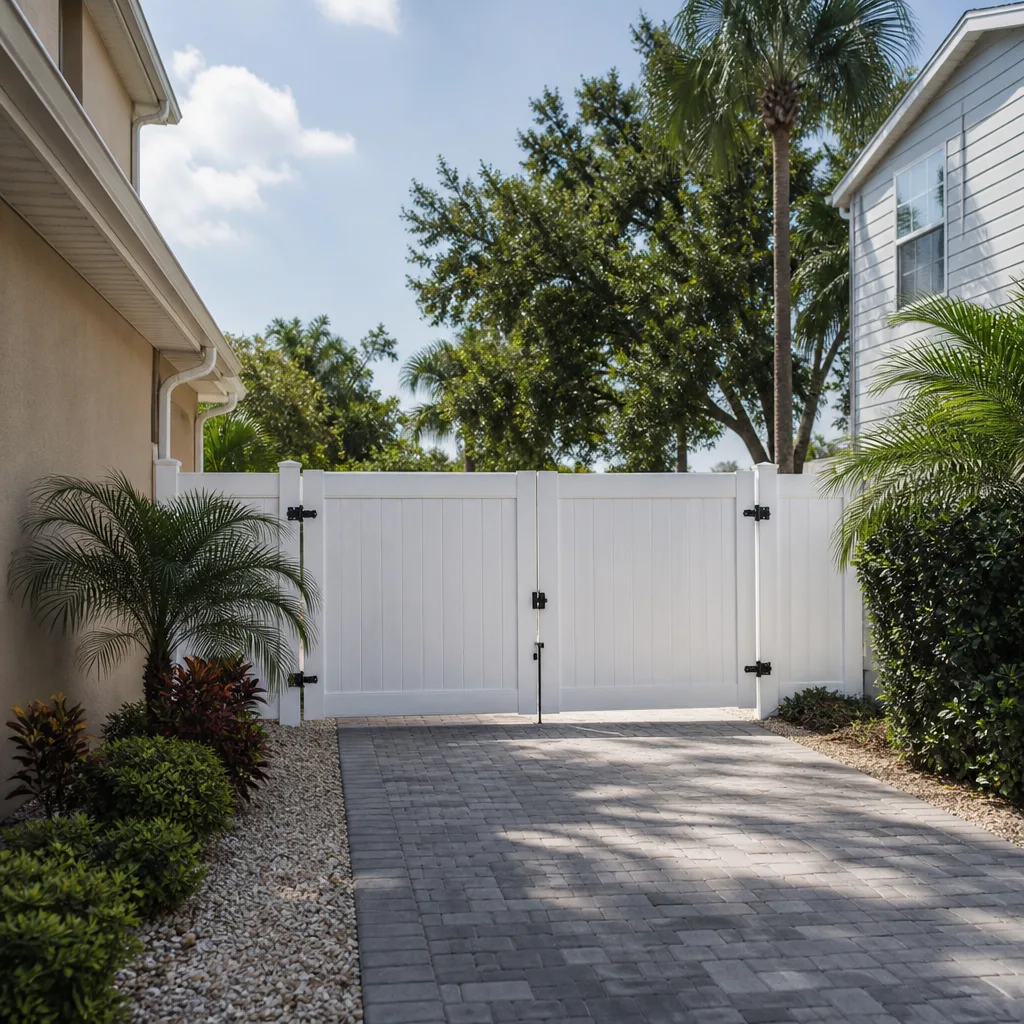
Gates Hung Out of Plumb Get Worse, Not Better
A gate is the hardest-working part of any fence. It swings, it gets leaned on, kids hang from it, and it absorbs more load than any static panel. If a gate is hung even a quarter-inch out of plumb on day one, gravity and use will pull it further out of alignment every month after.
What to check before the crew drives away:
- Open and close it five times. It should swing smoothly with no binding or dragging. Not just “works” but actually smooth.
- Check the gap on both sides. The gap between the gate and the adjacent posts should be even top to bottom. Uneven gaps mean the gate or the post is tilted.
- Look at the hinge placement. Both hinges should be mounted at the same distance from the gate edge and level with each other. If one hinge is three inches higher than the other, the gate is fighting itself.
- Test the latch. A gate that has to be lifted into the latch isn’t hung properly. It’ll fail faster.
- Use a level. Not that you should own a contractor’s level, but a small torpedo level from the hardware store will tell you instantly whether the gate post is plumb. Don’t be shy about checking.
The gate posts also matter. A gate needs heavier posts than a standard fence panel post because of the swinging load. If the contractor put a standard 4×4 in as a gate post and hung a 5-foot wide gate on it, that gate will sag within a year. Look for gate posts that are 4×4 minimum, ideally 5×5 or 6×6 on wider gates, and set deeper than standard. If you’re adding a gate to match new home additions, the gate post spec should be in the estimate, not decided on site. Our Home Additions & ADU in Lewisville work includes a lot of matching fence and gate work, and we’ve never seen an out-of-plumb gate fix itself.
Skipped 811 Calls and Permits: The Insurance Problem
Every legitimate fence installation starts with a call to 811, the state’s utility locator service. The call is free, it’s quick, and it flags every buried line on the property before a shovel goes in. Skipping it is a safety issue and a liability issue. If a crew hits a gas line, water line, or fiber run on your property without the locate, the repair cost often becomes your problem, and depending on how your policy reads, so does the injury risk.
Then there’s permits. Not every fence in Lewisville requires one, but many do. The rules depend on height, location relative to the property line, and whether the fence is in a floodplain or easement. A contractor who says “we don’t need a permit, let’s just move faster” is telling you they don’t want the inspection. That matters because:
- Unpermitted work can complicate insurance claims. If your fence falls on a neighbor’s car during a storm and the work wasn’t permitted where it should have been, your claim history can get messy.
- Code enforcement can require you to tear it down. In Lewisville, a fence installed in an easement without approval is a real risk. Tearing out a new fence to fix a code problem costs more than doing it right the first time.
- HOA rules add a layer. Most Lewisville neighborhoods have HOA restrictions on fence height, material, and color. A contractor who isn’t familiar with local HOAs will have you jumping through approval hoops after the fence is up.
The right process: 811 call confirmed before any digging, permits pulled where required, HOA approval obtained before work starts. Ask for documentation. If a contractor promises “we handle all that” without specifics, get it in writing. Our team pulls permits and passes inspections on every project where they apply. It’s part of the standard, not an add-on.
Why Lewisville Soil Changes the Rules
Not every city has the same fence physics. Lewisville sits on a mix of expansive clay soils and, in some lower areas, sandy loam. Both matter, and both make post depth and concrete quality more important than they’d be in, say, a stable granite-bed city.
Expansive clay is the driver. During wet seasons, it swells. During dry months, it shrinks. On a fence line, that means the soil around the posts is moving consistently. A shallow post with poor concrete will start to rock in that cycle within one summer. Deeper posts with properly mixed concrete and good drainage at the bottom handle the movement without issue. We’ve seen proper installs on Lewisville clay hold solid for decades. We’ve also seen shallow installs that pulled loose in 18 months on the same street.
Sandy or loam-heavy lots on lower ground need the same treatment for a different reason: porous soil drains fast but has less load-bearing strength for shallow posts. The answer is the same. Deeper is better, wider is better, and gravel at the base is not optional.
Where this shows up in Lewisville:
- Lower ground near the Elm Fork and south Lewisville drainage areas. Higher moisture cycle, more movement.
- Older neighborhoods with heavier clay. More dramatic swell-shrink behavior.
- Newer subdivisions on graded soil. Compaction can vary from home to home on the same block, which is why one neighbor’s fence holds while the next one leans.
When we quote a fence, the post depth conversation depends on the lot, not a template. That’s part of what makes a written estimate worth reading. If your fence project sits alongside other exterior work, like a new paver walkway from the back gate, our Groundwork Construction Co. of Lewisville home page lays out how we handle full-scope exterior work with the same base-prep standards across trades.
Normal Settling vs. Structural Movement in the First 90 Days
Every fence settles a little. Newly disturbed soil compacts over the first few months, and the concrete cures into its final volume. What you want to distinguish is cosmetic settling from real structural movement, and the first 90 days is when the difference shows up.
Normal settling looks like this:
- A small gap appears under a gate, no more than a quarter-inch, that stays stable over a few weeks.
- Minor surface cracks in the concrete at the top of the post, cosmetic only, no post movement.
- A tiny bit of soil settling around the post base where disturbed soil compacted.
Structural movement looks like this:
- The entire post rocks when you push on it. Any rock at all is a problem.
- The fence panel between two posts shows visible warping or twist.
- A gate that was smoothly swinging on day one now drags or needs to be lifted to latch.
- Visible lean that’s continuing to increase week over week, not a one-time tilt that stays steady.
- Concrete that separated from the post entirely, leaving a visible gap around the post collar.
If you see structural movement, document it immediately with photos and a written record of the dates. Then call the contractor. This is exactly where guarantees matter. The 730-Day Done Right Promise means if the work isn’t right, we make it right, and that applies to settling problems that reveal a bad install. Most fence work should come with a written workmanship guarantee covering at least two years on installation and one year on materials. If a contractor offers less, ask why.
Material Warning Signs: Gauge, Coating, and Finish
Installation matters, but so does the material going in the ground. A good install of the wrong material fails faster than a fair install of the right one. For Lewisville’s heat and moisture, the material spec should be explicit on the estimate.
What to check:
- Metal fence gauge. Ornamental aluminum or steel fencing gets measured in gauge, and lower numbers mean thicker metal. Cheap installs use thinner gauge that dents and bends. If the estimate doesn’t state the gauge, ask. Ameristar and Jerith both publish their gauge specs clearly.
- Vinyl quality. Not all vinyl is UV-stable. The sun in north Texas fades cheap vinyl within three or four summers. A quality product like Bufftech or ActiveYards carries a warranty that covers fading, and the spec should say so. If the contractor’s vinyl is unbranded or unlabeled, ask for the manufacturer.
- Wood species and treatment. Cedar and pressure-treated pine both have a place, but they behave differently in Lewisville’s climate. Pressure-treated Southern yellow pine performs better against ground moisture, while cedar holds up better to UV over decades. A contractor who can’t tell you which and why isn’t thinking about your fence long-term.
- Fastener quality. Galvanized or stainless steel fasteners only. If the crew shows up with plain steel screws, they’re planning to rust the fence apart from the inside.
- Coating and finish. Powder-coated aluminum fencing from quality brands holds color for decades. Cheap paint peels. Look at seams, welds, and edges on a sample panel before signing anything.
This is where material choice becomes the honest long-term math. A quality install with proper specs from a brand like Ameristar on an aluminum fence, or Bufftech on vinyl, is worth more per linear foot than a bargain install that has to be replaced in six years. “Built to last, backed in writing” is only true if the material is right and the install is right.
Common Mistakes to Avoid
- Hiring on price alone. A quote that’s several thousand under the rest of the bids is signaling something: shallower posts, thinner material, an uninsured crew, or a contractor who’ll disappear mid-job. If a bid is significantly lower, ask what specifically they’re cutting.
- Skipping the written estimate. Verbal promises are worth exactly zero after the crew leaves. Get the post depth, concrete spec, material brand, and guarantee terms on paper before you sign a single thing.
- Letting the contractor run the 811 call. The 811 call is free, and you can request your own copy of the locate ticket. Do it, especially if you’ve had any utility work on your property. Skipping it is a safety and liability risk on your lot.
- Not checking HOA rules before work starts. Most Lewisville HOAs restrict fence height, material, and color. A fence that violates the rules can force you to tear out work at your own cost, so confirm approval before the first hole.
- Missing the concrete cure window. If the crew sets panels the same day they poured footing concrete, some of that prep is wasted. Proper curing before load is a real spec, not a luxury.
- Signing a “lifetime” warranty without reading fine print. Most contractors offer shorter terms with more conditions. Ask what’s actually covered: workmanship, materials, movement, and labor on repairs. Anything vague is not a guarantee, it’s a promise.
- Assuming a good-looking day-one install is done right. This is the trap. Fence failure shows up at the first storm or the first hard freeze cycle. Watch the install process, not just the finished look.
When to Call a Professional
Most fence failures start with a decision made in the first hour of work: how deep to dig, how to mix the concrete, how to set the gate posts. Once the concrete cures, fixing those mistakes is a full removal and reinstall job. If any of the following apply, bring in a professional before work starts or before an existing fence fails further:
- Your property is on expansive clay or a slope and your current fence is already leaning.
- You’re getting quotes with post depths stated at 18 inches or less for a 6-foot fence.
- A contractor has told you permits and 811 aren’t necessary.
- Your gate has started dragging or binding within the first six months after install.
- You’re planning a fence install alongside a driveway, patio, or addition project where base prep needs to line up.
Groundwork Construction Co. of Lewisville offers free estimates in Lewisville. Call (844) 560-4467 to schedule yours and we’ll walk the lot, talk post depth, and give you a written estimate with the spec in writing. No change orders, upfront pricing, and the 730-Day Done Right Promise covering the workmanship.
Frequently Asked Questions
At least one-third of the post’s above-ground height, which means a minimum of 24 inches for a standard 6-foot privacy fence, and ideally 24 to 30 inches given Lewisville’s expansive clay soil. Deeper is safer in clay-heavy and low-lying lots. Ask for the depth in writing before work starts.
Ask for the locate ticket before any digging starts, and confirm they’ve called 811. The service is free, so there’s no legitimate reason to skip it. If a contractor doesn’t have a ticket or brushes off the question, choose someone else. Hitting an un-located gas or fiber line is a safety issue and a liability issue.
It can. If a fence is installed where a permit was required and the work wasn’t permitted or inspected, some insurers treat resulting damage claims as a policy problem. That’s why we pull permits where they apply and document the inspection result. Ask any contractor you’re considering whether they’ll pull the permit and pass the inspection.
A gap under a gate of up to about a quarter-inch, minor surface cracks at the post top, and light soil settling around post bases are all normal. A post that rocks when you push it, a gate that drags, or a lean that gets worse week over week is not settling. That’s structural movement, and it should be covered by a workmanship guarantee.
The combination of expansive clay soil and storm-driven wind load makes Lewisville a harder environment for fence posts than most cities. The soil cycle moves the ground around posts year-round, and the wind on a solid privacy panel puts real load on every post. Correct post depth and proper concrete cure handle both. Shallow posts and rushed pours don’t.
For aluminum fencing, Ameristar or Jerith. For vinyl, Bufftech or ActiveYards. For wood, properly treated cedar or pressure-treated pine. The brand matters less than the fact that the manufacturer and spec are on your written estimate. Unbranded, unlabeled material is the warning sign.
With correct post depth, proper concrete, and quality materials, a wood fence should hold 12 to 15 years, and quality vinyl or aluminum should last decades. Those numbers come down hard when any of those three factors slip. That’s the whole argument for reading the install, not just the finish.
The Bottom Line
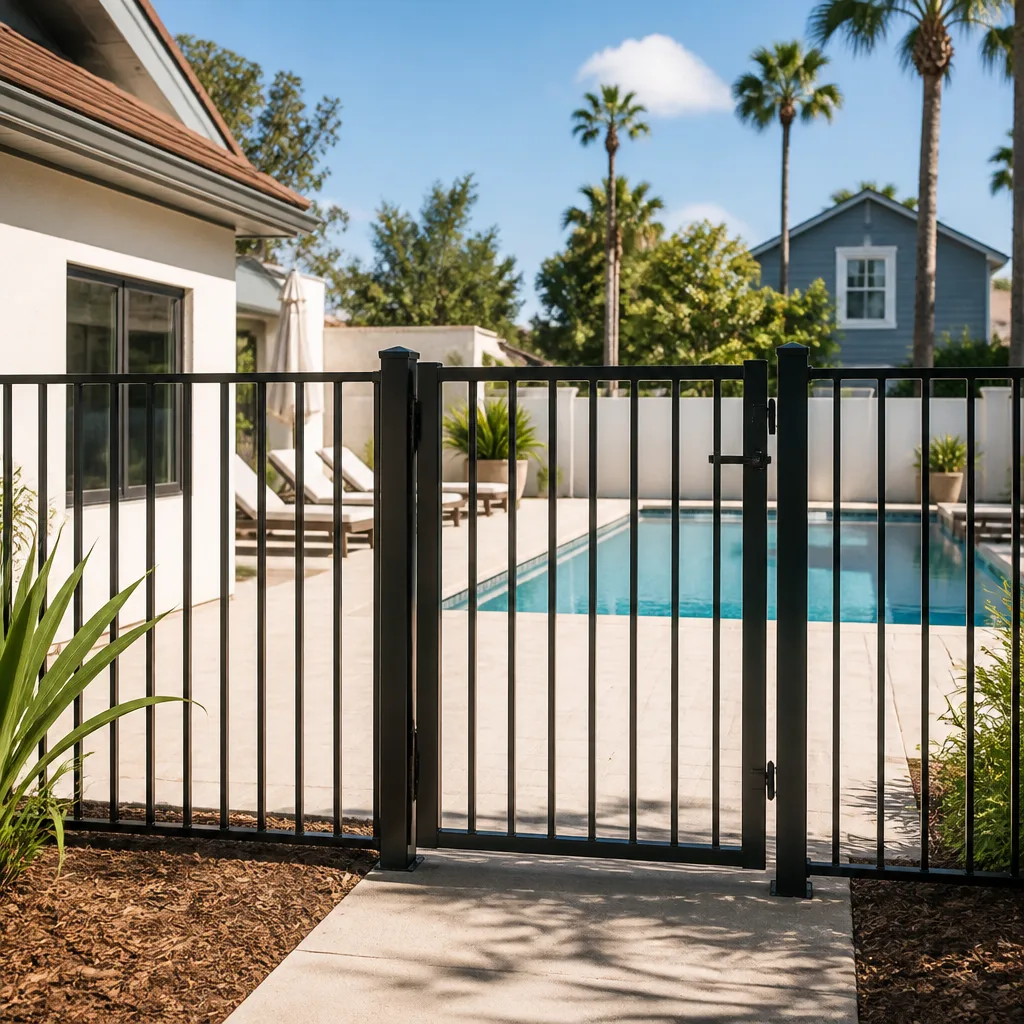
Bad fence jobs look fine on day one. They fail at the first hard rain or the first north Texas wind. The warning signs are visible during installation: shallow post holes, rushed concrete, gates hung crooked, skipped 811 calls and permits, and material specs that aren’t in writing. Watch the install process. Ask for the depth, the concrete spec, the material brand, and the guarantee terms in writing. Then verify that what’s being built on your property matches what was quoted, and hold the contractor to it. That’s the difference between a fence that lasts fifteen years and one that’s leaning by spring.
Call Groundwork Construction Co. of Lewisville at (844) 560-4467 for a free estimate on your fence project. Upfront pricing, written specs, permits pulled and inspections passed, and the 730-Day Done Right Promise covering the work. We’ll put it in writing before the first hole is dug.
Written by the team at Groundwork Construction Co. of Lewisville.
See the difference
 Before
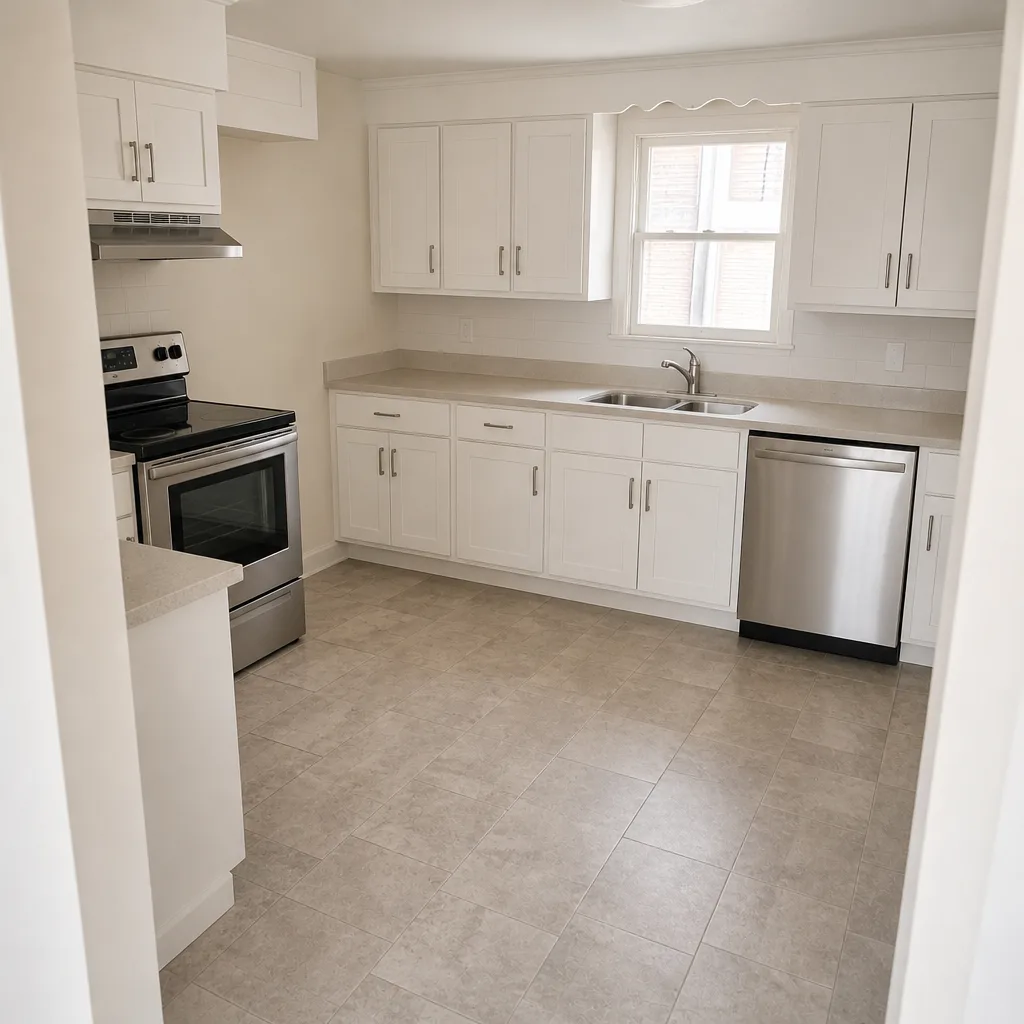 After
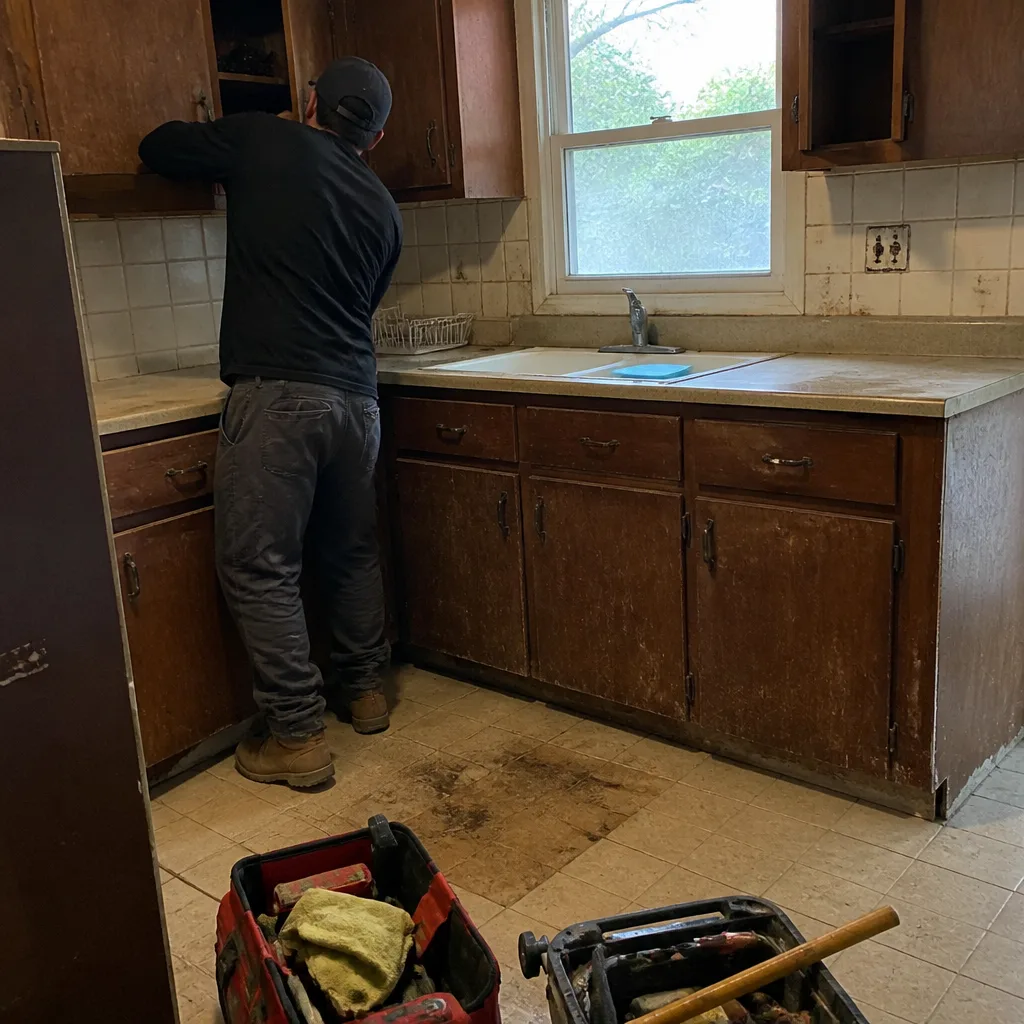 Before
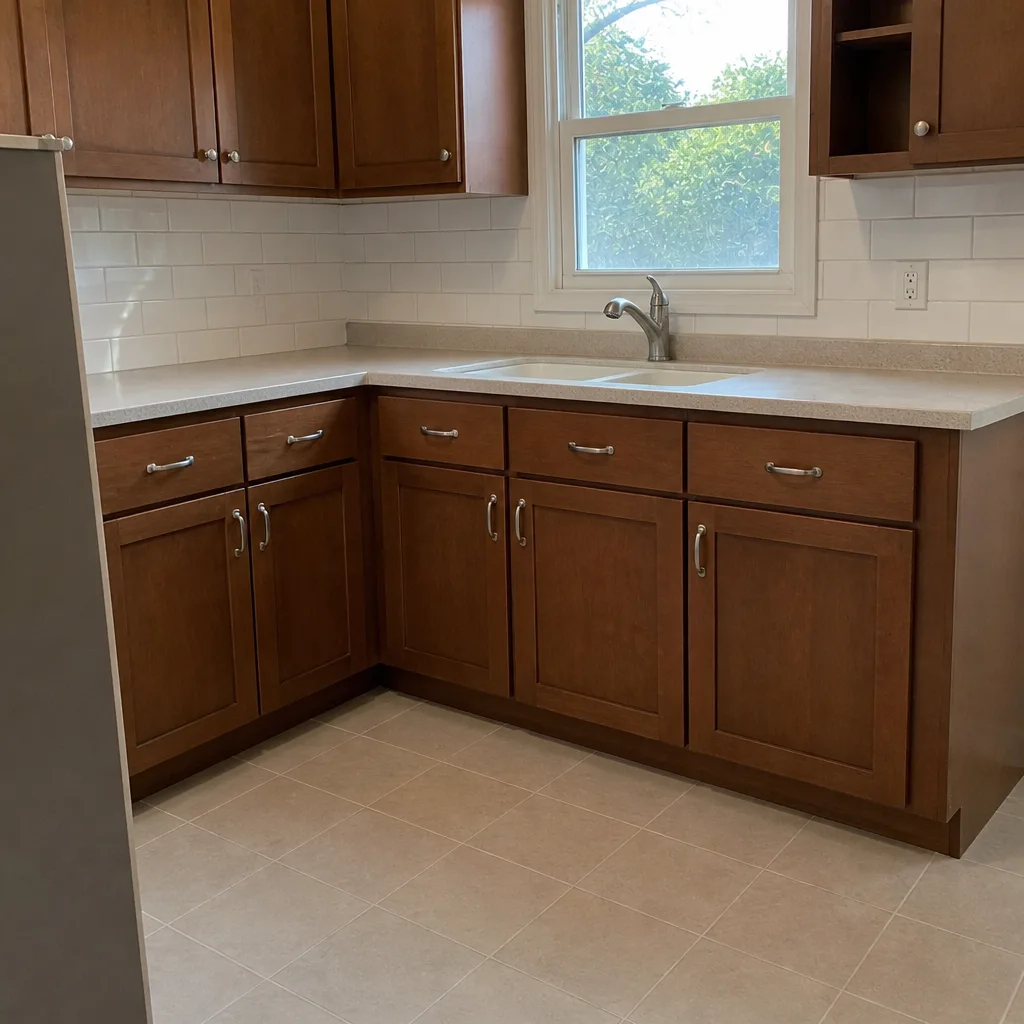 After
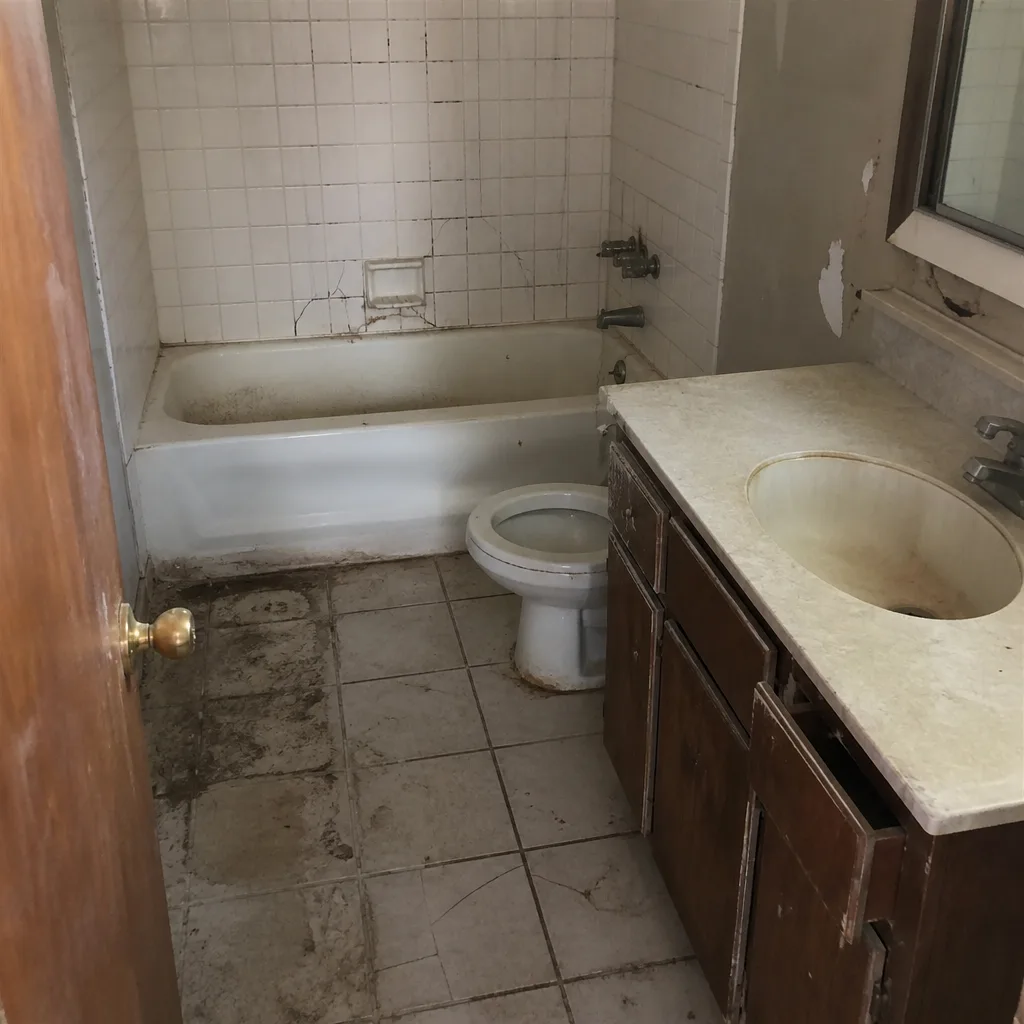 Before
 After