Last updated November 18, 2026







Free written scope consultation - allowances, timeline, and change-order rules on paper before a single trade is scheduled
Bathroom Remodeling Warning Signs Every Homeowner Should Know
Your brand-new tile looks perfect. The grout lines are crisp, the fixtures are gleaming, and the glass shower door was hung with millimeter precision. That’s exactly why it’s so easy to miss what the tiles are hiding. A bathroom that smells musty three months after a remodel isn’t a minor odor issue. It’s often the first smell of a waterproofing failure that’s already growing mold behind your brand-new tile. We’ve walked into Lewisville bathrooms where a $400 caulk-and-seal fix sat ignored for a year and turned into a $14,000 tear-out. This guide will teach you to read the quiet signals, the cracking patterns, the drain behavior, and the red flags during the job itself so you catch small problems before they compound.
Quick Answer
The most serious post-remodel bathroom warning signs are a persistent musty smell, tile that sounds hollow when tapped, grout cracking in a diagonal or stair-step pattern within the first 90 days, a toilet that rocks at the base, and drains that slow down within weeks of installation. Any of these points to a problem below the surface. Normal settling happens down low and gradually; waterproofing failures happen quickly, in the wet areas, and worsen fast. Catching them inside the warranty window is what separates a small repair from a full rebuild.
Styles & brands we work with
- Kitchen remodeling
- Bathroom remodeling
- Home additions & ADU
- Roofing
- Windows & doors
- Driveway & pavers
- Fence
Table of Contents
- Settling vs. Waterproofing Failure: How to Tell the Difference
- Reading Grout and Caulk Cracks: Surface or Structural
- Fixture and Drain Performance: What a Slow Drain Actually Tells You
- Red Flags During the Remodel (Stop-Work Signals)
- How to Document and Escalate Concerns That Protect You
- What Lewisville Homes Teach Us About Bathroom Failures
- Your 10-Minute Post-Remodel Walkthrough Checklist
- When It’s Worth Calling Someone Back
Settling vs. Waterproofing Failure: How to Tell the Difference
Every house moves. Wood framing expands and contracts with the seasons, slab foundations shift, and a bathroom remodel introduces new weight and new moisture loads. That movement is normal, and it produces small cracks at predictable rates. What separates normal settling from waterproofing failure is timing and location. Normal settling takes months and shows up at the floor-wall transition or where the mirror meets the wall. Waterproofing failure shows up in three months or less, and it lives in the wet zone: shower floor, niche corners, curb, and the first course of tile above the pan.
Here’s the timeline we watch for in our Lewisville projects:
- Weeks 1-4: Clean settling, maybe one hairline crack at the floor-wall joint. No smell. This is fine.
- Weeks 4-12: Any soft caulk joint, any hairline crack growing steadily, and keep an eye on the corners of the shower. Watch it, don’t panic but watch it.
- Months 3-12: Any musty smell, any hollow-sounding tile, any cracking. This is where waterproofing failure announces itself. A well-built shower pan does not develop cracks in this window.
- Year 2 and beyond: Cracks from settling can finally show up in lower-traffic areas. Cracks in the shower pan at year 2 are usually the result of a failure that started way earlier.
Smell is your best early sensor. A shower pan that didn’t slope correctly holds water in a hidden low spot. The water wicks into the mortar bed, and the wet layer feeds mold on the back of the cement board. You won’t see it for months. You’ll smell it in weeks. Every failed shower pan we’ve opened in Lewisville looked fine on the surface and showed heavy mold 3/4-inch behind the tile.
Reading Grout and Caulk Cracks: Surface or Structural
Not all cracks are created equal. Learning to read the shape and location of a crack is the single most useful skill a homeowner can build after a remodel. Here’s the framework we use on every callback we walk. (And yes, we’ve come back to a shower in Westminster, the Lewisville neighborhood off Main, after a competing crew’s tile job failed on the curb.)
Cracks that are usually cosmetic
- Hairline cracks at the inside corner where wall meets floor. These are caulk that dried and pulled. Easy fix. Recauking takes an hour.
- Cracks at the transition between two materials (tile meets drywall, tile meets painted trim). Different expansion rates; caulk keeps them sealed. Small separation is normal.
- Grout pinholes near the shower head. Splash zone, mechanical wear. It’s cosmetic unless it goes deep.
Cracks that are warning signs
- Diagonal cracks that walk in a stair-step pattern across multiple tiles. This is load or movement. It’s not a grout problem; it’s a substrate problem.
- Cracks that originate at a niche corner, a valve cutout, or a shower bench. The waterproofing layer behind the tile has likely been compromised. Water gets into the cavity, and the tile is the last thing to crack.
- Horizontal cracks along the curb top. A shower curb that’s cracked along its length often means the pan wasn’t pre-sloped and the curb was built without proper reinforcement.
- Cracks that show efflorescence (a white powdery chalk). This is water passing through the tile layer. Efflorescence is a real diagnostic. It almost never appears on a properly built shower.
If a crack reappears after being repaired once, stop patching. Patching a structural crack hides the evidence and lets the failure run for another few months. That’s how a $400 recaulk becomes a pan rebuild.
Fixture and Drain Performance: What a Slow Drain Actually Tells You
Fixtures are the mechanical instrumentation of your new bathroom. They tell you exactly how the rough-in was done, if you know what to read. Here are the benchmarks we use:
A functioning drain
- Shower drain: Drains 5-8 gallons per minute. A standard 2.5 gpm shower head fills the pan slower than the drain can evacuate. You should see a whirlpool or swirl at the drain when running full hot.
- Sink drain: Pulls a full basin in 6-10 seconds with no gurgle. No audible glug after release.
- Toilet flush: Clears, refills in about 45-60 seconds, water stabilizes. No bubbling, no “burp” from the floor.
Performance problems and what they mean
- A shower that pools at the drain edge even when new. Doesn’t clear within 30 seconds. The pan pitch is off. Tearing out a sloping mistake means rebuilding the pan. Do not wait.
- Gurgling anywhere in the bathroom. Air is pulling through a wet vent. The fixture’s P-trap may not have been vented correctly, or a fitting is loose under the slab. In a Lewisville slab-on-grade home, that’s a real repair.
- A toilet that rocks at the base. The flange is loose, the wax ring is compressed unevenly, or the floor isn’t level. A rocking toilet will eventually leak sewage under the floor. Fix it now, while a flange repair is measured in hours, not days.
- Drains that slow down within 3 weeks. Not a hair clog. Fresh installs should flow wide open. This points to a partial obstruction left in the line during rough-in, or a slope error in the drain pipe.
- Cold water runs cold, hot runs scalding. Cartridge isn’t seated or the rough-in depth is off. Small fix but a real indicator that the valve wasn’t set correctly.
When we quote a bathroom remodel in Lewisville, we’re usually watching these same signals for a full year after the job finishes. It’s why the Groundwork Construction Co. of Lewisville home page points to the workmanship guarantee first, because fixture benchmarks are one of the things we check for on every callback.
Red Flags During the Remodel (Stop-Work Signals)
The worst time to discover a waterproofing problem is the day the tile is already installed. The best time is while the cement board is still exposed. Here are the signals that should make you stop a job, ask questions in writing, and hold the schedule until you have answers. In our experience, homeowners almost never regret pausing a project for a week. They almost always regret missing a cue.
Signals to stop work and ask questions
- No visible waterproofing membrane in the shower before tile goes up. A properly built wet-area shower needs either a surface membrane (a sheet or liquid product) or a proper pre-sloped mortar bed with a liner. Ask to see it. Green drywall in a shower is not waterproofing.
- Cement board installed directly against framing with no vapor barrier and no membrane. Ask what protects the studs when the shower runs for 20 minutes. If the answer is “the tile and grout,” that’s a fail.
- Shower pan tested without a flood test. A 24-hour flood test fills the pan to just below the curb and marks the level. If the water level drops, the liner leaks. We’ve seen crews skip this step on more than one Lewisville job. Ask to watch it.
- Tile adhered directly to standard drywall in a shower. It has happened on more jobs than anyone wants to admit. Tile is not waterproof; the thinset and drywall underneath will fail.
- Unlevel floor before tile. Before tile goes down, the floor should be flat within 1/8 inch over 10 feet. If you can feel a hump underfoot, ask about leveling compound.
- A crew that has no answer for “how do you waterproof the pan?” The answer should be a specific product name or method, delivered without pausing.
- Change order for extra waterproofing. Waterproofing is not an upgrade. It’s the base scope. If a contractor quotes “waterproofing optional,” stop and get another quote.
Say it politely but firmly: “Can we pause until I see the membrane and the flood test?” A contractor with nothing to hide will answer that question in a text message within the hour. One that pushes back is telling you something important about how the rest of the job will go.
How to Document and Escalate Concerns That Protect You
A verbal complaint on a job site evaporates. A dated photograph, a written notice, and a follow-up email create a paper trail that gets action and protects you legally if the relationship sours. Here’s the process we recommend to every homeowner, including the ones who aren’t our customers. It works.
The 5-step escalation path
- Document the issue the same day. Photograph wide, medium, and close. Include a tape measure or a coin in the frame for scale. Note the date, time, location, and what you observed. A 10-second video of a rocking toilet is worth three paragraphs of description.
- Write a short, factual email. Subject line: “Concern with [specific area] – [date].” Describe what you saw. Ask a specific question (“What is the waterproofing method for the shower pan?”). Avoid opinions and adjectives. Use dates and observations.
- Give a clear deadline. A short, reasonable window (48-72 hours for a written response) keeps the conversation professional and creates a record that you asked.
- Reference the warranty and the contract. Every reputable contractor’s workmanship warranty should address waterproofing failures. Ours is the 730-Day Done Right Promise. Whatever warranty your contractor offers, quote it back to them in your email.
- Escalate in writing before you escalate emotionally. If a response doesn’t come or the issue isn’t addressed, a certified letter stating the issue and your requested remedy is your next step. Most contractors move fast at this stage because they know what a small claims case costs them. Also confirm the work in progress meets local code. Lewisville, like most North Texas cities, holds permits through the city’s building inspection department; a call to your permit inspector is a legitimate step if a code issue is present.
You are not being difficult. You are being clear. Every good contractor we know prefers a documented, specific complaint over a frustrated phone call, because a written record gives them something concrete to fix.
What Lewisville Homes Teach Us About Bathroom Failures
Lewisville has a particular set of conditions that make bathroom problems more common than in other climates, and it’s worth understanding why. The biggest factor is our soil. Much of Lewisville sits on expansive clay that swells with fall and winter moisture and shrinks hard in the summer heat. That movement transfers to slab foundations and then into bathroom tile. A shower or floor tile that survives in another state may crack in Lewisville within a year if the substrate wasn’t properly prepared. Every remodel we start here includes a discussion about movement; there is a right way and a cheap way to build a shower, and one of them cracks by August.
Here’s what our callbacks in Lewisville actually show:
- Humidity loads. Our summers push indoor relative humidity above 55% for weeks. A poorly vented bathroom with a new shower stays damp, which is the perfect environment for mold behind the tile. Running the fan for 20 minutes after every shower is not optional here.
- Older housing stock near Old Town. Homes from the 1950s and 1960s around Old Town Lewisville often have cast-iron drains and shallow vent stacks. A new bathroom remodel needs to plan around them or the slow-drain problems arrive quickly.
- Clay soil and slab movement. We see hairline cracks in floor tile in Lewisville more often than in other markets because the slab moves underneath. This is why we recommend a crack-isolation membrane under floor tile even when it’s not strictly required.
- Newer builds near Castle Hills and Vista Ridge. These homes tend to have PVC drain systems and modern rough-ins, so the water chemistry isn’t the issue. What we see here is skipped flood tests and thin bed installations on production-speed jobs. The warning signs arrive at month three, not year three.
- Valley Ranch. Multi-story homes here put rain loads on the upper bathrooms that most homeowners never think about. A failed shower pan on an upper floor is a ceiling and drywall problem for the room below, not just a bathroom problem. Waterproofing failures here get expensive fast.
Water heater code, permit requirements, and slab moisture are all inspection-ready details. Our licensed local pros pull permits through the City of Lewisville on every project, and the work is inspected before tile goes up. If the crew on your job hasn’t pulled a permit, that’s a signal. No exceptions.
Your 10-Minute Post-Remodel Walkthrough Checklist
Do this walkthrough one week after the job closes out, then again at 90 days, then again at one year. The 90-day check is the one that catches waterproofing failures while they’re still cheap. Bring a phone (for photos) and a screwdriver (for a tap test).
The 10-minute inspection
- Sniff the shower with the door closed for 60 seconds. Any musty odor is a signal. Not a faint soap smell; mustiness.
- Tap each floor tile with the handle of a screwdriver. A sharp, high-pitched tap is fine. A dull, hollow thud means the tile is not fully bonded. Mark it with painter’s tape.
- Check the caulk lines in the shower corners and where the floor wall meets. Look for separation, gaps, or dark discoloration. Caulk should flex, not crumble.
- Run the shower for 5 minutes with the drain open. No standing water at the drain edge. No slow pockets.
- Look at the ceiling below if the bathroom is on an upper floor. Any brown or dark discoloration on the ceiling below means water is moving.
- Rock the toilet gently with two hands. It should not move at all. If it does, the flange or the wax ring is suspect.
- Inspect the grout for efflorescence (white powdery residue) at the bottom of the shower walls. None expected.
- Run the sink and tub and check for slow drain or gurgling.
- Photograph everything. Keep a dated file for the warranty period. This is what protects you if a claim ever happens.
- Check the exhaust fan by holding a tissue to the grille with the fan on. If it won’t hold the tissue, the fan is undersized or clogged.
If any of these turn up, don’t wait. Call the contractor. Our team walks a similar checklist on every bathroom we build in Lewisville. If you’ve inherited a problem from a previous contractor, we’ll walk it with you and quote a fix. Our Groundwork Construction Co. of Lewisville home page has our service list, and a driveway & pavers project in Lewisville often tells us a lot about the soil around a property, which is why we take exterior drainage seriously before we ever touch a shower.
Common Mistakes to Avoid
- Patching a structural crack instead of investigating it. A fresh bead of caulk over a diagonal crack buys three weeks, then the crack reappears and the underlying cause keeps running. Investigate first.
- Assuming a slow drain is just hair. A drain installed correctly in a new bathroom should flow freely for years before a hair clog is even possible. If it’s slow within weeks, the rough-in is the suspect, not your shampoo.
- Waiting 6+ months to report a smell. The warranty window is what protects your wallet. Reporting at month three gives your contractor a way to fix a small issue under the warranty; waiting until month 18 often means an argument about what happened.
- Hiring a crew that won’t pull a Lewisville permit. Permits protect you. They give you an inspection record, a code adherence trail, and a paper trail for resale. A crew that avoids permits avoids inspections for a reason.
- Skipping the flood test on the shower pan. A 24-hour flood test is standard on every pan we install. If your installer skips it, insist on it before tile goes up.
- Choosing a contractor on the lowest bid. The cheapest bid is almost always the one that skips the crack-isolation membrane, the niche sealing, and the flood test. Those three line items are the difference between a 10-year shower and a 3-year shower in Lewisville’s clay soil.
- Not documenting anything. A phone photo with a date stamp is worth more than a verbal complaint in a lawsuit and costs you nothing.
See the difference
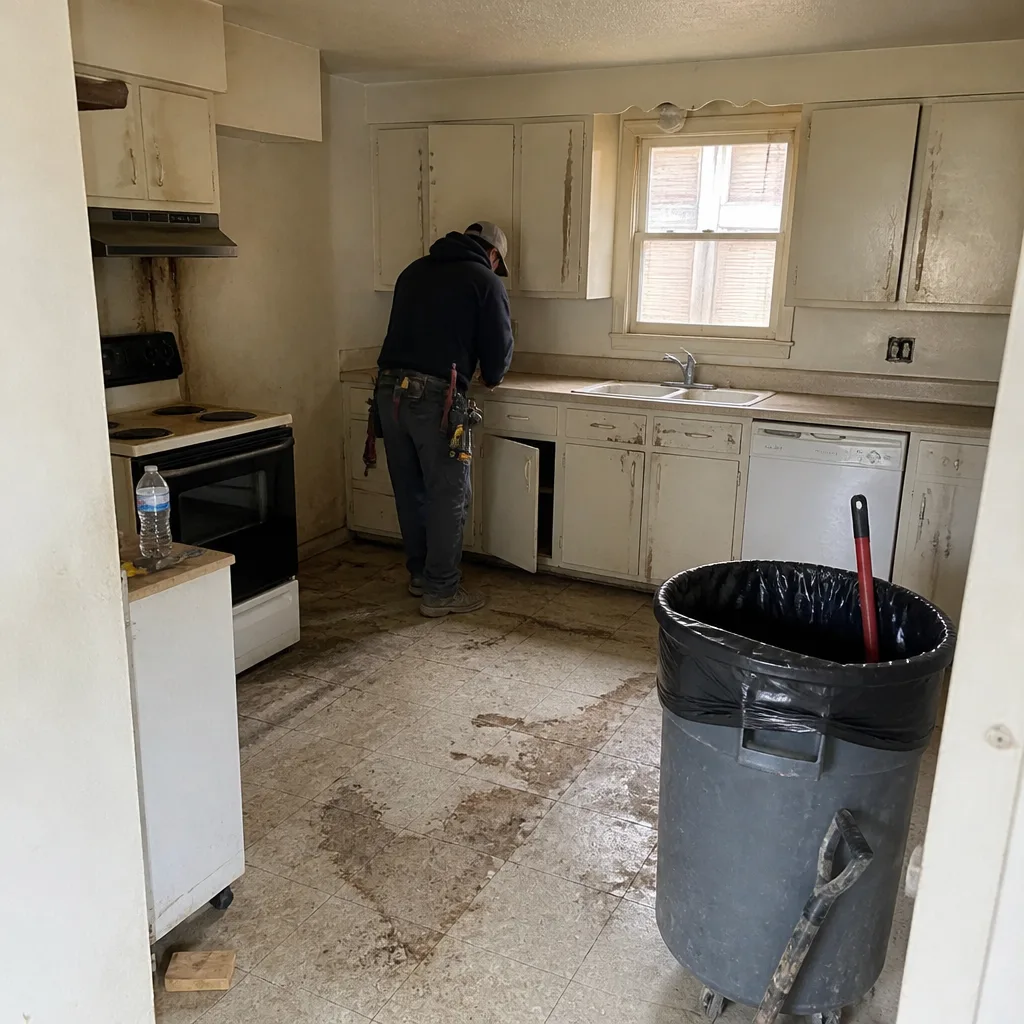 Before
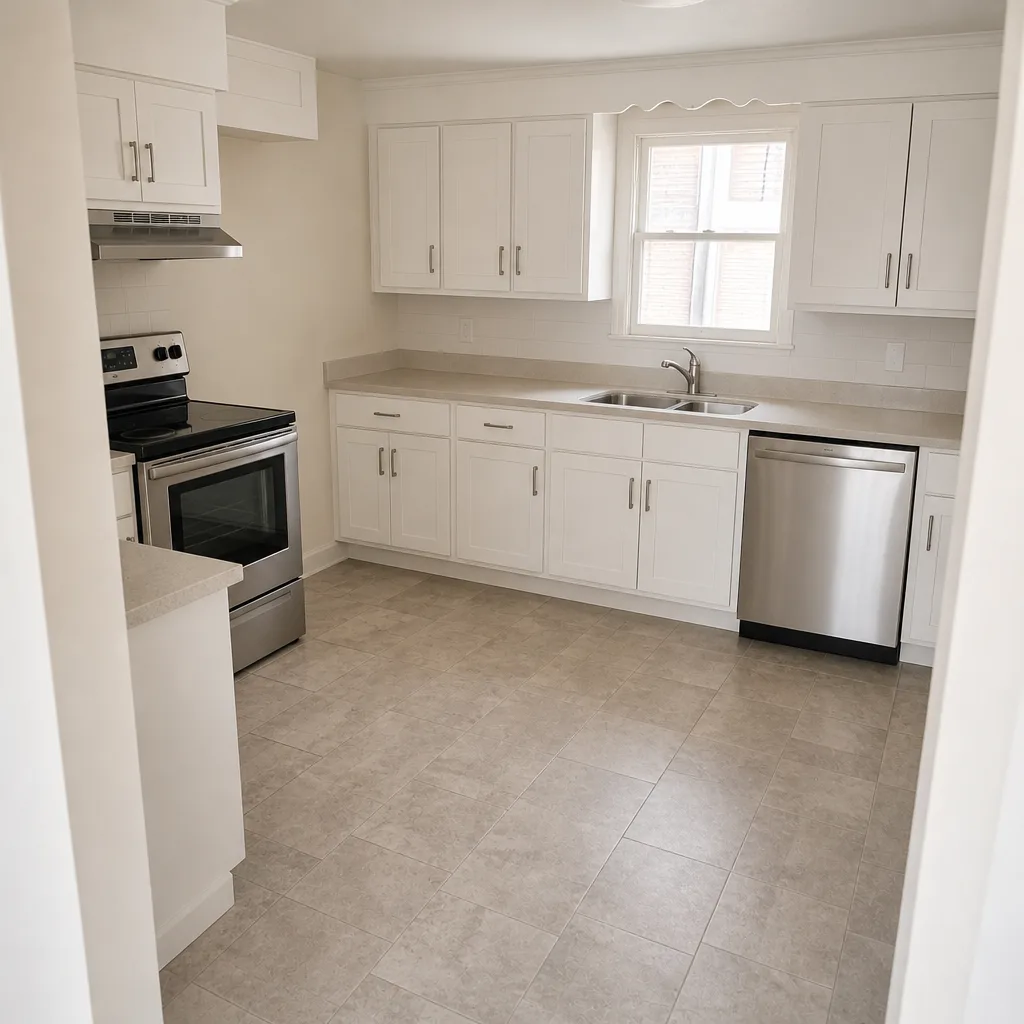 After
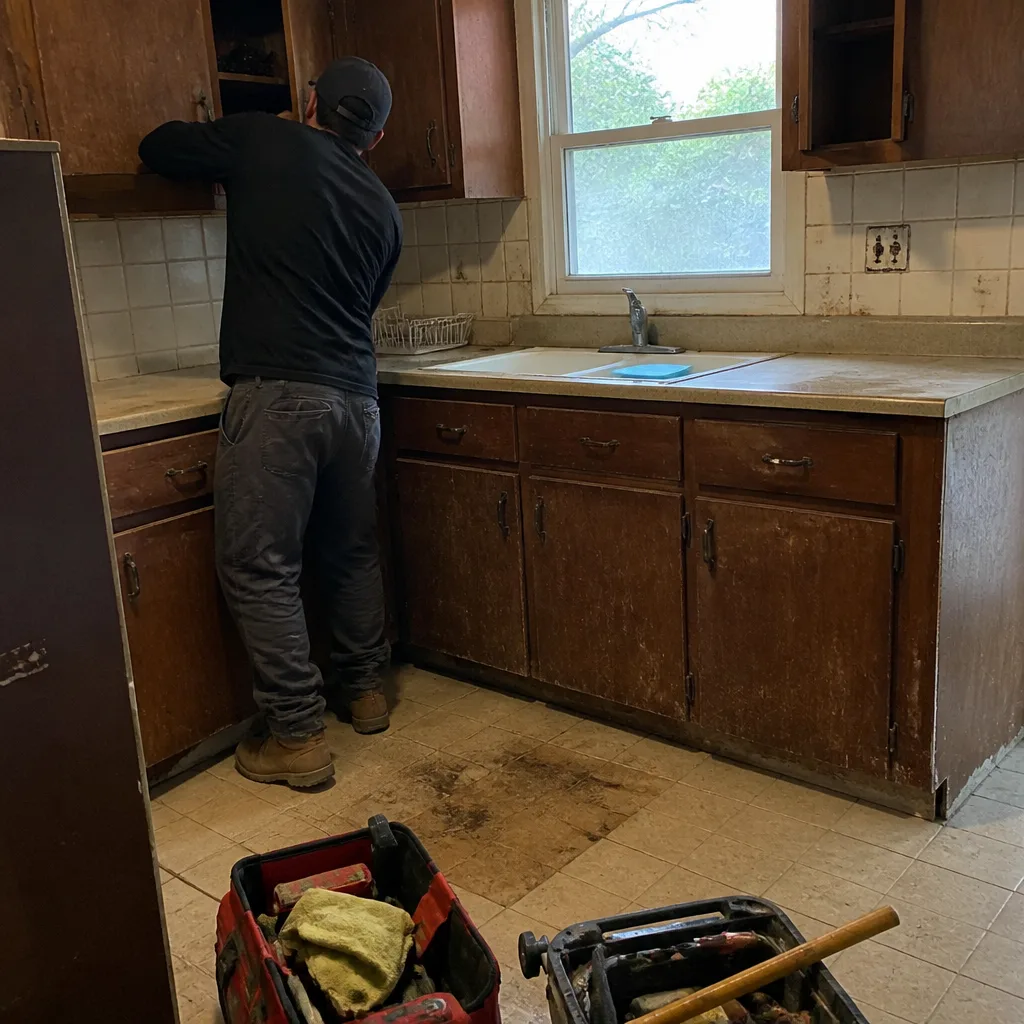 Before
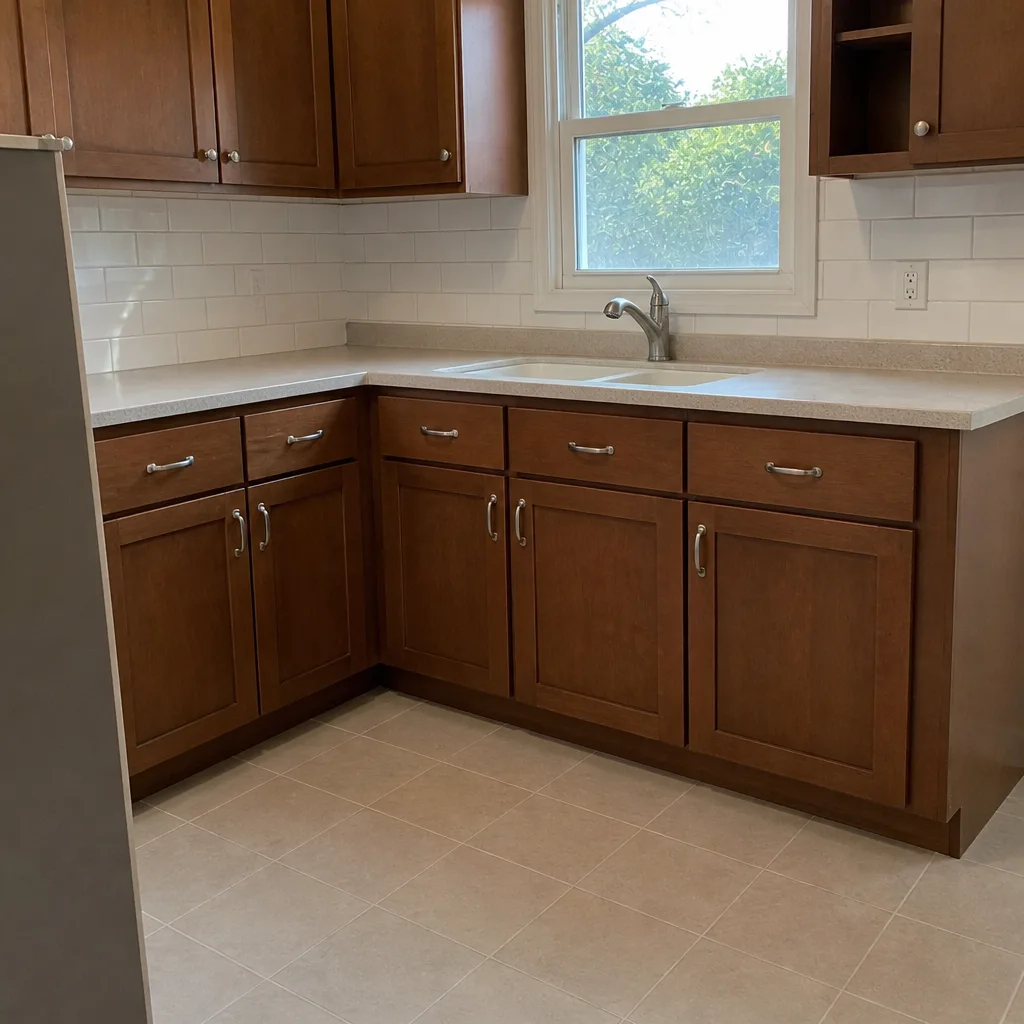 After
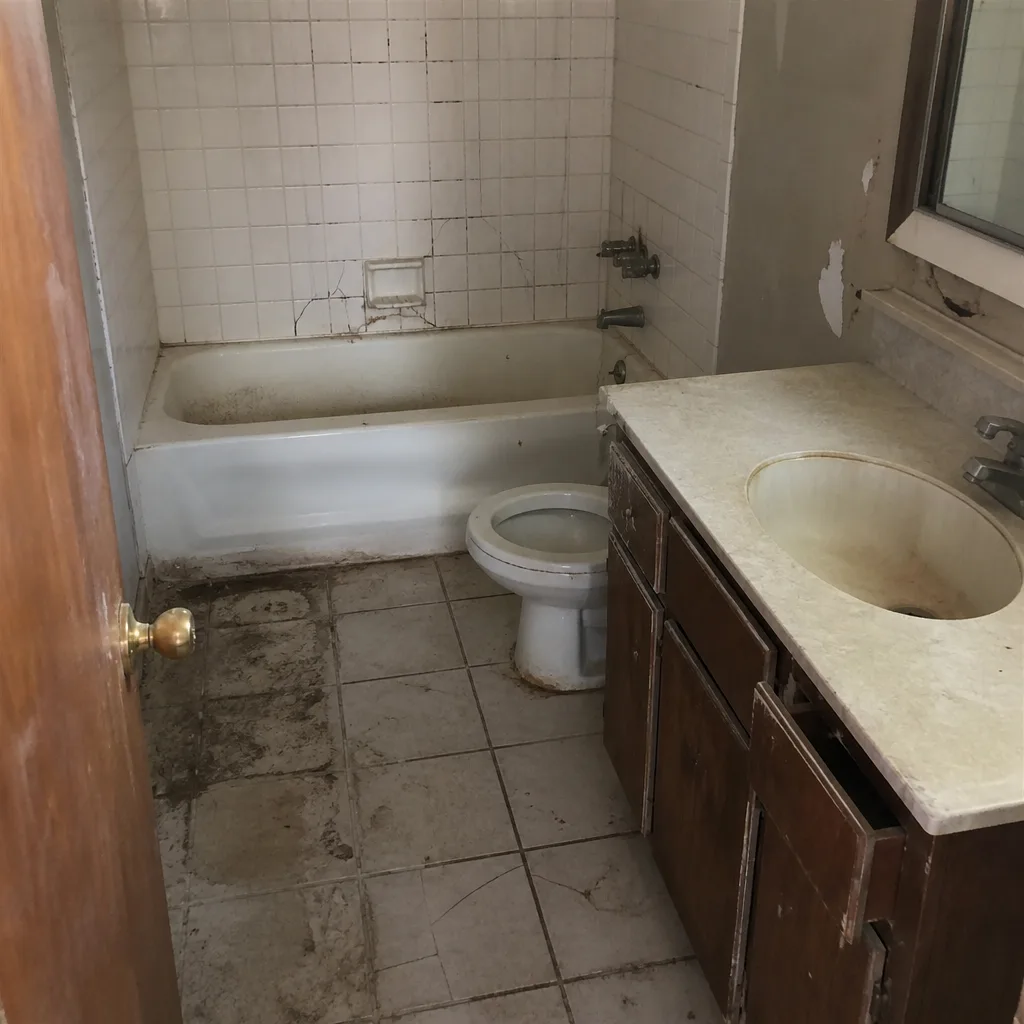 Before
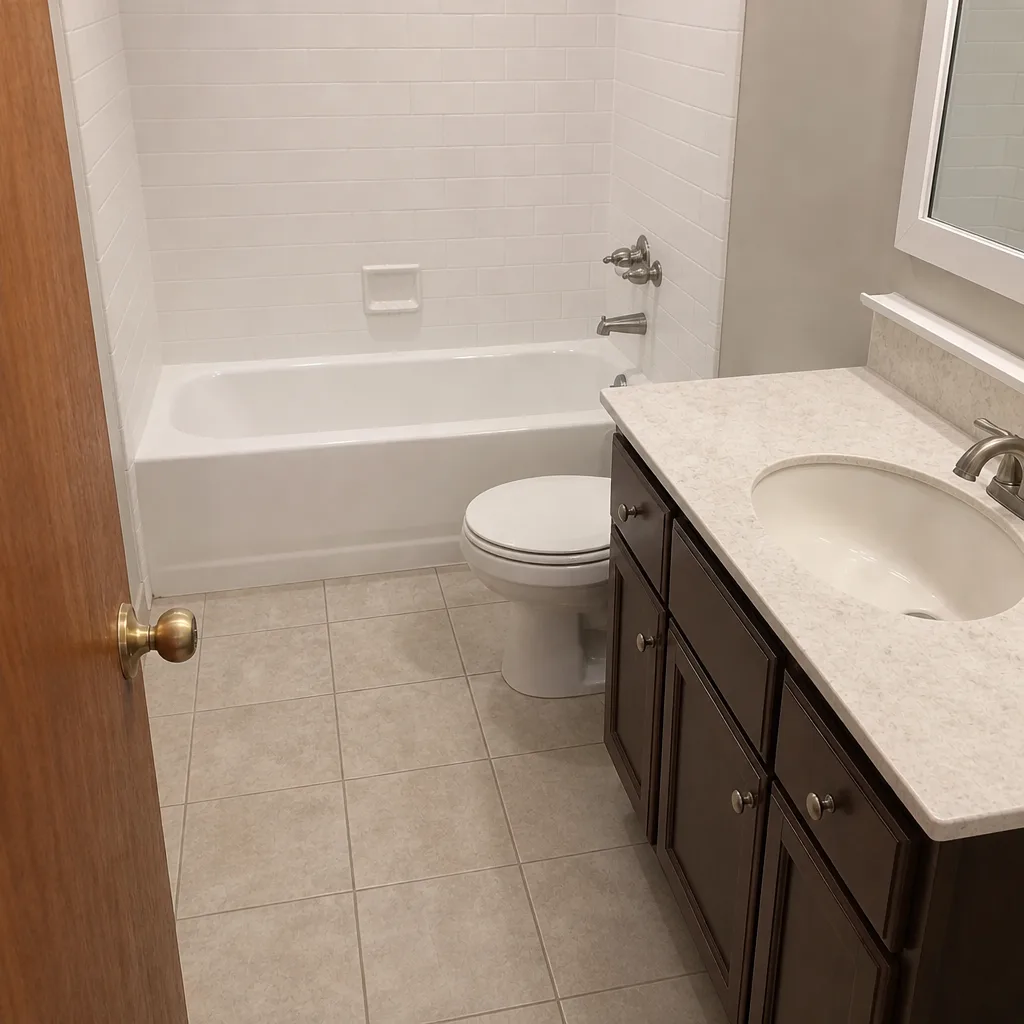 After
When to Call a Professional
Call a professional if you smell mustiness in a bathroom renovated within the last two years, if any tile sounds hollow when you tap it, if a crack in the shower has grown, if a toilet rocks at the base, if a drain has slowed within the first 90 days, or if you saw the tile crew install cement board without a waterproofing membrane. All six situations are fixable, but the window to fix them cheaply closes fast. A properly built shower holds water behind the tile indefinitely. A failure starts small and compounds daily. Groundwork Construction Co. of Lewisville offers free estimates in Lewisville and can walk your bathroom, document what we find, and give you a written line-item quote for the fix. If the failure traces to a contractor’s workmanship, we’ll tell you that too, and help you document it for the warranty. We have up to 12 years of technician experience walking these exact callbacks. Call (844) 560-4467 for your free estimate.
Frequently Asked Questions
Waterproofing failures typically appear within 90 to 180 days of a completed remodel, while normal settling cracks can appear anywhere from 6 months to 2 years and are usually confined to the floor-wall line or a mirror edge. If you smell mustiness or see a shower-tile crack before month six, that’s a waterproofing call, not a settling call. Call (844) 560-4467 to have a Lewisville pro walk the bathroom. Estimates are free.
A musty smell in a bathroom renovated in the last year is most often a sign of a failed shower pan or a missing vapor barrier, which lets water sit behind the tile and feed mold on the cement board. It’s rare for a properly built shower to smell musty on its own. If the smell persists after 24 hours with the door open and the fan running, get it inspected. Call (844) 560-4467 for a free assessment; a fix caught at this stage runs hundreds, not thousands.
Direction matters more than width. A small hairline crack at a caulk joint or where the tile meets drywall is almost always cosmetic and easy to fix. A diagonal, stair-step crack across multiple tiles, or a crack that originates at a niche corner or curb, means the substrate or waterproofing is compromised and water can get behind the tile. Structural shower cracks should be inspected within days.
Recaulking and resealing a minor seal failure typically runs $300-$600. Rebuilding a shower pan with proper waterproofing, a flood test, and tile replacement runs $3,500-$8,000, and a full shower reconstruction with a compromised wall cavity runs $12,000-$18,000. Catching the problem at the seal stage vs. the reconstruction stage is the entire economic argument for inspecting early. Call (844) 560-4467 for an exact quote; estimates are free and written.
A pushback on waterproofing questions is a real red flag. Any reputable crew will name the membrane product or method they use and show you the flood test, without hesitation. If your contractor can’t or won’t, pause the job and get a second opinion in writing. Call (844) 560-4467 and we’ll tell you what questions to ask, whether or not you hire us for the fix.
Yes, every project we do in Lewisville is permitted through the City of Lewisville and inspected before tile goes up. Permits protect you in three ways: they confirm code compliance, they create an official inspection record for resale, and they make future warranty claims easier to substantiate. Workmanship on every Groundwork project is covered by the 730-Day Done Right Promise. Call (844) 560-4467 for a free project estimate and design consult.
The Bottom Line
Bad bathroom remodels don’t announce themselves on day one. They leak quietly behind the tile for weeks or months, then show up as a musty smell, a hollow tap, a stair-step crack, or a rocking toilet. The four most useful diagnostic signs are smell (musty = waterproofing failure), sound (hollow = unbonded tile), crack shape (diagonal or stair-step = structural), and fixture behavior (slow drain or rocking toilet = rough-in problem). Document everything with dated photos and written emails. Stop the job if you don’t see a waterproofing membrane and a flood test. And remember the math: a $400 recaulk caught early saves you a $14,000 remediation later. If something doesn’t feel right, it usually isn’t.
If you’re in Lewisville and want a pro to walk your bathroom, our team is ready. A written estimate, a live person on the phone 24/7, and a documented plan to fix what’s actually wrong rather than what looks wrong. Related work we handle: fence installation in Lewisville, home additions & ADU in Lewisville, and our full-service bathroom remodeling with brand partners like Kohler and Cambria (ViewLux and Barrette handles, too, for the surrounding exterior work). Call (844) 560-4467 to schedule your free estimate and design consult. We answer on the first ring, every time.
Written by the team at Groundwork Construction Co. of Lewisville.