Last updated November 18, 2026


Free written scope consultation - allowances, timeline, and change-order rules on paper before a single trade is scheduled
DIY vs Professional Fence Installation: What’s Safe to Do Yourself
A DIY fence looks identical to a professionally installed fence on day one. The difference shows up in year two, when posts set in undersized holes without proper concrete encasement start to rotate under wind load, a failure pattern that requires pulling every post and starting over. We’ve seen it repeatedly around Lewisville: a homeowner saves a few thousand dollars on the install, then pays it back with interest when the whole run has to come out. This guide maps exactly where amateur work holds up and where it predictably fails, so you can decide which parts of a fence build are genuinely safe to do yourself and which ones need a trained crew.
Styles & brands we work with
- Kitchen remodeling
- Bathroom remodeling
- Home additions & ADU
- Roofing
- Windows & doors
- Driveway & pavers
- Fence
Quick Answer
Simple, short fences on flat ground, like split rail or a basic picket run, are genuinely doable for a careful homeowner. Tall privacy fences, fences on sloped terrain, gate builds, and anything with corner-post load requirements are jobs where professional execution saves you money over the life of the fence. The reason isn’t skill; it’s that the mistakes that matter most happen underground, during post setting, and stay invisible until the fence starts leaning six months later.
Table of Contents
- Why Fence Installation Has the Highest DIY Regret Rate
- Post Hole Depth and Diameter in North Texas Clay Soil
- The Auger Problem: Clay Soil and Kickback
- Gate Framing and Hardware: The Part Almost Everyone Skips
- Which Fence Types Are Genuinely DIY-Achievable
- How Lewisville Permits Treat DIY Differently Than Contractor-Pulled Permits
- DIY vs Professional: A Realistic Cost Comparison
- Common Mistakes to Avoid
- When to Call a Professional
- Frequently Asked Questions
- The Bottom Line
Why Fence Installation Has the Highest DIY Regret Rate of Any Outdoor Project
Deck stains fade unevenly. Lawns thin out. But a fence built wrong doesn’t announce itself. It stands there looking fine while the posts slowly do what posts do when they’re set in bad holes: they shift. In Lewisville’s black clay soil, that shift happens faster than most homeowners expect.
The reason fence work tops the DIY regret list isn’t because it’s technically difficult. Driving nails into cedar pickets is easy. The hard part is invisible: getting the post base right. A post set in an eight-inch hole is technically “in concrete.” A post set in a properly sized hole, at correct depth, with concrete fully encasing the base and the bottom of the hole undisturbed, might be three times as resistant to lateral load. The fence surface looks identical. Only one of those posts is still straight after two summers of north Texas soil movement and a spring windstorm.
We’ve watched this play out across Lewisville neighborhoods. A homeowner on a corner lot in Old Town builds a privacy fence with help from a few weekends and a rented auger. It looks great at the neighborhood association meeting in July. By the following spring, the gate post is leaning two degrees and the whole run is starting to bow. The fix isn’t a patch. It’s re-digging and re-setting every post that failed, which usually means most of them.
What makes fence installation so different from, say, painting a room or laying mulch is that failure happens underground, where you can’t see it and can’t easily diagnose it. When a fence leans, most homeowners assume wind or wood warping. It’s almost always the post base. And by the time you can see the lean, the repair costs more than the original build.
Post Hole Depth and Diameter in North Texas Clay Soil
Most national fence-building guides recommend a post hole that’s roughly one-third the above-ground post height, so a six-foot fence gets a two-foot hole. In Lewisville and the surrounding North Texas clay, that recommendation is often too shallow for a fence that needs to last. Clay soil expands when wet and shrinks when dry. That movement applies constant lateral pressure to post bases, and a shallow hole gives the post less soil to push against.
Here’s what we’ve found holds up in Lewisville:
- Hole diameter: At minimum three times the post width. For a standard 4×4 post, that means a 12-inch hole, not an 8-inch.
- Hole depth: Thirty to thirty-six inches for a six-foot privacy fence, depending on local soil conditions and frost/expansion expectations. In heavy clay zones around Lewisville, err toward the deeper end.
- Concrete encasement: The concrete should form a “bell” at the bottom of the hole, wider than the post, so the weight of the concrete plus soil resists uplift and rotation.
- Drainage: A slight crown at the concrete surface above grade so water runs off, not into the post base. In our clay soil, standing water in a post hole is a slow death sentence.
- Gravel base: Two to three inches of gravel at the bottom before pouring concrete helps drainage in clay where water tends to pool.
The standard national recommendation of a 24-inch hole in an 8-inch auger-cut is underbuilt for Lewisville. It works fine in sandy loam. In black clay, six or seven years down the road the fence starts to lean, and the homeowner never connects the lean to the hole they dug in year one. If you’re going to do the digging yourself, dig bigger and deeper than the guide you’re following says.
The best product for this in North Texas is a fast-setting, high-strength concrete mix. Quikrete Fast-Setting Concrete and Sakrete Fast-Setting both set up in about 20 to 40 minutes, which lets you plumb the post and pour in a single afternoon without waiting a full day for cure. We use brands like these because they’re predictable in clay soil, not because they’re the cheapest bag on the shelf.
The Auger Problem: Clay Soil and Kickback
Renting a power auger is the first choice most DIYers make, and on paper it’s the right one. Digging thirty post holes by hand in North Texas clay is a multi-weekend project that most people abandon halfway through, leaving a half-built fence sitting in the yard through a rainy season. The auger gets the job done in a day. The problem is that clay is the exact soil type that makes augers dangerous.
Clay binds. A one-man auger with a 12-inch bit, turning through dense black clay, can catch and torque suddenly when the bit hits a root, a rock, or a denser clay pocket. That torque transfers back into the handles, which are attached to the operator’s arms and shoulders. Kickback injuries from augers are a real category of ER visit, and they tend to happen to people who rented the machine that morning and have never run one before. National rental chains and tool manufacturers all publish warnings about this. It’s not a marketing disclaimer; it’s a genuine hazard at the speed these machines turn.
If you’re digging ten or fewer holes by hand, you probably don’t need an auger. A manual post-hole digger, a good digging bar, and patience will get you there. If you’re digging the full run for a Lewisville backyard, one option is to hire the auger work as a standalone service. Many local contractors and even some equipment rental yards offer post-hole drilling as a separate line item, and having a trained operator drill ten or twenty holes for you costs less than a single urgent care visit. It also means the holes are cut at the right diameter and depth, which is half the battle.
The safety note here is direct: a power auger in clay soil is a two-person tool, and one of those people should already know how to handle kickback. If neither of you has run one before, hire the drilling step out. It’s the highest-value hundred or two hundred dollars you’ll spend on a DIY fence project in Lewisville.
Gate Framing and Hardware: The Part Almost Everyone Skips
Walk through any Lewisville neighborhood and count the sagging gates. On a typical street in the Lewisville area, you’ll find at least a handful: the latch won’t catch, the pickets have dropped below the bottom rail, the whole thing drags on the driveway. Nearly every one of those gates was built with the same mistake, and it’s a mistake that’s almost always skipped in DIY fence builds.
An eight-foot-wide wooden gate built as a simple rectangle out of 2x4s and pickets is guaranteed to sag. Wood is heavy, the gate is unsupported on its swinging edge, and gravity does what gravity does. The gate has to be framed to resist that sag, with a diagonal brace running from the bottom hinge-side corner up to the top latch-side corner so it’s in compression, not tension. That’s before we get to the hardware question.
Here’s what separates a gate that works for ten years from one that sags in eighteen months:
- Framing: A rigid frame with a diagonal brace in the correct orientation. Not two vertical stiles and two horizontals; a proper box with bracing.
- Post anchoring: Gate posts carry far more load than line posts. They need bigger holes, deeper set, and often a steel post anchor set in concrete rather than wood buried in concrete.
- Hinges: Two hinges on a light gate, three on a heavy one. Heavy-duty strap hinges, not the small residential ones sold in a blister pack.
- Latch and self-closer: A gate that doesn’t close on its own is a gate that gets left open. A spring closer and a heavy-duty latch change the entire daily experience.
- Adjustability: Hinges with some adjustment range let you tweak the gate back to level after minor settling. Cheap hinges have no adjustment.
In our experience building fences across Lewisville, the gate is the number one thing that fails on a DIY build and the number one thing that a professional crew accounts for in framing. A quality gate is also where many homeowners first notice their fence has a problem: the latch stops catching, the bottom edge starts scraping the driveway, and it’s downhill from there.
Which Fence Types Are Genuinely DIY-Achievable
Not every fence is a professional job. We’d rather tell you honestly which ones you can build and which ones you should hire than pretend every project needs a contractor. Here’s the split we’d give a friend who asked.
Genuinely DIY-achievable
- Split rail fence on flat ground: Posts are widely spaced, load is low, and the visual tolerance is forgiving. A weekend with a manual post-hole digger and a couple of helpers gets it done.
- Simple picket fence on level terrain: If the ground is flat, the run is short, and there are no gates, a careful homeowner can build a picket fence that holds up. Pay attention to post holes and concrete; don’t cut those corners.
- Low garden edging and decorative short fences: Anything under three feet tall with minimal load handles DIY well.
- Repairs and replacements: Swapping a single picket, re-staining a fence, replacing a latch. Small jobs on existing fences are solid DIY territory.
Where professional execution pays for itself
- Tall privacy fences: Six-foot and eight-foot privacy fences catch a lot of wind. Posts need larger holes, more concrete, and careful depth; a slight angle error compounds over the run.
- Fences on sloped terrain: A fence running up a grade has to “step” in a specific way, and the diagonal load on the posts is much higher. Getting this right by eye is very difficult.
- Corner posts and end posts: These carry the highest lateral load of any post in the run. Underbuilt corner posts are the top cause of “the fence pulled away from the corner” calls we get.
- Any fence with a gate: As covered above, gate builds are where amateur fencing most reliably fails.
- Fences bordering a pool: Code requirements in most North Texas jurisdictions add height, self-closing/self-latching hardware, and setback requirements that a DIY build has to know cold to pass inspection.
For a full Fence Installation in Lewisville project, the slope of your lot matters as much as the material choice. A flat half-acre gets a different approach than a lot that runs downhill fifteen feet from the house to the back property line.
How Lewisville Permits Treat DIY Differently Than Contractor-Pulled Permits
Fence permits in Lewisville follow the national pattern but with local specifics you’ll want to check before you dig. Most fences under a certain height don’t require a permit, but taller fences, fences along specific property lines, fences around pools, and fences in flood zones do. The exact height and threshold depend on the current version of the Lewisville code; a quick call to the city’s permit office before you start is worth the five minutes.
The bigger difference between DIY and contractor-pulled permits isn’t the permit itself. It’s what happens after:
- Inspection requirements: When a permit is required, the work has to be inspected. Post depth and concrete set typically happen before any pickets or rails go up, which means the inspector needs to see an open post hole with the concrete in place. If you’ve already backfilled and built the fence, you may be asked to expose the posts again.
- Ownership of the permit: A permit pulled by a contractor is on the contractor’s record and their responsibility to close out. A permit pulled by a homeowner is on yours. If the final inspection is missed or the paperwork isn’t closed, that’s your problem, not the contractor’s, and it can sit unresolved on the property record for years.
- Selling the home: This is the one that costs people real money. When you sell in Lewisville, the buyer’s inspector will note an unpermitted structure if they know what to look for. A fence built without a required permit, or built to code but never inspected, can trigger a disclosure item, a repair demand at closing, or even a post-sale claim if the buyer discovers the problem later. Title companies and real estate attorneys handle these disputes often enough that they’ve seen the playbook.
- Removal: If the fence was built to non-compliant specs (height, setback, material), the city can require it to be altered or removed. Almost no one thinks about this in year one.
When a professional team pulls the permit, the process is managed from application to final inspection with the paperwork closed out by the company. That’s the arrangement we use when we handle a fence project in Lewisville: permits pulled, inspections passed, and proof of the closed permit handed back to the homeowner when the work is done.
DIY vs Professional: A Realistic Cost Comparison
Cost is usually the reason people DIY a fence, and it’s worth being honest about the math. A “DIY saves 50%” rule of thumb is roughly accurate on materials-vs-install, but it hides the failure costs, the rental costs, and the permit costs that show up months or years later.
For a 150-foot, six-foot privacy fence in the Lewisville area, here’s a rough line-item comparison. Your numbers will move based on material choice, terrain, and gate count, but the shape of the comparison holds:
- Cedar privacy fence materials (DIY): Panels, posts, rails, concrete, fasteners, and gate hardware. Roughly $25 to $40 per linear foot in current North Texas material pricing.
- Post-hole auger rental (DIY): $70 to $120 per day, more if you need it multiple days or need a two-person model with an operator.
- Concrete mix for 30 posts (DIY): Four to six 80-pound bags per post at correct depth and diameter. Quikrete and Sakrete both run in the $6 to $10 per bag range at North Texas hardware stores.
- Additional tools you probably don’t own (DIY): Post level, digging bar, wheelbarrow, tamper, power nailer or a full day of hand-nailing. Realistically $150 to $400 you didn’t have before.
- Your weekends (DIY): Two to four weekends for a full run, more if weather intervenes. Add ~$400 to $800 if you had to take time off work.
- Cost to fix a failing post run (DIY regret): Pulling and re-setting even a third of the posts runs into the thousands, because the pickets and rails come off first.
- Professional install (turnkey): Typically $15 to $25 per linear foot above materials for fence installation, inclusive of permits, hole drilling, concrete, gate build, and cleanup.
The genuine comparison isn’t $6,000 of materials vs a $9,000 installed price. It’s the materials plus your two to four weekends plus the tools you’re buying plus the risk of a failing post run in year two, against a professionally installed fence with written workmanship coverage. For many Lewisville homeowners, the professional route is the cheaper one once the amortized failure risk is included. And for a family counting on the fence to last twenty years, the professional route is often the only one that actually delivers.
We offer free estimates and design consultations for fence installation in Lewisville, with upfront pricing so the number we quote is the number you pay.
Common Mistakes to Avoid
These are the specific mistakes we see most often when a homeowner calls us to fix a DIY fence in Lewisville. If you’re going to do the work yourself, avoid every one of these.
- Using the national post-depth standard in North Texas clay. A 24-inch hole in an 8-inch auger cut works in other parts of the country and fails here. Go to at least 30 to 36 inches deep and 12 inches wide for a six-foot fence, and expect to use more concrete per post than your build guide tells you.
- Renting an auger with no prior experience. Clay soil kickback is a specific hazard on a specific soil type. If neither operator has run a one-man auger in clay before, hire the drilling step out. Contractors in the area will typically drill post holes as a standalone service.
- Skipping the diagonal brace on the gate. This is the single most common gate failure. Without a diagonal compression brace, an eight-foot gate sags. Without three heavy-duty hinges and a proper post, a heavy gate takes the post with it.
- Setting posts at grade with no drainage crown. Water pools at the post base in clay soil. The concrete surface should be mounded slightly above grade so runoff goes away from the post, not down into the wood or concrete interface.
- Running the fence line without checking property setbacks first. In some Lewisville subdivisions, HOA rules and city setbacks restrict fences close to the property line on certain lot types. Finding out after the fence is built that a two-foot setback was missed means moving an entire run.
- Assuming a fence under the permit threshold doesn’t need to meet code. Pool fences, fences adjacent to an easement, and fences above the height threshold typically fall into permit-required territory even if they look simple. The threshold is a permit question, not a code question.
- Building without checking sight lines and grade transitions. A fence that steps at each post rather than following the grade organically looks right; one that follows the grade with pickets means the panels will not be level. On sloped Lewisville lots, getting this wrong is one of the more common things homeowners ask us to redo.
When to Call a Professional
These are the situations where the math usually favors a professional team, even for a homeowner who’s genuinely capable of doing the work:
- Your fence is over six feet tall, or you’re building it on a slope.
- You need one or more gates, especially wide (driveway) gates.
- The fence will border a pool, an easement, or a property line with setback rules.
- You need the permit pulled, managed, and closed out for peace of mind when you eventually sell.
- You want the work covered by a written workmanship warranty that outlasts the first summer.
We’ve built fences across Lewisville and the surrounding North Texas communities, and we know where the local soil and local code make the difference. Our crews are background-checked and arrive in uniform, our technicians have up to 12 years of experience, and every fence we install is backed by the 730-Day Done Right Promise. If it’s not done right, we make it right.
Groundwork Construction Co. of Lewisville offers free estimates in Lewisville. Call (844) 560-4467 to schedule yours. Upfront pricing, permits pulled and inspections passed, and a written workmanship guarantee on the work.
Frequently Asked Questions
In Lewisville, many fences under the local height threshold don’t require a permit, but taller fences, pool fences, fences along specific property lines, and fences in some easements do. Check with the city’s permit office before you dig, because doing the work without a permit when one is required can be a costly problem when you sell. If you want the permit handled end to end, call (844) 560-4467 for a free estimate and we’ll walk you through what your specific property requires.
For a six-foot privacy fence in Lewisville’s clay soil, plan on a hole at least 30 to 36 inches deep and 12 inches in diameter, with concrete encasement at the base. The national standard of a 24-inch hole works in sandy soil and regularly fails here. Call (844) 560-4467 and we’ll tell you exactly what your soil and fence type call for.
Because professional gate builds use a diagonal compression brace, three heavy-duty hinges, and a gate post set in a larger hole than a line post. A simple rectangular frame with two hinges will sag within eighteen months on a heavy wooden gate. Ask any contractor who does fence work in Lewisville, and they’ll tell you the gate is the first thing that fails on a DIY build.
Pulling and re-setting even a handful of posts runs into the thousands, because the pickets and rails have to come off first to expose the post. Full-run rework on a 150-foot fence often approaches or exceeds the cost of the original professional install. Call (844) 560-4467 for a free estimate; we’ll give you an honest look at whether repair or replacement is the better path.
Split rail on flat ground, simple short picket runs on level terrain, low garden edging, and repairs to an existing fence are all genuinely DIY-achievable for a careful homeowner. Tall privacy fences, fences on slopes, corner posts, gates, and pool fences are where professional execution pays for itself, mostly because the failure modes are underground and invisible until year two. For any of the higher-risk categories, call (844) 560-4467 for a free estimate.
With us, no. We quote upfront pricing so the number you see is the number you pay on a licensed, permitted fence installation in Lewisville. No surprise change orders, no “we found something in the soil” calls mid-build. Call (844) 560-4467 to schedule a free estimate, and if you’re planning a wider backyard project, ask about the Driveway & Pavers in Lewisville service and the Home Additions & ADU in Lewisville work we line up for the same property.
The Bottom Line
Fence installation earns its high DIY regret rate because the failure modes are invisible. A DIY fence looks perfect on day one; the errors live in the post hole depth, the concrete encasement, the auger handling, and the gate framing. In Lewisville’s clay soil, the national standard post hole is undersized, and the standard gate framing is underbuilt. Simple short fences and repairs are genuinely doable; tall privacy fences, sloped yards, gates, and pool fences are not. If you’re building anything with real height or a gate, get a free estimate first. It’s cheaper than rebuilding in year two.
To talk through your project with the team at Groundwork Construction Co. of Lewisville home, call (844) 560-4467 for a free estimate and design consultation. We answer the phone with a live person 24/7, back every job with the 730-Day Done Right Promise, and offer 0% financing for 18 months plus $1,000 off projects over $10,000.
Written by the team at Groundwork Construction Co. of Lewisville.
See the difference
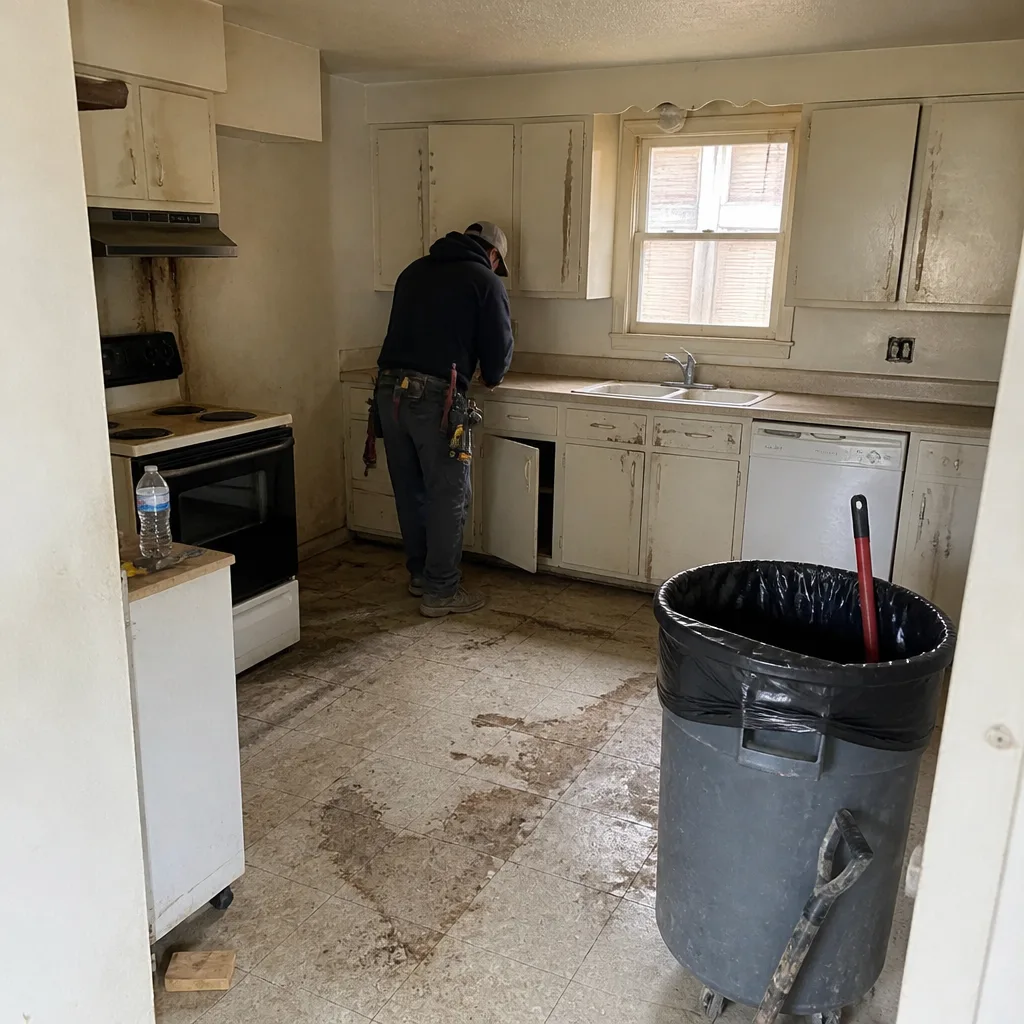 Before
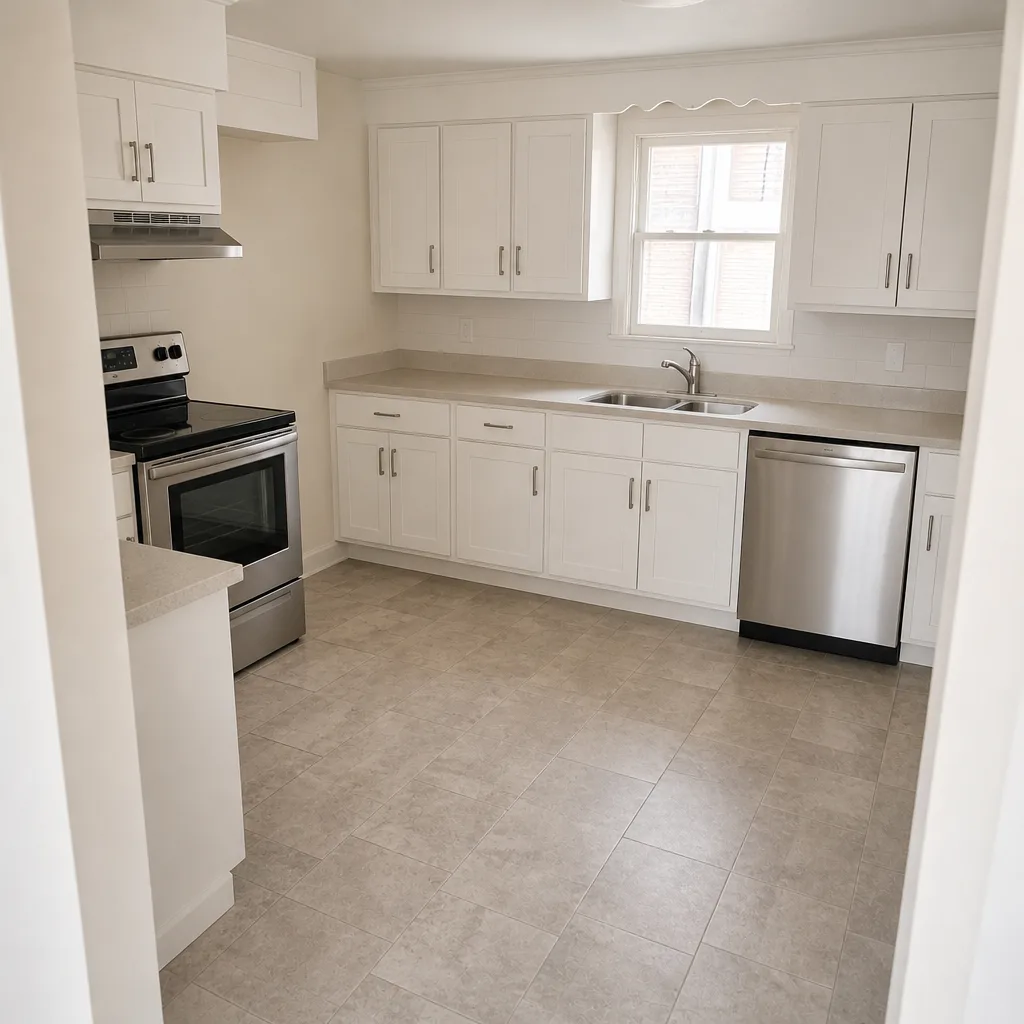 After
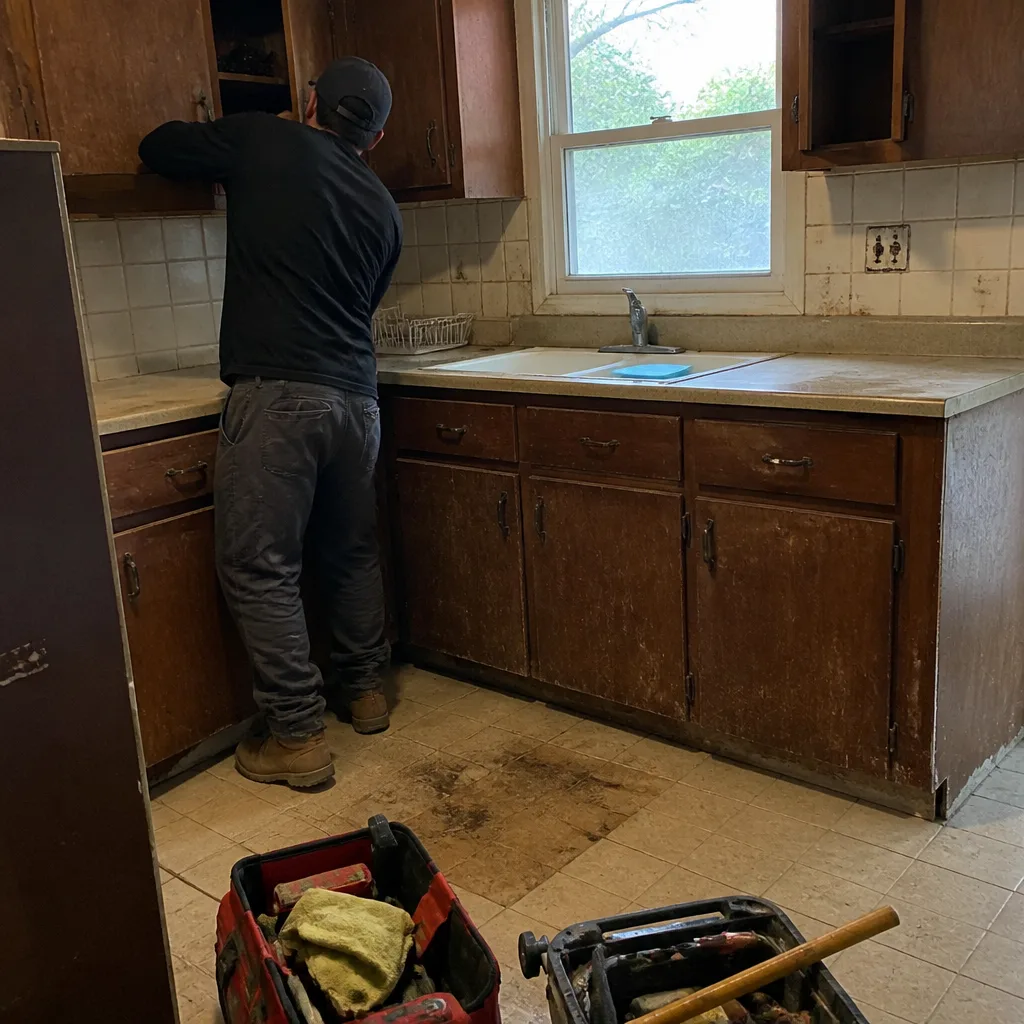 Before
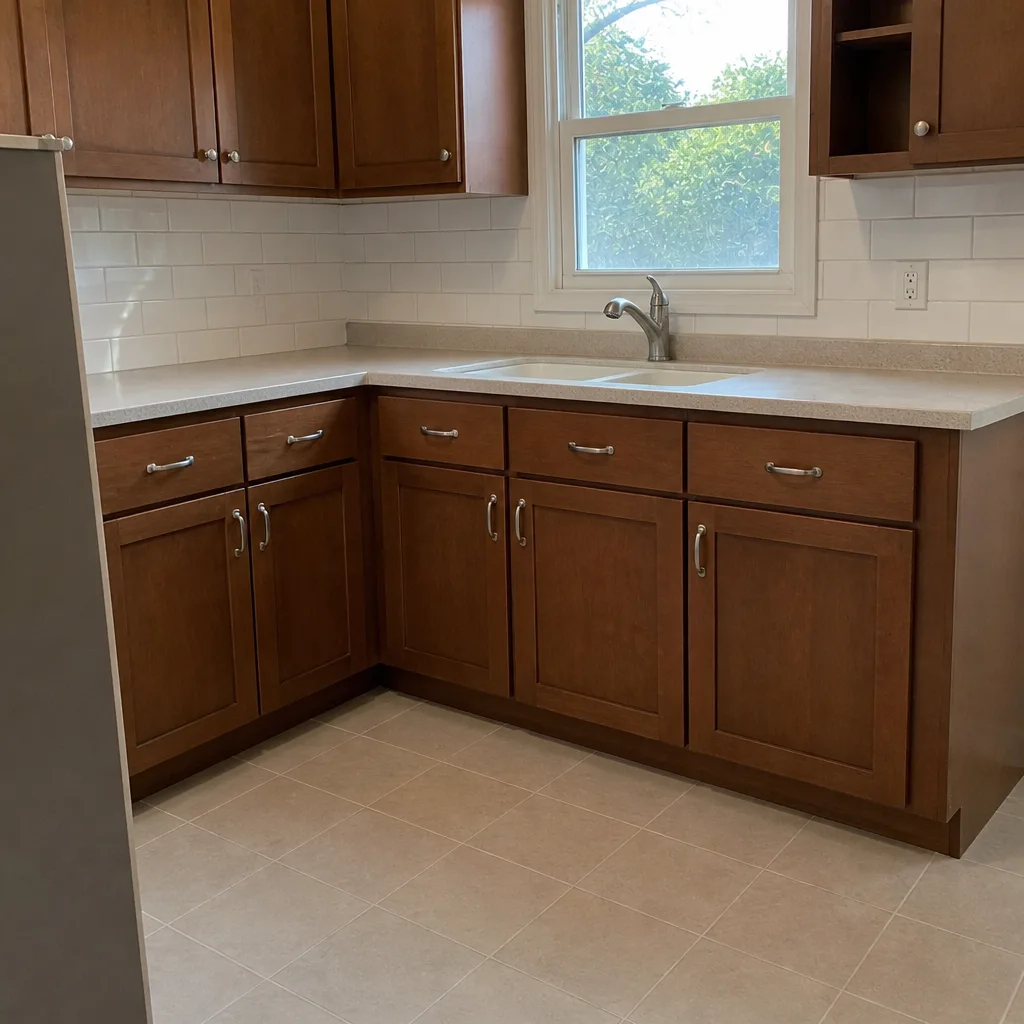 After
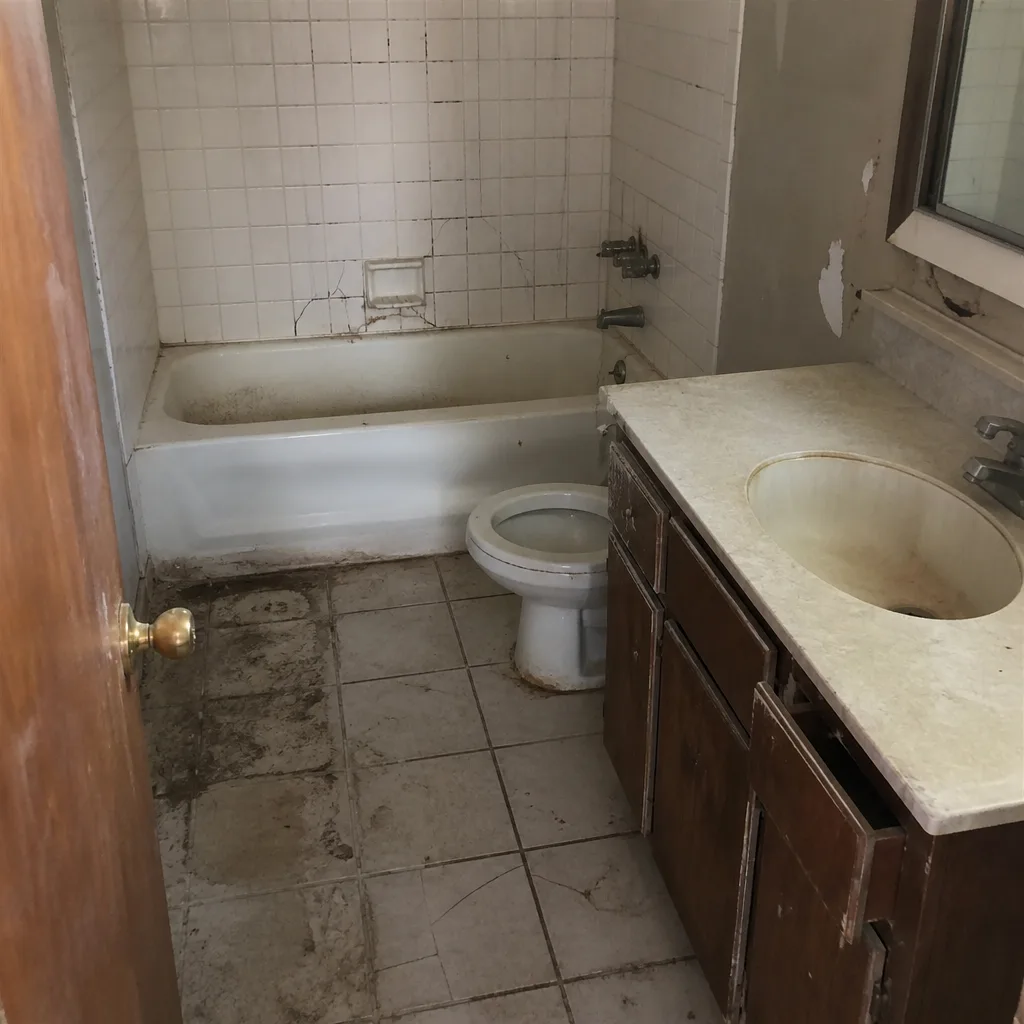 Before
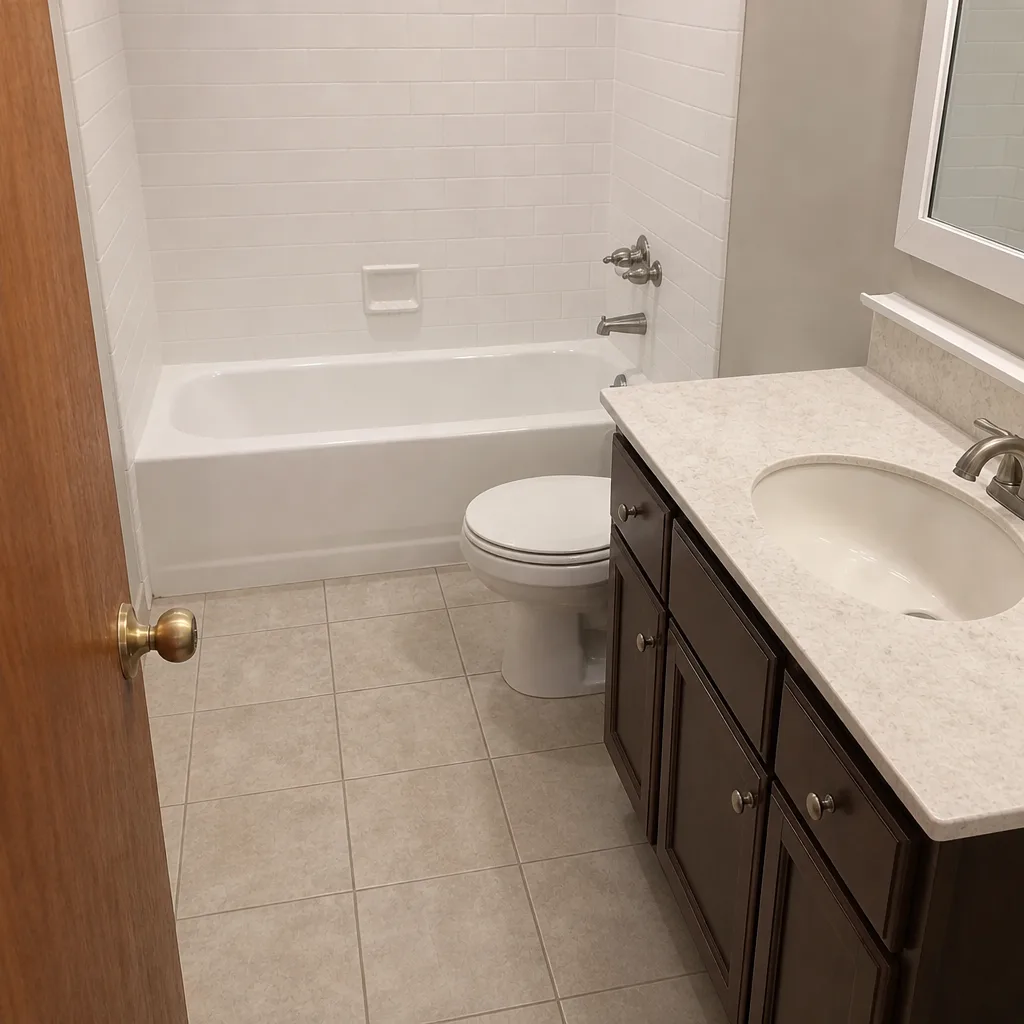 After