Last updated November 18, 2026


Free written scope consultation - allowances, timeline, and change-order rules on paper before a single trade is scheduled
DIY vs Professional Home Additions & ADU: What’s Safe to Do Yourself
Here’s the part most DIY guides skip: in Texas, you can legally pull your own building permit for a home addition as an owner-builder. You don’t need a contractor’s license to do it. But the moment you sell that house within five years, Texas Property Code requires you to disclose in writing that the work was owner-performed and not done by a licensed contractor. Buyers see that disclosure. Lenders see it. Appraisers see it. What looked like a smart way to save $40,000 can stall a sale for months in Lewisville’s resale market, or kill a buyer’s financing outright. This guide maps the actual legal line in Lewisville, Texas, not the skill line, so you know which parts of an addition you can legally touch and which ones require a licensed trade on the permit record.
Quick Answer
In Lewisville, Texas, homeowners can legally owner-build an addition or ADU, but only certain scopes are safe and sensible to self-perform: demolition, insulation, drywall finishing, painting, trim, and some flooring. Electrical, plumbing, gas, structural framing, and anything requiring an engineer’s stamp must be performed by licensed trades listed on the permit. And any owner-performed work must be disclosed at resale within five years, which can affect financing and appraisal. The right question isn’t whether you’re handy enough, it’s whether the scope is legally yours to do.
Styles & brands we work with
- Kitchen remodeling
- Bathroom remodeling
- Home additions & ADU
- Roofing
- Windows & doors
- Driveway & pavers
- Fence
Table of Contents
- What Texas owner-builder law actually says (and the five-year disclosure rule)
- How owner-performed work affects resale value and lender qualification in Lewisville
- Which scopes are legally owner-performable in Lewisville vs. which require licensed subs
- The real cost calculation of DIY finish work vs. hiring it out in North Texas
- What happens to a 730-day warranty when you self-perform parts of the scope
- DIY work that passed inspection but failed within two years
- Common mistakes to avoid
- When to call a professional
What Texas owner-builder law actually says (and the five-year disclosure rule)
Texas doesn’t require a general contractor’s license to build a house or an addition on your own property. That single fact drives most of the DIY addition decisions homeowners make in Lewisville. If you own the property, occupy it as your primary residence, and the structure is for your own use, you can pull permits as an owner-builder through the City of Lewisville’s Building Inspections division.
What most people miss is what happens later. Texas Property Code Chapter 5 and the standard Texas Real Estate Commission (TREC) seller’s disclosure form require that you disclose, in writing, any work performed on the property that you did yourself and that was not performed by a licensed contractor. On the TREC Seller’s Disclosure Notice, this appears as a specific question about additions, alterations, or repairs made without a licensed contractor. You must answer truthfully. Failure to disclose can expose you to post-sale liability for up to five years.
So the legal sequence for a Lewisville owner-builder looks like this:
- Confirm the property is your homestead and the addition is for your own occupancy.
- Submit plans to the City of Lewisville for plan review and pull the building permit in your name as owner-builder.
- List licensed trades (electrical, plumbing, HVAC, and structural if applicable) on the permit as subcontractors of record.
- Complete all inspections with the city, keeping records of every inspection card.
- At resale within five years, disclose owner-performed scopes on the TREC form and retain inspection documentation to hand to the buyer.
That’s the legal map. The next question is what it costs you in market terms.
How owner-performed work affects resale value and lender qualification in Lewisville
In Lewisville’s current market, additions in neighborhoods like Old Town, Castlewood, and Highland Village-adjacent subdivisions routinely sell in the $300K-$600K range. At those price points, buyers are typically using conventional or FHA financing, and both have opinions about owner-built additions.
Here’s the practical reality in the current market:
- Conventional lenders generally accept owner-performed additions if the work was permitted and inspected, and if the appraisal doesn’t flag anything. The disclosure on the TREC form shifts the negotiation leverage toward the buyer, who can ask for repair credits or a price reduction.
- FHA and VA lenders are stricter. FHA appraisers will often require evidence that the addition was permitted, and they can require a licensed contractor’s invoice for work that affects health and safety (electrical, plumbing, structural). VA loans can be denied outright if the appraiser cannot verify that the addition was done to code by a licensed trade.
- Cash buyers negotiate harder because they know the disclosure limits their future buyer pool too. In practice, we’ve seen owner-built additions in Lewisville discount 5-10% off comparable permitted-and-contractor-built comps in the same subdivision.
- Appraisers discount unpermitted or owner-performed square footage. A 400 sq ft owner-built addition that isn’t documented may not count toward the appraisal’s gross living area at all.
So a 500 sq ft owner-built addition at a nominal $60K cost might deliver only $40K-$50K of resale value, and potentially far less if a buyer’s lender pushes back. When you’re weighing DIY against Home Additions & ADU in Lewisville, that’s the real math.
Which scopes are legally owner-performable in Lewisville vs. which require licensed subs
This is where most DIY conversations go wrong. The question isn’t what you can physically do. It’s what the City of Lewisville will accept on permit records, and what a lender will accept at resale. Here’s how the scopes break down for a typical Lewisville addition or ADU:
Scopes you can legally owner-perform in Lewisville
- Demolition of existing walls, floors, or exterior features, provided no load-bearing or utility lines are affected without a permit.
- Insulation installation. Meets code if installed to the specified R-value for North Texas climate zone 3.
- Drywall hanging, taping, and finishing. Inspected under the city’s drywall inspection; owner can self-perform.
- Interior painting and trim carpentry. No license required in Texas for finish work.
- Flooring installation (hardwood, LVP, tile) as long as subfloor prep meets code.
- Cabinet installation (as long as plumbing and electrical rough-in are done by licensed trades).
- Exterior siding installation in most cases, so long as the wall assembly and weather barrier meet the inspection standard and no structural modifications are made.
Scopes that must be performed by licensed trades on the permit record
- Electrical – Texas requires a licensed electrician for permitted work. Lewisville inspects electrical rough-in and final.
- Plumbing – Licensed plumber required; Lewisville inspects rough and final, including gas test if applicable.
- HVAC – Licensed mechanical contractor required for new system installs and ductwork.
- Structural framing – Requires stamped engineer’s drawings in most cases for additions and ADUs, and framing inspection on site.
- Gas lines – Licensed plumber or gas fitter; requires separate pressure test and inspection.
- Roofing on structural additions – code-compliant installs and material warranties (like those offered by GAF or CertainTeed) typically require licensed installer certification.
The realistic picture for most Lewisville homeowners: you might legally handle 20-30% of the labor hours in an addition, mostly in finish work. Everything else runs through a licensed trade listed on your permit.
The real cost calculation of DIY finish work vs. hiring it out in North Texas
DIY rarely saves what homeowners expect, because they leave out three things: their own time, tool and equipment rental, and the mistake-and-redo budget. Here’s what that math looks like for a 400 sq ft addition in Lewisville, using realistic 2025 North Texas labor rates.
A 400 sq ft addition, budgeted three ways
Scenario A: Hire everything out (typical full-scope scenario)
- Drywall hang, tape, finish, primer, paint: $3,200-$4,400
- Interior trim, doors, and hardware: $1,800-$2,600
- Flooring (LVP, installed): $2,800-$4,000
- Cabinets and finish carpentry: $1,600-$3,000 (materials excluded)
- Insulation, installed: $1,200-$1,800
- Total finish labor: $10,600-$15,800
Scenario B: DIY finish work, first-time homeowner
- Drywall and paint materials (plus mistakes, redo of at least one room): $1,800-$2,600
- Tool rental over 8 weekends (drywall lift, texture sprayer, tile saw, compressor): $600-$1,100
- Time commitment: 240-320 hours over 8-12 weekends
- Mistake-and-redo (bad tape lines, tile layout errors, sanded-through drywall corners): $1,200-$3,000
- Value of your time at $40/hr opportunity cost: $9,600-$12,800
- Nominal cash outlay: $3,600-$6,700. Time-adjusted cost: $13,200-$19,500
Scenario C: DIY insulation and demolition, hire the rest
- Insulation and demo savings: $800-$1,400
- Everything else hired out: $9,800-$14,400
- Total: $10,600-$15,800
The math is uncomfortable: unless you have a finished-trade skillset and can confidently install cabinets and drywall to a paint-ready finish, you’ll likely spend more time-adjusted money doing it yourself than hiring it out. The clean win is scenario C: pick the two or three scopes you’re genuinely competent at and leave the rest to trades who do it every day.
What happens to a 730-day warranty when you self-perform parts of the scope
This is the piece almost nobody talks about, and it’s the one that costs homeowners the most over time. When a contractor like Groundwork Construction Co. of Lewisville issues a 730-Day Done Right Promise on an addition, that guarantee covers the workmanship in the scope we built. If the homeowner performs some portions of the scope independently, the warranty terms on the connected work get murky in a hurry.
Here’s how the carve-out practically plays out:
- If you self-perform drywall and it fails (nail pops, tape cracks, moisture damage from improper joint compound), that scope isn’t covered – and neither is downstream damage to flooring or trim that was installed by the contracted crew but sits on top of the failed drywall.
- If you self-perform the exterior siding tie-in to the main house and it leaks into the new addition’s framing, the covered scope gets carved out because the leak originated outside the contractor’s work.
- If you install the flooring yourself on top of a subfloor the contractor prepped, and the flooring fails from a moisture issue, the warranty attribution question usually defaults to “not covered.”
- If you self-perform insulation and skip a vapor barrier detail, and later see condensation and mold on the finished drywall, the whole interior scope can end up debated rather than fixed.
The clean way to preserve the 730-Day Done Right Promise is to have a single contractor responsible for the connected scope. Any time two or more parties touch the same system boundary, the guarantee weakens. That’s not a sales line; that’s how workmanship warranties are structured in construction.
DIY work that passed inspection but failed within two years
We’ve seen plenty of additions come across our desks after the homeowner already completed a self-performed scope and the city signed off. Passing inspection is a code-minimum checkpoint, not a long-term performance guarantee. Here are the failure modes that show up again and again in Lewisville’s climate – hot summers, occasional hard freezes, and pea-gravel clay soil that moves.
Three real patterns we’ve seen
- Insulation that passed at R-13 but failed at year two. An owner installed batt insulation in a north-facing exterior wall to meet code inspection. What they missed was blocking air leakage at the top plate and around the electrical boxes, and the north wall in Lewisville’s mixed-humid climate pulled condensation inside the assembly. Drywall failed, mold set in behind the baseboards. The insulation met code on paper. It didn’t handle the actual humidity load of a Texas summer.
- Siding tie-in that passed framing inspection but leaked at year two. The homeowner installed fiber cement siding correctly per manufacturer specs on the new wall, but flashed the transition to the existing brick incorrectly. Fifteen months later, fascia rot and a soft spot showed up in the framing of the covered crawlspace. The material was right; the sequencing of how the new wall met the old wall was wrong, and that detail isn’t on any inspection checklist.
- Tile shower that passed plumbing and flood test but failed at 18 months. An owner installed a tile shower pan themselves after the plumber roughed in the drain and the city flood-tested the pan liner. What didn’t get done was the pre-slope under the liner and the waterproofing membrane on the walls above the shower floor. Tile held for about 18 months, then grout cracked and water tracked into the adjacent closet wall. The inspection passed. The build failed.
These aren’t edge cases. They’re what happens when a homeowner has the skills to install the material but not the context of how each scope connects to the next system.
Common Mistakes to Avoid
- Pulling the permit under your own name without a plan for trade subs. If your licensed electrician walks mid-build and you hire another, the permit record has to be updated or the final inspection fails. In Lewisville, changing the electrician of record mid-project is doable but adds weeks.
- Treating a passed inspection as proof of quality. The inspector checks that minimum code is met, not that the detail will hold up in a Texas summer or a hard freeze. Budget for real-world performance testing, not just the visit.
- Self-performing the siding or roofing tie-in to save on labor. That transition area is the number one source of water intrusion we see on homeowner-extended additions in Lewisville, and it’s not something a code inspector probes for. Use a licensed roofer or siding contractor for the intersection.
- Skipping the disclosure discussion during planning. Assume you’re disclosing owner-performed work at resale under the five-year rule. If that assumption kills your ROI math, adjust scope before you start, not after.
- Underestimating tool and material waste by 40%. First-time tile setters and drywall finishers use 1.4-1.6x the material of a trained crew. That eats most of the “DIY savings” before labor even enters the picture.
- Choosing building materials without checking installer warranty requirements. Brands like GAF and CertainTeed require certified installers to honor their full material warranty. If you self-install those materials on the exterior, the material warranty drops to a limited version and your resale documentation chain weakens.
- Not photographing each rough-in stage before it’s covered. This is the single best thing a Lewisville owner-builder can do to preserve resale and financing – document every wall cavity, every plumbing rough, every electrical run, before drywall goes up.
See the difference
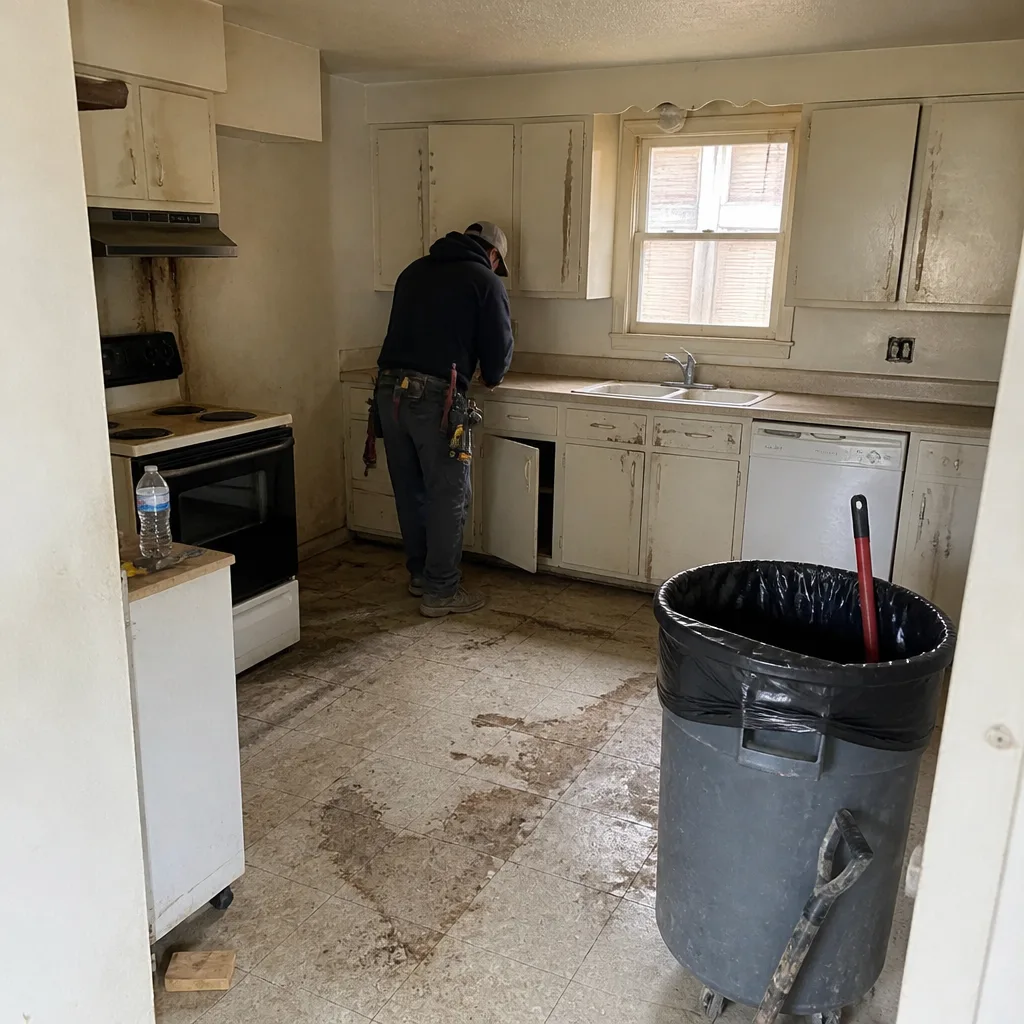 Before
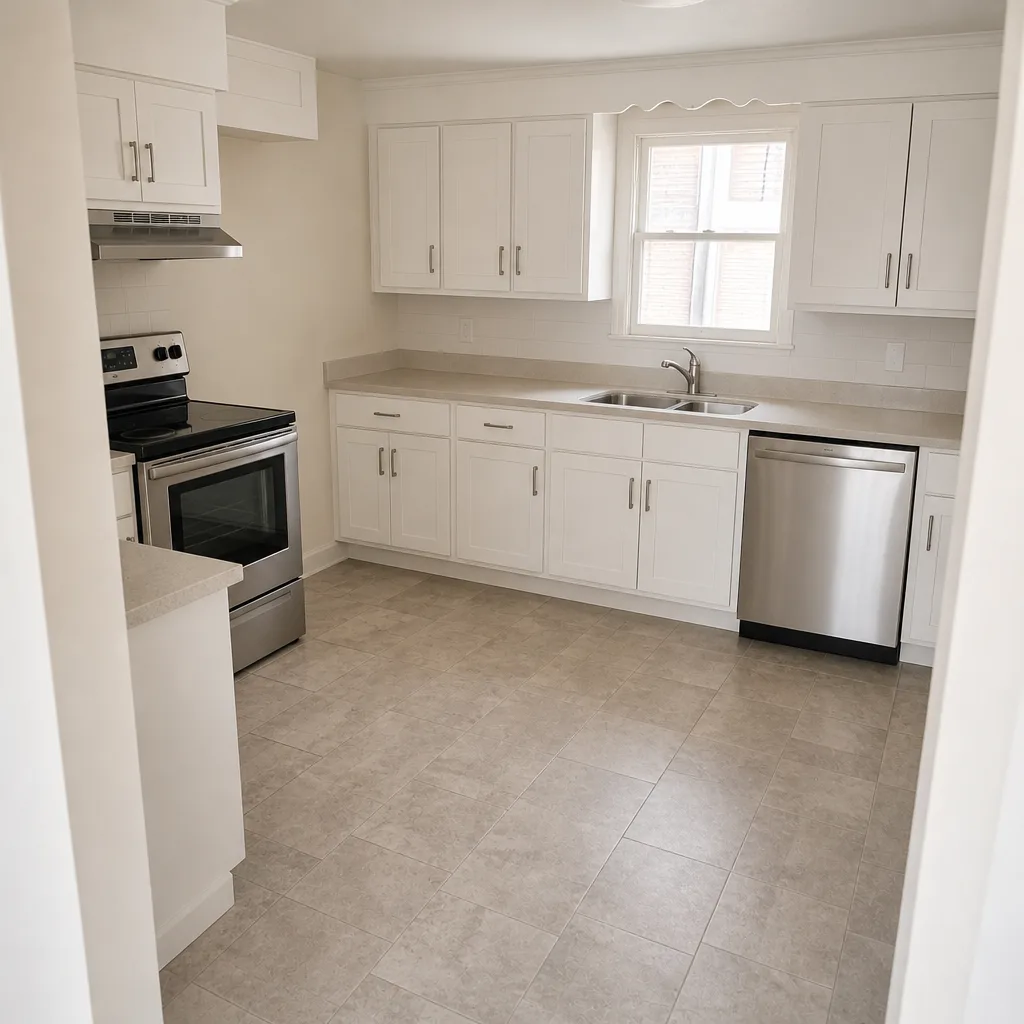 After
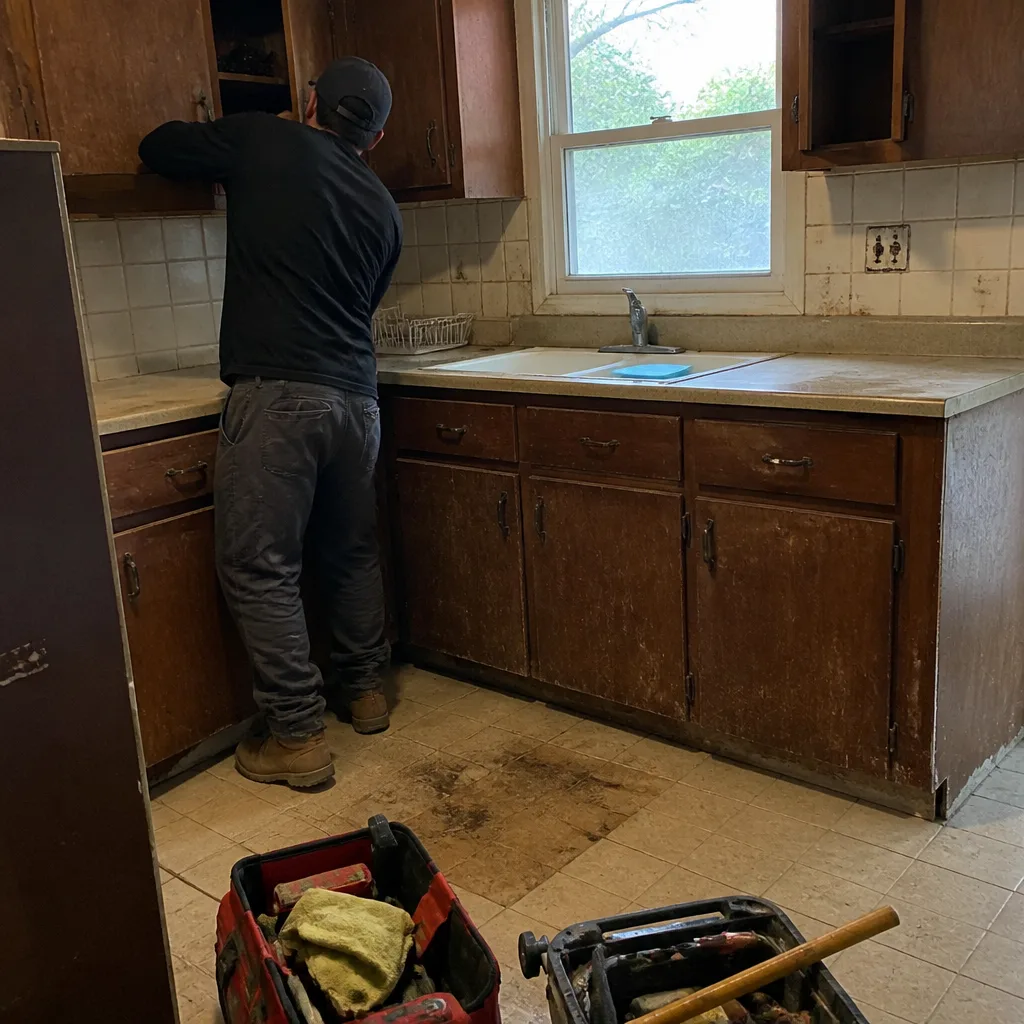 Before
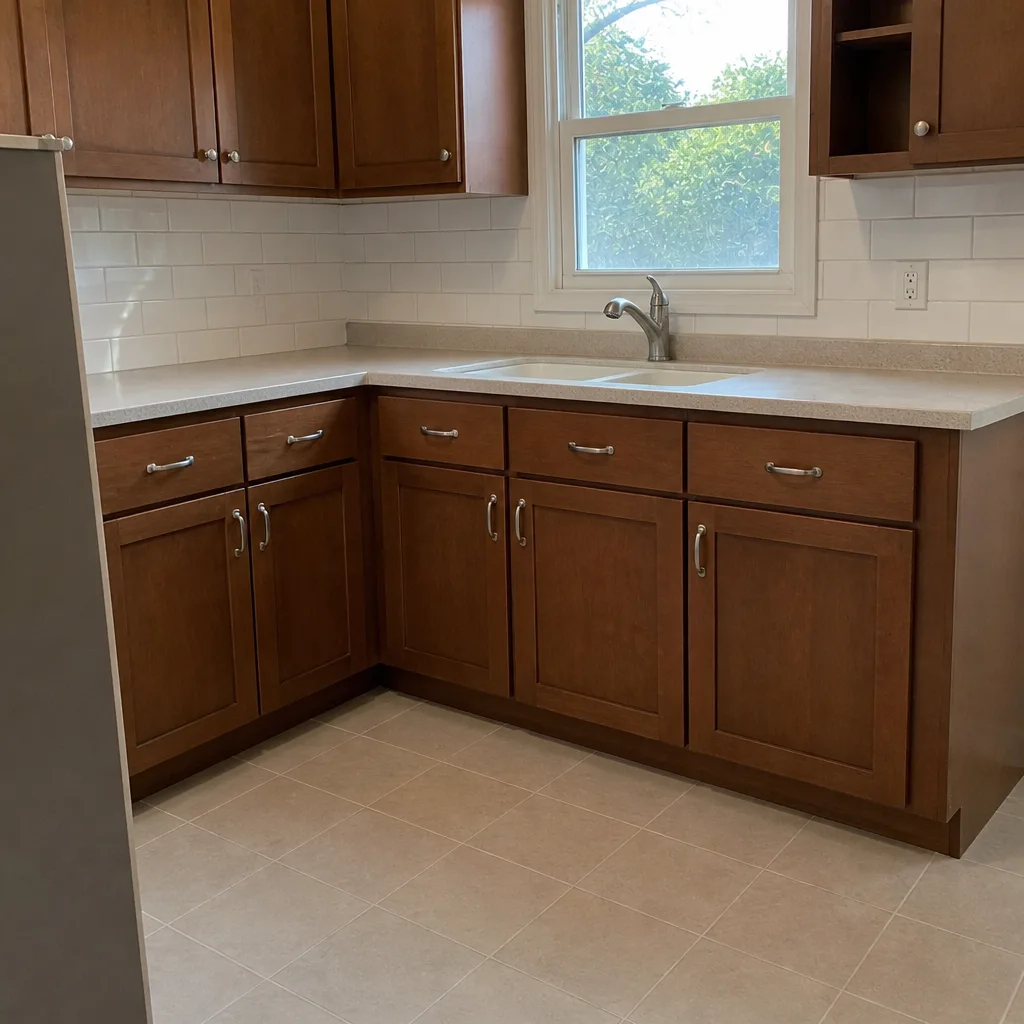 After
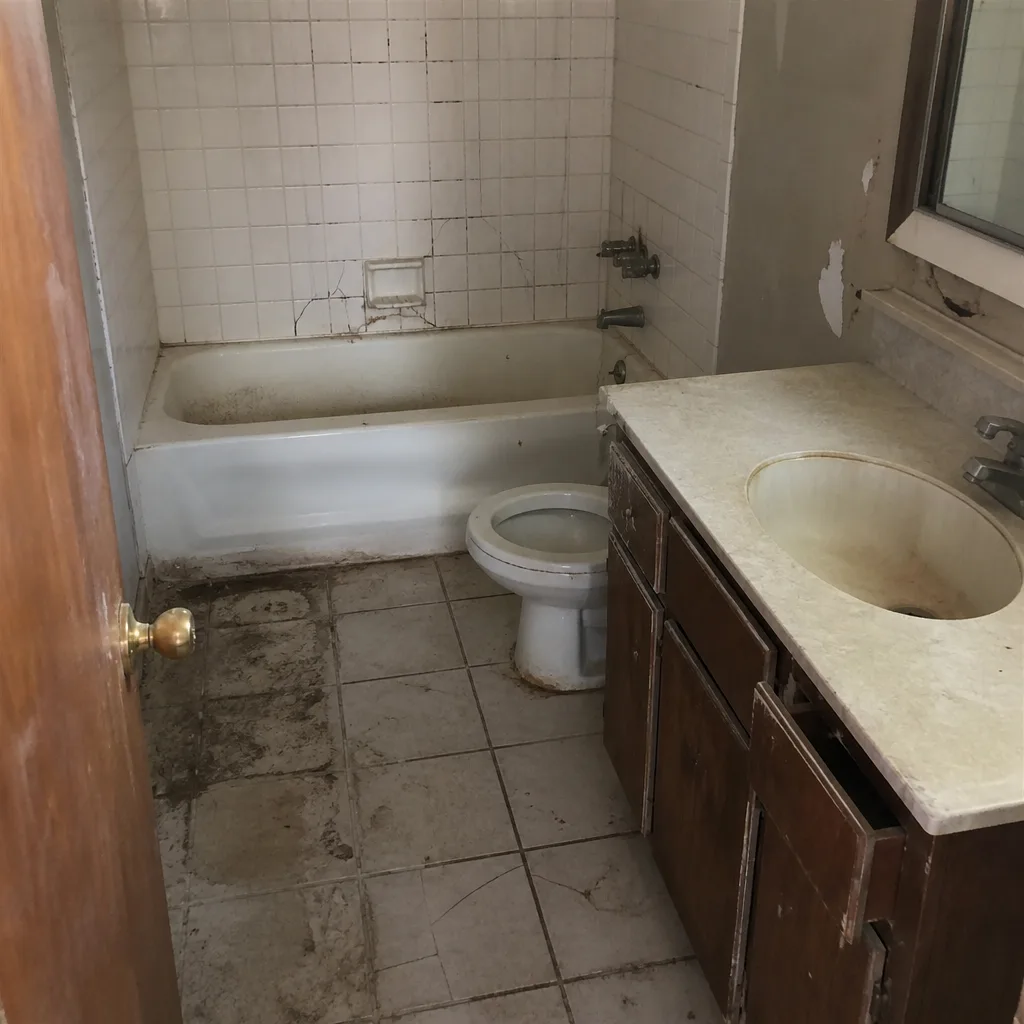 Before
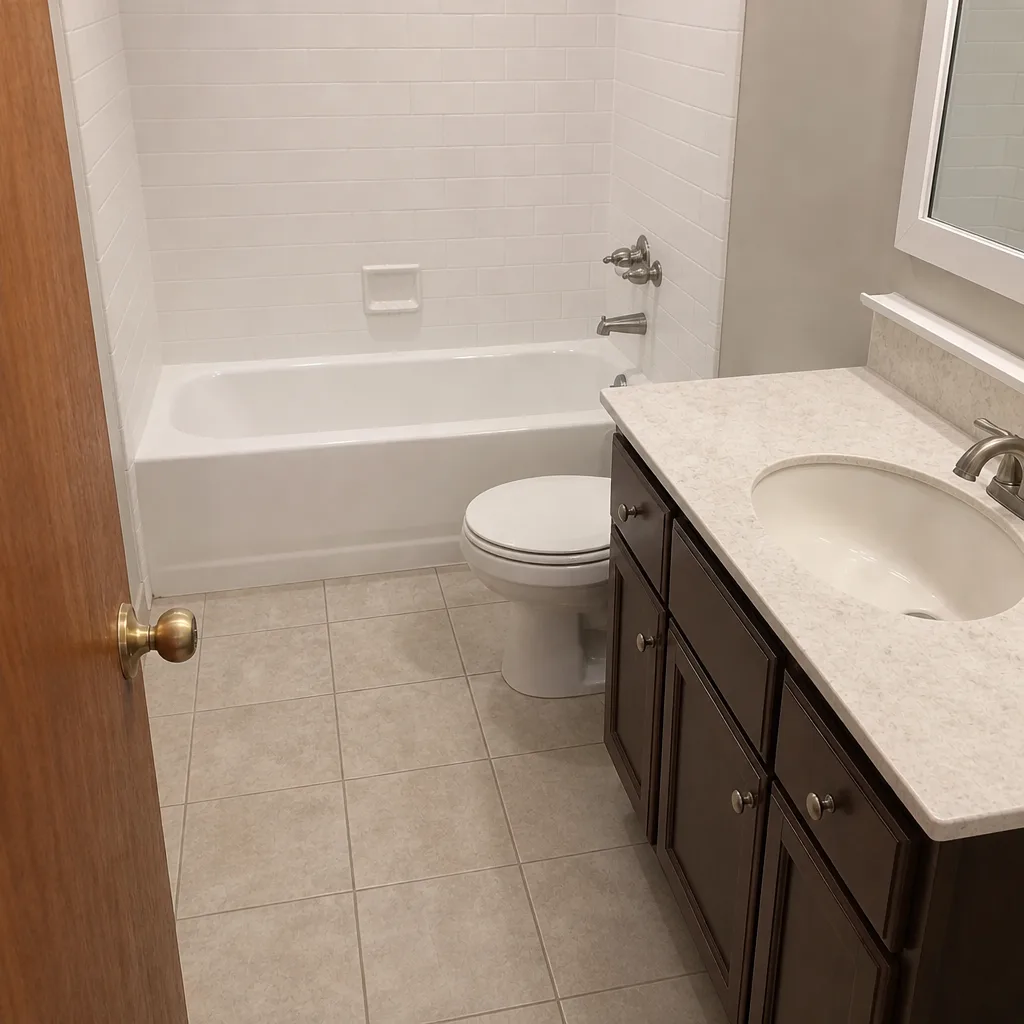 After
When to Call a Professional
Call a professional the moment your scope crosses any of these lines: structural framing, electrical rough-in or panel work, plumbing or gas, HVAC, roofing on the addition, the exterior envelope tie-in, or any scope that appears on your lender’s appraisal checklist. Also call when your time is worth more than $40 an hour to you, because the finish-work math stops penciling out above that rate. And call when you plan to sell within five years, because the disclosure math on owner-performed work changes the ROI significantly. Groundwork Construction Co. of Lewisville offers free estimates and design consults for additions and ADUs in Lewisville – call (844) 560-4467. Our technicians have up to 12 years of experience, and every project is covered by the 730-Day Done Right Promise, so you have one team responsible for the whole scope from foundation to finish line.
Frequently Asked Questions
Yes, Texas allows homeowners to act as their own general contractor on a primary residence, including pulling permits through the City of Lewisville as an owner-builder. What you cannot legally self-perform without a license is electrical, plumbing, gas, HVAC, and in most cases structural work requiring an engineer’s stamp. The addition must also be disclosed as owner-performed if you sell within five years. Call (844) 560-4467 for an exact scope breakdown – estimates are free.
Yes. The TREC Seller’s Disclosure Notice requires disclosure of additions or alterations made without a licensed contractor. Failing to disclose can expose you to post-sale liability. In practice, most Texas buyers interpret this disclosure as a signal to negotiate down or request repairs. Call (844) 560-4467 to discuss how a licensed build preserves the cleanest resale path.
Conventional lenders generally will if the addition was permitted and inspected, but FHA and VA loans often require proof the addition was done by a licensed contractor for any scope affecting health and safety. In practice, owner-built additions in Lewisville frequently slow down financing for FHA and VA buyers, which can shrink the pool of interested buyers. Call (844) 560-4467 to plan the build around financing requirements, not just code requirements.
The warranty coverage stays intact on the scopes a contractor performs and stays connected, but self-performed scopes and any downstream work that depends on them get carved out. In other words, if you install your own drywall and it fails, the connected warranty on flooring or trim installed on top may not apply. Call (844) 560-4467 to talk through the right scope split before you start.
Physically, sometimes. Practically, no. Both GAF and CertainTeed require certified installers to honor the full material warranty. If the material fails and you self-installed it, you’re likely covered only by the limited version – and that weakens your resale documentation. Roofing on an addition also ties into the existing home’s flashing, which is a top source of leaks in Lewisville’s storm season. Call (844) 560-4467 for a properly certified install with a documented warranty chain.
It depends on your rate of opportunity cost. If your time is worth under $25/hr and you have real finish-work experience, self-performing drywall, insulation, and painting can save you cash on a 400 sq ft addition. Above $40/hr or without prior finish experience, the time-adjusted math favors hiring out. Call (844) 560-4467 for a free line-item estimate so you can compare the real numbers side by side.
The Bottom Line

The legal line in Lewisville, Texas is what decides whether a scope is yours to do, not whether you have the skills. Owner-builders can pull permits for additions and ADUs, but the five-year resale disclosure, the FHA and VA lending constraints, and the way workmanship warranties carve out when scopes are split make DIY a losing ROI bet on most of an addition. The smart play is picking the two or three finish scopes you’re genuinely competent at and leaving framing, electrical, plumbing, HVAC, roofing, and envelope tie-in to licensed trades on the permit record. If you want one contractor responsible for the whole scope with a written guarantee, that’s what we do.
If you’re planning an addition, ADU, or a major remodel in Lewisville and want to see what a fully licensed, single-contractor build looks like on paper before you commit, call (844) 560-4467 to schedule your free estimate and design consult. Groundwork Construction Co. of Lewisville answers with a live person, 24/7 – no voicemail, no waiting until Monday. We bring upfront pricing with no surprises, the 730-Day Done Right Promise on the whole scope from foundation to finish line, and 0% financing for 18 months with $1,000 off projects over $10,000. Whether it’s a home addition, a Driveway & Pavers in Lewisville project, or a Fence Installation in Lewisville, the same guarantee applies. Have a look at Groundwork Construction Co. of Lewisville home to see the full scope of what we build.
Written by the team at Groundwork Construction Co. of Lewisville.