Last updated November 18, 2026

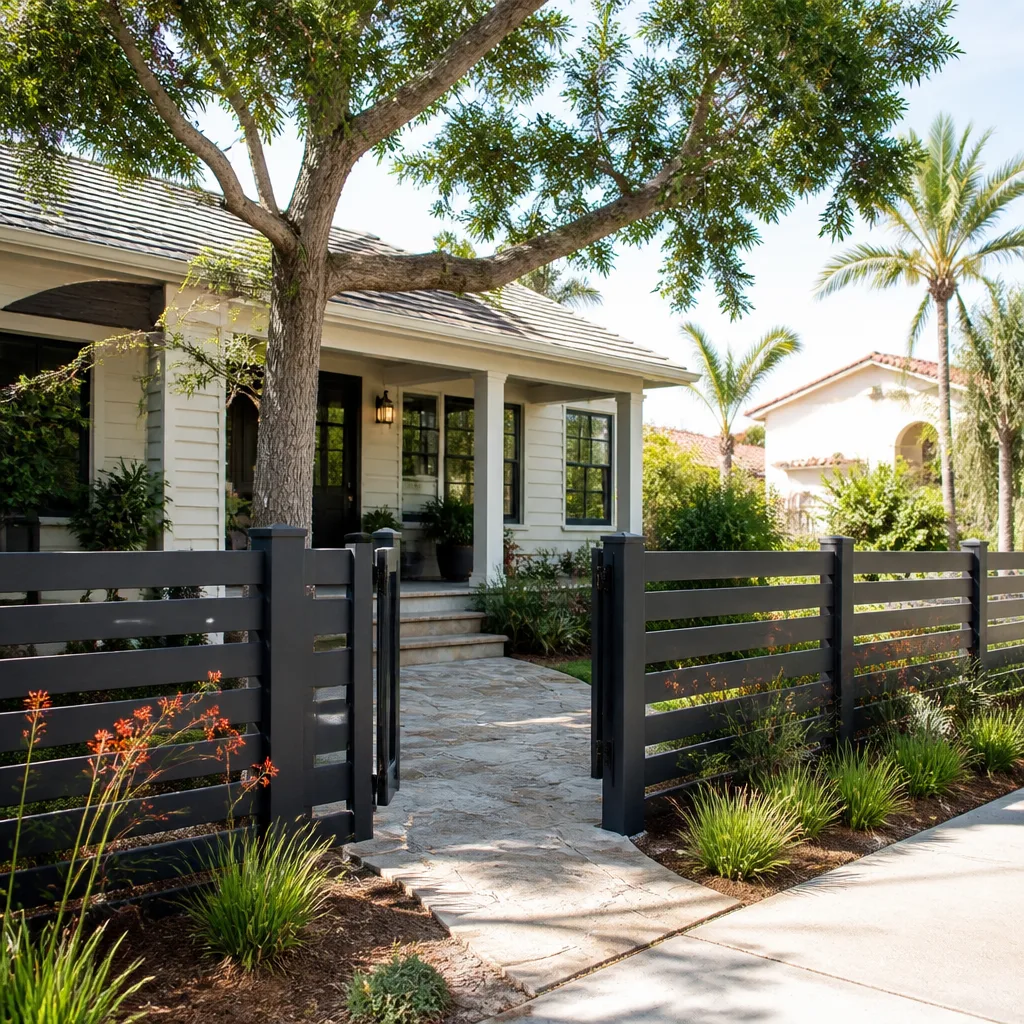


Free written scope consultation - allowances, timeline, and change-order rules on paper before a single trade is scheduled
How Long Does Driveway & Pavers Take? Timelines and What to Expect
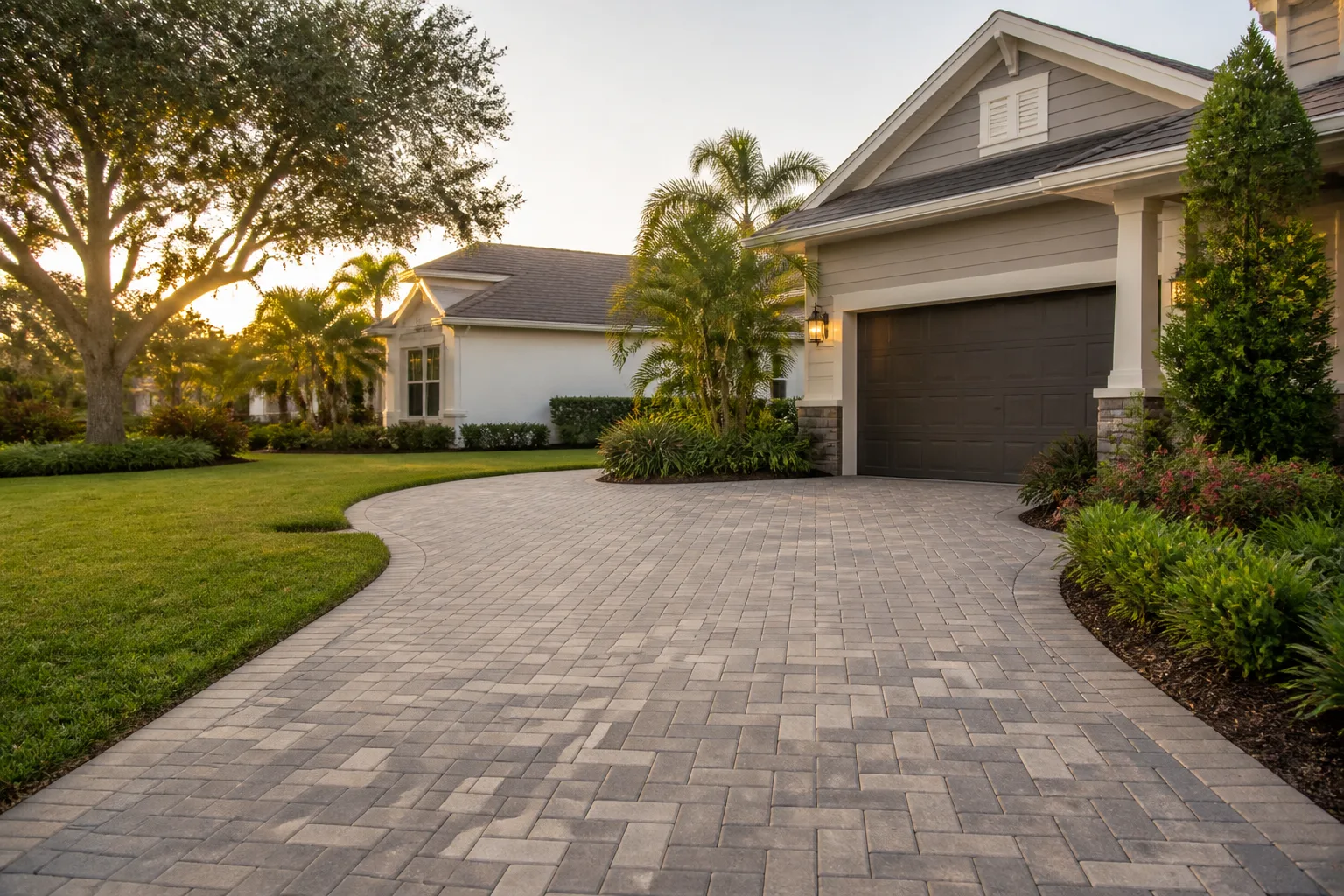
Here’s the part most contractors won’t lead with: the paver installation itself is often the fastest phase of the entire job. Laying down thousands of square feet of Belgard or Cover stone can take two or three days. What blows timelines is what happens underneath. In Lewisville’s expansive clay soil, base excavation, compaction, and curing can add two to three days that a low bid rarely mentions upfront. This guide breaks down the real timeline phase by phase, explains what North Texas heat and flash storms do to a schedule, and shows you how to spot a contractor who’s guessing versus one who’s planning.
Quick Answer
A typical two-car driveway paver installation in Lewisville takes 5 to 9 working days from demolition to final joint sand, plus a 7 to 14 day curing window before you park on it. A three-car driveway rarely doubles that time – it usually adds one to two days because equipment and crew stay in place. The variables that move your date are soil conditions, drainage requirements, and weather buffers.
Styles & brands we work with
- Kitchen remodeling
- Bathroom remodeling
- Home additions & ADU
- Roofing
- Windows & doors
- Driveway & pavers
- Fence
Table of Contents
- Phase-by-Phase Timeline Breakdown
- Why Base Preparation Blows Timelines in Lewisville
- Two-Car vs. Three-Car: What Actually Drives Duration
- North Texas Heat, Flash Storms, and Weather Buffer
- The Curing and Settling Window Before You Park
- Red Flags in Contractor Timelines
- Paver Timeline vs. Concrete and Asphalt
- Planning Around the Blockage: Access and Logistics
Phase-by-Phase Timeline Breakdown
Every driveway project is really a stack of eight distinct phases, and each one has its own realistic day count. Here’s how we break down a 400 to 600 square foot two-car driveway in Lewisville.
- Demolition and removal (0.5 to 1 day). Tearing out the old surface is fast when it’s asphalt. Concrete slabs take longer because they break into sections and get hauled off. A truck-loading cycle off a Lewisville street with limited shoulder access can add hours.
- Excavation (0.5 to 1 day). The crew digs down 6 to 10 inches depending on the traffic load rating. Clay-heavy ground slows this because the soil doesn’t break cleanly.
- Base compaction (1 to 3 days). This is the phase that matters most. Crushed stone gets laid in 2 to 3-inch lifts and each lift is compacted. Skipping lifts, or compacting wet clay, is what causes driveways to settle and pavers to heave within two years.
- Bedding layer (0.5 day). A 1-inch layer of coarse sand screeded level. Quick if the base is right, slow if it isn’t.
- Paver installation (1.5 to 3 days). Depends on pattern complexity, edge detail (border courses add time), and total square footage. 400 square feet is a two-day lay for a typical crew.
- Edge restraints and cuts (0.5 day). Cutting pavers around a curved driveway apron or a driveway that meets a sidewalk ramp on a Lewisville street will always add hours.
- Joint sanding (0.5 day). Polymeric sand swept into the joints, activated with a light mist, and left to set.
- Sealing (0.5 day, often deferred). Sealing is usually scheduled 30 to 60 days after installation so the pavers can release moisture first. Some installers seal on day one with a breathable product. Others come back during a second visit.
Total realistic range: 5 to 9 working days. Add two days if the existing surface is concrete. Add two more if drainage requires a trench drain or a grade change.
Why Base Preparation Blows Timelines in Lewisville
Lewisville sits on expansive clay – the kind that swells in wet weather and shrinks in dry. Ask any homeowner near Old Town or along the Lake Lewisville corridor and they’ll tell you: driveways that were never properly based show it within a season. Cracks, heaves, and pavers that rock underfoot.
That clay doesn’t just hurt long-term durability. It stretches the timeline in three specific ways:
- Excavation is slower. A crew that can dig out an asphalt drive in Dallas’ sandy soil in half a day might spend a full day in Lewisville’s clay. The material comes out in heavy, wet chunks instead of clean scoops.
- Compaction takes more passes. Clay base material must be dry enough to compact properly. If the excavation uncovers wet clay, the crew has to let it dry, add lime, or haul in engineered fill. That’s a two to three day swing.
- Curing is required. Base layers need 24 to 48 hours between lifts on some projects, especially in warm months when the sand bedding will dry out. Contractors who try to compress lifts into a single day are skipping the geotechnical realities that Lewisville’s soil demands.
If your driveway slopes toward the street (common in the Castle Hills, Lakeland, and Vista Ridge neighborhoods where elevations were graded in), drainage adds another consideration. A trench drain, a channel drain, or a grade correction may take an extra day.
We’ve seen base failures across Lewisville that could have been caught at the compaction stage. When we scope driveway and pavers projects, we evaluate soil conditions before quoting a timeline – and we put the base spec in writing. That’s where the real guarantee begins, and it’s why our work is covered by the Driveway & Pavers in Lewisville scope of the 730-Day Done Right Promise.
Two-Car vs. Three-Car: What Actually Drives Duration
Here’s a counterintuitive fact: a three-car driveway is not 50% longer than a two-car driveway. It’s usually 10% to 20% longer. The reason is that most of the delay on a driveway project comes from phases that don’t scale with square footage. Demolition, mobilization, excavation setup, and compaction of the first lift cost the same in hours whether the drive is 20 feet wide or 30.
What actually drives duration on a wider driveway:
- Additional base lifts. A 30-foot driveway still needs the same compaction depth as a 20-foot one, so the base phase doesn’t grow proportionally. But miscalculated lifts can add a day.
- Pattern complexity. A running-bond lay is fast. Herringbone, ashlar, or mixed-size designs are slower because the crew has to line up every course by eye.
- Edge detail. A three-car driveway usually has more perimeter, which means more cuts and more restraining edge.
- Drainage. A wider surface collects more water, so a wider drive almost always needs a drainage solution that a narrow one doesn’t.
- Vehicle access on install day. Truck placement matters. Driveways that back onto a narrow Lewisville residential street with no shoulder can add an hour to every material delivery.
The takeaway: when a contractor quotes you a timeline based purely on square footage, they haven’t actually thought through the project. The right question isn’t “how many cars fits in the driveway” – it’s “how many lifts, how many cuts, and how much drainage.”
North Texas Heat, Flash Storms, and Weather Buffer
Summer in North Texas is tough on driveways. Between June and September, daytime temperatures routinely exceed 100°F, which affects the material and the crew’s working pace. Any responsible contractor builds buffer into their schedule for both. Low-bid contractors sometimes don’t – and you can spot it by looking at what their quote excludes.
Specific weather-related impacts:
- Compaction windows. Bedding sand can dry out faster than expected in 100°F heat, which means crews refresh or re-mist before laying pavers. This adds half a day in peak summer.
- Polymeric sand activation. The joint sand needs light moisture to set properly. Too much rain within the first 24 hours washes it out and requires a re-application.
- Flash storms. A common DFW pattern is a midweek afternoon thunderstorm dropping half an inch or more in under an hour. If the bedding layer or the freshly laid pavers get caught, the crew either covers them or resets the day. Responsible timelines factor in one rain day per five-day window during spring and fall storm season.
- Extreme cold. Rare in Lewisville, but a February cold snap below freezing delays compaction because the base won’t reach optimum density. Call this out on any winter project.
A realistic timeline in March through May and September through November includes one to two contingency days for weather. A June through August schedule needs a different kind of contingency: heat schedule adjustments, including earlier start times and mid-afternoon pauses. Contractors who quote the same day count in every season are quoting what they hope will happen, not what will.
If your project involves adding a covered structure or a detached garage next to the new driveway, the sequencing matters – the paver schedule needs to work around the structure’s Home Additions & ADU in Lewisville timeline, not the other way around.
The Curing and Settling Window Before You Park
The driveway looks finished on the last day of installation. It isn’t. Here’s the honest schedule of what comes next.
- Days 0 to 3: Paver joints are still firming up. Keep foot traffic off it if you can. Light pedestrian use is fine after 24 hours.
- Days 3 to 7: The sand jointing has mostly set. You can walk across it, but keep cars off. Vehicle loading during this window is what causes pavers to shift and joints to open.
- Days 7 to 14: Typical window for vehicle traffic on a well-based driveway. Ask your contractor for their specific recommendation – clay-heavy soil often pushes toward the 14-day end.
- Days 30 to 60: Sealing window. Sealing too early traps moisture in the pavers and can produce a haze or white blush. Sealing too late is a cosmetic problem, not a structural one.
- Months 3 to 12: The settling window. A small amount of minor paver movement at the corners is normal. If a paver rocks underfoot after month three, that’s a base issue, not normal settling.
Skipping the vehicle-off window – especially in the first 7 days – structurally undermines the base you just paid for. The pavers compress into the bedding sand unevenly, which means joints open, edges shift, and you end up re-doing sections that would have lasted decades. This is where the 730-Day Done Right Promise matters: if the base fails inside that window through no fault of your own, we make it right. But the fastest way to void any warranty is to park a loaded truck on a two-week-old driveway.
Red Flags in Contractor Timelines
When a contractor quotes you a timeline, you’re actually getting a window into how they plan to build the job. Here’s what to watch for.
- Three days quoted for a five-day job. The only way to install a typical two-car driveway in three days is to skip base lifts, skip compaction passes, or skip the bedding layer depth. Every one of those shortcuts comes back as a two-year failure.
- No mention of drainage. Any driveway with slope toward the house or a low spot that collects water needs a plan. A quote that never mentions drainage is a quote that didn’t look at your yard.
- No mention of curing or the parking window. A contractor who doesn’t tell you to stay off the driveway for a week hasn’t thought through the base.
- No weather contingency. In Lewisville’s storm season, a five-day job with zero buffer is either a rush job or a guarantee of a mid-project delay with no plan for it.
- A price that doesn’t include removal. Some quotes look cheap because demolition, haul-off, and disposal are billed separately. Ask for the total, in writing.
- No written timeline at all. A handshake and a start date isn’t a schedule. You want a written sequence with day counts and a stated contingency plan.
- Material name-dropping without a spec sheet. “Belgard pavers” isn’t enough – which Belgard line, which thickness, and which color? The spec changes the timeline because some lines are more forgiving to lay than others.
One of the advantages of working with a full-scope builder is that we already know the material lead times and the crew sequencing across trades. Brands like Belgard, Cover, and James Hardie have manufacturing schedules that need to be locked in 2 to 3 weeks ahead of install day. If your contractor hasn’t called the supplier by the time they hand you a start date, the start date is fiction.
Paver Timeline vs. Concrete and Asphalt
Homeowners in Lewisville ask us all the time whether pavers take longer than concrete. They do, but not by as much as people think – and what you get on the back end is the payoff.
- Poured concrete: 2 to 4 days installation, plus a 5 to 7 day curing window before vehicle traffic. Concrete slabs crack in Lewisville’s clay soil and cannot be spot-repaired.
- Asphalt: 2 to 3 days installation, but the surface needs 6 to 12 months of settling before it hits a full cure, and sealing is required every 2 to 3 years.
- Pavers: 5 to 9 days installation, plus a 7 to 14 day vehicle window. Individual pavers can be pulled and reset if a base issue or utility line ever demands access. Concrete can’t.
Pavers cost more upfront. They also last longer, tolerate the clay better because the base is engineered to move just slightly instead of cracking, and can be repaired unit by unit. For a Lewisville homeowner planning to stay in the house, that math usually favors pavers. If your driveway borders a property line you share with a neighbor, coordinate demolition timing separately – we’ve seen a fresh paver install held up a week by a surprise property boundary question on a fence or shared drive project. That’s the kind of thing a written schedule and a proper property survey catches in advance, and it ties into fence and property line work like the type we cover on our Fence Installation in Lewisville page.
Planning Around the Blockage: Access and Logistics
The single most disruptive part of a driveway project isn’t the noise. It’s that you can’t use the driveway for roughly 10 to 21 days, depending on weather and curing. That’s a huge deal for a two-car household in a Lewisville neighborhood where street parking is tight.
Here’s a realistic game plan before the crew arrives:
- Confirm street parking rules. Some Lewisville HOA neighborhoods restrict overnight parking on the street. Check before demolition day, not after.
- Plan alternate access for 2 to 3 weeks. Most homeowners use street parking plus a temporary walkway to the front door. Ask the contractor to leave a gravel or plywood path to the entry.
- Schedule deliveries around the install. Grocery deliveries, package pickups, and school pickup routines all get disrupted. Put a note on the front door and text family members the timeline.
- Move cars and storage items out of the garage path. Anything that needs to exit the driveway in the first two weeks – lawn mowers, seasonal gear, moving boxes – should be relocated before day one.
- Coordinate with neighbors ahead of time. A drive-on-a-residential-street installation often needs temporary access to a neighbor’s curb for material unloading. A friendly heads-up a week out saves a lot of friction.
- Ask about washout and staging. Where does the crew wash tools? Where do the material pallets get staged? Ideally not on a sidewalk or a neighbor’s lawn.
Projects that run smoothly are almost always projects that were scheduled with their surroundings in mind. A full-scope builder plans the driveway install around the property, not just the pavement.
Common Mistakes to Avoid
- Booking a start date before the material is confirmed. Belgard and Cover lead times fluctuate. If the start date was set before the supplier called back, it’s not real.
- Ignoring the slope toward the garage. Many Lewisville neighborhoods grade the driveway to drain toward the street, not the house. Ask the contractor to show you the elevation plan in writing.
- Choosing the lowest timeline quote. A three-day quote on a job that needs five days isn’t optimism – it’s a shortcut list. Ask what phases are being compressed and why.
- Parking on the new driveway too early. We’ve seen homeowners pull a car onto pavers on day four. The joints open within a week. Follow the contractor’s curing window, not a guess.
- Sealing too soon. New pavers have residual moisture. Sealing before 30 days traps it, causing a haze that costs more to remove than the seal cost to apply.
- Skipping the drainage conversation. North Texas flash storms can drop an inch in an hour. A 2-inch slope across 20 feet of driveway moves that water to the street rather than your foundation – but only if it was planned.
- Not asking about the base spec. Ask for the base depth, the lift height, and the compaction standard, in writing. A contractor who can’t rattle those off didn’t plan your base.
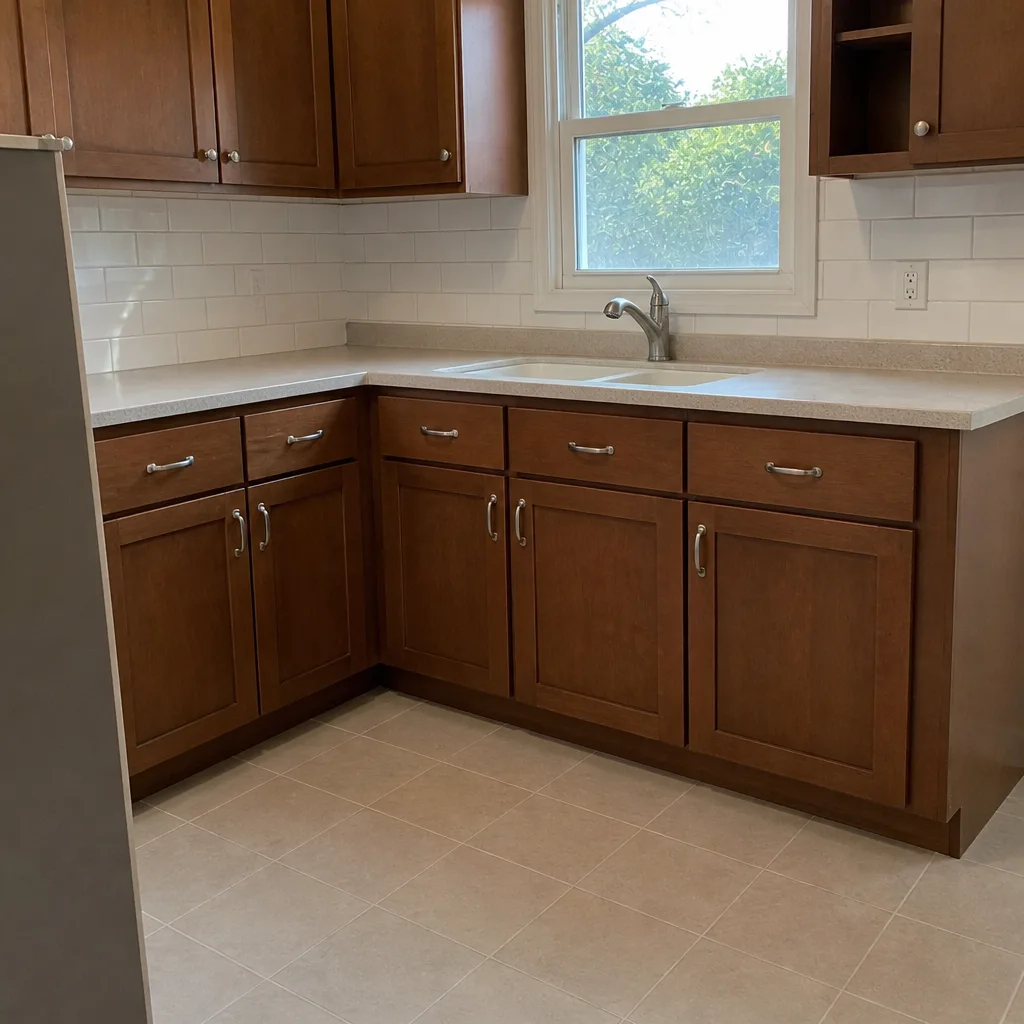
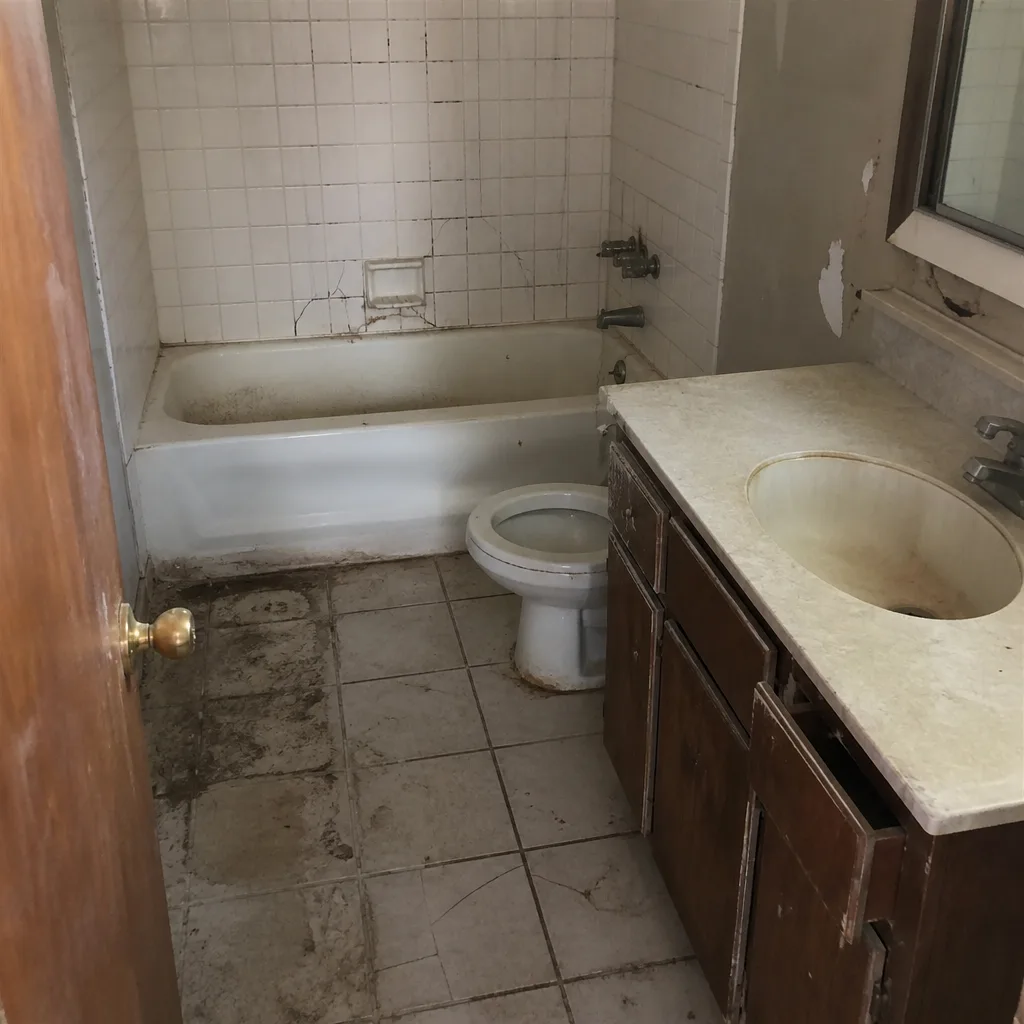
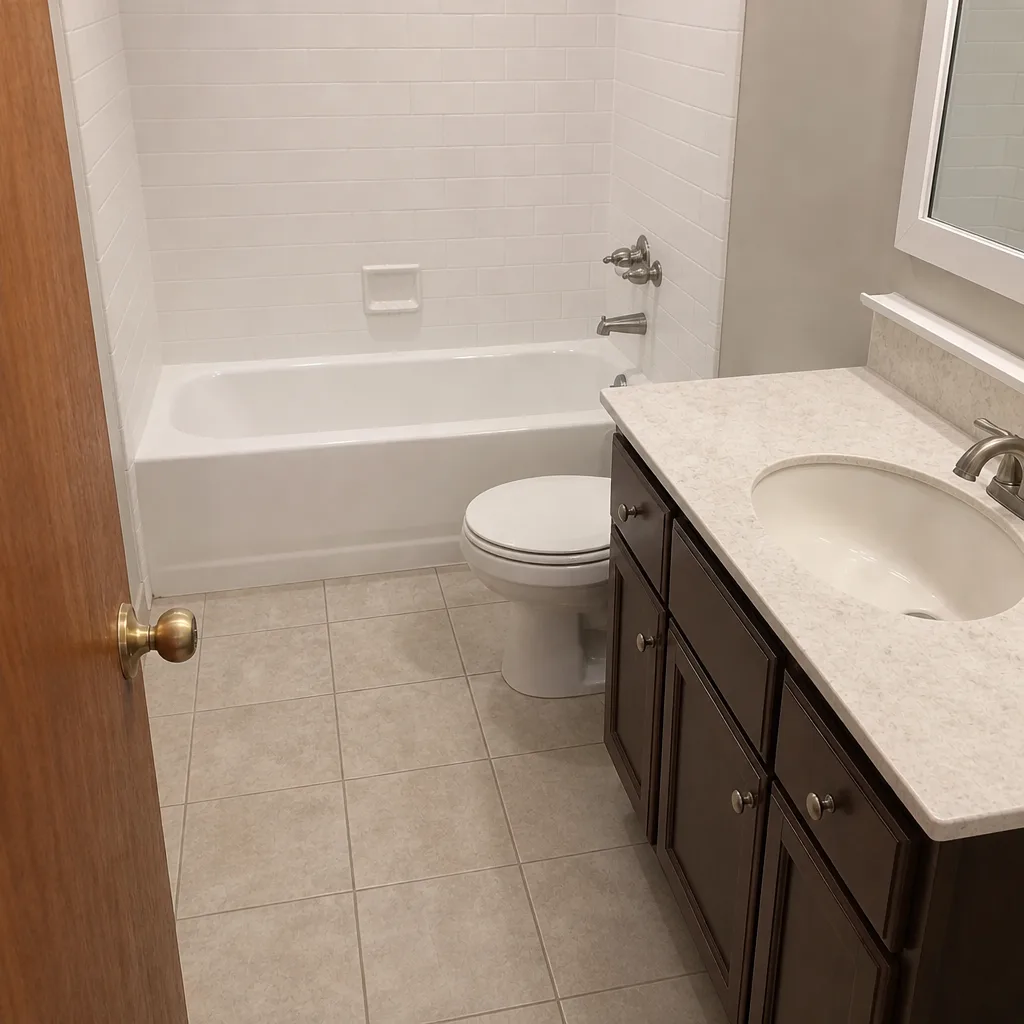
See the difference
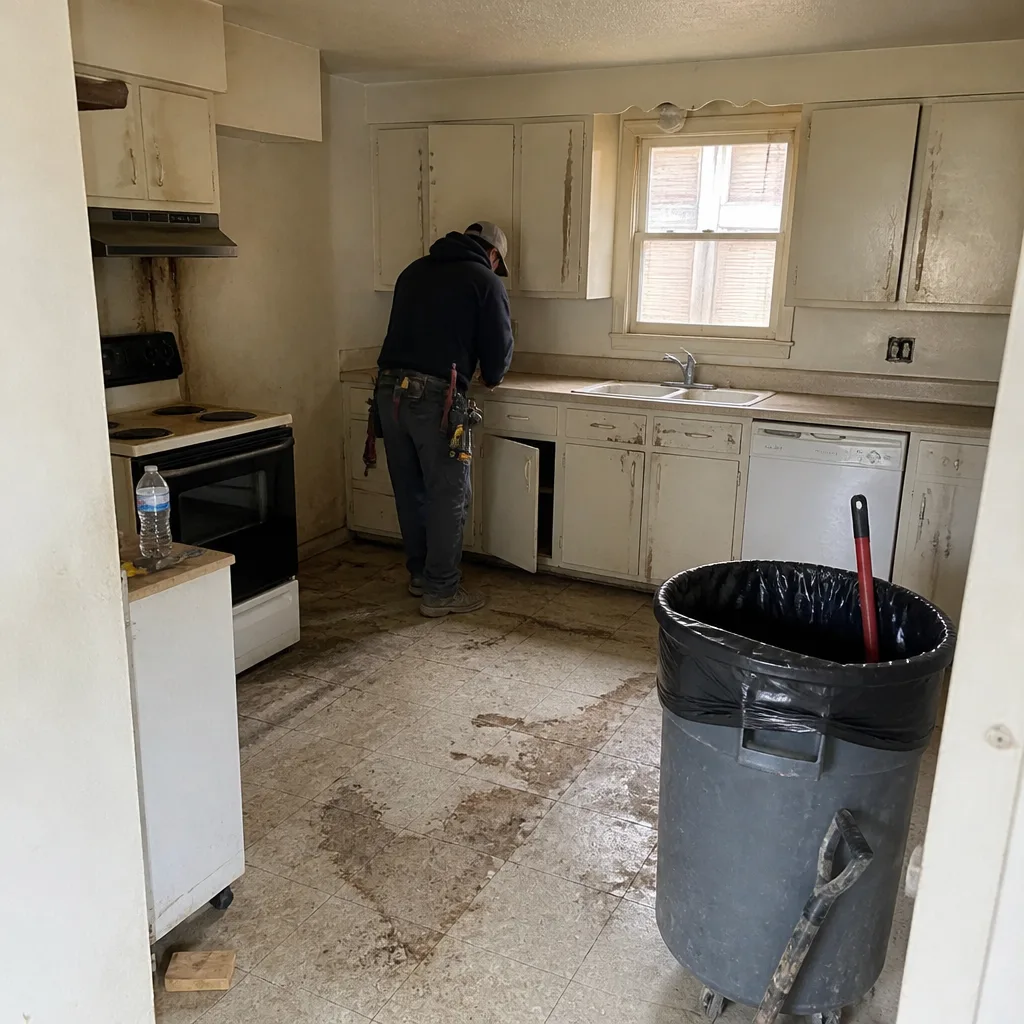 Before
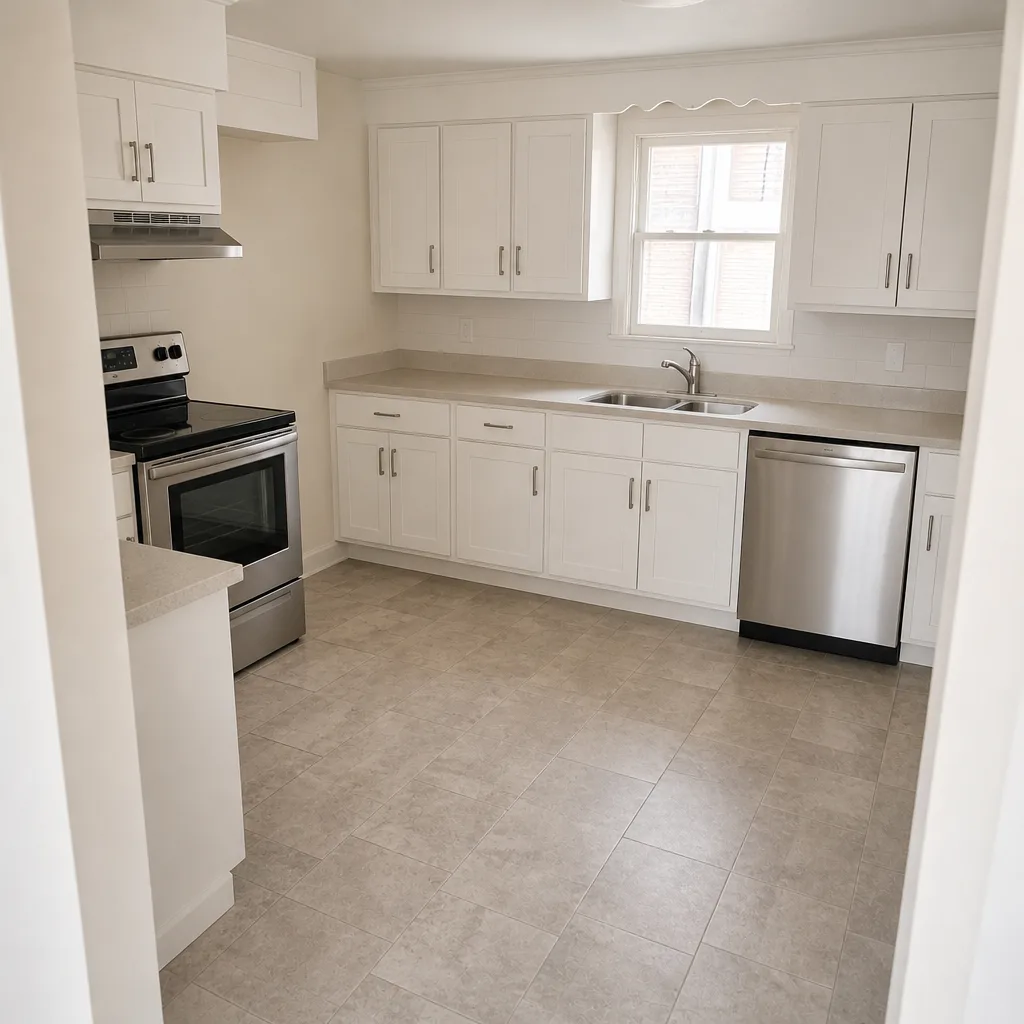 After
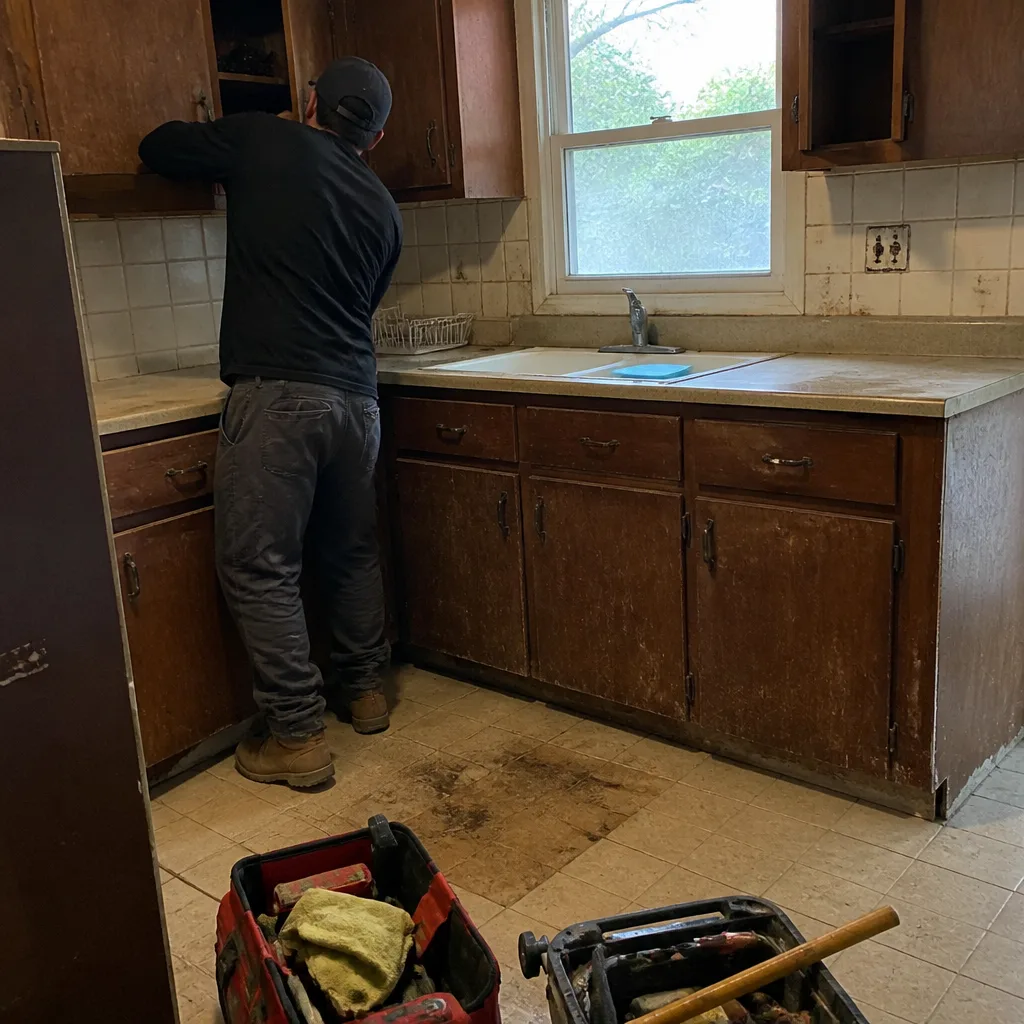 Before
 After
 Before
 After
When to Call a Professional
DIY paver installation is possible on small patios, but a driveway is a different job. It’s a load-bearing structure carrying 4,000-pound vehicles through North Texas clay, clay that will punish any base error within two seasons. Call a professional if your project includes any of the following: an existing driveway tear-out, drainage correction, driveway slope toward a foundation, a driveway wider than 20 feet, or any structural transition to a garage apron or sidewalk ramp. The base work alone requires plate compactors, proper material, and careful compaction passes. Groundwork Construction Co. of Lewisville offers free estimates in Lewisville – call (844) 560-4467. We answer live, 24/7, and we put the timeline and the price in writing.
Frequently Asked Questions
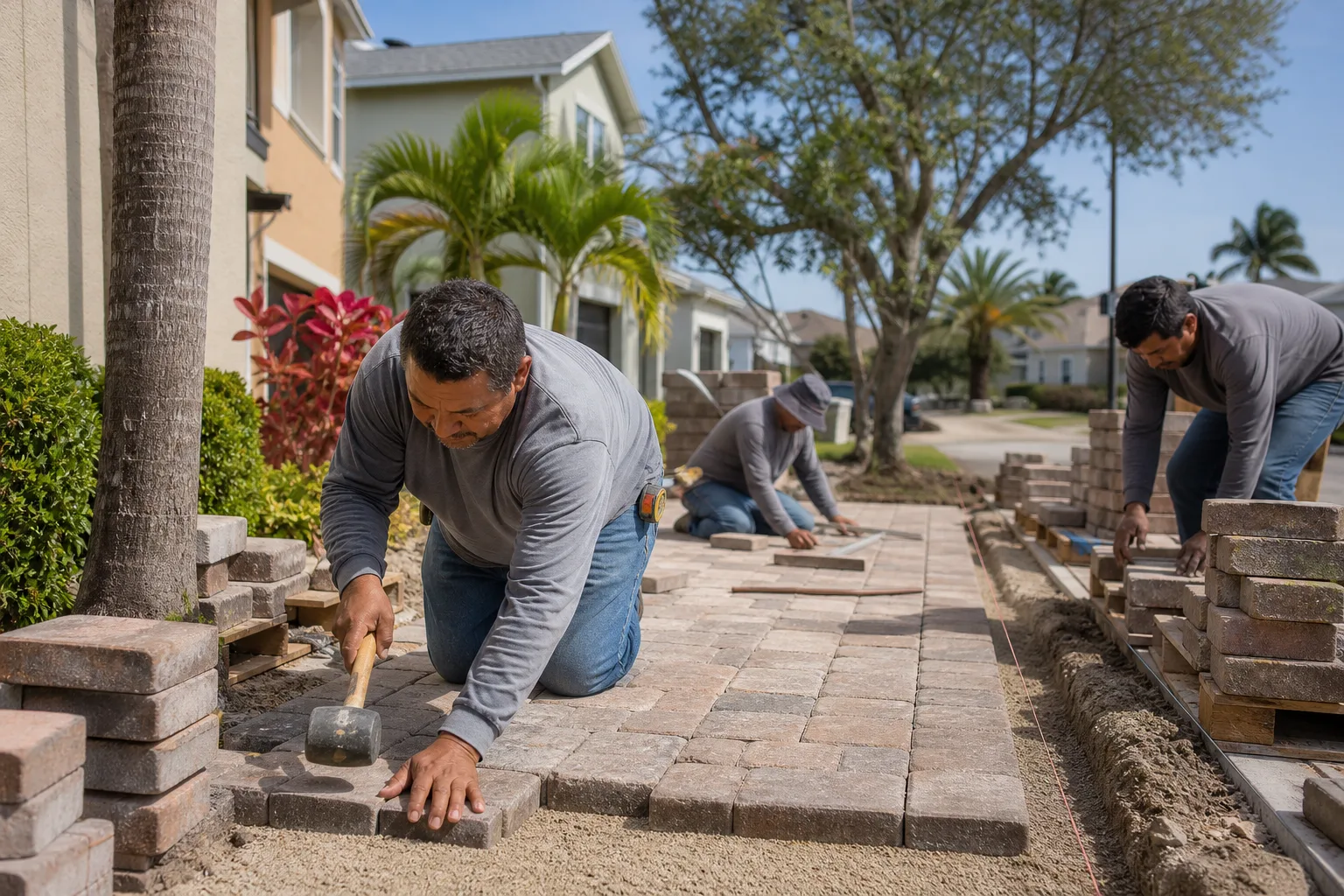
Most Lewisville driveway paver installations take 5 to 9 working days from demolition to final joint sand, plus a 7 to 14 day curing window before vehicle traffic. Clay-heavy soil and summer heat push toward the longer end. Call (844) 560-4467 for an exact quote on your driveway – estimates are free.
No. Wait at least 7 days after the final joint sanding, and 14 days if the base sits on Lewisville’s expansive clay. Driving on pavers too early compresses the bedding sand unevenly and opens the joints. Your contractor should give you a specific day count in writing before the crew leaves.
Not when the quote is written properly. Upfront pricing means base depth, drainage, material, and removal are all specified before you sign. The main legitimate change order source on a driveway project is discovering unmapped underground utilities or an unexpected base failure under the old surface. Ask for a fixed scope in writing and you won’t get surprise line items. Call (844) 560-4467 for a written line-item quote.
Most residential driveway replacements don’t require a permit when the footprint and drainage don’t change. New driveways that alter the curb cut, extend into a public right-of-way, or change stormwater flow, however, typically require a permit through the City of Lewisville. Confirm the permit requirement for your specific project before demolition begins – a good contractor will tell you upfront whether a permit applies and pull it for you if so.
Yes. Summer (June through September) adds stress to the schedule because crews work earlier and pause midday, and polymeric sand needs extra moisture management. Spring and fall storm seasons add 1 to 2 weather contingency days. Winter projects in Lewisville are usually the fastest on the calendar because the temperatures hit compaction sweet spots, though a hard freeze can add a delay. Call (844) 560-4467 to talk through the seasonal window for your project.
Because most of the timeline is burned in phases that don’t scale with width – demolition, mobilization, base compaction of the first lift, and install tuning. A wider driveway adds one to two days, not the 50% a proportional quote would suggest. Any contractor quoting square footage straight across is skipping the real drivers. Call (844) 560-4467 for a timeline built around your actual driveway, not a formula.
The Bottom Line
The honest answer to “how long does driveway paver installation take” is 5 to 9 working days of install plus a 7 to 14 day curing window, with realistic variance depending on your soil, your drainage, your material, and your season. The contractors who underestimate that timeline are usually the ones planning to skip base lifts, cut corners on compaction, or disappear once the surface is down. The contractors who quote it honestly are the ones who plan to be around in year two, year five, and year ten – which is exactly the timeline our 730-Day Done Right Promise is built for. If your Lewisville driveway is on the list, start with a free estimate and a written scope. We answer live, 24/7. That’s how we work, from the base to the finish line, at Groundwork Construction Co. of Lewisville.
Whether you’re comparing paver materials with a supplier’s spec sheet in hand now or just starting to think about a new driveway, our team can walk you through what your specific property needs. We schedule around real material lead times, build in proper weather buffer, and put every phase in writing. No guesswork, no vague start dates, no “three days” quotes on five-day jobs. Call (844) 560-4467 for a free estimate today.
Written by the team at Groundwork Construction Co. of Lewisville.