Last updated November 18, 2026



Free written scope consultation - allowances, timeline, and change-order rules on paper before a single trade is scheduled
Driveway & Pavers Maintenance Checklist for Lewisville Homeowners
A single North Texas freeze-thaw cycle can widen a hairline paver joint crack by 30 percent. By the time the damage is visible from the street, the base layer underneath has usually already shifted. Most Lewisville homeowners find this out when they get a repair estimate, not before. This guide gives you Lewisville’s actual climate stress calendar for driveways and pavers, the inspection steps that catch failure before it becomes structural, and the maintenance tasks that protect your investment instead of voiding your warranty.
Quick Answer
In Lewisville, driveway and paver maintenance runs on a two-season schedule: deep-clean and reseal between October and November, before the first freeze, and inspect joints, edges, and drainage every spring after the last freeze. The single most important recurring task is keeping polymeric sand joints full and intact, because failed joints let water into the base layer and cause about 80 percent of paver structural problems we see.
Styles & brands we work with
- Kitchen remodeling
- Bathroom remodeling
- Home additions & ADU
- Roofing
- Windows & doors
- Driveway & pavers
- Fence
Table of Contents
- Why Lewisville’s Climate Breaks Pavers Differently Than the Rest of Texas
- The Lewisville Maintenance Calendar, Month by Month
- When to Seal Pavers in Lewisville (and Why Summer Sealing Backfires)
- How to Spot Polymeric Sand Joint Failure Early
- Alkaline Water, Mineral Staining, and Surface Degradation
- Live Oak Roots, Heaving, and Why It’s Not the Same as Settling
- Maintenance Tasks That Void Manufacturer Warranties
- Concrete Driveway Additions: What’s Different
Why Lewisville’s Climate Breaks Pavers Differently Than the Rest of Texas
Most paver advice online is written for a national average that doesn’t exist. Lewisville sits in a pocket of North Texas where two forces collide. Summer afternoons push past 105°F, and the soil under your driveway, typically expansive clay, swells when it soaks up rain and shrinks hard when it bakes. Then a blue norther rolls through in January and the temperature drops 40 degrees in a day. That swing is the part that wrecks pavers.
Water gets into a joint or a hairline crack during a mild week. Overnight the temperature falls below freezing and that water expands by roughly 9 percent. A freeze-thaw cycle doesn’t just push the paver up; it wedges the sand and the base apart a little more each time. We’ve seen this most in parts of Lewisville where homes sit on heavy clay and drainage slopes toward the house, including stretches of the older neighborhoods around Old Town and along the corridors near Vista Ridge. A driveway that looks fine in October can show edge heaviness and loose sand by February.
Two factors make Lewisville’s stress load heavier than Dallas to the south or Denton to the north:
- Wider daily temperature swing. Fall and spring here alternate warm and below-freezing nights more often than in more southerly Texas cities, which multiplies the number of freeze-thaw cycles a joint experiences each winter.
- Expansive clay subgrade. When the clay under the base breathes with the seasons, pavers on shallow or under-compacted base tend to move as a unit rather than settle evenly.
What that means for you: maintenance here is structural first, cosmetic second. Caught in the right season, it’s a weekend. Caught late, it’s a base rebuild on a section of driveway. That difference is the whole point of this checklist.
The Lewisville Maintenance Calendar, Month by Month
Here’s the schedule we recommend for a Lewisville driveway, whether it’s clay pavers, concrete, or a stone-topped surface. Print it, stick it on the garage wall, and check it off as you go.
- October to early November: the critical window. Deep-clean the surface, refill any low joints with the correct polymeric sand, and apply a penetrating sealer before the first hard freeze. This is the single most important appointment on the calendar, and products are formulated to cure in this temperature range.
- Late November to February: keep it clear. Sweep leaves off so they don’t trap moisture against the surface. Don’t shovel or chip ice with a metal edge; chip the paver face and you’ve created a new water entry point. Let ice melt in the sun instead.
- March to April: the spring inspection. After the last freeze, walk the whole surface looking for loose sand in joints, rocking pavers, and any new low spots. Note where water pools after rain.
- May to September: watch, don’t seal. Keep the surface swept and clean, address weeds and organic growth, and avoid applying sealer in the heat. More on why below.
- Every year, before and after each season: check that downspouts and drainage runs carry water away from the driveway edge, not across it.
This calendar looks simple, but the October-to-November seal is where most homeowners slip, because the weather is still pleasant and the driveway looks fine. It looks fine because the damage hasn’t happened yet. Once the first freeze opens the joints, you’re repairing instead of protecting.
When to Seal Pavers in Lewisville (and Why Summer Sealing Backfires)
Reseal pavers in Lewisville between October and November, once the summer heat breaks and before the freeze cycles begin. Sealing in the summer heat is the mistake that costs the most money, because it fails twice: the sealer doesn’t cure correctly, and it can void the product’s warranty.
Here’s how sealing actually works. Most penetrating and film-forming sealers have a manufacturer-specified temperature and moisture window, and application above roughly 90°F on a sun-baked surface is outside it. What happens then is a solvent flash-off, which leaves a film that cures cloudy, milky, or uneven. On a 100-degree Lewisville afternoon a surface can read well beyond that on a heat gun. The sealer traps no moisture, it just cures wrong, and you’ve spent the money and voided the warranty.
Sealing in the fall does two jobs for a Lewisville driveway:
- It slows water intrusion before freeze season, which is the whole point.
- It locks the correct cure into the surface before the wider temperature swings begin.
We recommend a penetrating sealer for most Lewisville driveways over a film-forming sealer, because a film coat can trap moisture and peel when the freeze-thaw cycles hit. Confirm the exact temperature and moisture window from the product’s data sheet before you apply, and use the brand your paver system is rated for. If your driveway is a newer install with a manufacturer warranty, the sealer has to be on that brand’s approved list.
For homeowners planning a new paver driveway rather than maintaining one, our Driveway & Pavers in Lewisville page covers base preparation and material selection for this climate. Base prep is where Lewisville driveways are won or lost.
How to Spot Polymeric Sand Joint Failure Early
Polymeric sand failure is the maintenance item that prevents about 80 percent of the paver structural problems we see in Lewisville, and it’s the easiest to miss. The joint doesn’t fail all at once; it fails from the bottom up while the top still looks solid. What you see at the surface comes last.
Walk your driveway and look for these signs, in order of how early they show:
- Sand that sweeps loose after rain. A healthy paver joint holds its polymeric sand through normal rain. If you’re sweeping grit off the driveway every few weeks, the binder is breaking down.
- Joint depth below the paver face. Use a screwdriver or your finger to feel the sand level. Joints should sit nearly flush with the surface. If they’ve dropped a quarter-inch or more, water is getting in.
- Visible cracks in the sand itself. A hairline crack in the joint sand is the classic early failure from a freeze-thaw cycle. This is the point where a refill saves you the most.
- Rocking pavers and soft edges. Once a paver rocks, the sand below it has started to wash away, and the base is being exposed.
- Sand washing out at the driveway edge. Look where the driveway meets the lawn or a retaining edge. If the polymeric sand has eroded away at the border, the water is draining through the joints instead of running off.
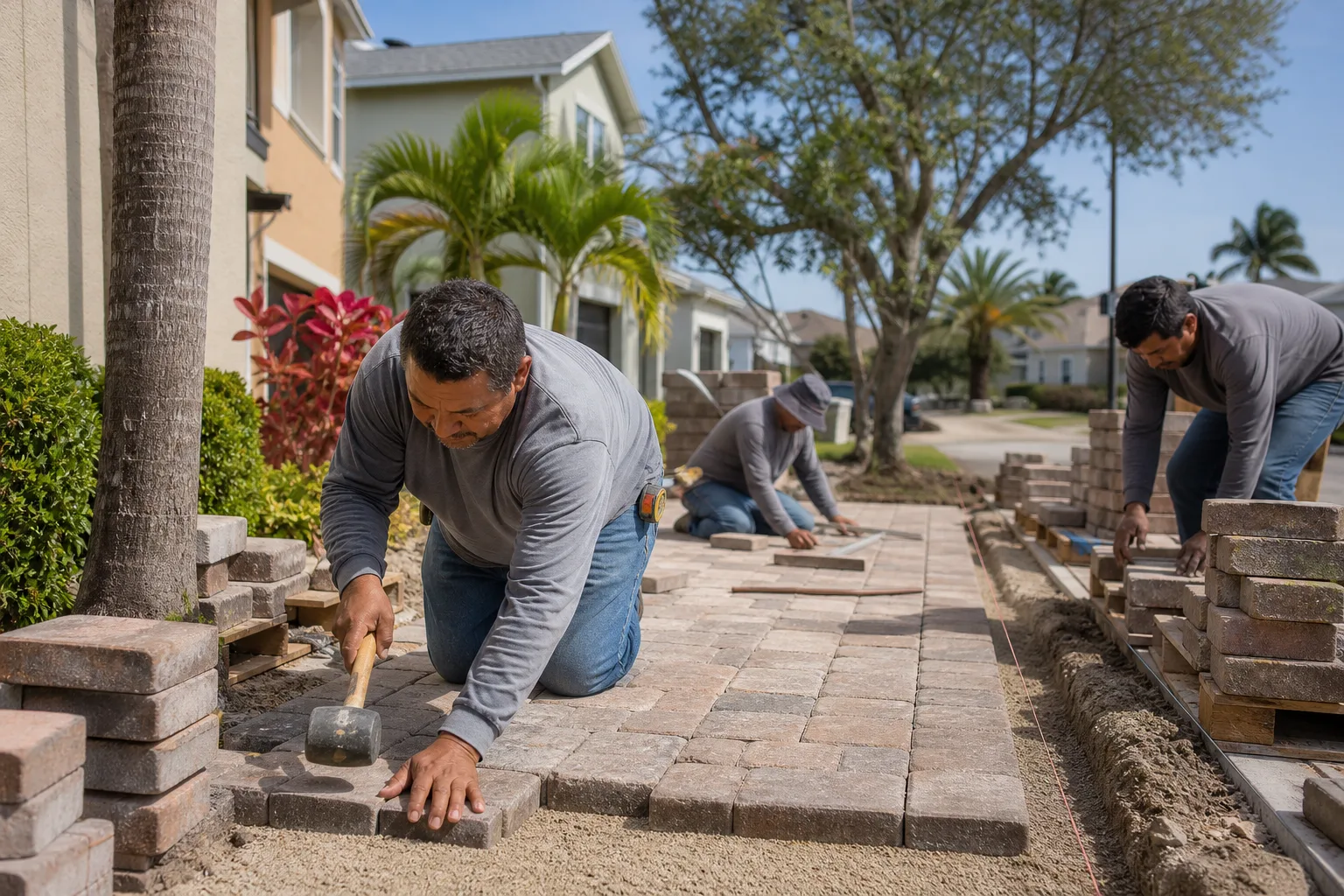
The fix depends on how far the failure has gone. Where the sand has simply settled, you can fill the joints with the correct polymeric sand for your paver system, following the manufacturer’s cure instructions. Where the pavers are rocking, that’s a base issue, not a sand issue. For a newer driveway, keep the receipt for the sand and the sealer, because product warranties often specify that only approved materials were used.
Alkaline Water, Mineral Staining, and Surface Degradation
Lewisville’s municipal water runs on the alkaline side, and that chemistry hits your pavers differently than in Houston or Austin. When tap water, groundwater, and sprinkler overspray sit on a paver surface and dry, the minerals in that water are left behind. Over a few summers, those deposits build into a haze that etches the finish and changes how the surface absorbs rain.
What alkaline water means for a Lewisville driveway in practice:
- White chalky haze after the sprinklers hit the driveway. This is the visible mineral deposit, and it gets worse with every hot, dry cycle.
- Etched or dulled finish on concrete pavers, where the mineral deposits have interacted with the surface over years.
- Staining at the sprinkler overspray zone, typically along the driveway edge nearest your irrigation heads.
The simplest prevention costs almost nothing: aim your sprinkler heads away from the paver surface and keep the driveway dry. Where the haze has already built up, use a paver-cleaning product rated for your material. Don’t reach for muriatic acid; on many paver systems it attacks the surface and voids the manufacturer’s warranty, and on some types it makes the staining worse. A gentle, surface-appropriate cleaner and a stiff broom are enough for most Lewisville driveways.
On concrete pavers and stamped concrete, mineral staining is often persistent, and the repair may require a light surface refresh. That’s one reason we advise homeowners to treat the driveway as a long-horizon surface and budget for periodic refinishing rather than chasing stains chemically every summer.
Live Oak Roots, Heaving, and Why It’s Not the Same as Settling
If a paver in your driveway is lifting while its neighbors sit flat, you probably have a root heaving problem, not a settling problem. Live oaks are everywhere in Lewisville’s older residential areas, and their root systems travel far underground. The two problems look similar from the driver’s seat and require completely different repairs.
Here’s the distinction we check first:
- Settling shows as a low spot or a dip, usually near a driveway edge, a downspout, or where the base wasn’t fully compacted. The pavers stay relatively flat as they go down.
- Heaving shows as a raised paver, a tented section, or a ripple pattern that doesn’t track with drainage. Root growth lifts from the base up, so the pavers tilt toward the side the root is pushing from.
Root heaving is common in Lewisville neighborhoods with mature live oaks, and it’s the reason we recommend checking the cause before reaching for the sand. If you simply refill the joints over a heaving root, the lift continues and you’re back to where you started. The correct fix is to evaluate the root first. Sometimes it’s a controlled root prune by a certified arborist and a localized reset of the pavers. Sometimes the driveway needs a section rebuilt on a root barrier. In some cases the root can’t reasonably be cut, and the paver layout is adjusted around it.
This is also why we tell Lewisville homeowners to look at tree placement before they add something to the driveway’s edge. If you’re planning a Fence Installation in Lewisville near a large live oak, the footing and the root zone need the same conversation.
Maintenance Tasks That Void Manufacturer Warranties
Read your paver system’s warranty before you touch the driveway, because “maintenance” done the wrong way can void it. Paver warranties, especially on name-brand systems, are typically written around specific approved materials and methods. A well-meant pressure wash, a generic sealer, or the wrong sand for a joint can end your coverage. Here are the mistakes we see most, and what the warranty usually says about them.
- Overpressure washing the surface. A pressure washer set too high strips the joint sand and scars the paver face. Most manufacturer warranties specify cleaning at a low, safe pressure with an approved cleaner. Set the washer lower than you think you need.
- Using the wrong polymeric sand. Joint sand is not interchangeable. A product not rated for your paver system can fail to bind, wash out, or damage the joint.
- Applying sealer outside the temperature window. Sealing in Lewisville’s summer heat is outside many products’ specified range, and that’s a warranty problem as often as a quality problem.
- Muriatic acid cleaning. On many paver systems this etches the surface and voids coverage. It is not a neutral cleaner.
- Chipping ice with a metal edge. The chip shows up on the paver face and can be read as damage, not normal wear.
- Organic growth left untreated. Some warranties specify that mold, mildew, and moss be addressed as part of normal care, and letting them run can be read as neglect.
The good news: done correctly, these are simple tasks with the right product in hand. When we install a paver driveway, we hand over the material list the manufacturer requires. That list is your warranty. Keep it.
For a broader look at how we handle building or replacing surfaces and structures on a Lewisville property, our Home Additions & ADU in Lewisville page explains the base and site prep standards we carry across every project.
Concrete Driveway Additions: What’s Different
Concrete driveways in Lewisville share the climate stress but carry a different maintenance checklist. There’s no joint sand to refill, but there are control joints, expansion joints, and hairline cracks that behave like a paver’s joint. Water finds the same weak points, and the freeze-thaw cycle opens them the same way.
Concrete-specific items for a Lewisville driveway:
- Check the control joints and expansion joints each spring. A joint that’s lost its filler is a direct path for water into the slab base.
- Seal hairline cracks before they widen. A hairline crack that catches water is a problem in a climate with regular freeze-thaw. Seal it with an appropriate concrete crack sealer rated for exterior use.
- Look for spalling and scaling. Surface flaking shows up more on slabs that received deicing salts or were finished too wet. It’s cosmetic early and a repair later.
- Keep water off the slab. Same rule as pavers: extended drying time after rain. If water pools at the edge for days, the drainage around the driveway needs attention.
- Repair the finish, not just the color. Mineral staining on concrete may need a surface refresher, not just a cleaner.
On a larger project, such as adding a parking pad or widening the approach, the base work and drainage grading have to be addressed up front. That’s where a full-scope partner matters. Groundwork Construction Co. of Lewisville works with trusted brand partners such as Belgard on paver systems and James Hardie for the structures a driveway addition touches, so material choices aren’t limited to whatever happens to be in stock.
Common Mistakes to Avoid
- Sealing in the summer heat. A 100-degree Lewisville afternoon pushes many sealers outside their cure window, which voids product warranties and leaves a milky finish. Wait for the October window.
- Refilling joint sand without checking why it failed. Sand washing out is a symptom. If a paver is rocking or the base is soft, adding sand over the top just delays the real repair.
- Pressure washing at full blast. High pressure strips the joint sand and scars the paver face. Use a low setting and an approved cleaner, and never shoot water directly at a joint.
- Letting water pool after rain. Standing water is the fastest way to push severe damage into the base layer. In Lewisville, a low spot at the driveway edge is a warning sign, not a cosmetic detail.
- Using muriatic acid or unapproved cleaners. On many paver systems these etch the surface and void warranty coverage. Match the cleaner to the material.
- Cutting into a live oak root without advice. Removing a large root can destabilize the tree and shift the problem onto the driveway next. Get an arborist’s read before the chainsaw comes out.
- Shoveling ice with a metal edge. In a city that occasionally sees ice, a metal shovel chips the paver face. Let the ice melt and top up the affected joints in spring.
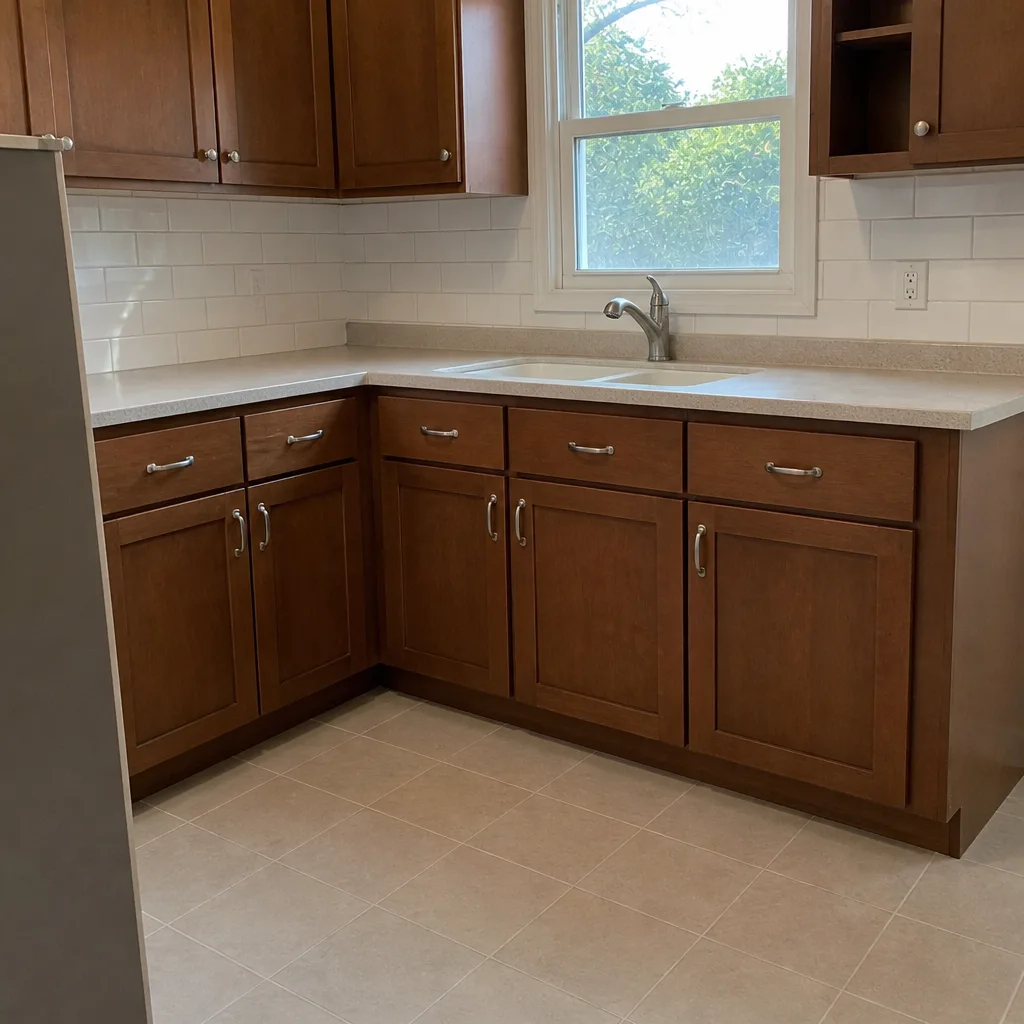
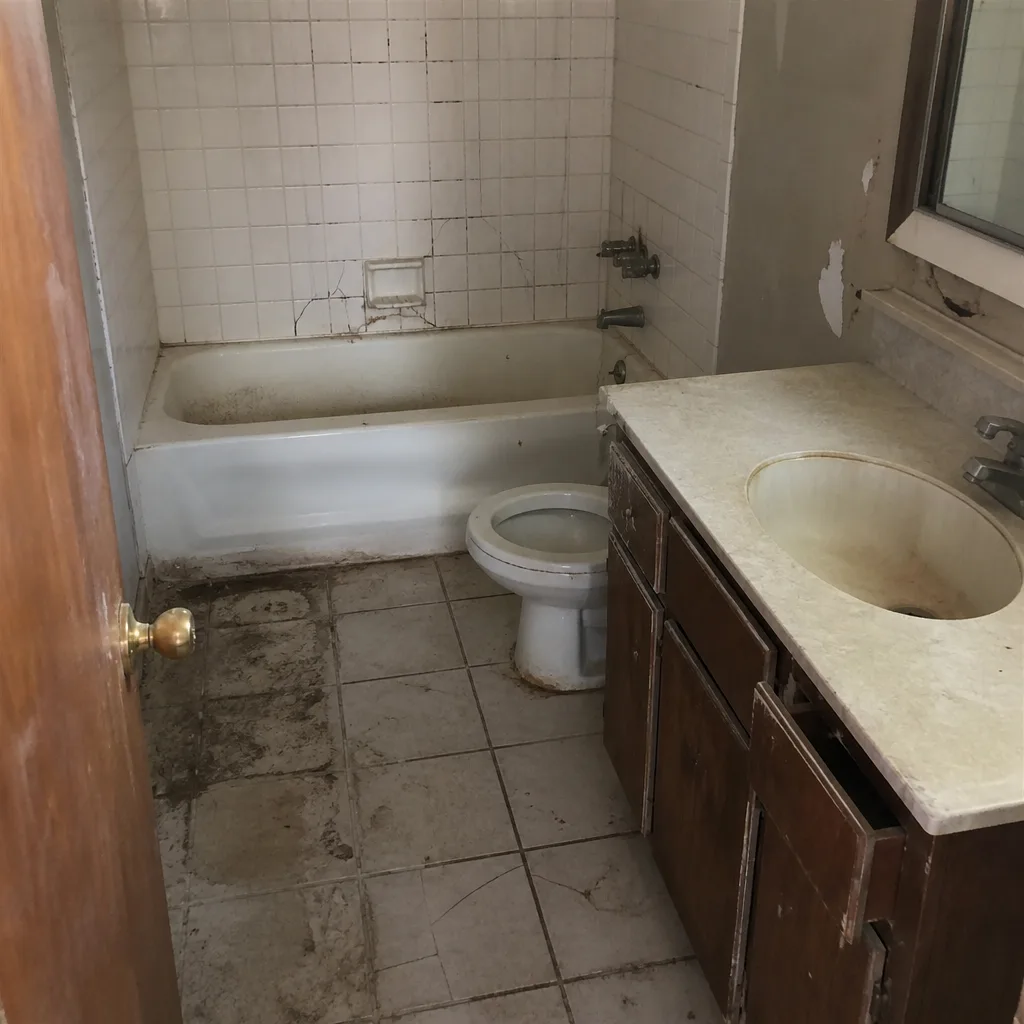
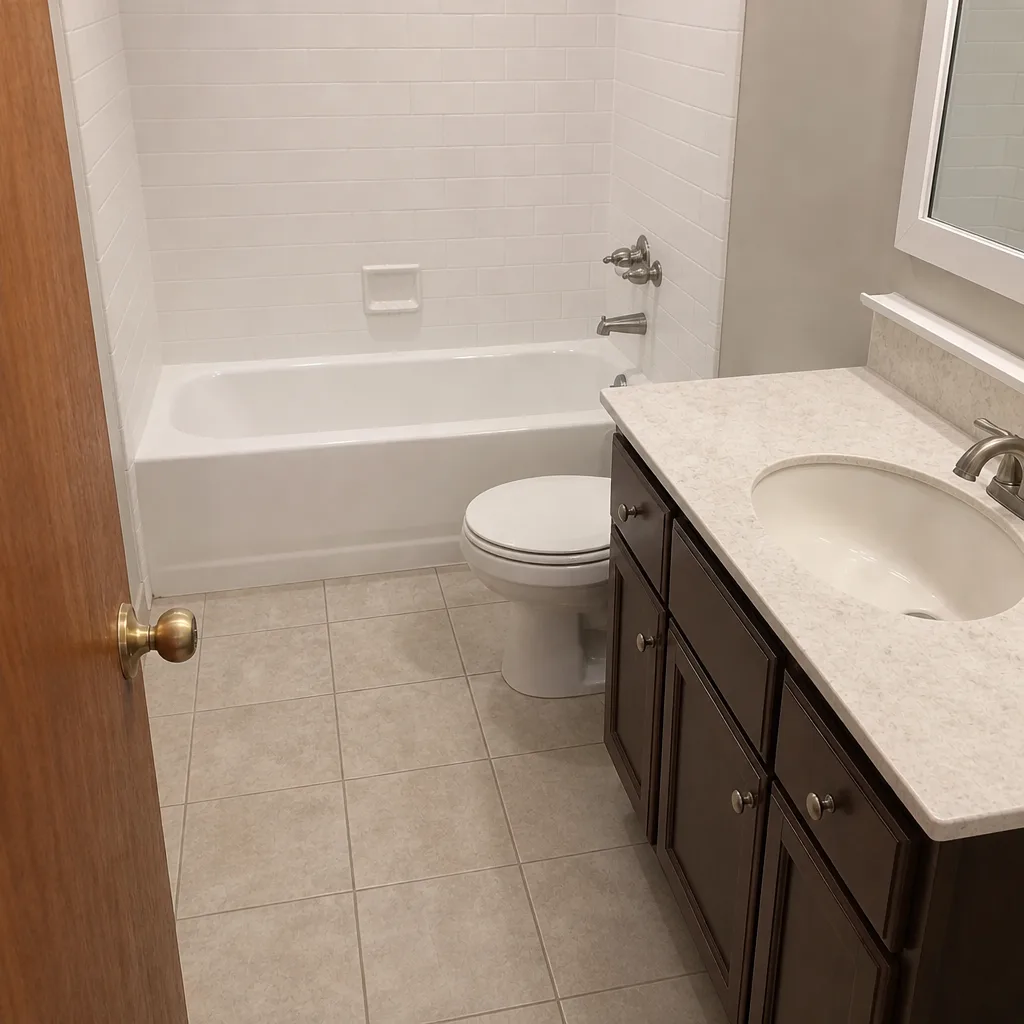
See the difference
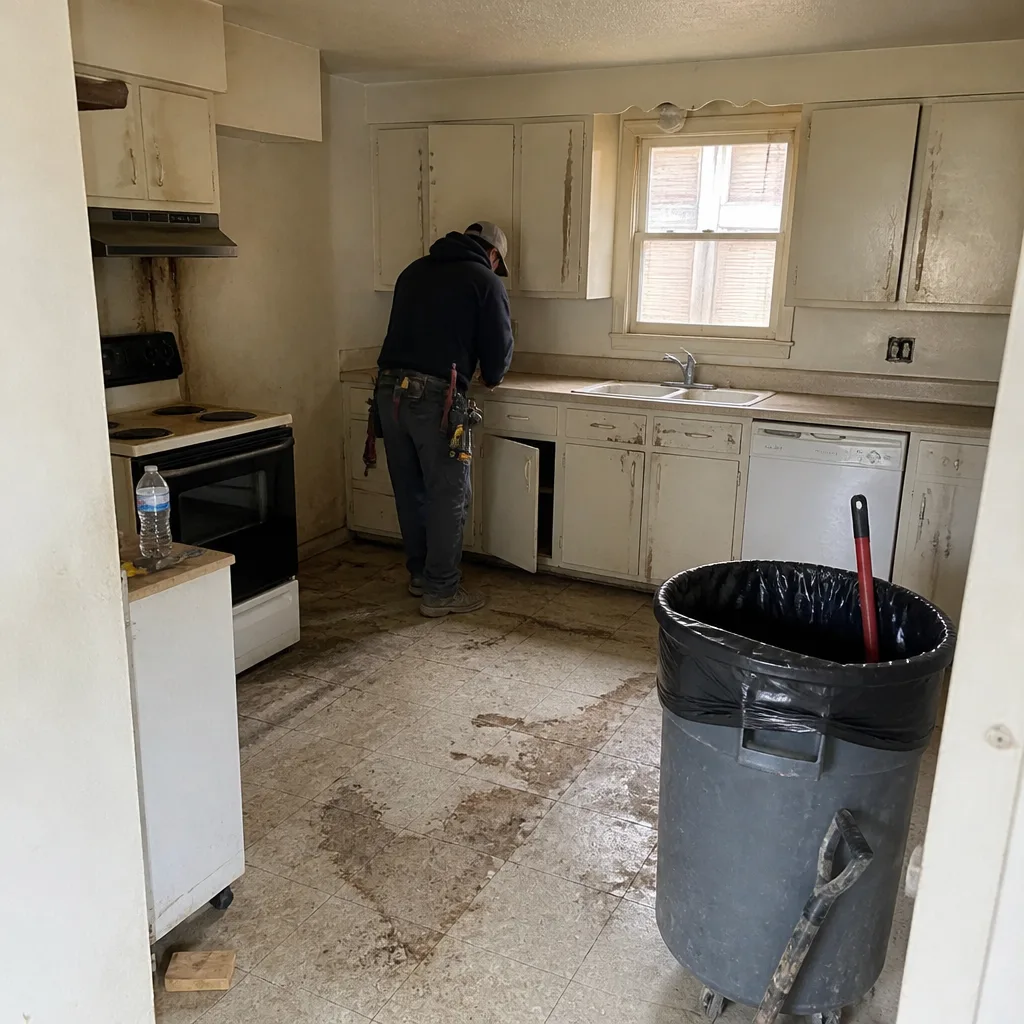 Before
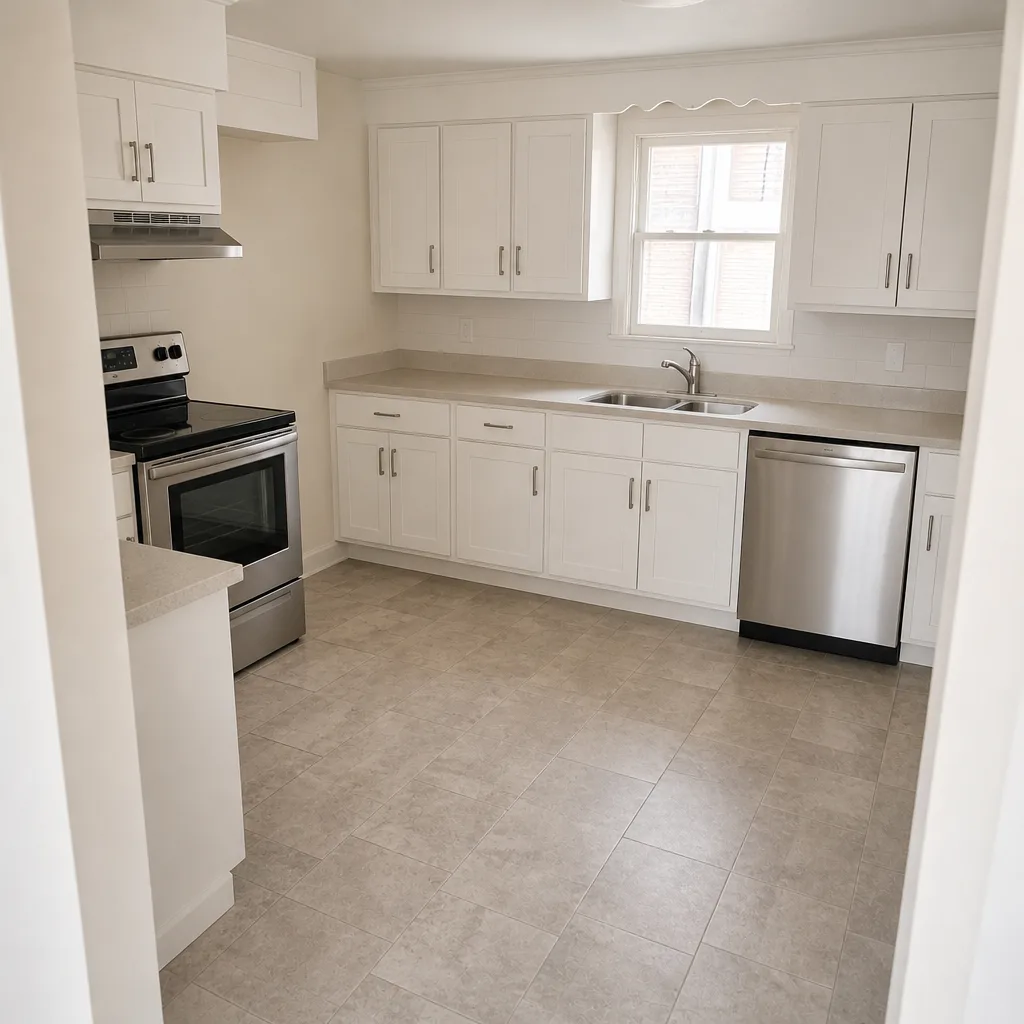 After
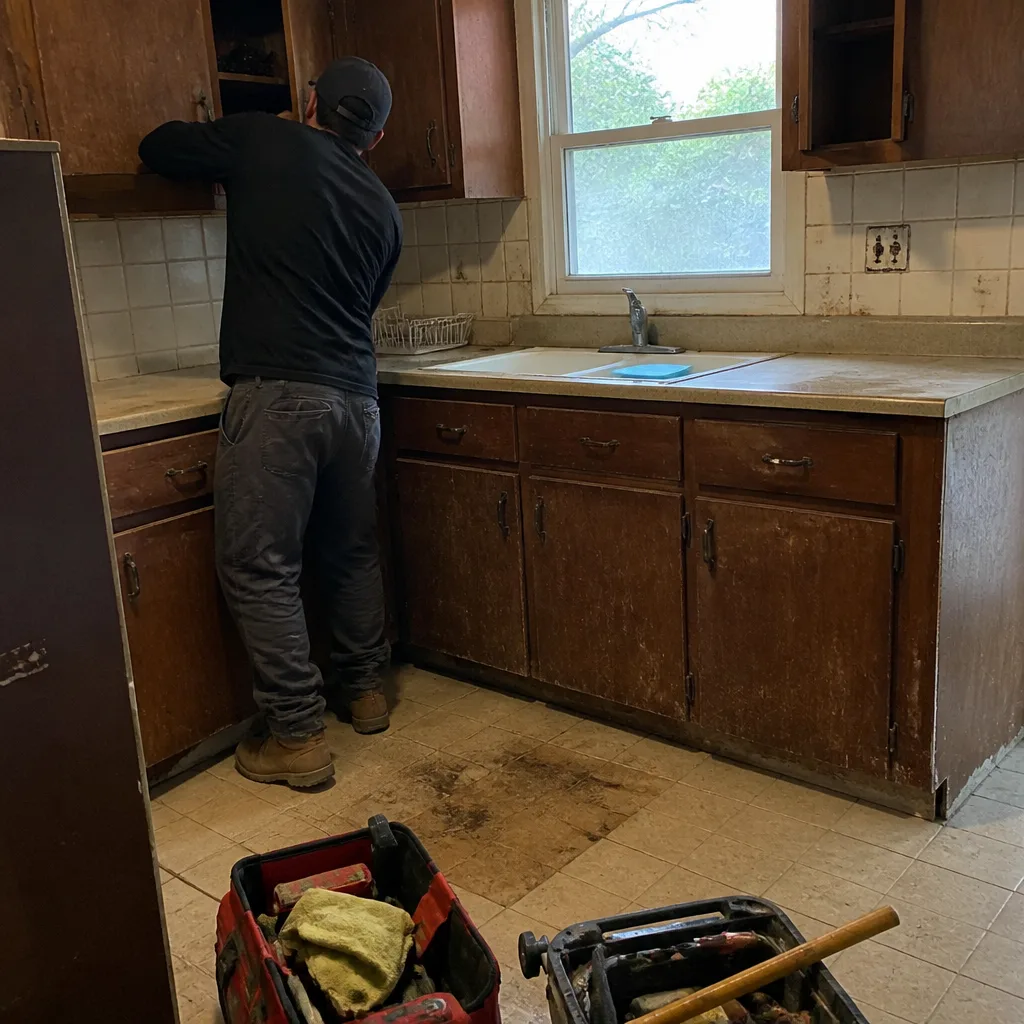 Before
 After
 Before
 After
When to Call a Professional
Call a professional when the problem is structural, not cosmetic. Specific triggers for a Lewisville driveway: pavers that rock or dip as a section, a base that stays soft after rain, a joint failure that has returned within a season, root heaving that doesn’t stabilize after a controlled reset, and any section that loses elevation faster than its neighbors. On concrete, call when a crack widens enough to catch a fingernail, when a slab section heaves, or when a repair needs to tie into the rest of the driveway.
Groundwork Construction Co. of Lewisville offers free estimates in Lewisville – call (844) 560-4467. The local pro we connect you with is licensed and insured as their state requires, and we stand behind the work with our 730-Day Done Right Promise. If it’s not done right, we make it right. Calls are answered by a live person 24 hours a day, every day, and a free estimate and design consult is part of every project.
Frequently Asked Questions
Reseal most Lewisville paver driveways every 2 to 4 years, and always in the October-to-November window. A penetrating sealer applied before freeze season gives the best protection; reapply sooner if water stops beading on the surface after a rain. Call (844) 560-4467 for an exact quote – estimates are free.
Yes. A single freeze-thaw cycle can widen a hairline joint crack by about 30 percent, because water in the joint expands as it freezes. Lewisville’s late-fall and early-spring temperature swings are the damage window, which is why sealing before the first freeze matters more here than in most of Texas.
Joint sand refill on a typical driveway usually falls in the low hundreds of dollars; a structural repair on a heaving or settling section can run several times that, so catching the sand failure early is the real cost saver. Costs vary with surface area and material, and a written line-item quote from Groundwork Construction Co. of Lewisville is free. Call (844) 560-4467 for an exact number.
No, don’t plan on it. The surface can stay well above the safe limit even after the air cools, and many sealers fail to cure correctly outside their specified temperature range, which can void the warranty. In Lewisville, the October window exists for a reason. Pair the sealer with the brand your paver system is rated for.
Most live oak root heaving is repairable if the cause is identified before the base fractures. A controlled root prune by a certified arborist, a root barrier, and a localized reset of the pavers handles many cases. A full driveway replacement is the exception, not the rule, when the problem is caught early.
No – with Groundwork Construction Co. of Lewisville, the number you see is the number you pay. Every estimate is a written, line-item quote with no change orders for the scope we agree on, so call (844) 560-4467 and we’ll put it in writing.
The Bottom Line
Your Lewisville driveway is a structural surface first and a curb-appeal feature second. The two tasks that protect it most are keeping polymeric sand joints full and sealing in the October-to-November window before freeze cycles begin. Add a spring inspection after the last freeze, keep alkaline-tinted irrigation water off the surface, and recognize live oak heaving as a root problem rather than a settling problem. Do those, and you avoid the repairs that start as a $200 sand refill and become a base rebuild. To get a written quote on maintenance, repair, or a new driveway, visit the Groundwork Construction Co. of Lewisville home page or call (844) 560-4467 for a free estimate.
Written by the team at Groundwork Construction Co. of Lewisville.