Last updated November 18, 2026






Free written scope consultation - allowances, timeline, and change-order rules on paper before a single trade is scheduled
Home Additions & ADU Maintenance Schedule: What to Do and When
The flashing joint where your new addition meets the existing roofline needs to be inspected every year. Not because it’s likely to fail, but because when it does, it rots the wall cavity of both structures at once, and you won’t see a single interior sign until the damage is well underway. That’s the part nobody warns you about when the framing goes up and the trim goes on. This schedule lays out every maintenance obligation a home addition or ADU creates in North Texas – the tie-ins, the secondary utilities, the soil, the exterior transitions – so you’re not learning it after the fact. Written from Lewisville, for the way homes here actually age.
Quick Answer
A home addition or ADU needs a dedicated year-round maintenance schedule that goes beyond your original home’s list. The non-negotiables are an annual inspection of the structural tie-in and roof flashing joint, twice-yearly mini-split filter cleaning plus a coil service each spring, annual tankless water heater descaling, a subpanel check every three to five years, and seasonal slab watering on Texas clay – with one full contractor walkthrough at the four-year mark, before most addition warranties expire.
Styles & brands we work with
- Kitchen remodeling
- Bathroom remodeling
- Home additions & ADU
- Roofing
- Windows & doors
- Driveway & pavers
- Fence
Table of Contents
- The Structural Tie-In: Your Most Important Annual Inspection
- Exterior Envelope and Roof Transition Maintenance
- ADU Utility Maintenance: Water Heater, Mini-Split, Subpanel
- Foundation Care in Texas Clay Soils
- The Month-by-Month Addition-Specific Checklist
- The Five-Year Mark: What Expires and What to Check
- What You Can Do Yourself and What Needs a Pro
The Structural Tie-In: Your Most Important Annual Inspection
The tie-in is where the new structure physically meets the old one – the header beam, the ledger board, the flashing, the wall cavity transition. Two structures that were built years apart will move differently as the ground moves, the temperature swings, and the wood dries. That differential movement is normal. What isn’t normal is it going unmonitored.
Walk the interior connection at least once a year, ideally in early fall after the summer’s heat has settled and before the next wet season. Look at the drywall seam where the addition meets the original wall. A hairline crack you can barely catch a fingernail in is normal settling. A crack you can slide a quarter into, a crack that’s wider at one end, or a crack that has grown since last year – those need a closer look. Run your hand around the trim at the joint and check for gaps opening. Look for stains or soft spots on the ceiling and wall near the roofline, which is where a slow flashing leak first shows up inside.
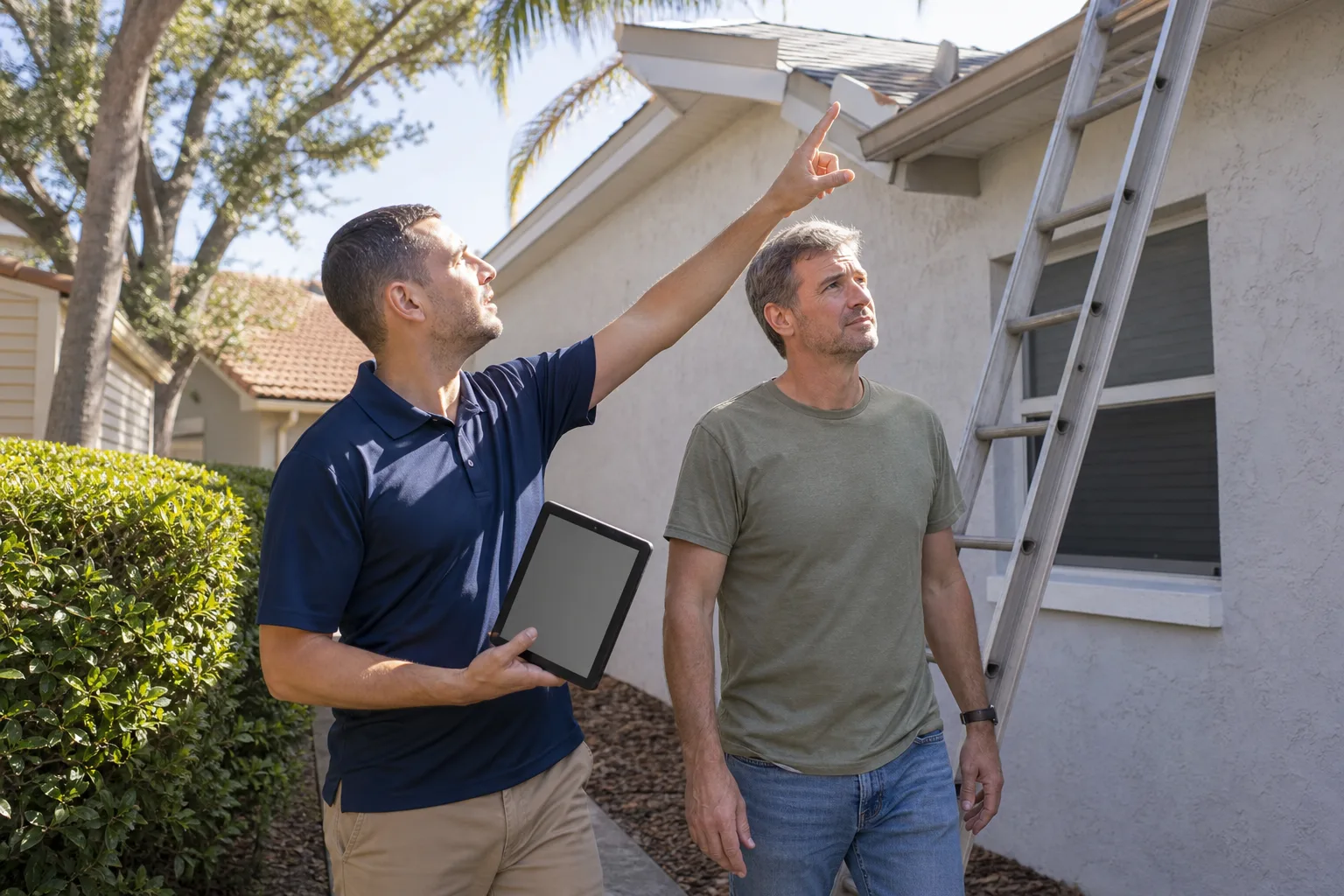
Outside, get up on the roof (or have someone who can do it safely) and look at the flashing joint where the new roofline meets the old one. In our experience across Lewisville homes, this is the seam that fails quietly. The sealant ages, the metal lifts slightly, and water wicks underneath during a hard rain. Look for lifted edges, cracked sealant, rust, or any gap between the flashing and the shingle or wall.
Check the joint every single year. Not every three years. Every year. It’s a fifteen-minute inspection that protects the wall cavity of both structures.
Exterior Envelope and Roof Transition Maintenance
An addition creates new exterior transitions – new corners, new field-to-wall junctions, new fascia lines, and a new roof plane meeting an old one. Each of those is a place water finds a way in if the caulk, sealant, or flashing degrades. Here’s the cadence that keeps them sealed.
- Late fall (October – November): Walk the entire perimeter of the addition. Re-caulk any joints where you can see cracking or pulling away. In Lewisville’s climate, the seasonal swings between hot summers and occasional freezes accelerate caulk degradation faster than in cooler zones.
- After any major storm: Check the roof transition and all exterior corners for lifted flashing, missing shingles, or new gaps. North Texas hail and high-wind events are the biggest driver of premature exterior failure on additions.
- Every spring: Inspect exterior paint and siding at the new corners. Look for bubbling, peeling, or cracking – signs moisture is getting behind the surface. Siding products from brands like Boral hold up well but still need inspection at the transitions.
- Annually: Look at the fascia and soffit around the addition’s roofline. Wood rot at the fascia is a strong indicator that water is running where it shouldn’t.
If your addition includes a window or door that wasn’t on the original house, inspect those frames once a year too. And if your Lewisville property also has a fence line up against that new exterior wall, check fence installation in Lewisville considerations when the fence comes loose, because a leaning fence can hold moisture against the wall and drive rot faster.
ADU Utility Maintenance: Water Heater, Mini-Split, Subpanel
An ADU usually runs on its own utility feeds – a dedicated tankless water heater, one or more mini-split systems for heating and cooling, and a subpanel fed from the main house. Each has a service interval most homeowners never hear about, because nobody writes it on the unit and the installer who put it in has long since moved to the next job.
Tankless Water Heater
North Texas has moderately hard water, which means scale builds up inside the heat exchanger faster than the manual implies. Descale the tankless unit once a year – twice if you’re on well water. This is a professional service; the flush requires pumping a descaling solution through the unit and checking the inlet filter screen. Skip it and you’ll notice hot water pressure dropping and inconsistent temperature within three to five years. The good news: tankless units are repairable and the yearly service is a fraction of the replacement cost.
Mini-Split Systems
Clean or replace the interior filter every two to three months during cooling season. In Lewisville, with pollen in spring and fine dust in summer, we see filters fully loaded by week ten. A clogged filter strains the blower motor and cuts efficiency. Beyond the filter, have the coils cleaned professionally once a year (early spring before the cooling season), and have the outdoor condenser fins rinsed and the refrigerant charge checked at the same time. Mini-splits also have a condensate drain line that clogs with algae over time; a yearly check on the line prevents the water damage that follows a blocked drain.
Subpanel
A licensed electrician should inspect the ADU’s subpanel every three to five years. The concern isn’t the breakers themselves, it’s heat buildup at the lugs, corrosion at the ground bar, and any signs of a loose neutral. If you notice breakers tripping more than they used to, flickering lights in the ADU, or a warm panel cover, call for an inspection sooner. Never open the panel cover yourself – the main feed is live even with the main breaker off.
Foundation Care in Texas Clay Soils
Detached ADUs in Lewisville sit on expansive clay soil that swells when wet and shrinks when dry. That movement, if uneven, causes differential settling – part of the slab drops while another part stays put – and that’s what cracks foundations, throws doors out of square, and shears plumbing lines. The single best maintenance task for a Texas ADU foundation is consistent watering from May through October.
- Set up a soaker hose or drip line six to twelve inches from the foundation edge, running around the entire perimeter.
- Water in cycles, not flooding. Twenty to thirty minutes every few days in dry months, enough to keep the soil moist but not waterlogged. Think even, not soaked.
- Water the same amount all the way around. Uneven watering is worse than no watering – it creates the differential movement you’re trying to prevent.
- Stop watering after heavy rain. Check the soil moisture with a screwdriver; if it pushes in easily, hold off for a few days.
- Watch for warning signs. Cracks in the slab wider than a hairline, doors that stick in summer and free up in winter (or the reverse), gaping around window frames at the corners. These signal movement that needs a professional evaluation.
Once a year, during the dry season, walk the perimeter of the ADU slab and note any new cracking or separation. If the gap between the slab and the first course of siding is getting larger, that’s your cue to call. For a broader look at the kinds of exterior work that pair with foundation care on a Lewisville property, see driveway and pavers in Lewisville – a paver apron around a detached ADU helps shed water away from the slab.
The Month-by-Month Addition-Specific Checklist
Here’s the schedule broken out so it’s actually actionable. This is addition-and-ADU maintenance only. It deliberately excludes the tasks that belong on your original-home list (HVAC filters on the main system, gutter cleaning on the original roofline, water heater flush on the main house) so the addition-specific items don’t get buried.
January
- Walk the interior tie-in joint and note any new cracks, gaps, or stains.
- Check the ADU’s exterior doors and windows for drafts – cold snaps make air leaks obvious.
February
- Clean or replace mini-split filters.
- Look for condensation or frost on ADU windows – may indicate a failing seal.
March
- Schedule the annual mini-split coil and condenser service before the cooling season begins.
- Inspect roof flashing at the old-to-new transition after any spring storms.
- Re-caulk any exterior joints that opened over winter.
April
- Start the seasonal slab watering program on the ADU foundation.
- Walk the exterior envelope – check siding, trim, fascia, and corners.
May
- Clean or replace mini-split filters.
- Check exterior paint at the new corners for cracking or peeling.
June
- Inspect the foundation for new cracks after the first month of dry heat.
- Verify the ADU subpanel has no tripped breakers or warm covers.
July
- Clean mini-split filters again – peak cooling season.
- Walk the interior tie-in joint one more time; summer is when the largest seasonal movement happens.
August
- Continue slab watering; do not let the soil dry out at the foundation edge.
- Check the tankless water heater for reduced hot water flow or temperature swings.
September
- Schedule the annual tankless water heater descale service.
- Clean mini-split filters one last time before the season turns.
October
- Full exterior walk and re-caulk: corners, field joints, flashing seams, window frames.
- Inspect fascia and soffit around the addition roofline for rot, peeling paint, or animal entry points.
November
- Annual roof flashing inspection at the old-to-new transition.
- Interior tie-in walkthrough after the summer’s movement has settled.
- Drain and shut off exterior hose bibs on the ADU if freezing weather is forecast.
December
- Check mini-split heating performance in the ADU – it should heat without long cycling.
- Review the year’s notes and flag any crack, gap, or stain that has grown.
The Five-Year Mark: What Expires and What to Check
Most of the warranties on your addition – the general contractor’s workmanship warranty, the roofing manufacturer’s labor and material coverage, the window and door warranties, and typically any structural element coverage – expire or enter a reduced-coverage phase around the five-year mark. That’s not a reason to panic, but it is a reason to schedule a full contractor walkthrough at year four, while the coverage is still active and you can file a claim if anything needs correction.
If you used a contractor with a longer guarantee, check the specific terms. Groundwork Construction Co. backs all projects with the 730-Day Done Right Promise – roughly two years of coverage where if it’s not done right, we make it right. That’s one of the longest workmanship guarantees in the residential construction space, and it sits in the early portion of the addition’s lifecycle, which is exactly when most settling-related issues show up. After any coverage window ends, the maintenance schedule becomes entirely yours.
At the four-year walkthrough, have a contractor check:
- The interior tie-in joint for movement beyond normal settling.
- All the roof flashing and transitions, especially the old-to-new seam.
- The exterior envelope at every corner and field joint.
- The foundation for any differential movement.
- The ADU’s utility connections and shutdown valves, so you know where they are before you need them.
Get a written report. If the contractor finds anything, you want it documented while coverage applies.
What You Can Do Yourself and What Needs a Pro
Some of this schedule is homeowner work. Much of it isn’t, and the line matters.
Safe for most homeowners: walking the interior tie-in joint and noting cracks, cleaning or replacing mini-split filters, watching the foundation for new cracking, keeping the slab perimeter watered, and re-caulking exterior joints within reach from a ladder.
Needs a professional: any work on the roof and roof flashing (falls are a leading cause of home injury), tankless water heater descaling, mini-split coil and refrigerant service, any electrical work on the subpanel, and any structural evaluation at the tie-in or foundation. These are the tasks where the risk of doing it wrong – or getting hurt – is much higher than the cost of having it done.
For the parts that need a pro, having one contractor who can handle the whole scope from foundation to finish line is worth a lot. That’s how we work at Groundwork Construction Co. of Lewisville: full-scope additions, ADU builds, and the maintenance that keeps them sound, backed by upfront pricing.
Common Mistakes to Avoid
- Skipping the annual flashing check because “the roof is new.” Even a brand-new roof transitions to the old roof through a joint that ages. Waiting for a stain on the ceiling means rot has already been working for months.
- Watering the foundation only in the summer. Texas clay moves most aggressively in the shoulder seasons – the long dry stretches in April, September, and October are just as destructive as July. Use even, consistent cycles, not a flood when you happen to remember. Groundwork Construction Co. has been doing additions in Lewisville since 2014, and we’ve seen the foundation damage inconsistent watering causes firsthand.
- Assuming the ADU’s mini-split “takes care of itself.” The filter is meant to be changed every few months, not once a year. A loaded filter runs the blower motor to death and quietly drives up the electric bill.
- Ignoring the ADU subpanel until breakers start tripping. Frequent tripping is a symptom, not a nuisance. It usually points to a loose connection or an undersized circuit and needs an electrician, not a bigger breaker.
- Waiting until the warranty expires to inspect. The four-year mark is when you still have coverage. Inspect at year four and file anything you find, then – not at year six when the window is closed.
- Confusing the addition’s maintenance with the original house’s. The tie-in, the secondary utilities, and the new exterior transitions are addition-specific. A generic whole-home checklist will bury them, and they’re the ones that fail first.
- Never caulking the exterior corners. Every corner and joint on the addition needs to be re-sealed every year or two. In Lewisville’s heat and seasonal swings, caulk fails much faster than most homeowners expect.
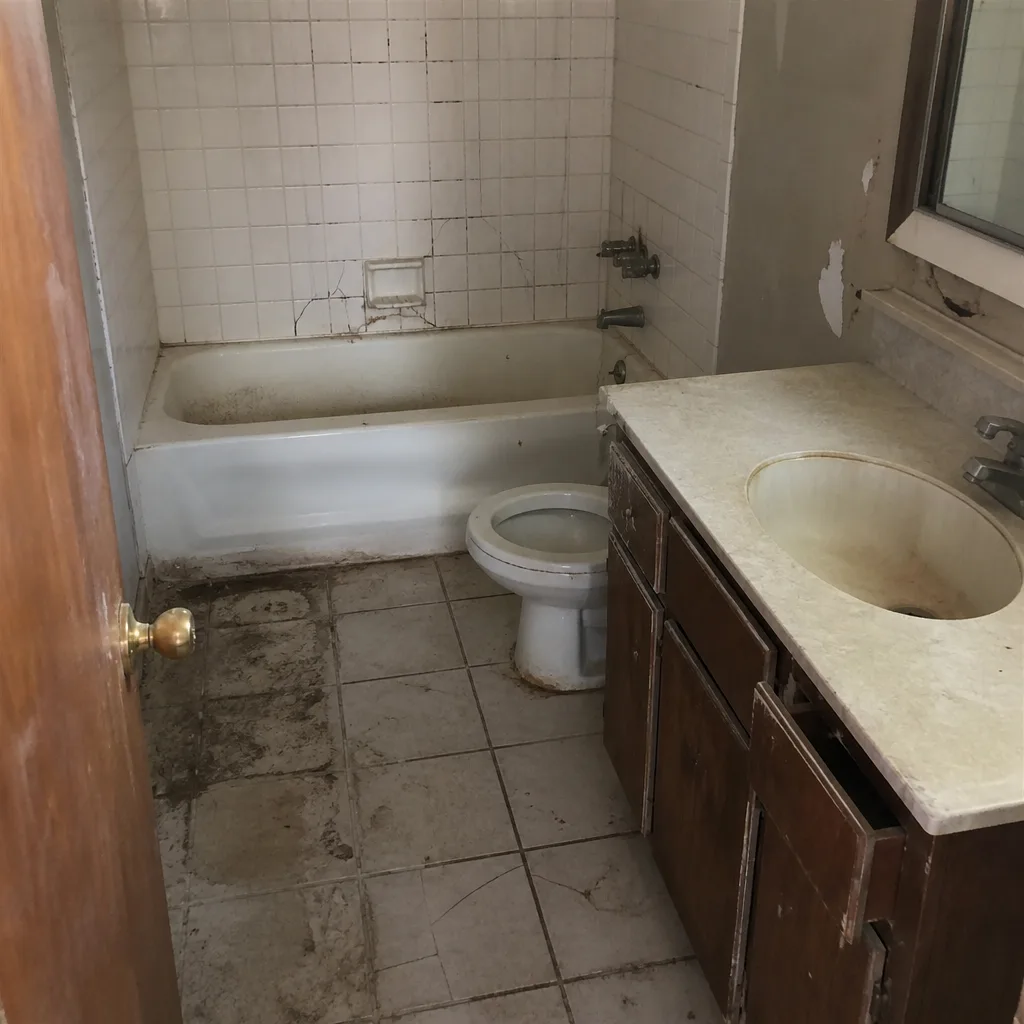
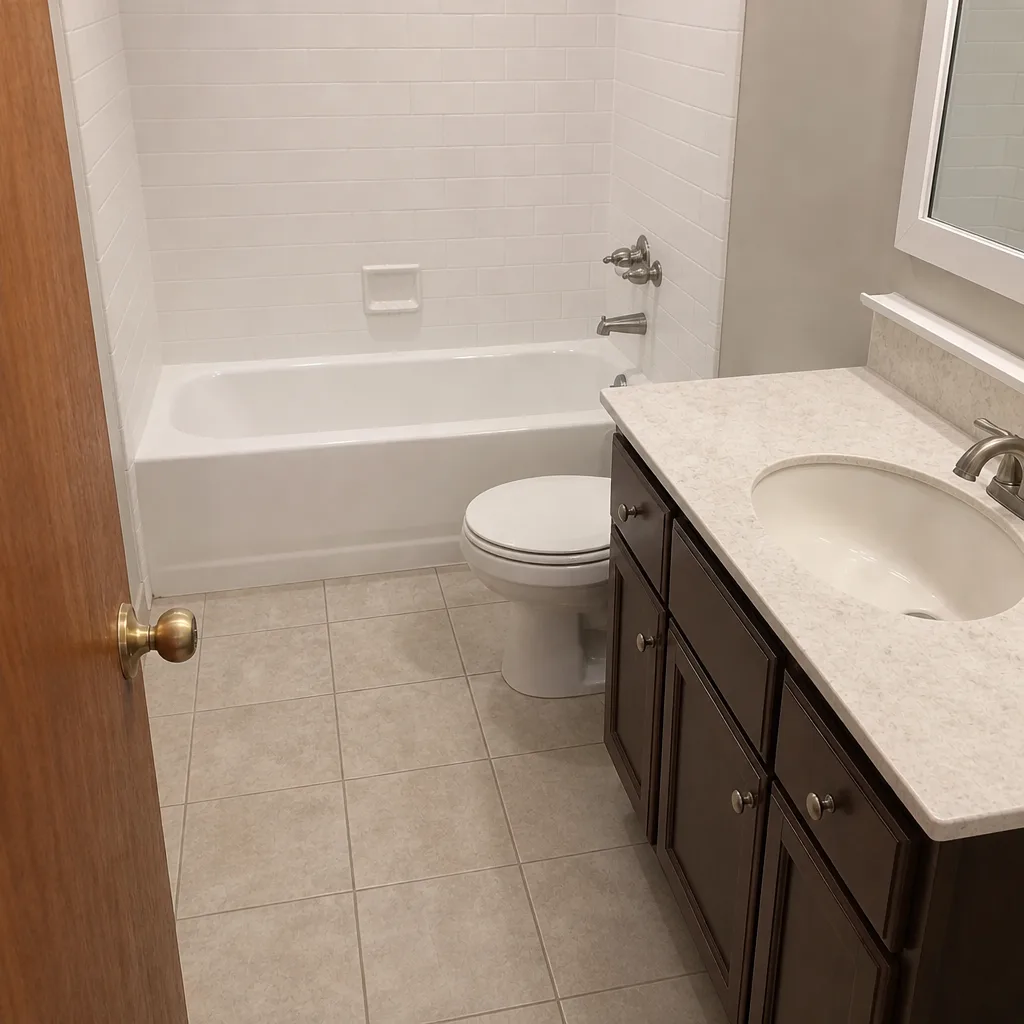
See the difference
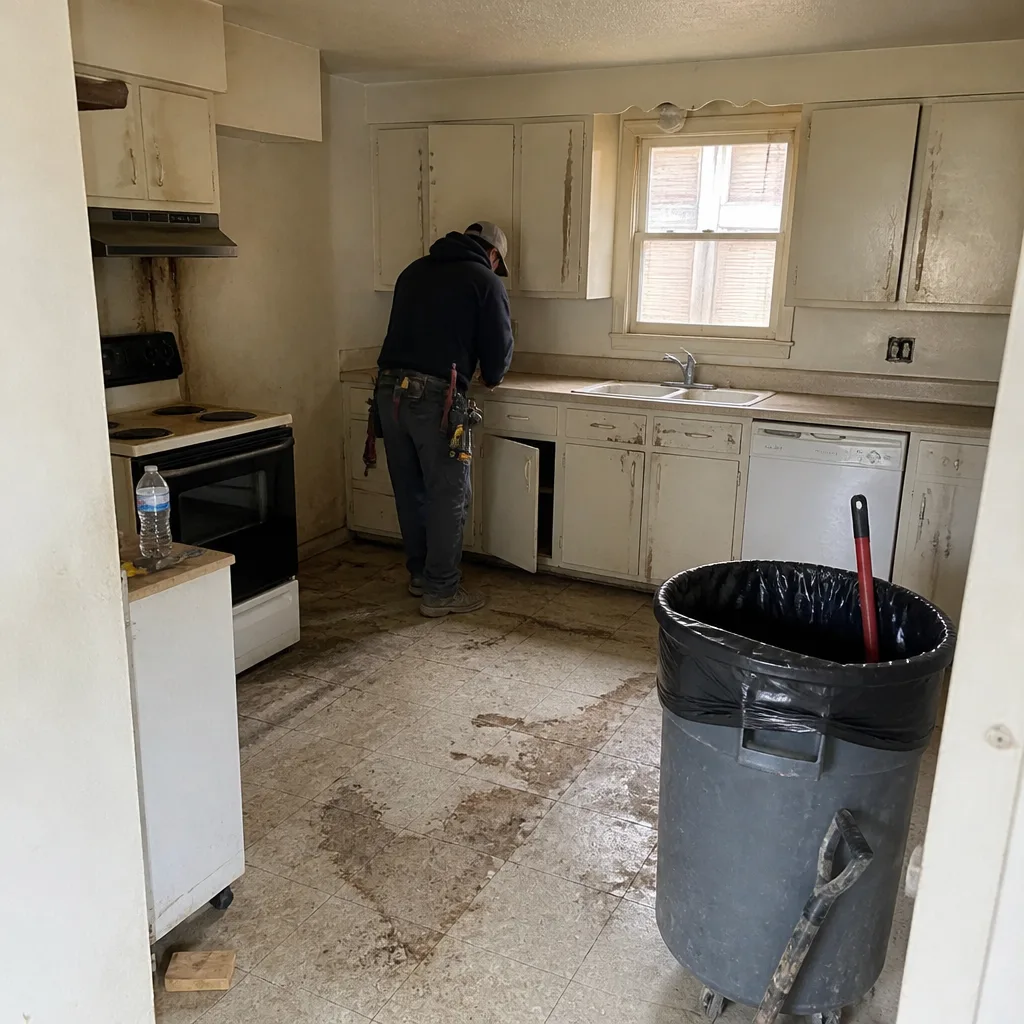 Before
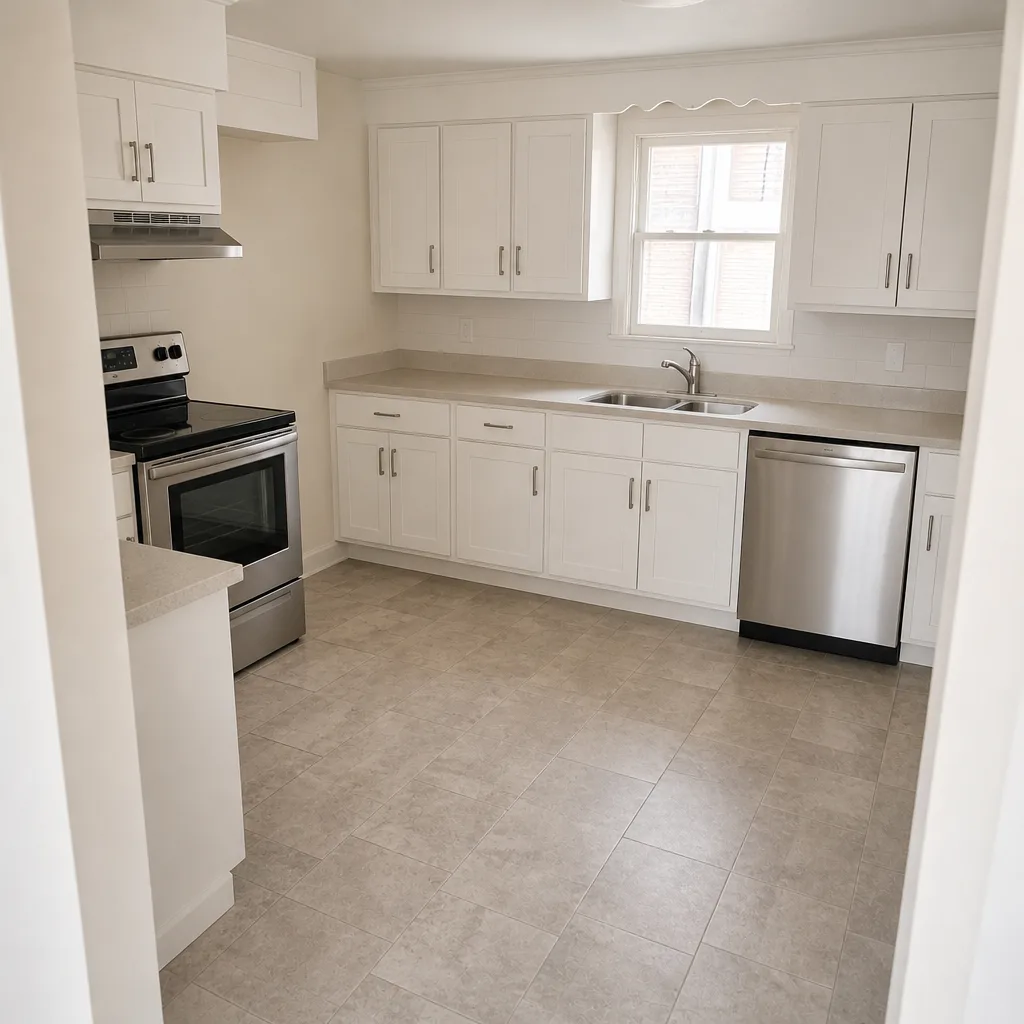 After
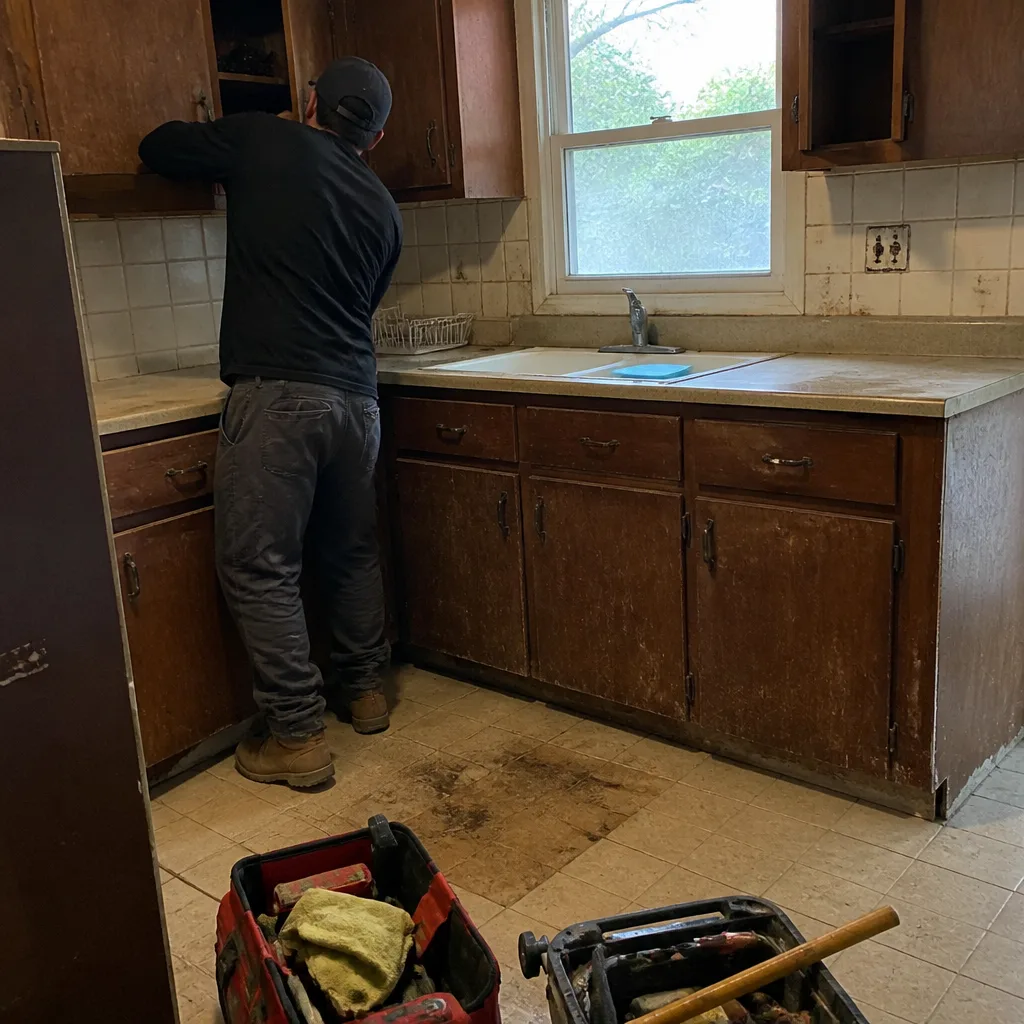 Before
 After
 Before
 After
When to Call a Professional
Call a professional any time you find a tie-in crack you can fit a coin into, water stains or soft drywall at the addition’s interior joint, a flashing transition that looks lifted or cracked, foundation cracks wider than a hairline, or an ADU subpanel that’s warm to the touch or trips breakers regularly. Roof work, tankless descaling, mini-split refrigerant and coil service, and electrical work all carry real risk – call before you climb. If you’re at the four-year mark and want a written walkthrough while coverage is active, we can do that too. Groundwork Construction Co. of Lewisville offers free estimates in Lewisville – call (844) 560-4467. Our calls are answered by a live person 24/7, with no voicemail, and all our technicians are background-checked and arrive in uniform.
Frequently Asked Questions
Once a year, minimum, both inside and outside. The interior drywall seam and the exterior roof flashing should each get an annual look, ideally in the fall before the wet season. If you spot a growing crack or lifted flashing, inspect again immediately and call for a professional evaluation.
Yes. The ADU has its own utilities (tankless water heater, mini-split, subpanel), its own foundation on Lewisville’s expansive clay, and its own exterior envelope. Treating it as part of the main house’s checklist buries the specific tasks that most often fail on ADUs, so build a separate list.
Once a year in North Texas. If your Lewisville ADU is on well water, twice a year. Skipping the descale leads to scale buildup in the heat exchanger, hot water pressure drops and inconsistent temperature swings. It’s a professional service; the cost is small compared with replacement.
Clean or replace the interior filter every two to three months during cooling season, and have a professional clean the coils and check the refrigerant charge once a year, ideally in early spring. Also have the condensate drain line cleared annually – a clogged line causes water damage.
Because the clay soil swells when wet and shrinks when dry, and uneven watering causes differential settling that cracks the slab and shears plumbing. Run a soaker hose around the perimeter in even cycles from May through October and keep the soil moisture consistent. Uneven watering is worse than no watering.
At the four-year mark, before most warranties hit their five-year expiration. That gives you time to file a claim if the walkthrough turns up anything. For projects on the Groundwork 730-Day Done Right Promise, the walkthrough window sits well within that coverage period.
The Bottom Line
An addition or ADU creates maintenance obligations the original house never had – the structural tie-in, the new roof transition, the secondary utilities, and a foundation sitting on North Texas clay. Get the schedule on your calendar now. Inspect the tie-in and the flashing every year, service the mini-split and tankless water heater annually, keep the slab perimeter evenly watered from spring through fall, and schedule the full contractor walkthrough at year four while coverage is still active. If your addition is due for its annual inspection or you’re planning a new build, call Groundwork Construction Co. of Lewisville at (844) 560-4467 for a free estimate. Upfront pricing, no surprises, and the 730-Day Done Right Promise on every job. Explore our full Home Additions & ADU services in Lewisville.
Written by the team at Groundwork Construction Co. of Lewisville.