Last updated November 18, 2026







Free written scope consultation - allowances, timeline, and change-order rules on paper before a single trade is scheduled
Bathroom Remodeling Maintenance Schedule: What to Do and When
Most bathroom remodels start showing preventable damage within 18 months. Not because the tile work was bad or the plumber cut corners, but because nobody handed the homeowner a plan for what to do after move-in day. New caulk dries and shrinks under North Texas heat. Grout lines open and close with seasonal humidity swings. An exhaust fan quietly loses half its pull because the grille filled with lint. Every one of those problems is cheap to prevent and expensive to ignore. This guide is the maintenance roadmap most contractors never hand over: a month-by-month schedule for the first two years after a Lewisville bathroom remodel, the seasonal tasks that matter most in our climate, and a clear line between what your warranty covers and what’s on you.
Quick Answer
A newly remodeled bathroom needs a 30-day check (caulk cure, grout sealing, fixture tightening, exhaust fan inspection), quarterly deep cleaning and caulk review, an annual waterproofing and plumbing inspection, and seasonal adjustments for North Texas humidity. Following this schedule protects both your investment and your workmanship warranty. Skipping it lets small cracks and slow leaks turn into mold, subfloor rot, and four-figure repairs long before the remodel itself ages out.
Styles & brands we work with
- Kitchen remodeling
- Bathroom remodeling
- Home additions & ADU
- Roofing
- Windows & doors
- Driveway & pavers
- Fence
Table of Contents
- The First 30 Days: Your Post-Remodel Checklist
- Seasonal Maintenance for North Texas Heat and Humidity
- Maintenance That Keeps Warranties Active vs. Maintenance That Voids Them
- Annual Inspection Points Most Homeowners Skip
- A Month-by-Month Schedule for Years One and Two
- What You Can Do Yourself (and What You Absolutely Can’t)
- How the 730-Day Done Right Promise Works With Owner Maintenance
- Common Mistakes to Avoid
- When to Call a Professional
- Frequently Asked Questions
The First 30 Days: Your Post-Remodel Checklist
The first month after a remodel is the highest-risk window in the whole life of the bathroom. Materials are still curing, settling, and finding their final position. The work you do now sets the tone for everything that follows.
- Inspect every caulk line on day 3 and day 30. Silicone caulk cures at roughly an eighth of an inch per day. Give the joints around the tub, shower pan, vanity, and backsplash a press test. If a bead feels soft or pulls away at the corner, the seal is compromised. Don’t caulk over it; that traps moisture. Have it cleaned out and re-applied.
- Confirm grout sealing. Cementitious grout must be sealed after full cure (typically 7-14 days after application). Confirm in writing that your installer sealed it, and when. In Lewisville’s climate, unsealed grout wicks moisture fast and stains within months.
- Test the exhaust fan with a tissue. Hold a tissue against the grille while the fan runs. If it pulls flat and stays, you’re fine. If it flutters or falls, you don’t have adequate ventilation, and humidity problems are already starting behind your tile.
- Check every fixture connection. Run each tap, flush the toilet, and look under the sink for moisture at the supply lines and P-trap. Tighten what’s loose. Hand-tight is right; overtightening cracked fittings is a common source of slow leaks.
- Look at the drain pan slope. Water in a shower with proper pan slope drains toward the weep holes within 15 minutes of the water shutting off. Standing water that lingers is a slope or weep hole issue and should be addressed while the install is still under workmanship coverage.
- Scan for efflorescence and grout haze. White chalky patches on tile or grout in week three can signal moisture behind the surface. If it appears, call it in before it becomes mildew.
The 30-day window is the moment when a good contractor’s accountability is most valuable. We build that follow-up into every Lewisville bathroom renovation because it catches issues that no one can see on the final walkthrough day.
Seasonal Maintenance for North Texas Heat and Humidity
A general maintenance guide written in the Pacific Northwest or the Midwest will not protect a Lewisville bathroom. Our building stock lives through humidity swings that regularly touch 80 percent in spring and crash to 30 percent in a dry July, and the tile assemblies that frame your shower expand and contract with every swing. That cycling is what opens caulk seams and hairline grout cracks faster in the Dallas-Fort Worth area than in most of the country.
Here’s how to seasonally adjust your routine:
- Spring (March-May): Lewisville’s wettest, muggiest stretch. Run the exhaust fan for 20-30 minutes after every shower. Check that all vent terminations reach the exterior, not simply the attic or a soffit. Attic moisture from a bathroom exhaust is a top cause of covered damage.
- Summer (June-August): Heat stress drives the strongest expansion cycles in grout and caulk. Spend 15 minutes in July running a finger along every interior silicone joint on the tub and shower. Anywhere a gap or a lifted edge shows, schedule a re-seal before fall.
- Fall (September-November): As temps drop and homes start closing up, watch for condensation on the vanity mirror, windows, and cold tile surfaces. Heavy condensation after a shower means the exhaust fan is undersized or failing. This is the best month to have the fan inspected.
- Winter (December-February): Dry indoor air pulls moisture out of grout and separates the mortar from tile more readily. Low humidity plus heated air is the classic North Texas setup for a hairline crack in a shower wall. Check monthly.
If you’re planning a renovation now, this is exactly the kind of post-install knowledge a full-scope contractor should be handing you. If you’re weighing a broader project, our guide to Groundwork Construction Co. of Lewisville’s full home construction services covers what a whole-property scope looks like, and if your remodel includes outdoor hardscape you’ll want the maintenance notes in our Driveway & Pavers in Lewisville resource, because those surfaces go through the same expansions with the same seasonal timing.
Maintenance That Keeps Warranties Active vs. Maintenance That Voids Them
Premium bathroom products are engineered with specific care requirements. Kohler, one of the fixture brands we install through Groundwork, publishes care guidance for every faucet and toilet it manufactures. So do the tile and grout manufacturers behind your assembly. When a warranty claim comes in, the brand or the installation provider asks the same question: was the product maintained per the manufacturer’s care instructions?
The line is sharper than most homeowners expect. Maintenance that keeps a warranty active usually looks like:
- Using a neutral-pH or manufacturer-approved cleaner on fixture finishes.
- Re-sealing grout on the schedule the grout manufacturer specifies, typically annually for cementitious grout in a wet zone.
- Following the fixture maker’s guidance on cartridge and aerator flushing, which is a short annual job and preserves a faucet’s internal seals.
- Reporting a leak or finish defect within the warranty claims window rather than waiting to “see if it gets worse.”
Maintenance that risks voiding coverage is easier to identify than people think:
- Abrasive scouring pads or bleach-heavy cleaners on a PVD or chrome finish. That dulls the finish and takes a finish warranty out of play.
- DIY re-caulking over an existing compromised bead without removing it, which traps moisture and accelerates the very failure you’re trying to prevent.
- Any unauthorised alteration to plumbing rough-in, tile installation method, or waterproofing assembly by a third party.
- Using a plunger or aggressive drain cleaner on a slow drain instead of calling the installer while the rough-in work is still covered.
The point of documenting your maintenance is not busywork. It’s evidence. A dated log with photos protects you in a claim the same way a punch list protects you on delivery day.
Annual Inspection Points Most Homeowners Skip
Once a year, budget two hours and do a head-to-toe walk-through. There are five zones most homeowners leave alone until damage is visible. On a Lewisville home, each of these deserves attention because of our humidity and plumbing code requirements.
- The shower valve and cartridge. Look for a small drip at the temp handle and mineral buildup around the trim ring. Catching a worn cartridge early is a 15-minute fix. Ignoring it puts water inside the wall.
- Behind the toilet at the flange and shutoff valve. Look for a soft or dark halo on the floor around the base. That’s the first sign of a slow flange leak, and it’s the most common cause of subfloor rot in a bathroom.
- Waterproofing at the shower bench and curb. Run a hand along the inner curb and bench edge after a shower. A soft or spongy feel is moisture intrusion behind the waterproofing membrane. Flag it immediately.
- Exhaust fan and duct route. Beyond the tissue test, have the fan housing removed and the duct inspected annually. Reduced airflow from lint is invisible until the fan motor stalls.
- Under-vanity and behind-wall supply lines. Check the supply line fittings and drain tailpieces under the sink, plus the shutoff valve connections. Pinhole leaks in copper or small cracks in PEX run for weeks before they’re noticed.
The exterior of your home matters here too. If you’re also maintaining a fence or an outdoor pad, the moisture cycle that hits your bathroom wall is the same one that affects those materials, so maintenance notes from our Fence Installation in Lewisville guide are a useful cross-check. And if your long-term plan includes more square footage, the load-bearing and plumbing considerations covered in our Home Additions & ADU in Lewisville overview should be part of your planning conversation, not an afterthought.
A Month-by-Month Schedule for Years One and Two
Rather than a vague list of tasks, here’s the exact schedule we recommend to the homeowners we serve in Lewisville. Treat it as the maintenance master plan for the first two years after a remodel, which also happens to be the length of the 730-Day Done Right Promise on workmanship.
- Month 1: Caulk cure inspection, grout seal confirmation, exhaust fan test, fixture tightening, and full leak walkthrough. Log it.
- Month 2: Repeat the caulk press test. Apply manufacturer-approved sealant to any joint that shows separation.
- Month 3: Full deep clean with pH-neutral cleaners. Inspect the shower pan slope after each shower for standing water.
- Month 4: Photo log of all caulk lines and grout. Date each photo.
- Month 6: First quarterly exhaust fan filter or grille clean. Check the outside vent termination for lint or pest entry.
- Month 9: Inspect the shower valve cartridge and toilet flange. Re-tighten any loose vanity hardware.
- Month 12: First full annual inspection (the five points above) and re-seal of shower grout lines. Replace any failing caulk. Photograph the seals.
- Month 15: Seasonal re-check (which season matters here depends on your install date). Inspect caulk again.
- Month 18: Second annual plumbing and waterproofing inspection, especially behind the toilet and around the shower bench. Replace the exhaust fan filter, and if the fan is more than two years old, replace the fan grille.
- Month 24: Full two-year review with professional eyes. This is the right time to look at re-grouting the shower and confirming caulk hasn’t lifted at the tub apron.
Two years in, the maintenance rhythm is set, and the assembly has already proven it can survive one full Lewisville seasonal cycle. Monthly checks get easier at that point. The 18-month mark is the one that catches most problems, and that’s exactly the window where a strong workmanship guarantee earns its keep.
What You Can Do Yourself (and What You Absolutely Can’t)
Maintenance is not a black box, but it’s also not all homeowners’ work. Here’s a clean division.
Safe to do yourself: deep cleaning (using the right cleaners), re-sealing grout on manufacturer-approved schedules, replacing the exhaust fan filter or grille, checking the caulk lines with a press test and a photo log, tightening handles and towel bars, and noting any water appearance for a service call.
Must be done by a trained professional: any plumbing work inside a wall, shower valve cartridge replacement, anything that touches the shower pan or waterproofing membrane, exhaust fan replacement where the duct route must be altered, and any work involving electrical receptacles in the wet zone, which in Texas are governed by the local code adopted by the City of Lewisville.
The safety line is real. Water supply lines in a wall hold pressure; a bad fitting fails violently. Mixing valve cartridges have to be installed to manufacturer torque and orientation. Anyone who’s ever cracked a cartridge retainer nut will tell you the “five-minute job” is a much bigger job once the water is pouring out. A trained trade tech does it in a fraction of the time and makes it look easy.
Everything about our process is designed to remove that guesswork. We offer free project estimates and design consultations, and we’ll happily answer maintenance questions on a bathroom we’ve delivered, which is not something most contractors do. Upfront pricing, no surprises, and an honest conversation about what’s a DIY habit versus a call to the crew.
How the 730-Day Done Right Promise Works With Owner Maintenance
This is the conversation most contractors avoid, and we won’t. A workmanship guarantee covers the installation. It doesn’t cover neglect. No warranty anywhere can, and any company that tells you otherwise is hiding the fine print.
What the 730-Day Done Right Promise covers:
- Installation defects: loose tile, cracking grout caused by installer error, failed waterproofing membrane, improper subfloor prep.
- Fixture install issues: cartridge failures caused by installation, improper drain slope, leaks at plumbing connections we made.
- Ventilation problems created by incorrect exhaust fan installation or duct routing.
- Any premature material failure traceable to the way the material was installed or prepared.
What the 730-Day Done Right Promise does not cover:
- Damage from skipping manufacturer-specified maintenance, like letting an unsealed grout joint remain unsealed for two years.
- Damage from using the wrong cleaners on fixture finishes.
- Damage from third-party plumbing, electrical, or alteration work performed after we completed the install.
- Pre-existing conditions, structural issues outside the remodel scope, or damage from a water supply failure outside the bathroom.
- Normal wear items: caulk degradation, grout discoloration, cosmetic finish wear after two years.
The simplest way to protect the guarantee is to keep a dated maintenance log for the full 730 days. If a defect arises, a log with photos establishes that you did your part. It’s not about liability-hunting; it’s about honest accountability on both sides. Calls are answered by a live person 24/7, so a maintenance question never has to wait until Monday.
Common Mistakes to Avoid
- Caulking over a compromised bead. Adding fresh caulk over a bead that has already lifted traps moisture behind it. In Lewisville’s humidity, that’s how mold starts behind the tile, and it becomes a four-figure fix.
- Using bleach or abrasive pads on premium fixtures. Kohler and other premium brands specify pH-neutral cleaners for a reason. Abrasive scouring and bleach dull the finish and can take the finish warranty out of play entirely.
- Skipping the exhaust fan test for months. A fan loses meaningful airflow as the grille and duct accumulate lint. Homeowners don’t notice until condensation coats the mirror after every shower, which means humidity has already been pooling.
- Waiting for visible water damage before scheduling an inspection. Water in a bathroom doesn’t announce itself. It silently wicks under grout, around flanges, and along the back of the shower pan. By the time you see a stain, the repair scope has already grown.
- Not documenting maintenance. A dated photo log is the single best defense in a warranty conversation. It’s also one of the least used habits in the industry.
- Treating a slow drain as a “plunger problem.” Repeated plunging on a slow shower or vanity drain can damage the trap or push debris deeper. If a drain slows within the warranty window, call it in.
- Ignoring seasonal extreme humidity swings. North Texas spring humidity followed by the dry weeks around July is the exact pattern that cracks caulk and opens grout. Failing to plan the two re-checks around those cycles is the most common cause of premature joint failure we see in Lewisville.
When to Call a Professional
Call a professional if you see any of the following: standing water in the shower pan that lingers for more than 15 minutes after the water is off; a soft or spongy feel along the shower curb or bench; water staining at the base of the toilet; a persistent musty smell after the exhaust fan has been running; a fixture cartridge that drips at the handle; a caulk joint that re-opens within a month of re-sealing; or visible cracking at the wall-to-floor joint.
None of these are situations to watch for another season. Every one of them is a likely moisture problem behind a surface, and the cost of repair grows quickly from there. Groundwork Construction Co. of Lewisville offers free estimates in Lewisville and the surrounding communities, and you can reach our team at (844) 560-4467. If you’re also looking at a broader renovation in the next year, that same estimate visit is a good time to scope other work.
Frequently Asked Questions
Check both the caulk and grout on day 3 and again at day 30. Silicone caulk needs about a week to fully cure, and the first press test confirms the bead is flexible and bonded. A joint that pulls away at the corner in week four is a bead that didn’t bond correctly on install and should be addressed within the workmanship window.
Seal cementitious grout once a year in a shower or wet area, and every 18-24 months on a bathroom floor away from the shower. In Lewisville, spring humidity and dry summer heat open grout pores faster than in most of the country, so the annual schedule is the right baseline for nearly every local home. Call (844) 560-4467 if you’re not sure when yours was last sealed.
Yes for any workmanship guarantee, and yes for most manufacturer product warranties. Manufacturer warranties almost always condition coverage on following the care instructions, and a workmanship guarantee covers installation defects, not damage from skipped maintenance. Keeping a written log with photos is the simplest way to protect all of it.
Keep relative humidity in the bathroom under about 60 percent, and ideally around 50 percent. That means running the exhaust fan for 20-30 minutes after every shower in the humid months, and keeping it running after a bath in the winter. Above 60 percent, condensation starts forming on tile and grout surfaces and moisture begins working behind the assembly.
Hold a single tissue against the fan grille while it’s running. If the tissue pulls flat and stays, the fan is moving air. If it flutters or falls off, you’ve lost airflow, usually from lint buildup or a stuck damper. Clean the grille and test again; if it still fails, call a professional.
An inspection typically starts at the cost of the service call, and any work found during the inspection is quoted upfront. Our estimates are free, and there’s no change-order surprise once work starts. If your bathroom is inside the two-year window, the 730-Day Done Right Promise may cover workmanship issues identified during the visit. Call (844) 560-4467 to schedule a free estimate.
The Bottom Line
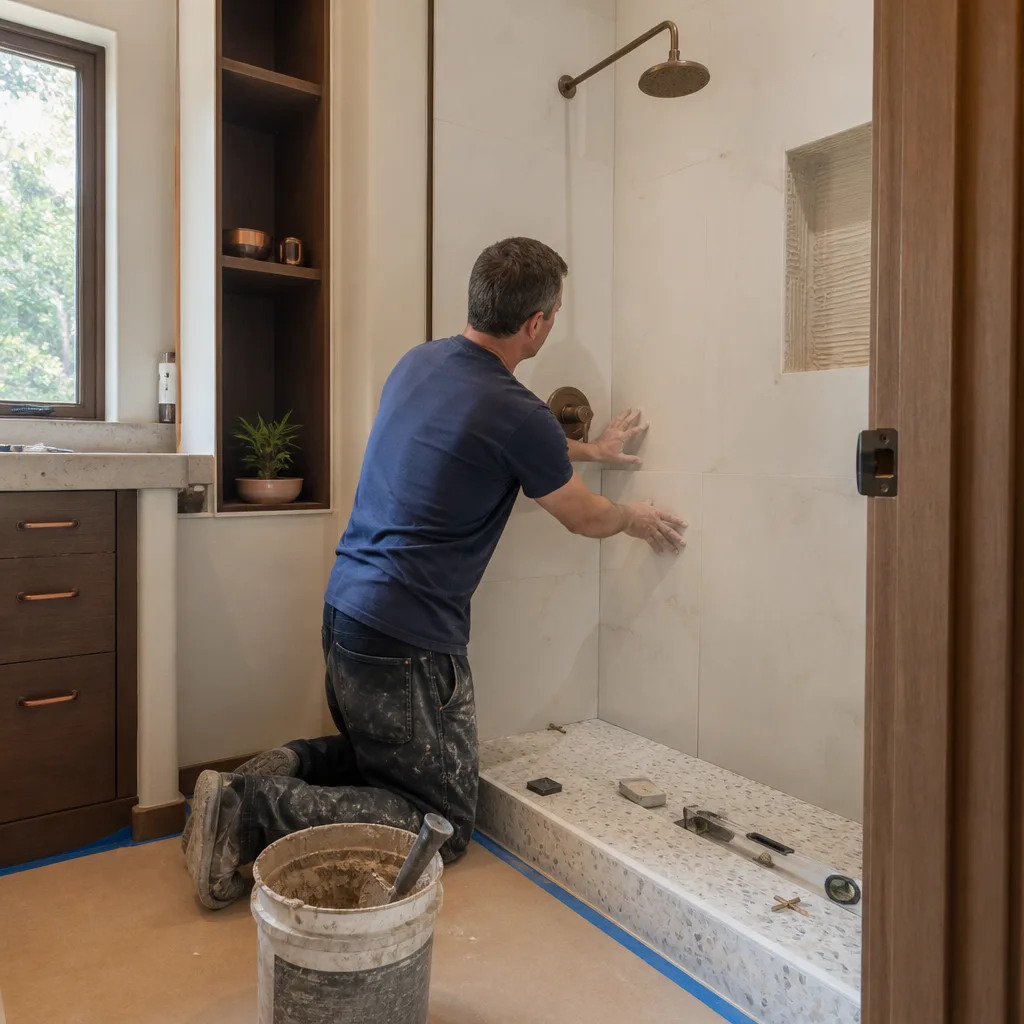
A bathroom remodel is only as good as what happens in the two years after the last tile is set. Do the 30-day check, seal grout annually, listen to the exhaust fan, and photograph your maintenance. Those four habits will protect your investment through at least a full Lewisville seasonal cycle, and the 730-Day Done Right Promise will protect you from the installation defects that maintenance can’t fix. If you’re remodeling now, or you’re facing a maintenance call you’ve been putting off, our team at Groundwork Construction Co. of Lewisville offers free estimates. Call (844) 560-4467 and speak with a live person at any hour. From foundation to finish line, we’re here when it matters.
Written by the team at Groundwork Construction Co. of Lewisville.
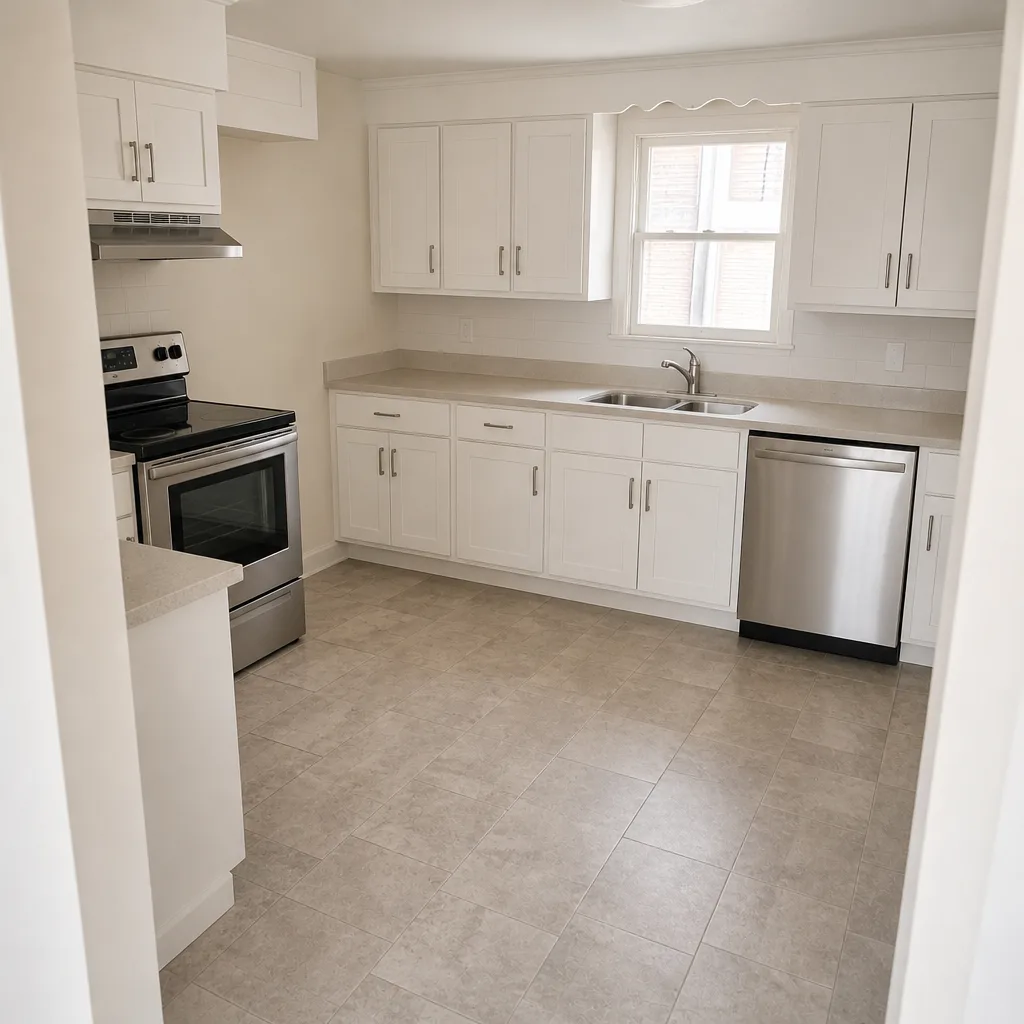
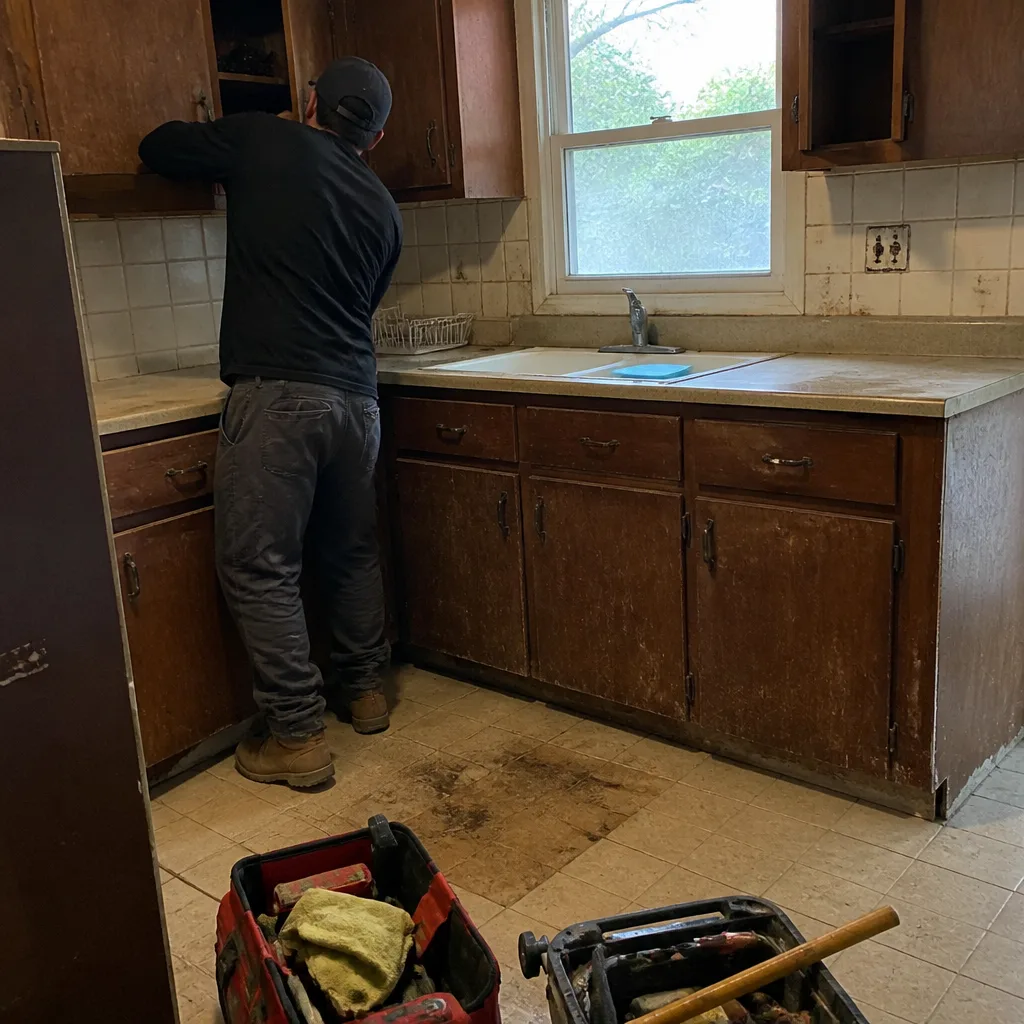
See the difference
 Before
 After
 Before
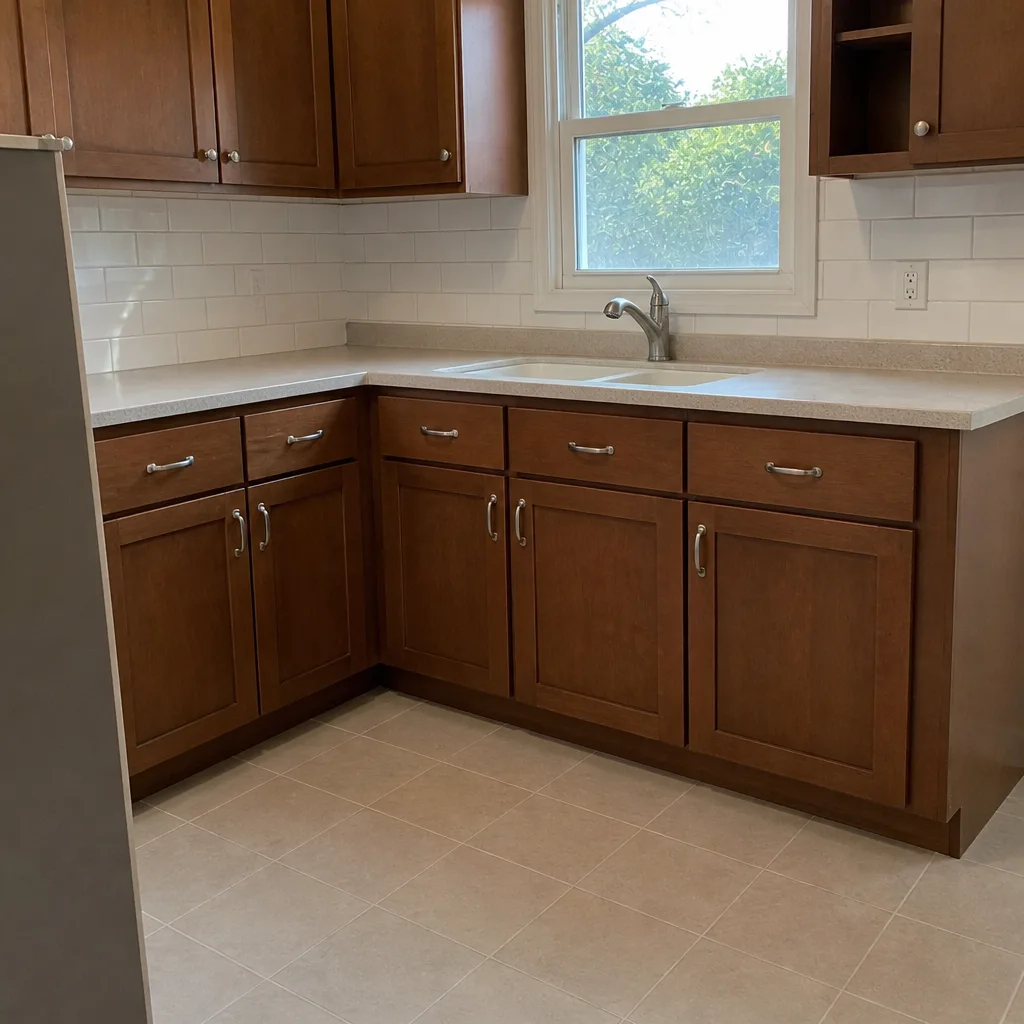 After
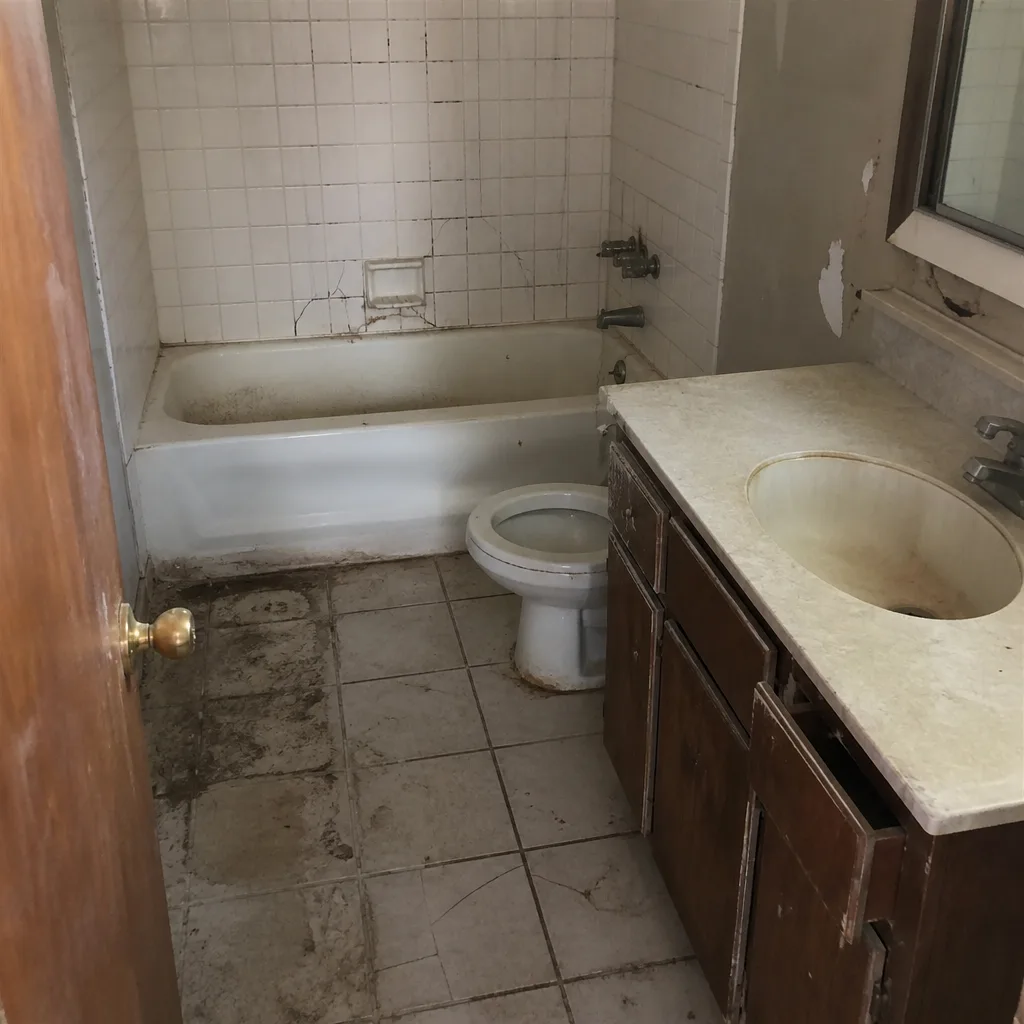 Before
 After