Last updated November 18, 2026





Free written scope consultation - allowances, timeline, and change-order rules on paper before a single trade is scheduled
Construction Emergency Preparedness Guide for Lewisville Homes
In 2021, Winter Storm Uri caused an estimated $195 billion in damage across Texas. A large share of that loss didn’t come from the cold itself. It came from construction elements that failed because nobody winterized them, on the reasonable-sounding logic that “it doesn’t freeze like that in Texas.” It does. And it will again. Lewisville sits in one of the most volatile weather corridors in the country, where a 70-degree February afternoon can turn into a hard freeze by midnight. This guide maps emergency preparedness directly to the construction of a North Texas home: what to protect, in what order, and how to tell damage you can live with from damage that needs a professional now.
Quick Answer
Lewisville homes face four primary construction emergencies: freeze damage to plumbing (December through February), wind and hail damage to roofing and fencing (March through June), flash flooding to flatwork and drainage (spring and fall), and heat stress on roofing and sealants (July through September). The highest-value preparation is cheap and simple: sealing pipe penetrations, clearing drainage paths, and photographing your home’s condition before storm season. After a storm, inspect in order of structural risk, not visibility, and document damage with dated photos before anything is moved or repaired.
Styles & brands we work with
- Kitchen remodeling
- Bathroom remodeling
- Home additions & ADU
- Roofing
- Windows & doors
- Driveway & pavers
- Fence
Table of Contents
- The Lewisville Severe Weather Risk Calendar
- The 48-Hour Ice Storm Prep Checklist
- Flash Flood and Drainage Prep for North Texas Lots
- Hail and Wind Season: Roofing and Fence Prep
- Extreme Heat and the Construction Elements It Eats
- Post-Storm Inspection Protocol, Ordered by Urgency
- How to Document Construction Damage for Texas Insurance Claims
- Emergency Contractor Red Flags After Lewisville Storms
The Lewisville Severe Weather Risk Calendar
Most preparedness guides treat weather as a generic threat. In Lewisville, the risk shifts month by month, and so does the construction prep that matters. Here’s the calendar we work from, based on what we actually see on homes across Denton County.
- January-February: Hard freezes and ice storms. The risk is concentrated in plumbing penetrations, hose bibs, irrigation backflow assemblies, and uninsulated attic runs. Pipe failures are the number-one construction emergency in Lewisville during these months.
- March-May: Severe thunderstorms, hail, and the peak of tornado season. Roofing, gutters, and fence lines take the hit. Hailstones of golf-ball size are common along the I-35E corridor, and asphalt shingles near the end of their service life fail first.
- April-June and September-October: Flash flooding. Lewisville’s clay soils and the low-lying areas near Lewisville Lake and the Elm Fork turn heavy rain into standing water fast. Flatwork, driveways, and foundation drainage are the vulnerable elements.
- July-September: Sustained heat above 100°F. This is a slow-motion emergency: it degrades roof sealant, expands and contracts flatwork, and stresses exterior caulking and window seals. Damage accumulates invisibly and shows up as leaks months later.
- November-December: The first freeze events. Homes that spent the summer baking now hit their first cold snap with dried-out seals and cracked caulk lines, which is exactly when small gaps become water intrusion.
The pattern to notice: most Lewisville construction emergencies are predictable by season. The failures aren’t random. They cluster around a handful of construction elements that nobody inspected since the last event. That’s the window you can actually control.
The 48-Hour Ice Storm Prep Checklist
Two days before a forecast ice storm is the ideal window. Any earlier and you’ll forget half of it; any later and you’re working in freezing rain. Work through this in order, top to bottom.
- Locate and insulate pipe penetrations. The spots where pipes pass through exterior walls, foundation, and attic decking are where cold air gets in. Foam sealant and pipe insulation sleeves cost very little. In our experience, this single step prevents more burst pipes than anything else on this list.
- Shut off and drain exterior hose bibs. Disconnect hoses, shut the interior valve if your home has one, and open the exterior spigot to drain residual water. A full hose bib left charged is a cracked pipe waiting for the thaw.
- Drain the irrigation backflow assembly. Lewisville’s clay soil holds the assembly in a vulnerable spot, and backflow preventers are the most common freeze failure we see on North Texas properties. Shut the supply, drain the unit, and insulate the housing.
- Protect flatwork from ice-melt damage. Avoid rock salt on driveways and walkways where possible. North Texas concrete pours are often finished with a broom or exposed aggregate that salt attacks over repeated winters. Sand is safer for the surface.
- Check roof and gutter drainage. Ice dams form where gutters are clogged. Clear them before the freeze so meltwater has somewhere to go instead of backing up under shingles.
- Close the attic and foundation vents that face the prevailing wind. Keep ventilation in mind for the rest of the house, but block direct wind-driven cold from hitting pipes and water heaters.
- Know where your main water shutoff is. If a pipe does burst, the difference between a soaked wall and a flooded house is how fast you can kill the supply. Show everyone in the household.
One caveat worth stating plainly: if you have a plumbing emergency already in progress, a burst pipe behind drywall or under a slab, that’s not a DIY moment. Shut off the main and call a licensed plumber. Water and electricity in the same wall cavity is dangerous, and the repairs that follow are safer when the initial response is correct.
Flash Flood and Drainage Prep for North Texas Lots
Lewisville’s flash flood risk isn’t just about rainfall totals. It’s about where the water goes in the first ten minutes. The area’s expansive clay soils absorb very little once they’re saturated, so a heavy storm becomes surface runoff almost immediately. The construction elements that matter most are the ones directing that water away from your foundation.
- Grading: Your lot should slope away from the foundation at roughly six inches over the first ten feet. Settled or regraded soil over the years can reverse a slope that was correct when the house was built. This is the most skipped check we see on Lewisville homes.
- Downspout discharge: Downspouts that dump within two feet of the foundation concentrate thousands of gallons right where you don’t want it. Extensions and splash blocks are cheap fixes.
- Driveway and paver drainage: A properly built driveway slopes to daylight or to a drain. If yours ponds against the garage door after a storm, the drainage path has shifted. Our Driveway & Pavers in Lewisville work starts with the drainage plan, not the surface, precisely because North Texas storms expose the difference.
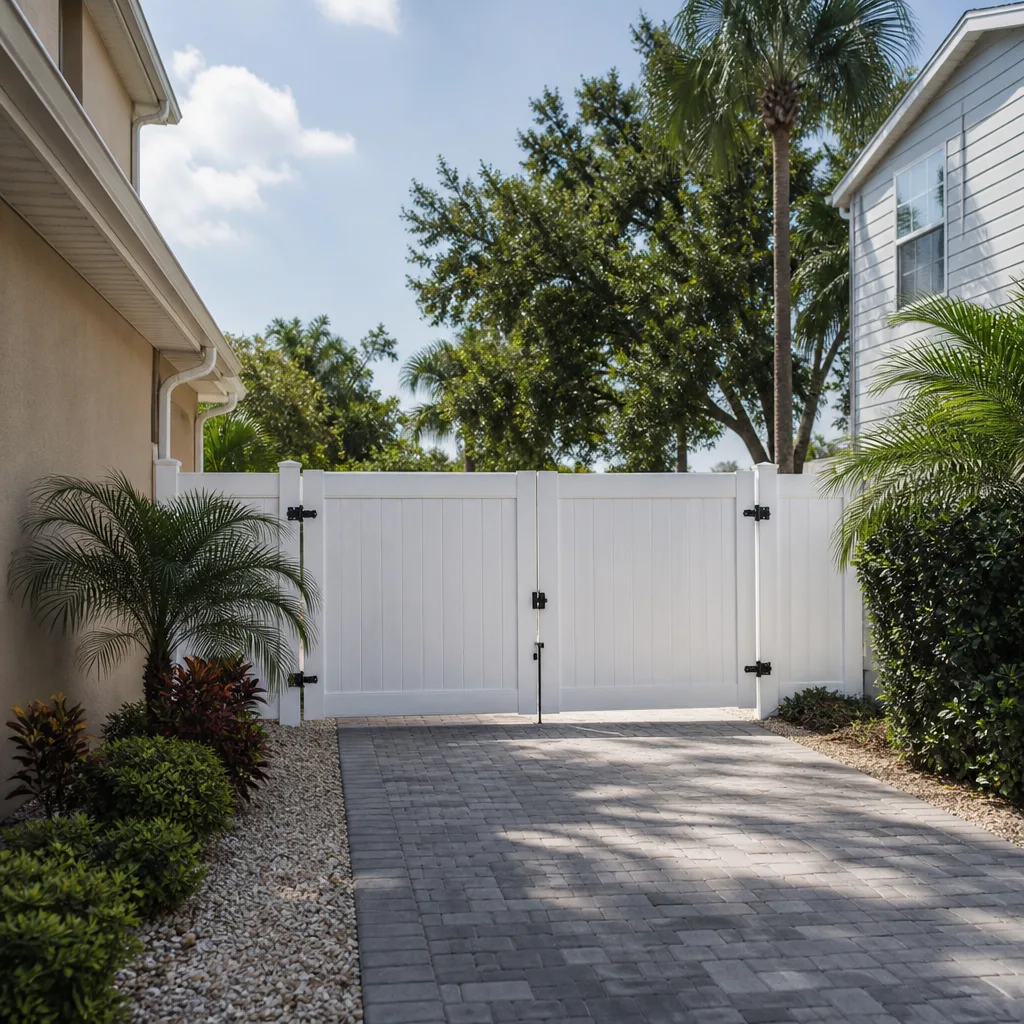
- Fence line water: Fences set on grade can create a dam along a property line. It’s a small detail with big consequences for the neighbor uphill. Fence Installation in Lewisville done right includes leaving the water a path through or under the fence line wherever the grade demands it.
- Foundation drainage: French drains, sump systems, and gutters all matter more when a single storm can drop several inches in a few hours. If you’ve had standing water against the slab twice in the same season, get it looked at before the third.
If your long-term plans include adding living space, drainage becomes a structural question, not a cosmetic one. An addition that changes the roofline changes where water sheets off. We plan the roofline and drainage together on Home Additions & ADU in Lewisville projects for exactly that reason.
Hail and Wind Season: Roofing and Fence Prep
The weeks before hail season are the best time to reduce your exposure, because after the storm you’re in recovery mode, not prep mode. Two construction elements carry most of the risk: the roof and the fence line.
Roof inspection before the season
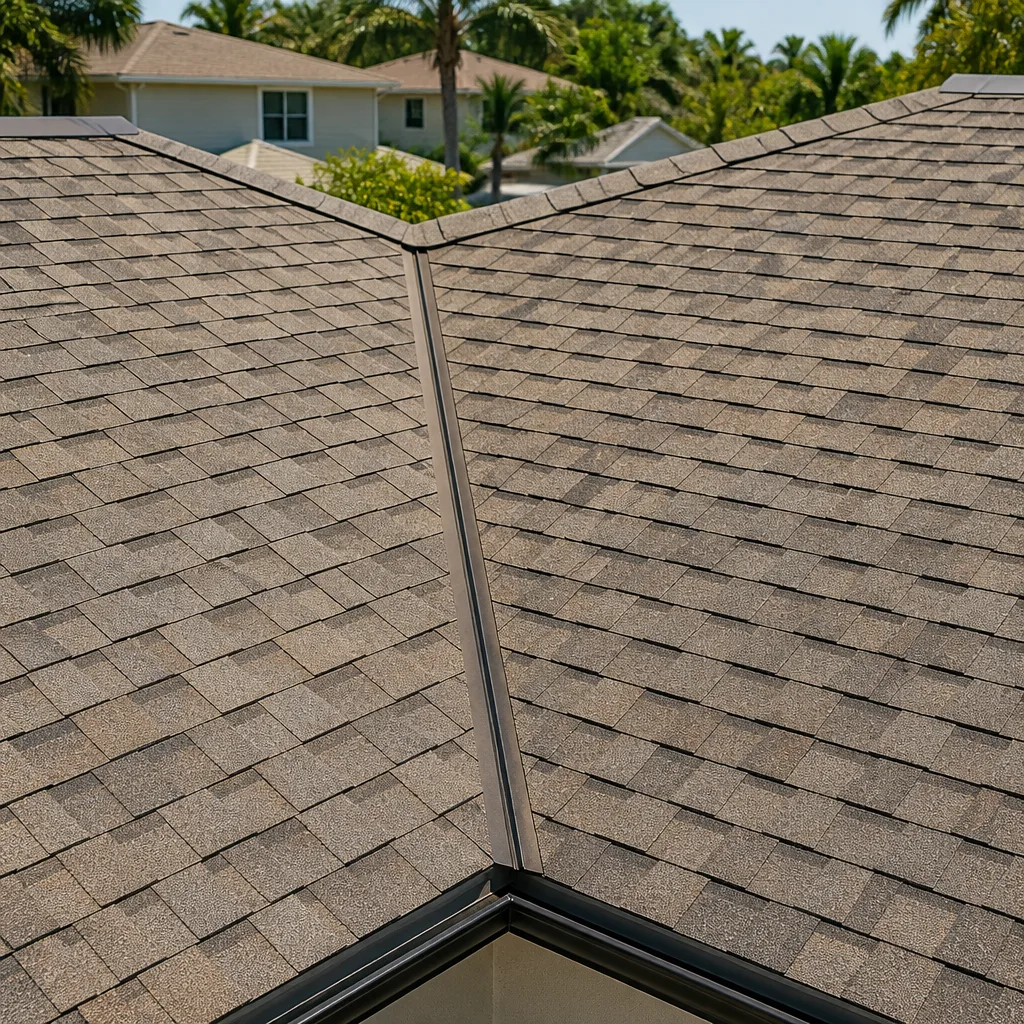
Walk the perimeter of your home with binoculars and look for lifted, curling, or missing shingles, especially on south and west-facing slopes, which take the most UV and hail exposure in Lewisville. Check the flashing around chimneys and skylights, and look for granule accumulation in gutters, which signals shingles near the end of service life. A roof installed with a quality product line from GAF or CertainTeed typically holds up better to repeated hailstorms than builder-grade shingles, which is why we steer homeowners toward proven systems on roof replacements.
Fence and exterior prep
Wood fences in North Texas take a beating between wind and dry-rot cycles. Loose posts and deteriorated rails fail first in a wind event. Check post stability by hand, and look for soft wood at the ground line where moisture collects. If a fence section is already compromised, repair it before storm season rather than after. A fence that fails during a storm can become airborne debris that damages your home or a neighbor’s.
Pre-season documentation
Before the first big hail event, photograph your entire exterior: roof slopes, gutters, siding, fence, driveway. Store the images in the cloud with a date. This is the single most useful thing you can do for your insurance claim, because it establishes pre-storm condition. Adjusters appreciate it, and it prevents disputes over whether damage was pre-existing.
Extreme Heat and the Construction Elements It Eats
Heat is the most underrated construction emergency in Lewisville. It doesn’t produce dramatic scenes. It produces slow degradation, and most homeowners don’t think about it until a leak appears in the fall.
- Roof sealant and flashing: Sustained 100°F days soften and re-cure sealant around flashings and penetrations. Each cycle is a small crack waiting to grow. This is where most “mystery” roof leaks start.
- Caulking and window seals: UV and heat break down exterior caulk, particularly on south and west exposures. A dried-out seal line lets water into the wall cavity the first time it rains hard. Andersen and other quality window systems hold their seals longer, but no window is immune to a decade of Texas sun.
- Flatwork: Driveways and patios expand and contract through the temperature swing. Hairline cracks are normal. Widening, heaving, or step-offs are not. If your driveway has developed a lip after the summer, that’s a drainage or base issue, not just cosmetic.
- Attic ventilation: A poorly vented attic gets much hotter than the outdoor temperature, which shortens the life of roofing underlayment and stresses everything stored up there. Ridge vents and proper intake ventilation matter more than most people realize.
The prep move for heat season is mostly inspection: walk the exterior in the spring, look at caulk lines, flashing, and flatwork, and address what you find before the summer stresses it further.
Post-Storm Inspection Protocol, Ordered by Urgency
After a severe weather event, the instinct is to look at the most visible damage first. That’s backwards. Inspect by structural risk and safety, in this order. If at any point you’re uncertain, or if gas or electrical infrastructure is involved, stop and call a professional. A suspected gas leak, downed power line, or compromised electrical panel is a call-first, not a look-closer, situation.
- Life safety first. Check for gas odor, downed power lines, and any smoke. If you smell gas, leave the house and call your utility from outside. Do not flip switches.
- Structural integrity. Look for sagging ceilings, cracked walls, doors that suddenly stick, or gaps between the wall and floor. These can signal foundation or framing movement after a storm or flood.
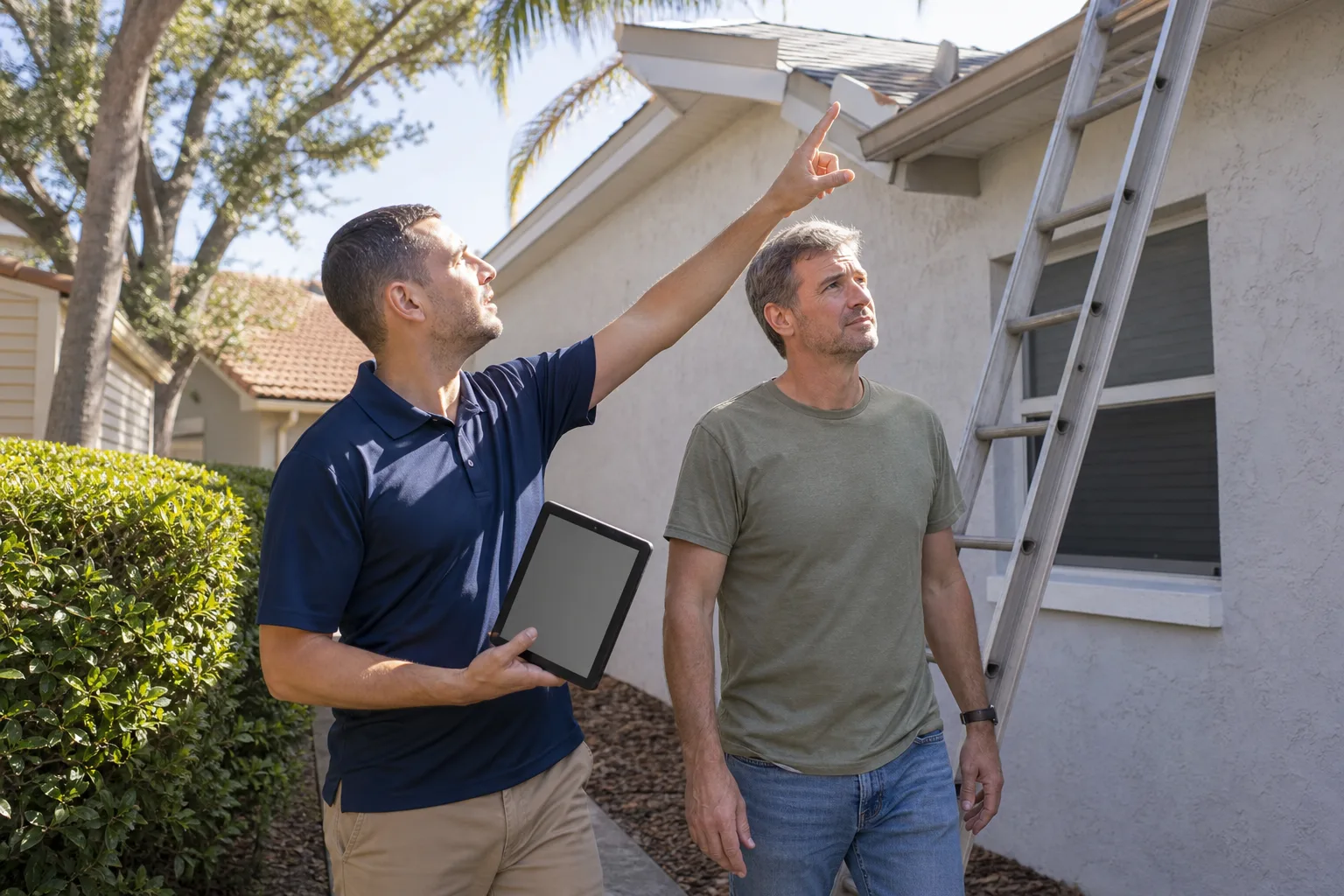
- Roof and attic. From the ground, look for missing shingles and displaced flashing. Inside, check the attic for daylight, water staining, or damp insulation. Do not climb on a wet or damaged roof. Height work after a storm is genuinely dangerous.
- Water intrusion. Look for staining on ceilings and walls, especially at exterior corners and around windows. Water follows structure, so a leak on the second floor often shows up on the first-floor ceiling.
- Electrical. If water entered the home, don’t turn on circuits that were wet. Have an electrician evaluate before power is restored to those circuits.
- Fence and exterior. Check the fence line for leaning posts and dislodged panels. Inspect the driveway for new cracks or heaving.
- Document everything. Photographs with dates, before any cleanup. This is your claim foundation.
The order matters because roof and water damage left for days becomes structural damage. A compromised ceiling or a water-soaked wall cavity can cost several times more to repair than the initial leak. If you’re unsure whether something is serious, an honest inspection is cheap compared to the alternative. Our Groundwork Construction Co. of Lewisville home page outlines the full scope of what we handle if you need a starting point.
How to Document Construction Damage for Texas Insurance Claims
Texas claims adjusters look for one thing above all: evidence of pre-storm condition versus post-storm damage. If you can’t tell the difference, they can’t either, and that’s where claims get reduced or denied. The documentation process is simple but it has to happen before repairs.
- Photograph before cleanup. Wide shots of each area, then close-ups. Include something for scale, like a coin or tape measure, next to hail dents and crack widths.
- Date-stamp your images and keep them chronological. Pre-storm photos prove the roof was intact. Post-storm photos prove what happened. Together they tell the story.
- Keep damaged materials. Don’t throw away shingles, siding, or fence panels until the claim is settled. The physical evidence supports the written report.
- Document water intrusion separate from wind damage. Adjusters treat these differently. A roof leak caused by missing shingles is a wind claim. A roof leak that was already seeping is maintenance. Knowing which is which protects your claim.
- Get a contractor’s inspection in writing. A professional assessment noting the damage, its likely cause, and the recommended repair gives the adjuster a clear, technical picture. It also clarifies homeowner-caused versus weather-caused damage, which matters more than it sounds.
- Track your timeline and expenses. Hotel stays, temporary repairs, and rental equipment may be covered. Log them from day one.
Emergency Contractor Red Flags After Lewisville Storms
Storm events bring out legitimate contractors and opportunists in equal measure. Lewisville has seen its share of both after every major hail event. The tactics are predictable once you know them, and speed under pressure is exactly what the bad actors count on.
- Door-to-door solicitation the day after a storm. Legitimate contractors don’t need to chase storm damage door to door. If someone shows up uninvited offering an inspection, slow down.
- Pressure to sign today. “The price expires if you don’t sign now” is a red flag. Real contractors give you a written estimate and time to review it.
- Requests for full payment up front. A deposit is normal. Paying the entire job in cash before work starts is not.
- No physical credentials, no written contract. Ask for the company’s licensing status, proof of insurance, and a written contract with a line-item scope. If they can’t produce it on request, walk away.
- “We’ll handle your insurance claim for you.” This is worth a close look. You can authorize a contractor to work with your adjuster, but the claim is yours. Promises to inflate or cover your deductible are a warning sign.
- No local address and no verifiable reputation. Storm-chasers often use out-of-area phone numbers and temporary addresses. Check for background-checked crews and an actual workmanship guarantee. Our technicians have up to 12 years of experience, and every project carries our 730-Day Done Right Promise. That’s the kind of documentation you should be able to verify before you sign anything.
Common Mistakes to Avoid
- Skipping the pre-season documentation. Every March, we see Lewisville homeowners trying to file a hail claim with no “before” photos. Two minutes of photography saves hours of claim disputes.
- Ignoring pipe penetrations in favor of the obvious stuff. Most people freeze-proof the visible pipes and forget the penetrations through exterior walls and the attic. That’s where the failures happen.
- Running the AC full blast before a freeze. A house that’s at full heat the morning of a freeze makes plumbing stress worse on the first cold night. Plan ahead instead of reacting.
- Doing post-storm roof inspections personally. Walking a wet, wind-damaged roof is a genuine hazard. A professional inspection is safer and the report is more useful for insurance anyway.
- Cleaning up damaged materials before the adjuster sees them. Once the debris is in a dumpster, it’s evidence that’s gone. Photograph first, document second, remove third.
- Paying storm-chasers in full up front. A legitimate contractor will have a payment schedule tied to milestones, not a request for everything on day one.
- Assuming Lewisville’s clay soil handles drainage the same way as other parts of the country. It doesn’t. Water that would seep into sandy soil elsewhere sits on top here. Plan for the water to move, not to drain.
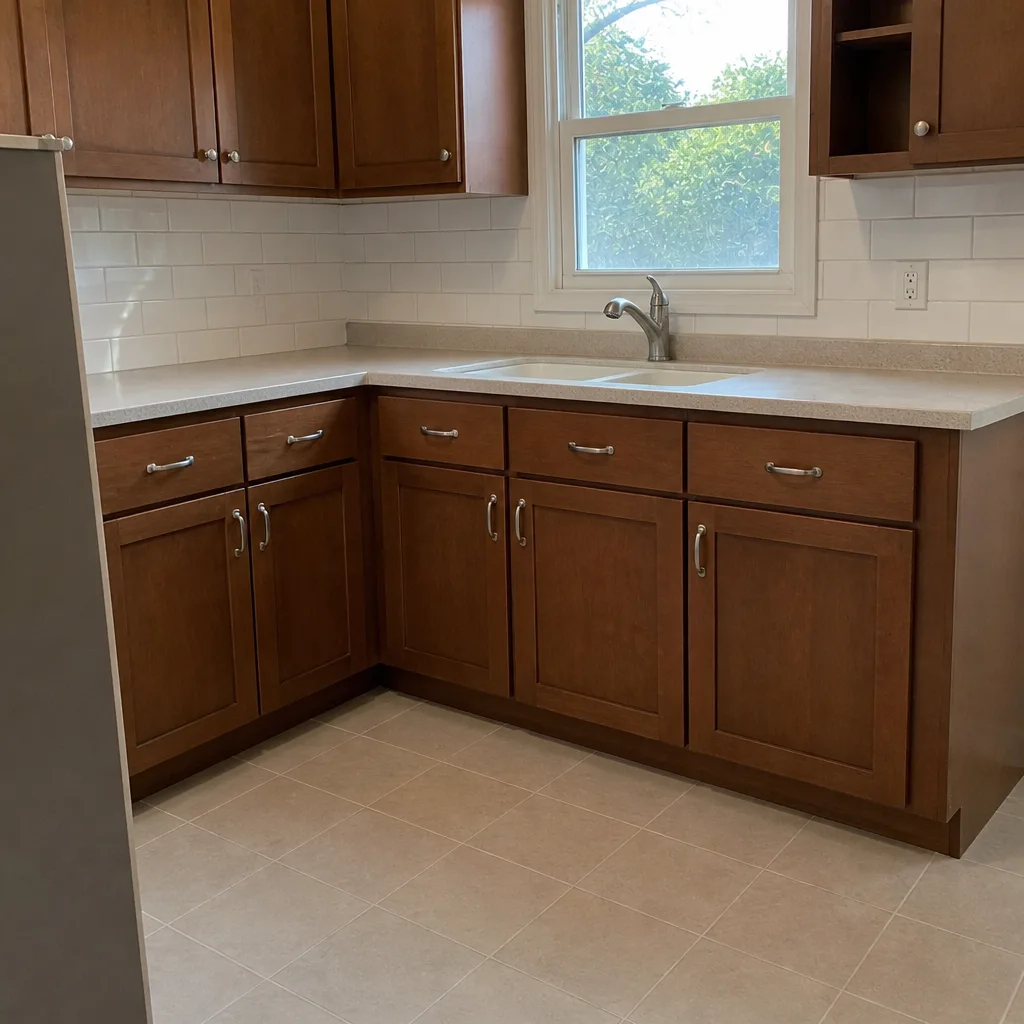
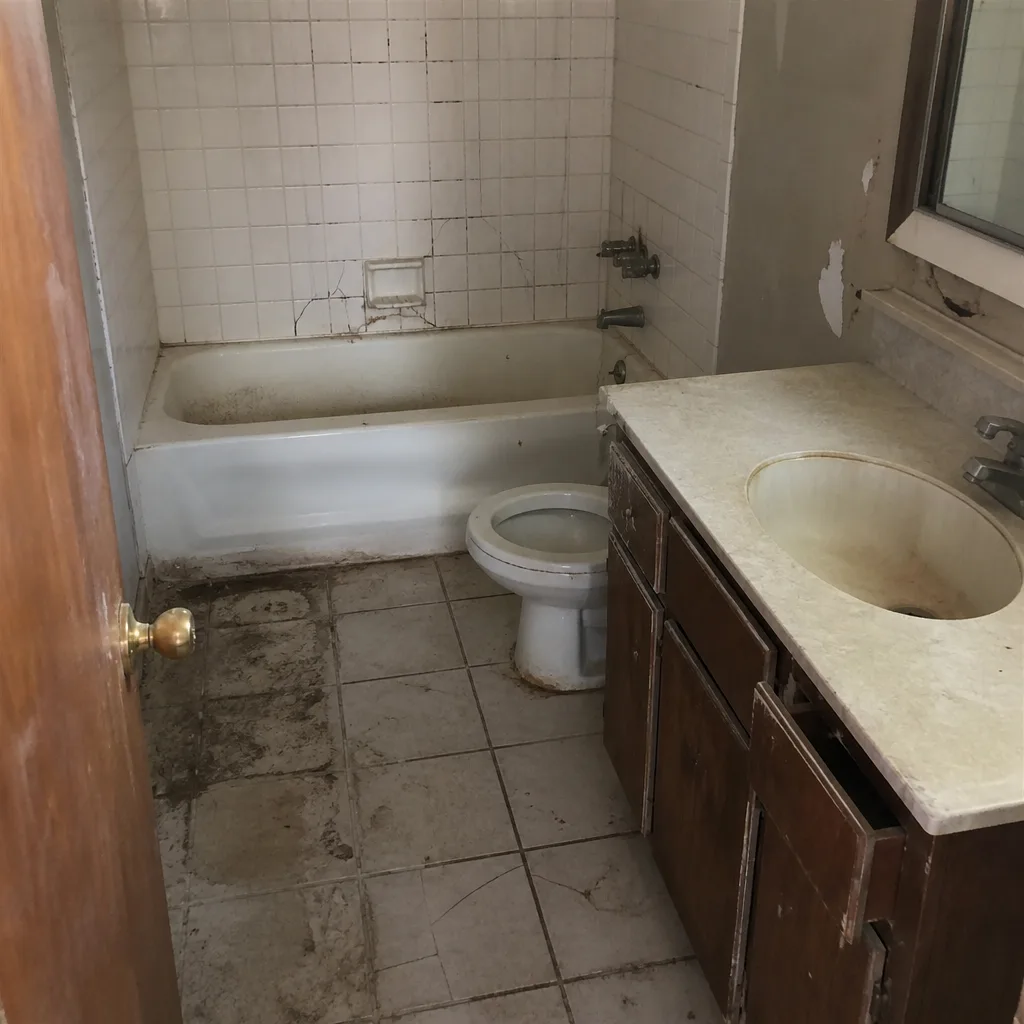
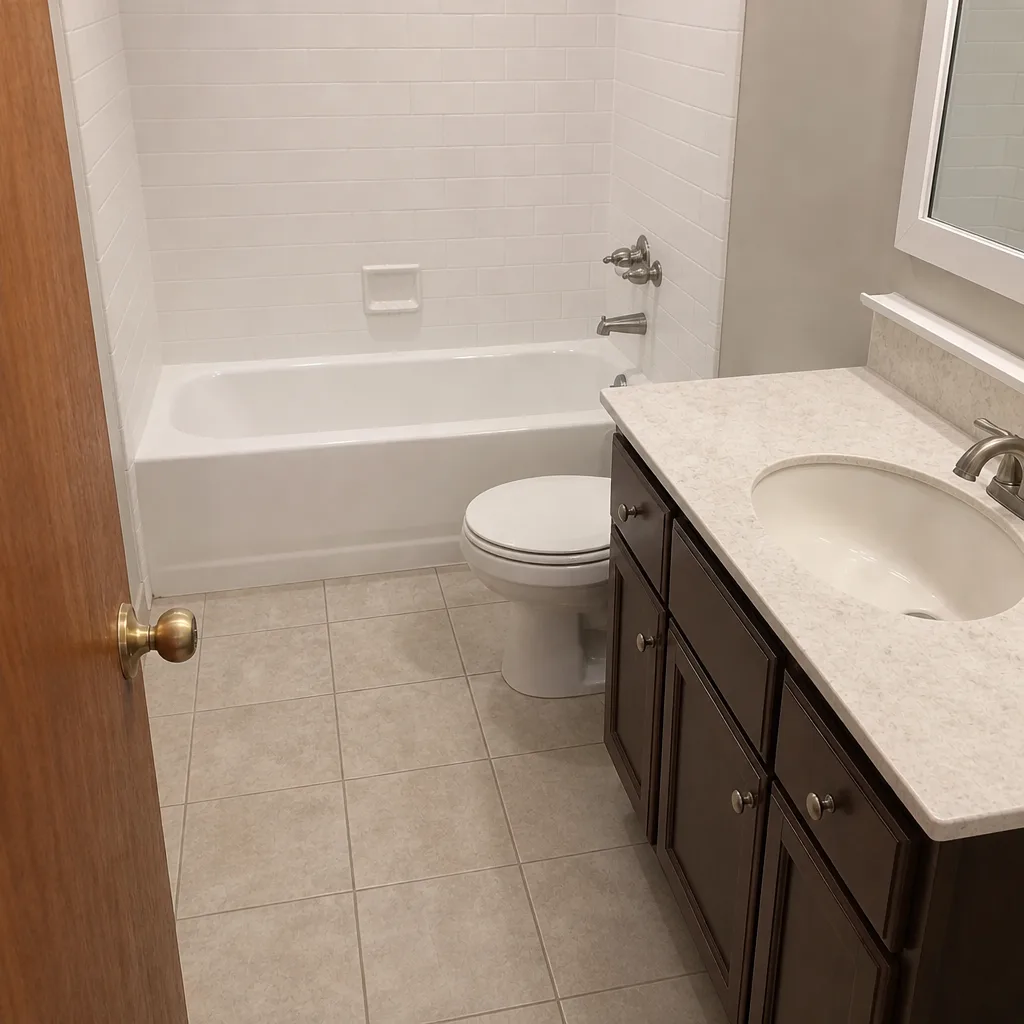
See the difference
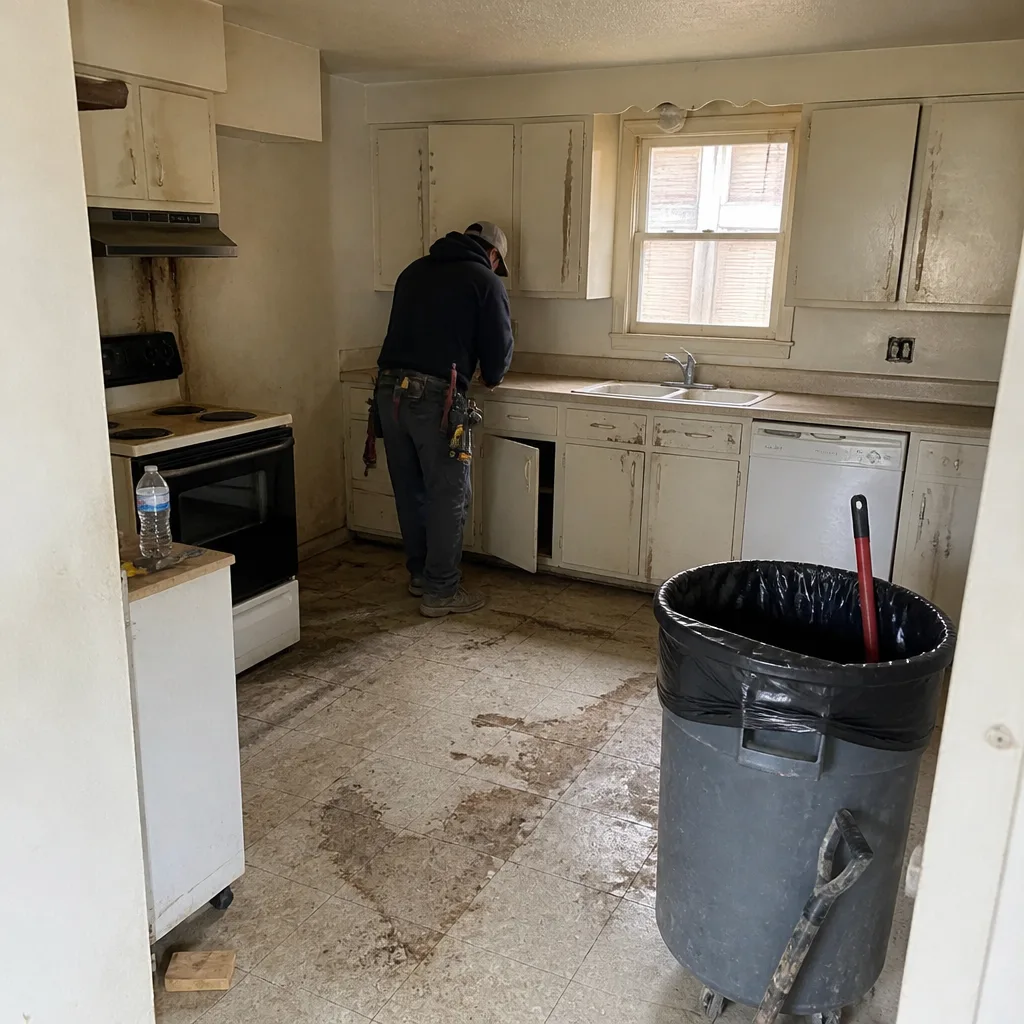 Before
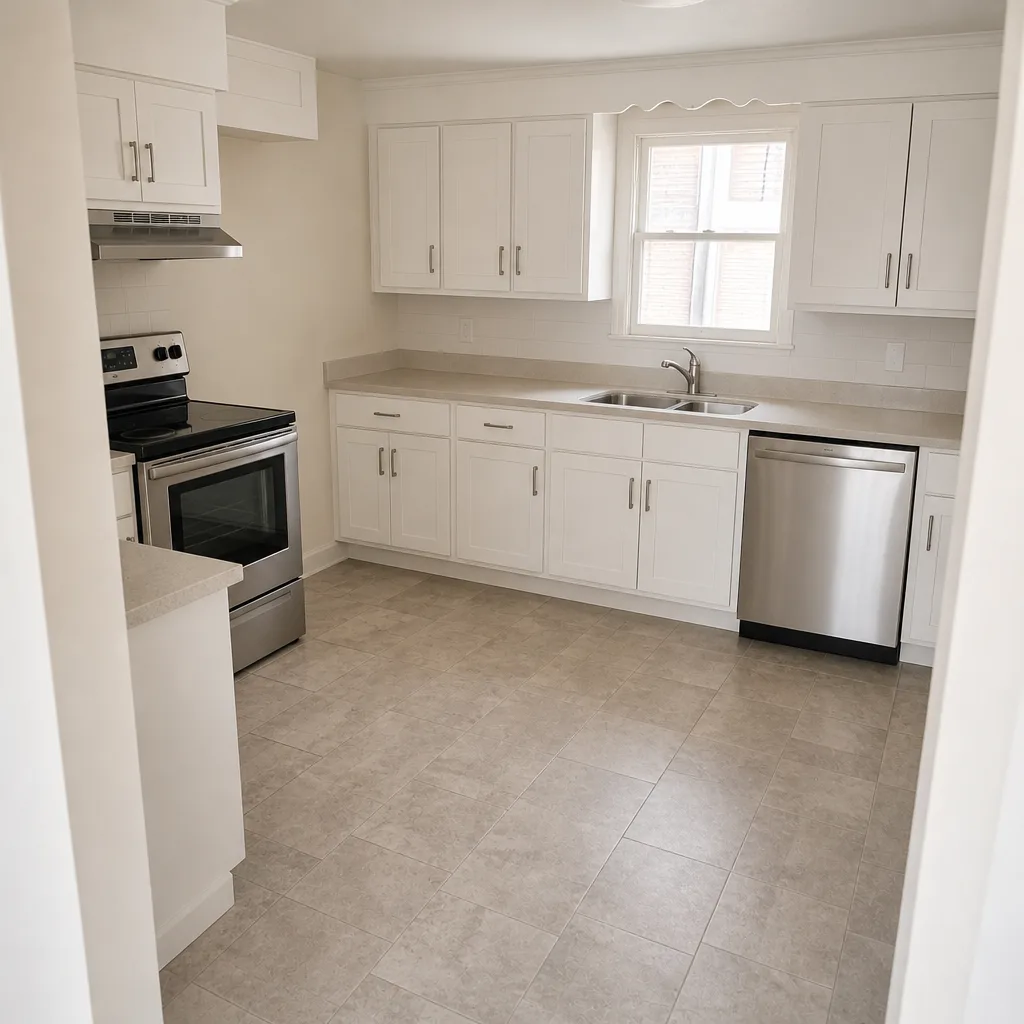 After
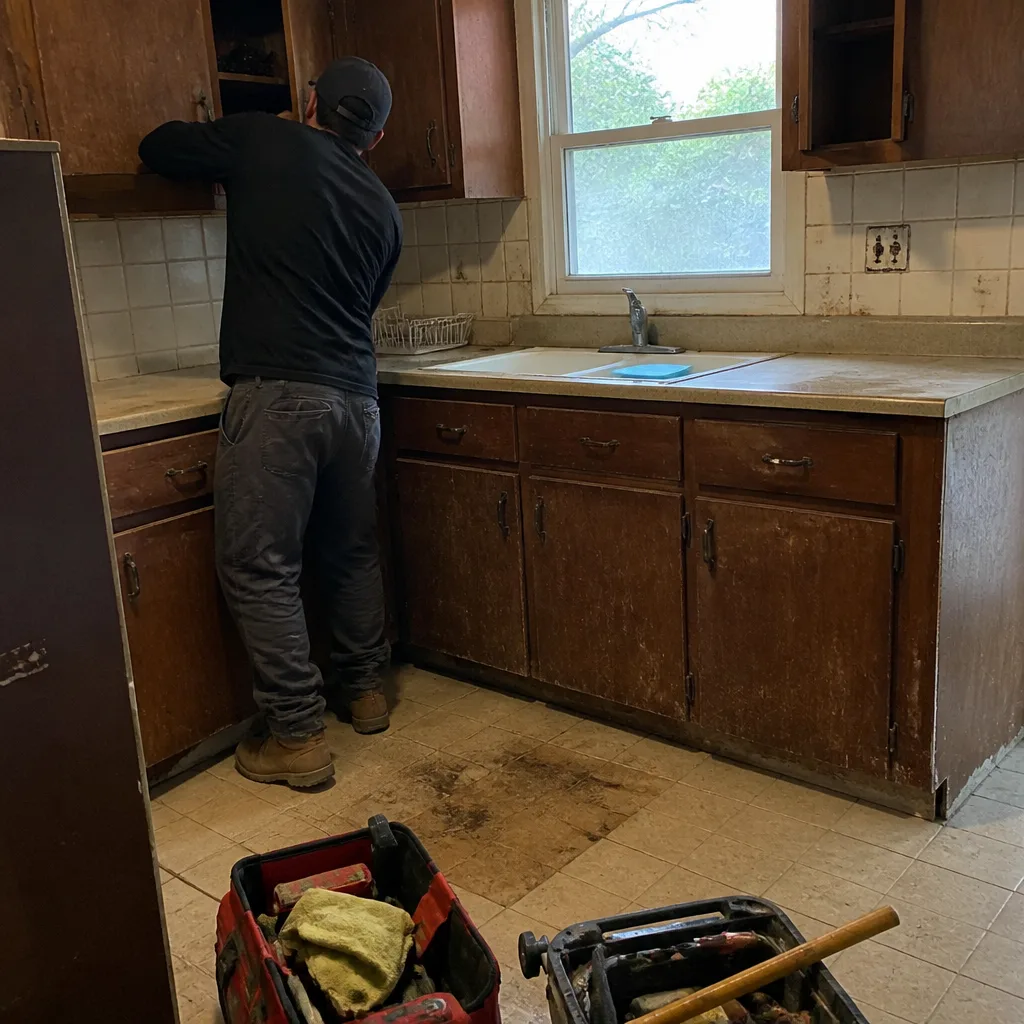 Before
 After
 Before
 After
When to Call a Professional
Some construction emergencies are genuinely a call for a trained professional, not a task to handle at 2 a.m. with a flashlight. If a pipe is already leaking into a wall or under the slab, shut off the main and call a licensed plumber. If a post-storm inspection reveals structural movement, a sagging roofline, or a foundation that’s shifting, that’s a structural assessment, not a weekend project. If water entered the home and any electrical circuit got wet, have an electrician evaluate before you restore power. And if your insurance claim is complicated by pre-existing damage, an independent professional inspection in writing is the most useful thing you can add to the file. Groundwork Construction Co. of Lewisville offers free estimates in Lewisville. Call (844) 560-4467, and a live person answers, any time of day or night.
Frequently Asked Questions
Burst and cracked plumbing from hard freezes is the most common, followed closely by hail damage to roofing and fence lines in spring. Freeze damage is most preventable, which is why it tops our prep checklist. If you’re facing either, call (844) 560-4467 for a free estimate before you repair.
Insulate pipe penetrations, drain exterior hose bibs and the irrigation backflow, clear gutters, and know where your main water shutoff is. These steps take a few hours and prevent the majority of freeze damage. If you’re unsure where your vulnerable penetrations are, a free inspection is the fastest way to find out. Call (844) 560-4467.
Start with life safety, gas leaks, and downed lines, then check structural integrity, then the roof and attic for water intrusion. Inspect in order of risk, not visibility. Document everything before cleanup. A professional post-storm inspection in writing protects your insurance claim, and estimates are free at (844) 560-4467.
Photograph before cleanup, date everything, keep damaged materials until the claim settles, and separate water intrusion from wind damage in your notes. A written contractor inspection adds technical clarity that adjusters value. Call (844) 560-4467 to schedule a documented inspection; estimates are free.
Legitimate contractors don’t pressure you to sign the day you meet them, don’t ask for full payment up front, and can produce a written scope, licensing status, and insurance proof on request. Storm-chasers often do the opposite. If you’re unsure, get a second estimate before signing. Call (844) 560-4467 for a free written estimate from a local team.
Yes. We handle roofing, fencing, driveways, and additions, everything from post-storm roof replacement to fence repair and paver restoration. Every project carries our 730-Day Done Right Promise. Call (844) 560-4467 for a free estimate, and we’ll walk your damage with you.
The Bottom Line
Lewisville’s construction emergencies are seasonal and predictable, which means most of them are preventable with a few hours of prep per year. Seal pipe penetrations before winter. Clear drainage before the wet months. Document your home’s condition before hail season. After a storm, inspect by structural risk, not visibility, and photograph everything before cleanup. And when a storm-chaser shows up offering a deal that expires today, slow down and verify the credentials. That’s the whole playbook: know your risk calendar, prep the elements that fail, and know when to call a professional. Groundwork Construction Co. of Lewisville is here for the calls that need one. Call (844) 560-4467 for a free estimate, and we’ll help you get ahead of the next season.
Written by the team at Groundwork Construction Co. of Lewisville.