Last updated November 18, 2026



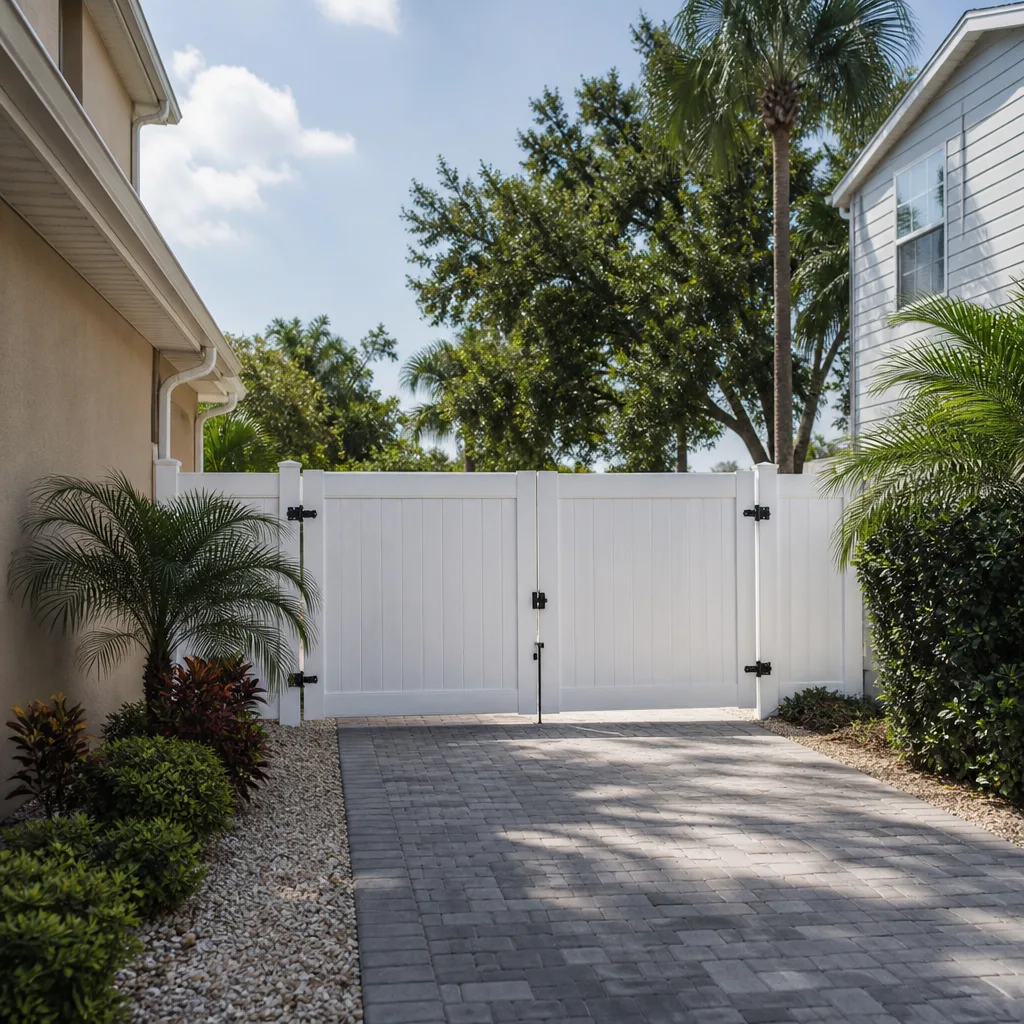
Free written scope consultation - allowances, timeline, and change-order rules on paper before a single trade is scheduled
DIY vs Professional Construction: The Lewisville Homeowner’s Decision Guide
Texas gives homeowners a legal right that most states don’t: you can act as your own general contractor and pull permits for work on your primary residence in Lewisville. That right also arrives with no safety net. Pull the permit yourself and you own every code violation, every failed inspection, and every unpaid subcontractor who can file a lien against your house. And if something goes wrong, your homeowner’s insurance may treat the work as owner-performed and decline the claim. This guide draws the honest line between what a capable homeowner can legitimately own in Lewisville and what belongs in the hands of a licensed professional.
Quick Answer
In Lewisville, homeowners can legally self-pull permits for most cosmetic and non-structural work, but any change to the structural system, electrical service, gas lines, or the building envelope requires a licensed contractor’s application and inspection sign-off. The projects that look DIY-friendly on paper – roof work in Denton County heat, slab-adjacent additions on expansive clay soil, and anything touching the electrical panel – are exactly the ones where a failed inspection or insurance denial costs more than hiring the job out would have. The rest of this guide tells you which is which.
Styles & brands we work with
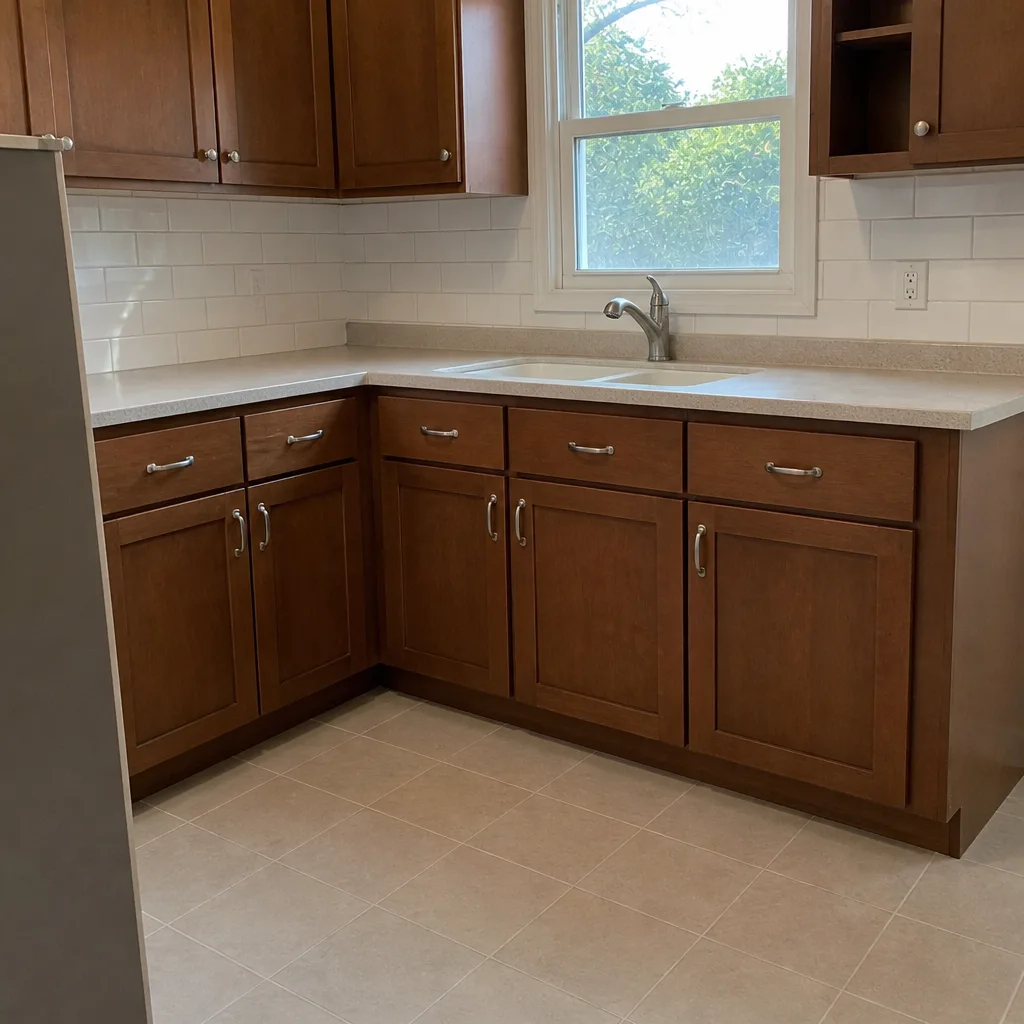
- Kitchen remodeling
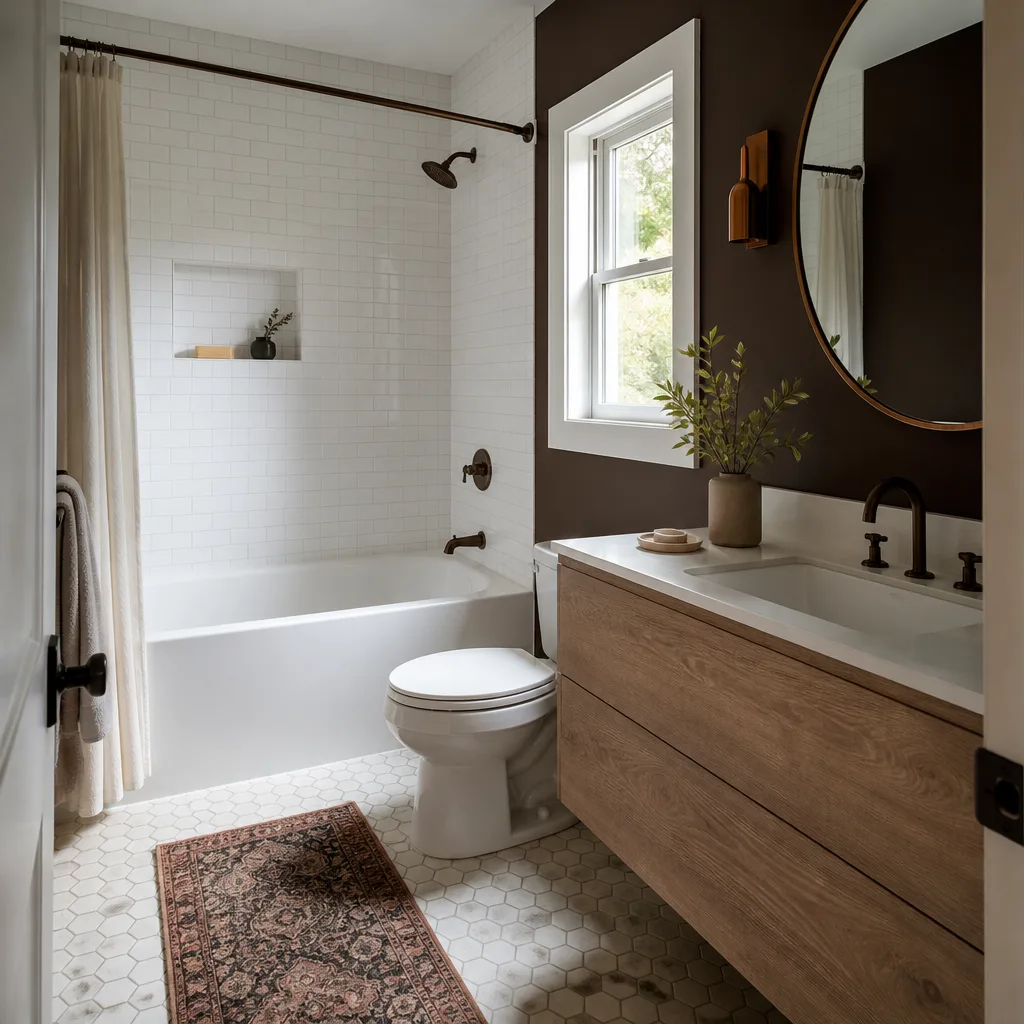
- Bathroom remodeling
- Home additions & ADU
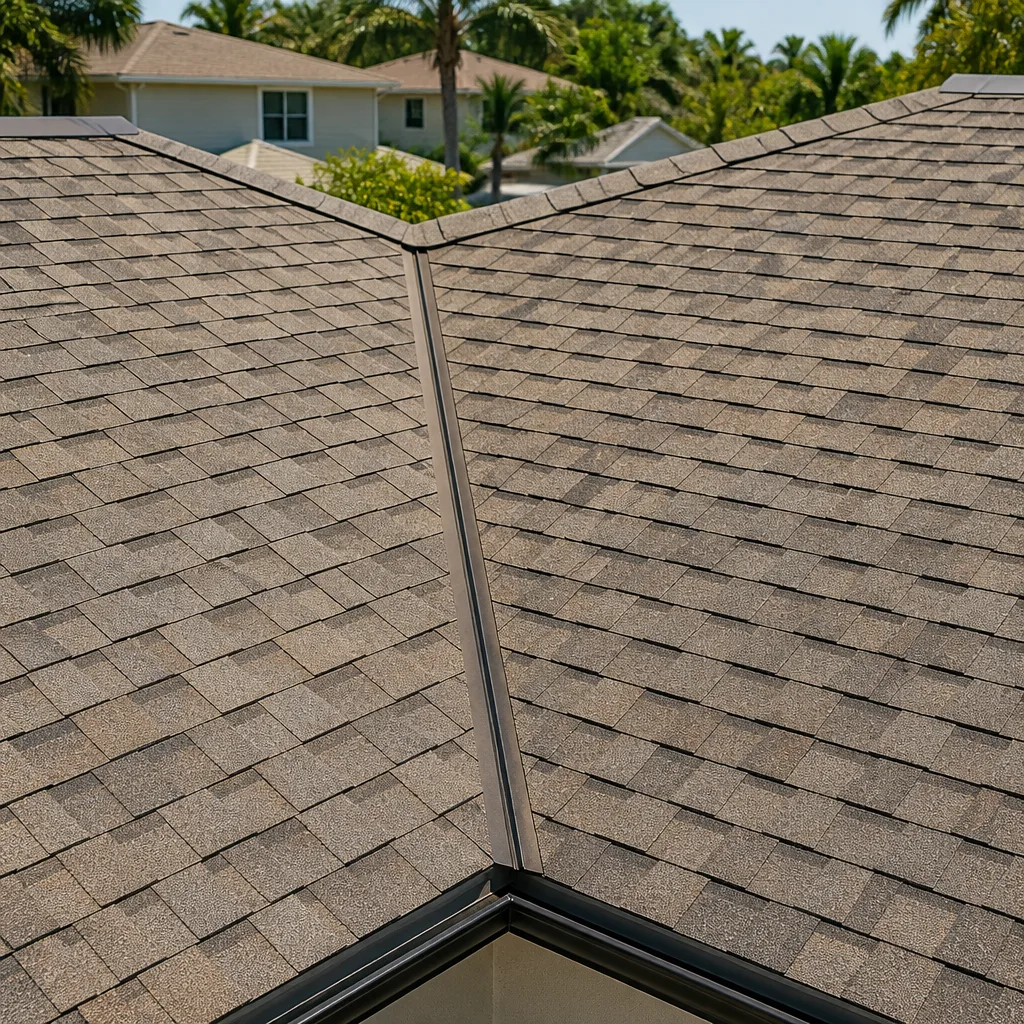
- Roofing
- Windows & doors
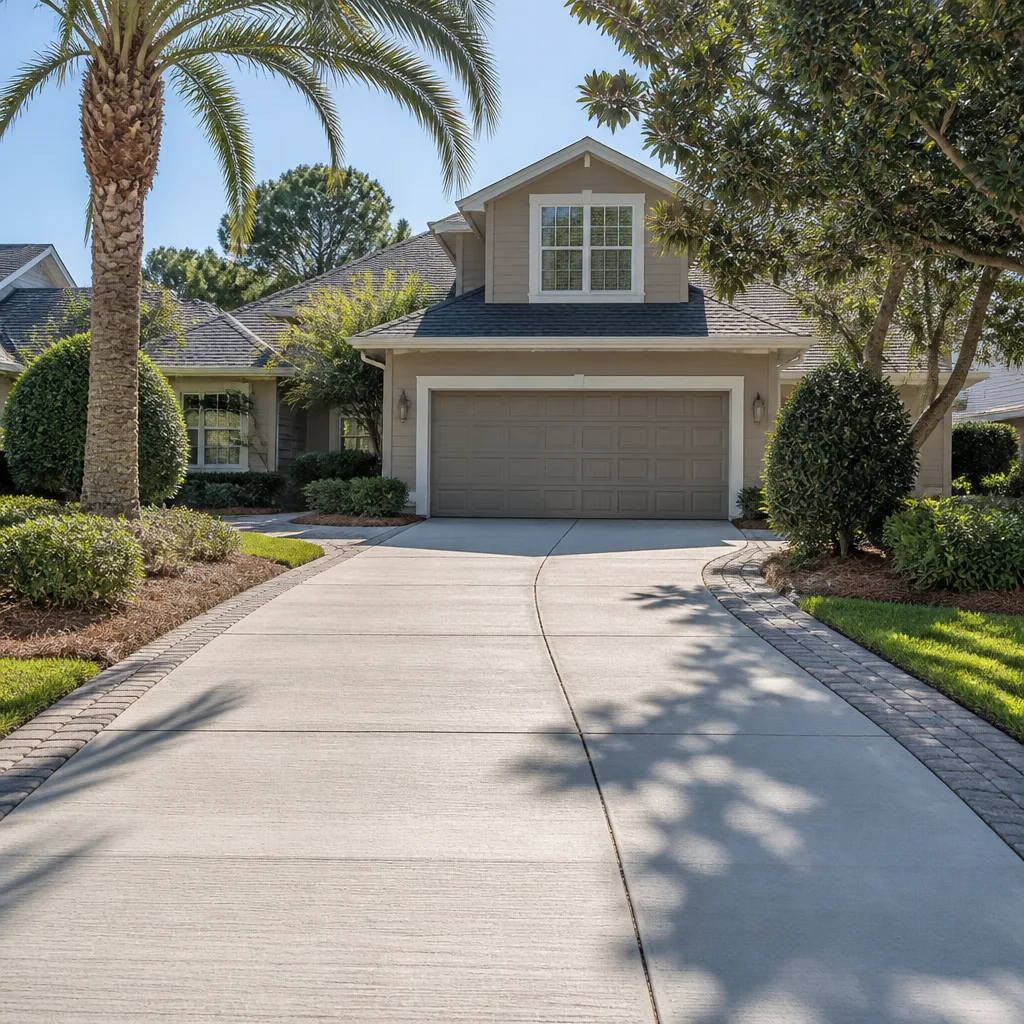
- Driveway & pavers
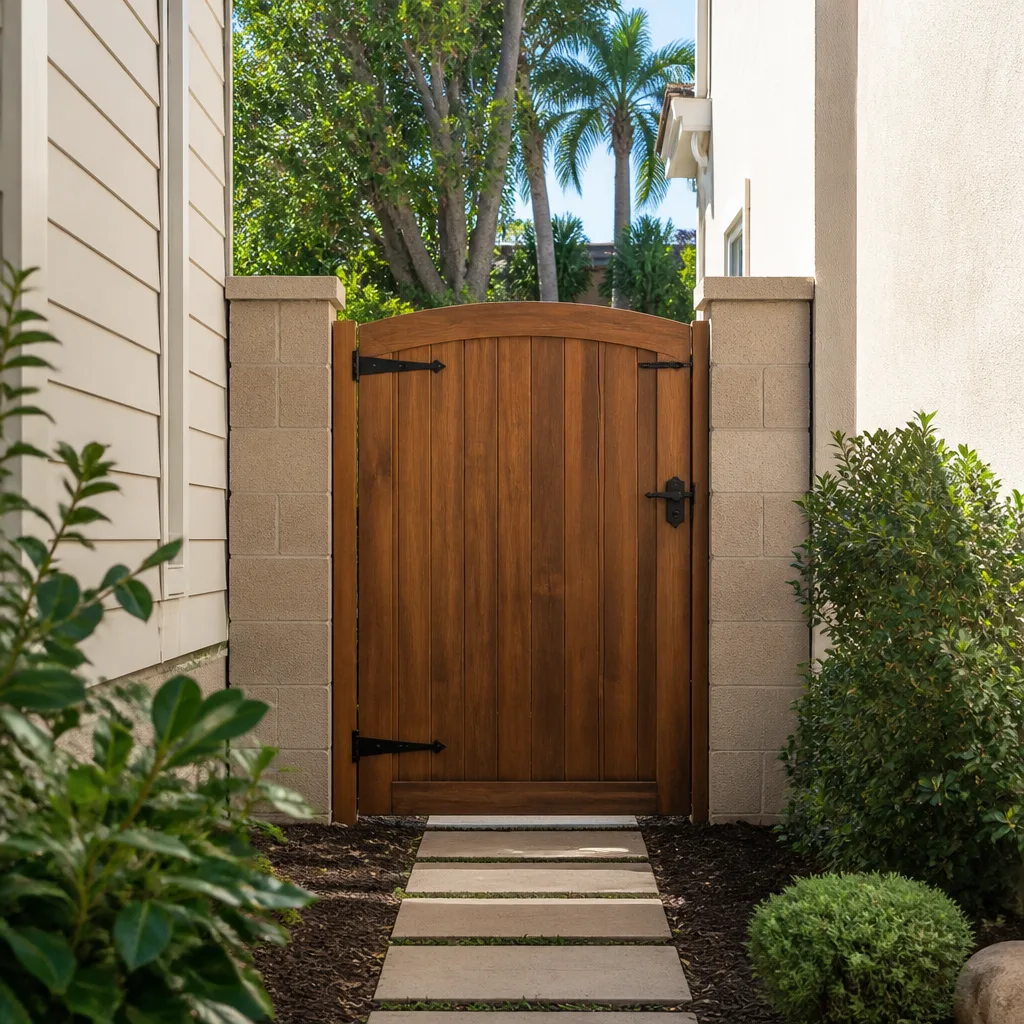
- Fence
Table of Contents
- Which Lewisville permits you can pull yourself – and which you can’t
- The real cost comparison: five common North Texas projects
- Where DIY fails hardest in Lewisville’s climate and soil
- How DIY work affects your homeowner’s insurance and resale
- The hybrid approach: phases you can legitimately own
- Common mistakes to avoid
- When to call a professional
- Frequently asked questions
Which Lewisville permits you can pull yourself – and which you can’t
The Texas rule that lets homeowners act as their own GC is real, but it’s not a blank check. Lewisville follows the model codes adopted across North Texas, and the practical split comes down to whether the work touches life-safety systems or the structural shell of the house. Here’s how that breaks down on the ground.
Work a Lewisville homeowner can typically self-pull and self-perform:
- Interior cosmetic work – paint, flooring, trim, cabinet refacing, tile in non-wet areas
- Fence installation and replacement on your own property line (with HOA and plat review handled separately)
- Driveway and paver flatwork that stays below the structural threshold and doesn’t alter drainage onto a neighbor’s lot
- Non-structural interior partitions in some cases, subject to plan review
- Landscaping, sod, and irrigation repairs behind the meter
Work that in practice requires a licensed contractor’s application and inspection:
- Anything moving or removing load-bearing walls, headers, or beams
- Electrical service changes, panel replacements, or new circuits beyond a simple fixture swap
- Gas line work of any kind – this is a hard line in Lewisville and across Denton County
- Roof replacement and structural roof repairs, which require a permit and inspection sign-off
- Additions, ADUs, and any project that alters the building footprint or foundation
- Window and door replacements that change the rough opening or affect egress
One thing homeowners routinely miss: even when you can self-pull a permit, the inspection still has to pass. If it doesn’t, the correction is on your record, not a contractor’s. And if you sell the home before the correction clears, the buyer’s lender can require it be fixed at your expense. That’s the part of the “you can be your own GC” rule that gets left out of the internet version.
The real cost comparison: five common North Texas projects
Every DIY-versus-pro argument starts with a materials-vs-labor comparison that leaves out the biggest line items. Rental tools, waste from failed attempts, disposal fees, permit fees, and your own time at what your weekend is actually worth. Here’s the honest math on the five projects Lewisville homeowners ask about most, using current North Texas pricing ranges.
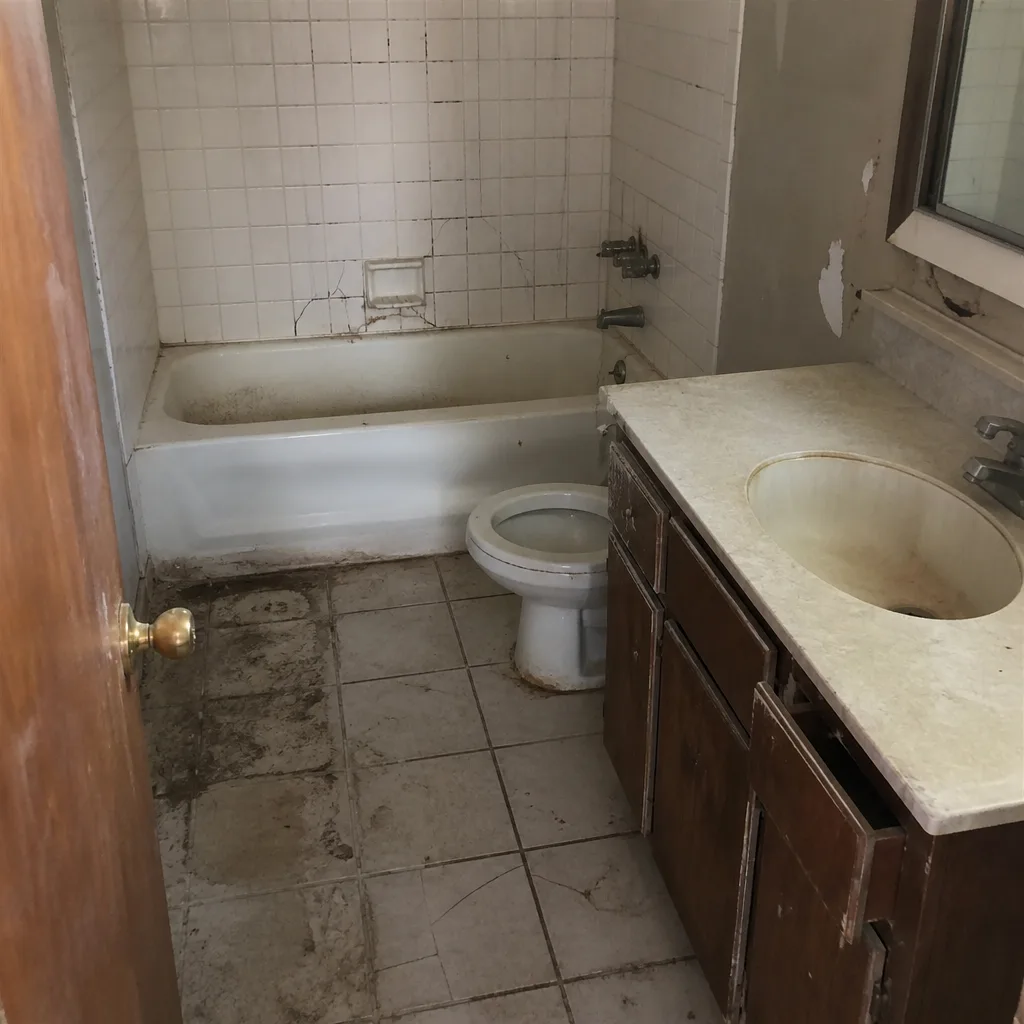
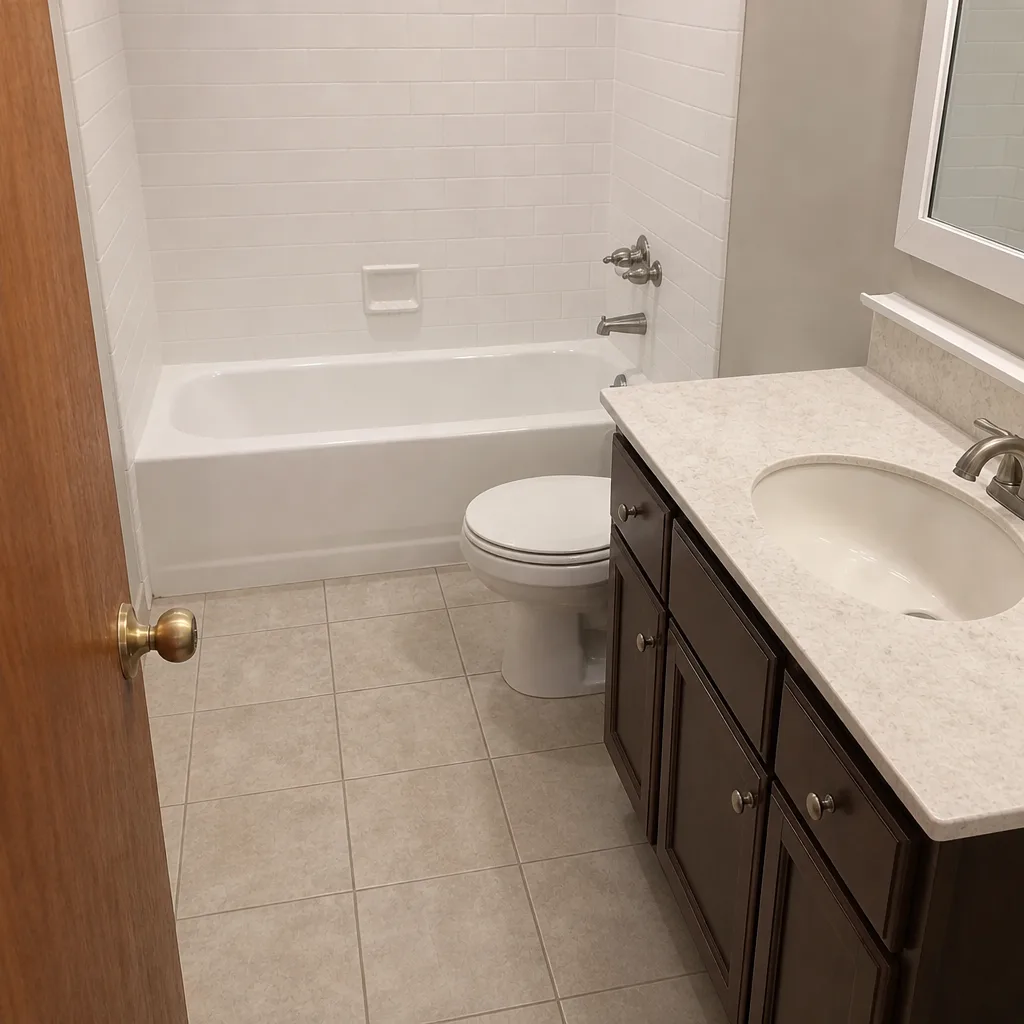
- Bathroom vanity and tile refresh. DIY materials and tool rental often land $1,800-$2,600 once you account for a wet saw, tile waste, and the second attempt at setting a level row. A professional quote for the same scope, with waterproofing done to code, typically runs $3,200-$5,000. The DIY gap is real here – this is one of the few projects where the savings usually survive contact with reality, provided you leave plumbing rough-in alone.
- Interior paint and trim. DIY materials run $400-$900 for a typical Lewisville three-bedroom. A professional job lands $2,800-$5,500 depending on square footage and trim detail. Paint is the highest-confidence DIY project on this list.
- Fence installation. DIY materials for a 150-foot cedar privacy fence run $2,800-$4,200 before you rent an auger and pay for concrete. Professional installation with a proper post set typically runs $5,500-$9,000. The gap narrows fast once you factor in the second weekend of re-setting posts that didn’t hold.
- Roof replacement. DIY is effectively off the table for most homeowners in Lewisville. Materials alone for a standard asphalt shingle roof run $4,500-$8,000, but the permit, inspection, and fall-safety requirements make this a professional job in practice. Professional replacement runs $11,000-$19,000 depending on pitch, decking condition, and whether it’s a single or two-story home.
- Driveway and paver work. DIY materials for a 400-square-foot paver driveway run $3,000-$5,200 before base prep and compaction equipment. Professional installation with proper base, drainage slope, and edge restraint typically runs $7,500-$13,000. The base is where DIY driveway projects fail in North Texas – more on that below.
If you’re pricing out a driveway or paver project specifically, our Driveway & Pavers in Lewisville page breaks down materials, base prep, and what a proper quote should itemize. For fence work, the Fence Installation in Lewisville guide covers post-setting methods and HOA review steps that most homeowners don’t know to check.
Where DIY fails hardest in Lewisville’s climate and soil
Lewisville sits on the Blackland Prairie edge, which means expansive clay soil that swells in wet springs and shrinks through the July-August dry stretch. That soil movement is the single biggest reason DIY construction fails here in ways it wouldn’t in a sandier climate. A paver patio that looks perfect in April will heave and separate by August if the base wasn’t compacted in lifts and set on the right depth of crushed stone. Same with fence posts – a post set in dry clay with a thin concrete collar will pull loose the first time the soil shrinks back.
Heat is the second factor. North Texas summer temperatures routinely top 105°F, and that heat does two things to DIY work. It cures concrete and mortar faster than a first-timer expects, which leads to cracking and cold joints. And it makes roof and exterior work genuinely dangerous – prolonged roof exposure in July is a heat-illness risk that professionals mitigate with scheduling, hydration, and fall-protection gear. We won’t give step-by-step roof instructions, and no reputable guide should. High-tension work at height belongs with a trained crew.
The third climate issue is drainage. Lewisville lots often slope toward the street or a shared swale, and any flatwork, paver, or fence project that changes the grade without a plan can push water onto a neighbor’s property. That’s a code issue and a neighbor dispute in one. Here’s the specific failure pattern we see most often in Lewisville:
- Paver driveways installed without a compacted base fail in one to two seasonal cycles as the clay moves
- Fence posts set too shallow pull and lean within a year in shrinking soil
- Roof repairs done in shoulder season without proper flashing at the wall intersection leak the first heavy spring rain
- Bathroom tile set without a waterproofing membrane fails at the shower pan, where clay movement has already stressed the subfloor
- Window replacements without proper flashing and shim detail leak at the head, especially on west-facing walls that take the hottest afternoon sun
If you’re planning a window or door replacement, the flashing and shim detail matters more than the product. Our Groundwork Construction Co. of Lewisville home page lists the window and door partners we work with – Andersen and Pella among them – along with the installation standards that back the 730-Day Done Right Promise.
How DIY work affects your homeowner’s insurance and resale
This is the section most DIY guides skip, and it’s the one that costs Lewisville homeowners the most money. Your homeowner’s insurance policy covers the structure under normal conditions, but owner-performed work that wasn’t permitted or inspected can void coverage for a claim tied to that work. Water damage from a DIY shower pan failure? The adjuster will ask for the permit and inspection record. If there isn’t one, you may be arguing with your own insurer about whether the loss is covered at all.
Resale is the second exposure. When you sell a Lewisville home, the buyer’s inspector will flag unpermitted work, and the title company will require disclosure. In practice, that means one of three outcomes: the buyer walks, the buyer demands a credit to cover remediation, or you pay to have the work permitted retroactively – which for structural or electrical work often means opening walls. The cost of retroactive permitting routinely exceeds the original professional quote.
What to document if you do hire out or do work yourself:
- Copy of the permit and the final inspection approval, kept with the home’s records
- Photos of the work in progress, especially anything that gets covered up – framing, waterproofing, flashing
- The contractor’s license and insurance certificate for any subcontracted trade
- Material receipts and warranty documentation for roofing, windows, and appliances
- A signed lien waiver from every subcontractor and material supplier on the job
That last item matters more than most homeowners realize. If you act as your own GC and a sub you hired doesn’t pay their material supplier, the supplier can file a mechanic’s lien against your property. You didn’t sign anything with them, but the lien still attaches to your house. A licensed general contractor handles lien waivers as part of the contract because it’s their problem to manage, not yours.
The hybrid approach: phases you can legitimately own
You don’t have to choose between full DIY and full hands-off. There’s a legitimate middle ground where you own the phases that don’t touch structure, life-safety systems, or the building envelope, and you hire out the phases that do. Here’s how that breaks down for a typical Lewisville project, using a kitchen remodel as the example.
- Phase 1 – Design and selections. Own this fully. Pick your counters, cabinets, and fixtures yourself. If you’re leaning toward quartz, Cambria and Silestone both hold up well to North Texas kitchen use; Kohler fixtures are a sound choice that keeps its warranty intact when installed by a licensed plumber. Doing the selections yourself saves design fees and keeps you in control of the budget.
- Phase 2 – Demolition. Own it, with caveats. Tearing out old cabinets and flooring is straightforward. But stop at anything electrical, plumbing, or gas. If you’re unsure where the shutoffs are, that’s the line.
- Phase 3 – Rough-in trades. Hire out. Electrical, plumbing, and HVAC rough-in are inspection-gated and, in Lewisville, effectively require a licensed contractor’s permit. This is where the big liability sits.
- Phase 4 – Drywall, paint, and finish. Own the paint and simple trim. Hire out drywall finishing if you haven’t taped and floated before – the difference between a level-five finish and a visible seam is a skill, not a shortcut.
- Phase 5 – Cabinet and counter installation. Hire out. Cabinet leveling, counter templating, and the plumbing and electrical connections that follow are where DIY kitchens go sideways.
For a larger scope – an addition or an ADU – the hybrid split is different. The Home Additions & ADU in Lewisville guide walks through which phases require a licensed GC from the start and which design and finish decisions you can own. The line is drawn at foundation and framing: those belong with a licensed professional in every case.
Common Mistakes to Avoid
- Pulling a permit and assuming the inspection will pass because the work “looks fine.” Inspectors check code, not appearance. A paver driveway can look level and still fail the drainage and compaction check. If it fails, the correction is on your record, not a contractor’s.
- Acting as your own GC without collecting lien waivers from subs. In Lewisville, an unpaid sub or supplier can file a mechanic’s lien against your home even if you never signed a contract with them. Collect a signed waiver from every trade before you release final payment.
- Doing electrical panel or gas line work to save the permit fee. These are the two categories where a DIY error can be fatal. In Lewisville and across Denton County, gas work requires a licensed contractor. No exceptions, and no “I watched a video” workaround.
- Setting fence posts or paver base in dry clay without accounting for seasonal movement. This is the number one reason DIY fence and driveway projects fail within a year in North Texas. The soil swells in spring and shrinks in summer, and a post or paver set without the right base depth and compaction will move with it.
- Skipping waterproofing membrane behind shower tile. Cement board alone isn’t waterproof. A shower pan without a proper membrane will fail at the seams, usually within the first year, and the repair means tearing out the tile you just installed.
- Not documenting the work for resale. A Lewisville buyer’s inspector will flag unpermitted work, and the title company will require disclosure. Keep the permit, the inspection approval, and photos of anything that gets covered up. It’s the difference between a clean sale and a credit demand.
- Assuming your insurance will cover a DIY failure. Owner-performed work that wasn’t permitted or inspected can void coverage for a claim tied to that work. Confirm with your insurer before you start, not after.
When to Call a Professional
Call a professional in Lewisville when the work touches structure, life-safety systems, or the building envelope. That means load-bearing walls, foundation and slab work, electrical service and panel changes, any gas line, roof replacement or structural roof repair, window and door replacements that change the rough opening, and anything requiring a permit you can’t legally self-pull. It also means any project where a failed inspection or insurance denial would cost more to fix than the professional quote. And it means any work at height or in high heat where the physical risk is real.
Groundwork Construction Co. of Lewisville offers free estimates in Lewisville. Our technicians have up to 12 years of experience, all work is covered by the 730-Day Done Right Promise, and we hold ourselves to upfront pricing with no change-order surprises. Call (844) 560-4467 to schedule your free estimate. Calls are answered by a live person, 24/7.
Frequently Asked Questions
Yes, in Texas a homeowner can act as their own general contractor and pull permits for work on their primary residence in Lewisville. That right comes with real exposure: you own every code violation, every failed inspection, any lien filed by an unpaid subcontractor, and any insurance coverage gap that follows. If you’re weighing it, call (844) 560-4467 for a free estimate so you can compare the DIY math against a professional quote with the full scope priced out.
Electrical service and panel work, gas lines, roof replacement, structural changes, additions, ADUs, and window or door replacements that change the rough opening all effectively require a licensed contractor’s application and inspection in Lewisville. Cosmetic interior work, fence installation, and flatwork that stays below the structural threshold can typically be self-pulled and self-performed. Call (844) 560-4467 for an exact scope on your project – estimates are free.
The honest savings vary widely by project. Paint and a bathroom vanity refresh usually hold their savings in the $700-$1,800 range once you account for materials and tools. Fence and paver projects often lose their savings to failed attempts, rented equipment, and the cost of redoing base prep. Roof and electrical work rarely saves money at all once permits, inspections, and insurance exposure are priced in. Call (844) 560-4467 for a free itemized quote – the number you see is the number you pay.
Owner-performed work that wasn’t permitted or inspected can void coverage for a claim tied to that work. If a DIY shower pan fails and floods the subfloor, your insurer may ask for the permit and inspection record before approving the claim. Confirm coverage with your insurer before starting, and keep the permit and inspection documentation with your home records.
Yes, roof replacement in Lewisville requires a permit and inspection sign-off, and in practice the work belongs with a licensed roofing contractor. The permit, the inspection, and the fall-safety requirements make DIY roof replacement a bad idea regardless of how comfortable you are on a ladder. Roof work in North Texas summer heat is a genuine heat-illness and fall risk. Call (844) 560-4467 to schedule a free roof estimate.
Keep the permit, the final inspection approval, photos of anything that gets covered up (framing, waterproofing, flashing), the contractor’s license and insurance certificate, material receipts and warranty documents, and a signed lien waiver from every subcontractor and supplier. That packet is what proves code compliance when you sell the home, and it’s what your insurer will ask for if a claim comes up.
The Bottom Line

The DIY-versus-hire decision in Lewisville isn’t about confidence or cost. It’s about legal exposure, insurance coverage, and resale risk. The projects that hold their DIY savings are the cosmetic ones – paint, tile, trim, cabinet refacing. The projects that quietly cost more than a professional quote are the ones touching structure, electrical, gas, roofing, and the building envelope, where a failed inspection, a lien, or a denied claim wipes out any savings. Draw the line at the systems you can’t afford to get wrong. Use the hybrid approach to own the phases that are genuinely yours. And keep the documentation, because the next buyer’s inspector will ask.
If you’re pricing out a project and want a straight comparison, Groundwork Construction Co. of Lewisville offers a free project estimate and design consult, upfront pricing with no change-order surprises, 0% financing for 18 months, and $1,000 off projects over $10,000. Call (844) 560-4467 to schedule your free estimate. A live person answers, 24/7.
Written by the team at Groundwork Construction Co. of Lewisville.
See the difference
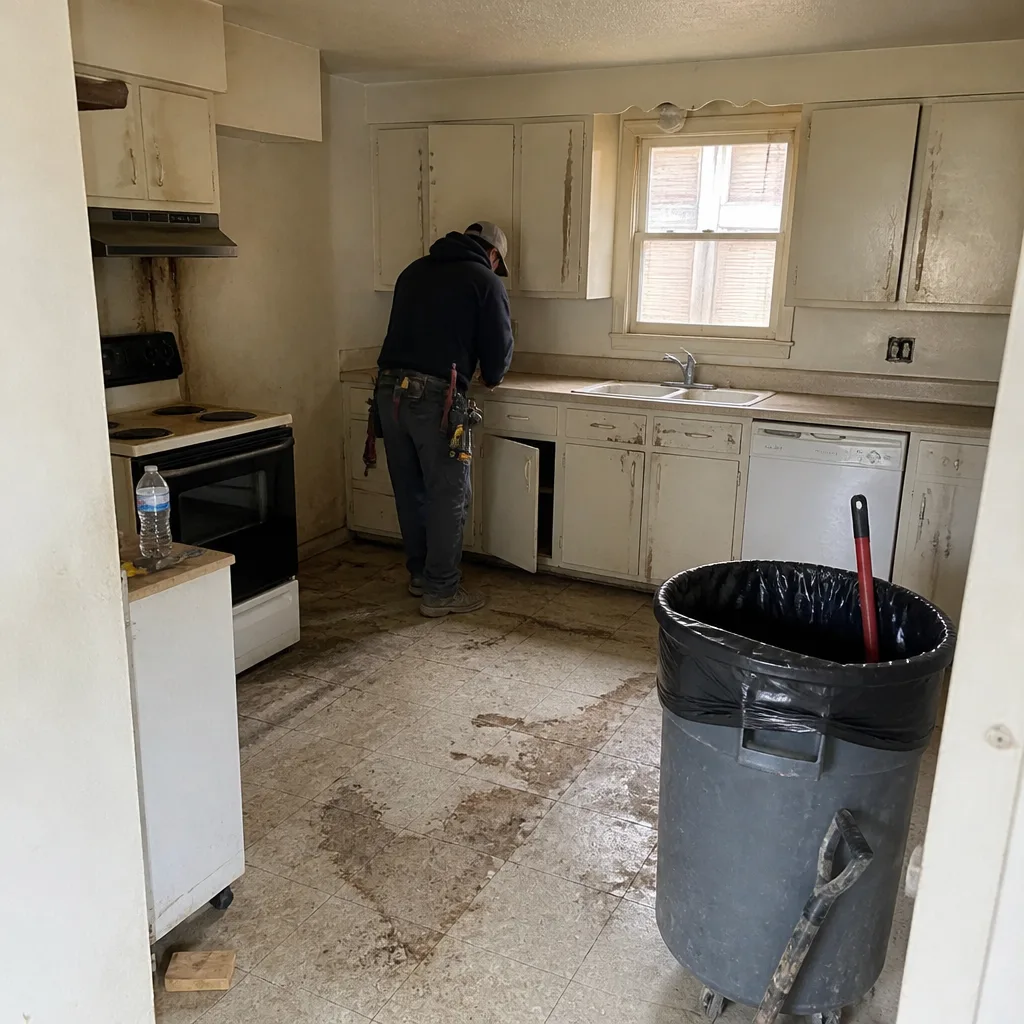 Before
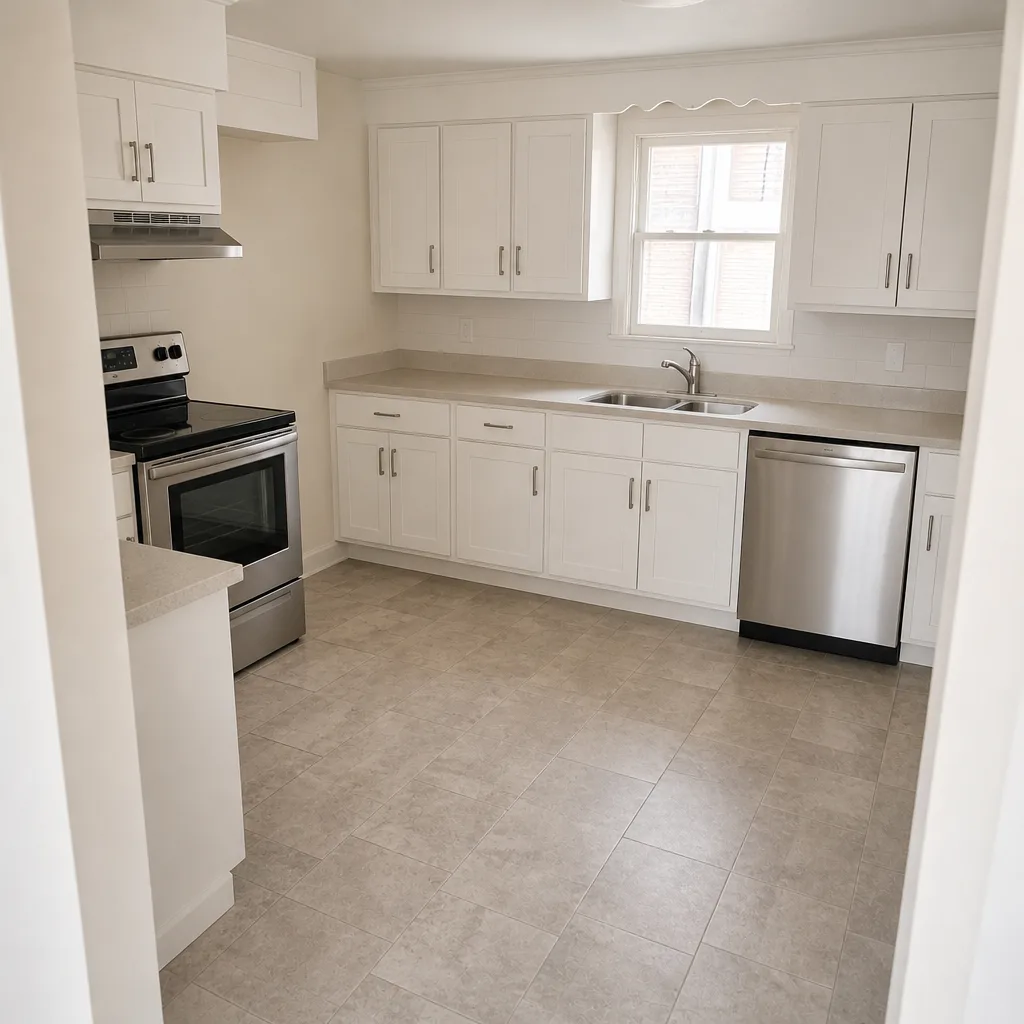 After
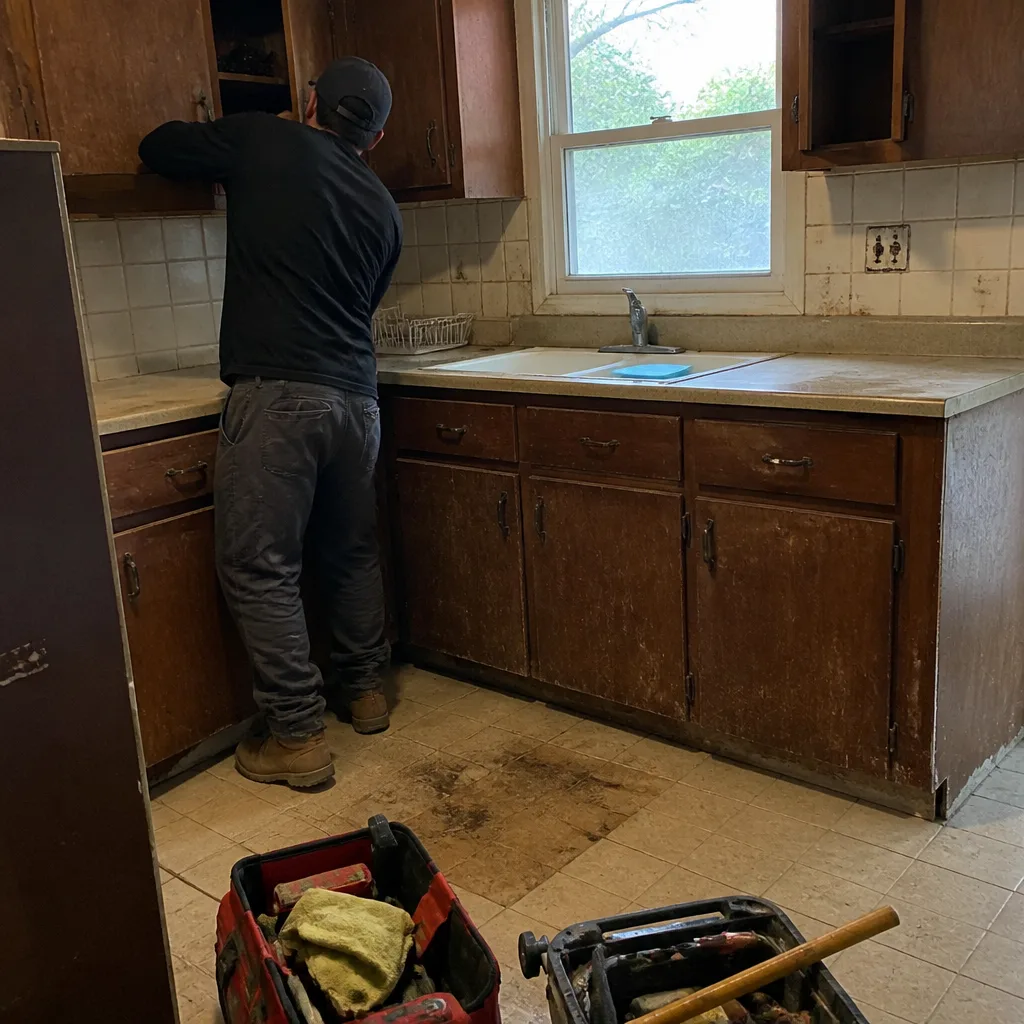 Before
 After
 Before
 After