
Last updated November 18, 2026








Free written scope consultation - allowances, timeline, and change-order rules on paper before a single trade is scheduled
How to Hire a Construction Contractor in Lewisville: A Step-by-Step Guide
The Texas Department of Licensing and Regulation receives thousands of consumer complaints about contractors every year, and the pattern that shows up again and again isn’t fraud on day one. It’s a contractor who was technically licensed, technically insured, and technically responsive right up until the project hit a snag – then went quiet. A license is a floor, not a ceiling. What separates a contractor you’ll be glad you hired from one you’ll be chasing for months is how they operate when the unexpected shows up mid-build. This guide walks you through the exact questions, contract clauses, and verification steps that expose the difference, written from Lewisville for Lewisville homeowners.
Quick Answer
To hire a construction contractor in Lewisville, verify both the state license and any active local registration, demand three written references from the past 18 months, ask how the contractor handles change orders and unexpected mid-build problems, and tie payment milestones to inspection sign-offs rather than calendar dates. The best protection isn’t a lower bid – it’s a contractor whose contract, roster, and references prove they’ll still be answering the phone when the project gets complicated.
Styles & brands we work with
- Kitchen remodeling
- Bathroom remodeling
- Home additions & ADU
- Roofing
- Windows & doors
- Driveway & pavers
- Fence
Table of Contents
- Step 1: Verify the Contractor’s License and Local Registration
- Step 2: Ask the Questions That Expose How They Operate Under Pressure
- Step 3: Read the Contract for These Three Clauses
- Step 4: Structure Payments Around Inspections, Not Dates
- Step 5: Understand What the Subcontractor Roster Reveals
- North Texas Red Flags to Watch For
- Why Lewisville Hiring Rules Are Slightly Different
- Common Mistakes to Avoid
- When to Call a Professional
Step 1: Verify the Contractor’s License and Local Registration
Most homeowners stop at “are you licensed?” That question is necessary but incomplete. In Texas, the license and the local registration are two separate things with two separate implications, and hiring a construction contractor in Lewisville means checking both.
The state license verifies minimum competency and eligibility to work. The local registration – where required – verifies the contractor can legally pull permits in the specific jurisdiction where your home sits. A crew that can show a Texas license but can’t produce a permit history in Lewisville is a crew that either doesn’t understand local code or won’t be pulling the permits your job requires. Either is a problem.
How to verify in practice
- Ask for the license number in writing, then look it up on the Texas Department of Licensing and Regulation website yourself. Don’t accept a screenshot.
- Ask which permits your project needs and who pulls them. If the contractor says “you can pull them yourself,” that’s a signal they don’t plan to be on-site for inspections.
- Call the City of Lewisville’s building department and confirm any local registration or permit history for the specific company name on the contract.
- Confirm the certificate of insurance names the company and covers general liability and workers’ compensation. Call the insurer to verify it’s active – certificates get cancelled quietly.
Groundwork Construction Co. of Lewisville pulls permits and passes inspections on every project, and we’ll show you the paperwork before you sign anything. That’s how the Groundwork Construction Co. of Lewisville home page frames it, and it’s a standard you should expect from anyone bidding on your home.
Step 2: Ask the Questions That Expose How They Operate Under Pressure
The bid stage is the easy part. Contractors who intend to be transparent look transparent at the bid stage and expect it to stay that way. The homeowners who get burned are usually the ones who only asked bid-stage questions and never found out what happens at week seven.
Here are the questions that reveal how a contractor operates when something goes sideways. Ask them at the bid stage, in person, and pay attention to whether the answers feel rehearsed or real.
- “Walk me through the last project you had to fix something unexpected on. What was it, and how did you handle the billing?” A contractor who can’t name a real example is either new or hiding something. In North Texas, unexpected findings are the norm – old plumbing under a 1980s slab, foundation movement showing up in a bathroom tear-out, hail-related decking damage under an old roof.
- “Who is my point of contact during the project, and how do I reach them when something comes up?” If the answer is “call the office,” ask what happens when you call at 6 p.m. and the crew just found a joist that’s rotted through.
- “How do change orders work? What’s the dollar threshold where you need written approval from me?” Every honest contractor has a number. A contractor with no threshold will bill you for every surprise, and a contractor with a high threshold will do the same thing only silently.
- “What does your warranty actually cover, and for how long?” Ask for it in writing. A warranty you can’t read before you sign is not a warranty – it’s marketing.
- “Can I speak to a customer whose project hit a problem?” This is the question most homeowners don’t ask. The answer tells you everything.
Groundwork backs every project with a 730-Day Done Right Promise – if it’s not done right, we make it right. It’s one of the longest workmanship guarantees in residential construction, and it exists precisely because unexpected things do happen mid-build. A guarantee you can point to in writing is the real answer to the question above.
Step 3: Read the Contract for These Three Clauses
Most construction disputes aren’t about whether the work was done. They’re about whether the work was done as scoped, and what was authorized to change. Three clauses do most of the protecting – and if a contract is missing them or words them vaguely, that’s your signal to push back before you sign.
Clause 1: Change order authorization limits
Every contract should specify a dollar threshold – commonly $500 to $1,500 – below which the contractor can proceed without a written change order, and above which no additional work can be performed and no additional charge can be assessed without your signed approval. If the contract is silent, the contractor controls the number. A contract without a written change order limit gives a contractor permission to spend your money on your behalf without a conversation.
Clause 2: Lien waiver schedule
Texas has strong mechanic’s lien rules, and subcontractors who don’t get paid can file a lien against your property even if you’ve paid the general contractor in full. The contract should require the general contractor to collect conditional lien waivers from every sub before each payment, and unconditional waivers after payment clears. Without that schedule, you can end up paying twice for the same work – once to the contractor and once to a supplier or trade who never got their money.
Clause 3: Completion date with defined penalties and defined exceptions
A start date in the contract means nothing without a completion date, and a completion date means nothing without a written list of what counts as a valid delay (weather, permit holds, owner-requested changes). Vague language like “substantial completion” or “as soon as reasonably practicable” gives both sides room to argue. Get a calendar date and a specific list of exceptions.
If a Lewisville contractor pushes back on any of these three – or asks you to “trust them” instead of putting the terms in writing – you’ve learned the most important thing you could learn about that contractor before spending a dollar.
Step 4: Structure Payments Around Inspections, Not Dates
This is the single most important financial decision you’ll make on a construction project. When payments are tied to calendar dates, the contractor’s cash flow gets funded by your equity whether or not the work is done. When payments are tied to inspection sign-offs, the contractor has to actually complete and pass before they get paid.
How a milestone-tied payment schedule looks
- Deposit: Typically 10-20% at signing, enough to secure materials and schedule crews. Anything over 30% up front is a red flag.
- Rough-in milestone: Paid when rough plumbing and electrical have passed city inspection in Lewisville – not when the crew “finishes rough-in.”
- Insulation/drywall milestone: Paid after framing and mechanical inspections pass.
- Final milestone: The largest payment – typically 20-30% – is held until the final walk-through and final inspection. This is your leverage. Never release final payment before you’ve done a walk-through and confirmed every punch-list item.
Groundwork uses no-hassle upfront pricing with written line-item quotes, and we don’t change the number once work starts unless you’ve signed a change order. That’s what “the number you see is the number you pay” means in practice – and it’s why our bids hold up against anyone else’s in Lewisville.
Two standing offers make large projects more workable: 0% financing for 18 months, and $1,000 off projects over $10,000. If cash flow is the reason you’re tempted to sign a schedule you’re not comfortable with, ask about the financing first. It’s a much better option than paying a contractor up front and hoping the checks keep clearing.
Step 5: Understand What the Subcontractor Roster Reveals
Almost no residential construction company does every trade with in-house labor. Roofing, electrical, plumbing, HVAC, drywall, finish carpentry, tile – most of these go to subcontractors. That’s normal. What matters is who is on the roster, and whether the general contractor can tell you.
A contractor with mature relationships has a stable list of vetted subs they’ve used for years. A contractor who’s winging it has a rotating list of whoever’s available that week – which is how a bathroom remodel ends up with three different tile crews and a plumber who never shows. Asking for the roster is not nosy. It’s the question that shows you whether the company is actually a company or just a guy with a phone.
How to ask without getting brushed off
Frame it around liability and quality, not suspicion: “For my own records, can you tell me which licensed electrician and plumber you plan to use on this project, and confirm they’re insured?” That’s a request any accountable contractor will answer without flinching. If you get vagueness, deflection, or “we’ll figure that out when we get there,” that’s a yes. You’ve figured it out.
Also ask:
- Are the subs background-checked, or just the in-house crew?
- Do subs arrive in uniform and marked vehicles, or unmarked vans?
- Who supervises the subs day to day – a dedicated project manager or the sales rep who bid the job?
At Groundwork, every technician – in-house and sub – is background-checked and arrives in uniform. That’s a commitment, not a marketing slogan. You’ll know who’s on your property and why.
North Texas Red Flags to Watch For
North Texas has contractor patterns you won’t see in most of the country, mostly because of hail season and the storm-chasing economy it creates. Here are the ones Lewisville homeowners should recognize on sight.
- Out-of-state plates and no local address. After a major hail event, roofing crews flood into the metroplex from out of state, sell aggressively, do the work fast, and are gone before the next storm season. If the contractor can’t show you a physical local address and a phone number that’s answered by a person you can reach in six months, walk away.
- “We’re in the neighborhood doing another job.” This is the classic door-to-door pitch after a storm. Legitimate contractors don’t need to knock doors – their schedule is already full from referrals and repeat customers.
- Pressure to sign today for a “storm discount.” Real pricing doesn’t expire at 5 p.m.
- No permit pulled, “we don’t need one for this.” Roof replacements, additions, and structural changes almost always require permits in Lewisville. A contractor who skips permits is skipping inspections – which means skipping the verification that the work is actually safe.
- Cash-only or “we’ll take a check made out to me personally.” Payments should go to the company name on the contract, with a receipt.
- No written warranty, or a warranty buried in fine print. Ask to read it before signing. If they won’t show you, don’t sign.
If a contractor checks two or more of these boxes, keep looking. There are plenty of legitimate, local, accountable construction companies in Lewisville – the storm-chasers just make more noise.
Why Lewisville Hiring Rules Are Slightly Different
Lewisville sits in a part of North Texas where a few climate and code realities shape construction more than they do in other markets. Knowing them helps you ask better questions and spot bids that don’t account for local conditions.
Expansive clay soils and foundation movement
The black clay soil across much of Denton County expands and contracts dramatically with moisture. That’s why foundation repair is common here, and why any remodel that touches a slab – kitchen, bathroom, addition – needs a contractor who knows how to read foundation movement before they start. A bathroom remodel in Lewisville with a slab that’s shifted an inch will reveal that inch during demo, and the contractor needs a plan for it. Ask how they handle unexpected foundation findings before work starts, not after.
Hail seasons and roofing timelines
Lewisville gets hail. Roof replacements often need to be scheduled around insurance claim timelines and material lead times, especially after a major storm when GAF and Owens Corning shingles are in demand. A contractor with real brand relationships – GAF, CertainTeed, Owens Corning – can often get materials faster than one who’s buying whatever’s available. Groundwork sources through verified brand partners for exactly this reason, and works with you on insurance documentation if a claim is involved.
Local permitting and inspection realities
Permits in Lewisville go through the city’s building department, and inspection schedules can stretch during busy stretches. A contractor who’s worked in Lewisville for years knows the sequencing and can plan for it. An out-of-town crew will either wait weeks on an inspection or skip it – neither is good for you.
Neighborhoods worth knowing
Housing stock varies across Lewisville – from older homes near Old Town to newer construction out toward Castle Hills and the Highland Village border. Older homes tend to have surprises under the surface (galvanized plumbing, aging electrical panels, settled slabs); newer homes tend to have warranty-era builders’ shortcuts. A good contractor prices for what they’ll find in your specific neighborhood, not for a generic average. Groundwork bids are written after a walk-through for exactly this reason – and when we quote a Home Additions & ADU in Lewisville project, that walk-through includes the foundation, the panel, and the plumbing before the number goes on paper.
Common Mistakes to Avoid
- Comparing bids on price alone. The lowest bid is usually the one with the most assumptions baked in – assumptions that turn into change orders once the project is underway. Compare scopes line by line, not bottom lines.
- Paying too much up front. A 50% deposit isn’t normal, and it eliminates your leverage the moment the crew shows up. Keep deposits at 10-20% and hold final payment until you’ve walked the job.
- Not asking to see the warranty in writing. “Fully warranted” means nothing until you’ve read what’s covered, for how long, and who pays for labor vs. materials. Ask before signing, not after.
- Hiring a storm-chaser after a hail event. North Texas contractors who knock on doors after a storm and can’t name a local address will not be answering your calls next spring when something’s wrong. Stick with companies that have a verifiable local presence and a warranty you can actually collect on.
- Skipping the permit to save time. Unpermitted work becomes a problem at resale, at insurance time, and when something fails. Every permit skipped is an inspection skipped.
- Not putting change orders in writing. If the contractor says “we’ll just add it to the final invoice,” say no. No written change order, no change.
- Ignoring what the subs tell you. If the electrician or plumber mentions being “new to this crew,” or if the same sub shows up on a third job in a week with no direct relationship to your GC, ask how long they’ve worked together. A stable roster is a reliable project; a rotating one isn’t.
When to Call a Professional
Some projects are genuinely DIY territory – swapping a faucet, painting a bedroom, hanging a ceiling fan. Most aren’t. If your project touches the roof, the foundation, the electrical panel, the plumbing supply lines, or the structural framing, hire a pro. Those areas carry real safety risk, and in Lewisville they carry permit and inspection requirements that DIY work usually can’t satisfy. A DIY roof patch that voids your homeowners policy isn’t a savings; it’s a problem waiting for the next storm.
Hiring a contractor for a kitchen, bathroom, addition, roof, or full exterior project also means the difference between a project that holds up over time and one that starts showing its seams within a year. Groundwork Construction Co. of Lewisville offers free estimates in Lewisville – call (844) 560-4467 to schedule yours. You’ll get a written line-item estimate, a walk-through of what your specific home needs, and no obligation to book anything.
See the difference
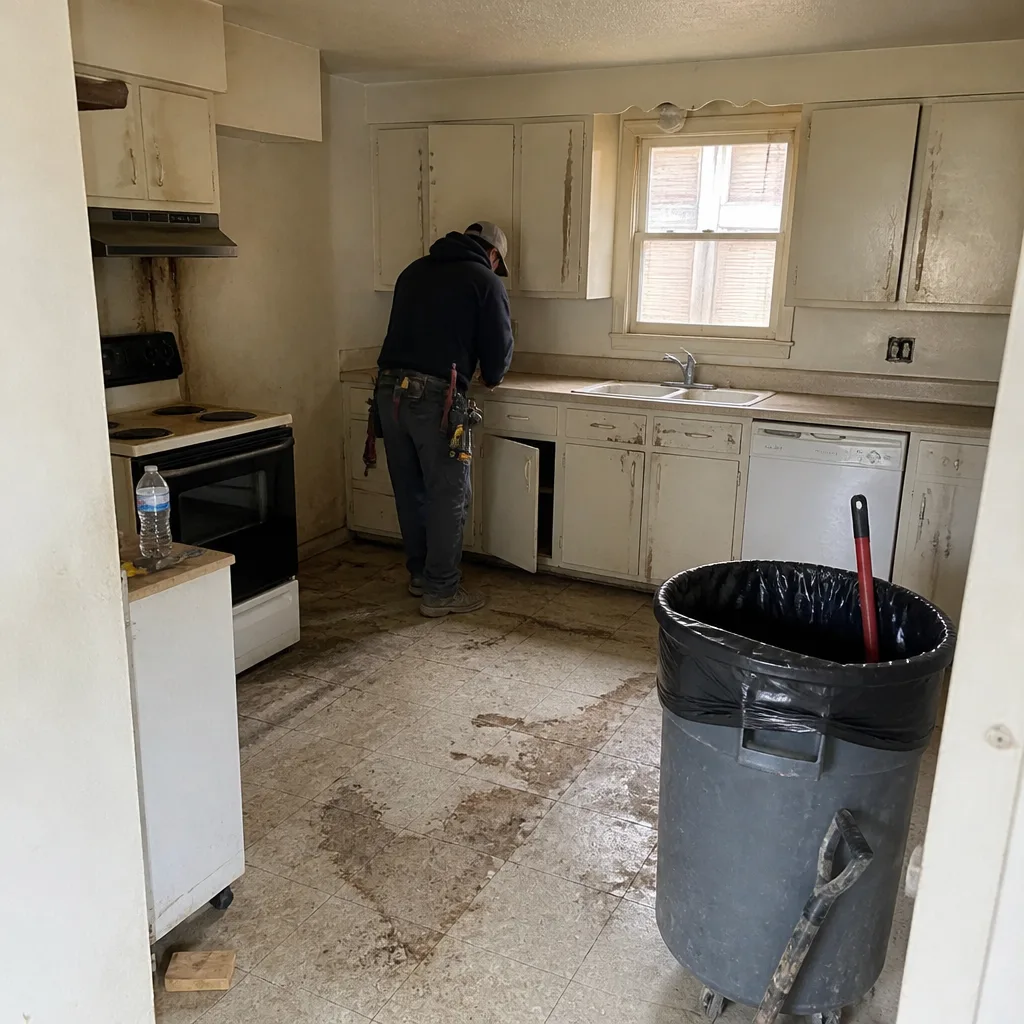 Before
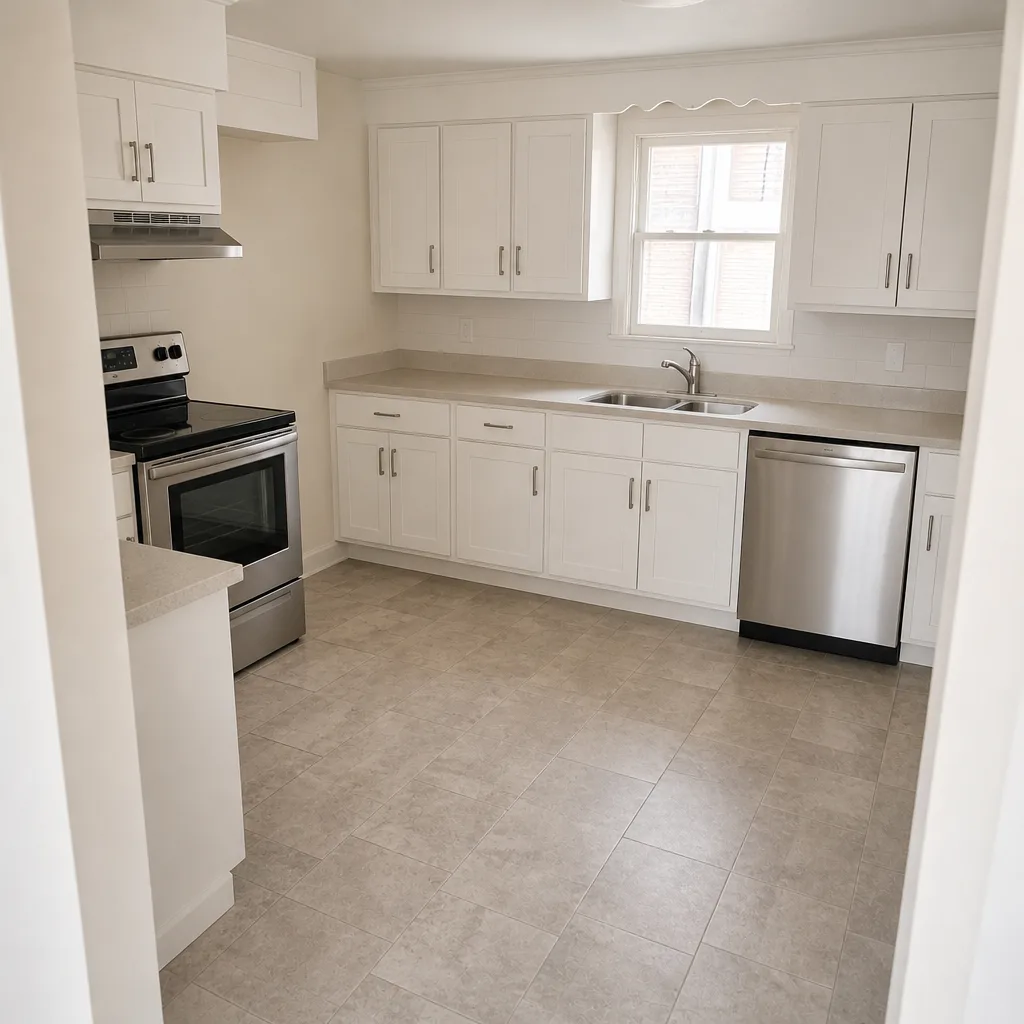 After
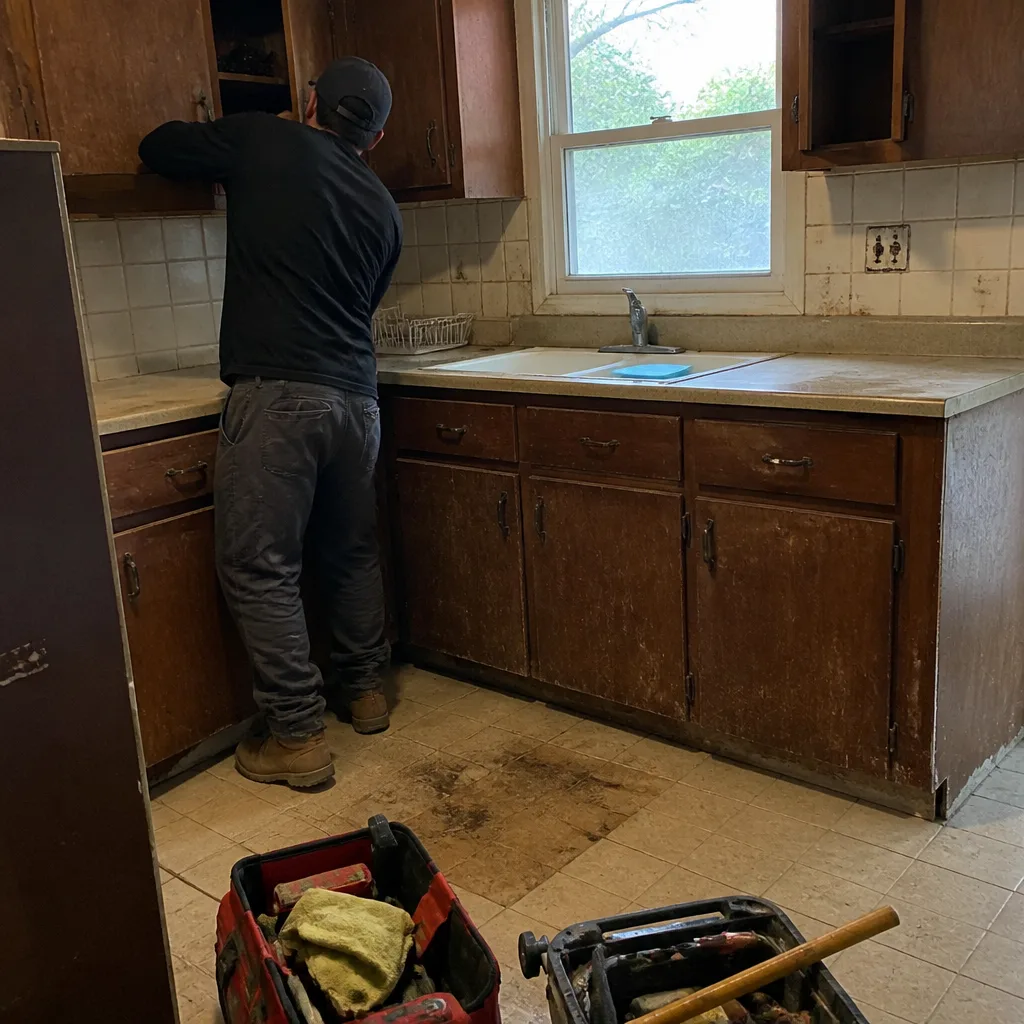 Before
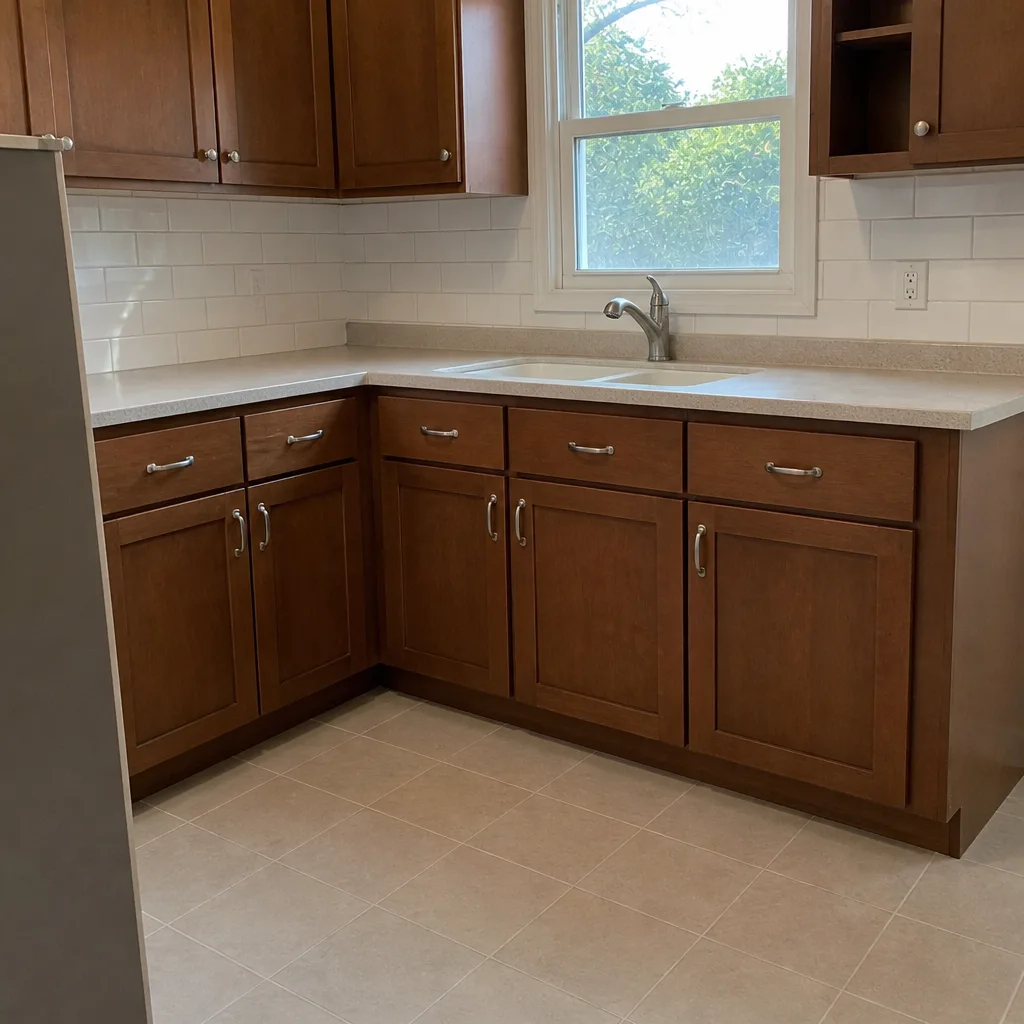 After
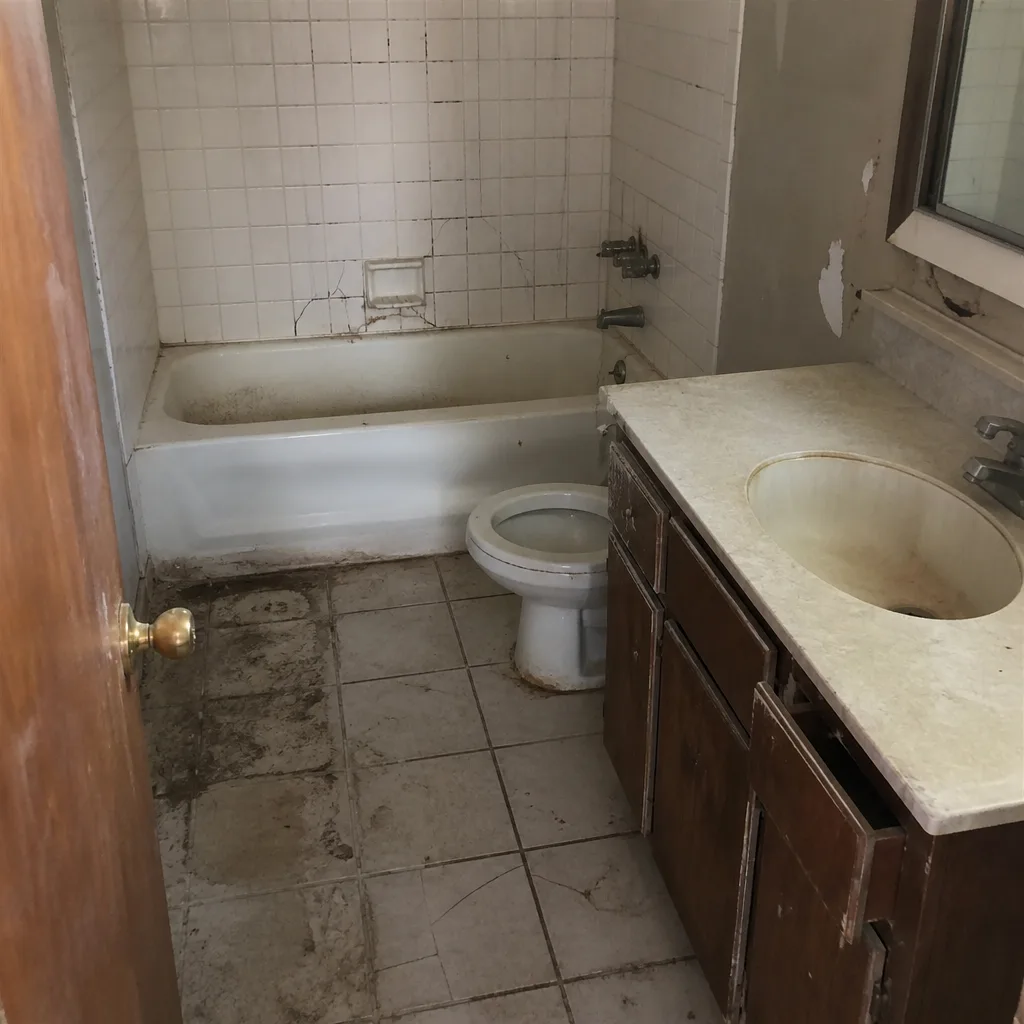 Before
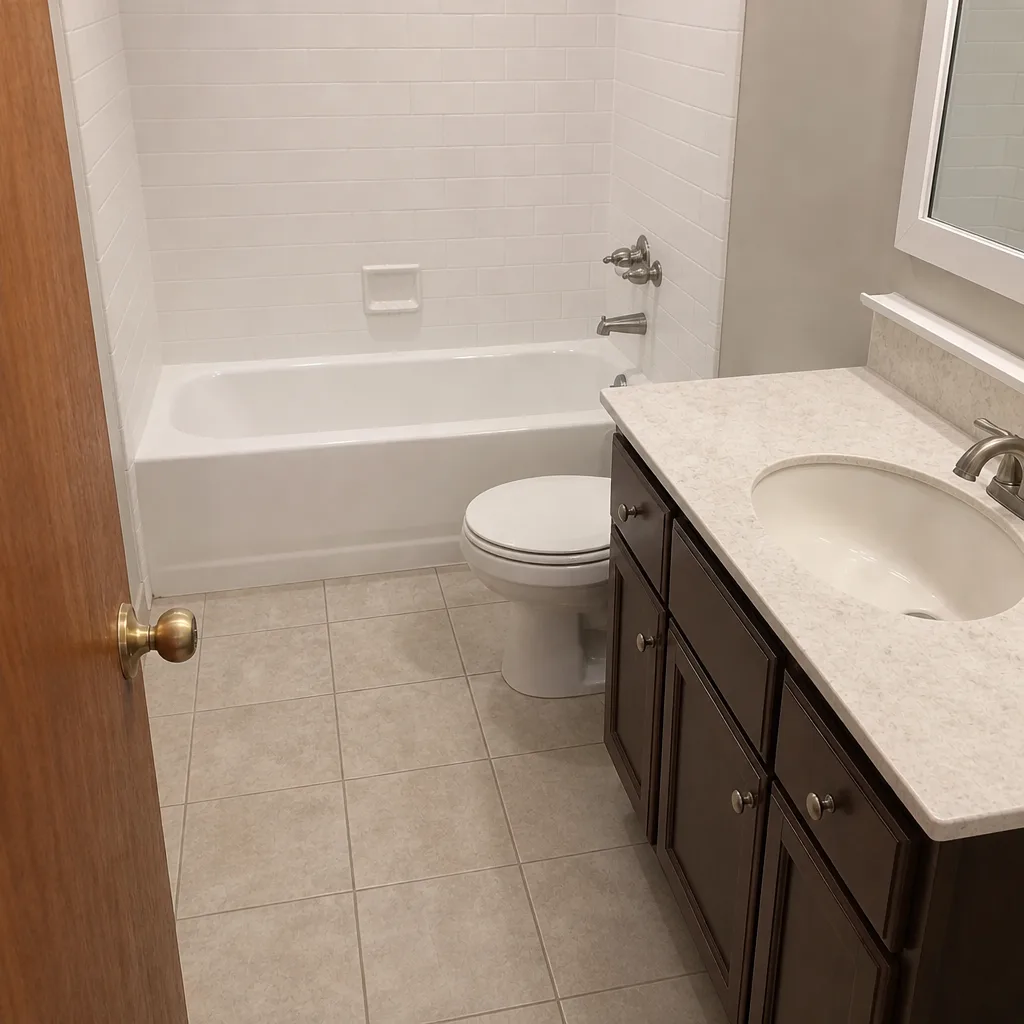 After
Frequently Asked Questions

A mid-range kitchen remodel in Lewisville typically runs $60,000 to $110,000 depending on the size and finish level. That range covers new cabinets, countertops, appliances, and flooring at mainstream quality; higher-end finishes with custom cabinetry or structural changes can push higher. Groundwork uses KraftMaid cabinetry and Cambria countertops as brand staples, and every project is quoted with a written line-item estimate so you can see exactly where the number comes from. Call (844) 560-4467 for a free estimate on your Lewisville kitchen – the number you see is the number you pay.
You check by looking up the state license on the Texas Department of Licensing and Regulation website, then calling the City of Lewisville’s building department to confirm any local registration and permit history. Ask the contractor for their license number in writing first, then verify it yourself – don’t rely on a screenshot or a business card. A contractor who hesitates to give you a number in writing isn’t one you should hire in Lewisville, or anywhere else.
You should refuse to sign any contract that lacks a change order authorization limit, a subcontractor lien waiver schedule, or a specific completion date with defined delay exceptions. Those three clauses protect you financially and legally, and a contract without them leaves all the important decisions in the contractor’s hands. A contract that says “any additional work will be billed separately” without a written-approval threshold for change orders is a blank check. Ask for the clauses to be added in writing before you sign anything.
You know by tying their money to inspections, not to the calendar. A payment schedule where each milestone clears only after the corresponding inspection passes keeps the contractor motivated to finish, because they don’t get paid until the work is verified. Ask every candidate to show you a sample payment schedule before you sign. In our experience, the contractors who push back on milestone-tied payments are the same ones who stall on the last 10% of a project. Call (844) 560-4467 for a free estimate – our pricing and schedule are written from the start.
In most cases, yes – if the project involves moving plumbing, electrical, or gas lines, or altering the framing, the work needs a permit and an inspection in Lewisville. Cosmetic updates like new paint or a swapped faucet typically don’t. When in doubt, call the city. A contractor who says “we don’t need a permit for that” on a job that clearly does is telling you something important about how they operate. Groundwork pulls permits and passes inspections as a standard part of every project.
It means the price is written in the bid before the work starts, and it doesn’t change unless a written change order is signed. The number on the estimate matches the number on the final invoice for the work that was scoped. Our estimates are line-item with the actual brand products named so you can compare apples to apples. If a bid you’re reviewing on another contractor is a lump sum with no line items, ask for the detail. If they won’t provide it, that’s a signal. Call us at (844) 560-4467 to see the difference in an estimate.
The Bottom Line
Hiring a construction contractor in Lewisville comes down to three things: verifying both the state license and the local registration, asking the questions that reveal how a contractor operates when things go wrong mid-build, and protecting your money with milestone-tied payments and a contract that spells out change orders and lien waivers. The bid stage is easy to fake. The three clauses you read, the roster you ask to see, and the payment schedule you negotiate are the parts you can actually verify. Groundwork Construction Co. of Lewisville backs every project with a 730-Day Done Right Promise, calls answered live 24/7, and free estimates with written line-item pricing so you can see what you’re paying for before you commit. From foundation to finish line, we build to last and back it in writing.
For the full scope of what we do in Lewisville, from Driveway & Pavers in Lewisville to Fence Installation in Lewisville, our team is available to walk you through options and pricing at no cost.
Call (844) 560-4467 for a free estimate. Real conversations, real numbers, no surprises.
Written by the team at Groundwork Construction Co. of Lewisville.