Last updated November 18, 2026

Free written scope consultation - allowances, timeline, and change-order rules on paper before a single trade is scheduled
Seasonal Construction Care for Lewisville: Year-Round Homeowner’s Guide
The costliest home construction repairs in North Texas don’t come from one catastrophic event. They come from twelve months of deferred seasonal maintenance that compounds quietly. A foundation crack caught in March costs a fraction of the same crack ignored until July, when the clay soil has fully contracted and the gap has widened into something structural. Lewisville sits on some of the most reactive soil in the state, under a sky that throws five months of triple-digit heat at the exterior of your home every year. What follows is a maintenance calendar built entirely around that reality – not a template borrowed from a cooler climate. You’ll learn what to inspect and when, why timing matters more than most homeowners realize, and how to spend small money now to avoid spending large money later.
Quick Answer
Seasonal construction care in Lewisville means working with the North Texas climate rather than against it: prep roofing and drainage before the May-June severe weather window, monitor caulk and expansion joints through the five-month summer heat, inspect concrete and masonry in September after thermal stress, and shore up plumbing penetrations and flatwork before winter freeze events. The right task at the wrong time of year can cost you more than skipping it entirely.
Styles & brands we work with
- Kitchen remodeling
- Bathroom remodeling
- Home additions & ADU
- Roofing
- Windows & doors
- Driveway & pavers
- Fence
Table of Contents
- Why Lewisville’s Climate Breaks the Standard Maintenance Calendar
- The May-June Severe Weather Preparation Window
- How the Lewisville Summer Accelerates Exterior Decay
- The Post-Summer Inspection: Reading September Cracks
- Lewisville Freeze-Event Preparation Checklist
- Why Spring Is the Wrong Time for Certain Concrete Repairs
- Your Lewisville Four-Season Construction Care Calendar
- Neighborhood Notes: Soil, Trees, and Age of Housing Stock
Why Lewisville’s Climate Breaks the Standard Maintenance Calendar
Most homeowner maintenance guides assume four roughly equal seasons. Lewisville doesn’t work that way. Summer here runs from May through September, with sustained stretches above 100°F that bake the south and west faces of a house for weeks at a time. Then winter arrives as a series of brief, sharp freeze events – a hard overnight dip, sometimes a full week below freezing, followed by a fast warm-up. Spring is a severe weather window, not a gentle thaw. That pattern puts exterior construction materials through a faster expansion-contraction cycle than the national average any guide written for a temperate climate will account for.
The soil compounds the problem. Much of Lewisville sits on expansive clay that swells when it’s wet and shrinks when it’s dry. During a wet spring the clay pushes against foundation walls and flatwork; by late August it has pulled away, and concrete that was poured to accommodate one moisture level is suddenly unsupported. We see this cycle play out across Lewisville every single year, and it’s the single biggest driver of the foundation and driveway movement homeowners call us about.
What that means for you: the task list is the same as anywhere, but the timing and frequency are not. Caulk that a builder in Ohio expects to last a decade may need attention in half that time here. Concrete poured in April can crack by July. And a roofing inspection you’d schedule in autumn somewhere else needs to happen before Memorial Day in Lewisville.
- Five-month heat season stresses sealants, paint, and exterior materials on a compressed cycle.
- Expansive clay soil moves foundations and flatwork with every wet-dry swing.
- Brief, hard freezes catch plumbing and flatwork that never got cold-weather attention.
- Spring severe weather hits new and existing construction before the summer dry-out.
The May-June Severe Weather Preparation Window
Lewisville’s storm season peaks in May and June, and the damage that costs homeowners the most isn’t always the wind or hail itself – it’s the water that gets in afterward through a weakness that was already there. The weeks before that window closes are the highest-value maintenance time on the entire calendar. A roof that sheds water fine in a calm rain can fail fast under wind-driven hail, and drainage that handled a normal storm can back up when three inches fall in an hour.
Here’s how we walk a Lewisville home through pre-storm prep. Work top to bottom and photograph everything as you go – your insurer will thank you if a claim ever comes.
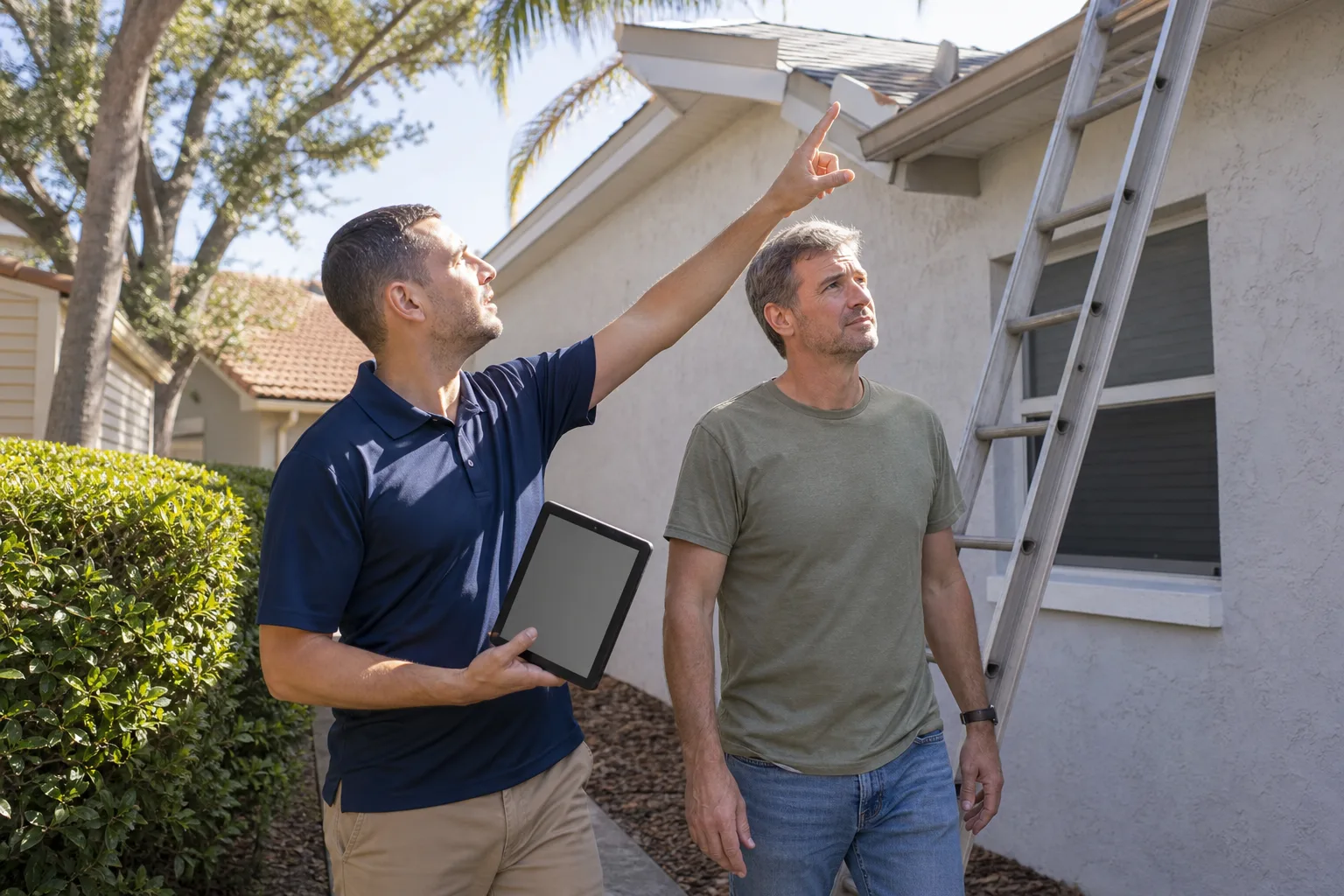
- Inspect the roof surface and flashings. Look for lifted, cracked, or missing shingles, and pay close attention to the metal flashing around chimneys, vents, and skylights. Those seams are where wind-driven rain finds its way in first. If you’re not comfortable on a ladder, stay off it – a roof inspection is not a DIY task at height.
- Clear gutters and downspouts. North Texas spring pollen and the seed pods from area trees clog gutters fast. Full gutters send water over the edge and straight down against your foundation.
- Check the grading and drainage around the perimeter. Soil should slope away from the house. After a dry winter, mulch beds and settlement often leave a low spot that holds water against the slab.
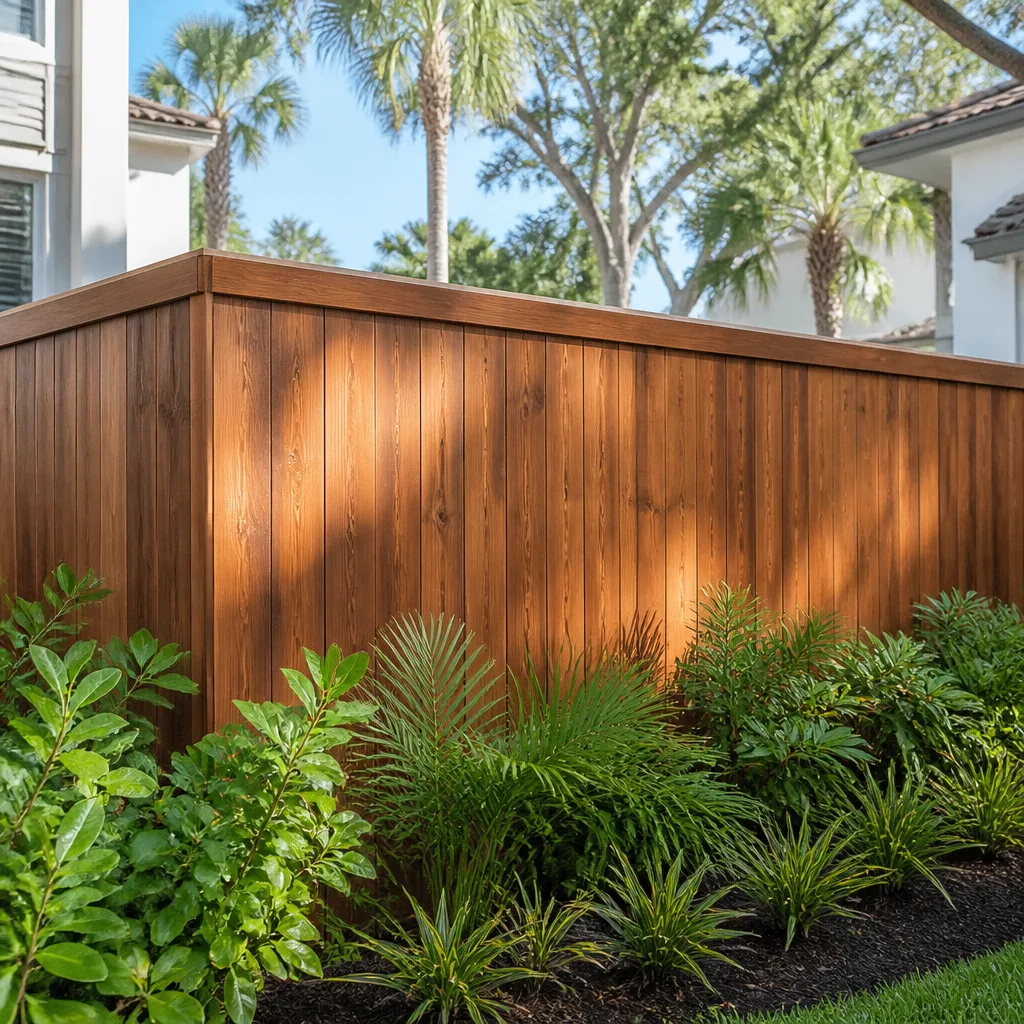
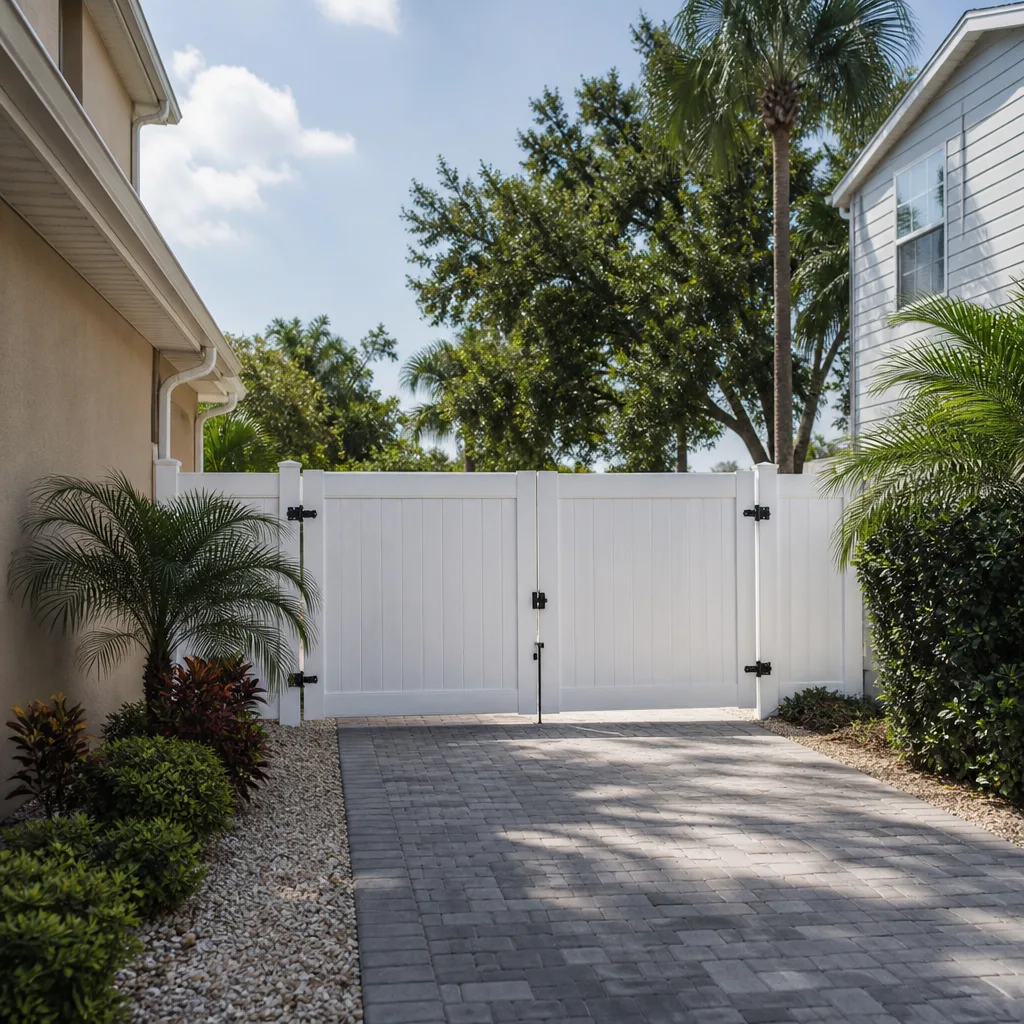
- Walk the fence line. Look for loose posts, leaning panels, and rot at the base. A storm takes out a weak fence first, and a failing fence can damage landscaping or a neighbor’s property when it goes. If your fence is showing its age, our Fence Installation in Lewisville team can assess whether repair or replacement makes more sense before storm season.
- Check exterior seals around windows and doors. Run a hand along the frames; any gap or crumbling caulk is water waiting to get in. Failures here often show up as a stain on interior drywall long after the storm has passed.
We’ve seen Lewisville homes take on thousands in water damage from a flashing detail that would have cost a fraction of that to correct in April. The severe weather window doesn’t ask permission, so the prep has to happen on its schedule, not yours.
How the Lewisville Summer Accelerates Exterior Decay
When the temperature stays above 100°F for days at a stretch, exterior materials move. Sealants soften and fail. Expansion joints that were sized for a normal swing separate. Paint and stain on south and west-facing surfaces break down faster here than almost anywhere else in the country. The heat doesn’t just age a house – it runs the aging process on fast-forward from May through September.
The practical upshot is that a “once a year” inspection isn’t enough for the exposed faces of a Lewisville home. We recommend a mid-summer walkthrough around July, focused on the surfaces taking the most sun.
What to watch for during the heat:
- Caulk and sealant failure around windows, doors, and where siding meets trim. Look for cracking, pulling away, or a chalky residue. Heat-driven failure here is one of the most common water-intrusion causes we find on Lewisville homes.
- Expansion joint separation in driveways, walkways, and patios. A joint that opens up lets water under the slab, where it does more damage than the visible crack.
- Siding and trim movement. Fiber cement products such as James Hardie are engineered for heat, but they still need their fasteners and seals checked. A loose board lets water behind the wall.
- Paint and stain breakdown on sun-facing wood and trim. Once the surface fails, moisture gets into the material underneath.
- Thermal movement in flatwork. Concrete slabs grow and contract with the heat. Note where cracks appear now so you can compare them in the fall.
If your exterior is showing widespread sealant and surface failure, it may be time to look at a materials upgrade rather than repeated patching. Our Groundwork Construction Co. of Lewisville home page outlines the exterior and full-scope services we offer, backed by our 730-Day Done Right Promise – if it’s not done right, we make it right.
The Post-Summer Inspection: Reading September Cracks
By September, the Lewisville clay soil has finished its seasonal shrink, and the house has been through months of thermal stress. That makes early fall the single best time to read what the summer did to your concrete, masonry, and foundation. The cracks that show up in September are a diagnostic report – they tell you what needs attention before the winter wet season arrives and the soil starts moving the other direction.
Walk your property with a notebook and a camera. What matters isn’t just whether a crack exists, but where it is, how wide it’s gotten since spring, and whether it’s changed.
- Map the flatwork. Note cracks in the driveway, walkways, and patio. Hairline cracks are normal. Cracks wider than a quarter inch, or any vertical offset between two sides, deserve a closer look.
- Check the foundation perimeter. Look for new cracks in brick or masonry veneer, separation at corners, and gaps where the wall meets the ground. Stair-step cracks in brick are worth a professional evaluation.
- Compare against your spring photos. This is why we tell homeowners to photograph everything. A crack that’s grown since spring tells a different story than one that’s been stable for years.
- Inspect interior door and window operation. Sticking doors and windows that suddenly don’t latch can signal foundation movement. Note them before winter.
- Check drainage paths again. Summer storms and dry spells both change grading. Make sure water still moves away from the house.
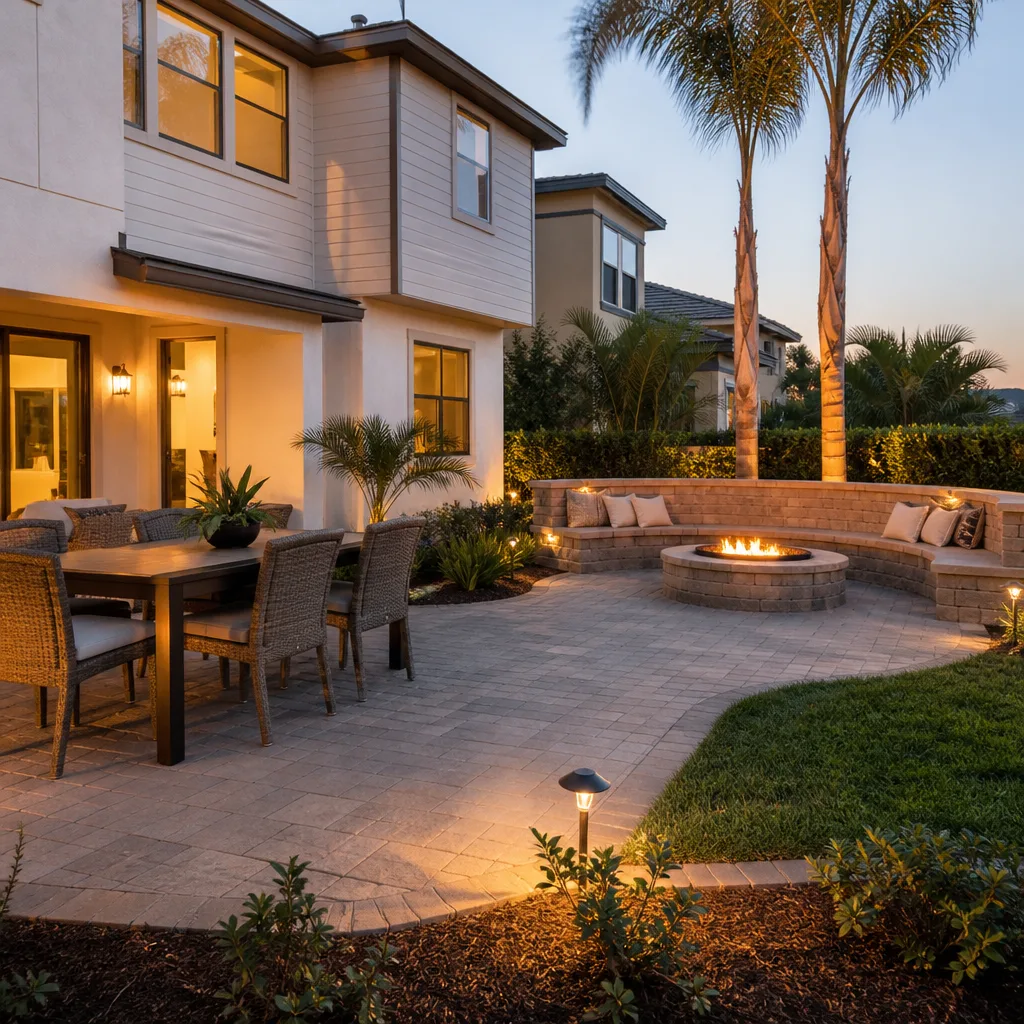
September findings are what you fix before winter, and the timing matters. Once the winter rains return, the clay swells, and a repair scheduled in October is far easier to execute than one discovered in a saturated January. Our Driveway & Pavers in Lewisville team can assess concrete and paver movement and recommend whether crack repair, re-leveling, or replacement is the right call.
Lewisville Freeze-Event Preparation Checklist
Lewisville’s freezes are brief but they’re real, and they tend to catch homeowners off guard because the weeks before can feel mild. The damage from a hard freeze usually isn’t the cold itself – it’s water in the wrong place when the temperature drops. Exterior plumbing penetrations, flatwork that holds moisture, and below-grade drainage are the three areas most often overlooked, and all three can be protected with a modest amount of prep.
Before the first hard freeze of the season, work through this list:
- Protect exterior plumbing penetrations. Any pipe, spigot, or line that exits the house needs to be drained or insulated. A burst pipe inside a wall is one of the most expensive freeze repairs there is.
- Disconnect and drain hoses. A hose left connected traps water in the spigot and the line behind it.
- Check flatwork for trapped moisture. Cracks and joints that hold water are where freeze-thaw damage starts. Seal them before the cold arrives, not after.
- Clear below-grade drainage. French drains, area drains, and downspout extensions need to be flowing freely. Water that pools and then freezes can heave concrete and saturate the soil against the foundation.
- Inspect exterior seals one more time. Cold air finds the same gaps water does. A quick pass around windows and doors now prevents heat loss and moisture problems through the cold months.
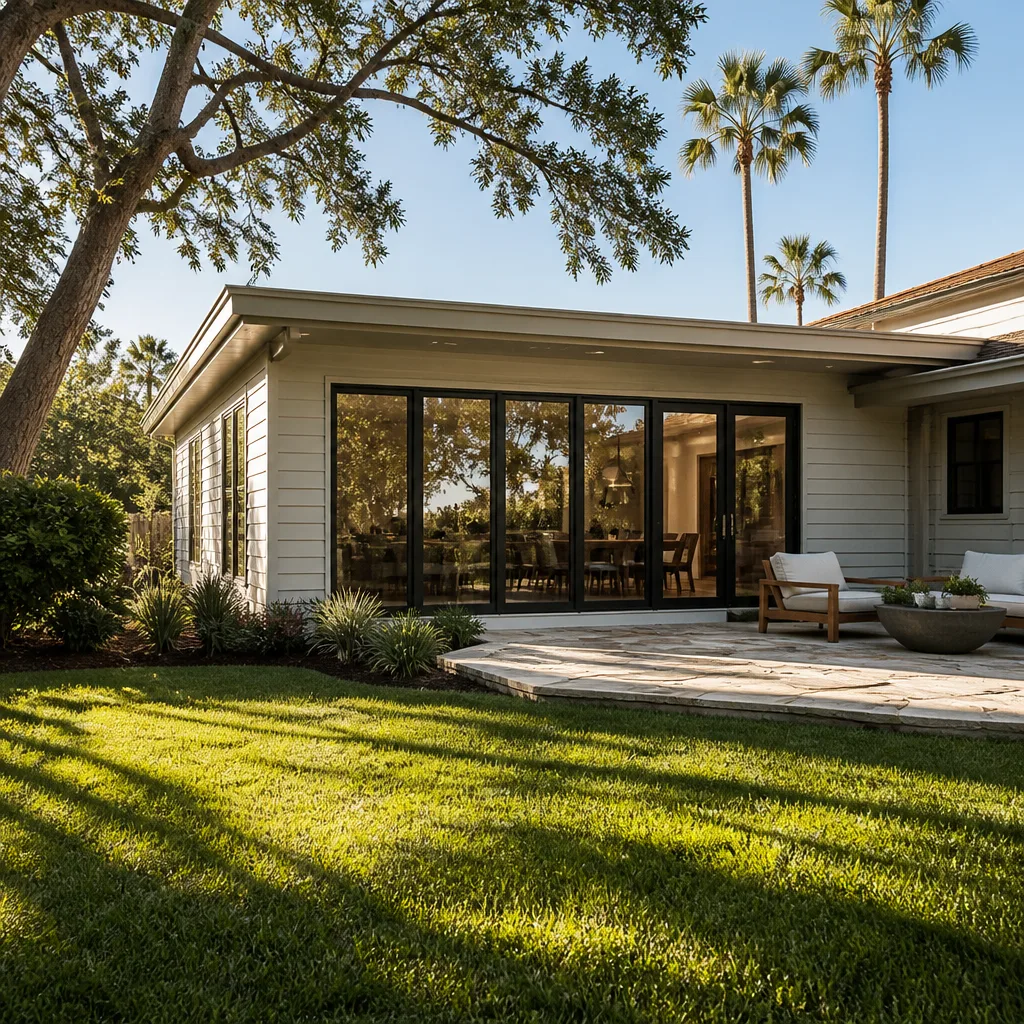
For homeowners planning larger additions or outbuildings, freeze prep is also the moment to look at how a structure will handle the cold. Modular and prefab systems such as Boxabl and Plant Prefab build in climate considerations at the factory, which is worth understanding if you’re weighing a new structure rather than a repair. Our Home Additions & ADU in Lewisville team can walk you through how a new addition should be detailed for North Texas freeze events before the slab is ever poured.
None of this is glamorous work. But a freeze event handled in advance costs a few hours. A freeze event handled after the fact costs a plumber, a drywall crew, and sometimes a flooring replacement.
Why Spring Is the Wrong Time for Certain Concrete Repairs
This is the counterintuitive part of the guide, and it’s where a lot of Lewisville homeowners get burned by well-meaning advice. Spring feels like the natural time to fix cracks, pour a new patio, or re-level a driveway – the weather is pleasant, and everyone’s thinking about outdoor projects. But in North Texas, March and April are often the worst months to pour fresh concrete, precisely because of what the soil is doing.
Here’s the mechanism. After winter and early spring rains, the expansive clay soil is at its wettest and most swollen. A slab poured on saturated, moving ground is being set on a base that will shrink over the summer. As the soil contracts through the dry months, the new concrete loses support and cracks – often within the first season. We’ve seen fresh pours in Lewisville fail within months when the timing was wrong, and it has nothing to do with the quality of the concrete.
The same logic applies to repairs. Sealing a crack in April, when the soil is pushing everything tight, means the seal is sized for a gap that will widen dramatically by August. The repair fails not because it was done badly but because it was done at the wrong point in the soil’s cycle.
- Wet spring soil makes fresh concrete pours prone to settlement and cracking as it dries.
- Sealing cracks in spring sizes the repair for a gap that will grow through the summer.
- Early fall is generally the better window for concrete work in Lewisville – the soil has stabilized and the worst heat has passed.
- Drainage corrections are best done before the spring rains, not during them.
That doesn’t mean spring repairs are always wrong. It means the timing should be driven by soil conditions, not by the calendar feeling right. A contractor who understands Lewisville’s clay will tell you when to wait. If you’re unsure, our Driveway & Pavers in Lewisville team can evaluate your site and tell you honestly whether now is the right window.
Your Lewisville Four-Season Construction Care Calendar
Pull this together and you get a working calendar for the year. Every home is different, and the age of your roof, the depth of your soil, and the tree cover around your lot all shift the specifics. But this is the shape of a well-maintained Lewisville home through the year.
Late winter (February): Freeze prep and inspection. Check plumbing penetrations, clear drains, seal flatwork before the last hard cold.
Early spring (March-April): Drainage corrections and caulk inspection before the rains. Hold off on new concrete pours if the soil is saturated.
Pre-storm (May-June): Roof, flashing, gutter, fence, and window-seal inspection. Photograph everything. This is the highest-value window of the year.
Mid-summer (July): Heat-season walkthrough. Check caulk, expansion joints, siding, and sun-facing paint. Note any new cracks.
Early fall (September-October): Post-summer inspection. Read the cracks, fix what the summer revealed, schedule concrete repairs while the soil is stable.
Late fall (November): Final freeze prep. Re-check exterior seals, clear gutters, prepare plumbing for the cold.
The point of a calendar like this is to make maintenance predictable – to catch the small thing before it becomes the expensive thing. Twelve months of small attention is how you avoid the quiet, compounding damage that costs more than any single storm.
Neighborhood Notes: Soil, Trees, and Age of Housing Stock
Lewisville is not one uniform place, and the maintenance calendar looks a little different depending on where your home sits. A few local observations from the work we do across the city:
- Older central Lewisville neighborhoods often have mature trees whose roots reach under driveways and foundations. Tree-root movement and soil moisture loss from the trees themselves accelerate flatwork cracking. Homes here benefit most from a September concrete inspection.
- Newer developments on the city’s edges typically sit on freshly graded, recently filled soil that hasn’t fully settled. New concrete and new foundations can move in the first few years. Document every crack from day one – it’s the best way to tell normal settlement from something that needs attention.
- Lots near area creeks and low-lying drainage sit on soil that stays wetter longer, which changes both the freeze risk and the timing for concrete work. Drainage and below-grade inspection matter more on these properties.
- Homes with west or south-facing walls and little shade take the full brunt of the summer sun. Caulk, paint, and siding there need a mid-summer check that shaded sides don’t.
If you’re planning a larger project alongside your maintenance, homeowners in Lewisville often weigh a Home Additions & ADU in Lewisville to add space, and a good builder will detail the new structure for the same soil and climate conditions your existing house is already dealing with.
Common Mistakes to Avoid
- Pouring concrete in saturated spring soil. It’s the most common timing mistake we see in Lewisville. The pour looks fine until the dry season arrives and the slab cracks within its first summer.
- Skipping the pre-storm inspection because the roof “looks fine” from the ground. Most storm water damage comes through flashings and seals you can’t see from your driveway. Get them checked before the May-June window, not after.
- Sealing an expansion joint in the spring. The seal gets sized for a gap that will widen all summer. Wait for the soil to stabilize in early fall.
- Ignoring a September crack that wasn’t there in March. New movement after summer is the soil telling you something. A crack that appears through the dry season deserves a professional look.
- Leaving exterior plumbing unprotected through a freeze event. A burst line inside a wall is one of the most expensive repairs a freeze can cause, and the insulation that prevents it is a fraction of the cost.
- Forgetting that gutters and drainage are construction. Homeowners treat drainage as landscaping, but water against a slab is a structural issue. Clear gutters and correct grading are core maintenance, not cosmetic.
- Assuming a maintenance calendar from elsewhere applies here. A guide written for a four-season climate will lead you to pour concrete at the wrong time and skip inspections you need. Lewisville’s soil and heat require their own schedule.
See the difference
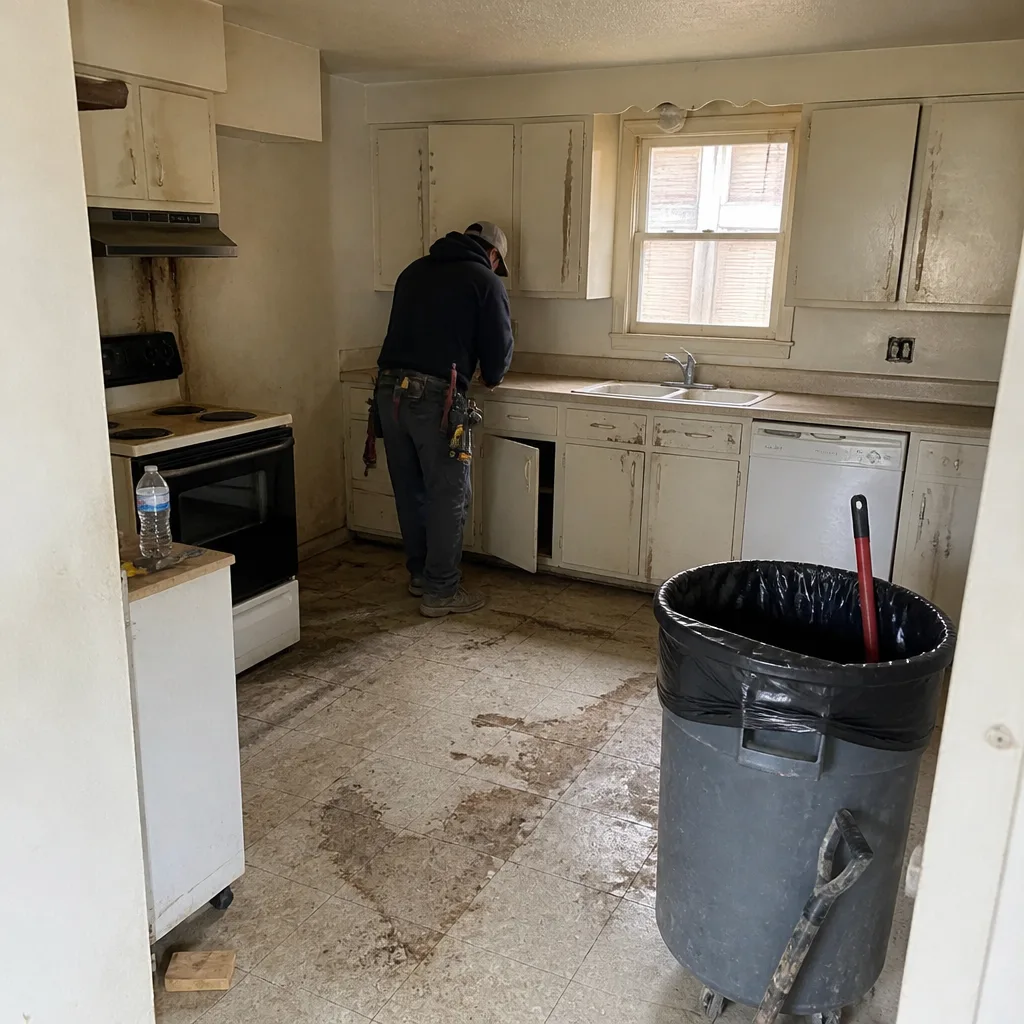 Before
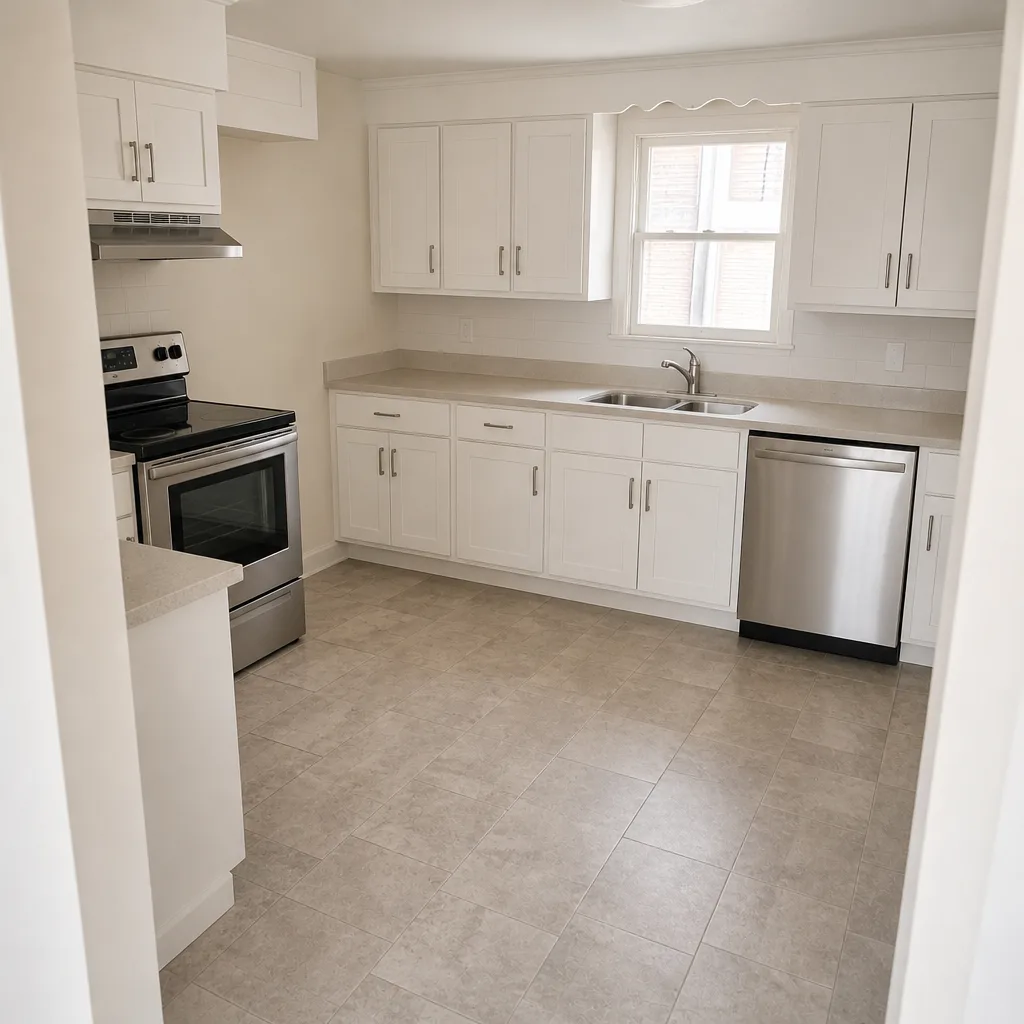 After
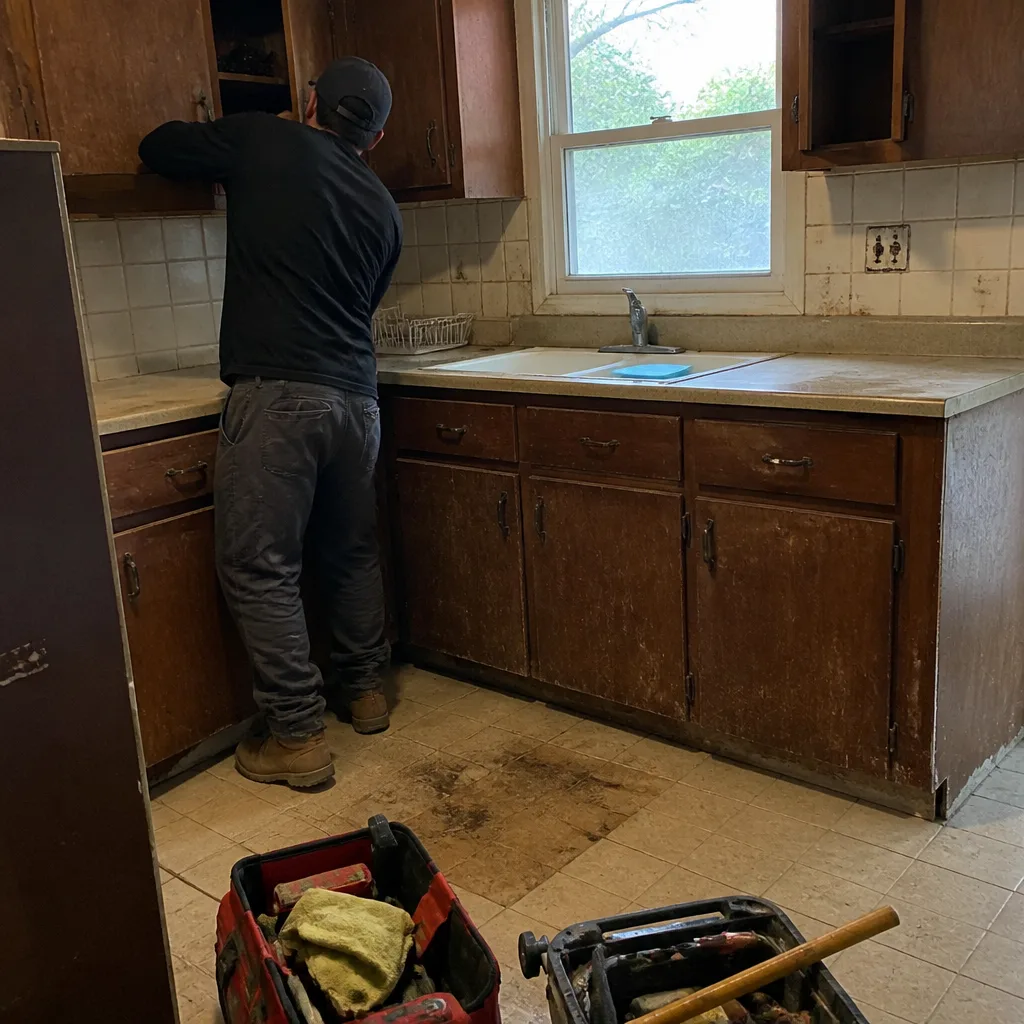 Before
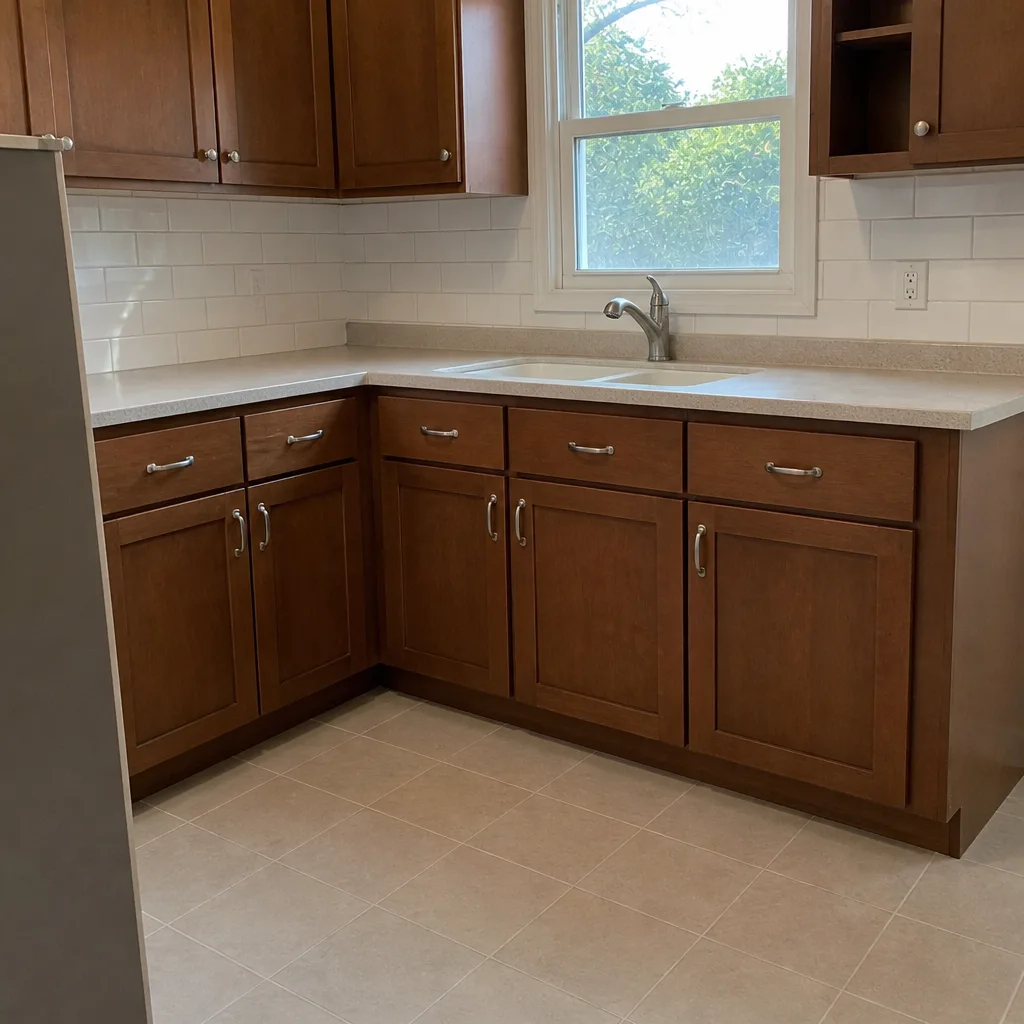 After
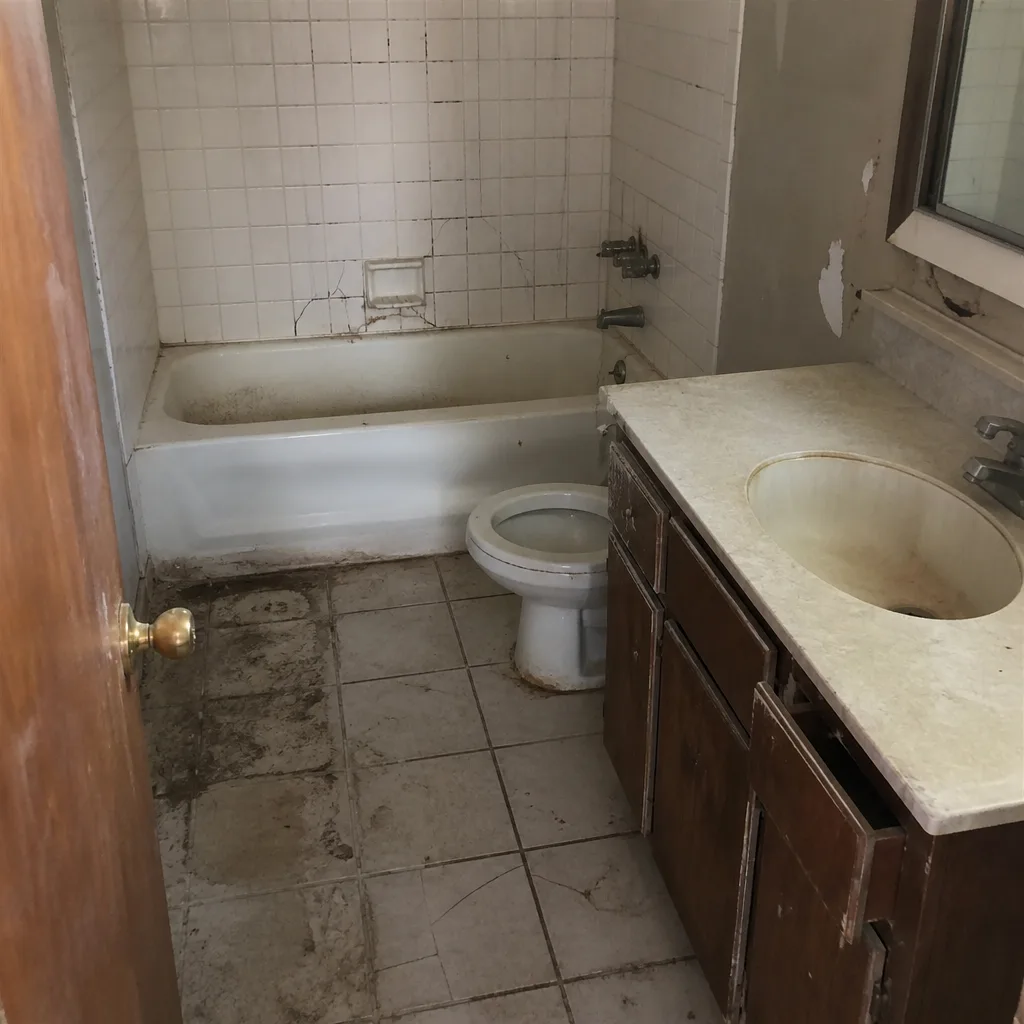 Before
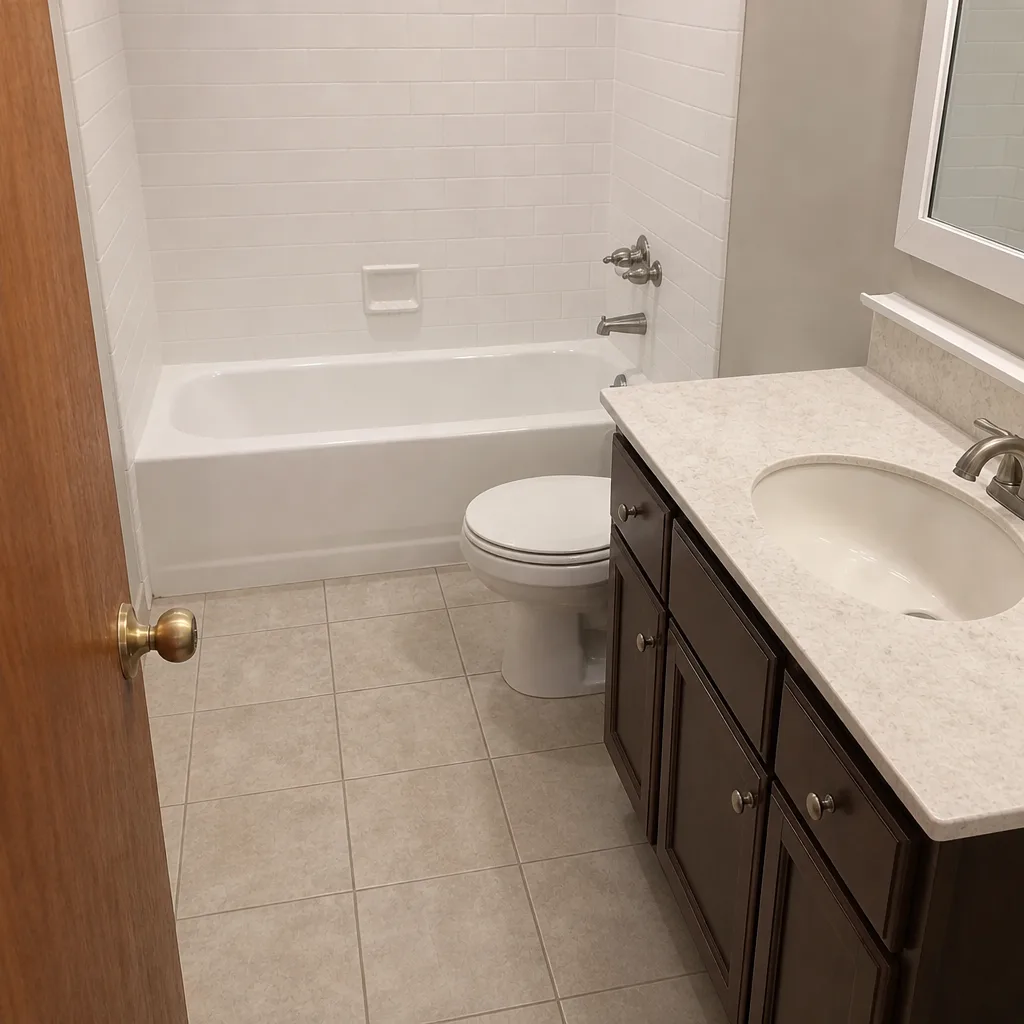 After
When to Call a Professional
Some seasonal tasks a careful homeowner can handle: clearing gutters, photographing cracks, checking that hoses are disconnected. Others genuinely need a trained eye – and a few are dangerous to attempt yourself. If you see stair-step cracks in brick, a crack wider than a quarter inch in a slab, any vertical offset in flatwork, water staining on an interior ceiling after a storm, or a roof surface you’re not certain about, get it evaluated. Roof work at height and anything touching the foundation or structural masonry are not DIY jobs; a fall from a roof or a misjudged foundation repair can cause serious injury or turn a small problem into a large one.
Groundwork Construction Co. of Lewisville offers free estimates in Lewisville – call (844) 560-4467. Our technicians have up to 12 years of experience, arrive background-checked and in uniform, and all work is backed by our 730-Day Done Right Promise. We use a curated set of brand partners across every trade – GAF and CertainTeed on roofs, James Hardie for siding, Belgard for pavers – so you’re choosing quality, not just availability. Upfront pricing means the number you see is the number you pay.
Frequently Asked Questions
Inspect your roof at least twice a year in Lewisville – once before the May-June severe weather window and once after summer. The pre-storm inspection catches lifted shingles and flashing failures before wind-driven rain finds them, and the post-summer check catches heat and hail damage. If you’re not comfortable on a ladder, stay off it and have a professional look. Call (844) 560-4467 for a free roof assessment.
Lewisville sits on expansive clay soil that swells when wet and shrinks when dry, so concrete is constantly moving underneath. A slab poured in wet spring soil can crack within its first dry season as the ground beneath it contracts. Timing the pour for stable soil in early fall reduces that risk significantly. Call (844) 560-4467 to have your driveway or patio evaluated.
Often, yes. March and April in Lewisville usually mean saturated, swollen clay soil, and a fresh pour on that base can settle and crack as the ground dries through summer. Early fall is generally the better window. The right answer depends on your specific lot and soil, so a site evaluation is worth it. Call (844) 560-4467 for a free estimate.
Check exterior plumbing penetrations first – drain or insulate every spigot and line that exits the house. Then clear gutters and below-grade drainage, seal cracks and joints that hold water, and re-inspect window and door seals. These five checks prevent the most common and most expensive freeze repairs. Call (844) 560-4467 if you’d rather have a professional walkthrough.
No – Groundwork Construction Co. of Lewisville works on upfront pricing, so the number you see is the number you pay. You get a free project estimate and design consult, and the price is set before work begins. Projects over $10,000 also qualify for $1,000 off and 0% financing for 18 months. Call (844) 560-4467 to schedule your free estimate.
Older homes, especially in central Lewisville with mature trees, often need a closer watch on flatwork and foundations because tree roots and decades of soil movement accelerate cracking. Document every crack yearly and compare against the previous year. If you’re seeing new or widening cracks, call (844) 560-4467 for a free evaluation.
The Bottom Line
Lewisville’s climate doesn’t follow a tidy four-season pattern, and neither should your maintenance. The heat runs long, the freezes come fast, and the clay soil under your home moves more than most homeowners realize. Work with that reality and the repairs stay small: prep the roof and drainage before the May-June storms, watch the exterior through the summer heat, read your September cracks while the soil is stable, and protect the plumbing before the first freeze. The concrete you pour at the right time lasts; the caulk you check before it fails saves your walls. Twelve months of small attention is the whole strategy. When you want a professional eye on any of it, Groundwork Construction Co. of Lewisville is one call away at (844) 560-4467 for a free estimate, with upfront pricing, background-checked technicians, and the 730-Day Done Right Promise standing behind every job.
Written by the team at Groundwork Construction Co. of Lewisville.