Last updated November 18, 2026





Free written scope consultation - allowances, timeline, and change-order rules on paper before a single trade is scheduled
Windows & Doors Maintenance Schedule: What to Do and When
Vinyl window seals have a finite lifespan, and heat accelerates the clock. In Lewisville summers, skipping a single year of UV-exposed weatherstripping inspection can push a homeowner toward full-frame replacement instead of a $30 seal kit. That’s the quiet math behind window and door maintenance: the products themselves are built to last decades, but the rubber, caulk, and hardware that make them work are wear items. This guide lays out a season-by-season schedule tuned to North Texas, covers the failure points that show up at predictable intervals, and explains which tasks keep your manufacturer warranty active. Read it once, put the dates on your calendar, and you’ll get the full service life out of every window and door in your Lewisville home.
Quick Answer
Inspect and lubricate window and door hardware twice a year, re-seal exterior caulk and weatherstripping every fall, clear weep holes and drainage channels before the spring rains, and check frame alignment after any hard freeze. In North Texas, the two highest-value tasks are a pre-summer seal and weatherstripping inspection (June) and a post-ice-storm frame and glass check (February). Done on schedule, this routine prevents the five failure modes that most often force premature window and door replacement.
Styles & brands we work with
- Kitchen remodeling
- Bathroom remodeling
- Home additions & ADU
- Roofing
- Windows & doors
- Driveway & pavers
- Fence
Table of Contents
- Why Windows and Doors Fail on a Predictable Schedule
- The North Texas Season-by-Season Maintenance Calendar
- Lubrication Schedules by Hardware Type
- Weep Holes and Drainage Channels: The Inspection Most Homeowners Skip
- The Cold-Morning Candle Test for Air Infiltration
- What Keeps Your Warranty Active (and What Voids It)
- Door-Specific Maintenance: Hinges, Thresholds, and Storm Doors
- Common Mistakes to Avoid
- When to Call a Professional
- Frequently Asked Questions
Why Windows and Doors Fail on a Predictable Schedule
Every window and door is a system of moving parts and sealing surfaces, and each component has a known wear curve. Weatherstripping compresses, caulk loses adhesion, hinges wear at the knuckle, and roller tracks collect grit. These aren’t random failures. They happen at intervals you can predict from the product’s construction and your local climate.
Lewisville sits in what builders call a mixed-humid climate with intense summer heat and occasional hard winter freezes. That combination is harder on seals than either extreme alone. A window in Lewisville might see 100°F exterior surface temperatures in August and a 12°F freeze in February, and the expansion and contraction between those extremes works caulk and gaskets loose over a few seasons. The same window in a mild coastal climate could go a decade without a problem.
The five failure modes we see most often in this region, roughly in order of frequency:
- Weatherstripping compression set – the seal flattens permanently and stops rebounding, typically after 4-6 summers of UV exposure.
- Exterior caulk joint failure – hairline cracks open where the frame meets siding or brick, letting water into the wall cavity.
- Clogged weep holes – drainage channels fill with pollen, dust, and insect debris, trapping water against the frame.
- Hardware seizure – hinges, locks, and rollers corrode or gum up when lubricants dry out or the wrong product is used.
- Frame racking – the frame shifts slightly out of square after foundation movement or a hard freeze, causing doors to stick and windows to leak.
Case in point: in the established neighborhoods around Old Town Lewisville and the older sections near Mill Street, we regularly see spring perimeter seal failures on windows installed in the 1990s, where the original builder caulk has long since dried but the glass and frames are still sound. A few hours of re-sealing extends the life of those windows by years. Left alone, water gets behind the frame and the fix becomes a full replacement. That’s the pattern this schedule is built to interrupt.
The North Texas Season-by-Season Maintenance Calendar
This is the core of the schedule. Each season targets the failure mode that season tends to expose. Print it, or set four recurring calendar reminders and attach the tasks to each one.
Spring (March-May): Pre-Summer Seal Inspection
Before the heat arrives, check every exterior caulk joint on the sunny and south-facing sides of your home. Those surfaces take the most UV and expand the most in summer. Run a finger along each joint; if the caulk is chalky, cracked, or pulling away from the frame, it needs replacement before June. This is also the right window to clear weep holes and drainage channels before the spring rains, and the last good chance to service door hinges and locks before the weather turns hot.
Summer (June-August): Watch and Ventilate
Summer is inspection season, not repair season. Extreme heat makes caulk and weatherstripping difficult to install correctly, so avoid major re-sealing in July and August. Instead, do a monthly visual pass on window seals and door sweeps, and check that air conditioning isn’t being wasted through an obvious leak. This is also when we see the most weatherstripping complaints in Lewisville: the heat dries out low-grade foam seals and they crumble. If you find a failing seal now, note it and schedule the repair for the fall.
Fall (September-November): Weatherstripping and Caulk Evaluation
Fall is the best time of year in North Texas to re-seal windows and doors. Temperatures are in the range where caulk cures properly, and the work protects your home before winter. Remove and replace any compressed or torn weatherstripping on doors, re-caulk failed joints, and lubricate all hardware with the products listed in the next section. This is the single most important touchpoint in the whole calendar for a Lewisville home.
Winter (December-February): Post-Ice-Storm Frame Checks
After any hard freeze, walk every window and door and check for sticking, gaps, or new drafts. Freeze-thaw cycles move foundations slightly, and a door that suddenly rubs its frame or a window that no longer latches is telling you the opening has shifted. Check glass for new cracks around the edges, and inspect thresholds for frost damage. Catching a shift in February means a minor adjustment; catching it in July usually means a replacement.
For larger envelope projects, the same seasonal logic applies to roofs and exteriors. If windows and doors are part of a broader remodel, our team at Groundwork Construction Co. of Lewisville can fold the maintenance findings into a single scope of work. And if your doors open onto a deck, patio, or driveway that needs attention in the same season, our Driveway & Pavers in Lewisville page covers that adjacent work.
Lubrication Schedules by Hardware Type
Hardware fails for two reasons: it never gets lubricated, or it gets lubricated with the wrong product. Both are avoidable. Here’s what to use and what to avoid, hardware by hardware.
Door Hinges
Lubricate interior door hinges once a year, exterior door hinges twice. Use a dry-film lubricant or a light white lithium grease. Apply to the hinge pin and work the door back and forth a few times. Avoid standard WD-40 as a long-term lubricant: it’s a solvent, not a grease, and it evaporates and leaves hinges to corrode. It’s fine for freeing a stuck hinge; it’s wrong for keeping one smooth.
Window Tracks and Rollers
Sliding window tracks and rollers need cleaning more than lubrication. Vacuum out grit and debris twice a year, then apply a silicone spray lubricant to the track. Never use oil-based lubricants on window tracks. Oil attracts dust and turns into a sticky paste that jams the rollers, and in Lewisville’s pollen-heavy spring, that paste forms fast. A quick test: slide the window fully open and closed. If it hesitates or feels gritty, the track needs cleaning.
Locks, Latches, and Handles
Locks and latches get a tiny amount of graphite powder or a dry-film spray once a year. Never use oil in a lock cylinder. Oil collects debris and stiffens in cold weather, and it can actually stop a key from turning. If a lock is already stiff, a shot of dry lubricant, worked in with the key, usually restores it.
Door Sweeps and Bottom Seals
Sweeps and bottom seals don’t get lubricated, but they do get inspected. Check them twice a year for wear and contact. A sweep that no longer touches the threshold is letting in air and water.
Schedule Summary
- Every 6 months: clean and silicone-spray window tracks, inspect door sweeps and bottom seals.
- Every 6-12 months: lubricate door hinges with dry-film or light lithium grease.
- Once a year: apply graphite or dry lubricant to locks and latches.
- Never: oil-based lubricant in window tracks or lock cylinders.
For homeowners in Lewisville planning a broader door or entry upgrade, the hardware quality matters as much as the schedule. Premium brands like Andersen and Pella ship with hardware that holds up years longer than builder-grade alternatives, which is why we stock and specify them. If you’re weighing a replacement, factor hardware quality into the decision.
Weep Holes and Drainage Channels: The Inspection Most Homeowners Skip
Weep holes are the small openings at the bottom of a window frame that let water drain out. Drainage channels are the sloped slots behind them. Together they’re the window’s drainage system, and when they clog, water pools inside the frame and eventually finds its way into your wall cavity. This is one of the most common causes of interior water damage we see on otherwise healthy windows.
Inspect them before the rainy season, which in North Texas means late fall and spring. The process is simple:
- Locate the weep holes at the bottom of each window frame. There are usually two per window.
- Look for visible blockage: pollen, dust, insect nests, or debris.
- Clear them with a soft brush or a pipe cleaner. Never use a screwdriver or a sharp tool; you’ll scratch the frame and damage the drainage channel.
- Pour a small amount of water into the channel and watch it drain. If it drains freely, you’re clear. If it pools, there’s a blockage further in.
- Check the sill and the wall below each window for water stains, soft spots, or peeling paint. These are signs drainage has been failing.
On a Lewisville home, pollen season runs heavy from March through May. That’s when weep holes fill fastest, and it’s why we recommend clearing them in early spring and again before the fall rains. If the drainage channels are clogged and water has already reached the interior, the window may need more than cleaning. That’s the point at which a professional inspection is the right call.
The Cold-Morning Candle Test for Air Infiltration
You don’t need a blower door test to find a failing window seal. A candle and a cold morning will do it. This test reveals seal failures before they show up on the energy bill, while the fix is still cheap.
How to Run the Test
- Pick a cold morning, ideally below 45°F, with a noticeable breeze outside.
- Turn off your HVAC system and any fans, so the air in the house is still.
- Light a candle and hold it near each closed window and door, moving slowly along the full perimeter.
- Watch the flame. A steady flame means the seal is holding. A flame that flickers or bends toward you means air is moving past the seal.
- Pay closest attention to the corners of windows and the bottom and sides of doors, where leaks start.
- Note which openings fail, and re-seal or replace the weatherstripping on those as soon as possible.
Repeat the test after you re-seal. A seal that no longer flickers the candle is a seal that’s working. The same test also catches drafty doors that need a sweep or threshold adjustment before the cold season hits hard.
A word of caution, in the spirit of E-E-A-T duty of care: this test only finds air leaks. It won’t find structural frame damage, water intrusion, or glass seal failures (the foggy, cloudy look between panes on a failed double-pane unit). Those require a trained eye. If a window shows fogging between the panes or a crack radiating from the edge, don’t try to fix it with weatherstripping; call a professional. Same for anything involving second-story windows or glass replacement, where the work is at height.
What Keeps Your Warranty Active (and What Voids It)
Window and door warranties are strict about maintenance, and most homeowners never read that part. The manufacturer will deny a claim if the failure traces back to skipped maintenance or an unapproved repair. Keeping the warranty active is a matter of documentation and using the right products.
What keeps the warranty active:
- Following the manufacturer’s recommended maintenance schedule in the owner’s manual.
- Using manufacturer-approved caulk and weatherstripping, or materials of equivalent quality.
- Keeping records: dated photos of inspections, receipts for products used, and notes on any minor repairs.
- Addressing small issues promptly. A tiny leak left to spread into the frame is often the reason a claim is denied.
What voids the warranty, often without homeowners realizing it:
- Applying improper caulk or using oil-based lubricants in tracks and locks.
- Power-washing windows and doors. High pressure forces water past the seals and damages the finish, and it’s one of the most common warranty exclusions.
- Painting over weatherstripping or locks, or getting paint into the weep holes.
- Improper installation or repair by someone unqualified. If a handyman seals a window incorrectly, the manufacturer isn’t obligated to honor the claim.
- Skipping the monthly visual checks and letting a documented defect go unaddressed.
The pattern is simple: the warranty rewards the homeowner who follows the schedule. That’s why this guide exists as a schedule, not a cleaning checklist. A maintenance record is a warranty defense. For a bigger project, like an addition that includes new windows, the same logic applies from day one; see our Home Additions & ADU in Lewisville page for how new openings should be specified and documented.
Door-Specific Maintenance: Hinges, Thresholds, and Storm Doors
Doors take more abuse than windows because they move every day. The schedule here runs slightly tighter than the window schedule for that reason.
Hinges and Alignment
Check door hinges twice a year for loose screws and sagging. Tighten hinge screws; if a screw hole is stripped, fill it with a hardwood dowel and wood glue, then re-drive the screw. A door that sags and drags at the bottom is a hinge problem, and fixing it early prevents damage to the frame and threshold.
Door Sweeps and Thresholds
Inspect door sweeps and thresholds every six months. A sweep that no longer contacts the threshold lets in air, water, and insects. Replace worn sweeps rather than adjusting them; a $15 sweep is cheaper than the energy loss and the pest problems it prevents. Check thresholds for frost damage after freezes.
Storm Doors and Sliding Doors
Storm door closers and sliding door tracks need attention twice a year. Clean sliding door tracks with a vacuum and a stiff brush, then silicone-spray the track. Lift the sliding panel to check for roller wear. Storm door closers get a drop of light lubricant on the pivot points. Sliding glass door seals, like window seals, are the most common leak point, so check them with the candle test.
Screened porches and entry doors often tie into fencing and exterior improvements. If your door schedule includes a fence or gate that needs matching attention, our Fence Installation in Lewisville page covers that work.
See the difference
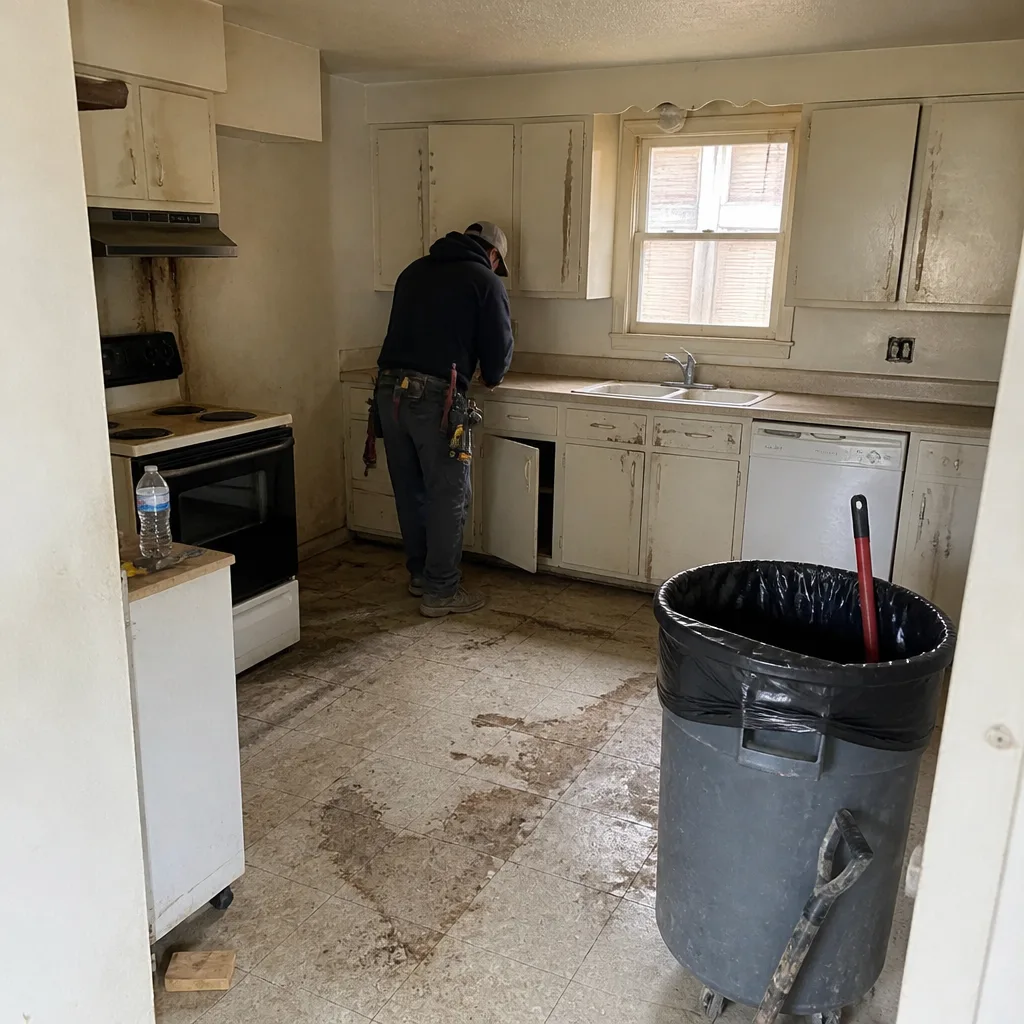 Before
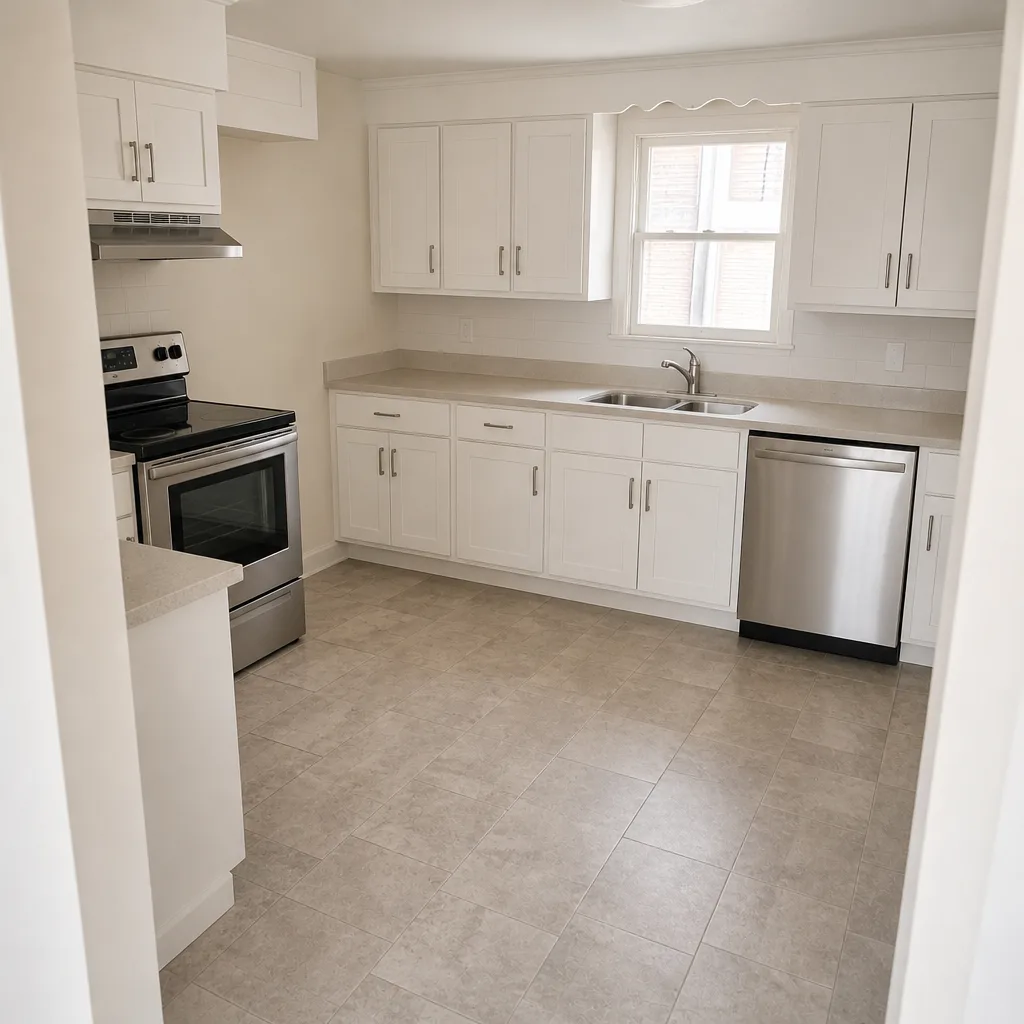 After
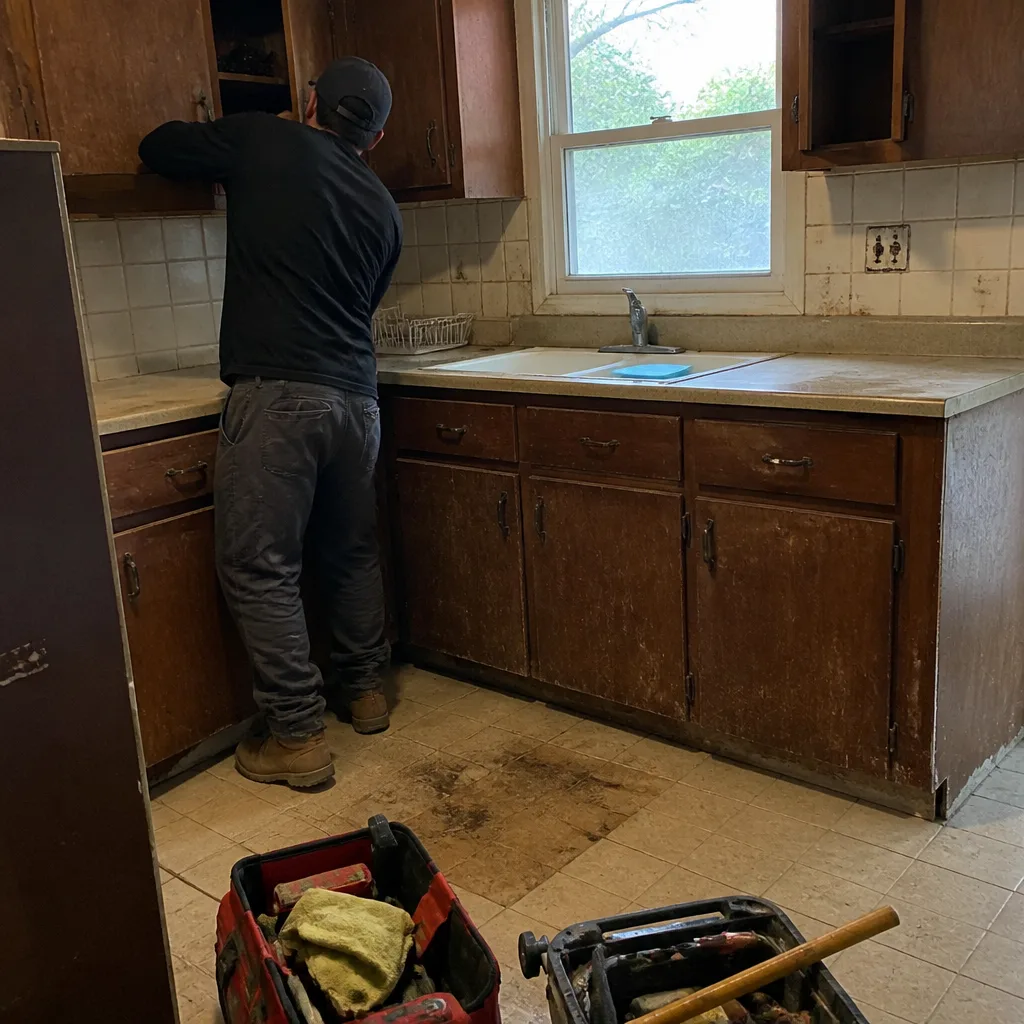 Before
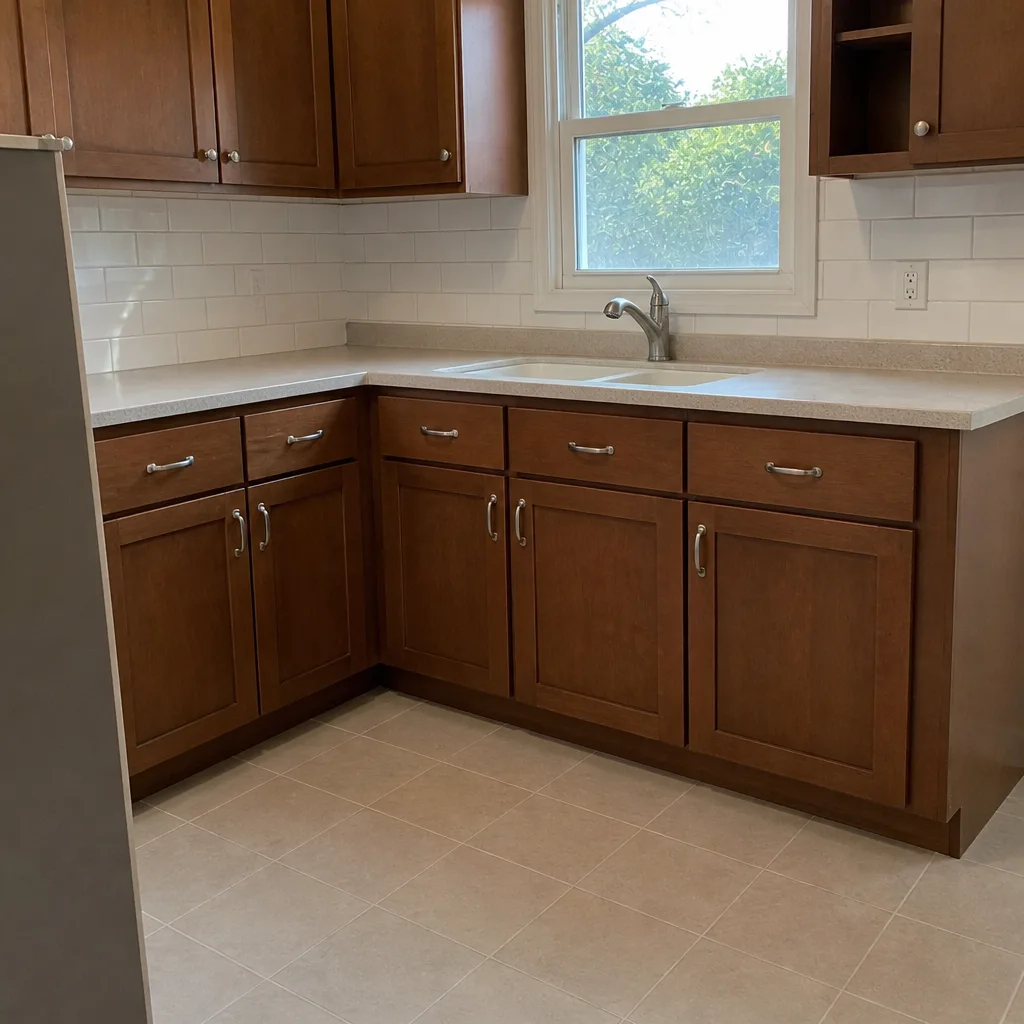 After
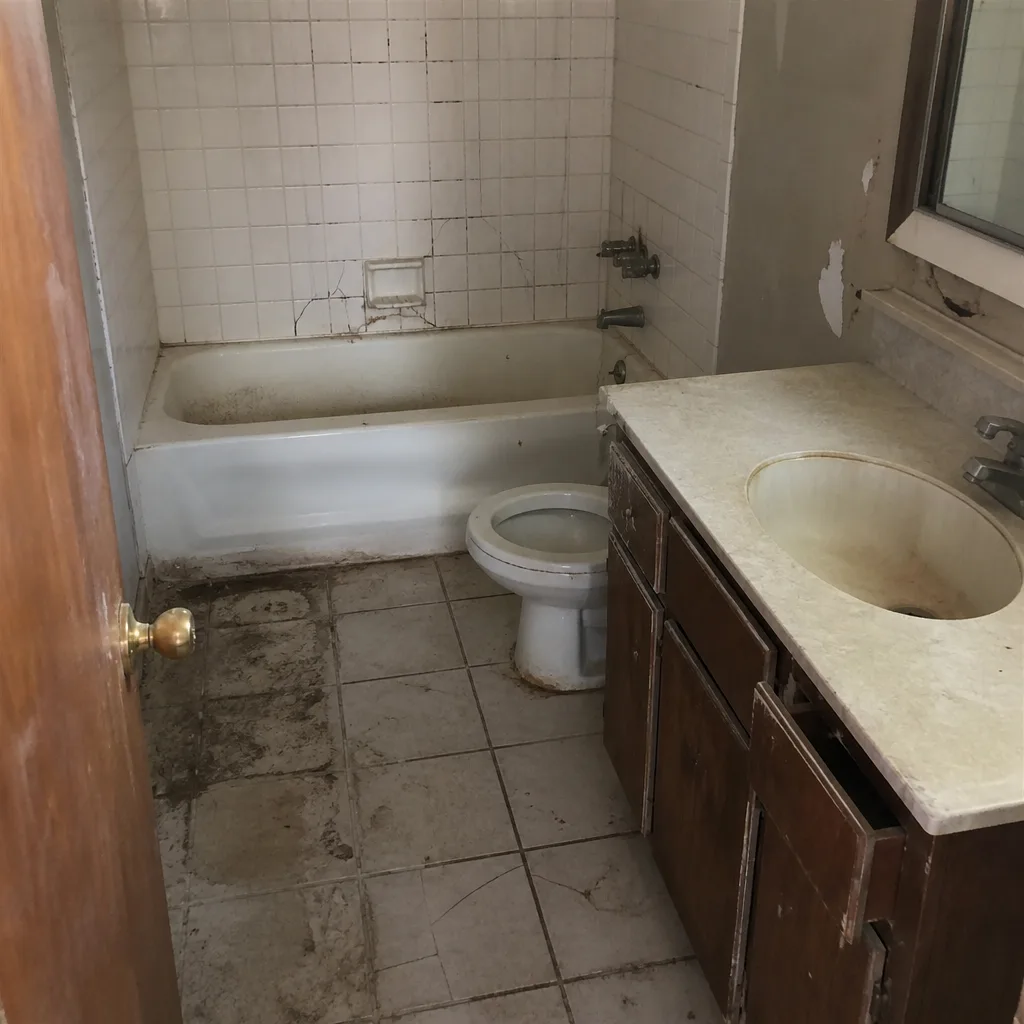 Before
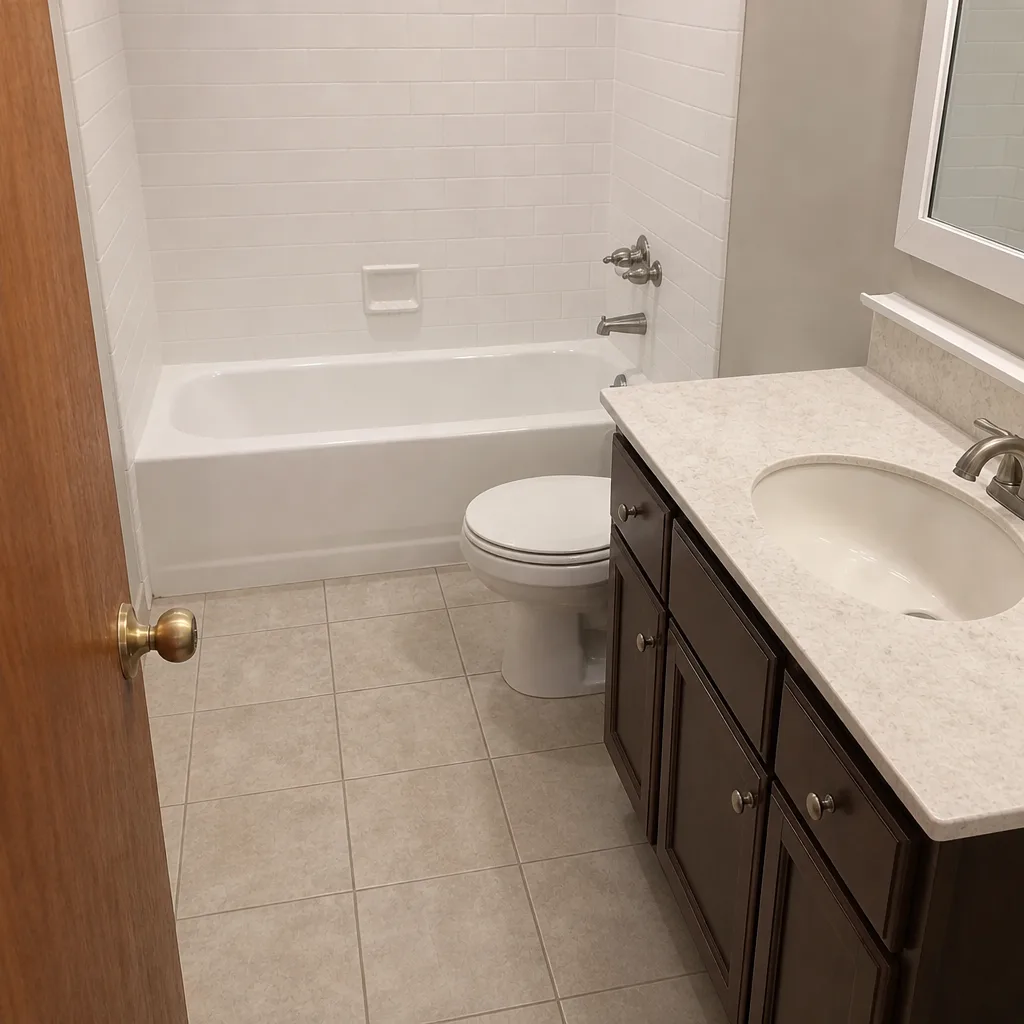 After
Common Mistakes to Avoid
- Using oil-based lubricant in window tracks and lock cylinders. It attracts dust and gums up, especially in Lewisville’s pollen-heavy spring. Use silicone and dry-film products instead.
- Power-washing windows and doors. It’s one of the most common warranty exclusions, and it forces water past seals. Hand-wash and soft-brush instead.
- Skipping weep holes. Fewer than one in five homeowners ever checks them, yet clogged drainage is a top cause of interior water damage. Clear them twice a year.
- Re-caulking in the heat of summer. North Texas heat stops caulk from curing properly. Do exterior sealing in fall or spring.
- Replacing windows when the frame and glass are sound. A $30 seal kit and a few hours of re-caulking often extend the life of a window by years. Check before you replace.
- Ignoring winter frame shifts. A door that sticks after a freeze is telling you the opening shifted. Adjust it in February, don’t wait for it to leak in July.
- Losing the maintenance record. Without dated photos and receipts, a legitimate warranty claim is difficult to win. Keep a simple folder or digital log.
When to Call a Professional
Most of the schedule in this guide is doable by any homeowner with a candle, a soft brush, and a can of silicone spray. But some situations call for a trained professional: fogging between double-pane glass, cracks radiating from the edge of a window, structural frame damage, water stains inside the wall cavity, or any work on second-story windows and glass replacement at height. Windows and doors that are part of a larger remodel, or that need replacement rather than repair, are also a professional scope. Handling them yourself risks the warranty and, more importantly, risks injury from working at height on heavy glass. Groundwork Construction Co. of Lewisville offers free estimates in Lewisville, pulls the permits and inspections a replacement requires, and backs the work with the 730-Day Done Right Promise. Call (844) 560-4467 to schedule your free estimate.
Frequently Asked Questions
Clean and lubricate window tracks and inspect door sweeps every six months, and lubricate door hinges every six to twelve months. Use silicone spray on tracks and a dry-film or light lithium grease on hinges. Never use oil in lock cylinders or window tracks; it attracts debris and gum.
The fall weatherstripping and caulk evaluation is the single most valuable task for a Lewisville home, followed by the pre-summer seal inspection. Fall temperatures let caulk cure properly and protect the home before winter, and the pre-summer check catches UV damage before the summer heat expands it. Call (844) 560-4467 if you’re unsure whether your seals are ready for the season.
Use the cold-morning candle test: hold a candle near each closed window on a breezy day below 45°F and watch for the flame to flicker or bend. Fogging between double panes and water stains on the frame are also signs of failure. If the test reveals leaks, re-seal or call for an inspection.
You can handle the maintenance tasks in this schedule yourself: cleaning, lubricating, clearing weep holes, re-caulking, and testing with a candle. Call a professional for fogged glass, cracked panes, structural frame damage, interior water intrusion, or any work at height. For a replacement, call (844) 560-4467 for a free estimate.
It can. Most manufacturers require documented maintenance and deny claims when failure traces to skipped or improper work. Power-washing, oil-based lubricants in tracks and locks, and unapproved repairs are common exclusions. Keep dated photos and receipts, and use manufacturer-approved products.
Replacement windows and doors in most Lewisville cases require a permit because they’re part of the building envelope, and the specific requirement depends on the scope. A licensed professional pulls the permit and passes the inspection, which protects both the warranty and the value of your home. Call (844) 560-4467 and we’ll confirm the requirements for your project.
The Bottom Line

Windows and doors fail on a schedule, not by chance. The failure modes that force premature replacement – weatherstripping compression, caulk failure, clogged weep holes, hardware seizure, and frame racking – all show warning signs long before the replacement bill arrives. Follow the North Texas calendar in this guide: inspect and lubricate twice a year, re-seal in fall, clear weep holes before the rainy seasons, and check frames after every freeze. Keep a maintenance record to protect the warranty. Do that, and the windows and doors in your Lewisville home will last their full service life. When repair becomes replacement, the fix is a free estimate away: call (844) 560-4467.
Written by the team at Groundwork Construction Co. of Lewisville.