Last updated November 18, 2026





Free written scope consultation - allowances, timeline, and change-order rules on paper before a single trade is scheduled
Windows & Doors Troubleshooting: Common Problems and How to Fix Them
A door that sticks in summer and gaps in winter isn’t a hardware problem. It’s usually a framing or threshold issue that weatherstripping can’t solve, no matter how many times you replace it. Most window and door troubleshooting starts in the wrong place, which is why the drafts come back, the leaks return, and the same door starts dragging again by July. This guide connects the symptom you’re actually seeing to the cause underneath it, so you fix the thing that lasts. We work in Lewisville, and we’ve spent enough time crawling through attics and shimming frames here to know exactly why local houses behave the way they do.
Quick Answer
Most window and door problems come down to one of three root causes: a failed product (seals, glazing, hardware), a failed installation (missing flashing, no foam, an out-of-square rough opening), or movement of the house itself. The symptom tells you which one you’re looking at, and the fix is completely different for each. Weatherstripping over a framing problem wastes money; replacing a whole window over a bad installation repeats the same mistake.
Styles & brands we work with
- Kitchen remodeling
- Bathroom remodeling
- Home additions & ADU
- Roofing
- Windows & doors
- Driveway & pavers
- Fence
Table of Contents
- Symptom-to-Cause Map: Drafts, Sticking, Fogging, Rattling, Leaks
- Product Failure vs. Installation Failure vs. House Movement
- Why North Texas Homes Go Out of Alignment (The Foundation Factor)
- Temporary Fixes That Are Safe vs. Temporary Fixes That Hide Damage
- Building a Troubleshooting Paper Trail That Supports a Warranty Claim
- Repair or Replace? A Practical Decision Framework
- Prevention: What Keeps Windows and Doors Working in Lewisville
Symptom-to-Cause Map: Drafts, Sticking, Fogging, Rattling, Leaks
Every window and door symptom is a message. The trick is reading it correctly before you spend money. Here’s the diagnostic map we use when a homeowner describes a problem over the phone or on the first walkthrough.
- Drafts around the perimeter, not the sash: Almost always installation. The rough opening wasn’t sealed, the low-expansion foam was skipped, or the frame was never shimmed tight. Drafts at the middle of the sash are a weatherstripping or glazing issue.
- Door sticks in one season only: Movement. The frame is racked, or the threshold has settled. Not hardware.
- Sticks year-round and the strike plate doesn’t line up: The door slab has swelled from moisture, or the hinge screws have pulled. Sometimes both.
- Fogging between panes: A failed insulated glass unit (IGU). The seal has broken down and moisture has entered the air space. This is a product failure, not an installation problem.
- Rattling in wind: Loose glazing, a worn sweep, or glass that’s separated from the frame. On older Lewisville homes, this often means the sash has dried out and shrunk away from the stop.
- Water on the interior sill after rain: Usually a flashing problem at the head of the opening, not a sash or weatherstrip problem. Water comes down, not sideways.
- Water at the bottom corners of a door: Missing or clogged sill pan, or a threshold with no drainage path.
We see all of these in Lewisville, but the seasonal sticking and the interior sill leaks are the most common calls. Both are classic North Texas tells, which we’ll get to in a moment.
Product Failure vs. Installation Failure vs. House Movement
Before you touch a screwdriver, figure out which of the three categories you’re actually dealing with. This is the single biggest decision in window and door troubleshooting, and it’s where most homeowners go wrong.
Product failure
A product failure means the window or door itself has failed. Foggy glass, cracked frames, a broken lock mechanism, glazing that has pulled away from the sash, or a sealed unit that’s lost its gas fill. This is the easiest category to resolve because the fix is a direct replacement: a new sash, a new IGU, a new lock. The product comes with a manufacturer warranty, and if the unit was properly installed, the brand usually covers it.
Installation failure
Installation failure is when the product is fine but the way it was set into the wall is wrong. Drafts at the perimeter, water coming in over the head flange, a window that was never foamed, a door installed out of square with the threshold. Installing a replacement in the same opening without fixing the install will produce the exact same result. This is the category that eats homeowners’ money, because they pay twice: once for the bad install and once for the redo.
House movement
House movement is the trickiest category, and the one most specific to North Texas. The building itself has shifted, settled, or swelled with the seasons. The window or door was installed correctly, the product is fine, but the frame the opening is set into has moved. Hardware solutions can’t touch this. The fix has to address the opening, the shims, or in severe cases the foundation.
Here’s the tell: if you fix the same problem twice and it comes back, you’re almost certainly in the third category and fighting the wrong battle.
Why North Texas Homes Go Out of Alignment (The Foundation Factor)
If it feels like doors and windows in DFW go out of alignment more often than they do elsewhere, that’s because they do. North Texas has one of the most foundation-stressing clay soils in the country. It swells when it rains and shrinks hard in a drought. That cycle, repeated year after year, works its way up through the slab and into the wall framing, and the openings are the first place you see it.
Here’s the pattern we see in Lewisville homes:
- The soil dries out in late spring, and the slab edge moves.
- Wall framing settles slightly, changing the geometry of a rough opening by a fraction of an inch.
- The door slab binds against the jamb because the frame is now out of square.
- Weatherstripping no longer compresses evenly, and a draft opens up in the same door that was tight in February.
- Rain returns in fall, the soil swells, and the door swings free again. Until next summer.
That seasonal dance is the signature of house movement, and it’s a big part of why we handle a steady stream of window and door calls in the older Lewisville neighborhoods near Old Town and along the corridor off Main Street, where the trees are mature and irrigation habits vary block to block. Newer builds out toward Castle Hills and Highland Village deal with it too, just with less settled soil and different framing.
What do you do about it? First, don’t assume foundation repair is the answer. Plenty of seasonal sticking is solvable by resetting the door in the opening, re-shimming, and reinstalling proper thresholds and sweeps. If you’re seeing cracks in brick at the corners of windows, doors that won’t close at all, or interior drywall cracks that grow, that’s when the foundation itself needs a look from a specialist. Getting the framing corrected is a construction problem; getting the foundation corrected is a structural engineering problem, and the two are not the same call.
Temporary Fixes That Are Safe vs. Temporary Fixes That Hide Damage
Some stopgap repairs buy you time while you plan a proper fix. Others hide a problem that’s actively causing damage, and the diagnosis becomes harder and more expensive the longer it runs. Knowing which is which matters, especially with weather-sensitive construction like windows and doors.
Safe temporary fixes
- Weatherstripping at the perimeter of an interior-hung door: fine as a stopgap while you schedule a proper adjustment. It will read as a fix for a few weeks.
- Felt or plastic shims behind a strike plate: acceptable short-term to keep a sticking door usable while you plan the frame reset.
- A door draft dodger: perfectly safe for an exterior door with a small gap under the sweep, especially in a rental or a home you’re selling.
- Keeping condensation off interior glass with a squeegee: harmless and keeps paint and trim from staining while you figure out a replacement unit.
Temporary fixes that hide damage
- Caulking over a leak at a door head or window head: the water is coming from above the flashing, and caulk traps it in the wall. This one causes rot in the framing and is the single most common mistake we see.
- Ignoring foggy glass and assuming it’s cosmetic: a failed IGU reduces the window’s insulating value to roughly that of a single pane. You’ll notice it in next summer’s electric bill.
- Planing a door slab that already sticks because the frame is racked: the planing “fixes” it for a month and destroys the warranty on the slab in the process.
- Packing foam into a draft without sealing the rough opening: foam in the wrong place traps moisture against the framing and gives you a wet spot you can’t see.
- Replacing a window in a leaky opening without addressing the flashing: you’ll pay for a new window and still get the leak.
Rule of thumb: if the temporary fix keeps water out of the assembly, it’s safe. If it keeps water in, it’s a problem.
Building a Troubleshooting Paper Trail That Supports a Warranty Claim
If the problem turns out to be a contractor’s workmanship, you need a paper trail. The most important thing you can do in window and door troubleshooting is document, and do it from day one, not after the sixth callback is ignored. Here’s the process we recommend, whether you worked with us or another contractor:
- Photograph the problem in context. Not just the gap or the leak, but the whole opening, the interior, the exterior, and the surrounding trim. Include something for scale (a tape measure, a dollar bill in the gap) so the photo tells a story 12 months later when memories are fuzzy.
- Write a dated symptom log. Note the date, the weather, the room, the specific symptom, and anything that changed. A log that reads “stuck in July, fine in October, stuck again in June” is worth more than any single photo because it shows a pattern.
- Save every invoice, estimate, and email. All warranty claims start with “when was the work done and who did it.” A folder or a cloud album beats a shoebox.
- Photograph attempts to fix. If you added weatherstripping, caulked, adjusted, or called someone out, note it. It shows the problem wasn’t user error and that you gave the original contractor every chance to correct it.
- Get assessments in writing. If a second contractor looks at the problem, ask for a one-page write-up with their findings. That third-party read is often what tips a manufacturer or a contractor into honoring a claim.
- Compare to the contract and spec. Review your original scope: was flashing specified? Was foam specified? Was the rough opening addressed? If the contract says one thing and the install shows another, that’s your case.
One more thing: don’t threaten a claim immediately. Most reputable contractors will fix workmanship issues willingly. Get the assessment, give the contractor one structured chance to correct it, and use the paper trail only if that doesn’t work. The 730-Day Done Right Promise at Groundwork Construction Co. of Lewisville exists precisely so homeowners don’t have to fight for this, but if you do find yourself in a claim somewhere else, the same discipline applies.
Repair or Replace? A Practical Decision Framework
Once you know the cause, the next question is whether to repair or replace. Here’s how we approach it for Lewisville homeowners:
Repair makes sense when
- The frame and rough opening are sound, and the product is under 20 years old.
- You’re looking at a failed IGU, a bad lock, worn weatherstripping, or a hinge adjustment.
- Only one or two units in a home are affected, and the surrounding openings are tight.
- The problem is seasonal sticking solvable by resetting the slab and adjusting the threshold.
Replace makes sense when
- The frame is rotted, or there’s evidence of water in the wall cavity.
- The unit is single-pane, and you’re chasing efficiency gains.
- Every opening in a home has the same failure, which points to installation practice, not a single unit.
- The product is off the market, and parts are no longer available for repair.
If you’re in replace territory, the material choice matters more than the salesman will admit. We work with Andersen and Marvin because both have deep parts channels and warranty programs that hold up, and those matter when you’re 12 years into a 30-year replacement window. Cheaper alternatives can be fine, but the paper trail matters more than the label.
For a wider look at how window and door work fits into a bigger home improvement plan, see our overview at the Groundwork Construction Co. of Lewisville home page, and if you’re planning a matching exterior upgrade, our guide to Driveway & Pavers in Lewisville is a natural companion read.
Prevention: What Keeps Windows and Doors Working in Lewisville
Most window and door problems are cheaper to prevent than to fix, and in North Texas, prevention has a specific shape.
- Water the foundation, not the yard. Consistent soil moisture around the slab reduces the swell-shrink cycle that racks openings. Soaker hoses on a timer during dry spells are the cheapest window maintenance you’ll ever do.
- Exercise every window twice a year. Open, close, and latch each unit in spring and fall. Windows that sit shut for a decade become windows that won’t open at all.
- Keep door hardware snug. Once a year, tighten hinge screws with a screwdriver, not a drill. Stripped holes are a two-minute fix if you catch them, and a door-slab trip to the shop if you don’t.
- Clear the weep holes. Every window and every exterior door has them. A toothpick once a season keeps water draining rather than pooling.
- Watch the caulk lines and flashing annually. Walk the exterior once a year after the first hard rain. If you find soft trim, dark stains, or peeling paint at the head of an opening, get eyes on it before the next rainy season.
- Don’t plant too close. Roots from a mature oak near your slab and framing will wage a quiet war on your openings. Lewisville’s mature neighborhoods know this well.
If you’re also thinking about fencing, exterior access, and the other pieces of a home’s envelope, our team covers those in Fence Installation in Lewisville, and if you’re contemplating an addition or a new set of exterior openings, the overview at Home Additions & ADU in Lewisville is a good place to plan the scope.
Common Mistakes to Avoid
- Replacing the product when the install is the problem. New windows in the same leaky opening produce the same leak. Always confirm the flashing and rough opening are sound first.
- Fighting seasonal sticking with hardware. If a door changes with the weather, no strike plate or hinge adjustment will hold. Address the frame.
- Caulking over water intrusion. Caulk is not flashing. Trapping water at a door head or window head turns a $400 repair into a $4,000 framing job.
- Ignoring foundation indicators. Cracks radiating from window corners, doors that won’t latch, and growing drywall cracks aren’t window problems. That’s a foundation call.
- Skipping the paper trail. Without dated photos and a symptom log, even a valid warranty claim in Lewisville can stall.
- Assuming a foggy window is a cosmetic problem. Failed IGUs cut efficiency and usually spread. Fix one, plan the rest.
- Not exercising windows for years. Stuck-then-forced is one of the most common causes of frame damage we see on older homes.
See the difference
 Before
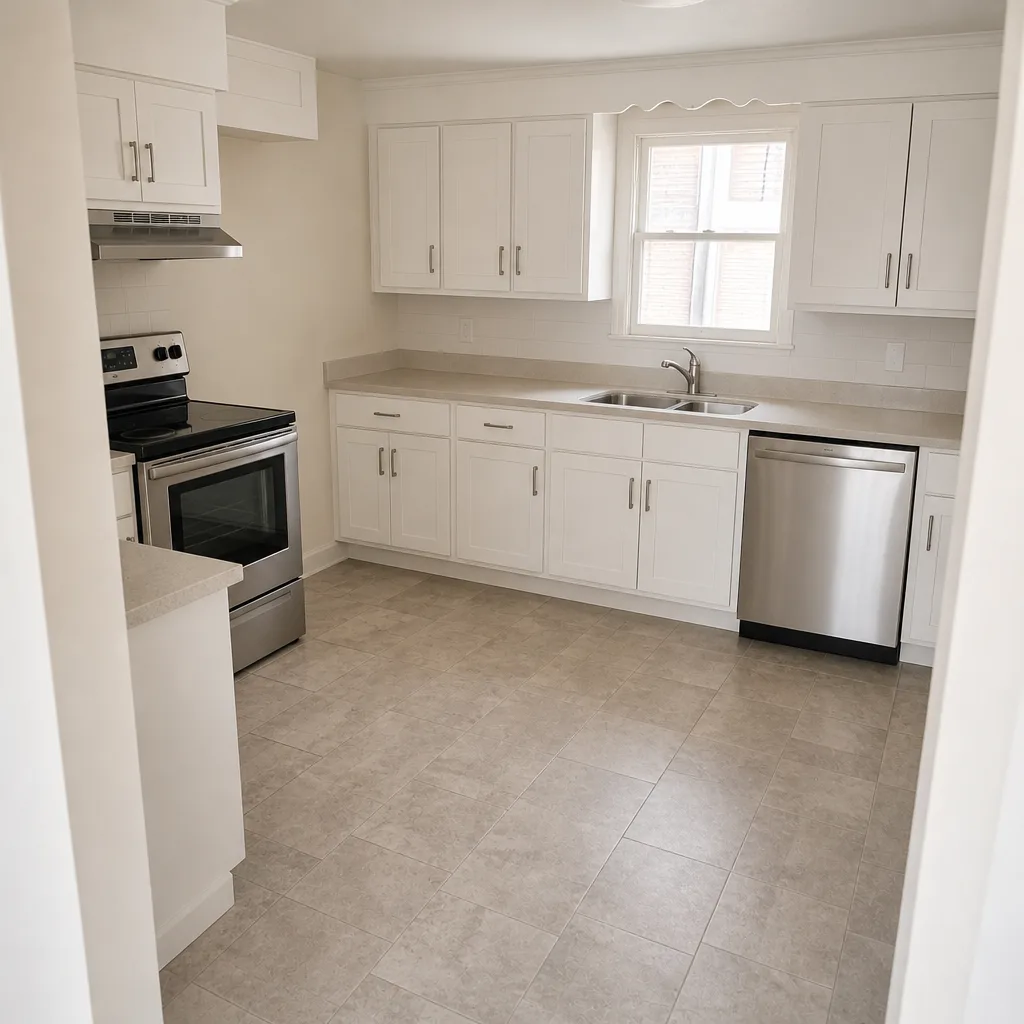 After
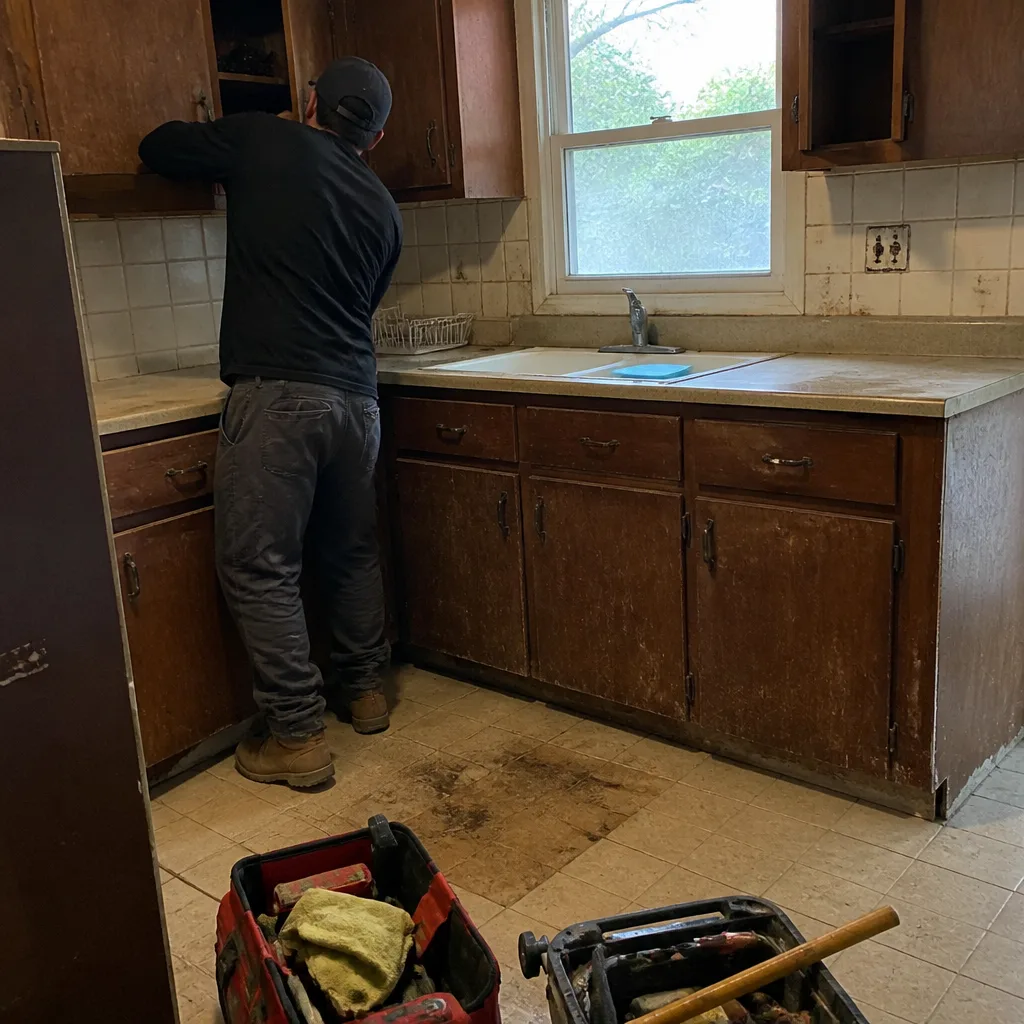 Before
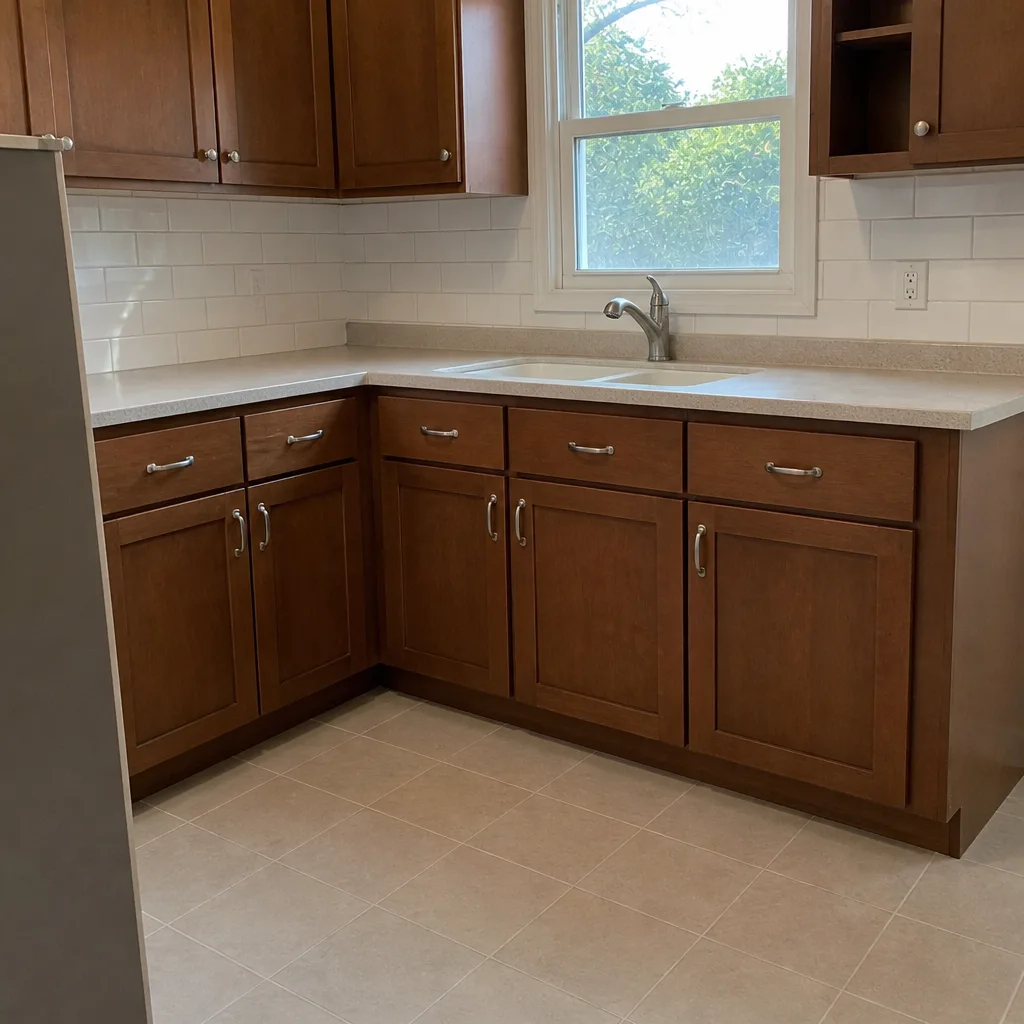 After
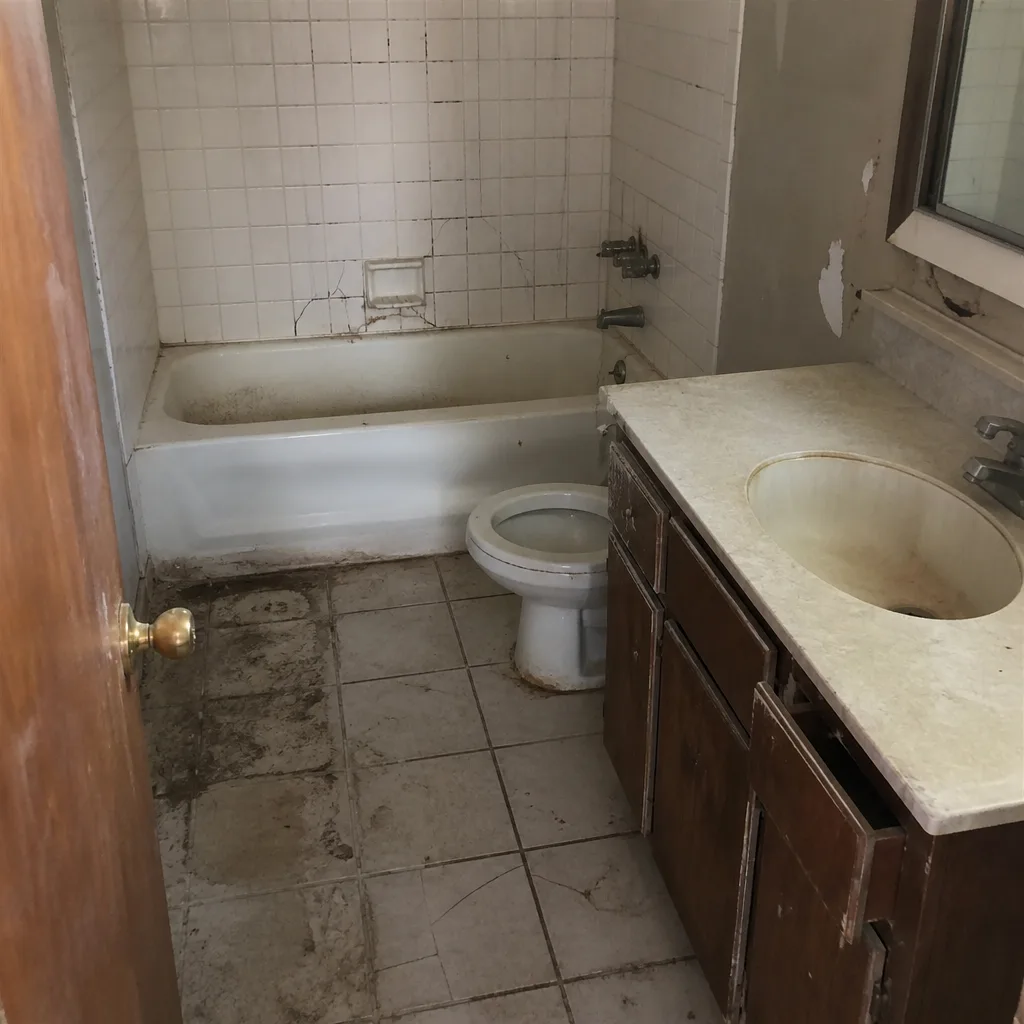 Before
 After
When to Call a Professional
Call a professional when the problem is structural, when water is getting in behind the wall, when a window or door has failed repeatedly after multiple fixes, or when the diagnosis lands on installation or framing rather than a single product. High windows, second-story units, and anything involving the rough opening or flashing should not be a homeowner project, especially with a possible warranty in play. If you’re seeing foundation indicators like brick cracks or doors that no longer latch, get that assessed by a structural professional before any cosmetic window or door work. Groundwork Construction Co. of Lewisville offers free estimates in Lewisville and can help you sort out product failure from installation failure in a single walkthrough. Call (844) 560-4467 to schedule.
The local pros we connect you with are licensed and insured as the State of Texas requires, and every job we take on is backed by the 730-Day Done Right Promise. Calls are answered by a live person around the clock, so you’re not stuck leaving a message when the door won’t close and the storm is rolling in.
Frequently Asked Questions
Seasonal sticking is almost always house movement, not hardware. North Texas clay soil shifts with moisture, which moves the slab edge and racks the wall framing slightly, closing up the door opening in the dry months and opening it back up when rain returns. The fix is resetting the door in the opening and adjusting the threshold, not replacing the hardware. If you’ve replaced hinges, strike plates, and weatherstripping and the sticking keeps coming back, call (844) 560-4467 for a free assessment.
A foggy window means the seal on the insulated glass unit has failed and moisture has entered the air space between the panes. It’s a product failure, not an installation failure, and it does reduce the window’s insulating value to roughly a single pane. The fix is replacing the IGU, and most quality manufacturers warranty the sealed unit. Call (844) 560-4467 and we can confirm whether your window qualifies for a warranty replacement.
No. Caulk over a door or window leak hides the problem and traps water inside the wall, which is how a simple flashing issue becomes rotted framing. The leak is coming from above the opening (usually at the head flashing or the sill pan), and it has to be addressed at the source. Call (844) 560-4467 for a free estimate on correcting the underlying issue.
Installation issues tend to be constant: the same draft in the same place regardless of season, water intruding after every heavy rain, gaps that don’t change. House-movement issues change with the weather and the seasons, and the same door that sticks in June swings free in November. If the problem is seasonal, suspect movement. If it’s steady, suspect the install. A walkthrough from a pro is the fastest way to know for sure, and our estimates are free at (844) 560-4467.
Yes, mainly because of the foundation. The soil movement cycle here is harder on openings than in most of the country, so door adjustments, foundation watering, and sill flashing checks matter more consistently. Highly rated local pros like Andersen and Marvin help as brands, but the maintenance routine is what carries the install through the long haul. Call (844) 560-4467 if you’d like a free estimate on tuning up a problematic opening.
Photograph the problem in context with a scale, keep a dated symptom log with weather notes, save every invoice and email, and get any third-party assessment in writing. That paper trail is what tips a warranty decision in your favor. If you’d like a written assessment before you file, call (844) 560-4467 for a free estimate.
The Bottom Line
Windows and doors fail for one of three reasons: the product, the installation, or the house. The symptom tells you which, and getting the diagnosis right is worth more than any repair. Drafts at the perimeter, seasonal sticking, and water in the wall are almost always install or movement problems, not hardware problems. Foggy glass is a product failure. Leaks that survive a caulk job are happening above the opening. Build a paper trail from day one, water your slab in a drought, exercise your windows twice a year, and call a pro before you replace a window that was never the problem. Groundwork Construction Co. of Lewisville can walk any of this with you, and the estimate is free. Call (844) 560-4467.
Written by the team at Groundwork Construction Co. of Lewisville.