Last updated November 18, 2026



Free written scope consultation - allowances, timeline, and change-order rules on paper before a single trade is scheduled
How Long Does Windows & Doors Take? Timelines and What to Expect
Installing a window takes four to six hours. The window itself can take six to twelve weeks to arrive. Most homeowners don’t learn that second number until after they’ve signed a contract and scheduled their install date, and that gap is exactly where good projects go sideways. When the product lead time and the installation schedule collide on the wrong day, a one-day install turns into a three-week wait with a hole where your wall used to be.
This guide breaks the window and door replacement timeline into its real, individual phases: measurement, order, lead time, prep, install, and inspection. We’ll show you what a realistic written schedule looks like, why custom and semi-custom orders behave differently than stock units, and how to sequence a whole-house project so your Lewisville home is never open to the weather for longer than a few hours. Here’s what actually happens, phase by phase.
Quick Answer
Window and door replacement typically takes one to two days of active installation per unit, but the full project usually runs six to sixteen weeks end to end because product lead times dominate. Stock or semi-custom windows can arrive in two to four weeks; full custom units, special glass specs, or non-standard doors can take six to twelve weeks. The installation is the fast part. The ordering and lead time is what you’re really scheduling around, and any contractor who quotes you a project date before confirming a product ship date is guessing.
Styles & brands we work with
- Kitchen remodeling
- Bathroom remodeling
- Home additions & ADU
- Roofing
- Windows & doors
- Driveway & pavers
- Fence
Table of Contents
- Why Window and Door Timelines Get Misquoted
- The Full Project Timeline, Phase by Phase
- Why Lead Times Dwarf Installation Time
- What Extends a Timeline: The Factors Most Contractors Skip
- How to Sequence a Whole-House Project Without Opening Your Home to Weather
- What a Realistic Written Schedule Should Look Like
- Red Flags in Vague Scheduling Language
- Lewisville-Specific Timing: Heat, Storms, and Permits
Why Window and Door Timelines Get Misquoted
The core problem is that two separate clocks are running, and they’re rarely synchronized. Clock one is the installation calendar: when a crew can be at your house. Clock two is the product calendar: when Andersen, Pella, or a custom fabricator can actually ship your order. Contractors who are honest about windows and doors will tell you the install clock is short and predictable. The product clock is long and variable. When a salesperson quotes “install in three to four weeks,” they’re often quoting the crew availability, not the product delivery, and those aren’t the same thing.
In our experience across Lewisville, the collision happens most often on whole-house orders where different units share a single shipment date. Miss one measurement by a half-inch, and the entire order holds. We’ve seen a fifteen-window replacement scheduled for a Monday sit in a warehouse for two extra weeks because one sliding door arrived with the wrong jamb depth. The crew was ready. The product was not. The homeowner had a wall cut open and a tarp over the frame for nine days.
Here’s the distinction that solves it: ask any contractor for two dates, not one. Ask for the expected product ship date and the target install date. If a bid only offers a single start date, you don’t have a schedule yet, you have a hope.
The Full Project Timeline, Phase by Phase
Window and door replacement runs through six distinct phases. Each one has an honest timeframe you can plan around. Here’s the breakdown we use on Lewisville projects.
- In-home measurement and product selection (1 – 3 days). Once you sign off on the design and we confirm product choices with our verified brand partners (Sterling for entry doors, Andersen and Pella for windows), we take final measurements. Semi-custom and custom units need exact field measurements, which happen after selection, not before.
- Order placement and confirmation (3 – 5 business days). The order goes to the manufacturer. You get an order acknowledgment with unit-by-unit specs. This is the phase where a wrong dimension catches first, before it becomes a problem.
- Product lead time (2 – 12 weeks). This is the variable phase. Stock sizes ship fastest. Custom sizing, special glass (low-E, tempered, impact), specialty hardware, or doors with sidelites all add weeks. See the lead-time breakdown below.
- Delivery and staging (1 – 3 days before install). Product arrives, gets inspected for damage, and is staged. Any damaged or incorrect unit gets flagged and reordered before the crew arrives, which protects your install date.
- Installation (1 – 2 days per unit; 3 – 5 days for a whole-house order). Stock windows can go in one per four to six hours. Doors take longer. Multi-unit jobs run several units daily with a sequencing plan that keeps openings closed at night.
- Finishing, trim, and inspection (1 – 3 days after install, plus inspection scheduling). Trim, caulk, flashing, and paint touch-up wrap the job. Permitted work gets inspected. In Lewisville, that inspection scheduling can add a few days of waiting.
Add those phases up and you get a realistic six to sixteen week range for the full job. The install itself is the smallest slice of the pie. Most homeowners are surprised by that, but it’s the honest math.
Why Lead Times Dwarf Installation Time
Consider the arithmetic. A crew can install a stock window in four to six hours. The window’s journey from factory to your wall takes two to twelve weeks. The product is on the road eight to twenty times longer than it’s in the hands of the person installing it. That’s the entire story behind misquoted timelines, and it’s why the smartest thing you can do is plan your project start date around product delivery, not the other way around.
Lead times vary a lot by product category. Here’s the rough landscape we see in the Lewisville market:
- Stock-size vinyl windows: 2 – 4 weeks. Fastest to arrive by far.
- Semi-custom vinyl and fiberglass: 4 – 7 weeks. Size and color choices add time.
- Full custom wood or clad windows (Andersen, Marvin, Pella): 6 – 10 weeks. Custom sizing, finish, and hardware all stack up.
- Entry doors and patio doors: 6 – 12 weeks. Doors carry more variables than windows: sidelites, glass inserts, hardware, and finish options.
- Specialty glass or impact-rated units: 8 – 12+ weeks. These run longest because the glass itself is a separate manufactured component.
- Specialty shapes (bay, arch, transom): 8 – 12 weeks. Curves don’t lend themselves to speed.
Brand partnerships help here. We work with a curated set of top-tier manufacturers, which means we can often get better lead-time visibility and fewer surprises than a contractor ordering one-off units from a broker. A GAF or CertainTeed shingle order and a Sterling door order move through very different supply chains, and knowing how each behaves saves weeks.
One practical planning note: if you’re replacing several windows and can accept semi-custom sizing instead of full custom, you may cut four to six weeks off the project. Sometimes the answer is to match an existing opening to a semi-custom size rather than build a unit to the exact opening. That’s a design conversation worth having early.
What Extends a Timeline: The Factors Most Contractors Skip
Plenty of bids quote a clean install date and then leave out the details that push it back. Here are the factors that most reliably extend a window and door timeline, so you can ask about each one before you sign.
- Multi-unit orders. As order size grows, so does the chance that one unit comes back wrong. Fifteen windows share one shipment date, and one bad unit holds the whole group. Ask how a contractor handles a single damaged unit on a multi-unit job.
- Special glass specs. Tempered glass (required in doors and near floor-level windows), low-E coatings, impact-rated glass for storm resistance, and custom glazing runs longer than stock clear glass. In North Texas, many homeowners add impact-rated or enhanced low-E options, and both add weeks.
- Permit requirements. Most like-for-like replacements don’t need a permit. But structural openings, egress window changes, or new door openings usually do. Permit approval timelines vary, and in Lewisville inspections get scheduled separately after install.
- Siding and trim work tied to installation. Replacing a window can disturb existing siding and trim. If the new unit isn’t the same size, or if the old trim gets damaged during removal, repair work adds time. Larger units often need header and framing changes.
- Non-standard rough openings. If measurements reveal rot, settling, or uneven framing behind the old unit, the schedule gains a repair phase. This is common in older Lewisville neighborhoods with original 1980s frames.
- Weather windows. Lewisville summers run hot and the storm season brings surprises. A crew won’t leave openings uncovered through a forecasted storm, so install days can shift around severe weather. A good sequencing plan builds in that buffer.
How to Sequence a Whole-House Project Without Opening Your Home to Weather
Whole-house window and door replacement is a sequencing problem, not a strength problem. Do it right and your home is never exposed to weather for more than a few hours per unit. Do it wrong and you’ve got plastic sheeting blowing off the front of your house in a North Texas thunderstorm.
Here’s the sequencing approach we use on Lewisville whole-house projects:
- Order all product to arrive ahead of the first crew day. Never start install on a partial shipment. Wait for the complete order, inspect everything, and only then schedule the crew.
- Group units by elevation, not by room. Do the north side of the house one day, south side the next. This lets the crew work efficiently and keeps each side sealed before moving on.
- Save the most weather-sensitive units for a forecast-safe window. Patio and entry doors get installed on days with a clear forecast, not the morning of a storm system.
- Never open more than the crew can seal the same day. A good crew opens what it closes. If a job runs long, the remaining units shift to the next day rather than sitting open overnight.
- Keep a temporary weather barrier on hand for every day of install. New construction plastic and tarp-ready frames are standard prep, not an emergency measure. Build this into the plan rather than discovering you need it at noon.
If you’ve already replaced your roof, the two jobs can interact well when scheduled together. If you’re also planning exterior work like Driveway & Pavers in Lewisville, sequence it after the windows so the paver crew isn’t working around ladders and staging materials. Same logic for Fence Installation in Lewisville: put the fence up last so no crew damages it while replacing windows on that elevation.
What a Realistic Written Schedule Should Look Like
A real written schedule from a real contractor has named dates and named phases on it. It’s not a promise of a single start day. It’s a document that shows product ship date, delivery and inspection date, install start and end dates (by section of the house if the job is large), and inspection scheduling. If your contractor can’t produce that, you have a quote, not a schedule.
Here’s what a proper schedule includes for a whole-house window and door job in Lewisville:
- Measurement completion date and sign-off confirmation.
- Order acknowledgment date with manufacturer lead time in writing.
- Expected ship date from the manufacturer, with any risk window noted.
- Delivery and inspection date at staging.
- Install start and end dates, broken by elevation or floor.
- Inspection scheduling dates if permits were pulled.
- Punch list and final walkthrough date.
Notice what’s not on that list: a fuzzy “install in two to three weeks” line. That kind of language means the contractor either hasn’t confirmed the ship date or has and doesn’t want to tell you what it is. Either way, you can’t plan your life around it. When we write schedules for Lewisville homeowners, the product ship date comes first and every downstream date builds from it. If you want to see how this fits into a larger whole-home improvement, look at our Home Additions & ADU in Lewisville work, where schedule visibility matters even more because the stakes are bigger.
Red Flags in Vague Scheduling Language
Some scheduling language is a warning sign. Watch for these phrases and ask for specifics before signing anything.
- “Install within a couple of weeks.” A couple of weeks from what? The order? The measurement? Today? Unanchored dates are usually wishful.
- “Product availability TBD.” If the contractor hasn’t confirmed a ship date, you don’t have a schedule yet.
- “We’ll schedule install as soon as product arrives.” This often means the crew isn’t booked and you’re at the back of the queue once units land.
- “Some delays are possible.” True in every project, but vague. Ask which phases carry risk and how the contractor handles a delay.
- No written schedule at all. Verbal schedules are the most common source of project disappointment. Get it in writing, in a document you keep.
- No damage or replacement plan for a bad unit. A good contractor names the process for a damaged or incorrect window, and it happens before the crew shows up.
- No mention of inspections or permits. In Lewisville, permitted replacement work carries inspection scheduling that affects final completion. A schedule that skips it isn’t a full schedule.
Lewisville-Specific Timing: Heat, Storms, and Permits
Lewisville has a few local factors that shape window and door timing in ways that don’t show up on a manufacturer’s lead-time sheet.
Summer heat. July and August highs push past 100 degrees regularly, which affects installation pacing. Crews do better installing windows and doors in the morning when heat isn’t compounding the danger of large glass handling. A summer project can extend an install by a day or two because of afternoon heat breaks, not because of inefficiency. If you can schedule install in spring or fall, you get more flexibility in the daily plan.
Storm season. Spring and early summer bring fast-moving thunderstorms and the occasional hail event. A good crew watches the forecast and won’t leave a frame unsealed when a storm system is approaching. Sometimes that means a planned install day shifts by a day or two. That’s not a delay; it’s professional care.
Hail and impact-rated glass. If you’re replacing windows after a hail event, impact-rated glass is worth the discussion, and it comes with longer lead times (see the lead-time list above). Plan for it. If your roof also needs attention, sequence the roof first and windows after: the roof protects everything beneath it, and a roofing crew on the roof while a window crew is on ladders is a bad combination. See our Groundwork Construction Co. of Lewisville home for how we coordinate multi-trade projects on a single timeline.
Permit and inspection timing. Like-for-like window replacements typically don’t require a permit, but door replacements that change the opening, or window changes that affect egress, usually do. Lewisville inspection scheduling adds a few days after install before the job is formally closed out, and a good schedule builds that into the plan up front.
Neighborhood context. Lewisville’s older neighborhoods along the lake have original frames that are more likely to reveal rot, uneven settling, or undersized rough openings during removal. When that shows up, the schedule gains a repair phase. Budget a few buffer days on those projects. Newer construction in the northern part of the city tends to have fewer surprises, but every project gets verified during measurement.
Common Mistakes to Avoid
- Signing a contract before you have both a ship date and an install date. One date is not a schedule. If the contractor won’t write down the product ship date, ask why.
- Assuming all windows in an order will arrive together, on time. Multi-unit jobs frequently need one replacement unit before install begins. Ask how the contractor handles a single damaged unit.
- Scheduling install during a forecasted storm week. In Lewisville, a shift of a few days around a storm system is normal and protective. Insisting on the original date to save a day is a bad trade.
- Choosing the fastest-arriving product instead of the right product. Stock sizes ship in two to four weeks; custom sizes take six to ten. If you’re choosing stock only for speed and it means a worse fit for your home, wait for the right unit. A GAF or CertainTeed roofing order moves differently than window orders do, and speed on one trade isn’t speed on another.
- Skipping the question about permits. If a door opening is changing, ask about permits up front. A post-install permit surprise costs weeks.
- Breaking the schedule after partial order arrival. Waiting for the full order to land, inspecting everything, and then starting install is safer than starting late on a partial. Doing it half at a time invites a disaster in the middle of a Texas storm.
- Not scheduling a final walkthrough. The punch list is part of the job. It should not be left to “we’ll come back when we have another job nearby.”
See the difference
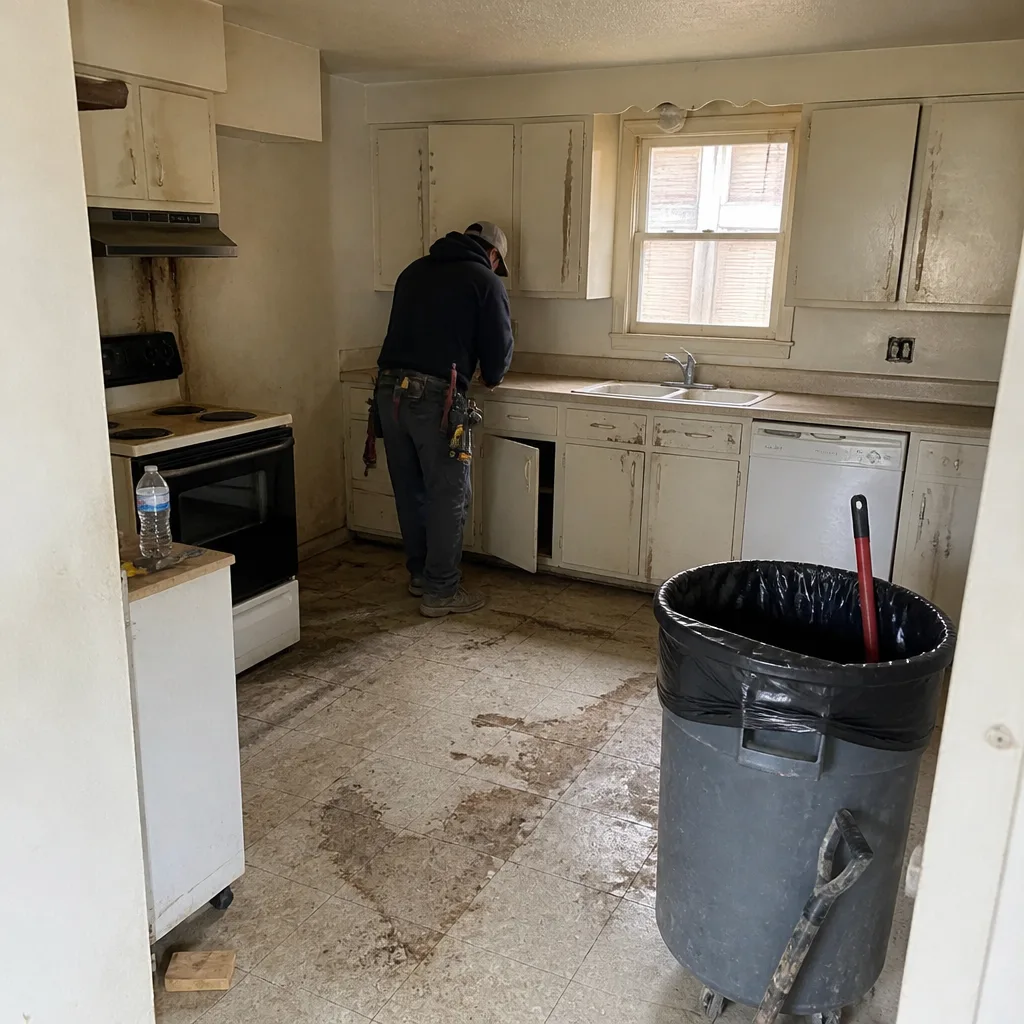 Before
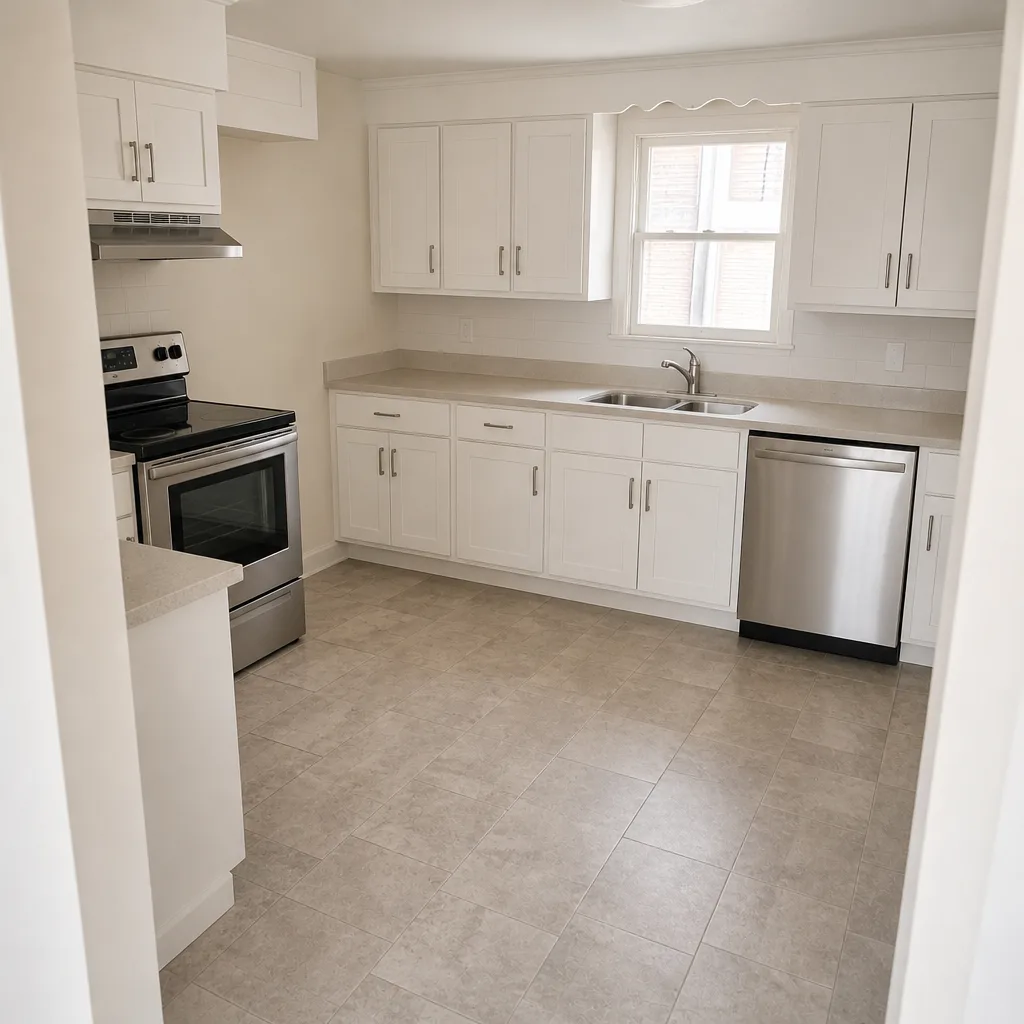 After
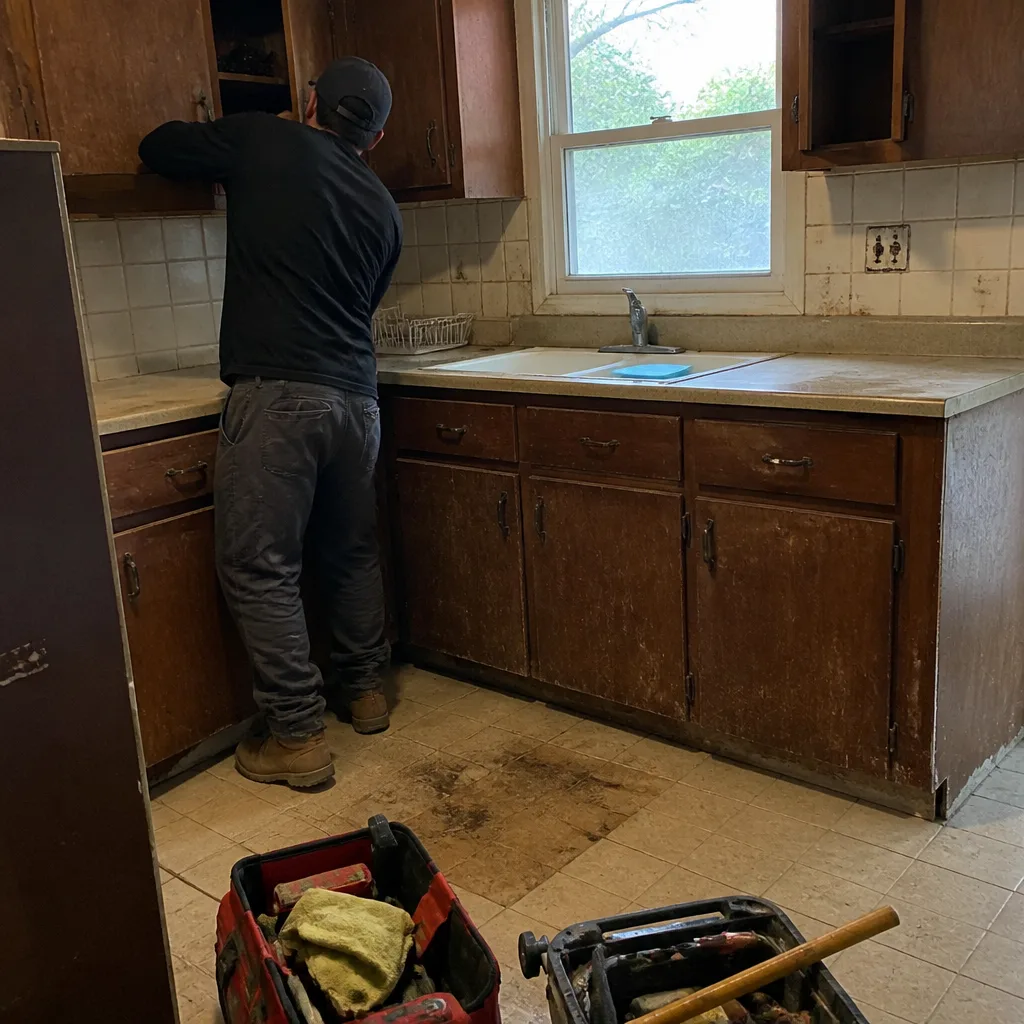 Before
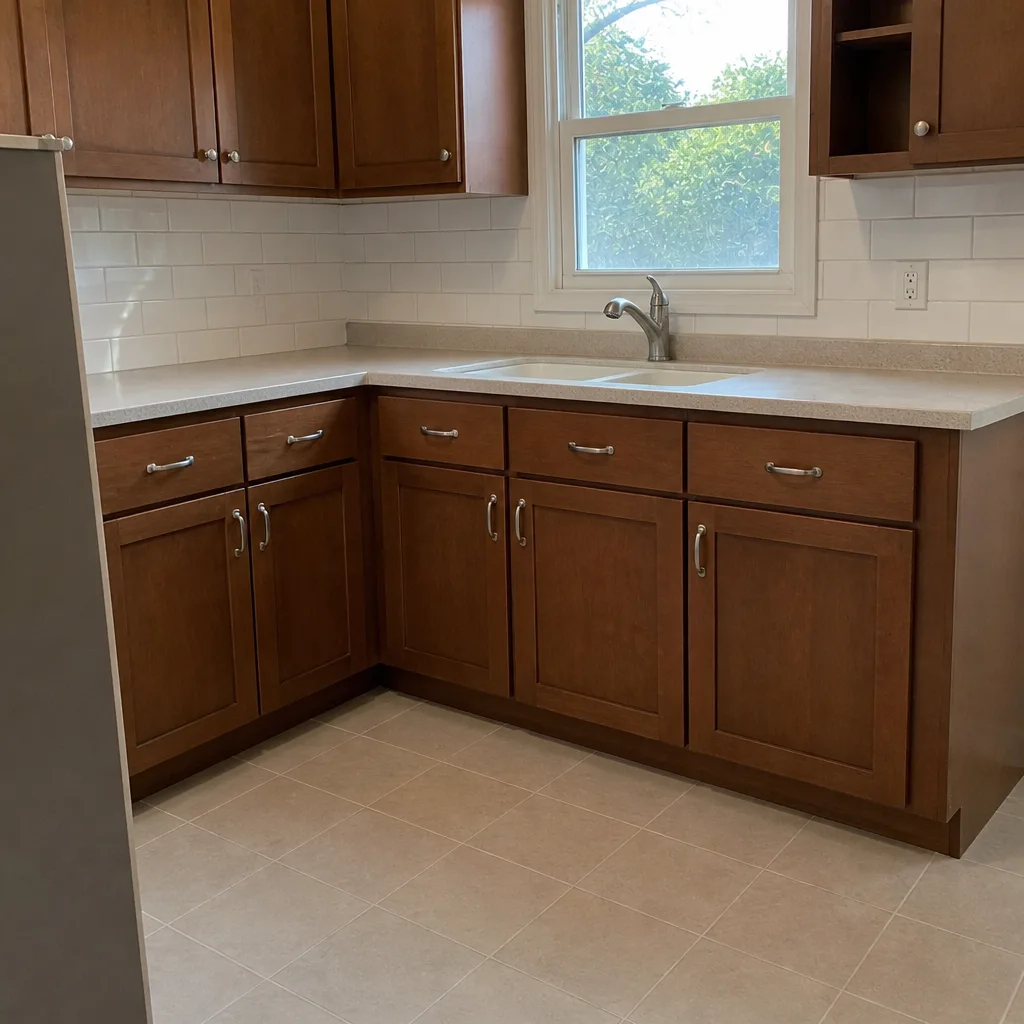 After
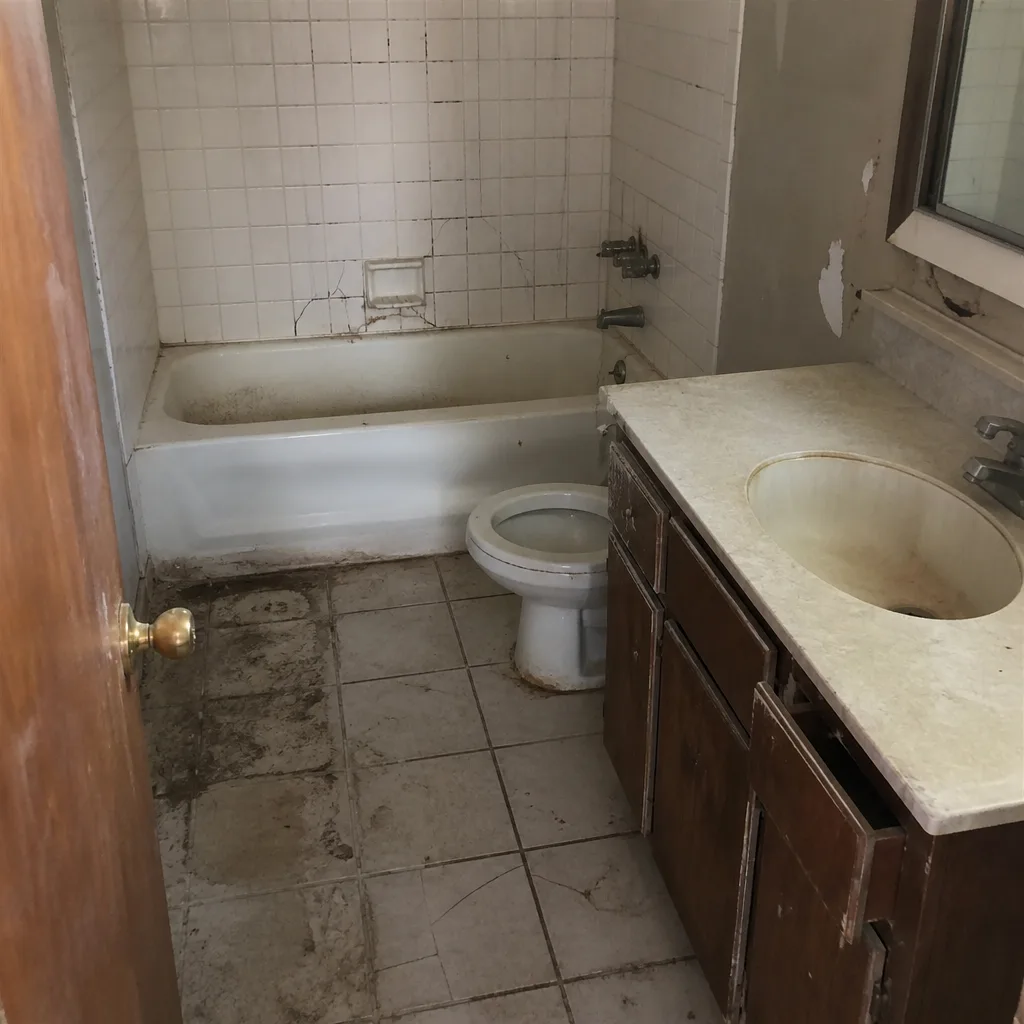 Before
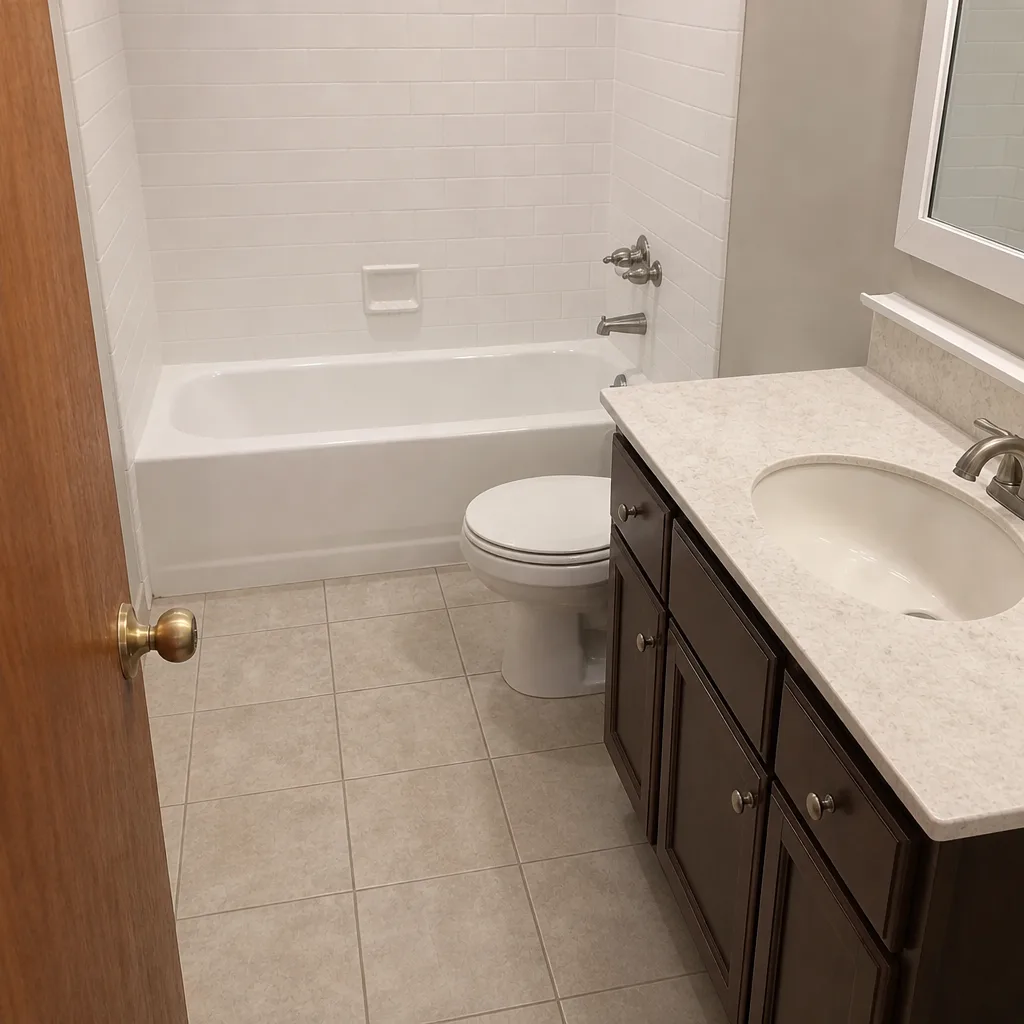 After
When to Call a Professional
Window and door replacement is a job for a trained professional. Glass handling at height, framing integration, flashing details that keep water out, and the safety side of working from ladders all carry real risk, and a botched flashing job can quietly cause water damage for years. Call a professional if a unit was installed by a prior owner and isn’t sealing properly, if you see daylight or moisture around an existing frame, if you’re planning a multi-window project, or if you’ve had a storm event and need an assessment. Groundwork Construction Co. of Lewisville offers free estimates in Lewisville, with written line-item schedules and upfront pricing, no surprises. Call (844) 560-4467 to schedule yours.
Frequently Asked Questions
Active installation typically takes one to two days per window and two to three days per door, with whole-house projects running three to five days of active install. The full project, from measurement to final inspection, usually runs six to sixteen weeks because product lead times dominate. Call (844) 560-4467 for an exact schedule based on your units and product choices.
The window spends most of its life in the factory and on the truck, not in your wall. A crew installs a stock window in four to six hours, but the unit itself takes two to twelve weeks to reach you, depending on whether it’s stock, semi-custom, or fully custom. The install is fast; the order is slow. Call (844) 560-4467 for current lead times on the products you’re considering.
Yes. Stock-size windows typically ship in two to four weeks, while full custom takes six to ten. If a semi-custom size can match your existing opening, you may save four to six weeks. But don’t sacrifice fit for speed. Ask your contractor to run the lead time honestly against both options, and call (844) 560-4467 for a free estimate that lays it out side by side.
Most like-for-like window replacements don’t require a permit, but door replacements that change the opening, or window changes that affect egress (required escape routes in bedrooms), usually do. Inspections are scheduled after install and can add a few days to closeout. Call (844) 560-4467 if you’re unsure whether your project needs a permit.
Multi-unit orders, special glass specs, and framing or trim work tied to the install are the biggest extenders. One wrong unit on a fifteen-window order can hold the entire shipment. Non-standard rough openings, or rot found behind old frames, add a repair phase. Call (844) 560-4467 for an estimate that accounts for each of these.
Not with a written, line-item estimate and upfront pricing. The price you sign is the price you pay, with no change orders for scope that was already quoted. If we find non-standard rough openings or hidden rot behind an old frame after install starts, we stop and discuss before proceeding. Groundwork’s 730-Day Done Right Promise backs the workmanship on every project. Call (844) 560-4467 to schedule a free estimate.
The Bottom Line
Window and door replacement takes one to two days of active install per unit, but the full project runs six to sixteen weeks because product lead times dominate the timeline. The install is fast. The order is slow. Get both a product ship date and an install date in writing before you sign anything, wait for the full order to arrive and be inspected before install starts, and sequence your project by elevation so your home is never open to the weather overnight. In Lewisville, add buffer for summer heat, spring storms, and inspection scheduling. Do that, and a well-planned project runs predictably. Skip it, and a one-day install can stretch into a three-week wait with a hole in your wall. Groundwork Construction Co. of Lewisville handles the full schedule, start to finish, backed by our 730-Day Done Right Promise.
Ready to price your project? Call (844) 560-4467 for a free estimate. Calls are answered by a live person 24/7, technicians are background-checked and arrive in uniform, and every project comes with upfront pricing, no surprises.
Written by the team at Groundwork Construction Co. of Lewisville.