Free written scope consultation - allowances, timeline, and change-order rules on paper before a single trade is scheduled
ADU Site Prep & Utilities in The Colony: What It Takes and What It Costs
ADU site prep and utilities in The Colony runs $45,000 – $130,000 for the site work, utility trenching, and connection portion of a backyard unit, and typically takes 6 – 10 weeks before the first wall goes up. That covers grading, the foundation pad, running electric, water, sewer, and gas from the main house or the street, and passing The Colony’s inspections at each stage. Call (844) 560-4467 to schedule a free on-site estimate.
How the Work Actually Sequences, Week by Week
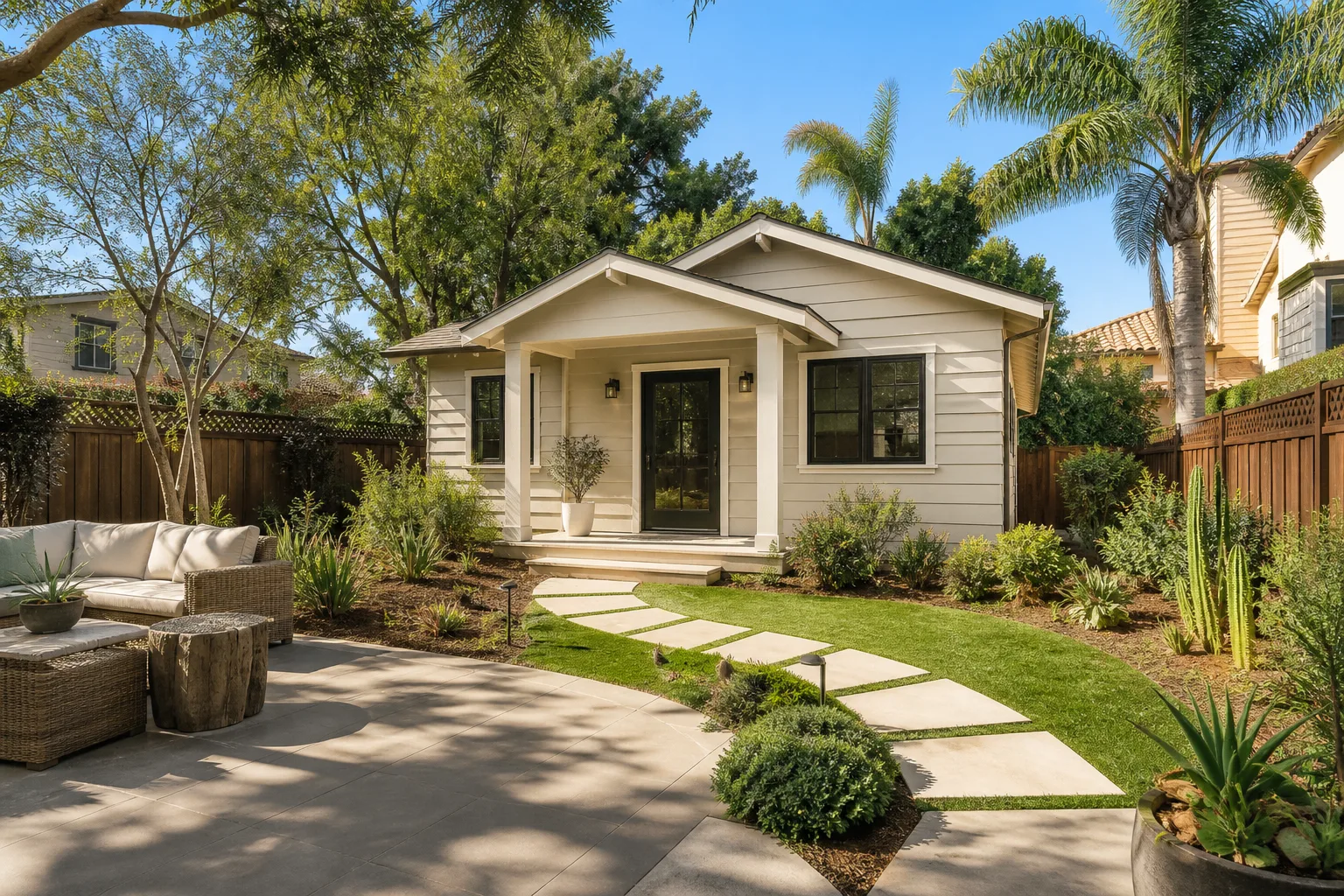
This is the part most homeowners underestimate. Site prep and utilities aren’t a two-day errand before the “real” build; they’re the stage that decides whether the rest of the project runs on schedule or stalls at inspection. Here’s how we run it.
Stage 1: Site assessment and utility locate (days 1 – 2)
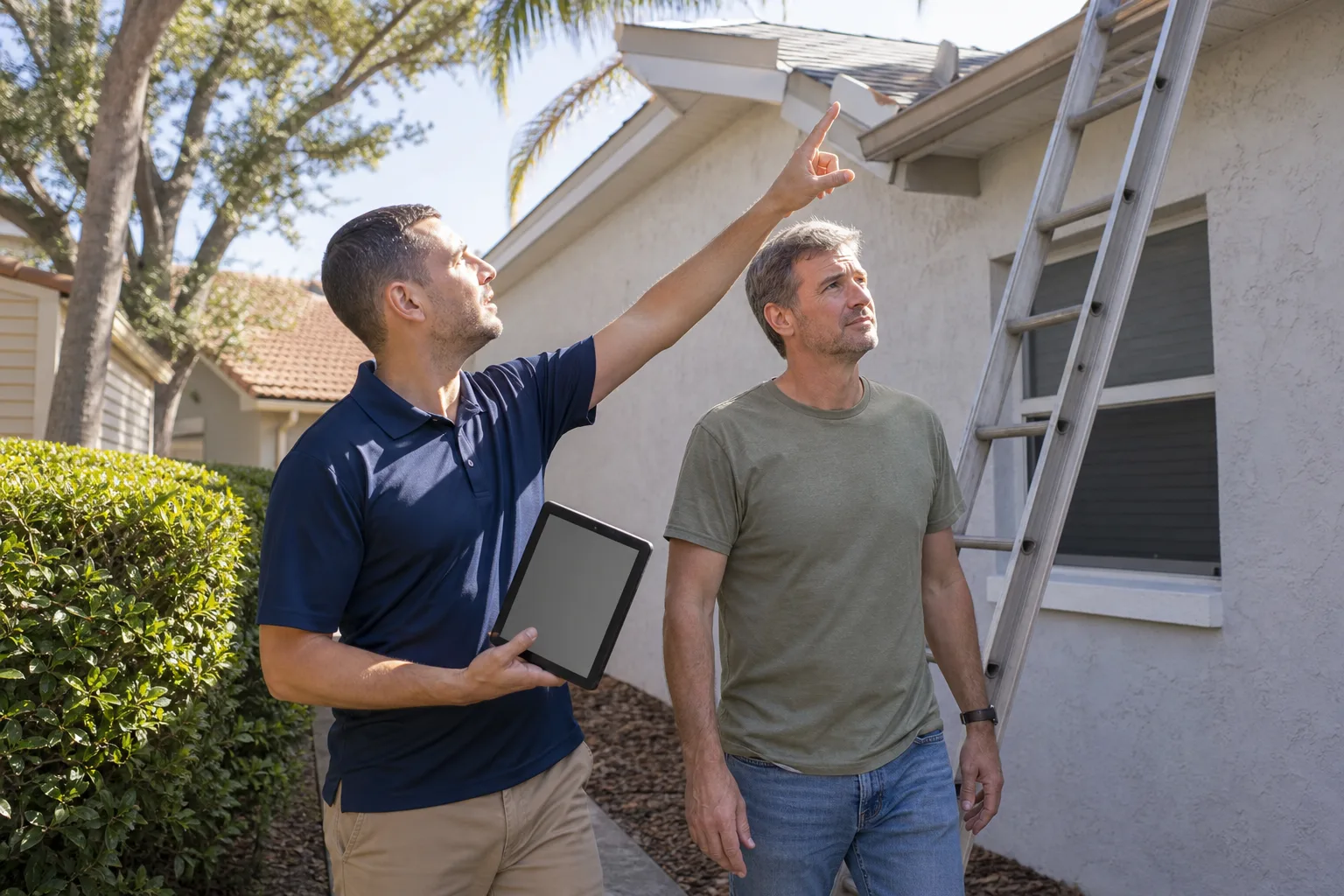
We walk the yard, pull the plat and any prior permits on file, and call in the utility locate before a shovel touches the ground. You’ll decide the exact ADU footprint and setback at this stage, because where the pad sits determines how far every utility run has to travel. Deep lots with the unit set back 60 feet cost more to trench than a pad tucked closer to the house.
Stage 2: Grading, excavation, and drainage (days 3 – 6)
We strip topsoil, cut and fill to the pad elevation, and establish the slope that sends water away from both the ADU and the existing house. The Colony’s expansive clay makes this step matter: a pad graded flat will heave and settle within a season. You’ll sign off on the pad elevation and the drainage swale route here.
Stage 3: Utility trenching and rough-in (days 6 – 12)
Electric, water, sewer, and gas each get their own trench run and their own inspection window. Sewer needs fall to the connection point, so the trench depth and slope get set at this point, not adjusted later. This is the stage where surprises cost real money: a root-bound line, a shallow main, or a sewer clean-out that isn’t where the plat says it is. Homes built in The Colony’s 1970s – 90s subdivisions frequently have utility runs that have shifted or settled over four decades.
Stage 4: Foundation pad and conduit (days 12 – 18)
Once trenching is inspected, we pour the pad and set conduit and stub-outs for the future structure. You’ll choose pad type (slab-on-grade, pier-and-beam, or a conditioned crawlspace) and confirm utility stub locations relative to the ADU wall lines. Get this wrong and every later trade fights the building.
Stage 5: Inspection, backfill, and handoff to the build (days 18 – 25)
The city inspects the rough utilities, we backfill and compact the trenches, restore the lawn, and hand off to the construction phase. You’ll receive the inspection sign-offs and a utility as-built drawing that maps every run, which protects you years down the road if you ever add a pool, fence, or second unit.
Styles & brands we work with
- Kitchen remodeling
- Bathroom remodeling
- Home additions & ADU
- Roofing
- Windows & doors
- Driveway & pavers
- Fence
The Spec Choices That Move the Number
Before any dirt moves, you’re picking between options that determine both cost and how the ADU behaves for the next 40 years. Here’s where the honest trade-offs live.
- Trench length and utility source. Tapping off the main house is usually cheaper than a fresh lateral to the street, but only if your main has capacity. On older lots, a new lateral from the city main can add $8,000 – $20,000. Short runs off the house keep costs down; long lake-lot runs don’t.
- Electrical service. A dedicated 100-amp or 200-amp sub-panel from the house is the standard choice. If the main panel is maxed out, a service upgrade is a separate cost and a separate permit. Plan for 200-amp capacity if the ADU will have an EV charger or heat pump.
- Sewer vs. septic. Most The Colony lots connect to city sewer; a handful of older lakefront properties have septic systems that will need to be evaluated for added load. Connecting to municipal sewer is the cleaner option; replacing a failing septic system before adding an ADU can run $15,000 – $40,000.
- Pad type. Slab-on-grade is the most cost-effective and the most common in this area. Pier-and-beam opens up a few more dollars in cost but makes future utility access easier. On the expansive clay around Lewisville Lake, we always run a moisture barrier under the slab.
- Grading and drainage. A lot with good existing slope is straightforward. A flat or negatively sloped yard needs a French drain, swale, or dry well – a $3,000 – $8,000 line item that catches homeowners off guard.
Materials and systems have quality tiers that are worth discussing with the estimator before signing. We work with brands like CertainTeed and Owens Corning on the structural and envelope side of the eventual ADU build. Where storm-loaded envelope matters, those brand choices carry into the roof and wall assembly the site work supports.
What ADU Site Prep & Utilities Costs in The Colony, TX
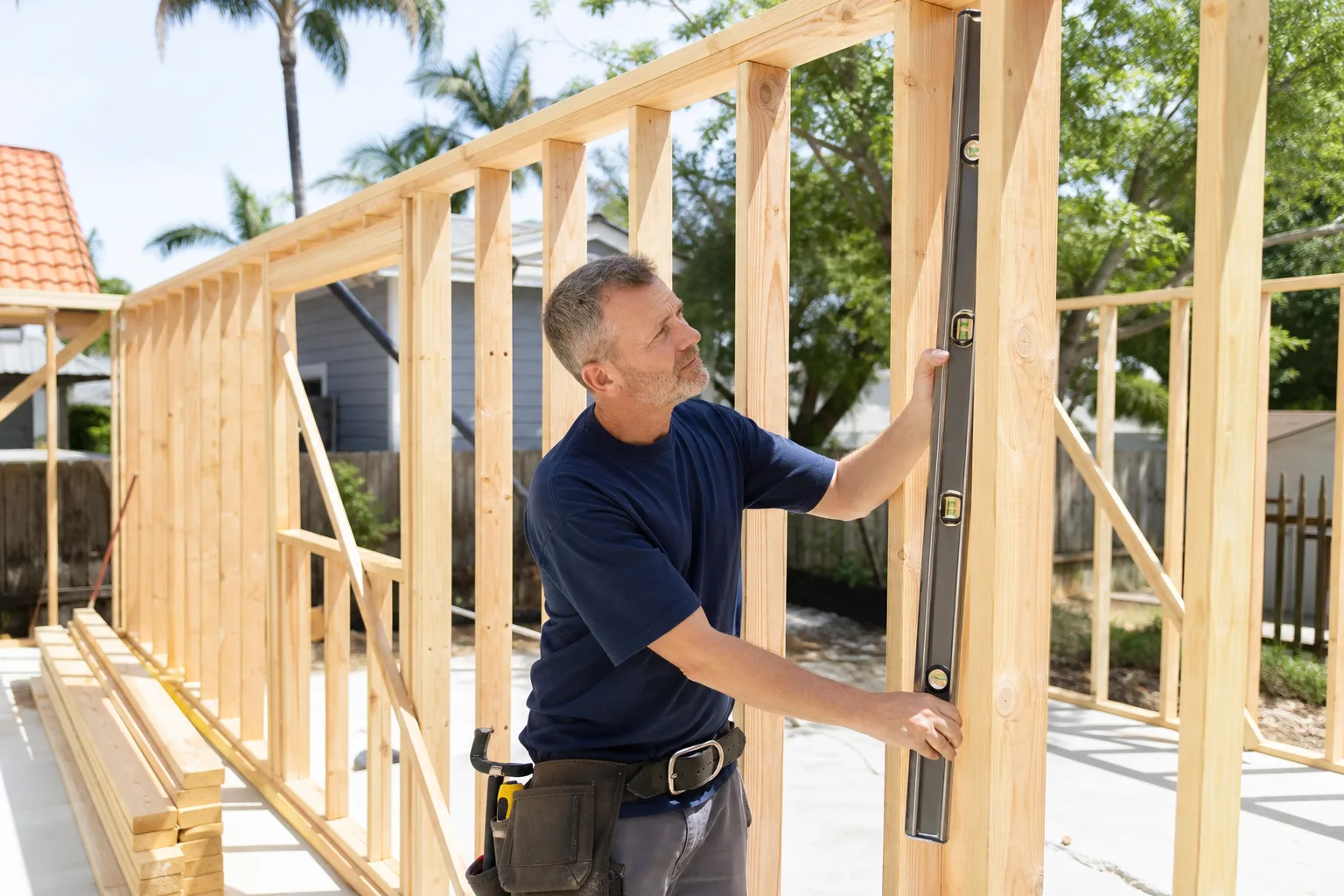
Site prep and utilities for a The Colony ADU run $45,000 – $130,000. That’s the site-and-utilities portion of the total ADU project, not the whole build. A simple pad with short utility runs off an existing main sits near the low end; a long-lot build with a service upgrade, drainage work, and a new lateral lands at the top.
What pushes a job low to high:
- Run length. Tapping the house 20 feet away vs. running 100 feet to the street corner can swing the number by $10,000 – $25,000.
- Utility capacity. A main panel with spare capacity is cheap; a service upgrade is not. Same story for water pressure and sewer elevation.
- Grade and drainage. Flat or sloped-toward-the-house lots need engineered drainage. That’s $3,000 – $8,000 typically.
- Soil conditions. Expansive clay, rock at depth, or high groundwater all change pad construction and trench cost.
- Permit scope. Separate utility, grading, and building permits add inspection cycles and fees. A combined permit under one scope usually saves time.
Your written estimate will itemize grading, trenching, pad, utility connections, permit fees, and inspection costs line by line. It won’t include the ADU structure itself – that’s the build phase, and it’s quoted separately. Call (844) 560-4467 for an exact quote; estimates are free.
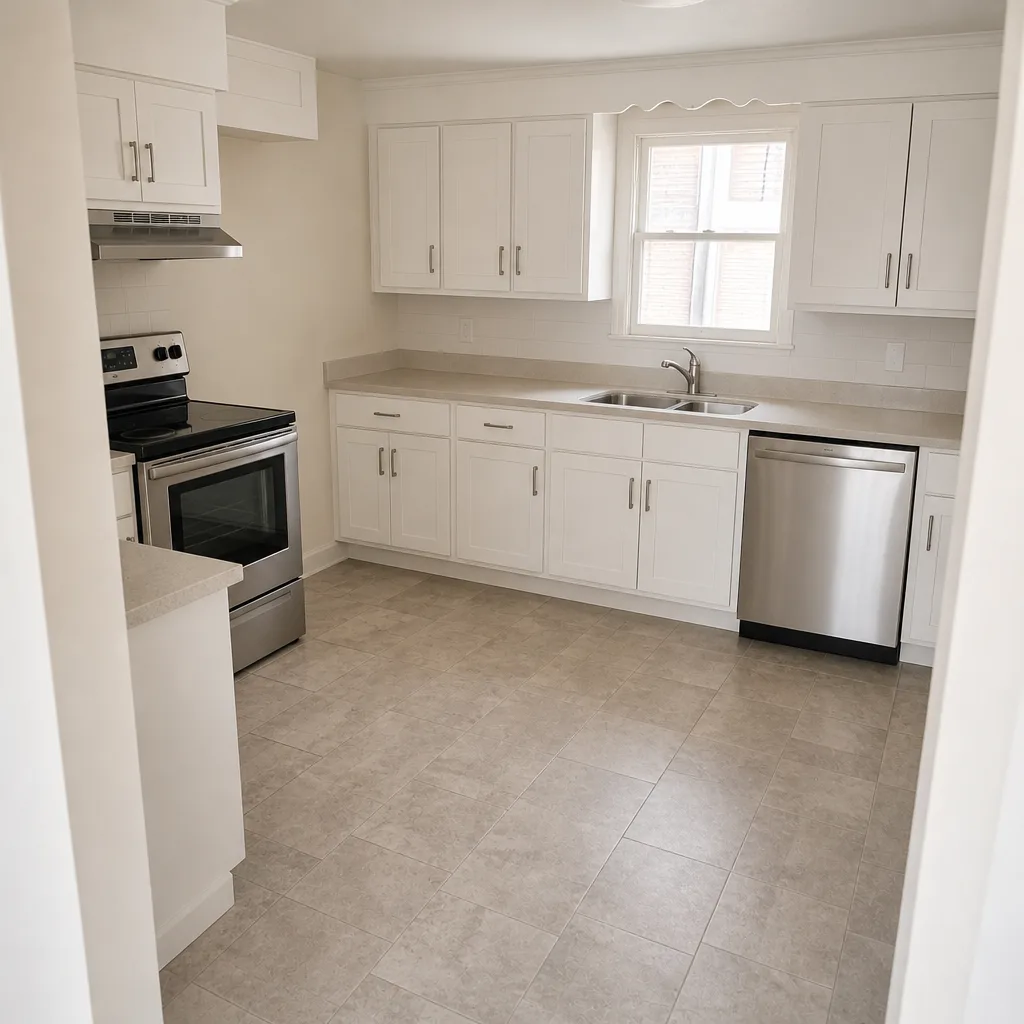
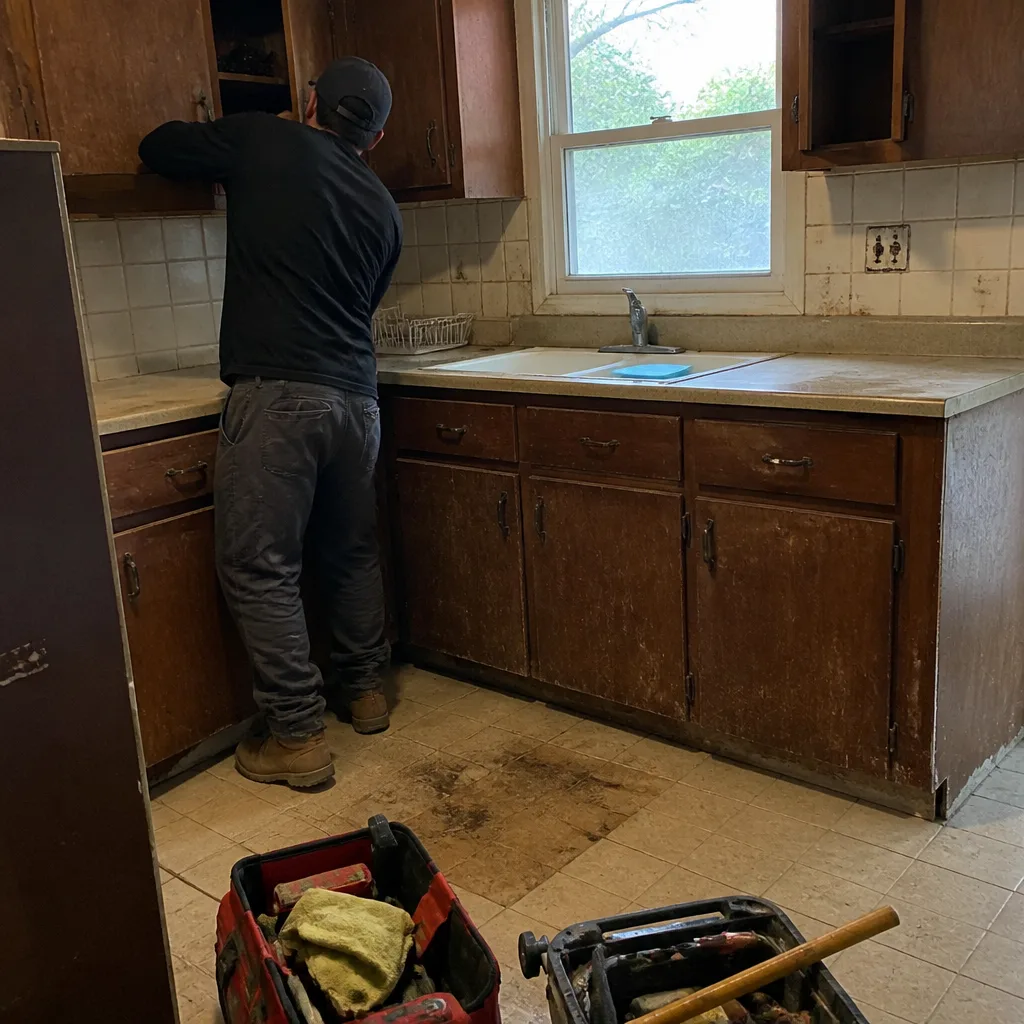
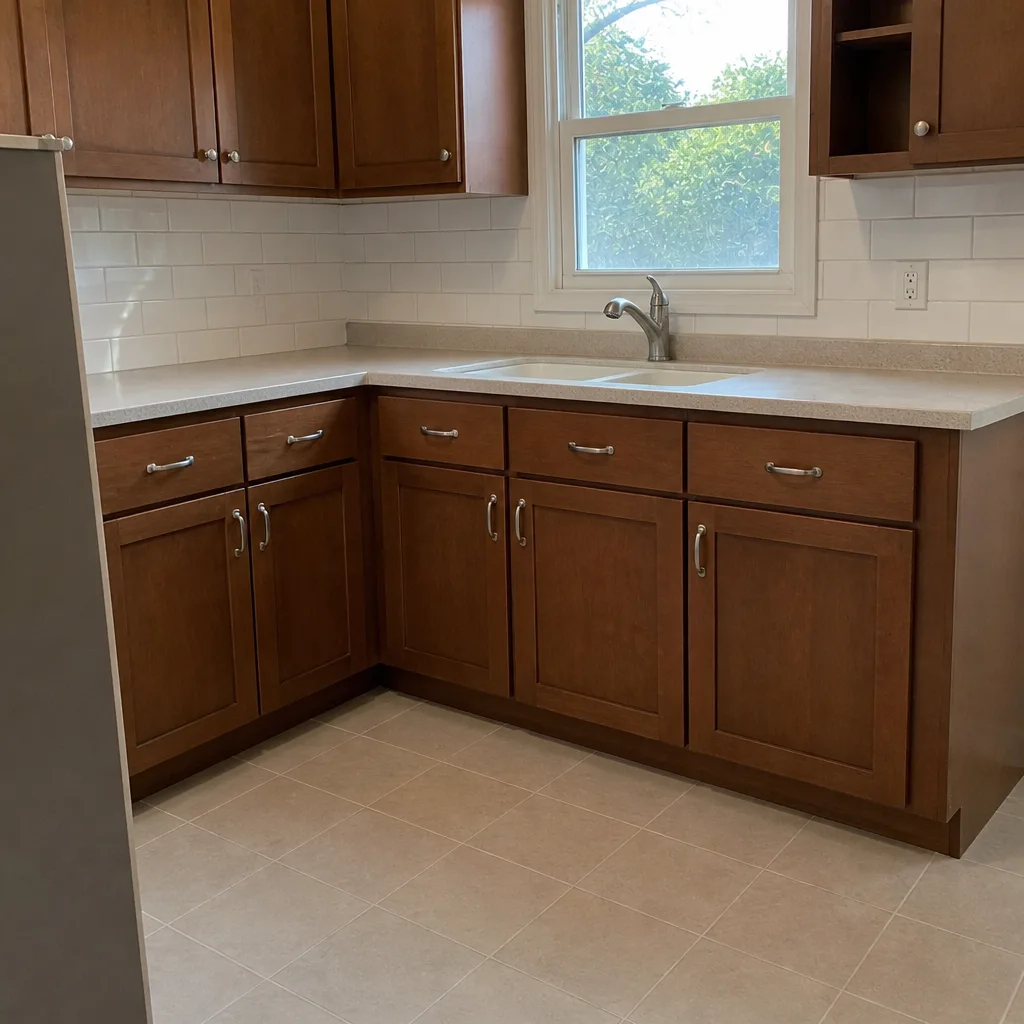
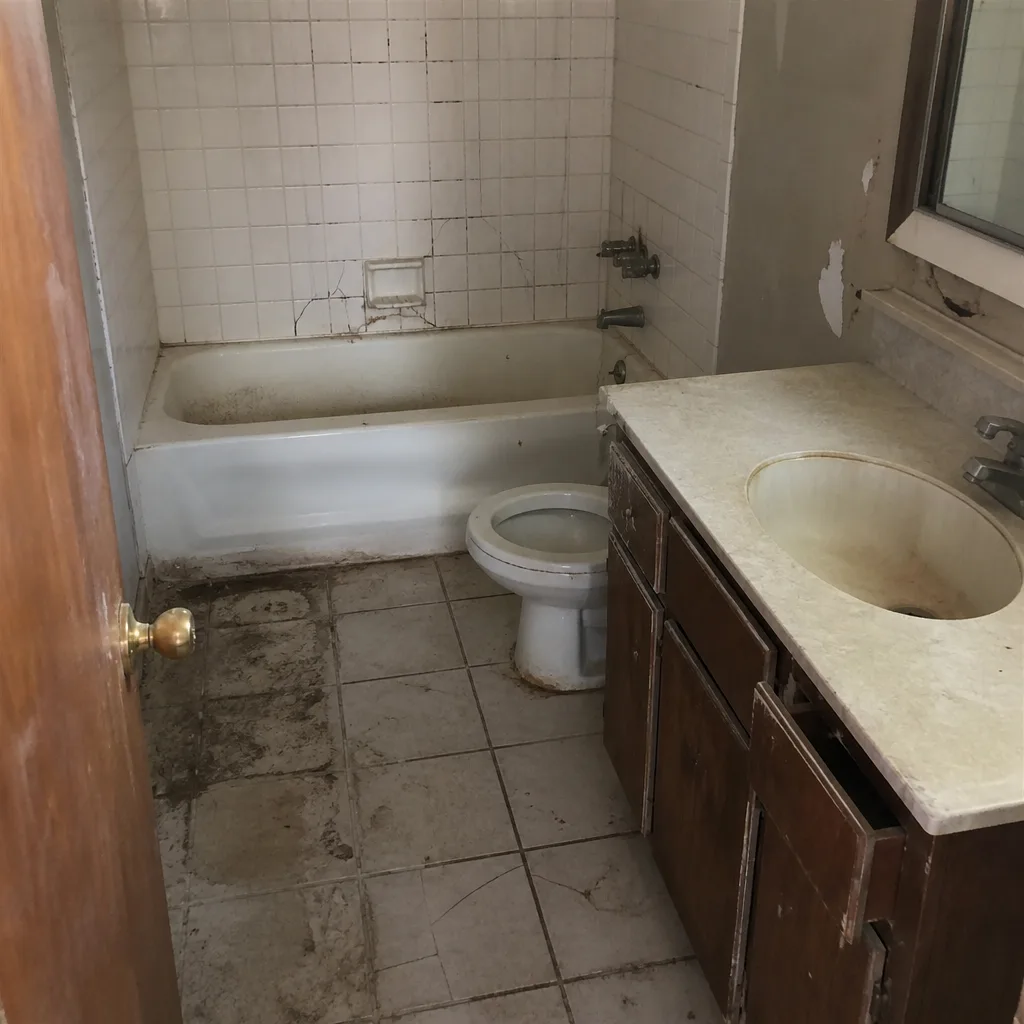
See the difference
 Before
 After
 Before
 After
 Before
 After
What The Colony Homes Specifically Do to This Job
The Colony is a built-out, landlocked city on the south shore of Lewisville Lake, and almost no ground here breaks new. That changes the ADU equation: you’re not building on virgin soil, you’re building behind a house that’s already 40-plus years old, with utilities, fences, and mature trees in the way. In the 75056 ZIP and especially in the older lake-adjacent subdivisions, homes built in the 1970s and 1980s are hitting the point where original water and sewer laterals have lived their service life. Before we trench an ADU, we often find a main line that’s settled or root-damaged, and that becomes part of the project scope. North Texas clay movement makes trench walls and pad prep a different experience here than on sandier ground, and the spring hail and high-wind pattern means any above-grade work we prep for the ADU has to account for wind load. When the ADU needs a driveway apron or a fresh sidewalk pour after utility work, homeowners often pair this with Concrete Driveways & Concrete Work in The Colony, and a paver approach is another common choice for Paver Driveways in The Colony.
This site work is one phase of a larger project – if you haven’t locked in the build scope yet, our overview of Home Additions & ADU in The Colony lays out the full picture. And our Home Additions & ADU service covers every phase from the pad we prep to the final inspection.
Serving The Colony, TX – Our Local Coverage Area
We serve The Colony and nearby communities. Use the map below to see the area we cover. If you’re nearby, we can almost certainly help.
Frequently Asked: ADU Site Prep & Utilities in The Colony
Plan on 6 – 10 weeks from breaking ground to signing off the rough utilities. Most of that is wait time on permits and inspection scheduling, not field work. The trenches and pad go in fast; getting each utility inspected and signed off is what stretches the calendar. Call (844) 560-4467 to get a schedule estimate for your lot.
Yes. Utility connections, grading, and pad construction each require permits and inspection in The Colony, and the exact scope depends on whether you’re tapping the main house or running fresh service from the street. We pull the permits and schedule the inspections as part of the job. Call us to walk through what your specific lot needs.
Usually yes, if the ADU pad sits clear of the existing home’s utility runs and any structural features like a fence, retaining wall, or mature tree root zone. When the pad overlaps an existing run, we relocate or re-route that section before trenching. The estimator will flag exactly what’s in the way on the site visit.
It adds one to three weeks and typically $3,000 – $12,000 to the site phase for a full re-line or repair. The Colony’s aging laterals are the most common surprise we hit. Finding it during site assessment is better than finding it during trenching. Call for a free assessment before the pad is set.
Yes. Every project is backed by the 730-Day Done Right Promise – if it’s not done right, we make it right. That covers the pad, grading, and utility work we perform for two full years. Call (844) 560-4467 with any warranty question on an existing job.
Get Your Free Site Prep and Utilities Estimate in The Colony
If you’re planning an ADU in The Colony and need to know what the site work and utilities will cost before you commit, call (844) 560-4467. We’ll schedule a free on-site estimate, walk your lot, and hand you a written itemized quote. Live person answers the phone, 24/7. Upfront pricing, no surprises, and a real answer on whether your lot can support the unit.
Written by the team at Groundwork Construction Co.